


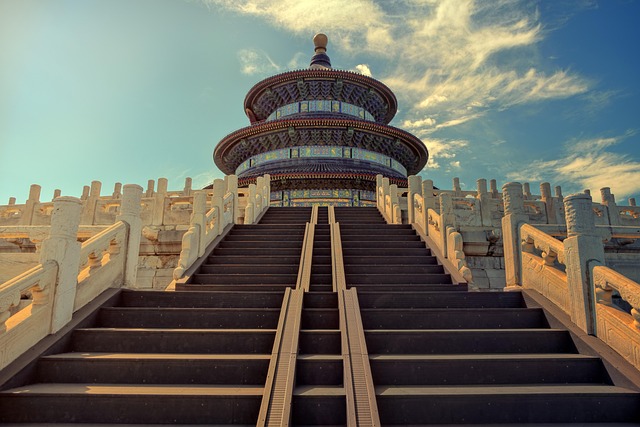
Have you ever looked at an ancient temple or imperial palace and wondered whether its style was Japanese or Chinese? Although the two cultures share threads of history and aesthetics, the difference between Chinese and Japanese architecture becomes clear when you understand their philosophies, materials, and symbolic elements.
The comparison of Japanese vs Chinese Architecture is more than a visual study—it’s a window into how two civilizations interpreted nature, power, and spirituality. In this guide, you’ll learn the historical evolution of each style, how their structures differ, which materials they favor, and what makes their cultural identities unique. Whether you’re studying design, planning travel, or simply curious, this complete breakdown will give you expert insight into chinese vs japanese architecture.
A Brief Historical Background of Both Architectural Traditions
Understanding the origins of japanese architecture vs chinese architecture helps explain why they look so different today. While both civilizations exchanged ideas for centuries, each developed a unique identity shaped by climate, religion, and governance.
The Roots of Chinese Architecture
Chinese architecture is one of the world’s oldest continuous building traditions. Its foundations were established during the Zhou and Han dynasties and later refined in the Tang and Song periods. Several characteristics define its evolution:
- Centralized imperial power influenced symmetrical layouts.
- Confucian principles shaped strict hierarchy in building design.
- Feng shui guided directional orientation and spatial harmony.
- Decorative symbolism expressed status, fortune, and tradition.
The result? Monumental, colorful, and meticulously structured designs that emphasized authority and cosmic order.
The Origins of Japanese Architecture
Japanese architecture developed through Shinto beliefs, local craftsmanship, and a deep respect for nature. While Chinese influence entered Japan through Buddhism in the 6th century, the Japanese adapted rather than copied. Key influences include:
- Shinto spirituality, emphasizing purity and natural materials.
- Buddhist temple design, imported through Korea and China.
- Climate-driven choices, such as raised floors and open-air spaces.
- Aesthetic philosophies like wabi-sabi, appreciating simplicity and imperfection.
Japan’s architectural identity became minimalist, humble, and deeply integrated with its natural surroundings.
Key Differences in Design Philosophy
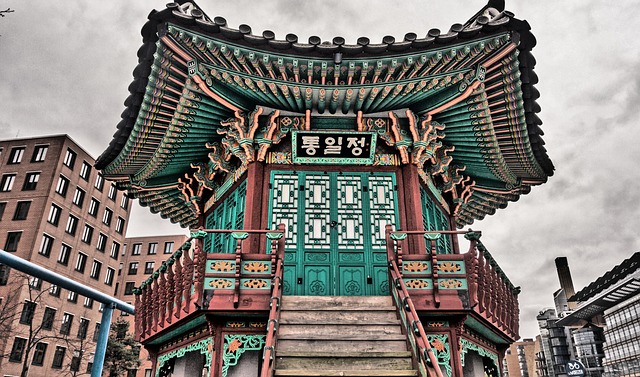
At the heart of japanese vs chinese architecture are contrasting worldviews.
Chinese Architecture: Grandeur, Hierarchy, and Symbolism
Chinese design centers on visual power. Structures are meant to impress, represent stability, and reflect cosmic alignment. Hallmarks include:
- Bold colors and ornate patterns
- Elaborate roof structures with sweeping curves
- Strict symmetry in palaces and temples
- Heavy use of symbolism (dragons, phoenixes, imperial motifs)
This architecture reflects a civilization where centralized power and social hierarchy influenced every detail.
Japanese Architecture: Simplicity, Nature, and Flexibility
Japanese buildings celebrate subtle beauty and environmental harmony. They emphasize:
- Neutral, organic materials (wood, bamboo, paper)
- Lightness and openness rather than monumentality
- Modularity, allowing spaces to change function
- Minimal ornamentation and clean lines
Rather than convey authority, Japanese design nurtures calm, introspection, and a close relationship with nature.
Visual and Structural Differences Between the Two Styles
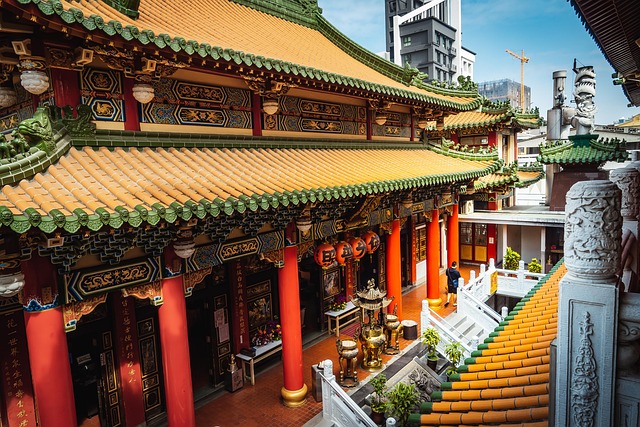
Here is where chinese architecture vs japanese architecture becomes especially easy to distinguish.
Roof Structure and Shape
Chinese Roofs
- Highly curved, upturned eaves
- Multiple tiers (especially on palaces and temples)
- Brightly painted beams
- Decorative figurines lining the ridges
These roofs symbolize wealth, power, and divine protection.
Japanese Roofs
- Gentle curves or mostly straight lines
- Simpler eaves
- Natural wood left exposed
- Thatched, shingled, or tiled finishes
Japanese roofs emphasize functionality and understated beauty.
Use of Color
Chinese Architecture
Chinese buildings are visually striking, using:
- Red pillars (symbolizing prosperity)
- Yellow glazed tiles (imperial authority)
- Blue-green detailing (cosmic harmony)
Colors were not just decorative—they carried political and spiritual meaning.
Japanese Architecture
Japanese design favors:
- Natural wood tones
- Muted earthy palettes
- Limited use of bright colors
- Occasional vermilion accents in Shinto shrines
The goal is peaceful minimalism, not grandeur.
Materials and Construction Techniques
Chinese Materials
- Stone bases
- Heavy timber frames
- Fired clay tiles
- Decorative lacquer
- Sculptural stone and ceramic elements
Durability and ornamentation take center stage.
Japanese Materials
- Lightweight timber
- Paper (shoji screens)
- Bamboo
- Tatami mats
- Plastered earthen walls
Flexibility and connection to nature are priorities.
Floor Plan Design
Chinese Architecture
- Highly symmetrical
- Courtyard-based compounds
- Strict hierarchical zoning
- Fixed room functions
The Forbidden City is the ultimate example.
Japanese Architecture
- Asymmetry preferred
- Modular spaces using sliding doors
- Multi-function rooms
- Open interiors with fluid flow
The layout adapts to seasons, usage, and light.
Religious and Spiritual Influences
Both nations were influenced by Buddhism, but their interpretations differ.
Buddhism in China
Chinese Buddhist architecture introduced:
- Grand temple complexes
- Pagodas symbolizing sacred relics
- Heavy ornamentation
- Symmetry that mirrors cosmic order
Temples were often large, ceremonial, and richly decorated.
Buddhism in Japan
Japanese Buddhists adapted Chinese ideas into:
- Wooden temples with natural finishes
- Simpler ornamentation
- Zen monasteries emphasizing emptiness and contemplation
- Gardens designed for meditation
The Zen garden is a perfect example of Japanese spiritual minimalism.
Japanese vs Chinese Architecture in Modern Times
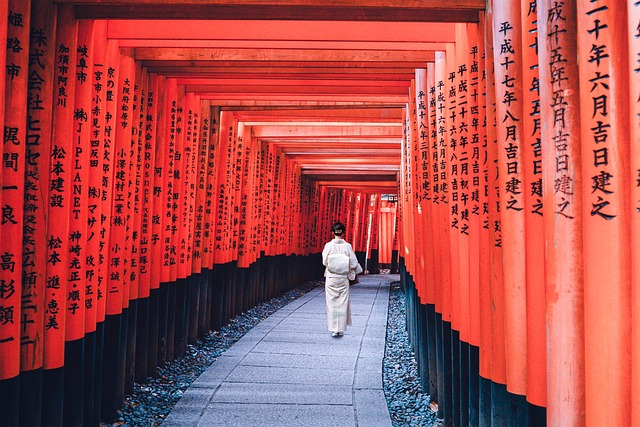
Both nations continue to evolve while honoring tradition.
Modern Chinese Architecture
China blends ancient designs with global trends:
- Skyscrapers inspired by futuristic geometry
- Cultural landmarks maintaining traditional roofs
- Urban planning reflecting old courtyard concepts
- Incorporation of International Style Architecture in major cities
The skyline of Shanghai is a perfect intersection of past and future.
Modern Japanese Architecture
Japan leads in innovative, minimalist design:
- Earthquake-resistant wooden structures
- Futuristic residential homes
- Zen-inspired public buildings
- Use of glass, steel, and natural light
Japanese architects like Tadao Ando and Kengo Kuma embrace modernity without abandoning nature.
Side-by-Side Comparison Chart
Here’s a quick look at japanese architecture vs chinese in a simple format:
| Feature | Chinese Architecture | Japanese Architecture |
| Philosophy | Power, symmetry, cosmic order | Nature, simplicity, flexibility |
| Materials | Stone, lacquered wood, clay tiles | Wood, bamboo, paper, tatami |
| Color | Bright reds, golds, greens | Natural tones, minimal color |
| Roofs | Curved, layered, ornate | Straight or slightly curved, simple |
| Layouts | Symmetrical, hierarchical | Flexible, modular |
| Symbolism | Dragons, phoenixes, imperial motifs | Nature, purity, subtle aesthetics |
Why These Differences Matter Today

The contrast between Japanese vs Chinese Architecture isn’t only academic—it influences:
- Modern home design
- Cultural tourism
- Sustainable architecture trends
- Urban planning
- Art and interior design
Moreover, understanding these differences helps us appreciate the cultural stories behind every pagoda, temple, and garden.
Conclusion
In studying Japanese vs Chinese Architecture, we uncover two civilizations that developed distinct architectural languages. Chinese architecture emphasizes symmetry, grandeur, and symbolism, reflecting imperial power and cosmic order. Japanese architecture, however, values subtlety, natural materials, and flexibility shaped by spiritual beliefs and environmental needs.
Both traditions remain deeply influential worldwide. Whether you’re designing a modern home, exploring ancient temples, or simply appreciating cultural beauty, these architectural insights create a richer understanding of East Asian history.
FAQs (People Also Ask Style)
1. What is the main difference between Chinese and Japanese architecture?
Chinese architecture is grand, colorful, and symmetrical, while Japanese architecture is minimalist, natural, and flexible in layout.
2. How can you tell if a temple is Japanese or Chinese?
Check the roof: Chinese temples have ornate curved roofs with bright colors, while Japanese temples use simpler wooden structures with natural tones.
3. Why are Japanese buildings mostly wooden?
Japan’s climate, earthquakes, and Shinto beliefs favor lightweight, natural materials that can be rebuilt or repaired easily.
4. Did Japanese architecture come from China?
Japan adopted early Buddhist influences from China but adapted them into its own minimalist and nature-focused style.
5. Which style is older: Chinese or Japanese architecture?
Chinese architecture is significantly older, dating back over 3,000 years, while Japanese architecture developed later with its own distinct identity.









Leave a comment