


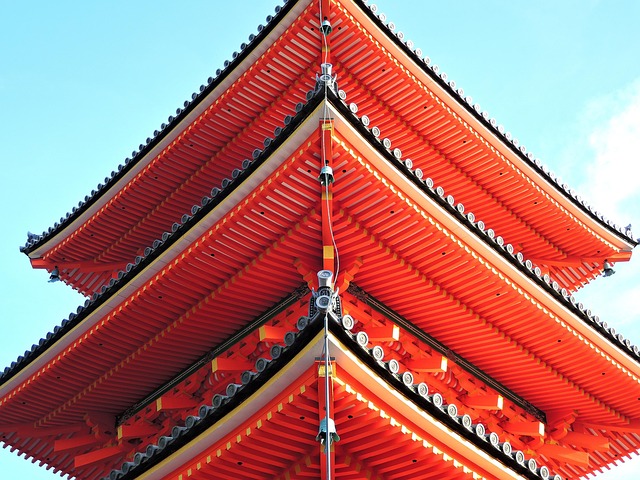
Have you ever stepped into a place so serene that it instantly calms your senses? That’s the quiet magic of a Japanese style temple — spaces designed not just for worship, but for harmony, balance, and reflection. These temples have captivated architects, travelers, and historians for centuries.
In this guide, you’ll discover how Japanese temples are built, what each design element symbolizes, how they compare to modern architecture, and what makes them relevant today. Whether you’re an enthusiast or a curious learner, this deep dive will give you insights you won’t find elsewhere.
Why Japanese Style Temples Still Matter Today
Japanese temples remain a major influence on global architecture, design philosophies, and sustainable construction. Their emphasis on natural materials, spatial harmony, and spiritual symbolism continues to inspire everything from minimalist homes to meditation centers and eco-resorts around the world.
Moreover, the rising interest in wellness tourism and cultural heritage makes Japanese temple design more relevant than ever.
The Origins of Japanese Temple Architecture
Japanese temple architecture evolved through centuries of spiritual and cultural exchange. Many early designs were influenced by Chinese and Korean Buddhist structures, but the Japanese transformed these concepts into something uniquely their own.
Key Historical Influences
- Asuka & Nara Periods: Introduction of Buddhism, symmetrical layouts, and wide courtyards.
- Heian Period: Movement toward serene natural settings and more elegant detailing.
- Kamakura Period: Rise of Zen aesthetics — simplicity, austerity, and contemplation.
- Edo Period: Lavish ornamentation, vibrant colors, and complex roofing techniques.
The result? A rich architectural language defined by balance, humility, and spiritual symbolism.
Core Architectural Elements of a Japanese Style Temple
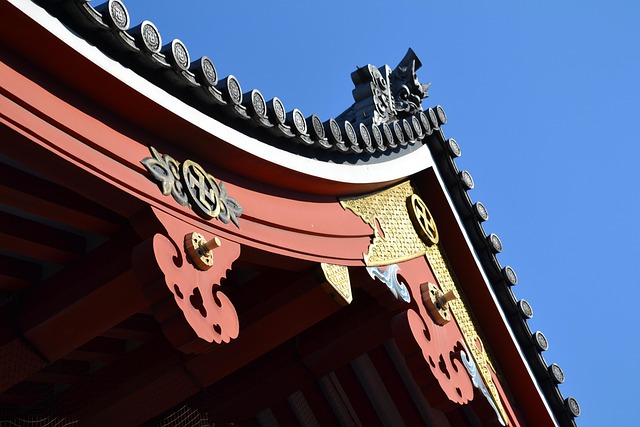
Every Japanese-style temple contains elements deeply rooted in tradition, each with spiritual meaning and functional purpose.
1. The Torii Gate: Gateway to Sacred Space
The torii marks the threshold between the physical world and the spiritual realm.
Symbolism:
- Purification
- Transition
- Protection
Often crafted from wood or stone, torii gates can be minimalist or grand, depending on the temple’s significance.
2. Main Hall (Hondō)
This is where the principal deity or Buddha is enshrined.
Features include:
- Elevated wooden floors
- Intricate carvings
- Tatami spaces for rituals
3. Pagoda (Tō)
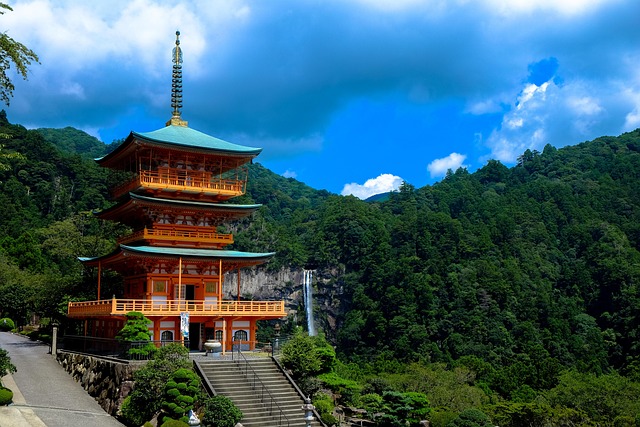
Pagodas serve as reliquaries and symbols of enlightenment.
Each level represents an element:
- Earth
- Water
- Fire
- Wind
- Void (Sky)
Their stunning verticality adds visual rhythm to the temple complex.
4. Kondo (Golden Hall)
Often adorned with gilded elements, this hall houses sacred statues and ceremonial artifacts.
5. Temple Gardens
Perhaps the most admired feature, Japanese temple gardens embody Zen philosophy.
Common garden styles include:
- Karesansui (dry rock gardens)
- Chisen-kaiyū (pond stroll gardens)
- Moss gardens
- Tea ceremony gardens
Each garden is carefully composed to evoke meditation and harmony.
Materials That Define Japanese Temple Design
A hallmark of these temples is the meticulous use of natural materials. This connection to nature is intentional and symbolic.
Primary Materials
- Wood (cedar, cypress, pine): Chosen for durability and spiritual purity.
- Stone: Used for lanterns, pathways, and foundation bases.
- Paper (washi): For sliding doors (shoji) that diffuse soft light.
- Clay tiles: Used in elegant, curved roofing.
These materials allow the structure to breathe, age gracefully, and coexist with its surroundings.
Symbolism at the Heart of Japanese Temple Design
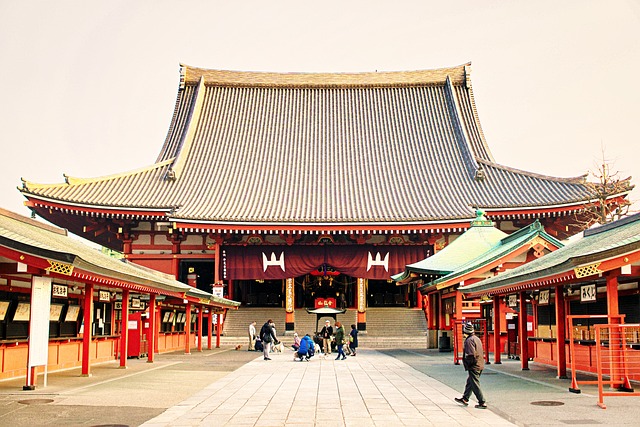
Japanese temples are filled with layers of symbolism. Understanding these elements deepens appreciation of the architectural choices.
Key Symbolic Concepts
- Shinzen: Purity and divinity
- Ma: The space between things, representing balance
- Wabi-sabi: Beauty in imperfection
- Kū: Emptiness as spiritual fullness
In short, every design decision reflects philosophy.
How Japanese Style Temples Reflect Spiritual Life
Japanese temples support various spiritual traditions — Buddhism, Shintoism, and folk beliefs.
Each tradition shapes architectural layout in different ways:
Buddhist Temples
- Symmetrical layouts
- Large lecture halls
- Pagodas
- Zen meditation halls
Shinto Shrines
- Torii entrances
- Kami worship
- Bright vermillion color schemes
- Simpler wooden structures
The Role of Nature in Temple Architecture
One hallmark of Japanese design is the seamless integration with nature. Temples aren’t simply placed in landscapes — they are woven into them.
Nature as a Living Element
- Water symbolizes cleansing.
- Rocks represent endurance.
- Trees convey continuity of life.
- Seasonal plants reflect impermanence.
This natural choreography helps temples feel alive.
Craftsmanship Techniques Passed Down for Centuries
Japanese carpenters (miyadaiku) are renowned for precision joinery that requires no nails. These ancient methods create durability and seismic resistance.
Famous Techniques
- Kigumi (interlocking joints)
- Dai-koku-bashira (central pillar technique)
- Curved eaves crafted with mathematical precision
Such craftsmanship showcases unmatched artistry.
Japanese Temples vs. Modern Architecture
Modern architects increasingly borrow from Japanese temple principles — especially in minimalism and sustainable construction.
- Open floor plans
- Natural light utilization
- Wood-forward interiors
- Mindful spatial design
Interestingly, even movements like International Style Architecture draw from Japanese simplicity and functional clarity.
How Japanese Style Temples Influence Today’s Design Trends
1. Wellness & Retreat Architecture
Meditation rooms, spas, and wellness resorts mimic temple tranquility.
2. Sustainable Construction
Eco-friendly materials and natural ventilation methods owe much to traditional Japanese techniques.
3. Minimalist Interiors
Clean lines and uncluttered spaces have roots in Zen aesthetics.
Popular Japanese Temples Worth Exploring
1. Kiyomizu-dera, Kyoto
Known for its massive wooden stage overlooking cherry blossoms.
2. Senso-ji, Tokyo
One of Japan’s oldest and most visited temples.
3. Todai-ji, Nara
Home to the giant bronze Buddha.
4. Ryoan-ji, Kyoto
Famous for its mysterious Zen rock garden.
These temples offer vivid examples of traditional design.
Designing Your Own Japanese-Inspired Space
Whether you’re planning a home meditation room or an outdoor garden, you can incorporate principles of Japanese temple design.
Key Tips
- Use natural materials.
- Keep spaces open and uncluttered.
- Add elements of water or stone.
- Prioritize natural light.
- Incorporate plants like bamboo or moss.
A little goes a long way.
Japanese Temple Design in Modern Media
From movies to video games, Japanese temples are iconic settings. Their visual identity — sweeping eaves, lantern-lit paths, moss gardens — is instantly recognizable, making them perfect for storytelling.
Why Global Interest in Japanese Temples Keeps Growing
Several factors fuel worldwide fascination:
- Rise of mindfulness culture
- Appreciation for craftsmanship
- Interest in sustainable architecture
- Popularity of Japanese media
- Travel trends toward cultural destinations
Japanese temple architecture feels both timeless and timely.
Conclusion: The Lasting Legacy of Japanese Style Temples
A Japanese style temple isn’t just a building — it’s a philosophy carved into wood, stone, and space. These temples teach us how architecture can shape emotions, encourage reflection, and harmonize with the world around us.
In short, Japanese temple design stands as a reminder that beauty and tranquility come from intention, craftsmanship, and balance. Whether you’re exploring one in person or applying its principles at home, its impact is undeniable.
FAQs
1. What makes a Japanese style temple unique?
The use of natural materials, symbolic layouts, and harmony with nature make these temples distinct and spiritually meaningful.
2. Why are Japanese temples built from wood?
Wood symbolizes purity and life in Japanese culture. It’s also naturally resilient and ideal for intricate carpentry.
3. What is the purpose of a torii gate?
A torii marks the transition from the physical world to the sacred realm, offering purification and protection.
4. How do Japanese temples differ from Chinese temples?
Japanese temples emphasize minimalism, natural materials, and subtle symbolism, while Chinese temples often feature brighter colors and elaborate ornamentation.
5. Can I incorporate Japanese temple design at home?
Absolutely — by using natural materials, adding calming garden elements, and embracing minimalistic interior design.












Leave a comment