


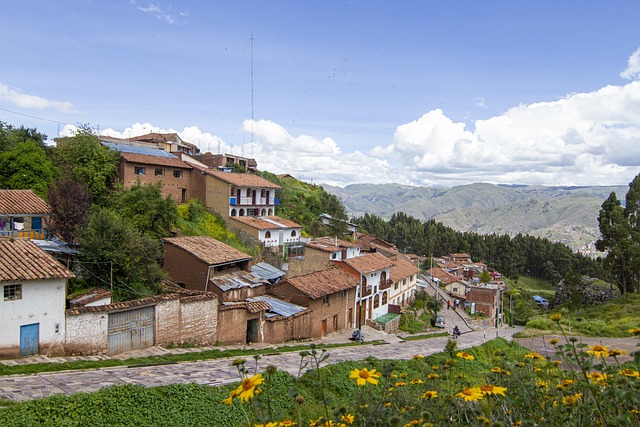
How do you create a home that feels both ancient and modern—rooted in culture yet ready for the future? That’s the magic of the Peru House, a style shaped by centuries of Andean tradition and refined by contemporary innovation. Moreover, Peru’s unique geography—mountains, deserts, and rainforest—demands architectural solutions that are efficient, durable, and culturally expressive.
In this article, you’ll learn how Peru House Design evolved, the materials that define it, and the modern adaptations reshaping Peruvian architecture. You’ll also discover cultural influences, architectural trends, and real design examples that showcase Peru’s distinctive aesthetic.
(Internal link suggestion: Read also: How Climate Shapes Architecture in the Andes)
(External link suggestion: Learn more about Andean cultures on Wikipedia for cultural context.)
The Cultural Roots Behind the Peru House
A Peru House isn’t just a building—it’s an expression of identity. Peru’s architectural DNA is deeply tied to the civilizations that shaped the region long before colonization.
Andean Heritage as Architectural Blueprint
From the Inca to pre-Inca societies, homes were designed to withstand altitude, earthquakes, and dramatic climate shifts. Stone foundations, thick walls, and compact layouts weren’t just aesthetic choices; they were survival tools.
Key Andean principles include:
- Orientation toward the sun to capture heat in cold climates
- Use of local stone and adobe for natural insulation
- Courtyard-style layouts promoting community and airflow
- Integration with the landscape, never dominating it
This heritage still guides modern Peru House Design, even as aesthetics evolve.
Colonial Influences and Blended Styles
Spanish colonialism introduced wood balconies, decorative facades, and new structural techniques. Many homes in cities like Arequipa, Cusco, and Lima still reflect this hybrid identity—thick stone walls paired with ornate wooden detailing.
Essential Materials in Peru House Design
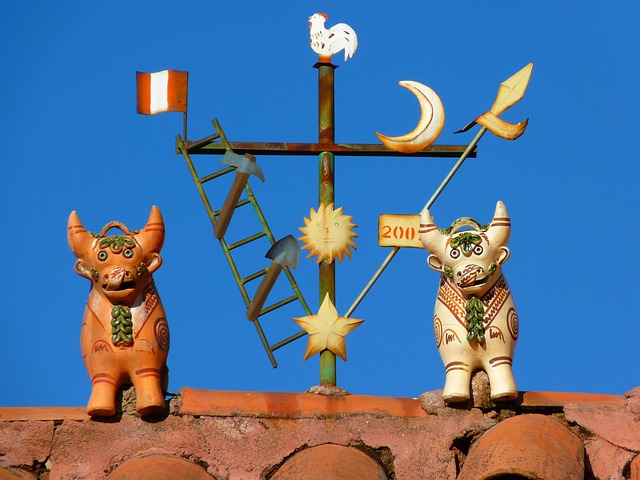
Peru’s diverse geography offers an abundant palette of natural building materials. For centuries, builders have relied on what the land provides.
Adobe – The Heart of Andean Construction
Adobe remains one of the most iconic materials in a Peru House. Made from mud, straw, and water, it offers:
- Excellent temperature control
- Low environmental impact
- Fire and pest resistance
- A warm, earthy appearance
Moreover, adobe is inexpensive and easy to repair, keeping traditional homes sustainable for generations.
Sillar Stone – The White Volcanic Marvel
In Arequipa, sillar—a volcanic stone—defines the city’s architectural identity. Lightweight yet sturdy, it gives homes their famous white glow. Its insulating properties also make it ideal for Peru’s fluctuating temperatures.
Wood, Clay, and Natural Fiber
Other commonly used materials include:
- Eucalyptus wood in highland structures
- Clay tiles for roofing
- Totora reeds in coastal and lake regions
- Andean textiles for interior finishes
Each material adds cultural and ecological richness to the final design.
Modern Adaptations Transforming the Peru House
Today’s architects are reimagining traditional styles for contemporary living. The modern Peru House Design blends cultural authenticity with practical innovation.
Sustainable Building as a Core Principle
Environmental awareness has become central. Most homeowners now seek:
- Passive heating systems
- Solar panels for high-altitude regions
- Rainwater harvesting
- Natural cross-ventilation layouts
Modern builders incorporate green roofs, recycled materials, and energy-efficient windows while maintaining traditional aesthetics.
Earthquake-Resistant Engineering
Peru is one of the world’s most seismically active countries. As a result, new homes combine old materials like adobe with structural reinforcements such as:
- Steel mesh frameworks
- Flexible roofing systems
- Earthquake-resistant foundations
This hybrid approach preserves heritage without compromising safety.
Minimalist Designs with Cultural Accents
Contemporary Peru House Design often features:
- Clean, minimalist lines
- Large windows for natural light
- Earth-tone palettes inspired by the Andes
- Stone accent walls echoing Inca craftsmanship
This blend appeals to both international architects and Peruvian homeowners seeking an elegant yet meaningful aesthetic.
How Climate Shapes the Peru House
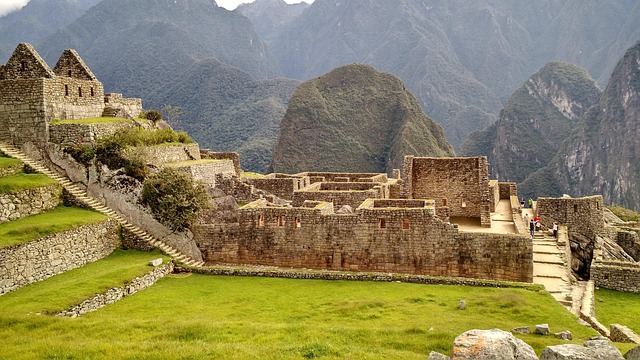
Because Peru’s climate varies dramatically, regional architecture adapts accordingly.
Highland Homes
Homes in Cusco, Puno, and the Sacred Valley experience:
- Cold nights
- Strong winds
- High UV exposure
To manage these extremes, buildings rely on:
- Thick stone or adobe walls
- Small windows
- Courtyards for warmth and light
Coastal Homes
Lima and Trujillo’s coastal climates require:
- Open floor plans
- Larger windows
- Flat roofs
- Moisture-resistant materials
Modern Peru House styles incorporate steel, concrete, and treated wood to withstand humidity.
Amazon Rainforest Homes
In jungle regions like Iquitos:
- Homes stand on stilts to avoid flooding
- Roofs use palm thatch or metal
- Elevated walkways connect indoor and outdoor spaces
- Natural ventilation replaces artificial cooling
Each region pushes design forward in a unique way.
Design Features That Define a Peru House
While Peru’s architecture varies, several hallmark features unify the style.
Courtyards as Social Centers
The patio remains the heart of many homes—an open space for gatherings, cooking, and celebrations. In modern homes, courtyards often include:
- Gardens
- Water features
- Fire pits
- Vertical greenery
Earth-Toned Color Palettes
Warm hues dominate Peru House designs, including:
- Terracotta
- Soft browns
- Sandy beiges
- Slate gray
- Deep reds
These tones reflect Peru’s landscapes—from the Sacred Valley to the coastal deserts.
Cultural Textiles and Craftsmanship
Peruvian craftsmanship enriches interiors through:
- Alpaca wool rugs
- Handwoven tapestries
- Inca-inspired geometric patterns
- Carved wooden furniture
Every detail reinforces a connection to heritage.
International Style Architecture Influence
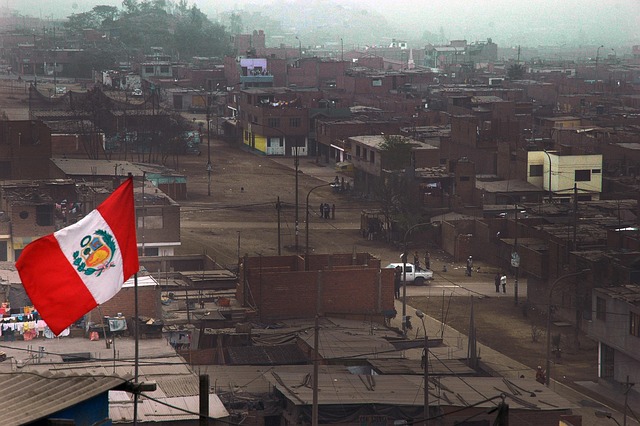
Some modern designers merge International Style Architecture with Peruvian traditions. Clean lines, open spaces, and geometric simplicity meet natural stone walls and Andean textures. This marriage of global minimalism and local identity results in homes that are both stylish and deeply rooted.
The Future of Peru House Architecture
As Peru’s cities grow and rural areas modernize, architecture continues evolving.
Smart Homes with Cultural Identity
Technological upgrades such as:
- Smart thermostats
- Automated lighting
- Security systems
are now combined with traditional materials like adobe and stone.
Tourism and Boutique Eco-Lodges
Boutique hotels inspired by Peru House Design are becoming popular, especially in:
These eco-lodges showcase local craftsmanship while providing luxury experiences.
Urban Revitalization
Lima and Arequipa are restoring old colonial and republican homes, turning them into:
- Cafés
- Galleries
- Boutique stays
- Cultural centers
This not only preserves history but also boosts cultural tourism.
Practical Tips for Creating a Modern Peru House
Whether you’re designing a home in Peru or inspired by Peruvian aesthetics elsewhere, consider the following ideas:
- Use local or natural materials whenever possible.
- Incorporate a courtyard or open-air space for better airflow.
- Choose earth-tone color schemes for authentic warmth.
- Blend traditional textures with modern layouts.
- Add cultural pieces like woven textiles or pottery.
- Plan for climate—insulation in cold regions, ventilation in warm areas.
Conclusion
The Peru House is more than architecture—it’s a celebration of history, culture, and the natural world. From ancient Andean principles to modern adaptations, Peru’s homes showcase resilience, creativity, and deep cultural pride. Whether you’re exploring building ideas or simply fascinated by global design, Peru offers a blueprint for blending tradition with innovation.
In short, embracing Peru House Design means embracing harmony—between old and new, nature and structure, culture and modern life.
FAQs (People Also Ask Style)
What makes a Peru House unique?
Its blend of traditional Andean materials, cultural symbolism, and modern design solutions makes it stand out among global architectural styles.
What materials are common in Peru House Design?
Adobe, stone, sillar, wood, clay tiles, and natural fibers are widely used for structural and decorative purposes.
Are Peru Houses sustainable?
Yes. Most are built with eco-friendly materials and climate-smart layouts that reduce energy use naturally.
How does climate influence Peru House architecture?
Homes adapt to local conditions—thick walls in highlands, open layouts on the coast, and elevated structures in rainforest regions.
Can modern homes still follow traditional Peru House principles?
Absolutely. Many modern architects blend smart technology and minimalist design with historical techniques and local materials.






Leave a comment