


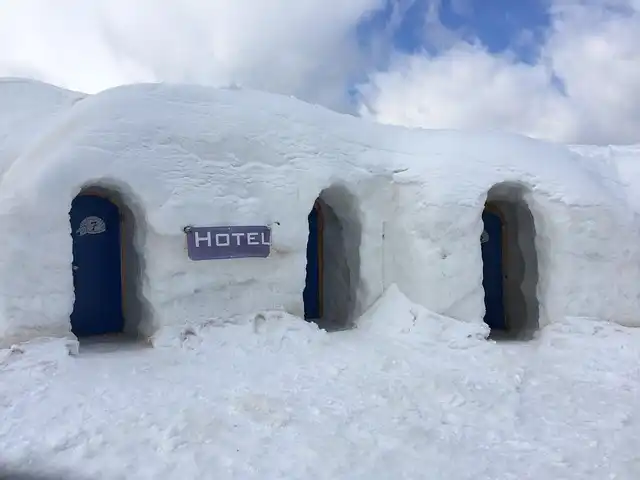
Have you ever wondered how people survive in some of the coldest places on Earth—without heaters, electricity, or modern insulation? The answer lies in the extraordinary science of igloo architecture. These seemingly simple snow domes do far more than provide shelter; they demonstrate how Indigenous Arctic communities mastered engineering long before it was formally studied.
In today’s world, igloos continue to inspire architects, sustainability experts, and engineers seeking low-energy solutions for extreme climates. In this article, you’ll learn how igloos are built, why they work so well, who created them, and how their design influences modern architecture. We’ll also explore materials, techniques, cultural insights, and innovative applications.
The Origins of Igloo Architecture
History of Igloo Building
The igloo—often spelled “iglu,” meaning “house” in Inuktitut—has been part of Inuit culture for centuries. Contrary to popular belief, igloos were not everyday homes for all Inuit groups. Instead, they served as seasonal or temporary shelters during hunting trips, winter storms, or long journeys across sea ice.
Regional Differences in Igloo Use
Different Inuit regions had their own building methods:
- Central Arctic communities often built large, multi-room igloos connected by tunnels.
- Northern Greenland hunters constructed smaller, faster structures for overnight stops.
- Eastern Canadian Arctic groups created elaborate igloo villages during seasonal gatherings.
These variations show that igloo architecture evolved with climate, resources, and cultural practices, demonstrating deep environmental knowledge.
How Igloo Architecture Works
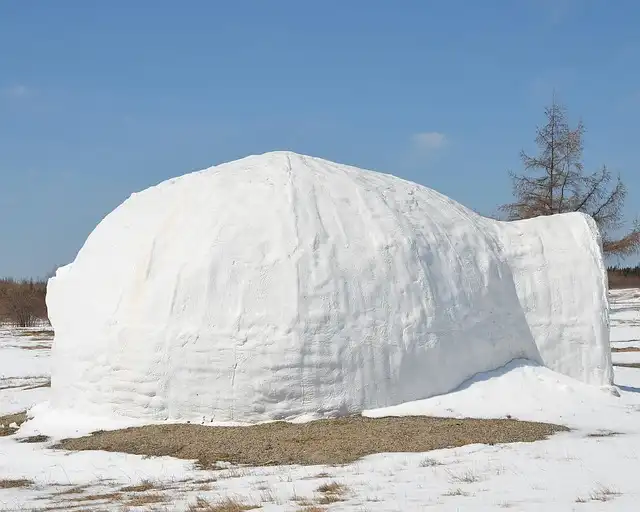
The Engineering Principles Behind Igloos
An igloo may look simple, but its structure reflects advanced engineering. Each curve, block, and angle serves a purpose.
Dome Shape for Maximum Strength
The iconic dome design distributes weight evenly, allowing the igloo to withstand:
- Heavy snow
- High Arctic winds
- Sudden weather shifts
This makes it comparable in structural logic to modern geodesic domes.
Snow as Natural Insulation
Fresh snow contains up to 95% trapped air, making it an exceptional insulator. As body heat warms the interior:
- The inner snow layer melts slightly
- It then refreezes, creating an ice crust
- This crust strengthens the igloo and improves heat retention
Inside temperatures can reach 0°C to +16°C, even when outside temperatures fall below –40°C.
The Spiral Block Technique
Igloo walls are built using a rising spiral pattern, giving two critical benefits:
- Structural stability—each block rests on the one below it.
- Curved dome formation—without needing advanced tools.
This method allows a small team to build a durable igloo in just a few hours.
Materials & Tools Used in Igloo Architecture
Why Snow Is the Perfect Building Material
Not all snow is equal. Igloo builders select wind-packed snow, which is:
- Dense
- Slightly hardened
- Easy to cut into blocks
This type of snow forms naturally after ongoing Arctic winds compress loose powder.
Traditional Tools
Inuit builders traditionally used:
- Snow knives crafted from bone, antler, or later steel
- Seal-skin gloves for hand protection
- Simple sleds to transport snow blocks
Despite minimal tools, the efficiency of the process remains unmatched.
Building an Igloo Step-by-Step
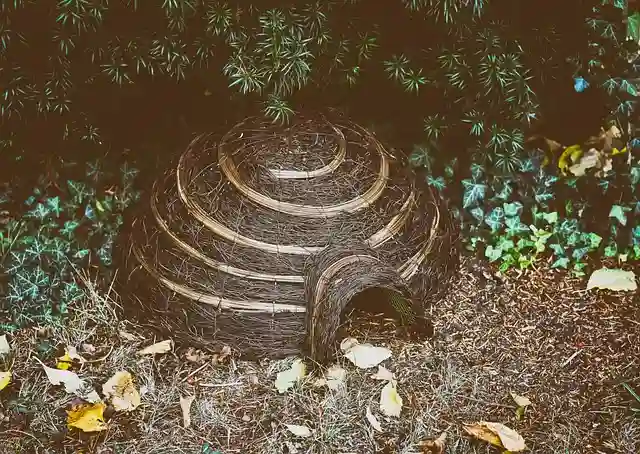
The Complete Igloo Construction Process
Understanding the building steps reveals the true brilliance of igloo architecture.
Step 1 — Preparing the Site
Builders choose a flat area with stable snow. Next:
- A circular foundation is marked
- Snow quality is tested for density
Step 2 — Cutting Snow Blocks
Blocks are typically:
- 2–3 feet long
- 8 inches thick
- Slightly tapered for better fit
Step 3 — Creating the Spiral Wall
Blocks are laid in an upward spiral, each one angled inward slightly. This forms the dome shape without scaffolding.
Step 4 — Capping the Roof
A final keystone block is carved to perfection. It locks the entire structure in place, making the dome self-supporting.
Step 5 — Ventilation & Entry Tunnel
Ventilation holes prevent carbon dioxide buildup. Entry tunnels:
- Reduce heat loss
- Block incoming wind
- Act as a “cold trap,” keeping warm air inside
Step 6 — Optional Interior Features
Many igloos include:
- Sleeping platforms
- Small windows made from ice plates
- Seal oil lamps for heat and light
Each detail enhances comfort in sub-zero conditions.
The Cultural Significance of Igloos
More Than Just Shelters
For Indigenous Arctic peoples, igloos were more than survival structures. They were symbols of skill, community, and adaptability.
Learning Through Practice
Igloo-building knowledge was passed down through generations. Children learned:
- Snow selection
- Knife handling
- Teamwork
- Environmental awareness
This made igloo construction both a practical skill and a cultural tradition.
Modern Applications & Inspirations
How Igloo Architecture Influences Today’s World
Surprisingly, the principles of igloo architecture appear in modern engineering, design, and sustainability movements.
Cold-Climate Construction
Engineers use igloo-inspired designs to create:
- Arctic research stations
- Emergency shelters
- Dome-shaped cold-weather camps
These structures mimic the igloo’s aerodynamic shape and insulating properties.
Energy Efficiency Lessons
Sustainable architects study igloos for:
- Passive heating strategies
- Natural insulation techniques
- Compact spatial planning
In fact, the efficiency of igloos aligns with concepts seen even in International Style Architecture, where form follows function.
Why Igloos Are a Model of Sustainable Architecture
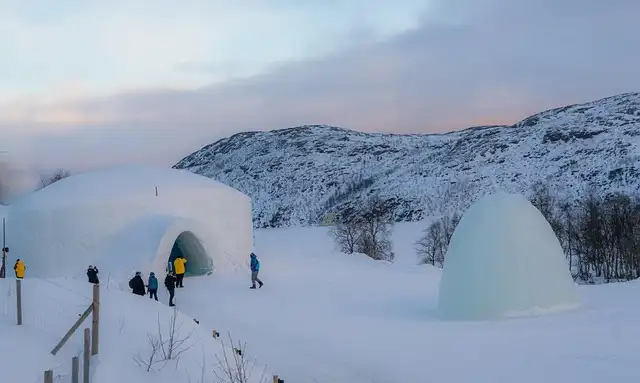
Lessons from Inuit Ingenuity
The sustainability of igloos offers valuable insights for modern designers.
Environmentally Aligned Materials
Snow is:
- Abundant
- Renewable
- Low impact
- Perfectly suited to local climates
This reflects a broader lesson: The best materials are often those available within the environment itself.
Zero Waste Construction
Everything used in an igloo naturally returns to the environment. No debris, pollution, or waste remains.
Superior Thermal Efficiency
Because of the trapped air pockets, snow provides remarkable insulation without electricity or added materials.
Igloo Architecture in Popular Culture
Why Igloos Still Capture Our Imagination
Films, books, and documentaries often portray igloos as symbols of resilience and Arctic identity. Their rounded silhouette has become an architectural and cultural icon.
From winter festivals to ice hotels, modern interpretations continue to showcase how timeless the igloo design truly is.
Comparing Igloos with Other Arctic Structures
Not the Only Arctic Innovation
While igloos are well-known, the Arctic region has produced many types of cold-weather shelters.
Snow Caves
- Dug into snowbanks
- Work well for hikers and mountaineers
- Faster but less durable than igloos
Sod Houses
- Used for long-term living
- Made from turf, driftwood, and whalebone
- Built to withstand entire seasons
Ice Huts
- Common in modern ice fishing
- Often heated and portable
Why Igloos Stand Out
Igloos offer:
- Superior insulation
- Structural strength
- Fast construction
- Cultural significance
Their blend of simplicity and sophistication is unmatched.
Igloos in the Age of Climate Change
Changing Snow Conditions
Climate change affects snow density and availability, making traditional igloo construction more challenging in some regions. However, the cultural knowledge persists, and communities continue adapting techniques to new conditions.
Innovation Through Tradition
Some modern engineers collaborate with Inuit experts to design:
- Eco-friendly shelters
- Snow-based disaster relief structures
- Winter tourism installations
This blend of tradition and technology preserves igloo architecture for future generations.
Conclusion
Igloo architecture is far more than a clever way to survive the cold—it’s a masterpiece of Indigenous engineering, environmental harmony, and cultural wisdom. From its curved walls to its snow-block precision, the igloo shows how humans can thrive even in Earth’s harshest climates.
As modern architects search for sustainable solutions, the principles of igloo design offer timeless lessons in efficiency, resourcefulness, and creativity. In short, the igloo remains a powerful reminder that some of the smartest ideas come from those who learned to listen closely to the land.
FAQs
1. How does an igloo stay warm?
Snow traps air, which acts as insulation. As people move inside, body heat slightly warms the interior, improving insulation even more.
2. How long does it take to build an igloo?
Skilled builders can construct a small igloo in two to three hours. Larger, multi-room ones may take longer.
3. Are igloos still used today?
Yes—mainly for cultural education, tourism, emergency shelters, and traditional hunting expeditions in some regions.
4. What type of snow is best for an igloo?
Wind-packed, dense snow that’s easy to cut into blocks and strong enough to support weight.
5. Can an igloo melt inside?
A thin inner layer may melt slightly from warmth, but it quickly refreezes into a hard ice shell, strengthening the structure.









Leave a comment