


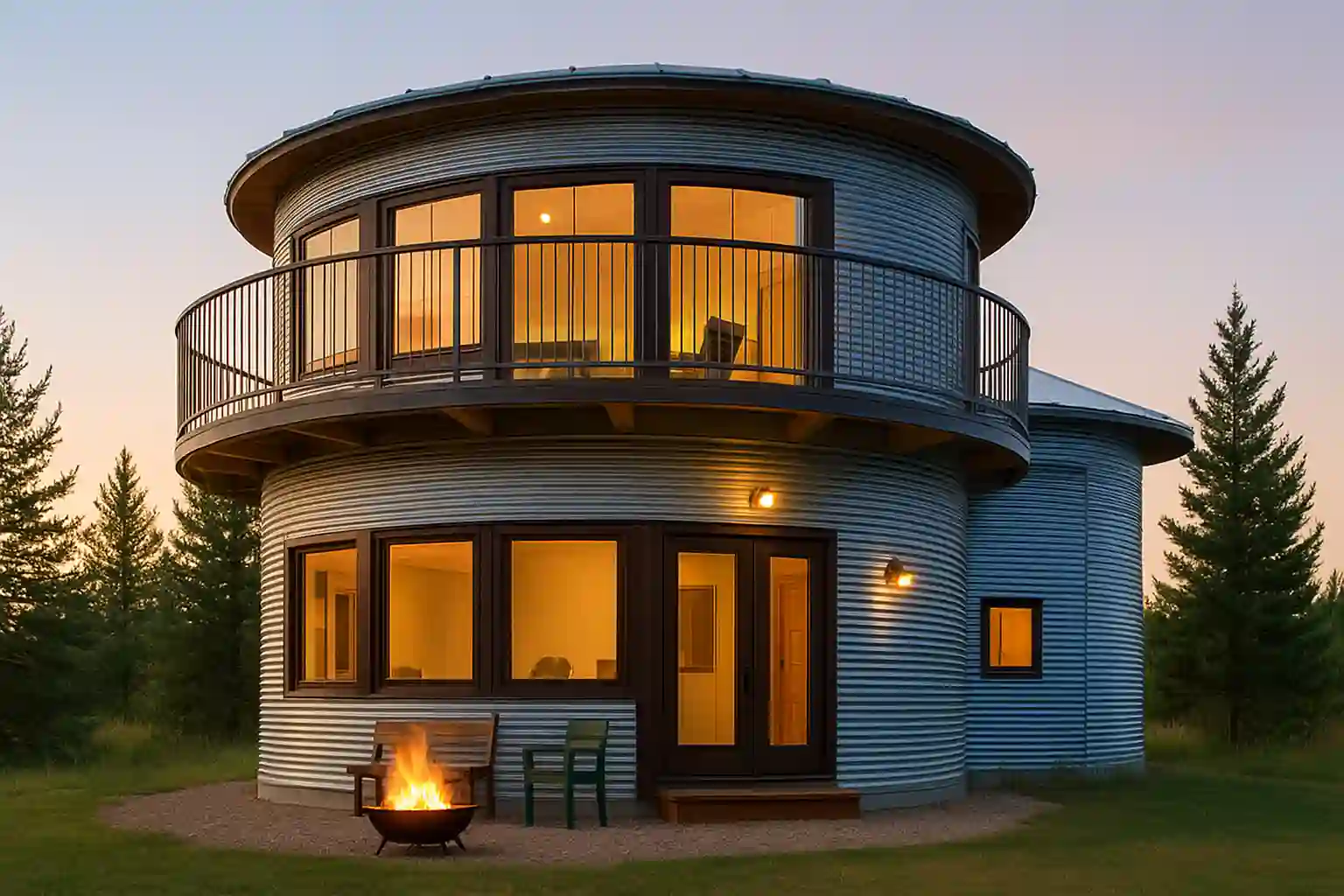
Have you ever driven past a farm and wondered what it would be like to live inside one of those towering metal silos? Surprisingly, many people already do — and the trend is exploding. A grain bin house offers an innovative way to blend rustic charm with modern design, all while staying affordable and environmentally conscious.
In this guide, you’ll learn why grain bin homes are gaining popularity, how they’re built, the best grain bin house plans, pros and cons, and design ideas based on real-world experience from builders and architects.
Why Grain Bin Houses Are Becoming a Housing Trend
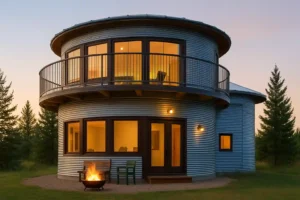
Grain bins, originally built for agricultural storage, make shockingly good residential structures. Their cylindrical shape, galvanized steel exterior, and wide-open interior create a unique foundation for modern architecture.
1. Sustainability Meets Style
Many homeowners are drawn to grain bin conversions for their eco-friendly nature. Reusing steel structures dramatically reduces waste, and the round form is naturally energy efficient.
2. Affordability Compared to Traditional Homes
A basic used grain bin can cost as little as a few thousand dollars. Even after insulation, interior framing, and finishing, the total project can still cost significantly less than a conventional build.
3. Strength and Durability
Steel construction means grain bin homes withstand harsh weather, including high winds and heavy snow loads, far better than many wood-frame homes.
The Appeal of Grain Bin House Architecture
Beyond the novelty, the architectural potential is massive. The round geometry lends itself to open-concept layouts, vaulted ceilings, and striking panoramic living spaces.
A Touch of International Style Architecture
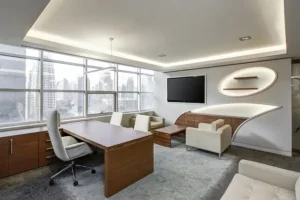
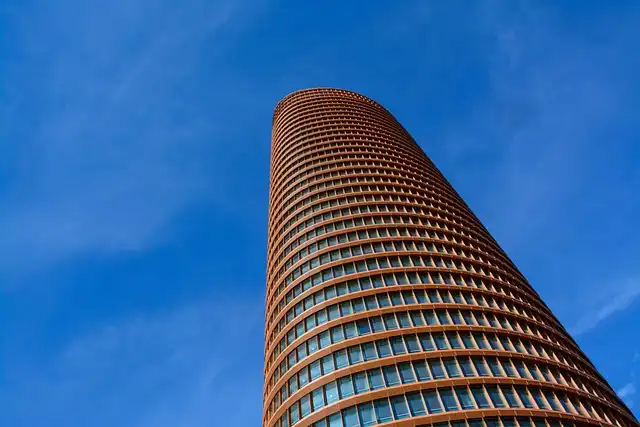
When combined with minimalist interiors, clean lines, and industrial finishes, grain bin homes subtly echo principles of International Style Architecture, especially when integrated with glass curtain walls or flat-roofed add-ons.
How to Start Planning Your Grain Bin House
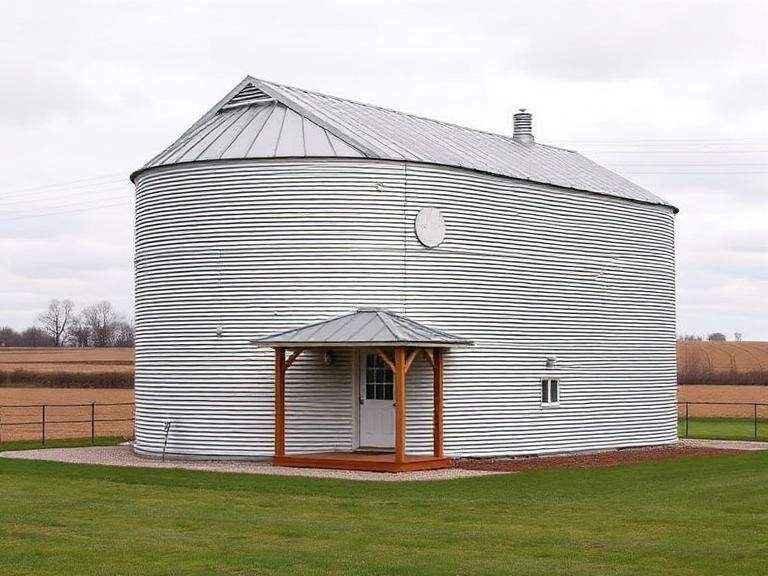
Before building, homeowners need a well-thought-out approach.
1. Choosing the Right Grain Bin
You can choose between:
- New grain bins — higher cost, easier setup
- Used bins — affordable but require inspection
Key factors include:
- Diameter
- Height
- Steel condition
- Location and transport logistics
2. Selecting Grain Bin House Plans
Good grain bin house plans should include:
- Structural engineering
- Foundation specifications
- Ventilation strategy
- Insulation type
- Electrical layout for curved walls
Many builders combine two or more bins for multi-room homes.
Design Ideas for Grain Bin House Interiors
Converting a metal silo into a warm, livable home takes creativity and smart design.
Open-Concept Living Spaces
The round shape makes open floor plans almost effortless. Kitchens, living rooms, and dining areas can all flow without internal walls.
Design Tips:
- Keep large furniture flexible and movable
- Use built-ins custom-designed for curved walls
- Add skylights for natural light
Multi-Level Grain Bin Homes
One of the coolest transformations involves building a loft or adding interior floors.
Benefits:
- More vertical living space
- Separation between private and public areas
- Dramatic visual effect
Ceiling fans or central chimney-style vents help circulate air in tall structures.
Combining Multiple Bins
For families or larger layouts, connected-bin designs provide the best of both worlds — unique architecture with practical space division.
Popular Configurations:
- Two-bin layout: living area + bedrooms
- Three-bin layout: living, sleeping, and office/workshop
- Cluster-home layout: multiple cylinders connected by glass hallways
Insulation: The Most Important Step in a Grain Bin House
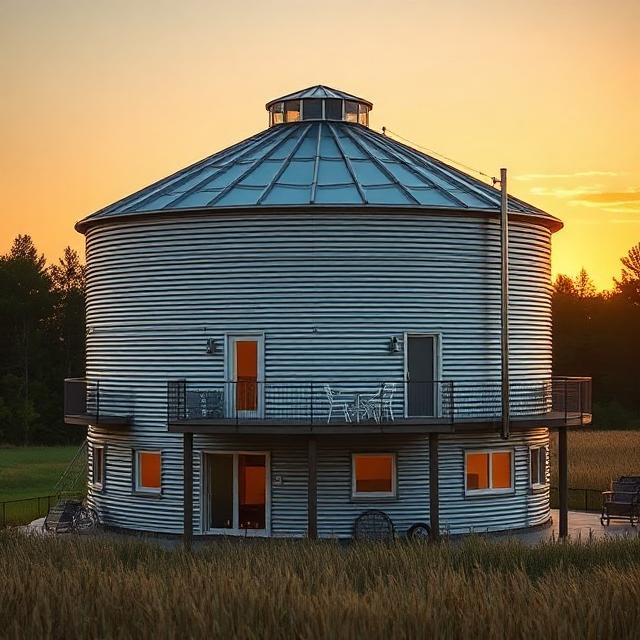
Metal buildings heat up and cool down fast, so insulation is critical.
Top Insulation Options
- Spray foam (recommended)
- Creates an airtight barrier
- Helps control moisture
- Works well with curved walls
- Structural Insulated Panels (SIPs)
- Great for exterior framing additions
- Fiberglass or cellulose
- Less ideal unless paired with interior framing
Foundation Requirements for Grain Bin Homes
Although grain bins are lightweight, they still require foundations designed for residential use.
Common Foundations:
- Concrete slab
- Pier and beam
- Stem wall foundation
A reinforced concrete ring is often installed to anchor the bin securely.
How Much Does a Grain Bin House Cost?
Costs vary based on size, materials, and the level of finish.
Typical Price Breakdown
- Used grain bin: $1,000–$8,000
- New grain bin: $5,000–$25,000
- Foundation: $5,000–$15,000
- Insulation: $8,000–$20,000
- Interior build-out: $30,000–$100,000+
Total estimated cost:
$80,000–$200,000+, depending on design complexity.
Compared to average U.S. home prices, grain bin homes are significantly more affordable.
Pros & Cons of Grain Bin Houses
Advantages
- Eco-friendly and uses recycled materials
- High wind resistance
- Unique architectural style
- Cost-effective
- Fast to build
Disadvantages
- Requires specialized insulation
- Curved walls limit furniture placement
- May need structural reinforcement for windows/doors
Grain Bin House Designs: Trending Styles
Here are some trending design themes:
1. Industrial-Modern
- Exposed steel
- Polished concrete floors
- Metal staircases
2. Rustic Farmhouse
- Wood accents
- Barn doors
- Neutral tones
3. Scandinavian Minimalist
- Light wood
- Soft textures
- Simple, airy spaces
Adding Windows and Doors to a Grain Bin
Cutting into steel requires precision.
Professional installers use:
- Reinforced frames
- Custom flashing
- Weather-sealed fittings
Panoramic windows or walkout decks dramatically change the interior feel.
Outdoor Living with Grain Bin Homes
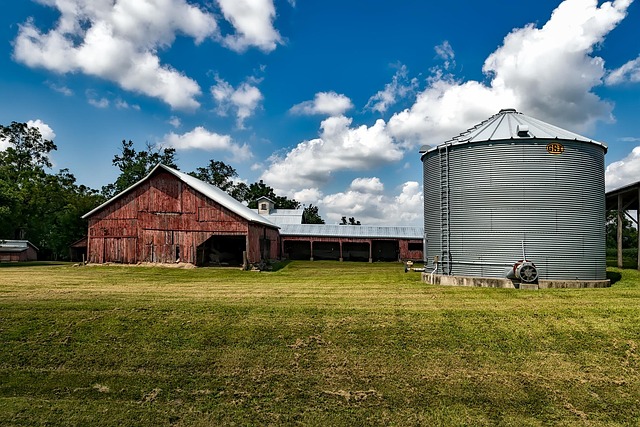
Since bins are compact, many owners extend living areas outdoors.
Ideas:
- Wraparound decks
- Rooftop terraces
- Outdoor kitchens
- Garden paths
These additions boost comfort and curb appeal.
Should You DIY or Hire a Builder?
Some grain bin homes are built entirely by DIYers, while others rely on professionals.
DIY-Friendly Tasks
- Installing flooring
- Interior framing
- Plumbing and electrical (if certified)
Tasks Best Left to Pros
- Cutting steel
- Foundation work
- Spray foam insulation
- Structural modifications
For safety and zoning purposes, an engineer should always review your plans.
Real Stories: Why People Choose Grain Bin Homes
Many homeowners love the challenge and charm of unconventional living. One owner praised the “cozy echo” and natural acoustics, while another admired the industrial-meets-modern aesthetic that stood out from typical suburban builds.
These homes aren’t just structures — they’re personal statements.
Conclusion
Building a grain bin house is more than a creative project; it’s an opportunity to embrace sustainable living, modern design, and cost-effective construction. Whether you want a cozy weekend getaway or a full-time cylindrical residence, the possibilities are endless with the right plans and inspiration.
In short: Grain bin homes prove you can live differently — and beautifully.
FAQs
1. Are grain bin homes safe?
Yes. Grain bins are built from durable steel and withstand extreme weather, especially high winds.
2. How long does it take to build a grain bin house?
Most builds take 3–9 months, depending on customization and permitting.
3. Do grain bin houses need special insulation?
Absolutely. Spray foam is the top choice because it seals moisture and fits curved walls.
4. Can you connect multiple grain bins together?
Yes, multiple bins can be joined with framed hallways or vestibules for larger layouts.
5. Are grain bin homes cheaper than traditional houses?
Typically, yes. They can cost significantly less due to reused materials and faster construction.









Leave a comment