


Have you ever looked at a building and felt instantly inspired? Some structures do more than provide shelter—they challenge convention, reshape skylines, and tell powerful stories about design. One such masterpiece is the Arango House, a home that stands as a testament to bold ideas and architectural innovation.
In this article, we’ll explore what makes Arango House so extraordinary, compare it with other iconic modern buildings, highlight the magic of the Zhuhai Opera House, and uncover how these creations changed the future of design. Whether you’re an architecture enthusiast, a student, or a curious traveler, you’re about to dive into a world where engineering meets artistry.
The Vision Behind Arango House
A Masterpiece Carved Into the Landscape
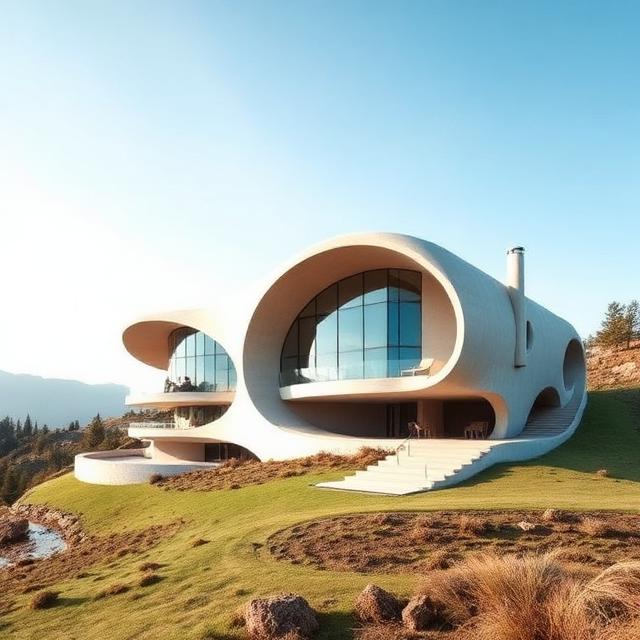
The Arango House, also known as Casa Arango, is an architectural triumph celebrated for its sculptural form and ingenious integration with its natural surroundings. Positioned dramatically on a cliffside, the residence doesn’t simply “sit” on the earth—it emerges from it. This harmony between nature and structure is a trademark of visionary architecture.
Rather than imposing on the landscape, the house harmoniously blends with it. Its fluid layout and open design make the building feel alive, as though it’s in constant conversation with the environment.
An Icon of Mid-Century Creativity
Arango House embodies the bold experimentation characteristic of mid-century modern architecture. The era was defined by sweeping curves, minimalist structure, and a belief that homes could be both functional and visually daring.
Designers of this period often embraced:
- Open floor plans
- Organic forms
- Natural lighting
- Unconventional silhouettes
Arango House fits this philosophy perfectly, serving as a living sculpture that invites visitors into an experience rather than simply sheltering them.
Architectural Genius: What Makes Arango House Stand Out?
A Bold Structural Identity
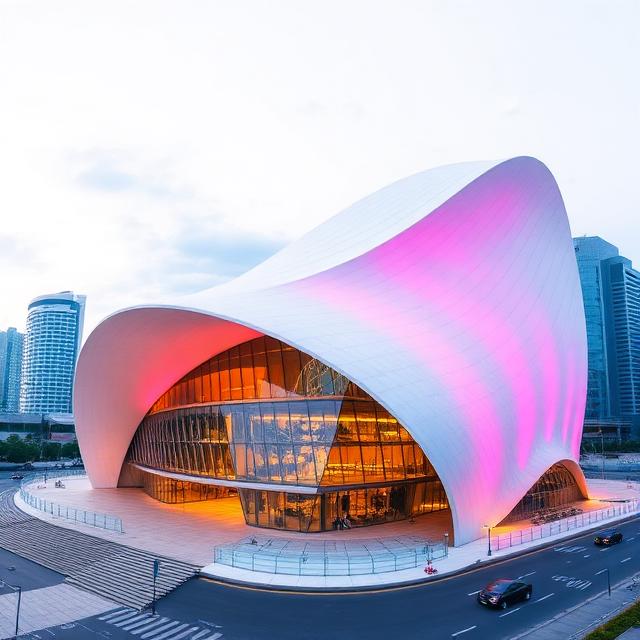
You’ll immediately notice the building’s dome-like form. This biomorphic shape extends beyond aesthetics—its engineering provides stability, distributes weight evenly, and creates spacious interiors without the need for traditional supports.
A Symphony of Light and Space
Arango House uses light like an artist uses paint. Large openings frame panoramic views and allow daylight to flood every corner. The interplay of shadow and form gives the home a timeless, poetic quality.
Materials That Tell a Story
Materials such as stone, wood, and reinforced concrete reflect a commitment to permanence and organic beauty. Their textures blend with the surrounding cliffs, making the transition between indoors and outdoors seamless.
The Global Impact of Arango House
Arango House is more than an architectural marvel—it’s a symbol of innovation. Its futuristic shape has influenced a generation of designers who sought to push boundaries of geometry and space.
Thanks to its daring curves and intelligent design, Arango House is often featured in academic studies and architectural exhibitions. It’s a prime example of how a residential project can transcend typical limits and become a cultural landmark.
Moreover, it demonstrates the principle of International Style Architecture, which emphasizes simplicity, clean lines, and functional structure.
Comparing Arango House to Other Iconic Modern Buildings
To appreciate Arango House fully, it helps to see how it stands alongside other world-renowned structures.
Zhuhai Opera House — China’s Crown Jewel
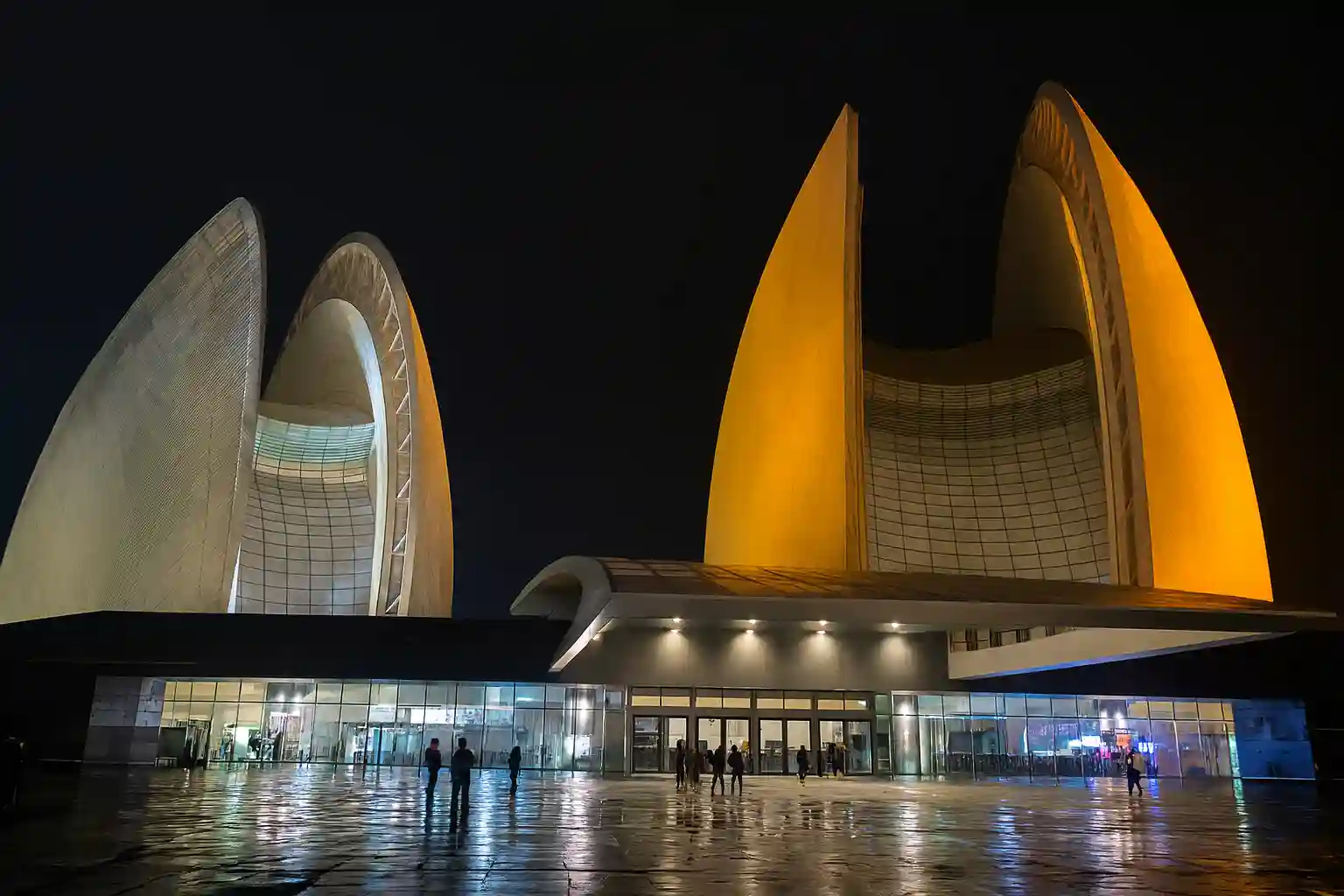
The Zhuhai Opera House is one of Asia’s most celebrated modern icons. Shaped like twin seashells, it symbolizes harmony between land and sea. Much like Arango House, it embraces its waterfront setting rather than dominating it.
Why it stands out:
- Futuristic shell-like design
- Cultural significance
- Impressive use of geometry and acoustics
Sydney Opera House — A Timeless Symbol
Australia’s global architectural treasure shares similarities with Arango House’s bold curves. Its “sail” roofs demonstrate how organic shapes can redefine an entire skyline.
Fallingwater — Nature and Structure in Harmony
Frank Lloyd Wright’s Fallingwater mirrors Arango House’s commitment to blending with the landscape. Both structures prove that architecture becomes extraordinary when inspired by nature.
Why These Structures Captivate Us
They Challenge Traditional Design
Buildings like Arango House and Zhuhai Opera House go beyond expectations. They’re built not just to function, but to inspire.
They Connect Art and Engineering
Every curve, angle, and material is meticulously chosen. The result? Works of art crafted with mathematical precision.
They Shape Cultural Identity
These landmarks become symbols. They attract visitors, influence local pride, and often redefine how we think about public and private spaces.
Arango House in Today’s Architectural Landscape
In today’s age of smart homes and digital design tools, Arango House remains profoundly relevant. Its organic shape contrasts sharply with the sharp lines of modern minimalism, reminding us that creativity has no single form.
Architects today still study its:
- Fluid geometry
- Structural sustainability
- Integration with environment
- Use of natural light
Its legacy continues to influence residential luxury architecture, coastal homes, and experimental design studios around the world.
Lessons Modern Architects Can Learn From Arango House
1. Let Nature Be the Guide
Instead of altering the landscape, build with it.
2. Embrace Unconventional Forms
Innovation often requires abandoning straight lines.
3. Blend Functionality With Emotion
The best architecture evokes feeling, not just efficiency.
4. Create With Purpose, Not Trend
Trends fade. Vision endures.
Iconic Modern Buildings That Share Arango House’s Spirit
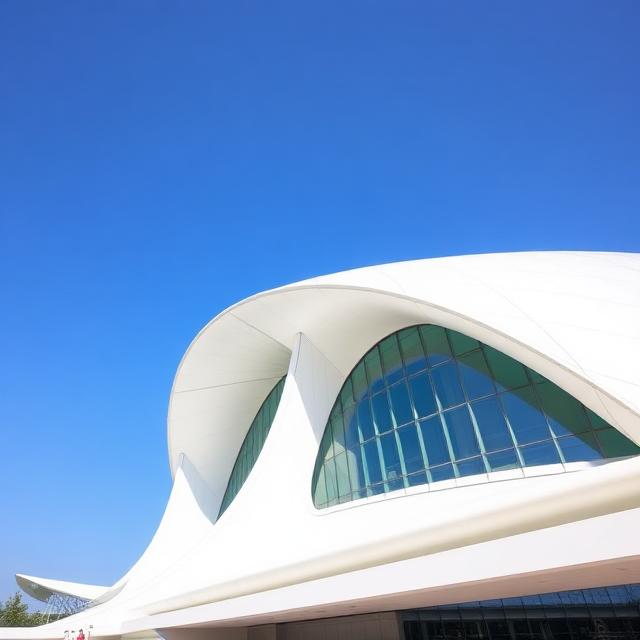
Here are a few structures that carry the same spirit of ingenuity:
- Guggenheim Museum, Bilbao – Known for its flowing titanium curves
- The Lotus Temple, India – A floral-inspired sanctuary
- The Gherkin, London – A futuristic landmark in the financial district
- La Muralla Roja, Spain – A surreal, geometric residential complex
Each of these buildings, like Arango House, tells a story of artistic bravery.
Modern Travel Trends: Why People Love Visiting Architectural Icons
Architecture tourism is booming. Travelers today want more than beaches—they’re searching for experiences.
Reasons architectural tourism is rising:
- Instagram-driven visual culture
- Growing interest in design
- Cultural immersion
- Bucket-list-worthy landmarks
Buildings like Arango House and Zhuhai Opera House attract millions of visitors and students eager to experience innovation firsthand.
Conclusion
The Arango House stands as a bold reminder that architecture is more than shelter—it’s storytelling through structure. Its daring design, harmony with nature, and artistic innovation place it among the world’s most iconic modern buildings.
Whether compared to the majestic Zhuhai Opera House or the sculptural Sydney Opera House, Arango House holds its own as an architectural legend. It continues to inspire architects, spark curiosity, and shape modern design worldwide.
In short: Arango House teaches us that when creativity and engineering collide, the result can redefine what a building can be.
Read also: [Suggested Internal Link: The Rise of Organic Architecture in Modern Design]
External link suggestion: Wikipedia page on Modern Architecture
FAQs
Q1: Where is Arango House located?
Arango House is located in Mexico and is celebrated for its dramatic cliffside placement and organic architectural form.
Q2: Who designed Arango House?
It was designed by visionary architect John Lautner, known for futuristic, nature-integrated structures.
Q3: Why is the Zhuhai Opera House famous?
The Zhuhai Opera House stands out for its twin shell-shaped design and stunning waterfront views, making it one of China’s most iconic landmarks.
Q4: What makes a building “iconic”?
A building becomes iconic when its design, cultural significance, and engineering innovation stand the test of time.
Q5: Is Arango House open to the public?
As a private residence, public access is limited, but its design is widely documented in architectural studies and publications.








Leave a comment