


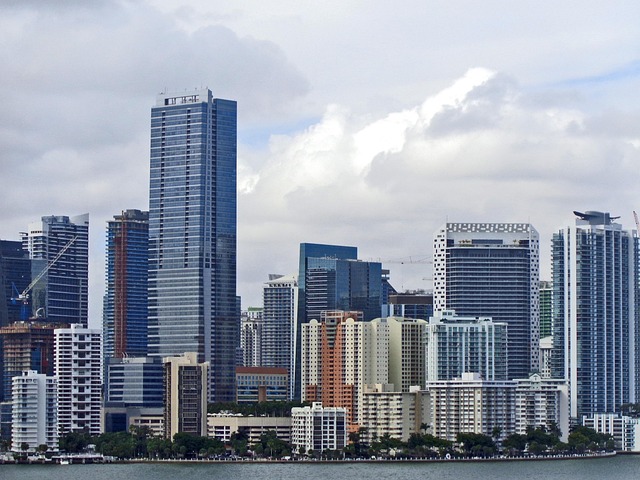
If you’ve ever driven along Biscayne Boulevard and wondered why the buildings look both retro and futuristic, you’ve already encountered Miami Modern Architecture, or MiMo. This bold, tropical design movement shaped Miami’s identity after World War II, blending playful curves, open-air layouts, and a flair for coastal living.
Today, renewed interest in MiMo is transforming Miami’s neighborhoods, inspiring architects, homeowners, and designers worldwide. In this guide, you’ll discover where Miami Modern Architecture came from, what defines it, and why it’s making such a stylish comeback. We’ll explore iconic structures, modern interpretations, and the design principles that make Miami a global architectural trendsetter.
The Rise of Miami Modern Architecture
Miami didn’t adopt modernism the same way other cities did. Instead, it blended high-style design with tropical influences and the city’s own love for luxury and leisure.
Post-War Optimism Meets Tropical Style
Following World War II, Miami experienced a tourism boom. Young families, veterans, and vacationers flooded the city, craving new experiences and warm weather. Architects responded by creating buildings that felt fresh, optimistic, and distinctly Floridian.
Unlike the stark minimalism of traditional modernism, MiMo embraced fun, integrating:
- Open-air breezeways
- Exaggerated angles
- Eye-catching facades
- Tropical landscaping
The result was a design language that conveyed both modern sophistication and resort-style relaxation.
Key Architects Who Defined the Movement
Several visionary designers helped bring Miami Modern Architecture to life, including:
- Morris Lapidus – Famous for the Fontainebleau and Eden Roc hotels, Lapidus introduced luxury and theatricality to modern design.
- Norman Giller – Known for the Carillon Hotel and more than 10,000 mid-century buildings in Florida.
- Albert Anis – Combined functionalism with expressive geometric patterns.
These architects understood one crucial element: Miami isn’t just a place—it’s an atmosphere.
Defining Features of Miami Modern Architecture
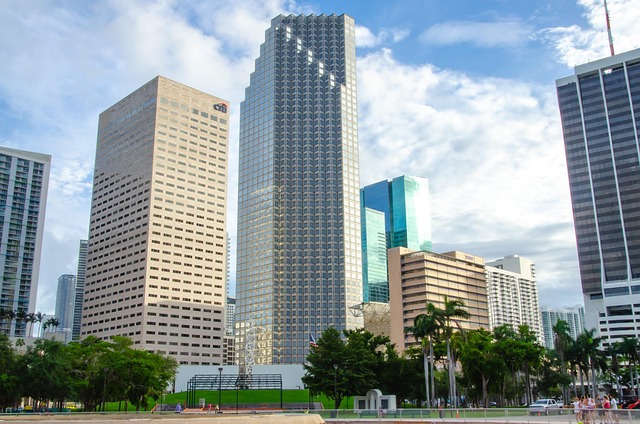
To recognize MiMo, just remember its signature mix of glamor, geometry, and tropical practicality.
1. Bold, Playful Shapes
MiMo never shies away from a grand entrance. Buildings often feature:
- Curved walls
- Boom-a-rang shapes
- Cantilevered roofs
- Exaggerated overhangs
These elements weren’t just decorative—they made structures stand out along busy boulevards designed for car travel.
2. Breezeways & Indoor-Outdoor Living
The tropical climate inspired architects to incorporate:
- Screened walkways
- Shaded patios
- Cross-ventilation corridors
- Open-air staircases
Natural airflow helped cool buildings long before air conditioning was common.
3. Decorative Screens & Pattern Blocks
Concrete blocks with geometric cutouts—popular in the 1950s—are now iconic. These breeze blocks filtered sunlight, cooled interiors, and added texture.
4. Nautical & Resort Influences
Miami Modern Architecture often draws from Miami’s coastal culture:
- Porthole windows
- Wave-like lines
- Pastel colors
- Poolside terraces
The goal? Make everyday life feel like a vacation.
5. Elevation for Coastal Conditions
Even in the 1950s, architects recognized the need to adapt to subtropical risks. Elevated foundations, wide overhangs, and weather-resistant materials were early forms of climate-smart design.
How Miami Modern Architecture Differs From Other Styles
To appreciate MiMo fully, it helps to see how it compares to other modern design movements.
MiMo vs. Art Deco
Both styles are prominent in Miami, but they differ significantly:
Art Deco:
- Symmetrical
- Highly decorative
- Uses chrome, neon, and geometric reliefs
- 1920s–1930s origin
MiMo:
- Asymmetrical
- Playful, bold, and expressive
- Uses tropical elements and open forms
- 1950s–1960s origin
Where Deco is glamorous, MiMo is effortlessly cool.
MiMo vs. International Style Architecture
You’ll find occasional crossover, but these styles grew from different philosophies:
International Style Architecture emphasizes simplicity, industrial materials, and clean, functional forms.
Miami Modern Architecture adds personality—curves, colors, and tropical elements not typically found in the international movement.
MiMo vs. Mid-Century Modern
While both emerged in the 1950s, MiMo is more flamboyant and climate-driven, whereas traditional mid-century modernism tends to be more subdued and suburban.
Tropical Modernism Today: Miami’s New Architectural Identity
Modern Miami architects have brought Miami Modernism into the 21st century, creating a trend known as Tropical Modernism—one of today’s most sought-after design styles.
Sustainable Materials & Climate Responsiveness
With rising sea levels and extreme heat, Miami builders are focusing on resilience. Contemporary interpretations often include:
- Eco-friendly concrete
- Storm-resistant glass
- Solar shading systems
- Native landscaping
- Rainwater management features
The fusion of sustainability with stylish design is a hallmark of today’s Miami aesthetic.
Luxury Residential Architecture Inspired by MiMo
High-end neighborhoods like:
- Coconut Grove
- Miami Beach
- South of Fifth
- Key Biscayne
showcase homes with floating stairs, breezeways, open floor plans, and lots of natural light—nods to classic MiMo principles.
Hotels & Retail Spaces Reviving the Look
Historic preservation efforts have turned MiMo boulevards into cultural attractions. Many vintage motels have been transformed into:
- Boutique hotels
- Cafés and restaurants
- Creative spaces
- Galleries
The MiMo District along Biscayne Boulevard is now a must-visit for design lovers.
Must-See Examples of Miami Modern Architecture
1. Fontainebleau Hotel
Designed by Morris Lapidus, this legendary hotel defined Miami’s luxury era. Its sweeping curves, dramatic lobbies, and glamorous pool area remain architectural icons.
2. Eden Roc Hotel
Another Lapidus masterpiece balancing elegance with tropical flair.
3. Bacardi Building
Recognized for its mosaic facades and bold modernist silhouette, this structure blends Miami Modernism with Cuban influences.
4. MiMo District on Biscayne Boulevard
A living museum of retro neon signs, lounge-style motels, and restored mid-century landmarks.
5. Carillon Miami Wellness Resort
Formerly the Carillon Hotel, Norman Giller’s design is a celebrated example of MiMo’s clean lines and oceanfront integration.
Why Miami Modern Architecture Is Trending Again
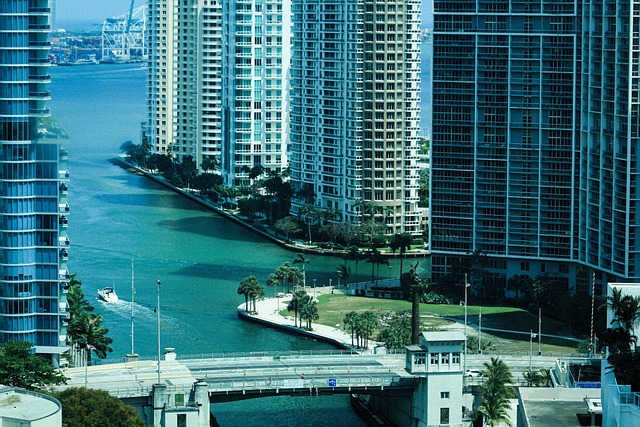
A New Generation of Designers Embracing Retro Cool
Today’s architects and interior designers reference MiMo for its:
- Strong visual identity
- Connection to nature
- Use of color and texture
- Timeless indoor-outdoor flow
The style also aligns with current design preferences for wellness and minimalism, making it relevant and fresh.
Perfect for Google Discover–Friendly Topics
Miami’s design evolution ties into broader trends like:
- Climate-adaptive architecture
- Mid-century revivals
- Sustainable coastal living
This keeps MiMo frequently featured in travel, architecture, and lifestyle news—boosting its visibility and appeal.
The Nostalgia Factor
With the rise of vintage culture, MiMo’s bold, graphic aesthetic resonates with photography, fashion, and social media trends.
How to Incorporate Miami Modern Architecture Into Modern Design
You don’t need to live in Miami to enjoy the MiMo look.
Use Tropical Materials
Think:
- Teak
- Light woods
- Polished concrete
- Rattan accents
- Textured masonry
Embrace Natural Light
Large windows, glass sliders, and open floor plans are essential.
Add Retro Touches
- Patterned breeze blocks
- Pastel hues
- Mid-century furniture
- Curved décor pieces
Celebrate Outdoor Spaces
MiMo is as much about lifestyle as aesthetics—think pool decks, shaded patios, and greenery.
The Future of Miami Modern Architecture
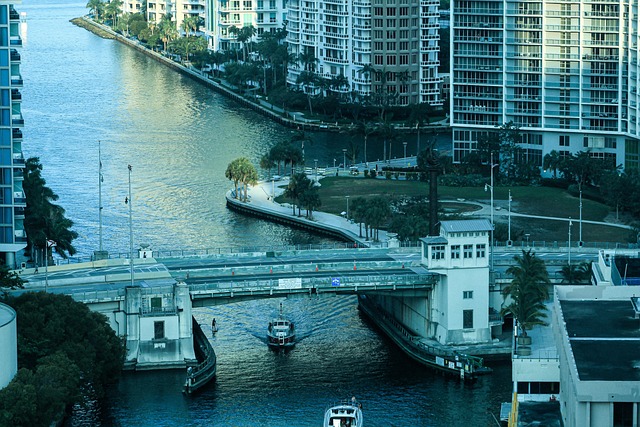
As Miami continues evolving, architects focus on blending heritage with resilience. Expect to see:
- Elevated structures
- Smart shading systems
- Hybrid indoor-outdoor living
- Nature-integrated façades
- Storm-ready materials
In short, the future of Miami design lies in honoring its past while preparing for the climate challenges ahead.
Conclusion
Miami Modern Architecture captures everything people love about Miami: sunshine, color, culture, and confidence. From breezeways and bold lines to resort-inspired layouts, MiMo remains one of the most distinctive and influential architectural movements in the world.
Whether you’re exploring Miami’s historic neighborhoods, designing a modern home, or simply curious about coastal architecture, understanding MiMo offers a deeper appreciation for how design shapes lifestyle and identity. In the end, Miami Modern Architecture isn’t just a look—it’s a feeling.
FAQs (People Also Ask Style)
1. What is Miami Modern Architecture?
It’s a mid-century design style that blends modernism with tropical influences, resort-style elements, and bold geometric shapes. It emerged in Miami during the 1950s and 1960s.
2. What makes MiMo different from Art Deco?
Art Deco is more symmetrical and ornamental, while MiMo is playful, expressive, and optimized for Miami’s climate with breezeways and open designs.
3. Where can I see Miami Modern Architecture?
Visit the MiMo District on Biscayne Boulevard, Miami Beach hotels like the Fontainebleau, or coastal neighborhoods with restored mid-century homes.
4. Why is MiMo becoming popular again?
Its tropical aesthetics, climate-friendly features, and nostalgic charm align with modern design trends and sustainability needs.
5. Is Miami Modern Architecture the same as Tropical Modernism?
They’re related, but Tropical Modernism is the newer evolution—more focused on sustainability, minimalism, and climate resilience.







Leave a comment