


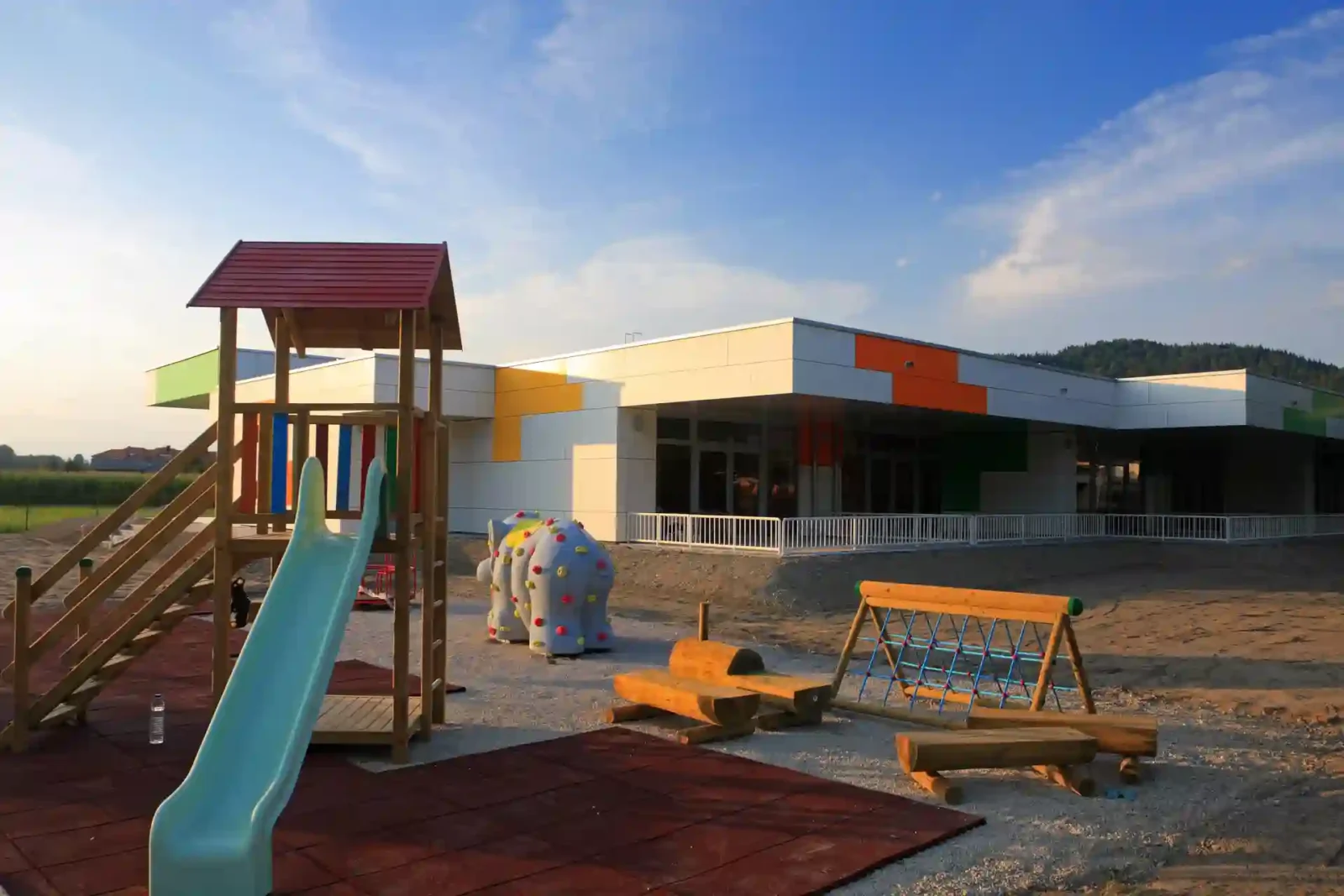
Have you ever walked into a nursery and instantly felt the space was designed with purpose, warmth, and creativity? That’s the power of well-planned nursery buildings — spaces that not only look inviting but also support a child’s early development. As early-learning environments evolve, so does the need for smarter layouts, safer materials, and more engaging features.
In this article, you’ll learn practical and innovative design ideas for creating or improving any nursery building, whether it’s a new build or a renovation. We’ll explore layout tips, classroom organization, outdoor learning spaces, and modern trends shaping the future of early-childhood architecture. Moreover, you’ll find insights backed by experience, examples, and best practices that can inspire your next project.
Why Thoughtful Nursery Building Design Matters
Designing nursery buildings is not just about placing colorful furniture or toys. It’s about creating an environment where children can grow socially, emotionally, and intellectually. A well-designed space influences the quality of learning and supports the needs of children, teachers, and parents.
The Role of Space in Early Childhood Development
Children explore the world through movement and interaction. Spacious, clutter-free rooms allow them to play freely while feeling safe. Studies show that well-organized environments reduce stress and promote independence in young learners.
Enhancing Safety and Accessibility
Safety is at the heart of every nursery building project. Rounded edges, non-slip floors, controlled access points, and child-height features are essential. Moreover, accessibility ensures that all children, including those with special needs, can move, learn, and engage comfortably.
Key Elements of Functional Nursery Buildings
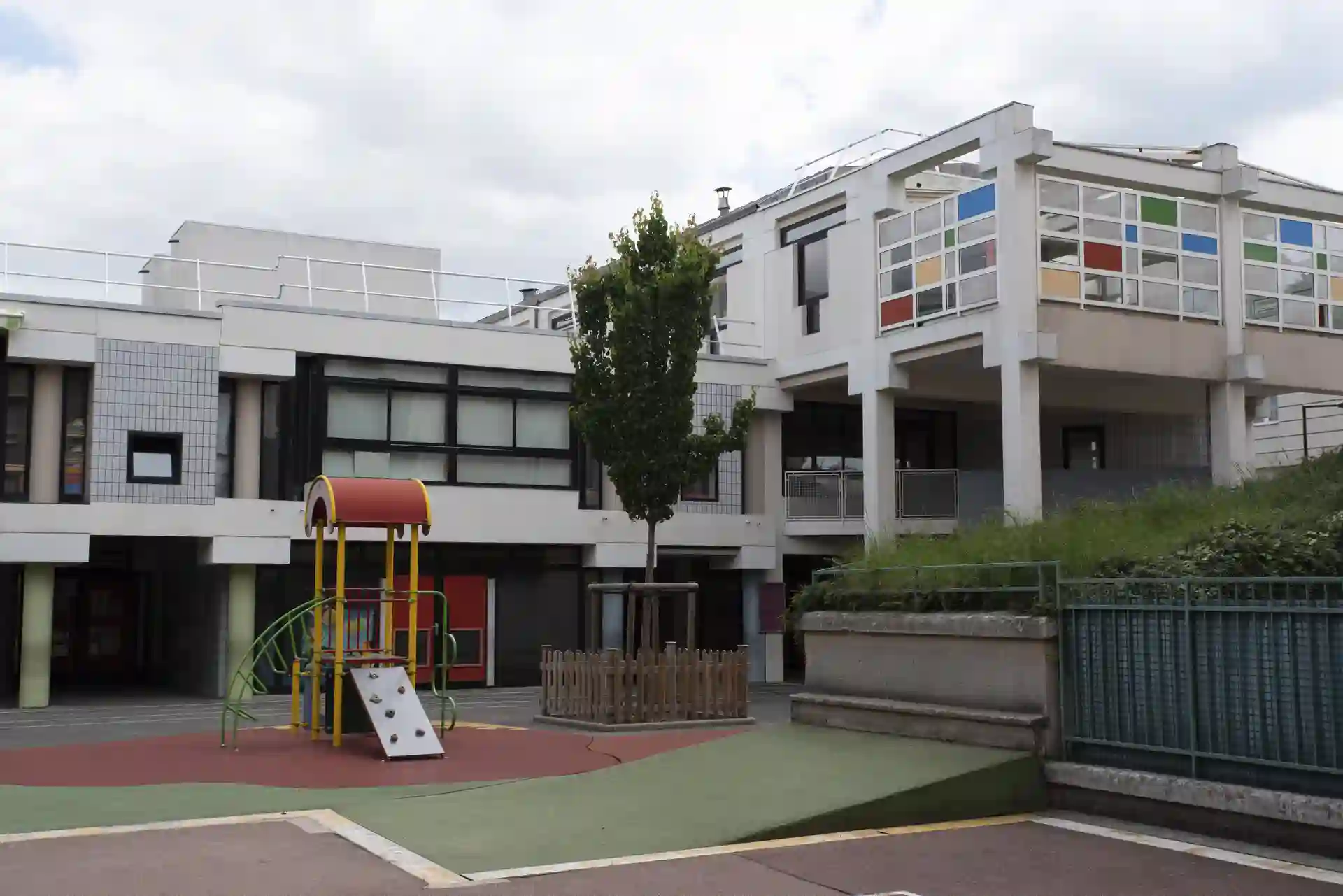
Designing a functional early-learning environment involves blending creativity with practicality. Below are the essential elements every modern nursery should include.
Flexible Classroom Layouts
Children’s needs change quickly, so flexibility is crucial. Instead of fixed layouts, opt for:
- Movable, lightweight furniture
- Foldable partitions
- Multi-use activity zones
- Modular learning corners
These features allow teachers to rearrange spaces to suit different activities — storytelling, arts and crafts, group play, or quiet time.
Natural Light and Ventilation
Natural light boosts mood, reduces fatigue, and enhances concentration. Large windows, skylights, and glass doors create a bright, airy atmosphere. Proper ventilation reduces allergens and keeps children comfortable throughout the day.
Color Psychology for Young Learners
Color impacts behavior. For example:
- Soft blues and greens: calming
- Warm yellows: uplifting
- Light neutrals: encourage focus
- Bright accents: stimulate curiosity
Avoid overwhelming color palettes. Instead, use bold shades sparingly to highlight specific learning zones.
Indoor Design Ideas for Modern Nursery Buildings
Learning Zones That Encourage Engagement
A functional nursery building should include clearly defined zones such as:
- Creative Corner – For art, painting, and crafts
- Quiet Reading Nook – Soft cushions, shelves at child height
- Sensory Area – Textures, shapes, and hands-on materials
- STEM Station – Simple puzzles, building blocks, water play tables
These dedicated spaces give children structure while supporting different learning styles.
Smart Storage Solutions
Clutter causes distraction. Proper storage helps maintain order and independence.
- Transparent bins for easy identification
- Low shelves so children can access materials
- Wall-mounted storage to save floor space
- Lockable cabinets for teacher resources
In short, storage is not just organizational—it’s part of the learning process.
Incorporating Technology Safely
While screen time should be limited, technology can still play a role. Interactive whiteboards, projectors, and audio systems enhance group learning. Ensure all wiring is concealed, devices are securely mounted, and content is age-appropriate.
Outdoor Spaces in Nursery Buildings
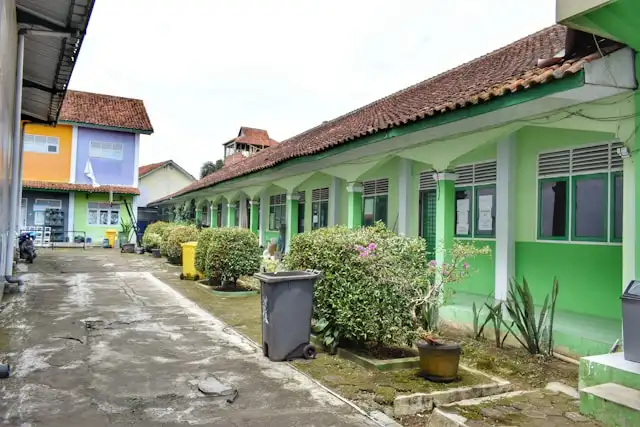
Outdoor learning is just as important as indoor activities, and modern nursery buildings often dedicate significant space to natural exploration.
Safe Outdoor Playgrounds
A well-designed playground includes:
- Shock-absorbent surfacing
- Shade structures
- Age-appropriate equipment
- Clear visibility for supervision
Rotating equipment placement can also keep the area exciting and new for children.
Nature-Inspired Learning Areas
Incorporate greenery to strengthen children’s connection with nature.
- Mini gardens
- Sensory paths
- Water play stations
- Outdoor reading benches
These elements support creativity, curiosity, and physical development.
Weather-Protected Zones
To ensure year-round usability, add covered spaces like pergolas, canopies, or verandas. These allow children to explore outdoors even during light rain or intense sun.
Architecture Trends Shaping Nursery Buildings
The architecture of early-learning environments is evolving, blending functionality and aesthetics.
Sustainable and Eco-Friendly Designs
Eco-friendly choices can include:
- Recycled or low-toxicity materials
- Solar panels
- Energy-efficient lighting
- Rainwater harvesting
- Green roofs or walls
Sustainable design teaches children environmental responsibility from a young age.
Biophilic Design Principles
Biophilic design integrates natural elements indoors.
- Wood textures
- Indoor plants
- Natural color palettes
- Organic shapes
These elements help reduce stress and boost well-being.
Influence of Modern Architectural Styles
Some nursery buildings draw inspiration from International Style Architecture, featuring clean lines, open spaces, and functional simplicity. This minimalist approach supports a calm, focused environment for children.
Essential Materials for Safe Nursery Building Construction
Choosing the right materials affects durability, comfort, and safety.
Flooring Options
Look for:
- Cushioned vinyl for safety
- Non-slip rubber for wet areas
- Easy-clean carpets in reading zones
- Hardwood alternatives for warmth and durability
Wall Finishes for Durability
Scrubbable paints, impact-resistant wall panels, and chalkboard sections are both practical and visually engaging for children.
Child-Proofing Materials
Use:
- Rounded furniture corners
- Safety locks
- Soft-close drawers
- Finger-safe door hinges
These reduce the risk of injuries during active play.
Lighting Strategies for Nursery Buildings
Layered Lighting
Blend different lighting types for functionality and mood:
- Ambient lighting: Overall brightness
- Task lighting: For art, reading, activities
- Accent lighting: Displays and creative corners
Warm lighting mimics natural sunlight, creating a cozy, inviting environment.
Smart Sensors and Controls
Motion-activated lights and dimmer switches improve energy efficiency and allow teachers to adjust lighting for naptime or calming activities.
The Future of Nursery Buildings
As technology, architecture, and child-development research evolve, nursery buildings will continue to transform. Future-ready features include:
- AI-enhanced monitoring systems
- Interactive digital learning walls
- Zero-emission building materials
- Smart ventilation with air-quality sensors
- Fully modular classrooms that evolve with enrollment
These innovations focus on creating flexible, sustainable, child-centered spaces.
Conclusion
Designing functional and inspiring nursery buildings requires thoughtful balance — between creativity and safety, structure and freedom, modernity and warmth. From flexible layouts and biophilic elements to outdoor learning zones and sustainable materials, each decision shapes the daily experience of young learners. Whether you’re planning a new nursery building or upgrading an existing one, the ideas above provide a roadmap for creating meaningful, enriching spaces where children can thrive.
FAQs
1. What makes a nursery building effective?
An effective nursery building combines safety, flexible layouts, natural light, and child-centered design to support learning and play.
2. How big should a nursery classroom be?
Most experts recommend at least 2.5–3.5 square meters per child, ensuring ample room for movement, activities, and storage.
3. What colors are best for nursery environments?
Soft blues, greens, and neutrals create a calming atmosphere, while bright accents can highlight activity areas without overwhelming children.
4. Why is outdoor space important in nursery design?
Outdoor spaces encourage physical development, creativity, and sensory exploration, providing a balanced learning experience.
5. What materials are safest for nursery buildings?
Non-toxic paints, cushioned flooring, rounded furniture edges, and secure storage help ensure safety and durability.










Leave a comment