



What does a future-ready high school look like? Today’s students learn, interact, and solve problems differently than previous generations, which means educational spaces must evolve too. High School Building Design is no longer just about classrooms and hallways — it’s about creating environments that strengthen collaboration, support technology, improve well-being, and prepare students for real-world challenges.
In this guide, you’ll explore modern design strategies, flexible learning zones, sustainable features, safety considerations, and the latest architectural trends shaping schools around the world. Whether you’re an architect, educator, planner, or curious parent, this article offers expert insights to help you understand what makes a high school truly “innovative.”
Why Modern High School Building Design Matters
Education today extends far beyond memorization. Modern students thrive in spaces that encourage creativity, digital literacy, and community engagement. That’s why thoughtful school design plays a critical role in academic success.
In fact, research shows that well-designed schools can improve student performance, reduce absenteeism, and enhance teacher satisfaction. When buildings support learning, learning becomes more effective.
Core Principles of Innovative High School Building Design
1. Flexible Learning Environments
Traditional rows of desks are becoming obsolete. Today’s schools require multi-functional learning zones that can shift depending on student needs.
Examples include:
- Movable furniture
- Breakout spaces
- Collaborative pods
- Makerspaces and STEM labs
Why it matters: Flexibility supports project-based learning, encourages teamwork, and adapts to future teaching methods.
2. Natural Light and Healthy Materials

Light-filled spaces boost focus, reduce stress, and even improve mood. Skylights, large windows, and open courtyards help schools feel more welcoming. Additionally, non-toxic building materials and improved air quality help protect student health.
Benefits include:
- Reduced eye strain
- Energy savings
- Better concentration
3. Technology-Ready Infrastructure
Modern classrooms depend on devices, connectivity, and interactive tools. A future-ready high school needs:
- Strong Wi-Fi
- Charging stations
- Smart boards
- Video conferencing capabilities
Moreover, integrated technology allows schools to adapt quickly to hybrid or remote learning models.
4. Safety and Security by Design
A secure school doesn’t have to feel like a fortress. Good design balances safety with openness.
Design strategies include:
- Clear sightlines for staff
- Controlled entry points
- Emergency communication systems
- Safe outdoor learning areas
Thoughtful planning ensures students feel protected, not restricted.
Architectural Styles Influencing Today’s Schools
Contemporary Minimalism
Minimalist high schools prioritize functional layouts, clean lines, and bright, natural materials. These designs reduce visual clutter and create calming learning spaces.
Sustainable Architecture
Eco-conscious design isn’t just a trend — it’s becoming essential. Schools are increasingly using:
- Solar panels
- Green roofs
- Rainwater harvesting
- Energy-efficient HVAC systems
Not only do these reduce operating costs, but they also teach students about environmental responsibility.
A Touch of History: International Style Architecture
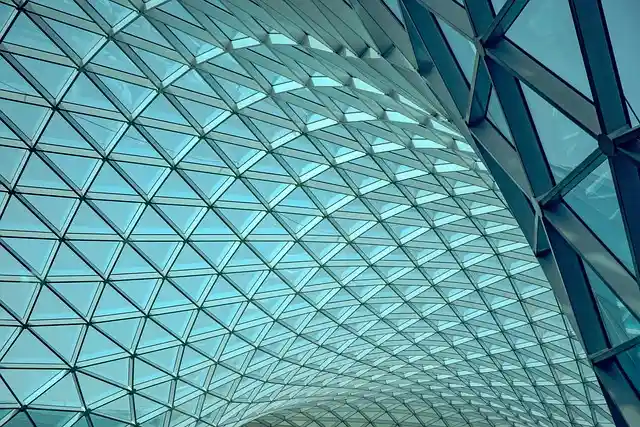
Some modern schools still draw inspiration from International Style Architecture, known for its simplicity, transparency, and geometric forms. These influences create timeless structures that feel both open and efficient.
Key Features of Next-Generation High School Buildings
Collaborative Learning Zones
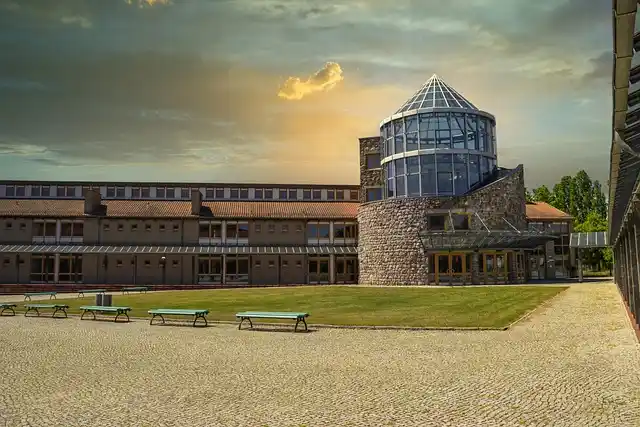
Spaces designed for teamwork encourage communication and hands-on learning. Examples include:
- Group tables
- Digital collaboration screens
- Creativity labs
These areas mimic real-world workplaces.
Outdoor Learning Areas
Students benefit greatly from time outside. Schools now include:
- Outdoor classrooms
- Ecological study spaces
- Amphitheaters
- Garden labs
Outdoor learning supports physical activity, mental health, and environmental awareness.
Athletic and Wellness Facilities
Physical well-being directly influences academic performance. Modern design incorporates:
- Fitness centers
- Multi-sport courts
- Indoor walking tracks
- Meditation or quiet rooms
Holistic wellness creates more resilient students.
Arts and Performance Spaces
Creativity thrives when students have access to professional-quality facilities.
Common features include:
- Black box theaters
- Recording studios
- Visual arts studios
- Exhibition galleries
These areas celebrate self-expression and innovation.
Designing Schools for Community Engagement
Shared Facilities
Today’s schools often act as community hubs. Designers increasingly integrate:
- Public libraries
- Community meeting rooms
- Fitness centers
- Multipurpose halls
This approach strengthens relationships between schools and local residents.
Accessible Design for All Students
Inclusivity is essential. Modern high schools must be accessible to students with physical, sensory, or cognitive challenges.
Key features include:
- Ramps and elevators
- High-contrast signage
- Quiet sensory zones
- Assistive technology integration
Accessibility fosters equality and independence.
Sustainable High School Building Design Strategies
Energy Efficiency
Eco-friendly schools often use:
- LED lighting
- Smart climate control
- Geothermal heating
- Insulated building envelopes
These reduce utility costs and environmental impact.
Eco-Friendly Materials
Durable, low-VOC, recyclable materials create healthier spaces. Examples include bamboo flooring, reclaimed wood, and non-toxic paints.
Green Landscaping
Landscaping can be both beautiful and functional. Rain gardens, native plants, and permeable walkways help manage water and reduce maintenance.
Innovations Transforming High School Campuses
Smart Classrooms
Smart classrooms integrate technology seamlessly. They include:
- AI-based learning tools
- Interactive screens
- Automated lighting
- Sensor-controlled ventilation
These classrooms adapt to student needs and minimize distractions.
Modular Construction
Modular building accelerates construction timelines and reduces costs.
Advantages:
- Faster installation
- Reduced waste
- High customization
- Budget-friendly expansion options
Hybrid Learning Infrastructure
Schools now incorporate quiet rooms for online learning, digital recording studios, and soundproof pods.
This supports students who need independent study spaces or flexible pacing.
Case Study Example (Hypothetical)
Imagine a new high school designed around a central “innovation hub.” This hub includes:
- A two-story makerspace
- A digital library
- Collaboration lounges
- Exhibition areas
Classrooms branch outward like spokes on a wheel, promoting movement and exploration. The building uses daylight-harvesting systems, rooftop solar arrays, and a courtyard that doubles as a science lab.
This example shows how thoughtful design can transform the educational experience.
Practical Tips for Planning a New High School Building
1. Start With Student Needs
Ask questions like:
- How do students prefer to learn?
- What skills will they need in 10 years?
2. Involve Teachers Early
Teachers understand how space affects learning. Their input prevents costly redesigns.
3. Prioritize Longevity
Choose materials and systems that last decades — not just years.
4. Design for Growth
High schools must adapt to changing enrollment and curriculum needs.
5. Balance Aesthetics and Function
A beautiful school should also be practical, safe, and efficient.
Conclusion
Modern High School Building Design is about more than architecture — it’s about shaping the future of education. Schools that embrace flexibility, sustainability, technology, and student well-being are better equipped to help learners thrive.
As education continues to evolve, so must the spaces in which learning happens. The most successful designs create environments where creativity, resilience, and innovation flourish. In short, the schools we build today help determine the leaders we shape tomorrow.
FAQs
1. What makes a high school building design “modern”?
Modern designs focus on flexibility, sustainability, technology integration, and student well-being.
2. How does natural light affect student learning?
It improves mood, concentration, and overall academic performance.
3. Why is flexibility important in school layouts?
Flexible spaces support collaboration, creativity, and future teaching methods.
4. How can schools incorporate sustainability?
Through solar panels, eco-friendly materials, green roofs, and efficient HVAC systems.
5. What role does technology play in high school design?
Technology-ready infrastructure supports digital learning, smart classrooms, and hybrid education.







Leave a comment