


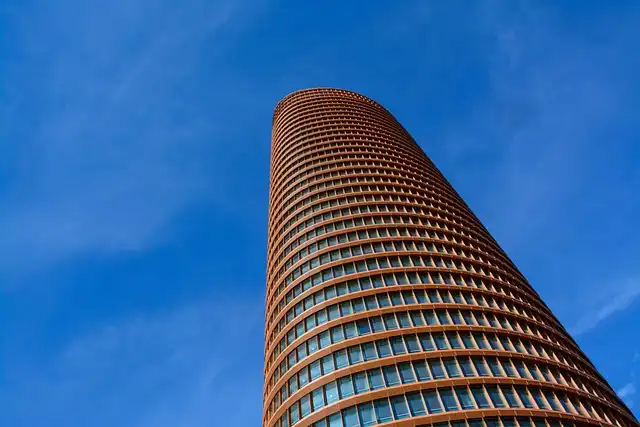
Have you ever walked into a workspace that instantly felt energizing, innovative, and effortlessly functional? That’s the power of a modern office building—a space designed not just for work, but for creativity, collaboration, and employee well-being. Today’s offices look nothing like those of a decade ago. They’re smarter, greener, more flexible, and far more connected to the people who use them.
In this guide, we’ll break down the newest design trends, architectural influences, and technology shaping the workplaces of 2025 and beyond. You’ll discover what makes a modern office building truly stand out and how the right design can transform productivity, culture, and brand identity.
What Defines a Modern Office Building Today?
A modern office building is more than glass walls and sleek lines—it’s a strategic blend of architecture, technology, sustainability, and human-centered design. While aesthetics matter, today’s structures prioritize performance, adaptability, and well-being.
Below are the defining characteristics of modern office environments:
1. Architectural Elegance with Purpose
Modern buildings often emphasize:
- Clean, geometric forms
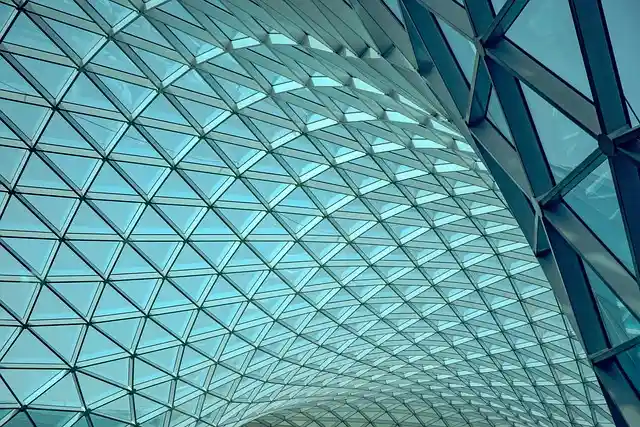
- Large glass facades
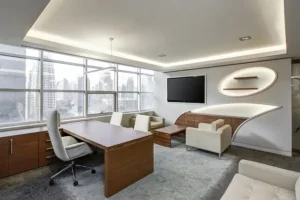
- Open, flexible interiors
- Integration with the natural environment
Many draw subtle influences from International Style Architecture, emphasizing functional simplicity.
- Sustainable Construction
Eco-friendly materials, low-carbon strategies, and energy-efficient systems are no longer optional—they’re expected. Popular features include:
- Solar energy panels
- Green rooftops
- High-efficiency insulation
- Rainwater harvesting systems
These upgrades aren’t just good for the planet—they reduce operational costs in the long term.
3. Technology-Driven Environments
Smart building systems now automate everything from heating and lighting to security and visitor management. Furthermore, IoT sensors help building managers track occupancy, improve comfort, and reduce energy waste.
The Rise of Smart Office Infrastructure
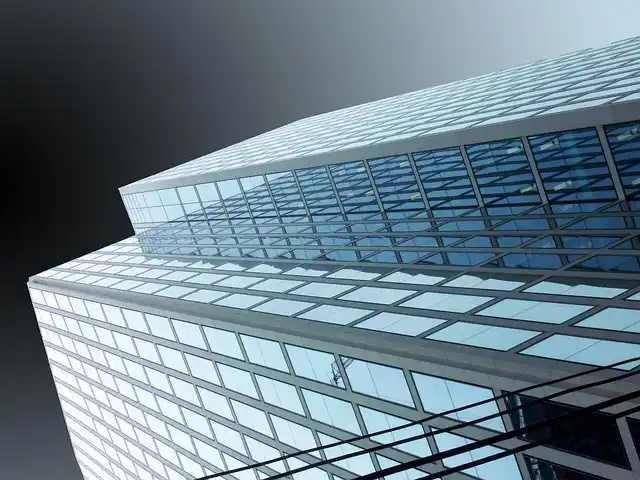
Modern buildings are smarter than ever, reshaping everything from employee experience to facility management.
Smart Lighting & Climate Systems
Adaptive lighting adjusts based on daylight and occupancy. AI-driven HVAC systems optimize temperatures while reducing energy use by up to 30%, according to recent industry studies.
Touchless Technologies
Especially post-2020, hands-free solutions have become integral:
- Automatic doors
- Gesture-based controls
- Smartphone-access badges
These features improve hygiene and streamline daily workflows.
Integrated Building Management Systems (BMS)
A modern office building relies heavily on unified platforms that monitor:
- Security
- Fire safety
- Energy consumption
- Air quality
Such dashboards give facility managers real-time insights to boost performance and comfort.
Workplace Design Trends Shaping 2025
The modern office building has evolved from “place to work” to “place to thrive.” Let’s explore the trends making the biggest impact.
1. Flexible & Hybrid-Ready Layouts
Hybrid work reshaped office design forever. Companies now prioritize:
- Modular furniture
- Multi-purpose rooms
- Moveable walls
- Team pods
These setups allow instant adaptation to changing team sizes and project needs.
2. Biophilic Design
Biophilic elements remain essential as employers recognize the health and productivity benefits of nature. Consider adding:
- Living walls
- Indoor gardens
- Water features
- Natural materials like wood, stone, bamboo
Studies show that biophilic offices can boost employee productivity by up to 15%.
3. Wellness-Centric Spaces
Employee well-being is integral to modern design. Wellness features often include:
- Meditation or quiet rooms
- Fitness centers
- Ergonomic furniture
- Soft, circadian-friendly lighting
Some buildings even incorporate rooftop walking tracks or nap pods.
4. Hospitality-Influenced Interiors
Creating a “hotel-like” experience is a big 2025 trend. That means:
- Stylish lobbies
- Café-style work zones
- Concierge-style support services
These features boost comfort while enhancing brand impression.
Sustainability as a Core Priority
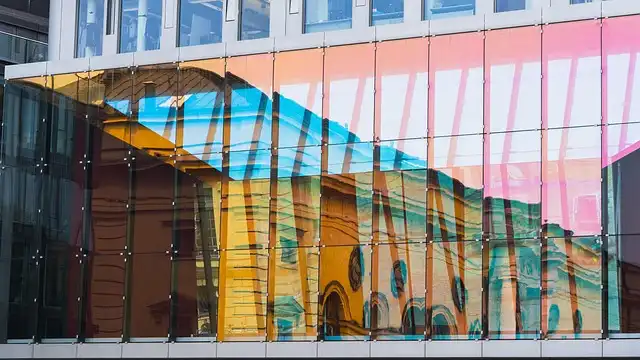
Sustainable design is no longer a trend—it’s a standard. Modern office buildings are built with longevity and environmental responsibility in mind.
Energy Efficiency
Buildings are increasingly pursuing certifications like LEED and BREEAM to ensure eco-friendly performance.
Strategies include:
- Triple-glazed windows
- Heat-recovery ventilation
- Smart shading systems
Sustainable Materials
Construction is shifting toward:
- Recycled steel
- Low-VOC paints
- FSC-certified wood
- Prefabricated modules (reducing waste by up to 20%)
These choices support better indoor air quality and lower environmental impact.
Green Spaces & Urban Integration
Green rooftops and terraces provide:
- Better insulation
- Stormwater management
- Outdoor relaxation spots for employees
They also help modern buildings blend seamlessly into urban landscapes.
The Role of Technology in Modern Office Building Design
Technology shapes how buildings look, operate, and adapt. The smartest structures create seamless experiences for both occupants and administrators.
1. Internet of Things (IoT)
IoT devices monitor everything from desk usage to air quality. This ensures:
- Improved comfort
- Efficient workspace allocation
- Accurate cleaning schedules
2. Access Control & Smart Security
Security is no longer just locks and cameras. Today’s systems include:
- Facial recognition
- AI-powered threat detection
- Real-time access logs
These tools keep tenants safe while improving convenience.
3. Digital Twin Technology
A digital twin is a virtual model of the building. Engineers use it to:
- Simulate energy use
- Test design changes
- Predict maintenance needs
This technology reduces downtime and extends building lifespan.
Inspiring Modern Office Building Examples
To make the concepts practical, here are inspiring real-world examples:
Example 1 — The Net-Zero Office
A building designed to produce as much energy as it consumes. Features include solar façades, geothermal heating, and integrated battery storage.
Example 2 — The Glass Tower Workspace
Floor-to-ceiling windows, panoramic city views, and open-concept floors deliver a bright, transparent environment promoting collaboration.
Example 3 — The Garden Atrium Office
A large indoor courtyard with living trees, natural light, and soft seating. It becomes a central hub for creativity and relaxation.
How to Plan a Modern Office Building
If you’re developing or renovating, here are clear steps to guide your process:
Step 1 — Identify User Needs
Gather feedback from:
- Employees
- Department heads
- IT teams
- Facility managers
This ensures the design supports real workflows.
Step 2 — Set Sustainability Goals
Define whether you aim for:
- Net-zero operations
- LEED certification
- Reduced carbon footprint
Step 3 — Prioritize Flexibility
Choose modular designs that can evolve over time without major investment.
Step 4 — Integrate Smart Technologies
Plan infrastructure early to support IoT, AI, and advanced networking.
Step 5 — Partner with Experts
Hiring experienced architects, engineers, and sustainability consultants ensures adherence to local regulations and best practices.
Conclusion
A modern office building is much more than a workplace—it’s a living, breathing ecosystem where people collaborate, connect, and thrive. Whether through smart technologies, biophilic design, flexible layouts, or sustainable construction, today’s offices redefine what productivity means.
As we move deeper into a future defined by innovation, the most successful buildings will be those that balance human needs, architectural beauty, and environmental responsibility. In short, the office of tomorrow starts with the choices we make today.
FAQs — People Also Ask
Q1: What makes a modern office building energy efficient?
Energy-efficient offices use advanced insulation, smart HVAC systems, LED lighting, and renewable energy sources like solar power.
Q2: How can technology improve office building design?
Tech enables automation, security, occupancy tracking, and improved comfort through IoT systems and AI-driven management tools.
Q3: What are the top trends in modern office design?
Flexible layouts, biophilic elements, smart infrastructure, wellness spaces, and hybrid-friendly environments dominate current trends.
Q4: Why is sustainability important in office buildings?
Sustainability lowers operating costs, improves employee well-being, and reduces environmental impact—benefiting both owners and tenants.
Q5: What is the role of natural light in modern offices?
Natural light boosts productivity, enhances mood, and reduces energy consumption, making it a top design priority.
This article was updated in September 2026.





Leave a comment