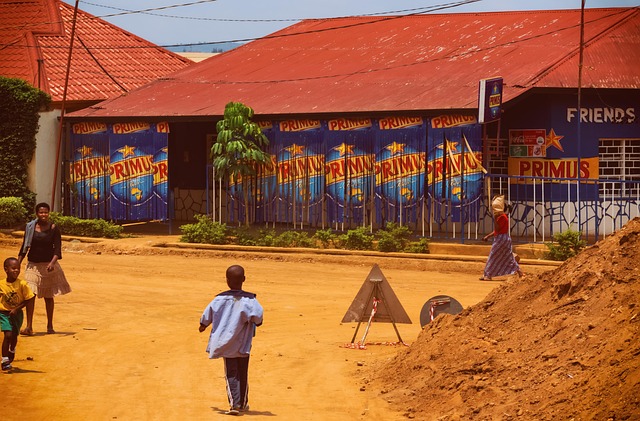
Have you ever wondered why African houses look so different from one region to another? From the sun-baked earthen homes of Mali to the sleek lines of modern African houses in cities like Nairobi or Cape Town, African architecture carries a story — one shaped by climate, culture, and creativity.
In today’s fast-changing world, African home design is experiencing a major transformation. Traditional forms still inspire millions, while contemporary architects are reimagining what African living can look like. This article explores the rich history, cultural meaning, and exciting innovations behind African house design. You’ll learn how materials, sustainability, and community values have shaped homes across the continent — and how modern African house design is influencing global architecture.
Read also: [How Climate Shapes Architecture Around the World]
The Deep Roots of African Houses
African architecture is as diverse as its 54 countries. Each region developed unique house types based on its environment, social structure, and available resources. Understanding this foundation helps explain why African design remains both practical and visually powerful today.
Climate as the First Architect
Africa’s climates range from desert and savanna to rainforest and Mediterranean. Naturally, early homes adapted to their surroundings:
- Hot, arid regions (e.g., Niger, Mali) favored thick earthen walls to keep interiors cool.
- Tropical rainforests (e.g., Congo Basin) used lightweight timber and raised floors to avoid flooding.
- Coastal zones embraced coral stone, mangrove poles, and thatched roofs.
Climate ultimately shaped everything — structure, layout, and even household routines.
Culture and Community at the Center
African houses traditionally do more than provide shelter — they express identity.
For example:
- The Maasai manyatta is built in circles symbolizing community unity.
- The Zulu rondavel uses a single circular room representing family cohesion.
- The Kasbahs of North Africa emphasize privacy, family hierarchy, and hospitality.
These culturally rooted forms continue to influence modern African houses, blending symbolism with contemporary aesthetics.
Traditional African Houses and Their Distinct Styles
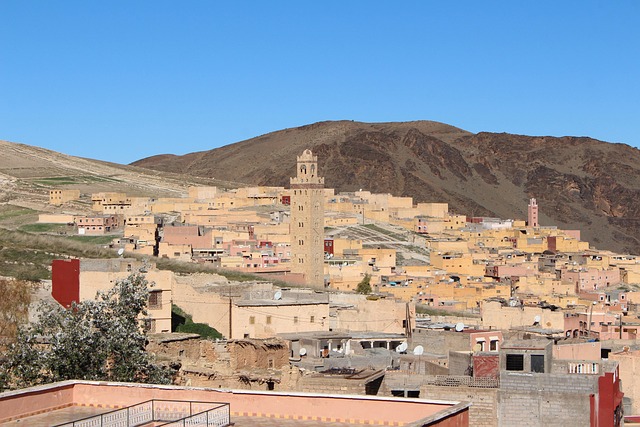
While it is impossible to cover all architectural forms, several iconic examples highlight the continent’s diversity.
West African Earthen Architecture
Famous for its sculptural beauty, West Africa’s earthen buildings remain among the world’s most celebrated structures.
Notable examples include:
- The Great Mosque of Djenné (Mali) – the largest mud-brick building globally.
- Sudano-Sahelian homes – known for wooden toron beams and decorative facades.
These structures demonstrate how earth, when skillfully used, can create durable, temperature-regulating, and visually stunning homes.
East African Vernacular Houses
In East Africa, diversity is equally rich:
- Swahili stone houses along the coast are famous for coral stone, carved doors, and inner courtyards.
- Highland homes in Ethiopia use stone, thatch, and organic forms that blend harmoniously with nature.
These houses reveal a mix of African, Arabic, and Indian influences — a fusion that still inspires modern African house design.
Southern African Innovations
Southern Africa balances tradition with modernity:
- Ndebele homes are celebrated for geometric wall art and bold colors.
- Rondavels use circular forms for structural stability and thermal comfort.
- Cape Dutch houses blend African craftsmanship with European aesthetics.
Today, many architects reinterpret these elements in eco-friendly residential projects.
Materials That Define African Architecture
A major reason African houses stand out is their creative use of local materials.
Earth — The Timeless Building Block
Mud, clay, and adobe remain the backbone of many traditional homes. They are:
- Sustainable
- Affordable
- Naturally cooling
- Easy to repair
With rising interest in green building, architects worldwide are rediscovering earthen construction for modern designs.
Wood, Bamboo & Plant-Based Materials
In forested regions, wooden houses feature:
- Elevated platforms
- Slanted roofs for rainfall
- Wide verandas for ventilation
Bamboo is gaining popularity for its strength and sustainability — ideal for modern African houses seeking eco-friendly solutions.
Stone & Coral
Used widely in coastal East Africa and North Africa, stone provides:
- Durability
- Fire resistance
- Aesthetic charm
Coral stone, in particular, gives Swahili homes their iconic warm color and textured finish.
Modern African Houses — A New Wave of Innovation

While tradition remains powerful, Africa’s architectural landscape is evolving rapidly. Cities like Lagos, Kigali, and Johannesburg now showcase a dynamic blend of technology, sustainability, and contemporary style.
The Shift Toward Contemporary Design
Modern African houses typically feature:
- Open floor plans
- Large glass windows
- Minimalist interiors
- Flat or gently sloped roofs
- Mixed materials (stone, wood, metal, concrete)
These elements reflect global trends while keeping environmental needs in mind.
Sustainability Leading the Way
Africa’s push for eco-friendly construction is reshaping home design. Architects increasingly use:
- Solar energy
- Rainwater harvesting
- Passive cooling
- Locally sourced materials
- Modular building techniques
This movement aligns with global sustainability goals — and gives African houses a strong identity rooted in environmental respect.
Examples of Modern African House Design Trends
- Courtyard Homes
Inspired by traditional layouts, they maximize airflow and privacy. - Green Roofs & Garden Terraces
Perfect for urban environments where families need outdoor space. - Mixed-Material Facades
Combining stone, timber, concrete, and steel for a bold contemporary look. - Smart Homes
Increasingly common in major cities, integrating automation and energy-efficient systems.
These modern designs still honor heritage by incorporating local patterns, textures, and craftsmanship.
African Houses in a Global Architectural Context
African design is gaining recognition worldwide, particularly for its ingenuity and sustainability focus.
Influence on International Architecture
Architects globally now draw inspiration from:
- Earthen construction
- Courtyard layouts
- Natural ventilation strategies
- Cultural symbolism
The inclusion of International Style Architecture in contemporary African projects shows how global and local design languages are blending seamlessly.
Highlighting African Architects Making Waves
Some celebrated African architects include:
- Francis Kéré (Burkina Faso) — Pritzker Prize winner
- David Adjaye (Ghana) — designer of the Smithsonian National Museum of African American History
- Marianna Nagy (South Africa) — known for sustainable housing solutions
Their work draws from indigenous African houses while pushing boundaries of modern design.
External link suggestion: Learn more about African architectural history on Wikipedia’s African Architecture page.
How Modern African Houses Balance Past and Present

The secret behind today’s African house designs is hybrid thinking — merging old wisdom with new technologies.
Traditional Principles Still Used Today
Modern homes often incorporate:
- Courtyards for airflow
- Thick walls for temperature control
- Verandas for shade
- Local materials for sustainability
These practices reduce energy use and connect homes with their environment.
Technology Enhancing Traditional Builds
Examples include:
- Stabilized earth blocks
- Prefabricated wooden panels
- Advanced insulation
- 3D-printed housing components
This combination allows architects to keep authenticity while improving durability and efficiency.
Designing the Future — What’s Next for African Houses?
Africa’s population is growing fast, and by 2050, the continent is expected to contribute more than half the world’s population growth. Housing innovation is therefore essential.
Expected Trends
- Affordable eco-homes
- Community-based housing clusters
- Smart mini-homes for urban dwellers
- Urban farming integrated into home design
- Solar-powered autonomous homes
These trends aim to make housing accessible, comfortable, and environmentally responsible.
Conclusion
African houses reflect a rich history of creativity, cultural pride, and environmental intelligence. From earthen structures shaped by tradition to the sleek elegance of modern African houses, the continent’s architecture continues to evolve without losing its roots.
In short, African house design offers a blueprint for sustainable, meaningful, and innovative living. Whether you’re an architect, homeowner, or design enthusiast, the lessons found in African architecture can inspire homes that are both beautiful and responsible.
FAQs (People Also Ask Style)
1. What makes African houses unique?
African houses are unique because they blend climate-adapted design, cultural symbolism, and local materials, creating structures that are functional, beautiful, and meaningful.
2. What materials are commonly used in African homes?
Traditional homes often use earth, stone, thatch, bamboo, and timber, while modern African houses incorporate concrete, glass, steel, and eco-friendly composites.
3. Are modern African houses sustainable?
Yes. Many modern African homes use passive cooling, solar power, and local materials to reduce energy use and support environmental sustainability.
4. How does culture influence African house design?
Cultural beliefs guide the layout, decoration, communal areas, and even the orientation of houses, ensuring homes reflect family structure and social values.
5. What is modern African house design?
It’s a blend of contemporary architecture and traditional African principles, featuring open spaces, natural materials, eco-technologies, and culturally inspired aesthetics.
Leave a Reply