
When was the last time you walked through an airport and thought, “This feels like a city of its own”? Today’s airports are no longer simple gateways for flights — they’re complex ecosystems engineered for comfort, efficiency, and global connection. As international travel grows, airport designs must adapt to rising passenger numbers, smarter technologies, and stricter sustainability standards.
In this article, you’ll discover how modern terminals are conceived, the principles behind their architecture, and the innovations driving the future of aviation infrastructure. Whether you’re an enthusiast, a student, or a professional in the field, this guide breaks down everything you need to know about creating world-class airport environments.
The Evolution of Airport Designs
Airport architecture has come a long way since the early 20th century. What started as small, hangar-like structures has evolved into monumental complexes handling millions of travelers every year.
From Functional Buildings to Cultural Icons
Early airports focused solely on aircraft operations — terminals served as modest waiting rooms. Today, airports like Singapore Changi or Hamad International have become cultural symbols, blending art, nature, and technology.
This shift was heavily influenced by movements like International Style Architecture, which promoted functional, clean, and modern building principles.
Drivers Behind This Architectural Transformation
Modern airport transformation is driven by:
- Explosive passenger growth
- Globalization and international routes
- Demand for seamless travel experiences
- Advancements in construction and simulation technology
- Competition between countries for tourism and revenue
In short, airports evolved from “get-in-and-get-out” spaces into grand, experiential environments that reflect a nation’s innovation.
Key Principles Behind Modern Airport Designs

Creating a modern airport requires balancing efficiency, aesthetics, safety, and sustainability. Here are the pillars architects rely on.
Passenger Flow Efficiency
Passenger flow is a core element of any airport design strategy. Terminals are structured to minimize congestion and reduce travel stress.
Key considerations include:
- Clear wayfinding
- Logical zone placement (check-in → security → gates)
- Wide concourses
- Automated systems and digital signage
- Integrated transportation options
Smooth passenger movement directly impacts operational efficiency and customer satisfaction.
Scalability and Flexibility
Since air travel keeps expanding, airports must be designed with the future in mind. Flexible terminals allow:
- Easy expansion without major reconstruction
- Integration of new technologies
- Reconfiguration of gates and lounges
- Adaptive capacity during peak seasons
Architects use modular layouts so airports can grow organically over decades.
Sustainability and Environmental Responsibility
Eco-friendly airport designs are now a global priority. Modern terminals incorporate:
- Solar energy systems
- Green roofs and natural ventilation
- Water harvesting systems
- LED lighting and energy-efficient HVAC
- Low-carbon construction materials
For example, many airports aim for LEED certification, proving their commitment to reducing environmental impact.
(External link suggestion: Learn more about LEED certification on Wikipedia.)
Security Integration
Security must be seamlessly built into design — not tacked on afterward.
Key design considerations include:
- Intelligent queueing systems
- Space for advanced screening technologies
- Biometric verification areas
- Clear lines of sight for better surveillance
The goal is to keep airports safe without compromising the passenger experience.
The Role of Technology in Future Airport Designs
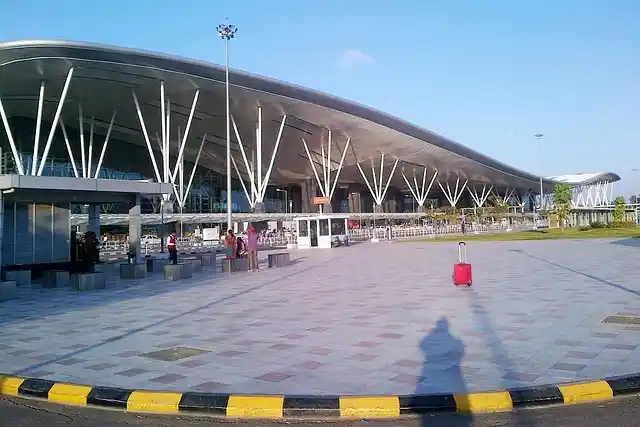
Technology is the backbone of next-generation airport planning. From automation to digital intelligence, innovations are transforming every corner of the terminal.
Smart Airport Systems
Smart airports use connected digital systems to streamline operations.
Examples include:
- Real-time data analytics for passenger flow
- AI-powered check-in kiosks
- Baggage tracking via RFID
- Robotic cleaning systems
- Automated security lanes
These technologies relieve pressure on staff and speed up processes.
Biometric Travel
Biometric technology is reshaping identity verification.
Passengers can now use:
- Facial recognition for boarding
- Biometric passports
- Iris scanning for security clearance
This not only strengthens security but also reduces queueing times significantly.
Digital Wayfinding and Navigation
Passengers often find large airports confusing. Digital wayfinding tools — mobile maps, AR overlays, and interactive kiosks — bring clarity to complex terminals.
They help travelers:
- Locate gates
- Find restaurants
- Navigate connecting flights
- Receive updates in real time
This digital infrastructure is essential in high-capacity international hubs.
Designing for Passenger Comfort and Well-Being
Airports are stressful places for many travelers. That’s why modern designs prioritize wellness and comfort.
Natural Light and Open Spaces
Large windows and skylights create an airy, spacious environment. Natural light reduces stress and helps passengers adjust to time-zone changes more easily.
Quiet Zones and Relaxation Areas
Airports now include:
- Meditation rooms
- Sleep pods
- Spa areas
- Soundproof lounges
These spaces allow travelers to recharge, especially during long layovers.
Greenery and Biophilic Design
Nature-inspired design is one of the strongest trends in airport architecture.
Benefits include:
- Reduced anxiety
- Cleaner air
- Calmer surroundings
- Increased traveler satisfaction
Singapore Changi Airport’s famous indoor waterfall is a prime example of biophilic excellence.
Airside vs. Landside: Why the distinction matters
Understanding landside and airside design is crucial for efficient terminal architecture.
Landside Areas
These include:
- Check-in zones
- Public transportation access
- Retail spaces
- Parking facilities
Landside design focuses on accessibility and seamless drop-off/pick-up processes.
Airside Areas
Airside zones include:
- Security areas
- Duty-free zones
- Gate lounges
- Boarding bridges
- Aircraft aprons
These zones require specialized planning for safety, traffic control, and operational flow.
Sustainability Trends Shaping Airport Designs
With climate concerns rising, airports are embracing greener solutions.
Energy-Efficient Terminals
Innovations include:
- Smart HVAC systems
- Advanced insulation
- Sunlight harvesting structures
Some airports even generate more energy than they consume.
Reduced Carbon Airports
Future-ready airports aim to:
- Use recycled or sustainable building materials
- Reduce aircraft taxi time
- Provide eco-friendly ground service vehicles
Waste and Water Management
Many airports implement:
- Greywater recycling
- Large-scale compost systems
- Zero-waste programs
These improvements significantly reduce environmental footprints.
Case Studies: Airports Setting New Design Standards
Singapore Changi Airport
Known for its unparalleled passenger experience, Changi features:
- The Jewel — a massive indoor forest
- Smart gates and automated terminals
- Integrated lifestyle and retail zones
Hamad International Airport
Hamad exemplifies:
- Vast open spaces
- Artistic installations
- Smooth inter-terminal connectivity
Istanbul Airport
One of the largest airports in the world, Istanbul showcases:
- Massive terminal capacity
- Futuristic automation
- Efficient airside design
These case studies highlight how architecture, technology, and experience merge into remarkable airport environments.
Challenges in Designing Modern Airports

Airport projects are massive undertakings. Some common challenges include:
- Huge construction costs
- Long project timelines
- Changing security requirements
- Passenger unpredictability
- Environmental constraints
- Airspace and runway planning challenges
Architects must balance innovation with functionality and long-term scalability.
Conclusion
In today’s globalized world, airport designs play a vital role in shaping the passenger journey and supporting international connectivity. From sustainability and smart technologies to passenger comfort and futuristic architecture, modern airports embody the perfect blend of engineering and creativity.
As travel continues to grow, the airports of tomorrow will become even more efficient, eco-friendly, and experience-driven. In short, the evolution of airport architecture is only beginning — and its future looks incredibly promising.
FAQs
1. What makes a good airport design?
A good airport design ensures smooth passenger flow, intuitive wayfinding, strong security integration, and comfortable spaces. It balances efficiency with aesthetics and future scalability.
2. Why is sustainability important in airports?
Airports are high-energy environments. Sustainable design reduces environmental impact, lowers operating costs, and improves long-term resilience.
3. How does technology improve airport operations?
AI, biometrics, automation, and smart sensors make processes faster and safer while enhancing passenger experience.
4. What are the latest trends in airport architecture?
Biophilic spaces, smart terminals, energy-efficient structures, automated systems, and flexible modular designs are leading trends.
5. How do architects plan for future airport expansion?
They use modular layouts, flexible building structures, and scalable systems that support phased construction and technological upgrades.
Leave a Reply