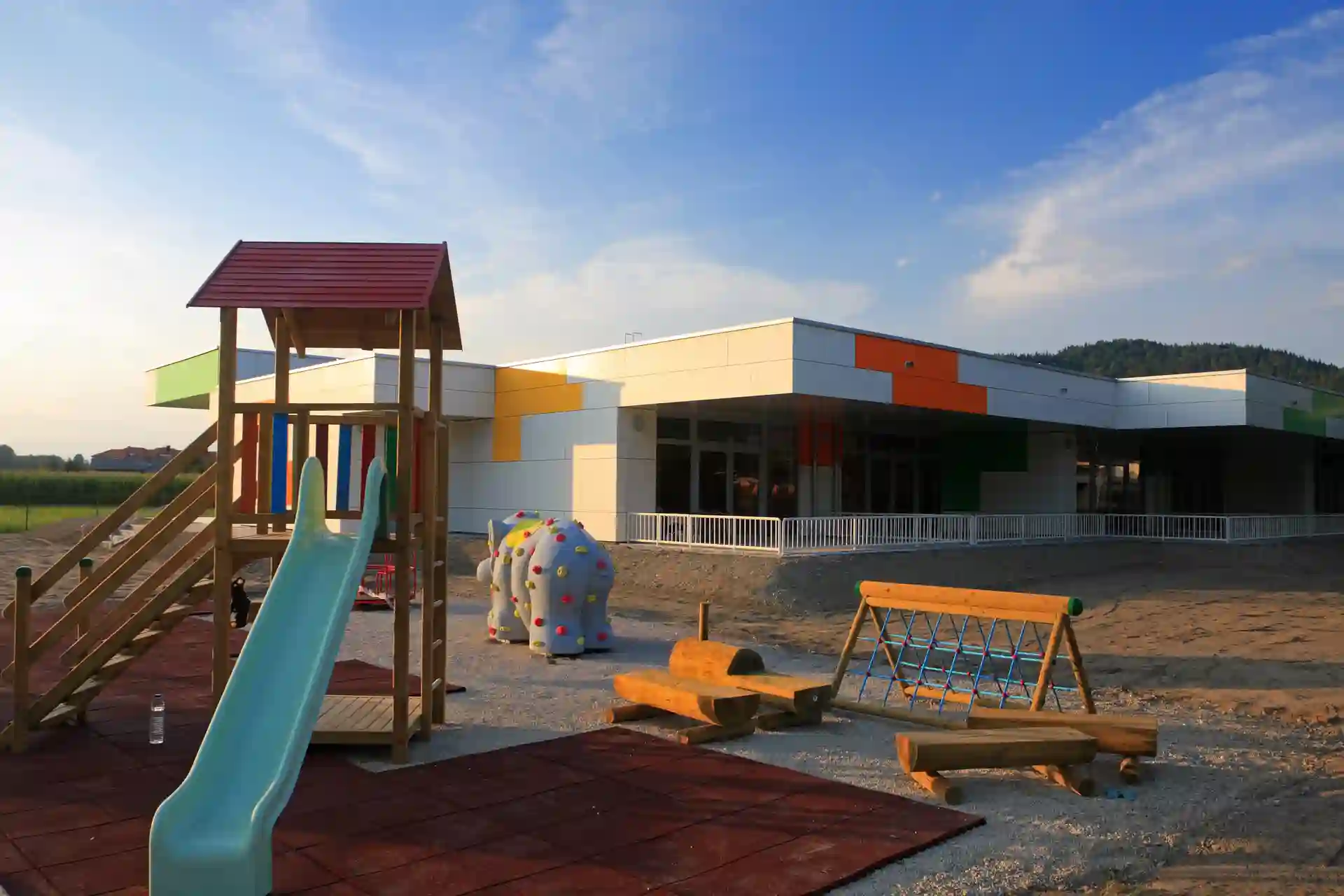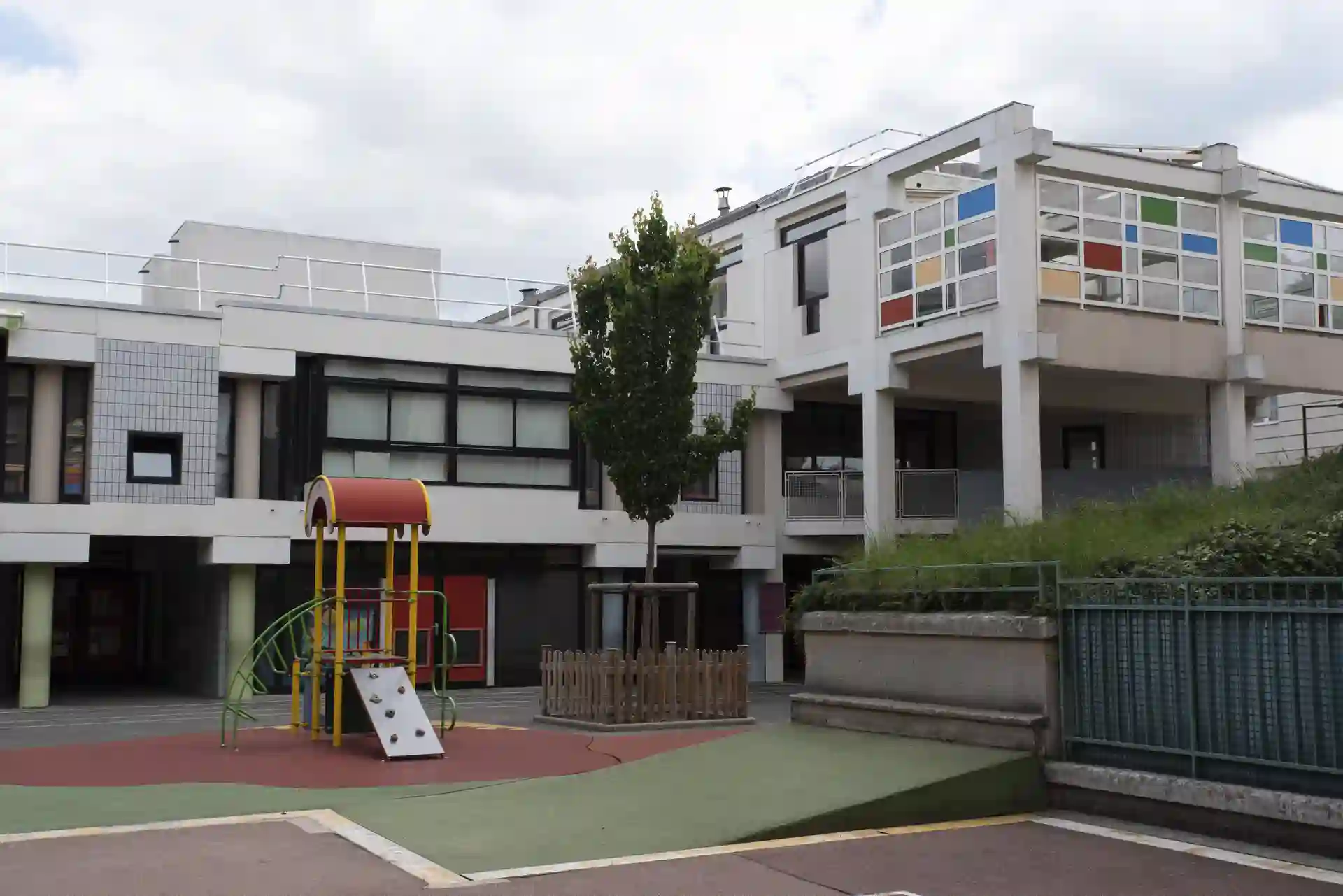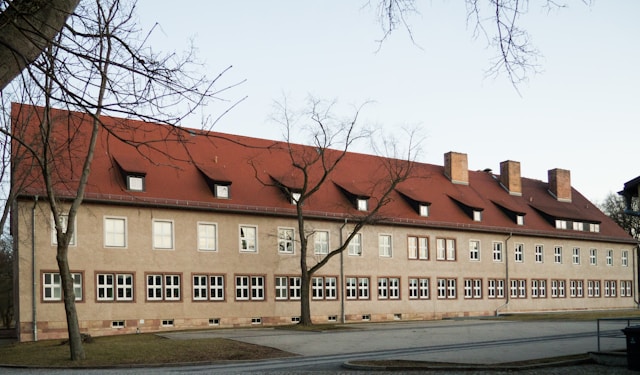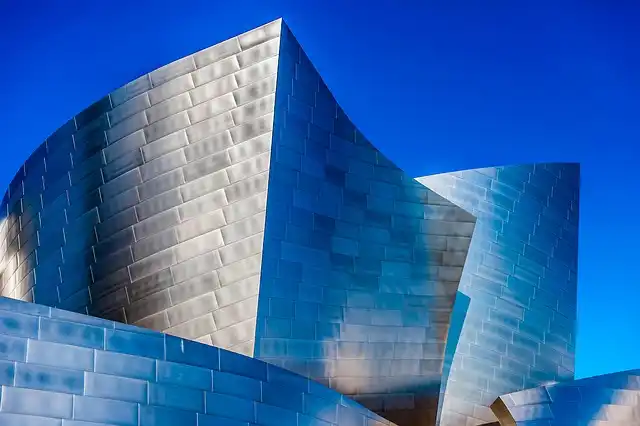
Author: fsedghi75

  • Modern Office Building Design: Trends & Inspiration

    Modern Office Building Design: Trends & Inspiration

    Have you ever walked into a workspace that instantly felt energizing, innovative, and effortlessly functional? That’s the power of a modern office building—a space designed not just for work, but for creativity, collaboration, and employee well-being. Today’s offices look nothing like those of a decade ago. They’re smarter, greener, more flexible, and far more connected to the people who use them.

    In this guide, we’ll break down the newest design trends, architectural influences, and technology shaping the workplaces of 2025 and beyond. You’ll discover what makes a modern office building truly stand out and how the right design can transform productivity, culture, and brand identity.

    What Defines a Modern Office Building Today?

    A modern office building is more than glass walls and sleek lines—it’s a strategic blend of architecture, technology, sustainability, and human-centered design. While aesthetics matter, today’s structures prioritize performance, adaptability, and well-being.

    Below are the defining characteristics of modern office environments:

    1. Architectural Elegance with Purpose

    Modern buildings often emphasize:

    • Clean, geometric forms

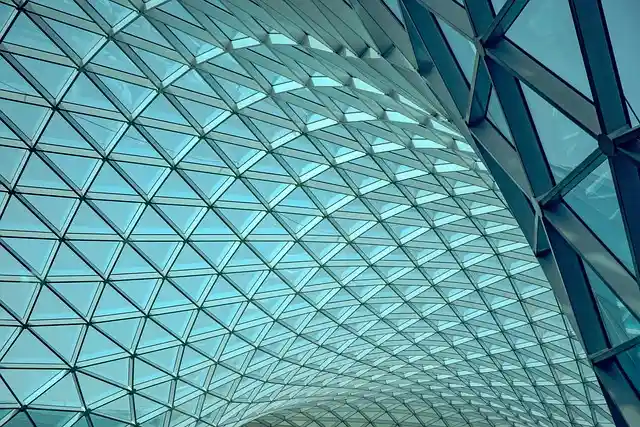
    • Large glass facades

    • Open, flexible interiors

    • Integration with the natural environment

    Many draw subtle influences from International Style Architecture, emphasizing functional simplicity.

    1. Sustainable Construction

    Eco-friendly materials, low-carbon strategies, and energy-efficient systems are no longer optional—they’re expected. Popular features include:

    These upgrades aren’t just good for the planet—they reduce operational costs in the long term.

    3. Technology-Driven Environments

    Smart building systems now automate everything from heating and lighting to security and visitor management. Furthermore, IoT sensors help building managers track occupancy, improve comfort, and reduce energy waste.

    The Rise of Smart Office Infrastructure
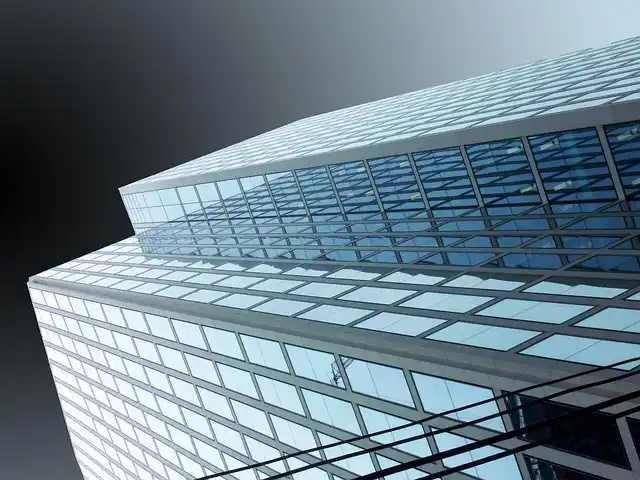
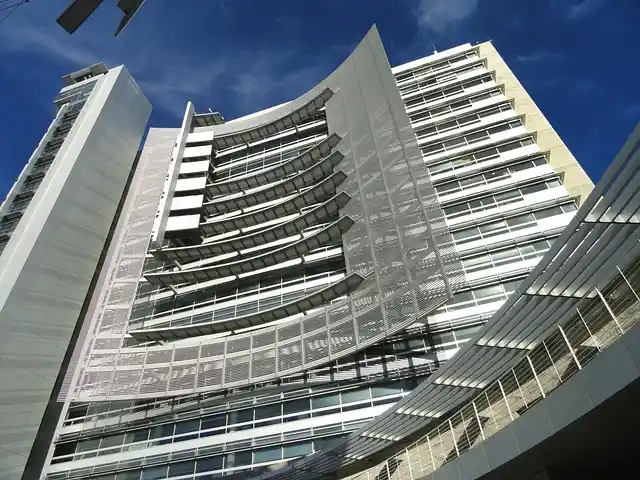
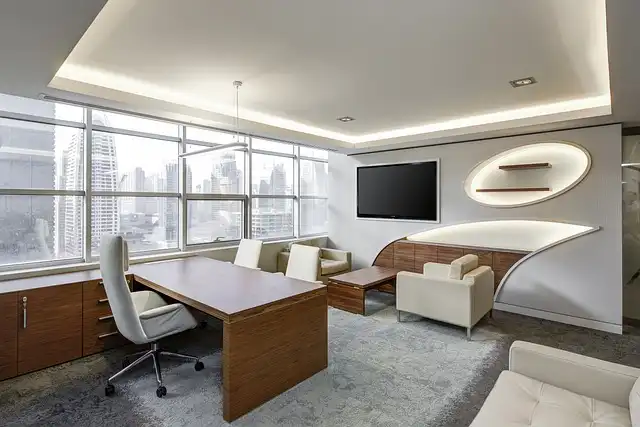
    Modern Office Building

    Modern buildings are smarter than ever, reshaping everything from employee experience to facility management.

    Smart Lighting & Climate Systems

    Adaptive lighting adjusts based on daylight and occupancy. AI-driven HVAC systems optimize temperatures while reducing energy use by up to 30%, according to recent industry studies.

    Touchless Technologies

    Especially post-2020, hands-free solutions have become integral:

    • Automatic doors

    • Gesture-based controls

    • Smartphone-access badges

    These features improve hygiene and streamline daily workflows.

    Integrated Building Management Systems (BMS)

    A modern office building relies heavily on unified platforms that monitor:

    • Security

    • Fire safety

    • Energy consumption

    • Air quality

    Such dashboards give facility managers real-time insights to boost performance and comfort.

    Workplace Design Trends Shaping 2025

    The modern office building has evolved from “place to work” to “place to thrive.” Let’s explore the trends making the biggest impact.

    1. Flexible & Hybrid-Ready Layouts

    Hybrid work reshaped office design forever. Companies now prioritize:

    • Modular furniture

    • Multi-purpose rooms

    • Moveable walls

    • Team pods

    These setups allow instant adaptation to changing team sizes and project needs.

    2. Biophilic Design

    Biophilic elements remain essential as employers recognize the health and productivity benefits of nature. Consider adding:

    • Living walls

    • Indoor gardens

    • Water features

    • Natural materials like wood, stone, bamboo

    Studies show that biophilic offices can boost employee productivity by up to 15%.

    3. Wellness-Centric Spaces

    Employee well-being is integral to modern design. Wellness features often include:

    • Meditation or quiet rooms

    • Fitness centers

    • Ergonomic furniture

    • Soft, circadian-friendly lighting

    Some buildings even incorporate rooftop walking tracks or nap pods.

    4. Hospitality-Influenced Interiors

    Creating a “hotel-like” experience is a big 2025 trend. That means:

    • Stylish lobbies

    • Café-style work zones

    • Concierge-style support services

    These features boost comfort while enhancing brand impression.

    Sustainability as a Core Priority
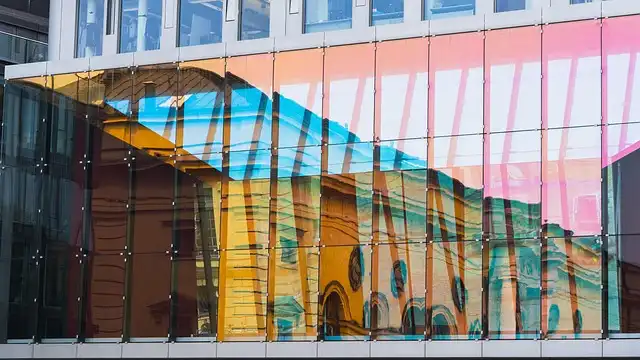
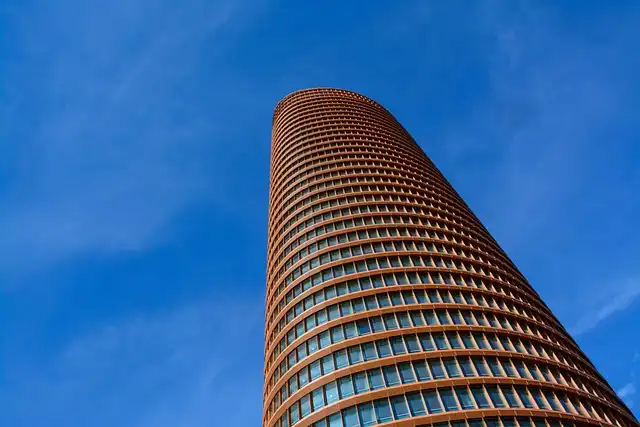
    Modern Office Building Design

    Sustainable design is no longer a trend—it’s a standard. Modern office buildings are built with longevity and environmental responsibility in mind.

    Energy Efficiency

    Buildings are increasingly pursuing certifications like LEED and BREEAM to ensure eco-friendly performance.
    Strategies include:

    • Triple-glazed windows

    • Heat-recovery ventilation

    • Smart shading systems

    Sustainable Materials

    Construction is shifting toward:

    • Recycled steel

    • Low-VOC paints

    • FSC-certified wood

    • Prefabricated modules (reducing waste by up to 20%)

    These choices support better indoor air quality and lower environmental impact.

    Green Spaces & Urban Integration

    Green rooftops and terraces provide:

    • Better insulation

    • Stormwater management

    • Outdoor relaxation spots for employees

    They also help modern buildings blend seamlessly into urban landscapes.

    The Role of Technology in Modern Office Building Design

    Technology shapes how buildings look, operate, and adapt. The smartest structures create seamless experiences for both occupants and administrators.

    1. Internet of Things (IoT)

    IoT devices monitor everything from desk usage to air quality. This ensures:

    • Improved comfort

    • Efficient workspace allocation

    • Accurate cleaning schedules

    2. Access Control & Smart Security

    Security is no longer just locks and cameras. Today’s systems include:

    • Facial recognition

    • AI-powered threat detection

    • Real-time access logs

    These tools keep tenants safe while improving convenience.

    3. Digital Twin Technology

    A digital twin is a virtual model of the building. Engineers use it to:

    • Simulate energy use

    • Test design changes

    • Predict maintenance needs

    This technology reduces downtime and extends building lifespan.

    Inspiring Modern Office Building Examples

    To make the concepts practical, here are inspiring real-world examples:

    Example 1 — The Net-Zero Office

    A building designed to produce as much energy as it consumes. Features include solar façades, geothermal heating, and integrated battery storage.

    Example 2 — The Glass Tower Workspace

    Floor-to-ceiling windows, panoramic city views, and open-concept floors deliver a bright, transparent environment promoting collaboration.

    Example 3 — The Garden Atrium Office

    A large indoor courtyard with living trees, natural light, and soft seating. It becomes a central hub for creativity and relaxation.

    How to Plan a Modern Office Building
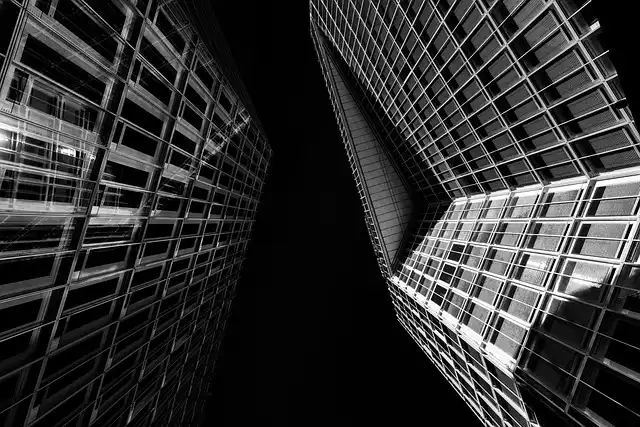
    Modern Office Building Design

    If you’re developing or renovating, here are clear steps to guide your process:

    Step 1 — Identify User Needs

    Gather feedback from:

    • Employees

    • Department heads

    • IT teams

    • Facility managers

    This ensures the design supports real workflows.

    Step 2 — Set Sustainability Goals

    Define whether you aim for:

    • Net-zero operations

    • LEED certification

    • Reduced carbon footprint

    Step 3 — Prioritize Flexibility

    Choose modular designs that can evolve over time without major investment.

    Step 4 — Integrate Smart Technologies

    Plan infrastructure early to support IoT, AI, and advanced networking.

    Step 5 — Partner with Experts

    Hiring experienced architects, engineers, and sustainability consultants ensures adherence to local regulations and best practices.

    Conclusion

    A modern office building is much more than a workplace—it’s a living, breathing ecosystem where people collaborate, connect, and thrive. Whether through smart technologies, biophilic design, flexible layouts, or sustainable construction, today’s offices redefine what productivity means.

    As we move deeper into a future defined by innovation, the most successful buildings will be those that balance human needs, architectural beauty, and environmental responsibility. In short, the office of tomorrow starts with the choices we make today.

    FAQs — People Also Ask

    Q1: What makes a modern office building energy efficient?

    Energy-efficient offices use advanced insulation, smart HVAC systems, LED lighting, and renewable energy sources like solar power.

    Q2: How can technology improve office building design?

    Tech enables automation, security, occupancy tracking, and improved comfort through IoT systems and AI-driven management tools.

    Q3: What are the top trends in modern office design?

    Flexible layouts, biophilic elements, smart infrastructure, wellness spaces, and hybrid-friendly environments dominate current trends.

    Q4: Why is sustainability important in office buildings?

    Sustainability lowers operating costs, improves employee well-being, and reduces environmental impact—benefiting both owners and tenants.

    Q5: What is the role of natural light in modern offices?

    Natural light boosts productivity, enhances mood, and reduces energy consumption, making it a top design priority.

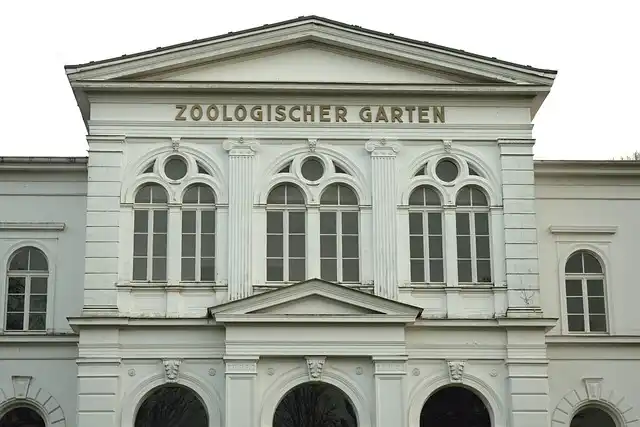
  • Zoo Buildings: Creative Design Ideas for Animal Habitats

    Zoo Buildings: Creative Design Ideas for Animal Habitats

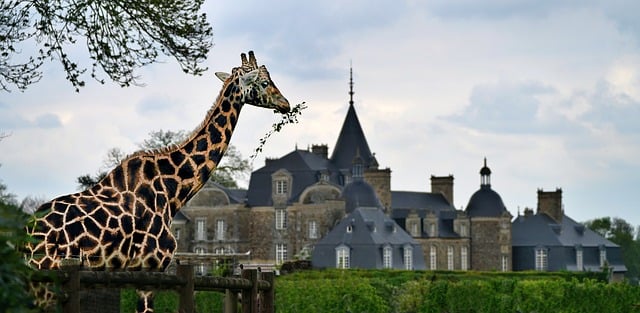
    When was the last time you visited a zoo and felt transported into another world—one where animals moved effortlessly through spaces that looked and felt like their natural homes? This sense of immersion is no accident. It’s the result of thoughtful, science-driven Zoo Building design that balances animal welfare, visitor engagement, and environmental sustainability.

    As zoos evolve globally, the architecture behind animal habitats has become more innovative, eco-friendly, and educational than ever before. In this article, you’ll discover how modern Zoo Buildings are created, the principles that guide architects, and inspiring examples of habitat design that are redefining zoological experiences. Whether you’re a designer, student, wildlife advocate, or simply curious, these insights will deepen your understanding of what makes a zoo truly exceptional.

    The Evolution of Zoo Building Design

    From Enclosures to Ecosystems

    Early zoos often prioritized display over welfare, relying on cages and barriers. Today’s Zoo Building philosophy flips that idea completely. Instead of restricting animals, designers recreate natural ecosystems, allowing species to behave more authentically.

    Modern zoos now emphasize:

    • Environmental enrichment

    • Naturalistic landscapes

    • Behavior-appropriate habitats

    • Visitor immersion and education

    This shift offers both animals and humans a more meaningful experience.

    Influence of Architectural Movements

    Architects now use styles ranging from modern minimalism to sustainable bio-architecture. Some zoo exhibits even draw inspiration from International Style Architecture, emphasizing clean lines and functional spaces that blend unobtrusively with nature.

    Core Principles Behind Effective Zoo Buildings

    Zoo Buildings

    1. Animal Welfare as the Priority

    A world-class Zoo Building starts with species-specific needs:

    • Space and freedom of movement

    • Temperature control and microhabitats

    • Hiding spots and privacy zones

    • Social or solitary configurations

    • Mental stimulation through enrichment tools

    For example, primate habitats often include climbing networks, puzzle feeders, and multi-level structures to mimic forest canopies.

    2. Sustainability and Eco-Friendly Construction

    As global awareness rises, Zoo Buildings are embracing sustainability:

    • Solar-powered lighting

    • Rainwater harvesting

    • Locally sourced materials

    • Green roofs that regulate temperature

    • Waste-to-energy systems for animal manure

    Not only do these practices reduce environmental impact—they also educate visitors on conservation.

    3. Visitor Engagement and Learning

    A well-designed zoo is part education center, part wildlife sanctuary.

    Features that enhance visitor experience include:

    • Immersive walk-through paths

    • Transparent or concealed barriers

    • Interactive digital displays

    • Themed environments

    • Soundscapes that recreate natural habitats

    In short, the best Zoo Buildings create emotional connections that inspire conservation.

    4. Safety and Accessibility

    Zoos must ensure safety without disrupting aesthetics. Modern innovations include:

    • Hidden moats

    • Elevated walkways

    • Reinforced viewing glass

    • ADA-friendly ramps and paths

    • Controlled climate zones for guest comfort

    These elements ensure zoos remain welcoming to everyone.

    Innovative Zoo Building Ideas Changing the Industry

    Modern Zoo Building Innovations

    Immersive Biome-Themed Zones

    Many zoos now group animals by ecosystem rather than species type. This creates visually stunning and cohesive Zoo Buildings modeled after:

    • Rainforests

    • African savannas

    • Arctic tundra

    • Desert canyons

    • Coastal marshes

    These zones introduce visitors to ecological relationships, not just individual animals.

    Natural Barriers Over Man-Made Walls

    Designers increasingly replace metal fences with:

    • Water moats

    • Rock formations

    • Elevation differences

    • Dense vegetation

    These natural dividers maintain safety while preserving visual harmony.

    Multi-Species Habitats

    Allowing compatible animals to share a habitat boosts enrichment and authenticity.
    For example:

    • Zebras and ostriches in a shared savanna

    • Tapirs, capybaras, and giant anteaters in a rainforest zone

    This multi-species approach mirrors wild interactions.

    Indoor-Outdoor Hybrid Facilities

    For climates with extreme weather, hybrid Zoo Buildings offer year-round comfort. They may include:

    • Climate-controlled indoor forests

    • Retractable walls

    • Heated rocks or cooled pools

    • Skylit atriums for natural light

    This design ensures animals thrive regardless of season.

    Architectural Materials Used in Modern Zoo Buildings

    Sustainable Woods and Bamboo

    Bamboo is durable, flexible, and eco-friendly—ideal for primate structures or shaded walkways.

    Reinforced Glass and Acrylic

    These materials:

    • Provide clear, natural views

    • Allow safe proximity to animals

    • Help create underwater viewing tunnels

    Faux Rock and Artificial Trees

    While appearing natural, these custom-designed features withstand weather, clawing, and climbing.

    Green Construction Materials

    Such as:

    • Recycled steel

    • Permeable pavement

    • High-efficiency insulation

    • Solar glass panels

    They contribute to the zoo’s long-term sustainability.

    Designing Zoo Buildings for Different Animal Categories

    Mammals

    Mammalian habitats focus on:

    • Terrain diversity

    • Burrows or dens

    • Vertical spaces for arboreal species

    • Social grouping areas

    Birds

    Aviaries often incorporate:

    • Free-flight zones

    • Aviary tunnels

    • Nest platforms

    • Vegetation for cover

    Reptiles and Amphibians

    These habitats require:

    • Controlled humidity

    • Temperature gradients

    • UVB lighting

    • Rock crevices and water features

    Aquatic Species

    Aquatic Zoo Buildings highlight:

    • Deep underwater viewing tanks

    • Coral-safe lighting

    • Salt-water filtration systems

    • Wave simulation platforms

    Visitor Experience in Modern Zoo Buildings

    Immersive Pathways

    Zoos now guide visitors through winding trails, simulating natural exploration. These paths often include:

    • Rope bridges

    • Cave tunnels

    • Elevated canopy walks

    Multi-Sensory Learning

    Interactive elements include:

    • Touch screens

    • Augmented reality stations

    • Feeding sessions

    • Behind-the-scenes tours

    Food, Seating, and Shade

    Visitor comfort is a priority. Many zoos integrate:
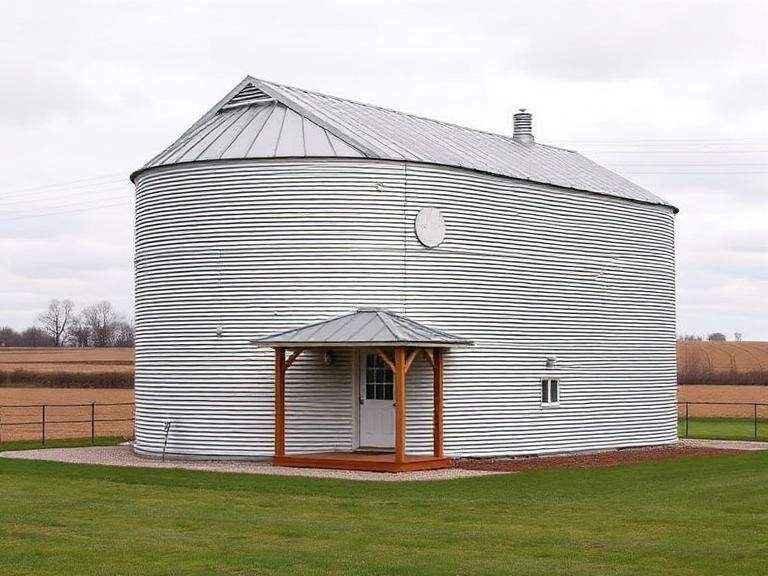
    • Local-theme cafés

    • Water stations

    • Rest zones with shade sails

    These elements encourage longer, more enjoyable visits.

    Real-World Examples of Outstanding Zoo Buildings

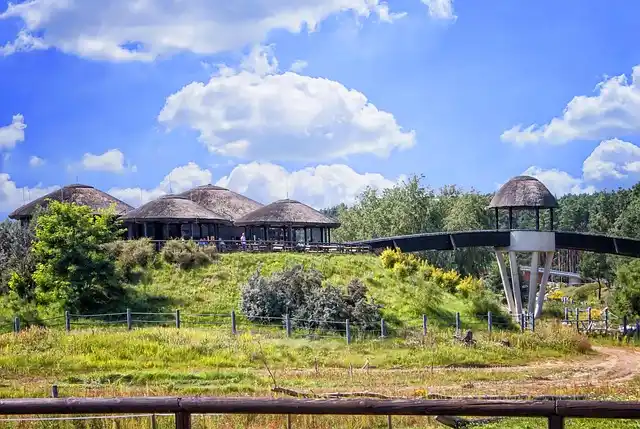
    Singapore Zoo – Rainforest Exploration

    Known for its lush, open-concept exhibits, this zoo features tree-top trails and barrier-free viewing areas.

    San Diego Zoo – Africa Rocks

    This zone uses large rock formations, waterfalls, and integrated climate systems to recreate diverse African habitats.

    Chester Zoo – Islands Project

    A remarkable example of ecosystem-based design, featuring boat rides through interconnected island habitats.

    Future Trends in Zoo Building Architecture

    Modern Zoo Building Innovations

    1. Fully Immersive Digital Integration

    Augmented reality overlays will enhance storytelling, making habitats more educational and interactive.

    2. Climate-Adaptive Structures

    Expect advanced insulation, cooling systems, and renewable energy use to become standard.

    3. Ethical and Conservation-Focused Layouts

    Zoos are increasingly functioning as rescue and breeding centers, requiring specialized facilities like:

    • Off-exhibit nurseries

    • Veterinary hospitals

    • Genetic resource banks

    4. Hyper-Realistic Habitats

    Artificial but incredibly detailed environments allow animals to display natural behaviors while adapting to urban zoo settings.

    How Zoo Buildings Promote Conservation

    Raising Awareness Through Design

    When visitors see animals in naturalistic habitats, they better understand the urgency of protecting ecosystems.

    Supporting Research and Breeding

    Modern facilities include labs, incubators, and observation rooms that enable:

    • Endangered species protection

    • Veterinary studies

    • Behavioral research

    Connecting People to Wildlife

    Zoos serve as powerful storytelling platforms, inspiring conservation donations and volunteerism.

    Conclusion

    The world of Zoo Building has transformed dramatically, shifting from basic enclosures to immersive, scientifically informed habitats that prioritize animal welfare and visitor connection. Today’s Zoo Buildings blend architecture, environmental science, and creativity to produce spaces where animals can thrive and people can learn and feel inspired. As zoos evolve, so too will the architectural innovations that shape them—ensuring that wildlife remains protected, appreciated, and understood for generations to come.

    Read also: Designing Sustainable Wildlife Sanctuaries
    External resource suggestion: Learn more about zoo history on Wikipedia’s Zoo page.

    FAQs

    Q1: What makes a modern Zoo Building different from older zoo structures?

    Modern designs focus on naturalistic habitats, animal welfare, sustainability, and immersive visitor experiences rather than cages or simple enclosures.

    Q2: How do architects ensure animal safety in zoo habitats?

    They use natural barriers, reinforced materials, species-specific design, and behavioral research to build safe, enriching environments.

    Q3: Why is sustainability important in Zoo Buildings?

    Eco-friendly construction reduces environmental impact and teaches visitors about conservation efforts.

    Q4: How do modern zoos make habitats more realistic?

    Through artificial landscapes, diverse terrain, appropriate vegetation, climate control, and enrichment methods that mimic natural behaviors.

    Q5: What trends will shape future Zoo Buildings?

    Digital integration, climate-adaptive architecture, conservation-focused spaces, and ultra-realistic habitat designs.

  • Airport Designs: Building Modern Structures for Global Connectivity

    Airport Designs: Building Modern Structures for Global Connectivity

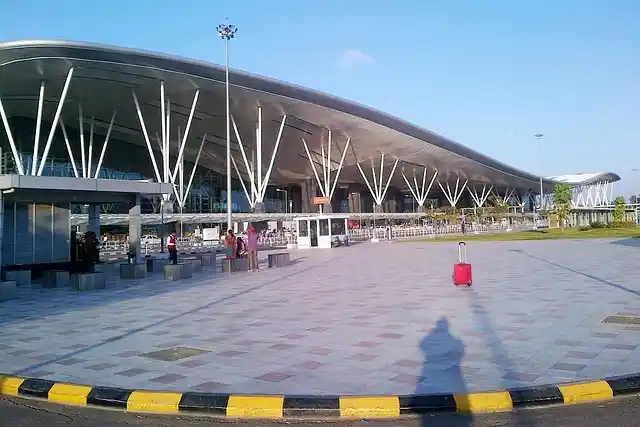
    When was the last time you walked through an airport and thought, “This feels like a city of its own”? Today’s airports are no longer simple gateways for flights — they’re complex ecosystems engineered for comfort, efficiency, and global connection. As international travel grows, airport designs must adapt to rising passenger numbers, smarter technologies, and stricter sustainability standards.

    In this article, you’ll discover how modern terminals are conceived, the principles behind their architecture, and the innovations driving the future of aviation infrastructure. Whether you’re an enthusiast, a student, or a professional in the field, this guide breaks down everything you need to know about creating world-class airport environments.

    The Evolution of Airport Designs

    Airport architecture has come a long way since the early 20th century. What started as small, hangar-like structures has evolved into monumental complexes handling millions of travelers every year.

    From Functional Buildings to Cultural Icons

    Early airports focused solely on aircraft operations — terminals served as modest waiting rooms. Today, airports like Singapore Changi or Hamad International have become cultural symbols, blending art, nature, and technology.

    This shift was heavily influenced by movements like International Style Architecture, which promoted functional, clean, and modern building principles.

    Drivers Behind This Architectural Transformation

    Modern airport transformation is driven by:

    • Explosive passenger growth

    • Globalization and international routes

    • Demand for seamless travel experiences

    • Advancements in construction and simulation technology

    • Competition between countries for tourism and revenue

    In short, airports evolved from “get-in-and-get-out” spaces into grand, experiential environments that reflect a nation’s innovation.

    Key Principles Behind Modern Airport Designs

    Airport building Designs

    Creating a modern airport requires balancing efficiency, aesthetics, safety, and sustainability. Here are the pillars architects rely on.

    Passenger Flow Efficiency

    Passenger flow is a core element of any airport design strategy. Terminals are structured to minimize congestion and reduce travel stress.

    Key considerations include:

    • Clear wayfinding

    • Logical zone placement (check-in → security → gates)

    • Wide concourses

    • Automated systems and digital signage

    • Integrated transportation options

    Smooth passenger movement directly impacts operational efficiency and customer satisfaction.

    Scalability and Flexibility

    Since air travel keeps expanding, airports must be designed with the future in mind. Flexible terminals allow:

    • Easy expansion without major reconstruction

    • Integration of new technologies

    • Reconfiguration of gates and lounges

    • Adaptive capacity during peak seasons

    Architects use modular layouts so airports can grow organically over decades.

    Sustainability and Environmental Responsibility

    Eco-friendly airport designs are now a global priority. Modern terminals incorporate:
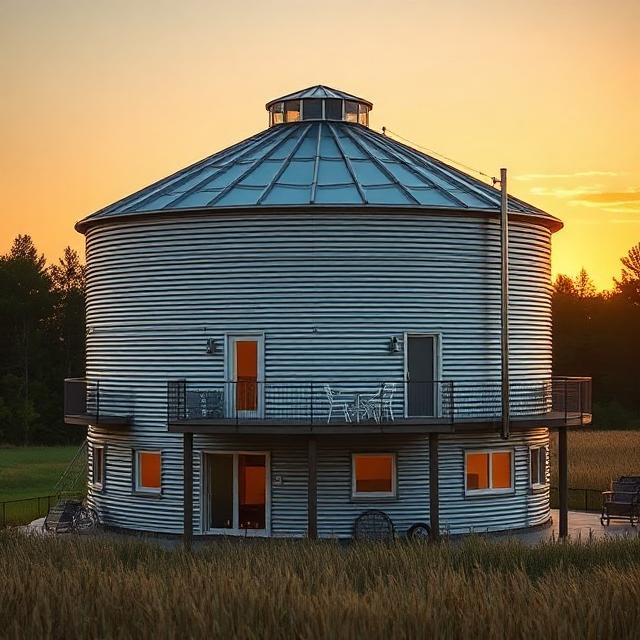
    • Solar energy systems

    • Green roofs and natural ventilation

    • Water harvesting systems

    • LED lighting and energy-efficient HVAC

    • Low-carbon construction materials

    For example, many airports aim for LEED certification, proving their commitment to reducing environmental impact.
    (External link suggestion: Learn more about LEED certification on Wikipedia.)

    Security Integration

    Security must be seamlessly built into design — not tacked on afterward.

    Key design considerations include:

    • Intelligent queueing systems

    • Space for advanced screening technologies

    • Biometric verification areas

    • Clear lines of sight for better surveillance

    The goal is to keep airports safe without compromising the passenger experience.

    The Role of Technology in Future Airport Designs

    Future-Ready Airport Designs for Global Travel

    Technology is the backbone of next-generation airport planning. From automation to digital intelligence, innovations are transforming every corner of the terminal.

    Smart Airport Systems

    Smart airports use connected digital systems to streamline operations.

    Examples include:

    • Real-time data analytics for passenger flow

    • AI-powered check-in kiosks

    • Baggage tracking via RFID

    • Robotic cleaning systems

    • Automated security lanes

    These technologies relieve pressure on staff and speed up processes.

    Biometric Travel

    Biometric technology is reshaping identity verification.

    Passengers can now use:

    • Facial recognition for boarding

    • Biometric passports

    • Iris scanning for security clearance

    This not only strengthens security but also reduces queueing times significantly.

    Digital Wayfinding and Navigation

    Passengers often find large airports confusing. Digital wayfinding tools — mobile maps, AR overlays, and interactive kiosks — bring clarity to complex terminals.

    They help travelers:

    • Locate gates

    • Find restaurants

    • Navigate connecting flights

    • Receive updates in real time

    This digital infrastructure is essential in high-capacity international hubs.

    Designing for Passenger Comfort and Well-Being

    Airports are stressful places for many travelers. That’s why modern designs prioritize wellness and comfort.

    Natural Light and Open Spaces

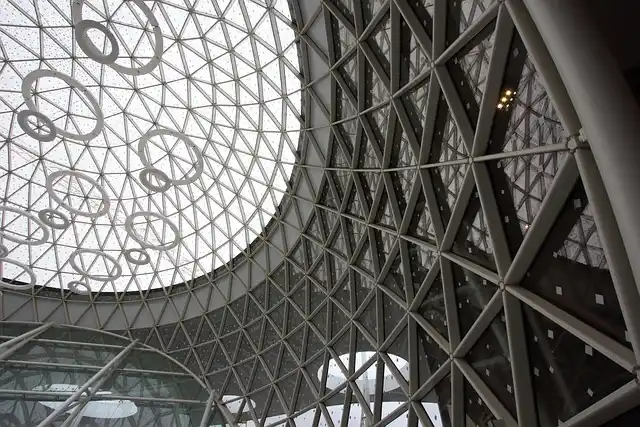
    Large windows and skylights create an airy, spacious environment. Natural light reduces stress and helps passengers adjust to time-zone changes more easily.

    Quiet Zones and Relaxation Areas

    Airports now include:

    • Meditation rooms

    • Sleep pods

    • Spa areas

    • Soundproof lounges

    These spaces allow travelers to recharge, especially during long layovers.

    Greenery and Biophilic Design

    Nature-inspired design is one of the strongest trends in airport architecture.

    Benefits include:

    • Reduced anxiety

    • Cleaner air

    • Calmer surroundings

    • Increased traveler satisfaction

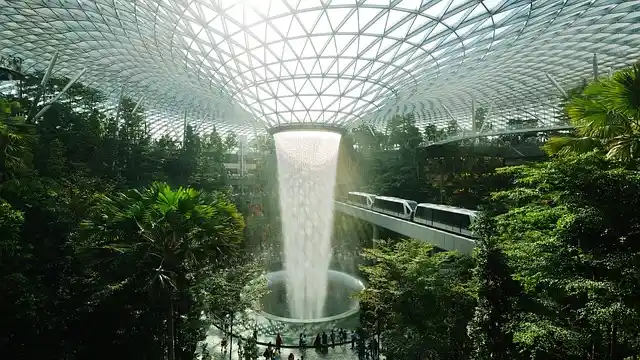
    Singapore Changi Airport’s famous indoor waterfall is a prime example of biophilic excellence.

    Airside vs. Landside: Why the distinction matters

    Understanding landside and airside design is crucial for efficient terminal architecture.

    Landside Areas

    These include:

    • Check-in zones

    • Public transportation access

    • Retail spaces

    • Parking facilities

    Landside design focuses on accessibility and seamless drop-off/pick-up processes.

    Airside Areas

    Airside zones include:

    • Security areas

    • Duty-free zones

    • Gate lounges

    • Boarding bridges

    • Aircraft aprons

    These zones require specialized planning for safety, traffic control, and operational flow.

    Sustainability Trends Shaping Airport Designs

    With climate concerns rising, airports are embracing greener solutions.

    Energy-Efficient Terminals

    Innovations include:

    • Smart HVAC systems

    • Advanced insulation

    • Sunlight harvesting structures

    Some airports even generate more energy than they consume.

    Reduced Carbon Airports

    Future-ready airports aim to:

    • Use recycled or sustainable building materials

    • Reduce aircraft taxi time

    • Provide eco-friendly ground service vehicles

    Waste and Water Management

    Many airports implement:

    • Greywater recycling

    • Large-scale compost systems

    • Zero-waste programs

    These improvements significantly reduce environmental footprints.

    Case Studies: Airports Setting New Design Standards

    Singapore Changi Airport

    Known for its unparalleled passenger experience, Changi features:

    • The Jewel — a massive indoor forest

    • Smart gates and automated terminals

    • Integrated lifestyle and retail zones

    Hamad International Airport

    Hamad exemplifies:

    • Vast open spaces

    • Artistic installations

    • Smooth inter-terminal connectivity

    Istanbul Airport

    One of the largest airports in the world, Istanbul showcases:

    • Massive terminal capacity

    • Futuristic automation

    • Efficient airside design

    These case studies highlight how architecture, technology, and experience merge into remarkable airport environments.

    Challenges in Designing Modern Airports

    Future-Ready Airport Designs

    Airport projects are massive undertakings. Some common challenges include:

    • Huge construction costs

    • Long project timelines

    • Changing security requirements

    • Passenger unpredictability

    • Environmental constraints

    • Airspace and runway planning challenges

    Architects must balance innovation with functionality and long-term scalability.
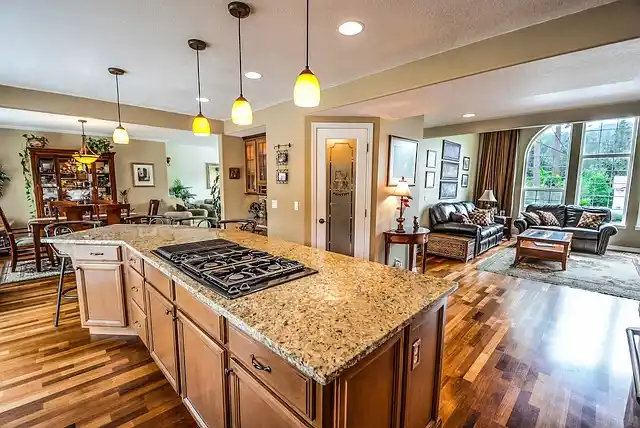
    Conclusion

    In today’s globalized world, airport designs play a vital role in shaping the passenger journey and supporting international connectivity. From sustainability and smart technologies to passenger comfort and futuristic architecture, modern airports embody the perfect blend of engineering and creativity.

    As travel continues to grow, the airports of tomorrow will become even more efficient, eco-friendly, and experience-driven. In short, the evolution of airport architecture is only beginning — and its future looks incredibly promising.

    FAQs

    1. What makes a good airport design?

    A good airport design ensures smooth passenger flow, intuitive wayfinding, strong security integration, and comfortable spaces. It balances efficiency with aesthetics and future scalability.

    2. Why is sustainability important in airports?

    Airports are high-energy environments. Sustainable design reduces environmental impact, lowers operating costs, and improves long-term resilience.

    3. How does technology improve airport operations?

    AI, biometrics, automation, and smart sensors make processes faster and safer while enhancing passenger experience.

    4. What are the latest trends in airport architecture?

    Biophilic spaces, smart terminals, energy-efficient structures, automated systems, and flexible modular designs are leading trends.

    5. How do architects plan for future airport expansion?

    They use modular layouts, flexible building structures, and scalable systems that support phased construction and technological upgrades.

  • Innovative High School Building Design for Modern Education

    Innovative High School Building Design for Modern Education

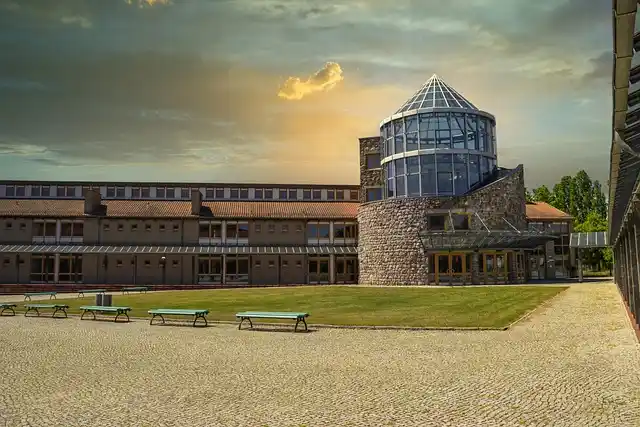
    What does a future-ready high school look like? Today’s students learn, interact, and solve problems differently than previous generations, which means educational spaces must evolve too. High School Building Design is no longer just about classrooms and hallways — it’s about creating environments that strengthen collaboration, support technology, improve well-being, and prepare students for real-world challenges.

    In this guide, you’ll explore modern design strategies, flexible learning zones, sustainable features, safety considerations, and the latest architectural trends shaping schools around the world. Whether you’re an architect, educator, planner, or curious parent, this article offers expert insights to help you understand what makes a high school truly “innovative.”

    Why Modern High School Building Design Matters

    Education today extends far beyond memorization. Modern students thrive in spaces that encourage creativity, digital literacy, and community engagement. That’s why thoughtful school design plays a critical role in academic success.

    In fact, research shows that well-designed schools can improve student performance, reduce absenteeism, and enhance teacher satisfaction. When buildings support learning, learning becomes more effective.

    Core Principles of Innovative High School Building Design

    1. Flexible Learning Environments

    Traditional rows of desks are becoming obsolete. Today’s schools require multi-functional learning zones that can shift depending on student needs.

    Examples include:

    • Movable furniture 
    • Breakout spaces 
    • Collaborative pods 
    • Makerspaces and STEM labs 

    Why it matters: Flexibility supports project-based learning, encourages teamwork, and adapts to future teaching methods.

    2. Natural Light and Healthy Materials

    Innovative High School Building Design

    Light-filled spaces boost focus, reduce stress, and even improve mood. Skylights, large windows, and open courtyards help schools feel more welcoming. Additionally, non-toxic building materials and improved air quality help protect student health.

    Benefits include:

    • Reduced eye strain 
    • Energy savings 
    • Better concentration 

    3. Technology-Ready Infrastructure

    Modern classrooms depend on devices, connectivity, and interactive tools. A future-ready high school needs:

    • Strong Wi-Fi 
    • Charging stations 
    • Smart boards 
    • Video conferencing capabilities 

    Moreover, integrated technology allows schools to adapt quickly to hybrid or remote learning models.

    4. Safety and Security by Design

    A secure school doesn’t have to feel like a fortress. Good design balances safety with openness.

    Design strategies include:

    • Clear sightlines for staff 
    • Controlled entry points 
    • Emergency communication systems 
    • Safe outdoor learning areas 

    Thoughtful planning ensures students feel protected, not restricted.

    Architectural Styles Influencing Today’s Schools

    Contemporary Minimalism

    Minimalist high schools prioritize functional layouts, clean lines, and bright, natural materials. These designs reduce visual clutter and create calming learning spaces.

    Sustainable Architecture

    Eco-conscious design isn’t just a trend — it’s becoming essential. Schools are increasingly using:

    • Solar panels 
    • Green roofs 
    • Rainwater harvesting 
    • Energy-efficient HVAC systems 

    Not only do these reduce operating costs, but they also teach students about environmental responsibility.

    A Touch of History: International Style Architecture

    Some modern schools still draw inspiration from International Style Architecture, known for its simplicity, transparency, and geometric forms. These influences create timeless structures that feel both open and efficient.

    Key Features of Next-Generation High School Buildings

    Innovative High School Building Design for Modern Education

    Collaborative Learning Zones

    Spaces designed for teamwork encourage communication and hands-on learning. Examples include:

    • Group tables 
    • Digital collaboration screens 
    • Creativity labs 

    These areas mimic real-world workplaces.

    Outdoor Learning Areas

    Students benefit greatly from time outside. Schools now include:

    • Outdoor classrooms 
    • Ecological study spaces 
    • Amphitheaters 
    • Garden labs 

    Outdoor learning supports physical activity, mental health, and environmental awareness.

    Athletic and Wellness Facilities

    Physical well-being directly influences academic performance. Modern design incorporates:

    • Fitness centers 
    • Multi-sport courts 
    • Indoor walking tracks 
    • Meditation or quiet rooms 

    Holistic wellness creates more resilient students.

    Arts and Performance Spaces

    Creativity thrives when students have access to professional-quality facilities.

    Common features include:

    • Black box theaters 
    • Recording studios 
    • Visual arts studios 
    • Exhibition galleries 

    These areas celebrate self-expression and innovation.

    Designing Schools for Community Engagement

    Shared Facilities

    Today’s schools often act as community hubs. Designers increasingly integrate:

    • Public libraries 
    • Community meeting rooms 
    • Fitness centers 
    • Multipurpose halls 

    This approach strengthens relationships between schools and local residents.

    Accessible Design for All Students

    Inclusivity is essential. Modern high schools must be accessible to students with physical, sensory, or cognitive challenges.

    Key features include:

    Accessibility fosters equality and independence.

    Sustainable High School Building Design Strategies

    High School Building

    Energy Efficiency

    Eco-friendly schools often use:

    • LED lighting 
    • Smart climate control 
    • Geothermal heating 
    • Insulated building envelopes 

    These reduce utility costs and environmental impact.

    Eco-Friendly Materials

    Durable, low-VOC, recyclable materials create healthier spaces. Examples include bamboo flooring, reclaimed wood, and non-toxic paints.

    Green Landscaping

    Landscaping can be both beautiful and functional. Rain gardens, native plants, and permeable walkways help manage water and reduce maintenance.

    Innovations Transforming High School Campuses

    Smart Classrooms

    Smart classrooms integrate technology seamlessly. They include:

    • AI-based learning tools 
    • Interactive screens 
    • Automated lighting 
    • Sensor-controlled ventilation 

    These classrooms adapt to student needs and minimize distractions.

    Modular Construction

    Modular building accelerates construction timelines and reduces costs.

    Advantages:

    • Faster installation 
    • Reduced waste 
    • High customization 
    • Budget-friendly expansion options 

    Hybrid Learning Infrastructure

    Schools now incorporate quiet rooms for online learning, digital recording studios, and soundproof pods.

    This supports students who need independent study spaces or flexible pacing.

    Case Study Example (Hypothetical)

    Imagine a new high school designed around a central “innovation hub.” This hub includes:

    • A two-story makerspace 
    • A digital library 
    • Collaboration lounges 
    • Exhibition areas 

    Classrooms branch outward like spokes on a wheel, promoting movement and exploration. The building uses daylight-harvesting systems, rooftop solar arrays, and a courtyard that doubles as a science lab.

    This example shows how thoughtful design can transform the educational experience.

    Practical Tips for Planning a New High School Building

    1. Start With Student Needs

    Ask questions like:

    • How do students prefer to learn? 
    • What skills will they need in 10 years? 

    2. Involve Teachers Early

    Teachers understand how space affects learning. Their input prevents costly redesigns.

    3. Prioritize Longevity

    Choose materials and systems that last decades — not just years.

    4. Design for Growth

    High schools must adapt to changing enrollment and curriculum needs.

    5. Balance Aesthetics and Function

    A beautiful school should also be practical, safe, and efficient.

    Conclusion

    Modern High School Building Design is about more than architecture — it’s about shaping the future of education. Schools that embrace flexibility, sustainability, technology, and student well-being are better equipped to help learners thrive.

    As education continues to evolve, so must the spaces in which learning happens. The most successful designs create environments where creativity, resilience, and innovation flourish. In short, the schools we build today help determine the leaders we shape tomorrow.

    FAQs

    1. What makes a high school building design “modern”?

    Modern designs focus on flexibility, sustainability, technology integration, and student well-being.

    2. How does natural light affect student learning?

    It improves mood, concentration, and overall academic performance.

    3. Why is flexibility important in school layouts?

    Flexible spaces support collaboration, creativity, and future teaching methods.

    4. How can schools incorporate sustainability?

    Through solar panels, eco-friendly materials, green roofs, and efficient HVAC systems.

    5. What role does technology play in high school design?

    Technology-ready infrastructure supports digital learning, smart classrooms, and hybrid education.

  • Nursery Buildings Design Ideas for Functional Spaces

    Nursery Buildings Design Ideas for Functional Spaces

    Have you ever walked into a nursery and instantly felt the space was designed with purpose, warmth, and creativity? That’s the power of well-planned nursery buildings — spaces that not only look inviting but also support a child’s early development. As early-learning environments evolve, so does the need for smarter layouts, safer materials, and more engaging features.

    In this article, you’ll learn practical and innovative design ideas for creating or improving any nursery building, whether it’s a new build or a renovation. We’ll explore layout tips, classroom organization, outdoor learning spaces, and modern trends shaping the future of early-childhood architecture. Moreover, you’ll find insights backed by experience, examples, and best practices that can inspire your next project.

    Read also: [How to Design Kid-Friendly Classrooms]
    Suggested external resource: Visit the Wikipedia page on Child Development for foundational understanding.

    Why Thoughtful Nursery Building Design Matters

    Designing nursery buildings is not just about placing colorful furniture or toys. It’s about creating an environment where children can grow socially, emotionally, and intellectually. A well-designed space influences the quality of learning and supports the needs of children, teachers, and parents.

    The Role of Space in Early Childhood Development

    Children explore the world through movement and interaction. Spacious, clutter-free rooms allow them to play freely while feeling safe. Studies show that well-organized environments reduce stress and promote independence in young learners.

    Enhancing Safety and Accessibility

    Safety is at the heart of every nursery building project. Rounded edges, non-slip floors, controlled access points, and child-height features are essential. Moreover, accessibility ensures that all children, including those with special needs, can move, learn, and engage comfortably.

    Key Elements of Functional Nursery Buildings

    Nursery Buildings Design

    Designing a functional early-learning environment involves blending creativity with practicality. Below are the essential elements every modern nursery should include.

    Flexible Classroom Layouts

    Children’s needs change quickly, so flexibility is crucial. Instead of fixed layouts, opt for:

    • Movable, lightweight furniture

    • Foldable partitions

    • Multi-use activity zones

    • Modular learning corners

    These features allow teachers to rearrange spaces to suit different activities — storytelling, arts and crafts, group play, or quiet time.

    Natural Light and Ventilation

    Natural light boosts mood, reduces fatigue, and enhances concentration. Large windows, skylights, and glass doors create a bright, airy atmosphere. Proper ventilation reduces allergens and keeps children comfortable throughout the day.

    Color Psychology for Young Learners

    Color impacts behavior. For example:

    • Soft blues and greens: calming

    • Warm yellows: uplifting

    • Light neutrals: encourage focus

    • Bright accents: stimulate curiosity

    Avoid overwhelming color palettes. Instead, use bold shades sparingly to highlight specific learning zones.

    Indoor Design Ideas for Modern Nursery Buildings

    Learning Zones That Encourage Engagement

    A functional nursery building should include clearly defined zones such as:

    1. Creative Corner – For art, painting, and crafts

    2. Quiet Reading Nook – Soft cushions, shelves at child height

    3. Sensory Area – Textures, shapes, and hands-on materials

    4. STEM Station – Simple puzzles, building blocks, water play tables

    These dedicated spaces give children structure while supporting different learning styles.

    Smart Storage Solutions

    Clutter causes distraction. Proper storage helps maintain order and independence.

    • Transparent bins for easy identification

    • Low shelves so children can access materials

    • Wall-mounted storage to save floor space

    • Lockable cabinets for teacher resources

    In short, storage is not just organizational—it’s part of the learning process.

    Incorporating Technology Safely

    While screen time should be limited, technology can still play a role. Interactive whiteboards, projectors, and audio systems enhance group learning. Ensure all wiring is concealed, devices are securely mounted, and content is age-appropriate.

    Outdoor Spaces in Nursery Buildings

    Nursery Buildings

    Outdoor learning is just as important as indoor activities, and modern nursery buildings often dedicate significant space to natural exploration.

    Safe Outdoor Playgrounds

    A well-designed playground includes:

    • Shock-absorbent surfacing

    • Shade structures

    • Age-appropriate equipment

    • Clear visibility for supervision

    Rotating equipment placement can also keep the area exciting and new for children.

    Nature-Inspired Learning Areas

    Incorporate greenery to strengthen children’s connection with nature.

    • Mini gardens

    • Sensory paths

    • Water play stations

    • Outdoor reading benches

    These elements support creativity, curiosity, and physical development.

    Weather-Protected Zones

    To ensure year-round usability, add covered spaces like pergolas, canopies, or verandas. These allow children to explore outdoors even during light rain or intense sun.

    Architecture Trends Shaping Nursery Buildings

    The architecture of early-learning environments is evolving, blending functionality and aesthetics.

    Sustainable and Eco-Friendly Designs

    Eco-friendly choices can include:

    • Recycled or low-toxicity materials

    • Solar panels

    • Energy-efficient lighting

    • Rainwater harvesting

    • Green roofs or walls

    Sustainable design teaches children environmental responsibility from a young age.

    Biophilic Design Principles

    Biophilic design integrates natural elements indoors.

    • Wood textures

    • Indoor plants

    • Natural color palettes

    • Organic shapes

    These elements help reduce stress and boost well-being.

    Influence of Modern Architectural Styles

    Some nursery buildings draw inspiration from International Style Architecture, featuring clean lines, open spaces, and functional simplicity. This minimalist approach supports a calm, focused environment for children.

    Essential Materials for Safe Nursery Building Construction

    Choosing the right materials affects durability, comfort, and safety.

    Flooring Options

    Look for:

    • Cushioned vinyl for safety

    • Non-slip rubber for wet areas

    • Easy-clean carpets in reading zones

    • Hardwood alternatives for warmth and durability

    Wall Finishes for Durability

    Scrubbable paints, impact-resistant wall panels, and chalkboard sections are both practical and visually engaging for children.

    Child-Proofing Materials

    Use:

    • Rounded furniture corners

    • Safety locks

    • Soft-close drawers

    • Finger-safe door hinges

    These reduce the risk of injuries during active play.

    Lighting Strategies for Nursery Buildings

    Nursery Building

    Layered Lighting

    Blend different lighting types for functionality and mood:

    • Ambient lighting: Overall brightness

    • Task lighting: For art, reading, activities

    • Accent lighting: Displays and creative corners

    Warm lighting mimics natural sunlight, creating a cozy, inviting environment.

    Smart Sensors and Controls

    Motion-activated lights and dimmer switches improve energy efficiency and allow teachers to adjust lighting for naptime or calming activities.

    The Future of Nursery Buildings

    As technology, architecture, and child-development research evolve, nursery buildings will continue to transform. Future-ready features include:

    • AI-enhanced monitoring systems

    • Interactive digital learning walls

    • Zero-emission building materials

    • Smart ventilation with air-quality sensors

    • Fully modular classrooms that evolve with enrollment

    These innovations focus on creating flexible, sustainable, child-centered spaces.

    Conclusion

    Designing functional and inspiring nursery buildings requires thoughtful balance — between creativity and safety, structure and freedom, modernity and warmth. From flexible layouts and biophilic elements to outdoor learning zones and sustainable materials, each decision shapes the daily experience of young learners. Whether you’re planning a new nursery building or upgrading an existing one, the ideas above provide a roadmap for creating meaningful, enriching spaces where children can thrive.

    FAQs

    1. What makes a nursery building effective?

    An effective nursery building combines safety, flexible layouts, natural light, and child-centered design to support learning and play.

    2. How big should a nursery classroom be?

    Most experts recommend at least 2.5–3.5 square meters per child, ensuring ample room for movement, activities, and storage.

    3. What colors are best for nursery environments?

    Soft blues, greens, and neutrals create a calming atmosphere, while bright accents can highlight activity areas without overwhelming children.

    4. Why is outdoor space important in nursery design?

    Outdoor spaces encourage physical development, creativity, and sensory exploration, providing a balanced learning experience.

    5. What materials are safest for nursery buildings?

    Non-toxic paints, cushioned flooring, rounded furniture edges, and secure storage help ensure safety and durability.

  • Public Space Innovation: City Hall Design for Modern Cities

    Public Space Innovation: City Hall Design for Modern Cities

    What should a City Hall look like in a world shaped by digital services, climate challenges, and diverse communities? For many cities, the answer is shifting rapidly. City Hall Design has evolved from purely administrative spaces into vibrant civic hubs that shape identity, democracy, and local pride.

    Modern citizens expect transparency, accessibility, and sustainability from their governments—and City Halls must reflect that. In this article, you’ll discover the most important trends influencing today’s public buildings, from open-plan layouts to energy-positive structures and tech-infused spaces. We’ll explore real examples, design principles, and expert insights to help you understand what makes a truly future-ready civic landmark.

    The Evolution of City Hall Design in the 21st Century

    City Halls were once rigid, formal buildings—symbols of authority rather than accessibility. But today’s urban populations demand something different: places that encourage participation, collaboration, and civic pride.

    From Monuments to Community Hubs

    Modern City Halls emphasize openness and inclusivity. Many incorporate:

    • Public plazas for gatherings and events

    • Glass façades to symbolize transparency

    • Flexible meeting rooms for community use

    • Interactive service kiosks for self-service access

    Instead of intimidating structures, cities now lean toward inviting, human-centered architecture that strengthens the connection between residents and local government.

    Influence of Global Design Movements

    Architectural styles still play a major role. Some City Halls reflect minimalist trends, while others draw from regional culture. Occasionally, we see references to International Style Architecture, especially in projects emphasizing clean lines, functional design, and openness. Yet even these historic movements are now blended with modern sustainability priorities.

    Key Principles That Define Modern City Hall Design

    City Hall Design

    To build a City Hall that supports future needs, architects focus on several core principles.

    1. Transparency and Trust

    Open design fosters trust. This includes:

    • Large windows

    • Public viewing galleries

    • Visible meeting spaces

    • Clearly marked service areas

    Cities want buildings that show how government works rather than hide it.

    2. Accessibility for All

    Modern City Halls must follow universal design:

    • Step-free entrances

    • Braille signage

    • Wide corridors

    • Adaptive digital interfaces

    The goal is equity—ensuring everyone can access public services without barriers.

    3. Sustainability and Energy Efficiency

    Sustainable architecture is no longer optional. City Halls now integrate:

    • Solar panels

    • Green roofs

    • Rainwater harvesting

    • Passive cooling systems

    These features reduce operating costs and demonstrate a city’s commitment to the environment. Many cities now aim for LEED Platinum or carbon-neutral operations.

    4. Future-Proof Flexibility

    Government needs change constantly. Buildings must keep up.

    Flexible design solutions include:

    • Modular office layouts

    • Multi-use chambers

    • Reconfigurable furniture

    • Adaptable workspaces for hybrid teams

    A future-ready City Hall remains functional for decades without requiring major renovations.

    5. Technology-Driven Public Services

    Digital transformation is reshaping how City Halls operate.

    Modern facilities include:

    • Free public Wi-Fi

    • Touchscreen directories

    • Real-time queue systems

    • Smart lighting and temperature controls

    • Virtual meeting rooms

    These innovations reduce wait times and improve the citizen experience.

    Essential Elements of a Well-Designed City Hall

    Public Space Innovation

    Every successful civic building includes a combination of physical, functional, and cultural elements.

    Open Public Spaces

    City Halls increasingly incorporate:

    • Community gardens

    • Outdoor seating areas

    • Water features

    • Art installations

    • Event zones

    These spaces encourage people to gather, socialize, and engage with their local government.

    Strong Urban Integration

    A City Hall should feel connected to its surroundings.

    Key strategies include:

    • Placing the building near transit hubs

    • Integrating public plazas with adjacent streets

    • Adding cafés or shops to improve foot traffic

    • Designing walkable pathways that link to neighborhoods

    A successful City Hall becomes a natural part of daily life.

    Architectural Identity and Local Culture

    City Halls often serve as powerful cultural symbols. Architects frequently draw inspiration from:

    • Local history

    • Regional materials

    • Indigenous art

    • Climate-appropriate conventions

    This ensures each building reflects the city it serves—rather than feeling like a generic structure.

    Global Examples of Innovative City Hall Design

    Copenhagen City Hall Square Revitalization

    Copenhagen transformed its City Hall surroundings into a lively public plaza, emphasizing walkability and community events. This project demonstrates how outdoor spaces can redefine public engagement.

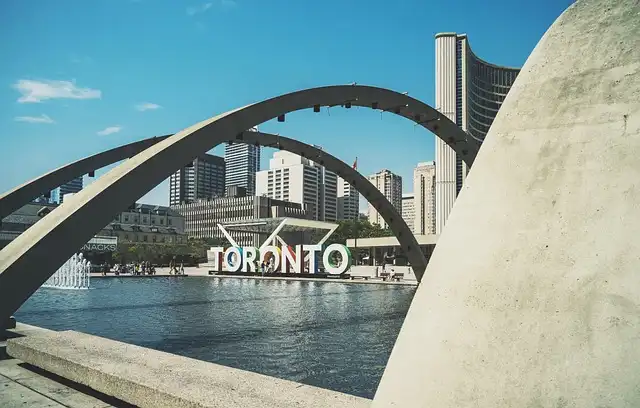
    Toronto City Hall’s Modernization

    Toronto’s iconic City Hall was upgraded with sustainable systems, community-friendly landscaping, and improved accessibility—showing how older structures can evolve without losing heritage value.

    Seoul Metropolitan Government Complex

    Seoul integrated eco-friendly features, digital service centers, and public interaction zones to create a balance between tradition and innovation.

    Wellington City Council Offices

    This New Zealand project highlights earthquake resilience, citizen-focused flexible interior layouts, and transparent design principles.

    Designing City Halls for the Digital Future

    Smart Building Features

    Smart systems allow buildings to automate and optimize operations.

    These include:

    • Motion-sensing lighting

    • Automated climate control

    • Energy-use analytics

    • Digital security systems

    • Real-time occupancy tracking

    Smart City Halls reduce waste and improve comfort.

    Hybrid Government Services

    With more government services moving online, City Halls must adapt.

    New design features include:

    • Video service booths

    • Digital document stations

    • Remote consultation rooms

    These hybrid models serve residents who prefer digital interactions while retaining in-person support.

    Resilience Against Climate Change

    City Halls must withstand extreme weather.

    Design solutions include:

    • Flood-resistant foundations

    • Backup power systems

    • Heat-resistant materials

    • Stormwater management landscapes

    Resilient buildings ensure essential government functions continue during emergencies.

    Sustainability as a Core Philosophy in Modern Civic Buildings

    City Hall Design for Modern Cities

    Reducing Environmental Footprints

    City Halls increasingly use:

    • Locally sourced materials

    • Low-carbon concrete

    • Recycled steel

    • Wood from sustainable forests

    Material choices significantly impact long-term performance.

    Health and Well-Being

    Daylighting, greenery, and biophilic design promote better working environments for staff and visitors.

    Examples include:

    • Skylights

    • Indoor plants

    • Natural ventilation

    • Sunlit meeting rooms

    These features boost productivity and create a calming atmosphere.

    Long-Term Cost Efficiency

    Energy-efficient systems reduce operating costs for decades. Cities see City Hall renovations as long-term investments rather than one-time expenditures.

    What Citizens Expect in City Hall Design Today

    Citizen expectations have shifted dramatically. People want:

    • Faster services

    • User-friendly navigation

    • Spaces that reflect community values

    • Comfortable waiting areas

    • Inclusive cultural representation

    To meet these expectations, City Halls must combine modern architecture with genuine human-centered thinking.

    Practical Strategies for Cities Planning New City Halls

    If your city is considering a major redesign or new construction, here are essential steps:

    1. Engage the Community

    Gather citizen input early to understand needs:

    • Workshops

    • Public forums

    • Online surveys

    This builds trust and ensures the design reflects public priorities.

    2. Create a Long-Term Vision

    Plan not just for today—but for 20 to 50 years ahead.

    Consider:

    • Population growth

    • Mobility trends

    • Climate projections

    • Technological change

    A long-view reduces future renovation costs.

    3. Work with Multidisciplinary Experts

    Successful City Hall projects involve:

    • Architects

    • Urban planners

    • Landscape designers

    • Engineers

    • Cultural advisors

    Their combined expertise leads to thoughtful, resilient designs.

    4. Invest in Quality Public Spaces

    High-quality outdoor spaces can become city landmarks.

    This includes:

    • Interactive fountains

    • Community art

    • Performance stages

    • Pedestrian plazas

    Public spaces generate economic value and improve quality of life.

    5. Prioritize Maintenance Planning

    A great City Hall remains functional only with proper upkeep. Maintenance planning should be integrated into the design process from day one.

    Conclusion

    City Halls are more than administrative buildings—they are symbols of democracy, community, and civic pride. Modern City Hall Design blends transparency, sustainability, cultural identity, and digital innovation to create places citizens truly connect with. As cities face climate challenges, shifting populations, and rapid technological change, thoughtful design becomes more important than ever.

    In short, the City Hall of the future is open, resilient, smart, and deeply rooted in the community it serves. Cities that invest in forward-thinking civic architecture not only enhance public service—they strengthen the soul of the city.

    FAQs

    Q1: What makes a good City Hall design today?

    A modern City Hall must balance accessibility, transparency, sustainability, and flexibility. It should serve both government staff and the wider community.

    Q2: How does technology impact City Hall architecture?

    Technology enables smart systems, digital service centers, and efficient building management. This improves public experience and reduces operation costs.

    Q3: Are sustainable City Halls more expensive?

    Initial costs may be higher, but energy-efficient systems and durable materials reduce long-term expenses significantly.

    Q4: Why are open public spaces important in City Hall design?

    They encourage civic engagement, support community events, and connect people with their government in informal ways.

    Q5: Can older City Halls be modernized?

    Absolutely. Many historic buildings are successfully upgraded with modern systems, accessibility features, and sustainable technologies.

  • Miami Modern Architecture: Tropical Modernism & Coastal Design

    Miami Modern Architecture: Tropical Modernism & Coastal Design

    If you’ve ever driven along Biscayne Boulevard and wondered why the buildings look both retro and futuristic, you’ve already encountered Miami Modern Architecture, or MiMo. This bold, tropical design movement shaped Miami’s identity after World War II, blending playful curves, open-air layouts, and a flair for coastal living.

    Today, renewed interest in MiMo is transforming Miami’s neighborhoods, inspiring architects, homeowners, and designers worldwide. In this guide, you’ll discover where Miami Modern Architecture came from, what defines it, and why it’s making such a stylish comeback. We’ll explore iconic structures, modern interpretations, and the design principles that make Miami a global architectural trendsetter.

    The Rise of Miami Modern Architecture

    Miami didn’t adopt modernism the same way other cities did. Instead, it blended high-style design with tropical influences and the city’s own love for luxury and leisure.

    Post-War Optimism Meets Tropical Style

    Following World War II, Miami experienced a tourism boom. Young families, veterans, and vacationers flooded the city, craving new experiences and warm weather. Architects responded by creating buildings that felt fresh, optimistic, and distinctly Floridian.

    Unlike the stark minimalism of traditional modernism, MiMo embraced fun, integrating:

    • Open-air breezeways

    • Exaggerated angles

    • Eye-catching facades

    • Tropical landscaping

    The result was a design language that conveyed both modern sophistication and resort-style relaxation.

    Key Architects Who Defined the Movement

    Several visionary designers helped bring Miami Modern Architecture to life, including:

    • Morris Lapidus – Famous for the Fontainebleau and Eden Roc hotels, Lapidus introduced luxury and theatricality to modern design.

    • Norman Giller – Known for the Carillon Hotel and more than 10,000 mid-century buildings in Florida.

    • Albert Anis – Combined functionalism with expressive geometric patterns.

    These architects understood one crucial element: Miami isn’t just a place—it’s an atmosphere.

    Defining Features of Miami Modern Architecture

    Miami Modern Architecture: Tropical Modernism & Coastal Design

    To recognize MiMo, just remember its signature mix of glamor, geometry, and tropical practicality.

    1. Bold, Playful Shapes

    MiMo never shies away from a grand entrance. Buildings often feature:

    • Curved walls

    • Boom-a-rang shapes

    • Cantilevered roofs

    • Exaggerated overhangs

    These elements weren’t just decorative—they made structures stand out along busy boulevards designed for car travel.

    2. Breezeways & Indoor-Outdoor Living

    The tropical climate inspired architects to incorporate:

    • Screened walkways

    • Shaded patios

    • Cross-ventilation corridors

    • Open-air staircases

    Natural airflow helped cool buildings long before air conditioning was common.

    3. Decorative Screens & Pattern Blocks

    Concrete blocks with geometric cutouts—popular in the 1950s—are now iconic. These breeze blocks filtered sunlight, cooled interiors, and added texture.

    4. Nautical & Resort Influences

    Miami Modern Architecture often draws from Miami’s coastal culture:

    • Porthole windows

    • Wave-like lines

    • Pastel colors

    • Poolside terraces

    The goal? Make everyday life feel like a vacation.

    5. Elevation for Coastal Conditions

    Even in the 1950s, architects recognized the need to adapt to subtropical risks. Elevated foundations, wide overhangs, and weather-resistant materials were early forms of climate-smart design.

    How Miami Modern Architecture Differs From Other Styles

    To appreciate MiMo fully, it helps to see how it compares to other modern design movements.

    MiMo vs. Art Deco

    Both styles are prominent in Miami, but they differ significantly:

    Art Deco:

    • Symmetrical

    • Highly decorative

    • Uses chrome, neon, and geometric reliefs

    • 1920s–1930s origin

    MiMo:

    • Asymmetrical

    • Playful, bold, and expressive

    • Uses tropical elements and open forms

    • 1950s–1960s origin

    Where Deco is glamorous, MiMo is effortlessly cool.

    MiMo vs. International Style Architecture

    You’ll find occasional crossover, but these styles grew from different philosophies:

    International Style Architecture emphasizes simplicity, industrial materials, and clean, functional forms.
    Miami Modern Architecture adds personality—curves, colors, and tropical elements not typically found in the international movement.

    MiMo vs. Mid-Century Modern

    While both emerged in the 1950s, MiMo is more flamboyant and climate-driven, whereas traditional mid-century modernism tends to be more subdued and suburban.

    Tropical Modernism Today: Miami’s New Architectural Identity

    Modern Miami architects have brought Miami Modernism into the 21st century, creating a trend known as Tropical Modernism—one of today’s most sought-after design styles.

    Sustainable Materials & Climate Responsiveness

    With rising sea levels and extreme heat, Miami builders are focusing on resilience. Contemporary interpretations often include:

    • Eco-friendly concrete

    • Storm-resistant glass

    • Solar shading systems

    • Native landscaping

    • Rainwater management features

    The fusion of sustainability with stylish design is a hallmark of today’s Miami aesthetic.

    Luxury Residential Architecture Inspired by MiMo

    High-end neighborhoods like:

    • Coconut Grove

    • Miami Beach

    • South of Fifth

    • Key Biscayne

    showcase homes with floating stairs, breezeways, open floor plans, and lots of natural light—nods to classic MiMo principles.

    Hotels & Retail Spaces Reviving the Look

    Historic preservation efforts have turned MiMo boulevards into cultural attractions. Many vintage motels have been transformed into:

    • Boutique hotels

    • Cafés and restaurants

    • Creative spaces

    • Galleries

    The MiMo District along Biscayne Boulevard is now a must-visit for design lovers.

    Must-See Examples of Miami Modern Architecture

    1. Fontainebleau Hotel

    Designed by Morris Lapidus, this legendary hotel defined Miami’s luxury era. Its sweeping curves, dramatic lobbies, and glamorous pool area remain architectural icons.

    2. Eden Roc Hotel

    Another Lapidus masterpiece balancing elegance with tropical flair.

    3. Bacardi Building

    Recognized for its mosaic facades and bold modernist silhouette, this structure blends Miami Modernism with Cuban influences.

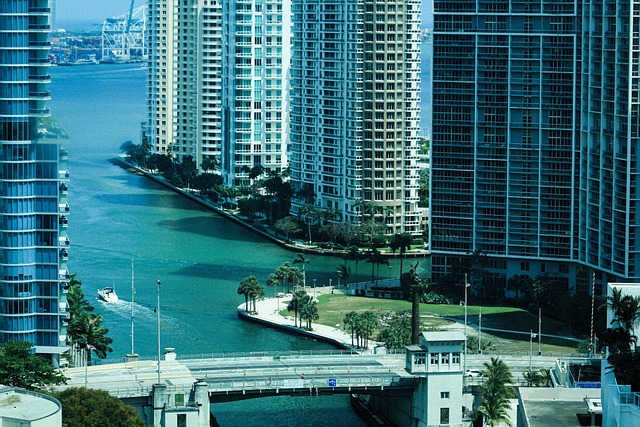
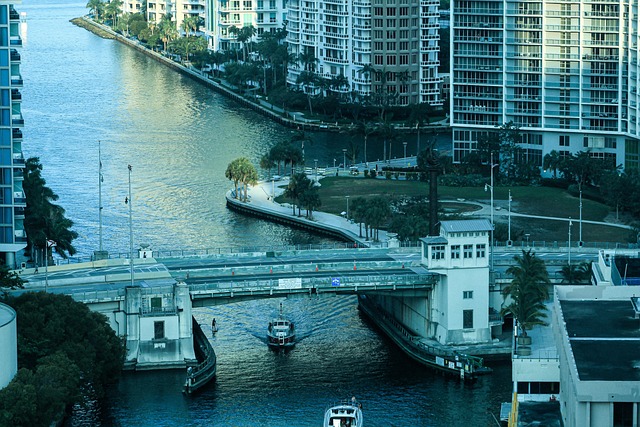
    4. MiMo District on Biscayne Boulevard

    A living museum of retro neon signs, lounge-style motels, and restored mid-century landmarks.

    5. Carillon Miami Wellness Resort

    Formerly the Carillon Hotel, Norman Giller’s design is a celebrated example of MiMo’s clean lines and oceanfront integration.

    Why Miami Modern Architecture Is Trending Again

    Miami Modern Architecture

    A New Generation of Designers Embracing Retro Cool

    Today’s architects and interior designers reference MiMo for its:

    • Strong visual identity

    • Connection to nature

    • Use of color and texture

    • Timeless indoor-outdoor flow

    The style also aligns with current design preferences for wellness and minimalism, making it relevant and fresh.

    Perfect for Google Discover–Friendly Topics

    Miami’s design evolution ties into broader trends like:

    • Climate-adaptive architecture

    • Mid-century revivals

    • Sustainable coastal living

    This keeps MiMo frequently featured in travel, architecture, and lifestyle news—boosting its visibility and appeal.

    The Nostalgia Factor

    With the rise of vintage culture, MiMo’s bold, graphic aesthetic resonates with photography, fashion, and social media trends.

    How to Incorporate Miami Modern Architecture Into Modern Design

    You don’t need to live in Miami to enjoy the MiMo look.

    Use Tropical Materials

    Think:

    • Teak

    • Light woods

    • Polished concrete

    • Rattan accents

    • Textured masonry

    Embrace Natural Light

    Large windows, glass sliders, and open floor plans are essential.

    Add Retro Touches

    • Patterned breeze blocks

    • Pastel hues

    • Mid-century furniture

    • Curved décor pieces

    Celebrate Outdoor Spaces

    MiMo is as much about lifestyle as aesthetics—think pool decks, shaded patios, and greenery.

    The Future of Miami Modern Architecture

    Miami Modern Architecture: Tropical Modernism & Coastal Design

    As Miami continues evolving, architects focus on blending heritage with resilience. Expect to see:

    • Elevated structures

    • Smart shading systems

    • Hybrid indoor-outdoor living

    • Nature-integrated façades

    • Storm-ready materials

    In short, the future of Miami design lies in honoring its past while preparing for the climate challenges ahead.

    Conclusion

    Miami Modern Architecture captures everything people love about Miami: sunshine, color, culture, and confidence. From breezeways and bold lines to resort-inspired layouts, MiMo remains one of the most distinctive and influential architectural movements in the world.

    Whether you’re exploring Miami’s historic neighborhoods, designing a modern home, or simply curious about coastal architecture, understanding MiMo offers a deeper appreciation for how design shapes lifestyle and identity. In the end, Miami Modern Architecture isn’t just a look—it’s a feeling.

    FAQs (People Also Ask Style)

    1. What is Miami Modern Architecture?

    It’s a mid-century design style that blends modernism with tropical influences, resort-style elements, and bold geometric shapes. It emerged in Miami during the 1950s and 1960s.

    2. What makes MiMo different from Art Deco?

    Art Deco is more symmetrical and ornamental, while MiMo is playful, expressive, and optimized for Miami’s climate with breezeways and open designs.

    3. Where can I see Miami Modern Architecture?

    Visit the MiMo District on Biscayne Boulevard, Miami Beach hotels like the Fontainebleau, or coastal neighborhoods with restored mid-century homes.

    4. Why is MiMo becoming popular again?

    Its tropical aesthetics, climate-friendly features, and nostalgic charm align with modern design trends and sustainability needs.

    5. Is Miami Modern Architecture the same as Tropical Modernism?

    They’re related, but Tropical Modernism is the newer evolution—more focused on sustainability, minimalism, and climate resilience.

  • Iconic Modern Buildings: Zhuhai Opera House, Arango House & More

    Iconic Modern Buildings: Zhuhai Opera House, Arango House & More

    Have you ever looked at a building and felt instantly inspired? Some structures do more than provide shelter—they challenge convention, reshape skylines, and tell powerful stories about design. One such masterpiece is the Arango House, a home that stands as a testament to bold ideas and architectural innovation.

    In this article, we’ll explore what makes Arango House so extraordinary, compare it with other iconic modern buildings, highlight the magic of the Zhuhai Opera House, and uncover how these creations changed the future of design. Whether you’re an architecture enthusiast, a student, or a curious traveler, you’re about to dive into a world where engineering meets artistry.

    The Vision Behind Arango House

    A Masterpiece Carved Into the Landscape

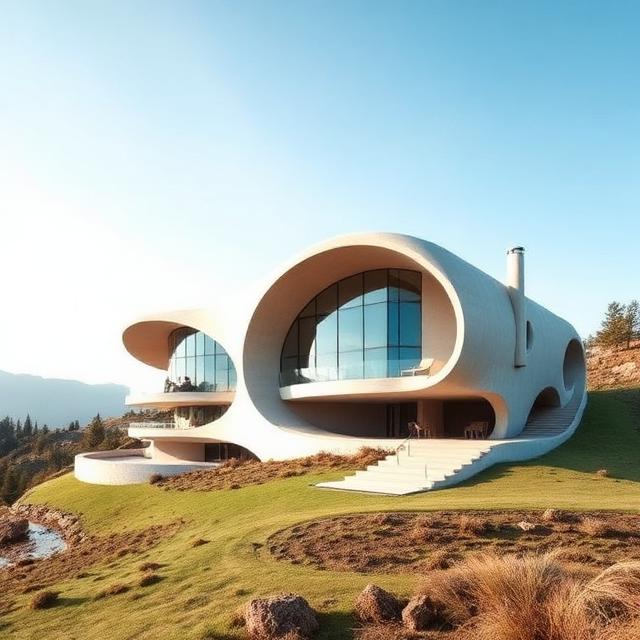
    The Arango House, also known as Casa Arango, is an architectural triumph celebrated for its sculptural form and ingenious integration with its natural surroundings. Positioned dramatically on a cliffside, the residence doesn’t simply “sit” on the earth—it emerges from it. This harmony between nature and structure is a trademark of visionary architecture.

    Rather than imposing on the landscape, the house harmoniously blends with it. Its fluid layout and open design make the building feel alive, as though it’s in constant conversation with the environment.

    An Icon of Mid-Century Creativity

    Arango House embodies the bold experimentation characteristic of mid-century modern architecture. The era was defined by sweeping curves, minimalist structure, and a belief that homes could be both functional and visually daring.

    Designers of this period often embraced:

    • Open floor plans 
    • Organic forms 
    • Natural lighting 
    • Unconventional silhouettes 

    Arango House fits this philosophy perfectly, serving as a living sculpture that invites visitors into an experience rather than simply sheltering them.

    Architectural Genius: What Makes Arango House Stand Out?

    Iconic Modern Buildings

    A Bold Structural Identity

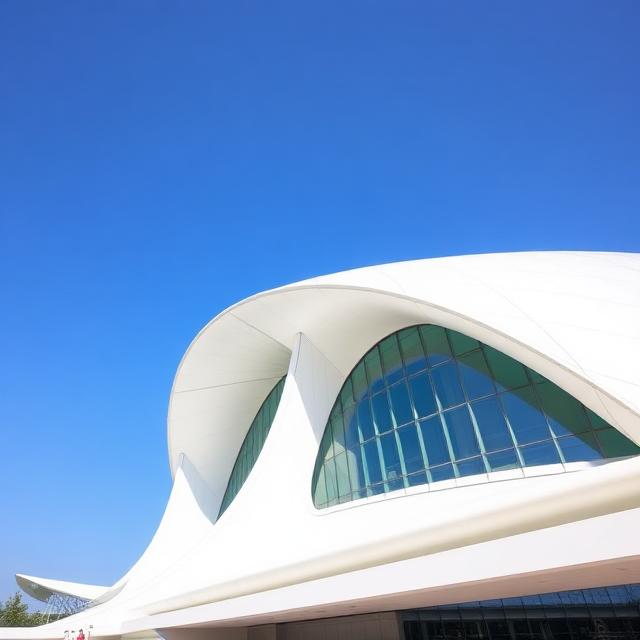
    You’ll immediately notice the building’s dome-like form. This biomorphic shape extends beyond aesthetics—its engineering provides stability, distributes weight evenly, and creates spacious interiors without the need for traditional supports.

    A Symphony of Light and Space

    Arango House uses light like an artist uses paint. Large openings frame panoramic views and allow daylight to flood every corner. The interplay of shadow and form gives the home a timeless, poetic quality.

    Materials That Tell a Story

    Materials such as stone, wood, and reinforced concrete reflect a commitment to permanence and organic beauty. Their textures blend with the surrounding cliffs, making the transition between indoors and outdoors seamless.

    The Global Impact of Arango House

    Arango House is more than an architectural marvel—it’s a symbol of innovation. Its futuristic shape has influenced a generation of designers who sought to push boundaries of geometry and space.

    Thanks to its daring curves and intelligent design, Arango House is often featured in academic studies and architectural exhibitions. It’s a prime example of how a residential project can transcend typical limits and become a cultural landmark.

    Moreover, it demonstrates the principle of International Style Architecture, which emphasizes simplicity, clean lines, and functional structure.

    Comparing Arango House to Other Iconic Modern Buildings

    To appreciate Arango House fully, it helps to see how it stands alongside other world-renowned structures.

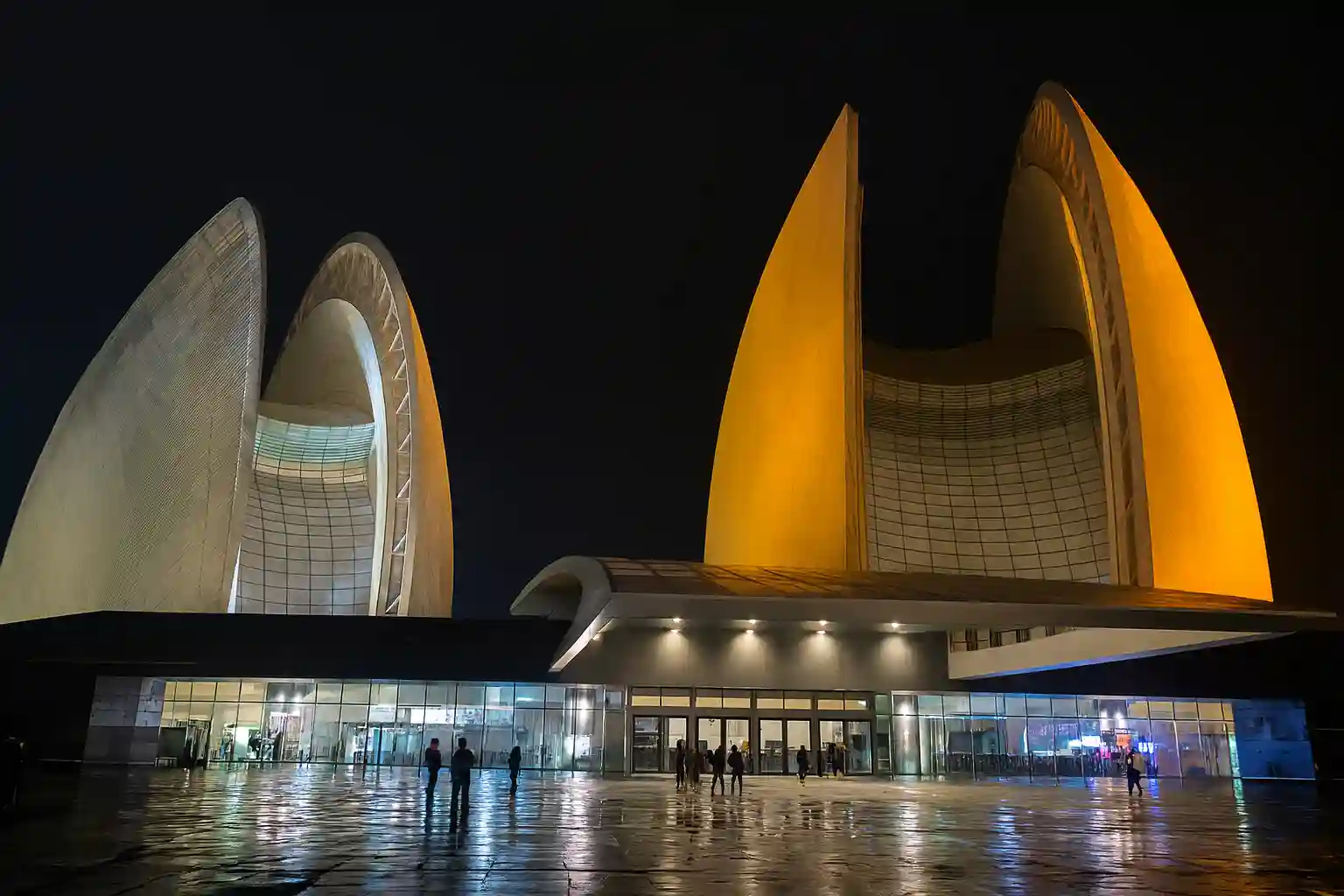
    Zhuhai Opera House — China’s Crown Jewel

    Zhuhai Opera House

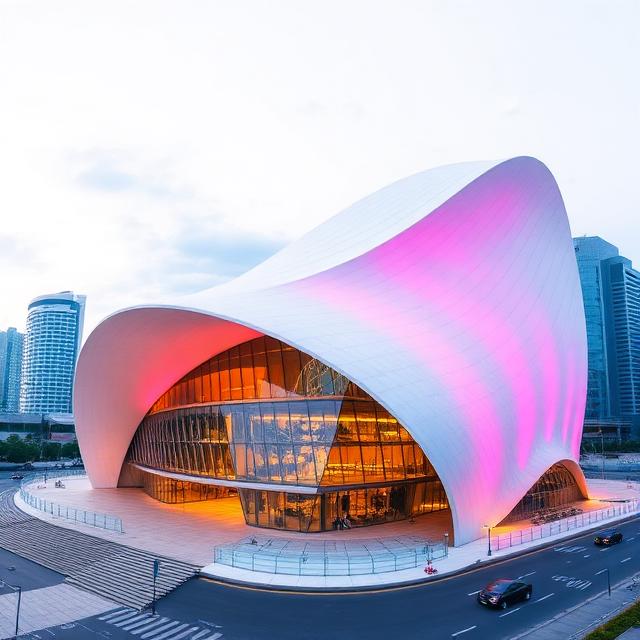
    The Zhuhai Opera House is one of Asia’s most celebrated modern icons. Shaped like twin seashells, it symbolizes harmony between land and sea. Much like Arango House, it embraces its waterfront setting rather than dominating it.

    Why it stands out:

    Sydney Opera House — A Timeless Symbol

    Australia’s global architectural treasure shares similarities with Arango House’s bold curves. Its “sail” roofs demonstrate how organic shapes can redefine an entire skyline.

    Fallingwater — Nature and Structure in Harmony

    Frank Lloyd Wright’s Fallingwater mirrors Arango House’s commitment to blending with the landscape. Both structures prove that architecture becomes extraordinary when inspired by nature.

    Why These Structures Captivate Us

    They Challenge Traditional Design

    Buildings like Arango House and Zhuhai Opera House go beyond expectations. They’re built not just to function, but to inspire.

    They Connect Art and Engineering

    Every curve, angle, and material is meticulously chosen. The result? Works of art crafted with mathematical precision.

    They Shape Cultural Identity

    These landmarks become symbols. They attract visitors, influence local pride, and often redefine how we think about public and private spaces.

    Arango House in Today’s Architectural Landscape

    In today’s age of smart homes and digital design tools, Arango House remains profoundly relevant. Its organic shape contrasts sharply with the sharp lines of modern minimalism, reminding us that creativity has no single form.

    Architects today still study its:

    • Fluid geometry 
    • Structural sustainability 
    • Integration with environment 
    • Use of natural light 

    Its legacy continues to influence residential luxury architecture, coastal homes, and experimental design studios around the world.

    Lessons Modern Architects Can Learn From Arango House

    1. Let Nature Be the Guide

    Instead of altering the landscape, build with it.

    2. Embrace Unconventional Forms

    Innovation often requires abandoning straight lines.

    3. Blend Functionality With Emotion

    The best architecture evokes feeling, not just efficiency.

    4. Create With Purpose, Not Trend

    Trends fade. Vision endures.

    Iconic Modern Buildings That Share Arango House’s Spirit

    Iconic Modern Buildings: Zhuhai Opera House, Arango House & More

    Here are a few structures that carry the same spirit of ingenuity:

    • Guggenheim Museum, Bilbao – Known for its flowing titanium curves 
    • The Lotus Temple, India – A floral-inspired sanctuary 
    • The Gherkin, London – A futuristic landmark in the financial district 
    • La Muralla Roja, Spain – A surreal, geometric residential complex 

    Each of these buildings, like Arango House, tells a story of artistic bravery.

    Modern Travel Trends: Why People Love Visiting Architectural Icons

    Architecture tourism is booming. Travelers today want more than beaches—they’re searching for experiences.

    Reasons architectural tourism is rising:

    • Instagram-driven visual culture 
    • Growing interest in design 
    • Cultural immersion 
    • Bucket-list-worthy landmarks 

    Buildings like Arango House and Zhuhai Opera House attract millions of visitors and students eager to experience innovation firsthand.

    Conclusion

    The Arango House stands as a bold reminder that architecture is more than shelter—it’s storytelling through structure. Its daring design, harmony with nature, and artistic innovation place it among the world’s most iconic modern buildings.

    Whether compared to the majestic Zhuhai Opera House or the sculptural Sydney Opera House, Arango House holds its own as an architectural legend. It continues to inspire architects, spark curiosity, and shape modern design worldwide.

    In short: Arango House teaches us that when creativity and engineering collide, the result can redefine what a building can be.

    Read also: [Suggested Internal Link: The Rise of Organic Architecture in Modern Design]
    External link suggestion: Wikipedia page on Modern Architecture

    FAQs

    Q1: Where is Arango House located?

    Arango House is located in Mexico and is celebrated for its dramatic cliffside placement and organic architectural form.

    Q2: Who designed Arango House?

    It was designed by visionary architect John Lautner, known for futuristic, nature-integrated structures.

    Q3: Why is the Zhuhai Opera House famous?

    The Zhuhai Opera House stands out for its twin shell-shaped design and stunning waterfront views, making it one of China’s most iconic landmarks.

    Q4: What makes a building “iconic”?

    A building becomes iconic when its design, cultural significance, and engineering innovation stand the test of time.

    Q5: Is Arango House open to the public?

    As a private residence, public access is limited, but its design is widely documented in architectural studies and publications.

  • Grain Bin House Designs: Converting Silos Into Modern Homes

    Grain Bin House Designs: Converting Silos Into Modern Homes

    Have you ever driven past a farm and wondered what it would be like to live inside one of those towering metal silos? Surprisingly, many people already do — and the trend is exploding. A grain bin house offers an innovative way to blend rustic charm with modern design, all while staying affordable and environmentally conscious.

    In this guide, you’ll learn why grain bin homes are gaining popularity, how they’re built, the best grain bin house plans, pros and cons, and design ideas based on real-world experience from builders and architects.

    Why Grain Bin Houses Are Becoming a Housing Trend

    Grain bins, originally built for agricultural storage, make shockingly good residential structures. Their cylindrical shape, galvanized steel exterior, and wide-open interior create a unique foundation for modern architecture.

    1. Sustainability Meets Style

    Many homeowners are drawn to grain bin conversions for their eco-friendly nature. Reusing steel structures dramatically reduces waste, and the round form is naturally energy efficient.

    2. Affordability Compared to Traditional Homes

    A basic used grain bin can cost as little as a few thousand dollars. Even after insulation, interior framing, and finishing, the total project can still cost significantly less than a conventional build.

    3. Strength and Durability

    Steel construction means grain bin homes withstand harsh weather, including high winds and heavy snow loads, far better than many wood-frame homes.

    The Appeal of Grain Bin House Architecture

    Beyond the novelty, the architectural potential is massive. The round geometry lends itself to open-concept layouts, vaulted ceilings, and striking panoramic living spaces.

    A Touch of International Style Architecture

    When combined with minimalist interiors, clean lines, and industrial finishes, grain bin homes subtly echo principles of International Style Architecture, especially when integrated with glass curtain walls or flat-roofed add-ons.

    How to Start Planning Your Grain Bin House

    Modern Grain Bin Homes

    Before building, homeowners need a well-thought-out approach.

    1. Choosing the Right Grain Bin

    You can choose between:

    • New grain bins — higher cost, easier setup

    • Used bins — affordable but require inspection

    Key factors include:

    • Diameter

    • Height

    • Steel condition

    • Location and transport logistics

    2. Selecting Grain Bin House Plans

    Good grain bin house plans should include:

    • Structural engineering

    • Foundation specifications

    • Ventilation strategy

    • Insulation type

    • Electrical layout for curved walls

    Many builders combine two or more bins for multi-room homes.

    Design Ideas for Grain Bin House Interiors

    Converting a metal silo into a warm, livable home takes creativity and smart design.

    Open-Concept Living Spaces

    The round shape makes open floor plans almost effortless. Kitchens, living rooms, and dining areas can all flow without internal walls.

    Design Tips:

    • Keep large furniture flexible and movable

    • Use built-ins custom-designed for curved walls

    • Add skylights for natural light

    Multi-Level Grain Bin Homes

    One of the coolest transformations involves building a loft or adding interior floors.

    Benefits:

    • More vertical living space

    • Separation between private and public areas

    • Dramatic visual effect

    Ceiling fans or central chimney-style vents help circulate air in tall structures.

    Combining Multiple Bins

    For families or larger layouts, connected-bin designs provide the best of both worlds — unique architecture with practical space division.

    Popular Configurations:

    • Two-bin layout: living area + bedrooms

    • Three-bin layout: living, sleeping, and office/workshop

    • Cluster-home layout: multiple cylinders connected by glass hallways

    Insulation: The Most Important Step in a Grain Bin House

    Grain Bin House

    Metal buildings heat up and cool down fast, so insulation is critical.

    Top Insulation Options

    1. Spray foam (recommended)

      • Creates an airtight barrier

      • Helps control moisture

      • Works well with curved walls

    2. Structural Insulated Panels (SIPs)

      • Great for exterior framing additions

    3. Fiberglass or cellulose

      • Less ideal unless paired with interior framing

    Foundation Requirements for Grain Bin Homes

    Although grain bins are lightweight, they still require foundations designed for residential use.

    Common Foundations:

    • Concrete slab

    • Pier and beam

    • Stem wall foundation

    A reinforced concrete ring is often installed to anchor the bin securely.

    How Much Does a Grain Bin House Cost?

    Costs vary based on size, materials, and the level of finish.

    Typical Price Breakdown

    • Used grain bin: $1,000–$8,000

    • New grain bin: $5,000–$25,000

    • Foundation: $5,000–$15,000

    • Insulation: $8,000–$20,000

    • Interior build-out: $30,000–$100,000+

    Total estimated cost:
    $80,000–$200,000+, depending on design complexity.

    Compared to average U.S. home prices, grain bin homes are significantly more affordable.

    Pros & Cons of Grain Bin Houses

    Advantages

    • Eco-friendly and uses recycled materials

    • High wind resistance

    • Unique architectural style

    • Cost-effective

    • Fast to build

    Disadvantages

    • Requires specialized insulation

    • Curved walls limit furniture placement

    • May need structural reinforcement for windows/doors

    Grain Bin House Designs: Trending Styles

    Here are some trending design themes:

    1. Industrial-Modern

    • Exposed steel

    • Polished concrete floors

    • Metal staircases

    2. Rustic Farmhouse

    • Wood accents

    • Barn doors

    • Neutral tones

    3. Scandinavian Minimalist

    • Light wood

    • Soft textures

    • Simple, airy spaces

    Adding Windows and Doors to a Grain Bin

    Cutting into steel requires precision.

    Professional installers use:

    • Reinforced frames

    • Custom flashing

    • Weather-sealed fittings

    Panoramic windows or walkout decks dramatically change the interior feel.

    Outdoor Living with Grain Bin Homes

    Grain Bin House Designs: Converting Silos Into Modern Homes

    Since bins are compact, many owners extend living areas outdoors.

    Ideas:

    • Wraparound decks

    • Rooftop terraces

    • Outdoor kitchens

    • Garden paths

    These additions boost comfort and curb appeal.

    Should You DIY or Hire a Builder?

    Some grain bin homes are built entirely by DIYers, while others rely on professionals.

    DIY-Friendly Tasks

    • Installing flooring

    • Interior framing

    • Plumbing and electrical (if certified)

    Tasks Best Left to Pros

    • Cutting steel

    • Foundation work

    • Spray foam insulation

    • Structural modifications

    For safety and zoning purposes, an engineer should always review your plans.

    Real Stories: Why People Choose Grain Bin Homes

    Many homeowners love the challenge and charm of unconventional living. One owner praised the “cozy echo” and natural acoustics, while another admired the industrial-meets-modern aesthetic that stood out from typical suburban builds.

    These homes aren’t just structures — they’re personal statements.

    Conclusion

    Building a grain bin house is more than a creative project; it’s an opportunity to embrace sustainable living, modern design, and cost-effective construction. Whether you want a cozy weekend getaway or a full-time cylindrical residence, the possibilities are endless with the right plans and inspiration.

    In short: Grain bin homes prove you can live differently — and beautifully.

    FAQs

    1. Are grain bin homes safe?

    Yes. Grain bins are built from durable steel and withstand extreme weather, especially high winds.

    2. How long does it take to build a grain bin house?

    Most builds take 3–9 months, depending on customization and permitting.

    3. Do grain bin houses need special insulation?

    Absolutely. Spray foam is the top choice because it seals moisture and fits curved walls.

    4. Can you connect multiple grain bins together?

    Yes, multiple bins can be joined with framed hallways or vestibules for larger layouts.

    5. Are grain bin homes cheaper than traditional houses?

    Typically, yes. They can cost significantly less due to reused materials and faster construction.

  • Aztec Interior Design: Ancient Motifs in Modern Homes

    Aztec Interior Design: Ancient Motifs in Modern Homes

    Have you ever walked into a home that instantly felt rich with culture, history, and meaning? That’s the undeniable charm of Aztec interior design. Rooted in an ancient civilization known for its vibrant artistry and structured symbolism, this design style is building its presence in modern décor trends—especially among homeowners craving depth and authenticity.

    In this article, you’ll learn how to infuse Aztec motifs, bold patterns, and earthy materials into your space without overwhelming it. We’ll explore color palettes, furniture ideas, textiles, and styling tips that blend seamlessly with today’s contemporary and minimalist spaces. If you want a home that feels unique, expressive, and timeless, you’re in the right place.

    The Rise of Aztec Interior Design in Modern Living

    Interest in cultural and historical décor has surged in recent years. People are no longer satisfied with generic décor from big-box stores; they want pieces that tell a story. Aztec interior design answers that desire perfectly. With its geometric patterns, symbolic artwork, and hand-woven textiles, this style adds personality without sacrificing sophistication.

    Moreover, its earthy palette—think terracotta, ochre, charcoal, and deep turquoise—fits beautifully with current interior trends like minimalism and organic modern design. The style even complements structured aesthetics like International Style Architecture, proving that ancient influence and modern simplicity can coexist elegantly.

    Key Characteristics of Aztec Interior Design

    What makes Aztec interiors distinct? Several recognizable features create the signature look. Let’s break down the essentials.

    1. Bold Geometric Patterns

    Geometric shapes are at the heart of Aztec artwork. These patterns, inspired by the ancient empire’s carvings, textiles, and pottery, often include:

    • Step-like triangles 
    • Symmetrical diamonds 
    • Chevron stripes 
    • Repeating block motifs 

    These designs weren’t just decorative—they represented concepts like mountains, fertility, or deities. When used in modern homes, they create movement, rhythm, and a sense of intentional design.

    2. Earthy and Vibrant Color Palettes

    Aztec Interior Design: Ancient Motifs in Modern Homes

    Aztec design blends earth tones with pops of bright color. Its traditional palette includes:

    • Terracotta 
    • Sand beige 
    • Deep red 
    • Sun-baked orange 
    • Turquoise blue 
    • Jade green 
    • Charcoal black 

    This balance mirrors Mexico’s landscapes—forests, deserts, volcanoes, rivers—bringing nature into the home.

    3. Natural Materials

    Aztec interiors emphasize materials that feel grounded and organic. Common textures include:

    • Carved wood 
    • Clay or earthenware pottery 
    • Woven textiles 
    • Wool blankets 
    • Stone or faux-stone accessories 
    • Hammered metal 

    These materials add warmth, tactile richness, and authenticity.

    4. Symbolic Artwork

    From depictions of gods to sun symbols to ancient glyphs, symbolic artwork gives Aztec interiors depth and meaning. Many homeowners incorporate:

    • Wall tapestries 
    • Framed prints 
    • Mesoamerican symbol art 
    • Sculptural representations 

    These pieces become focal points that spark conversation.

    How to Bring Aztec Interior Design Into Your Home

    Aztec Interior Design: Transform Your Home with Ancient Style

    Creating an Aztec-inspired home doesn’t require a complete remodel. You can start small or go all-in depending on your comfort level.

    1. Start With Textiles

    The easiest way to introduce Aztec style is through textiles. Consider:

    • Throw blankets with geometric patterns 
    • Cushion covers featuring Aztec symbols 
    • Wool or jute rugs 
    • Tapestries with bold motifs 

    These pieces instantly warm up a space and add color.

    Tip: Layer a neutral sofa with two patterned pillows and one bold Aztec throw for a balanced look.

    2. Choose a Statement Rug

    Aztec rugs can anchor an entire room. Look for:

    • Black and white diamond patterns for modern homes 
    • Colorful woven designs for eclectic spaces 
    • Thick wool for warmth and durability 

    A rug with tribal motifs can transform a plain room into a stylish conversation area.

    3. Bring in Clay and Stone Décor

    Handmade items add authenticity. Consider adding:

    • Clay pots 
    • Terracotta vases 
    • Sculpted stone bookends 
    • Carved candle holders 

    Aztec culture emphasized craftsmanship, so handcrafted décor aligns perfectly with the style.

    4. Add Wooden Furniture With Carved Details

    Furniture pieces don’t need to be heavily decorated. Even subtle carvings or clean, rustic finishes work beautifully. Good options include:

    • Wooden coffee tables with tribal etchings 
    • Carved headboards 
    • Rustic wooden benches 
    • Console tables with geometric details 

    Mixing natural woods with soft textiles makes a room feel grounded yet inviting.

    5. Use Aztec Wall Art

    Your walls are prime real estate for making a bold statement. Try:

    • Oversized Aztec sun symbols 
    • Framed prints inspired by ancient codices 
    • Patterned mural wallpaper 
    • Decorative wall plates 

    Wall art can highlight the room’s theme without overwhelming the décor.

    6. Create a Warm, Earth-Inspired Color Scheme

    A cohesive color palette is crucial. Combine:

    Base colors: beige, tan, gray
    Accent colors: turquoise, deep red, burnt orange
    Metallic touches: bronze or brushed gold

    This palette brings harmony to your entire home.

    Aztec Interior Design for Different Rooms

    Each room offers unique opportunities to showcase Aztec elements without cluttering the space. Here’s how to style each one effectively.

    Living Room

    The living room is ideal for bold décor statements.

    • Add a patterned rug as your centerpiece. 
    • Layer throw pillows with geometric designs. 
    • Use a carved wooden coffee table. 
    • Add clay pots to the shelves. 
    • Install a large Aztec tapestry behind the sofa. 

    To keep it modern, pair tribal items with neutral furniture.

    Bedroom

    Your bedroom should feel serene yet expressive.

    • Use a carved or dark-wood headboard. 
    • Choose bedding with subtle Aztec motifs. 
    • Add soft wool throws for texture. 
    • Keep the walls neutral but add one bold piece of wall art. 

    Avoid overloading patterns—balance is key.

    Kitchen & Dining Area

    Aztec style pairs beautifully with modern kitchens.

    • Use terracotta pots for utensils or plants. 
    • Display patterned ceramic plates. 
    • Incorporate a runner with tribal motifs. 
    • Add woven placemats for texture. 

    This keeps the space lively but functional.

    Bathroom

    Even small spaces can shine.

    • Use patterned towels. 
    • Add stone or clay soap dishes. 
    • Include a tribal-pattern bath mat. 
    • Try an accent wall with Aztec tiles. 

    Because bathrooms are compact, even small changes have big impact.

    Why Aztec Design Fits Modern Homes So Well

    Aztec Interior Design: Transform Your Home with Ancient Style

    Aztec interior design feels surprisingly modern despite its ancient origins. Here’s why it integrates seamlessly with contemporary styles.

    1. Complements Minimalism

    Minimalist homes rely on clean lines and neutral colors. Aztec patterns add visual interest without introducing clutter.

    2. Works With Boho and Eclectic Styles

    If your décor leans toward bohemian, Aztec design blends right in with layered textures and global influences.

    3. Enhances Earthy, Organic Homes

    Natural materials like wood, wool, and stone are already trending. Aztec décor uses these materials authentically.

    4. Offers Cultural Depth

    More homeowners want décor with meaning. Aztec motifs reflect centuries of artistic tradition, offering a deeper sense of connection and history.

    Common Mistakes to Avoid

    Even great design styles can go wrong if overdone. Watch out for these pitfalls:

    1. Overusing Patterns

    Too many bold motifs can overwhelm the room. Mix large patterns with smaller, subtle textures.

    2. Ignoring Color Balance

    Don’t use bright colors everywhere. Keep a neutral base and add colorful accents.

    3. Mixing Inaccurate Symbols

    Avoid random glyphs that may be culturally inaccurate. Choose trusted, respectful designs.

    4. Buying Low-Quality Prints

    Aztec design relies on craftsmanship. Whenever possible, invest in handmade items or products from authentic artisans.

    Aztec Interior Design vs. Other Tribal Styles

    Understanding the differences helps you maintain authenticity.

    Aztec vs. Navajo

    • Aztec designs use sharper, more geometric angles. 
    • Navajo patterns tend to be softer with horizontal motifs. 

    Aztec vs. African Tribal

    • African tribal décor uses more organic shapes and natural symbols. 
    • Aztec motifs are more symmetrical and symbolic. 

    Aztec vs. Southwestern

    • Southwestern relies on desert colors and cowboy influences. 
    • Aztec style is more symbolic and historically rich. 

    Each style has merit—just be sure to keep them distinct if you want cultural accuracy.

    Conclusion

    Aztec interior design offers a powerful mix of history, symbolism, and visual drama—perfect for homeowners who want décor that feels meaningful and unique. With its bold geometric patterns, earthy materials, and rich cultural depth, this design approach can transform any space into a warm, expressive, and beautifully curated environment.

    Whether you start with a rug, a tapestry, or a few clay accessories, the key is balance. Mix ancient motifs with modern simplicity, and your home will feel like a true work of art.

    FAQs (People Also Ask Style)

    1. What is Aztec interior design?

    It’s a décor style inspired by the Aztec empire’s patterns, symbols, colors, and materials—featuring geometric motifs, earthy tones, and handcrafted pieces.

    2. Is Aztec design the same as Southwestern style?

    No. While they share some colors, Aztec design uses more symbolic, geometric patterns with deeper cultural roots.

    3. What colors work best with Aztec décor?

    Earthy colors like terracotta, sand, charcoal, and turquoise work beautifully with tribal motifs and natural materials.

    4. Can I mix Aztec décor with modern furniture?

    Absolutely! Aztec patterns pair well with minimalist and contemporary furniture, creating a balanced and stylish look.

    5. How do I start decorating with Aztec style?

    Begin with textiles such as rugs, pillow covers, or blankets—then add clay décor, wooden furniture, and artwork over time.