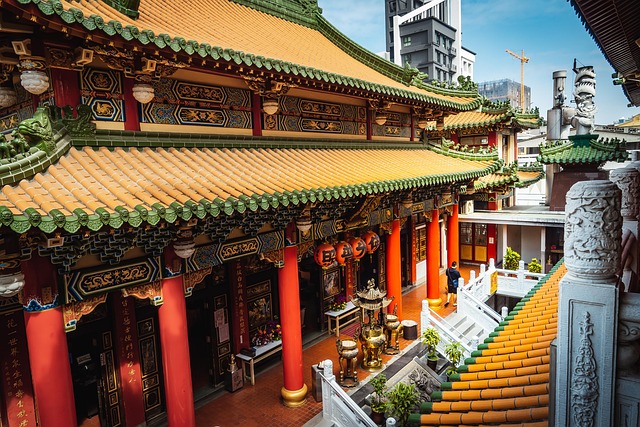
Author: fsedghi75

  • Igloo Architecture: Techniques, History & Arctic Engineering

    Igloo Architecture: Techniques, History & Arctic Engineering

    Have you ever wondered how people survive in some of the coldest places on Earth—without heaters, electricity, or modern insulation? The answer lies in the extraordinary science of igloo architecture. These seemingly simple snow domes do far more than provide shelter; they demonstrate how Indigenous Arctic communities mastered engineering long before it was formally studied.

    In today’s world, igloos continue to inspire architects, sustainability experts, and engineers seeking low-energy solutions for extreme climates. In this article, you’ll learn how igloos are built, why they work so well, who created them, and how their design influences modern architecture. We’ll also explore materials, techniques, cultural insights, and innovative applications.

    The Origins of Igloo Architecture

    History of Igloo Building

    The igloo—often spelled “iglu,” meaning “house” in Inuktitut—has been part of Inuit culture for centuries. Contrary to popular belief, igloos were not everyday homes for all Inuit groups. Instead, they served as seasonal or temporary shelters during hunting trips, winter storms, or long journeys across sea ice.

    Regional Differences in Igloo Use

    Different Inuit regions had their own building methods:

    • Central Arctic communities often built large, multi-room igloos connected by tunnels.

    • Northern Greenland hunters constructed smaller, faster structures for overnight stops.

    • Eastern Canadian Arctic groups created elaborate igloo villages during seasonal gatherings.

    These variations show that igloo architecture evolved with climate, resources, and cultural practices, demonstrating deep environmental knowledge.

    How Igloo Architecture Works
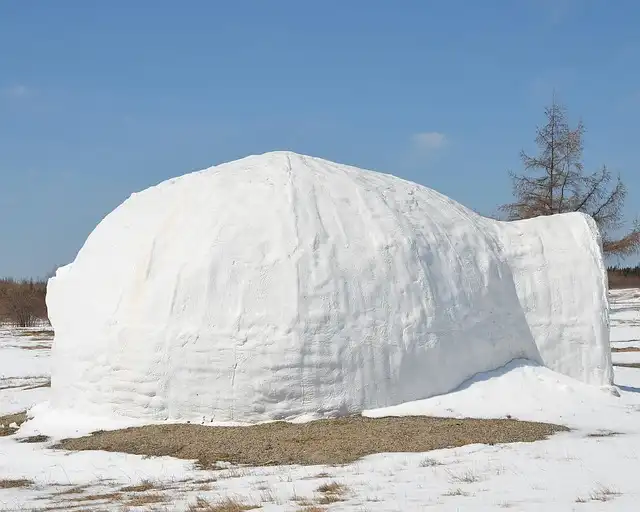
    Igloo Architecture: Techniques, History & Arctic Engineering

    The Engineering Principles Behind Igloos

    An igloo may look simple, but its structure reflects advanced engineering. Each curve, block, and angle serves a purpose.

    Dome Shape for Maximum Strength

    The iconic dome design distributes weight evenly, allowing the igloo to withstand:

    • Heavy snow

    • High Arctic winds

    • Sudden weather shifts

    This makes it comparable in structural logic to modern geodesic domes.

    Snow as Natural Insulation

    Fresh snow contains up to 95% trapped air, making it an exceptional insulator. As body heat warms the interior:

    • The inner snow layer melts slightly

    • It then refreezes, creating an ice crust

    • This crust strengthens the igloo and improves heat retention

    Inside temperatures can reach 0°C to +16°C, even when outside temperatures fall below –40°C.

    The Spiral Block Technique

    Igloo walls are built using a rising spiral pattern, giving two critical benefits:

    1. Structural stability—each block rests on the one below it.

    2. Curved dome formation—without needing advanced tools.

    This method allows a small team to build a durable igloo in just a few hours.

    Materials & Tools Used in Igloo Architecture

    Why Snow Is the Perfect Building Material

    Not all snow is equal. Igloo builders select wind-packed snow, which is:

    • Dense

    • Slightly hardened

    • Easy to cut into blocks

    This type of snow forms naturally after ongoing Arctic winds compress loose powder.

    Traditional Tools

    Inuit builders traditionally used:

    • Snow knives crafted from bone, antler, or later steel

    • Seal-skin gloves for hand protection

    • Simple sleds to transport snow blocks

    Despite minimal tools, the efficiency of the process remains unmatched.

    Building an Igloo Step-by-Step

    How Igloo Architecture Works

    The Complete Igloo Construction Process

    Understanding the building steps reveals the true brilliance of igloo architecture.

    Step 1 — Preparing the Site

    Builders choose a flat area with stable snow. Next:

    • A circular foundation is marked

    • Snow quality is tested for density

    Step 2 — Cutting Snow Blocks

    Blocks are typically:

    • 2–3 feet long

    • 8 inches thick

    • Slightly tapered for better fit

    Step 3 — Creating the Spiral Wall

    Blocks are laid in an upward spiral, each one angled inward slightly. This forms the dome shape without scaffolding.

    Step 4 — Capping the Roof

    A final keystone block is carved to perfection. It locks the entire structure in place, making the dome self-supporting.

    Step 5 — Ventilation & Entry Tunnel

    Ventilation holes prevent carbon dioxide buildup. Entry tunnels:

    • Reduce heat loss

    • Block incoming wind

    • Act as a “cold trap,” keeping warm air inside

    Step 6 — Optional Interior Features

    Many igloos include:

    • Sleeping platforms

    • Small windows made from ice plates

    • Seal oil lamps for heat and light

    Each detail enhances comfort in sub-zero conditions.

    The Cultural Significance of Igloos

    More Than Just Shelters

    For Indigenous Arctic peoples, igloos were more than survival structures. They were symbols of skill, community, and adaptability.

    Learning Through Practice

    Igloo-building knowledge was passed down through generations. Children learned:

    • Snow selection

    • Knife handling

    • Teamwork

    • Environmental awareness

    This made igloo construction both a practical skill and a cultural tradition.

    Modern Applications & Inspirations

    How Igloo Architecture Influences Today’s World

    Surprisingly, the principles of igloo architecture appear in modern engineering, design, and sustainability movements.

    Cold-Climate Construction

    Engineers use igloo-inspired designs to create:

    • Arctic research stations

    • Emergency shelters

    • Dome-shaped cold-weather camps

    These structures mimic the igloo’s aerodynamic shape and insulating properties.

    Energy Efficiency Lessons

    Sustainable architects study igloos for:

    • Passive heating strategies

    • Natural insulation techniques

    • Compact spatial planning

    In fact, the efficiency of igloos aligns with concepts seen even in International Style Architecture, where form follows function.

    Why Igloos Are a Model of Sustainable Architecture
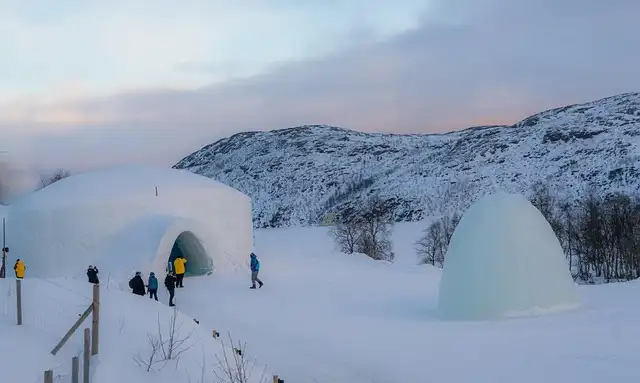
    Igloo Architecture styles

    Lessons from Inuit Ingenuity

    The sustainability of igloos offers valuable insights for modern designers.

    Environmentally Aligned Materials

    Snow is:

    • Abundant

    • Renewable

    • Low impact

    • Perfectly suited to local climates

    This reflects a broader lesson: The best materials are often those available within the environment itself.

    Zero Waste Construction

    Everything used in an igloo naturally returns to the environment. No debris, pollution, or waste remains.

    Superior Thermal Efficiency

    Because of the trapped air pockets, snow provides remarkable insulation without electricity or added materials.

    Igloo Architecture in Popular Culture

    Why Igloos Still Capture Our Imagination

    Films, books, and documentaries often portray igloos as symbols of resilience and Arctic identity. Their rounded silhouette has become an architectural and cultural icon.

    From winter festivals to ice hotels, modern interpretations continue to showcase how timeless the igloo design truly is.

    Comparing Igloos with Other Arctic Structures

    Not the Only Arctic Innovation

    While igloos are well-known, the Arctic region has produced many types of cold-weather shelters.

    Snow Caves

    • Dug into snowbanks

    • Work well for hikers and mountaineers

    • Faster but less durable than igloos

    Sod Houses

    • Used for long-term living

    • Made from turf, driftwood, and whalebone

    • Built to withstand entire seasons

    Ice Huts

    • Common in modern ice fishing

    • Often heated and portable

    Why Igloos Stand Out

    Igloos offer:

    • Superior insulation

    • Structural strength

    • Fast construction

    • Cultural significance

    Their blend of simplicity and sophistication is unmatched.

    Igloos in the Age of Climate Change

    Changing Snow Conditions

    Climate change affects snow density and availability, making traditional igloo construction more challenging in some regions. However, the cultural knowledge persists, and communities continue adapting techniques to new conditions.

    Innovation Through Tradition

    Some modern engineers collaborate with Inuit experts to design:

    • Eco-friendly shelters

    • Snow-based disaster relief structures

    • Winter tourism installations

    This blend of tradition and technology preserves igloo architecture for future generations.

    Conclusion

    Igloo architecture is far more than a clever way to survive the cold—it’s a masterpiece of Indigenous engineering, environmental harmony, and cultural wisdom. From its curved walls to its snow-block precision, the igloo shows how humans can thrive even in Earth’s harshest climates.

    As modern architects search for sustainable solutions, the principles of igloo design offer timeless lessons in efficiency, resourcefulness, and creativity. In short, the igloo remains a powerful reminder that some of the smartest ideas come from those who learned to listen closely to the land.

    FAQs

    1. How does an igloo stay warm?

    Snow traps air, which acts as insulation. As people move inside, body heat slightly warms the interior, improving insulation even more.

    2. How long does it take to build an igloo?

    Skilled builders can construct a small igloo in two to three hours. Larger, multi-room ones may take longer.

    3. Are igloos still used today?

    Yes—mainly for cultural education, tourism, emergency shelters, and traditional hunting expeditions in some regions.

    4. What type of snow is best for an igloo?

    Wind-packed, dense snow that’s easy to cut into blocks and strong enough to support weight.

    5. Can an igloo melt inside?

    A thin inner layer may melt slightly from warmth, but it quickly refreezes into a hard ice shell, strengthening the structure.

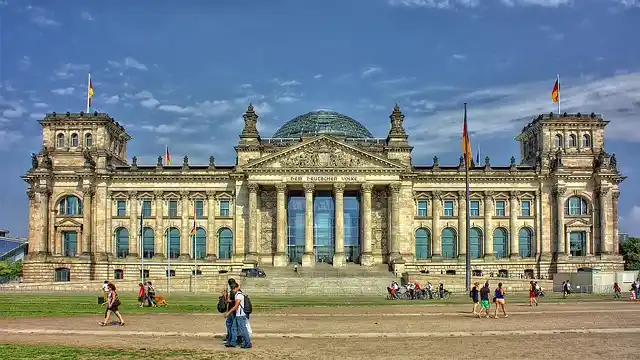
  • Modern German House Architecture: A Fusion of Style & Technology

    Modern German House Architecture: A Fusion of Style & Technology

    Have you ever wondered why modern German houses consistently feel ahead of their time? From the moment you step inside one, the seamless blend of beauty, function, and innovative engineering becomes unmistakable. Germany has long been recognized as a leader in architecture and homebuilding, and today’s homeowners are turning to its modern styles for their clarity, comfort, and sustainability.

    In this article, you’ll learn what defines modern German architecture, why it’s admired worldwide, and how it merges cutting-edge technology with traditional craftsmanship. We’ll explore design principles, materials, layouts, and trends—plus examples that bring these timeless concepts to life. If you’re considering building or simply collecting ideas, this comprehensive guide will inspire your own approach to german house design.

    The Rise of Modern German Houses

    Why German Design Leads the World

    Germany’s architectural reputation isn’t accidental. It stems from a long cultural tradition of craftsmanship, meticulous engineering, and a national commitment to energy efficiency. These values have shaped the evolution of modern German houses, giving them a reputation for longevity, sustainability, and understated beauty.

    Moreover, the country’s strict construction standards—especially around insulation, energy performance, and materials—push architects to prioritize both durability and innovation. As a result, German homes often feel more advanced than typical builds in other regions.

    Influence of Bauhaus and Minimalism

    The global architectural movement that most shaped German residential styles is Bauhaus, known for its “form follows function” philosophy. Many aspects of modern German homes—flat roofs, open floor plans, rectangular shapes, and large windows—come directly from Bauhaus thinking.

    Later, minimalism reinforced these ideas, creating homes that feel calm, uncluttered, and practical.

    Core Characteristics of Modern German Houses

    Modern German House Architecture: A Fusion of Style & Technology

    Clean Lines and Geometric Shapes

    One of the most defining features of modern German houses is their geometric precision. You’ll commonly see:

    • Rectangular or cubic building shapes

    • Flat or gently sloped roofs

    • Symmetrical window placement

    • Smooth exterior facades

    These simple forms serve a purpose—they reduce construction complexity, maximize interior space, and enhance energy efficiency.

    The Appeal of Simplified Aesthetics

    In German design, “simple” never means “plain.” Instead, it reflects intentionality. Every angle, opening, and material serves a purpose, creating homes that feel both modern and timeless.

    Large Windows and Natural Light

    Daylight is a central part of German residential architecture. Modern houses typically include:
    • Floor-to-ceiling windows

    • Sliding glass doors

    • Minimal window framing

    • Multiple lighting zones throughout the home

    These choices help brighten interiors naturally while visually connecting indoor and outdoor spaces.

    Energy-Efficient Glass & Window Technology

    Germany leads the world in advanced glazing. Triple-glazed windows, thermal separation, and airtight construction help maintain consistent indoor temperatures. Many homeowners also choose south-facing windows to optimize solar gain during colder months.

    Sustainable and Eco-Friendly Materials

    Sustainability is one of the strongest principles behind modern German houses. Builders commonly use:

    • Recycled or locally sourced timber

    • Natural stone

    • Eco-certified insulation

    • Clay or ceramic facades

    • Lime plaster and breathable wall materials

    The Passive House Movement (Passivhaus)

    Germany pioneered the Passivhaus standard—one of the world’s strictest energy-efficient building guidelines. A passive house can reduce heating and cooling needs by up to 90%.

    Key features include:

    • Super-insulated walls

    • Airtight building envelopes

    • Heat recovery ventilation

    • Optimized window placement

    This approach has become so influential that many modern German homes naturally align with the standard even when not certified.

    Open Floor Plans and Flexible Living Spaces

    Modern German House Architecture

    Traditional German homes once favored smaller, separated rooms. Modern architecture has shifted toward open layouts that feel spacious and uncluttered.

    Popular layout elements:

    • Combined kitchen–living–dining areas

    • Sliding partitions instead of fixed walls

    • Multi-functional rooms

    • Hallways minimized or removed altogether

    This design trend creates adaptable spaces that work for families, remote workers, and entertaining.

    Integration with Nature

    German architects often design homes that feel deeply connected to their surroundings. This can include:

    • Green roofs

    • Garden terraces

    • Outdoor dining areas

    • Natural wood and stone elements

    • Landscaping with native plants

    Biophilic Design Principles

    Biophilic design—connecting humans with nature—appears strongly in modern German housing. Large windows frame natural views, while interior materials mimic textures and colors found outdoors.

    Smart Home Technology

    Germany is a global leader in smart home integration, thanks to innovations in engineering and home automation systems.

    Common smart features include:

    • Automated blinds

    • Energy monitoring systems

    • Smart thermostats

    • Integrated lighting controls

    • Security and climate sensors

    Most systems emphasize energy savings and convenience, making everyday living more efficient.

    Traditional German Styles Reinvented for Modern Living

    While modern German houses lean minimalist, many designs also reinterpret classic elements.

    The Modernized Fachwerk House

    Traditional Fachwerk (timber-frame) houses are centuries old. Today, architects reinterpret them with:

    • Exposed timber beams

    • High-efficiency insulation

    • Sleek glass walls

    • Natural wooden interiors

    The result is a home that blends old-world charm with contemporary function.

    Alpine German Style with a Modern Twist

    In southern Germany, alpine homes typically include steep roofs and wooden balconies. Modern versions maintain these iconic shapes but update them with large windows, steel accents, and streamlined detailing.

    German House Design Trends for 2025 and Beyond

    Minimalist Luxury

    Modern German homes are leaning toward comfortable minimalism—not cold, but calm and refined. Expect more:

    • Warm-toned woods

    • Oversized windows

    • Natural textures

    • Clean-lined furniture

    Modular and Prefab Homes

    Prefabricated homes from German brands like HUF Haus and Baufritz are gaining global attention. They’re:

    • Fast to build

    • Customizable

    • Highly energy-efficient

    • Precision engineered

    This trend makes German design accessible worldwide.

    Industrial & Contemporary Mix

    Interior trends now include subtle industrial details like:

    • Concrete floors

    • Metal staircases

    • Matte black fixtures

    • Open shelving

    These create a modern vibe without overpowering the simplicity German homes are known for.

    Influence of International Style Architecture

    Modern German designs occasionally incorporate elements from International Style Architecture, including flat surfaces, volume over mass, and elimination of ornamentation. This mix keeps homes visually clean and globally appealing.

    How Modern German Houses Balance Comfort and Function

    Heating and Insulation Excellence

    German heating systems (like underfloor heating and heat pumps) are among the most efficient in the world. Combined with superior insulation, homeowners enjoy consistent warmth without excessive energy costs.

    Thoughtful Storage Solutions

    German interior design embraces smart storage, such as:

    • Built-in closets

    • Hidden kitchen cabinets

    • Wall-integrated shelving

    • Minimalist bathroom vanities

    These choices keep homes visually clean and clutter-free.

    Step-by-Step Guide: Designing a Modern German House

    1. Start with the layout

    Focus on open spaces, natural light, and flexible floor zones.

    2. Choose energy-efficient systems

    Triple-glazed windows, heat pumps, and mechanical ventilation matter.

    3. Use sustainable materials

    Opt for wood, stone, lime plaster, and eco-friendly insulation.

    4. Incorporate technology

    Plan wiring for automation early in the design phase.

    5. Blend interior and exterior spaces

    Use terraces, balconies, or large glass openings to create flow.

    6. Add minimalistic finishes

    Stick to clean lines, neutral colors, and natural materials.

    Pros and Cons of Modern German Houses

    Advantages

    • Exceptional energy efficiency

    • High-quality materials

    • Timeless aesthetics

    • Strong resale value

    • Low maintenance needs

    Drawbacks

    • Higher upfront costs

    • Longer planning phases

    • Skilled labor required

    Despite the investment, most homeowners find the long-term savings and comfort worthwhile.

    Conclusion

    Modern German houses represent the perfect union of craftsmanship, innovation, and sustainability. Whether minimalist or tradition-inspired, these homes are designed with intention—prioritizing comfort, efficiency, and longevity. As global interest in high-quality, eco-friendly living grows, German design continues to set the standard for how future homes should look and function.

    If you’re planning a new build or renovation, let the clarity and precision of German design inspire you to create a home that’s not only beautiful today, but enduring for decades to come.

    Read also: [Related Topic Suggestion: “Top Sustainable Home Design Trends”]
    External link suggestion: Learn more about German architecture on [Wikipedia’s Architecture of Germany].

    FAQs

    1. What makes modern German houses so energy-efficient?

    They use advanced insulation, triple-glazed windows, and airtight construction—often meeting or exceeding Passive House standards.

    2. Are German-style homes expensive to build?

    Upfront costs can be higher due to precision engineering and quality materials, but long-term savings on energy make them cost-effective.

    3. Do modern German houses always have flat roofs?

    Flat roofs are common but not mandatory. Many homes use gently sloped or traditional styles depending on region and climate.

    4. Can I combine traditional and modern German design?

    Absolutely. Many homeowners blend Fachwerk elements with sleek, contemporary materials for a unique look.

    5. Are prefabricated German homes reliable?

    Yes—German prefab homes are known for exceptional precision, durability, and sustainability.

  • Modern Canadian House Architecture: Styles & Design Concepts

    Modern Canadian House Architecture: Styles & Design Concepts

    What makes a Modern Canadian House so distinct in today’s architectural landscape? Whether you’ve admired the sleek lines of a West Coast retreat or the minimalist charm of an urban Toronto residence, modern Canadian homes reflect a blend of innovation, sustainability, and regional character. With rising interest in eco-friendly living and adaptable design, homeowners are seeking styles that feel both forward-thinking and deeply connected to nature.

    In this guide, you’ll discover the essential elements shaping Canadian house architecture, from material choices and structural layouts to smart-home technologies and cultural influences. We’ll also look at how designers combine practicality with artistic expression, helping you understand the design choices behind Canada’s most admired modern homes.

    Read also: How Sustainable Home Design is Changing in North America

    What Defines a Modern Canadian House Today?

    A Modern Canadian House isn’t defined by a single look—it’s a philosophy rooted in simplicity, function, and regional adaptation. While the aesthetic leans toward clean lines and open layouts, modern homes in Canada respond uniquely to climate, culture, and lifestyle.

    Emphasis on Natural Light

    Due to Canada’s long winters and varied daylight hours, most modern homes use:

    • Expansive floor-to-ceiling windows

    • Skylights in key living areas

    • Open-concept kitchens and living rooms

    • Glass sliders that connect indoor and outdoor zones

    Architects prioritize maximizing daylight to create brighter, more inviting interiors without sacrificing energy efficiency.

    Strong Connection to Nature

    Nature is not just a backdrop—it’s a design feature. Many homes incorporate:

    • Wood, stone, and natural finishes

    • Forest, lake, or mountain-inspired palettes

    • Outdoor living spaces like decks and courtyards

    This reflects Canada’s deep appreciation for its landscape, influencing even highly urban builds.

    Architectural Styles Shaping Modern Canadian Homes

    Modern Canadian House Trends: Design & Architecture Guide

    Canada’s modern residential architecture draws from global influences while maintaining distinct regional flavour. One notable influence is International Style Architecture, which favors functional simplicity and geometric forms. However, Canadian architects adapt these principles to local climate demands.

    Here are the leading styles shaping today’s homes:

    West Coast Modern

    Popular in British Columbia and Vancouver Island, this style blends minimalist lines with abundant natural materials.

    Key elements include:

    • Heavy use of cedar, fir, and glass

    • Flat or gently sloped roofs

    • Cantilevered decks facing forests and ocean views

    • Indoor–outdoor continuity

    West Coast Modern homes feel warm yet refined, making them ideal for nature-focused lifestyles.

    Scandinavian-Influenced Minimalism

    A rising trend across Canada—especially in Ontario and Quebec—is Nordic minimalism.

    Characteristics:

    • Clean white interiors

    • Light wood floors

    • Functional layouts with uncluttered aesthetics

    • High-efficiency insulation and air-tight construction

    This style suits colder climates well and emphasizes calm, serene living environments.

    Urban Contemporary Style

    Cities like Toronto, Montreal, and Calgary embrace modern urban architecture with an emphasis on:

    • Mixed-material facades (brick, metal, glass)

    • Tall, narrow builds for small lots

    • Rooftop terraces

    • Smart-home integration

    Urban contemporary homes balance modernity with practicality for dense neighborhoods.

    Modern Rustic Canadian Homes

    Combining rustic charm with contemporary form, this style is popular for cottages, chalets, and rural estates.

    Common elements:

    • Reclaimed wood beams

    • Stone fireplaces

    • Warm textures mixed with modern furnishings

    • Large windows overlooking natural scenery

    It’s a perfect blend of comfort and sophistication.

    Essential Design Concepts in Modern Canadian House Architecture

    Modern Canadian House Trends: Design & Architecture Guide

    Sustainable Building Practices

    Sustainability is no longer optional—it’s central to Canadian house architecture. Builders aim to reduce energy consumption, waste, and carbon footprint.

    Key sustainable strategies include:

    • Triple-pane windows

    • High-performance insulation

    • Geothermal or radiant heating

    • Solar-ready roofing

    • Low-VOC materials

    • Energy-efficiency certifications (e.g., LEED, Net-Zero Ready)

    Canadian climate demands durable, weather-resilient homes, making green design an economic and environmental necessity.

    Smart-Home Technology Integration

    Modern homes across Canada are increasingly intelligent.

    Examples:

    • App-controlled lighting and security

    • Energy monitoring systems

    • Automated HVAC

    • Smart appliances

    • Voice-activated assistants

    Technology enhances convenience, security, and energy management—especially valuable for winter months.

    Open-Concept Living Spaces

    Open layouts create a sense of spaciousness and improve natural light distribution. Key rooms flow together:

    • Kitchen → dining → living

    • Living → patio → balcony

    • Bedroom → ensuite → walk-in closet

    This continuity supports family interaction and entertaining.

    Multi-Functional Rooms

    As remote work becomes more common, homeowners value flexibility.

    Popular multi-purpose areas:

    • Office + guest room

    • Gym + storage

    • Recreation room + cinema

    • Kitchen island + workspace

    Homes are becoming smarter—not just technologically, but spatially.

    Material Trends in Modern Canadian House Design

    Modern Canadian House Trends:

    Wood and Timber Accents

    Canadian architecture celebrates local species such as:

    • Cedar

    • Maple

    • Douglas fir

    • Oak

    Wood adds warmth and contrasts beautifully with sleek modern elements like glass and steel.

    Concrete and Metal Exteriors

    In urban builds, concrete and metal panels help create a modern industrial feel.

    Advantages:

    • Low maintenance

    • High durability

    • Fire-resistance

    • Clean, minimalist appearance

    These materials reflect a global trend toward texture-rich contemporary exteriors.

    Stone and Natural Elements

    Stone cladding—especially granite, limestone, and slate—is popular in both modern rustic and luxury builds.

    Stone anchors a home visually, adding stability and sophistication.

    Regional Variations Across Canada

    Modern Canadian homes differ significantly by region.

    British Columbia (West Coast Style)

    Expect glass, timber, and seamless indoor–outdoor transitions. Homes often face water or forest landscapes.

    Alberta & Prairies (Contemporary Prairie Style)

    Features include:

    • Large windows to maximize sky views

    • Stucco or mixed-material exteriors

    • Open floor plans

    Climate resilience is crucial—homes must withstand temperature extremes.

    Ontario (Urban Modern)

    Toronto’s architecture blends modern townhomes with narrow-lot solutions. Expect rooftop terraces and innovative use of space.

    Quebec (Modern European Influence)

    Quebec leans toward:

    • Scandinavian minimalism

    • Warm wood interiors

    • High thermal efficiency

    • Modern stone facades

    The cultural influence brings a unique European-Canadian blend.

    Atlantic Canada (Coastal Modern)

    Homes adapt to coastal weather with:

    • Elevation for flood protection

    • Durable siding materials

    • Panoramic views

    Designs often emphasize comfort and seaside living.

    Interior Design Concepts for Modern Canadian Houses

    Modern Canadian House Trends: Design

    Neutral and Earthy Color Palettes

    Popular tones include:

    • White and off-white

    • Charcoal and slate

    • Soft beige and sand

    • Forest green accents

    These palettes pair well with natural materials.

    Functional Minimalism

    Minimalism in Canada isn’t cold—it’s warm and intentional.

    Key ideas:

    • Hidden storage

    • Clean lines

    • High-quality materials

    • Purposeful decor

    The goal is to create calm, clutter-free spaces.

    Statement Lighting

    Modern homes often feature:

    • Pendant kitchen lights

    • LED strip lighting

    • Architectural sconces

    • Oversized chandeliers

    These elements act as functional decor, shaping ambiance and style.

    Building a Modern Canadian House: Practical Tips

    Here’s what homeowners and builders should consider:

    1. Plan for Climate Challenges

    Canada’s temperature extremes demand:

    • Snow-load-rated roofing

    • Proper vapor barriers

    • High R-value insulation

    • Durable exterior finishes

    2. Prioritize Energy Efficiency

    Look for:

    • Energy-efficient windows

    • Smart thermostats

    • Heat recovery ventilators (HRVs)

    3. Choose the Right Materials

    Depending on location, choose:

    • Moisture-resistant products for coasts

    • Fire-resistant materials for forest regions

    • Freeze-resistant finishes for northern climates

    4. Work With Local Architects

    Local expertise ensures:

    • Code compliance

    • Climate-aware design

    • Better material sourcing

    5. Think Long-Term

    A home should adapt to family growth, aging, and lifestyle changes.

    Conclusion

    A Modern Canadian House brings together innovation, natural beauty, and purposeful living. Whether influenced by West Coast modernism, Scandinavian minimalism, or contemporary urban design, today’s homes prioritize comfort, sustainability, and connection to the environment. By choosing quality materials, embracing smart-home technology, and understanding regional design influences, you can create a home that’s not only modern but timeless.

    In short, modern Canadian architecture is evolving—but its commitment to thoughtful, human-centered design remains at the heart of every build.

    FAQs (People Also Ask Style)

    1. What defines a Modern Canadian House?

    It combines clean lines, sustainable materials, natural light, and a strong indoor–outdoor connection. Climate-responsive design is key.

    2. What materials are common in Canadian modern homes?

    Wood, glass, concrete, metal panels, and stone are widely used to blend durability with contemporary aesthetics.

    3. Are modern Canadian homes energy-efficient?

    Yes. Most feature high-performance insulation, triple-pane windows, and smart-home energy systems.

    4. What is trending in Canadian house architecture?

    Scandinavian minimalism, West Coast modernism, mixed-material exteriors, and eco-friendly building techniques.

    5. Where can I learn more about architectural styles?

    Check credible sources like Wikipedia’s Architecture of Canada page for historical and stylistic context.

  • Peru House Design: Andean Culture, Materials & Modern Adaptations

    Peru House Design: Andean Culture, Materials & Modern Adaptations

    How do you create a home that feels both ancient and modern—rooted in culture yet ready for the future? That’s the magic of the Peru House, a style shaped by centuries of Andean tradition and refined by contemporary innovation. Moreover, Peru’s unique geography—mountains, deserts, and rainforest—demands architectural solutions that are efficient, durable, and culturally expressive.

    In this article, you’ll learn how Peru House Design evolved, the materials that define it, and the modern adaptations reshaping Peruvian architecture. You’ll also discover cultural influences, architectural trends, and real design examples that showcase Peru’s distinctive aesthetic.

    (Internal link suggestion: Read also: How Climate Shapes Architecture in the Andes)
    (External link suggestion: Learn more about Andean cultures on Wikipedia for cultural context.)

    The Cultural Roots Behind the Peru House

    A Peru House isn’t just a building—it’s an expression of identity. Peru’s architectural DNA is deeply tied to the civilizations that shaped the region long before colonization.

    Andean Heritage as Architectural Blueprint

    From the Inca to pre-Inca societies, homes were designed to withstand altitude, earthquakes, and dramatic climate shifts. Stone foundations, thick walls, and compact layouts weren’t just aesthetic choices; they were survival tools.

    Key Andean principles include:

    • Orientation toward the sun to capture heat in cold climates

    • Use of local stone and adobe for natural insulation

    • Courtyard-style layouts promoting community and airflow

    • Integration with the landscape, never dominating it

    This heritage still guides modern Peru House Design, even as aesthetics evolve.

    Colonial Influences and Blended Styles

    Spanish colonialism introduced wood balconies, decorative facades, and new structural techniques. Many homes in cities like Arequipa, Cusco, and Lima still reflect this hybrid identity—thick stone walls paired with ornate wooden detailing.

    Essential Materials in Peru House Design

    Peru House Design

    Peru’s diverse geography offers an abundant palette of natural building materials. For centuries, builders have relied on what the land provides.

    Adobe – The Heart of Andean Construction

    Adobe remains one of the most iconic materials in a Peru House. Made from mud, straw, and water, it offers:

    • Excellent temperature control

    • Low environmental impact

    • Fire and pest resistance

    • A warm, earthy appearance

    Moreover, adobe is inexpensive and easy to repair, keeping traditional homes sustainable for generations.

    Sillar Stone – The White Volcanic Marvel

    In Arequipa, sillar—a volcanic stone—defines the city’s architectural identity. Lightweight yet sturdy, it gives homes their famous white glow. Its insulating properties also make it ideal for Peru’s fluctuating temperatures.

    Wood, Clay, and Natural Fiber

    Other commonly used materials include:

    • Eucalyptus wood in highland structures

    • Clay tiles for roofing

    • Totora reeds in coastal and lake regions

    • Andean textiles for interior finishes

    Each material adds cultural and ecological richness to the final design.

    Modern Adaptations Transforming the Peru House

    Today’s architects are reimagining traditional styles for contemporary living. The modern Peru House Design blends cultural authenticity with practical innovation.

    Sustainable Building as a Core Principle

    Environmental awareness has become central. Most homeowners now seek:

    • Passive heating systems

    • Solar panels for high-altitude regions

    • Rainwater harvesting

    • Natural cross-ventilation layouts

    Modern builders incorporate green roofs, recycled materials, and energy-efficient windows while maintaining traditional aesthetics.

    Earthquake-Resistant Engineering

    Peru is one of the world’s most seismically active countries. As a result, new homes combine old materials like adobe with structural reinforcements such as:

    • Steel mesh frameworks

    • Flexible roofing systems

    • Earthquake-resistant foundations

    This hybrid approach preserves heritage without compromising safety.

    Minimalist Designs with Cultural Accents

    Contemporary Peru House Design often features:

    • Clean, minimalist lines

    • Large windows for natural light

    • Earth-tone palettes inspired by the Andes

    • Stone accent walls echoing Inca craftsmanship

    This blend appeals to both international architects and Peruvian homeowners seeking an elegant yet meaningful aesthetic.

    How Climate Shapes the Peru House

    Peru Houses

    Because Peru’s climate varies dramatically, regional architecture adapts accordingly.

    Highland Homes

    Homes in Cusco, Puno, and the Sacred Valley experience:

    • Cold nights

    • Strong winds

    • High UV exposure

    To manage these extremes, buildings rely on:

    • Thick stone or adobe walls

    • Small windows

    • Courtyards for warmth and light

    Coastal Homes

    Lima and Trujillo’s coastal climates require:

    • Open floor plans

    • Larger windows

    • Flat roofs

    • Moisture-resistant materials

    Modern Peru House styles incorporate steel, concrete, and treated wood to withstand humidity.

    Amazon Rainforest Homes

    In jungle regions like Iquitos:

    • Homes stand on stilts to avoid flooding

    • Roofs use palm thatch or metal

    • Elevated walkways connect indoor and outdoor spaces

    • Natural ventilation replaces artificial cooling

    Each region pushes design forward in a unique way.

    Design Features That Define a Peru House

    While Peru’s architecture varies, several hallmark features unify the style.

    Courtyards as Social Centers

    The patio remains the heart of many homes—an open space for gatherings, cooking, and celebrations. In modern homes, courtyards often include:

    • Gardens

    • Water features

    • Fire pits

    • Vertical greenery

    Earth-Toned Color Palettes

    Warm hues dominate Peru House designs, including:

    • Terracotta

    • Soft browns

    • Sandy beiges

    • Slate gray

    • Deep reds

    These tones reflect Peru’s landscapes—from the Sacred Valley to the coastal deserts.

    Cultural Textiles and Craftsmanship

    Peruvian craftsmanship enriches interiors through:

    • Alpaca wool rugs

    • Handwoven tapestries

    • Inca-inspired geometric patterns

    • Carved wooden furniture

    Every detail reinforces a connection to heritage.

    International Style Architecture Influence

    Peru House

    Some modern designers merge International Style Architecture with Peruvian traditions. Clean lines, open spaces, and geometric simplicity meet natural stone walls and Andean textures. This marriage of global minimalism and local identity results in homes that are both stylish and deeply rooted.

    The Future of Peru House Architecture

    As Peru’s cities grow and rural areas modernize, architecture continues evolving.

    Smart Homes with Cultural Identity

    Technological upgrades such as:

    • Smart thermostats

    • Automated lighting

    • Security systems

    are now combined with traditional materials like adobe and stone.

    Tourism and Boutique Eco-Lodges

    Boutique hotels inspired by Peru House Design are becoming popular, especially in:

    These eco-lodges showcase local craftsmanship while providing luxury experiences.

    Urban Revitalization

    Lima and Arequipa are restoring old colonial and republican homes, turning them into:

    • Cafés

    • Galleries

    • Boutique stays

    • Cultural centers

    This not only preserves history but also boosts cultural tourism.

    Practical Tips for Creating a Modern Peru House

    Whether you’re designing a home in Peru or inspired by Peruvian aesthetics elsewhere, consider the following ideas:

    1. Use local or natural materials whenever possible.

    2. Incorporate a courtyard or open-air space for better airflow.

    3. Choose earth-tone color schemes for authentic warmth.

    4. Blend traditional textures with modern layouts.

    5. Add cultural pieces like woven textiles or pottery.

    6. Plan for climate—insulation in cold regions, ventilation in warm areas.

    Conclusion

    The Peru House is more than architecture—it’s a celebration of history, culture, and the natural world. From ancient Andean principles to modern adaptations, Peru’s homes showcase resilience, creativity, and deep cultural pride. Whether you’re exploring building ideas or simply fascinated by global design, Peru offers a blueprint for blending tradition with innovation.

    In short, embracing Peru House Design means embracing harmony—between old and new, nature and structure, culture and modern life.

    FAQs (People Also Ask Style)

    What makes a Peru House unique?

    Its blend of traditional Andean materials, cultural symbolism, and modern design solutions makes it stand out among global architectural styles.

    What materials are common in Peru House Design?

    Adobe, stone, sillar, wood, clay tiles, and natural fibers are widely used for structural and decorative purposes.

    Are Peru Houses sustainable?

    Yes. Most are built with eco-friendly materials and climate-smart layouts that reduce energy use naturally.

    How does climate influence Peru House architecture?

    Homes adapt to local conditions—thick walls in highlands, open layouts on the coast, and elevated structures in rainforest regions.

    Can modern homes still follow traditional Peru House principles?

    Absolutely. Many modern architects blend smart technology and minimalist design with historical techniques and local materials.

  • Japanese Style Temple Design: Architectural Elements & Symbolism

    Japanese Style Temple Design: Architectural Elements & Symbolism

    Have you ever stepped into a place so serene that it instantly calms your senses? That’s the quiet magic of a Japanese style temple — spaces designed not just for worship, but for harmony, balance, and reflection. These temples have captivated architects, travelers, and historians for centuries.

    In this guide, you’ll discover how Japanese temples are built, what each design element symbolizes, how they compare to modern architecture, and what makes them relevant today. Whether you’re an enthusiast or a curious learner, this deep dive will give you insights you won’t find elsewhere.

    Why Japanese Style Temples Still Matter Today

    Japanese temples remain a major influence on global architecture, design philosophies, and sustainable construction. Their emphasis on natural materials, spatial harmony, and spiritual symbolism continues to inspire everything from minimalist homes to meditation centers and eco-resorts around the world.

    Moreover, the rising interest in wellness tourism and cultural heritage makes Japanese temple design more relevant than ever.

    The Origins of Japanese Temple Architecture

    Japanese temple architecture evolved through centuries of spiritual and cultural exchange. Many early designs were influenced by Chinese and Korean Buddhist structures, but the Japanese transformed these concepts into something uniquely their own.

    Key Historical Influences

    • Asuka & Nara Periods: Introduction of Buddhism, symmetrical layouts, and wide courtyards.

    • Heian Period: Movement toward serene natural settings and more elegant detailing.

    • Kamakura Period: Rise of Zen aesthetics — simplicity, austerity, and contemplation.

    • Edo Period: Lavish ornamentation, vibrant colors, and complex roofing techniques.

    The result? A rich architectural language defined by balance, humility, and spiritual symbolism.

    Core Architectural Elements of a Japanese Style Temple

    Japanese Style Temple

    Every Japanese-style temple contains elements deeply rooted in tradition, each with spiritual meaning and functional purpose.

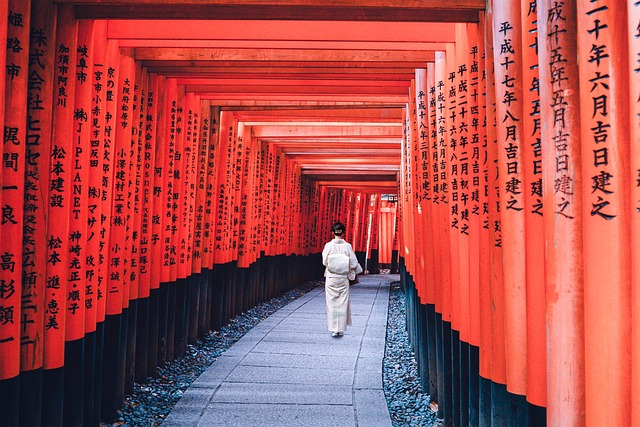
    1. The Torii Gate: Gateway to Sacred Space

    The torii marks the threshold between the physical world and the spiritual realm.
    Symbolism:

    • Purification

    • Transition

    • Protection

    Often crafted from wood or stone, torii gates can be minimalist or grand, depending on the temple’s significance.

    2. Main Hall (Hondō)

    This is where the principal deity or Buddha is enshrined.
    Features include:

    • Elevated wooden floors

    • Intricate carvings

    • Tatami spaces for rituals

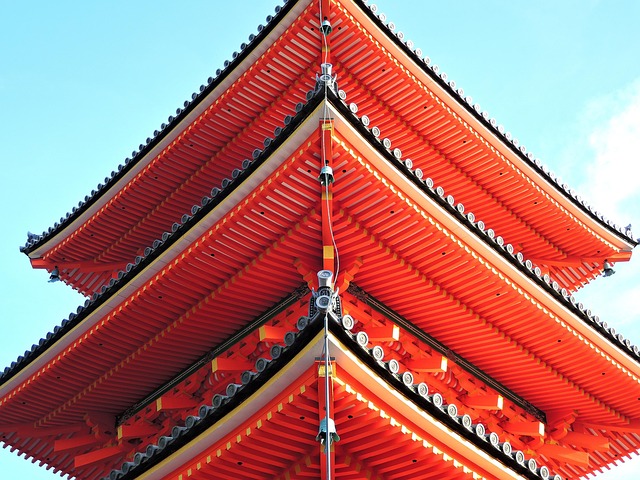
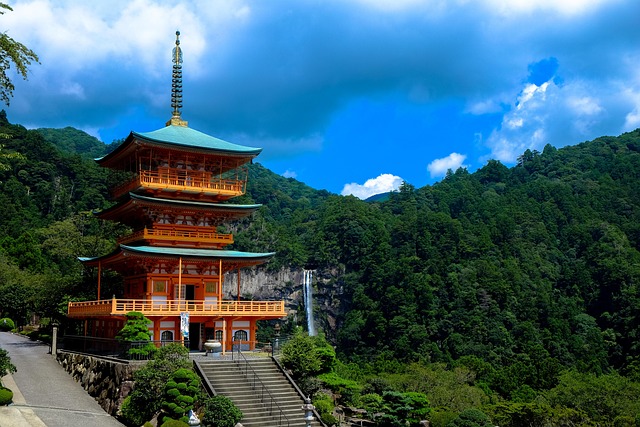
    3. Pagoda (Tō)

    Pagodas serve as reliquaries and symbols of enlightenment.
    Each level represents an element:

    1. Earth

    2. Water

    3. Fire

    4. Wind

    5. Void (Sky)

    Their stunning verticality adds visual rhythm to the temple complex.

    4. Kondo (Golden Hall)

    Often adorned with gilded elements, this hall houses sacred statues and ceremonial artifacts.

    5. Temple Gardens

    Perhaps the most admired feature, Japanese temple gardens embody Zen philosophy.
    Common garden styles include:

    • Karesansui (dry rock gardens)

    • Chisen-kaiyū (pond stroll gardens)

    • Moss gardens

    • Tea ceremony gardens

    Each garden is carefully composed to evoke meditation and harmony.

    Materials That Define Japanese Temple Design

    A hallmark of these temples is the meticulous use of natural materials. This connection to nature is intentional and symbolic.

    Primary Materials

    • Wood (cedar, cypress, pine): Chosen for durability and spiritual purity.

    • Stone: Used for lanterns, pathways, and foundation bases.

    • Paper (washi): For sliding doors (shoji) that diffuse soft light.

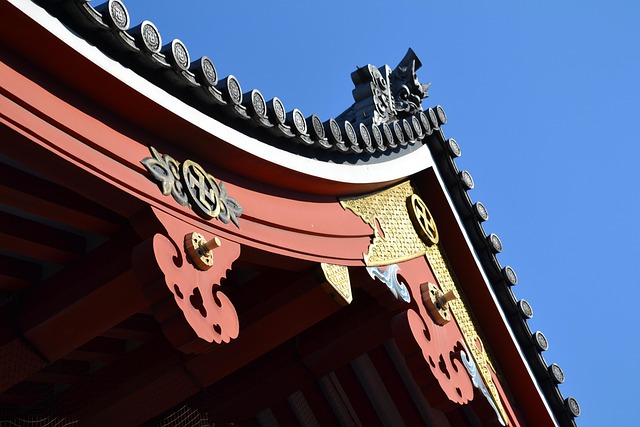
    • Clay tiles: Used in elegant, curved roofing.

    These materials allow the structure to breathe, age gracefully, and coexist with its surroundings.

    Symbolism at the Heart of Japanese Temple Design

    Japanese Style Temple Design: Architectural Elements & Symbolism

    Japanese temples are filled with layers of symbolism. Understanding these elements deepens appreciation of the architectural choices.

    Key Symbolic Concepts

    • Shinzen: Purity and divinity

    • Ma: The space between things, representing balance

    • Wabi-sabi: Beauty in imperfection

    • : Emptiness as spiritual fullness

    In short, every design decision reflects philosophy.

    How Japanese Style Temples Reflect Spiritual Life

    Japanese temples support various spiritual traditions — Buddhism, Shintoism, and folk beliefs.
    Each tradition shapes architectural layout in different ways:

    Buddhist Temples

    • Symmetrical layouts

    • Large lecture halls

    • Pagodas

    • Zen meditation halls

    Shinto Shrines

    • Torii entrances

    • Kami worship

    • Bright vermillion color schemes

    • Simpler wooden structures

    The Role of Nature in Temple Architecture

    One hallmark of Japanese design is the seamless integration with nature. Temples aren’t simply placed in landscapes — they are woven into them.

    Nature as a Living Element

    • Water symbolizes cleansing.

    • Rocks represent endurance.

    • Trees convey continuity of life.

    • Seasonal plants reflect impermanence.

    This natural choreography helps temples feel alive.

    Craftsmanship Techniques Passed Down for Centuries

    Japanese carpenters (miyadaiku) are renowned for precision joinery that requires no nails. These ancient methods create durability and seismic resistance.

    Famous Techniques

    • Kigumi (interlocking joints)

    • Dai-koku-bashira (central pillar technique)

    • Curved eaves crafted with mathematical precision

    Such craftsmanship showcases unmatched artistry.

    Japanese Temples vs. Modern Architecture

    Modern architects increasingly borrow from Japanese temple principles — especially in minimalism and sustainable construction.

    • Open floor plans

    • Natural light utilization

    • Wood-forward interiors

    • Mindful spatial design

    Interestingly, even movements like International Style Architecture draw from Japanese simplicity and functional clarity.

    How Japanese Style Temples Influence Today’s Design Trends

    Japanese Style Temple Design

    1. Wellness & Retreat Architecture

    Meditation rooms, spas, and wellness resorts mimic temple tranquility.

    2. Sustainable Construction

    Eco-friendly materials and natural ventilation methods owe much to traditional Japanese techniques.

    3. Minimalist Interiors

    Clean lines and uncluttered spaces have roots in Zen aesthetics.

    Popular Japanese Temples Worth Exploring

    1. Kiyomizu-dera, Kyoto

    Known for its massive wooden stage overlooking cherry blossoms.

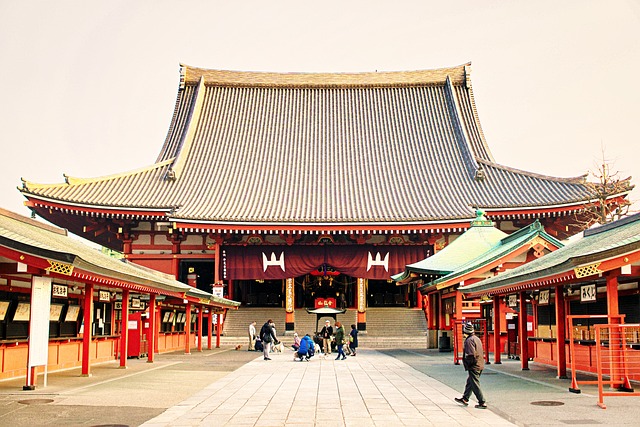
    2. Senso-ji, Tokyo

    One of Japan’s oldest and most visited temples.

    3. Todai-ji, Nara

    Home to the giant bronze Buddha.

    4. Ryoan-ji, Kyoto

    Famous for its mysterious Zen rock garden.

    These temples offer vivid examples of traditional design.

    Designing Your Own Japanese-Inspired Space

    Whether you’re planning a home meditation room or an outdoor garden, you can incorporate principles of Japanese temple design.

    Key Tips

    • Use natural materials.

    • Keep spaces open and uncluttered.

    • Add elements of water or stone.

    • Prioritize natural light.

    • Incorporate plants like bamboo or moss.

    A little goes a long way.

    Japanese Temple Design in Modern Media

    From movies to video games, Japanese temples are iconic settings. Their visual identity — sweeping eaves, lantern-lit paths, moss gardens — is instantly recognizable, making them perfect for storytelling.

    Why Global Interest in Japanese Temples Keeps Growing

    Several factors fuel worldwide fascination:

    • Rise of mindfulness culture

    • Appreciation for craftsmanship

    • Interest in sustainable architecture

    • Popularity of Japanese media

    • Travel trends toward cultural destinations

    Japanese temple architecture feels both timeless and timely.

    Conclusion: The Lasting Legacy of Japanese Style Temples

    A Japanese style temple isn’t just a building — it’s a philosophy carved into wood, stone, and space. These temples teach us how architecture can shape emotions, encourage reflection, and harmonize with the world around us.

    In short, Japanese temple design stands as a reminder that beauty and tranquility come from intention, craftsmanship, and balance. Whether you’re exploring one in person or applying its principles at home, its impact is undeniable.

    FAQs

    1. What makes a Japanese style temple unique?

    The use of natural materials, symbolic layouts, and harmony with nature make these temples distinct and spiritually meaningful.

    2. Why are Japanese temples built from wood?

    Wood symbolizes purity and life in Japanese culture. It’s also naturally resilient and ideal for intricate carpentry.

    3. What is the purpose of a torii gate?

    A torii marks the transition from the physical world to the sacred realm, offering purification and protection.

    4. How do Japanese temples differ from Chinese temples?

    Japanese temples emphasize minimalism, natural materials, and subtle symbolism, while Chinese temples often feature brighter colors and elaborate ornamentation.

    5. Can I incorporate Japanese temple design at home?

    Absolutely — by using natural materials, adding calming garden elements, and embracing minimalistic interior design.

  • What Are the Benefits of Tankless RO Systems Compared to Traditional RO Filters?

    What Are the Benefits of Tankless RO Systems Compared to Traditional RO Filters?

    Access to clean, safe drinking water is essential for maintaining a healthy lifestyle. For many Americans, reverse osmosis (RO) filtration systems are a top choice for removing contaminants and improving water taste. 

    However, not all RO systems are created equal. Recently, tankless RO systems have emerged as a more efficient and space-saving alternative to traditional RO filters. 

    In this article, we’ll explore the benefits of tankless RO systems, why they are becoming popular in the United States, and how they compare to conventional RO units.

    What is a Tankless RO System?

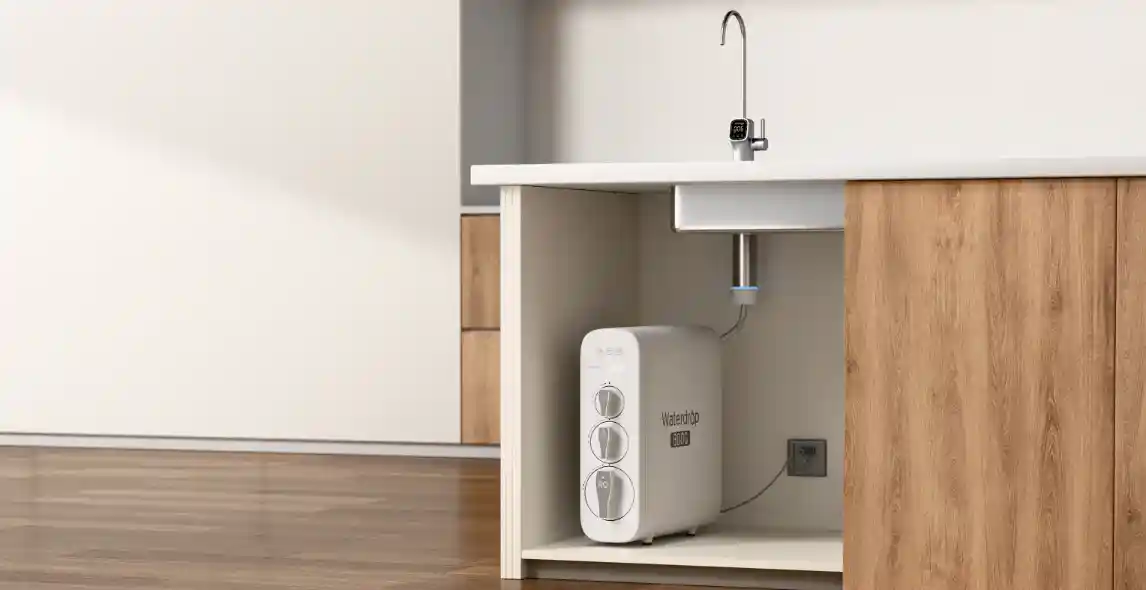
    A tankless RO system is a modern water filtration system that removes impurities without storing purified water in a separate tank. Unlike traditional RO filters that rely on pressurized storage tanks to hold filtered water, tankless units produce water on demand. This means you get a continuous supply of fresh, clean water whenever you need it.

    Dr. Jonathan Doyle, Ph.D., a water treatment expert with over 20 years of research experience explains: “Tankless RO systems eliminate the stagnation that often occurs in storage tanks. This ensures that the water is consistently fresh, clean, and free from microbial growth.”

    This innovation not only saves space under the sink but also improves water quality and system efficiency.


    The Benefits of Tankless RO Systems Compared to Traditional RO Filters

    The Benefits of Tankless RO Systems Compared to Traditional RO Filters

    Save Space

    One of the most obvious advantages of tankless RO systems is their compact design. Traditional RO systems require a bulky storage tank, often taking up valuable cabinet space under your sink. Tankless systems, in contrast, are typically slim and can be mounted directly on the wall or under the counter.

    This design is particularly appealing for American homeowners in apartments or smaller kitchens. Instead of sacrificing storage space for a tank, tankless units provide the same high-quality water without the clutter.

    Faster Water Delivery

    Traditional RO systems rely on water being stored in a tank, which can limit the flow rate. Tankless RO units, however, produce water on demand, delivering a steady stream directly to your faucet. This feature is especially useful in households with high water consumption or for families that use water for cooking, drinking, and other daily activities.

    This efficiency means less waiting for water to fill a tank and more convenience for everyday use.

    Energy and Water Efficiency

    Another key advantage of tankless RO systems is their efficiency. Traditional RO systems often waste water during the filtration process and require energy to maintain pressure in the storage tank. Tankless RO units, however, are designed to minimize water waste and operate efficiently only when water is needed.

    For environmentally conscious Americans, this means you can reduce your water footprint and save on utility bills. Many tankless RO systems, such as those offered by Waterdrop, use advanced filtration membranes and smart flow technology to maximize water recovery, which can save thousands of gallons of water per year compared to older RO systems.

    Low Maintenance and Long-Term Savings

    Tankless RO systems are also designed for easier maintenance. Without a storage tank, there are fewer components that require regular cleaning or replacement. Many models feature filter cartridges that are easy to swap out, reducing maintenance time and costs.

    In addition, high-quality tankless systems often have longer-lasting membranes and filters compared to traditional RO units. Over time, this translates into significant savings on replacement parts and maintenance services.

    Taste and Odor Improvement

    Anyone who has ever used a traditional RO system knows that while the water is clean, it can sometimes taste flat. Tankless RO systems can enhance water taste because they produce fresh water instantly, without prolonged contact with a storage tank. Some units also integrate additional filtration stages, such as activated carbon or mineralization filters, to improve flavor and add beneficial minerals.

    For Americans concerned with both purity and taste, this dual benefit is a major reason why tankless systems are gaining popularity.

    Choosing the Right Tankless RO System

    When selecting a tankless RO system, consider the following factors:

    1. Flow Rate – Ensure the system can meet your household’s water consumption needs.

    2. Filter Life and Replacement Costs – Look for units with long-lasting filters and modular designs for easy replacement.

    3. Certifications – Check for NSF or WQA certification to ensure the system meets safety and performance standards.

    4. Brand Reputation – Consider reliable brands like Waterdrop, known for combining innovative technology with high filtration performance.

    Dr. Jonathan Doyle notes that proper testing and certification are crucial: “Consumers should look for systems that have been rigorously tested in accredited laboratories. Reliable RO systems Like guarantee both safety and performance over the long term.”

    Conclusion

    Tankless RO systems offer numerous advantages over traditional RO filters, including space-saving designs, faster water delivery, improved health safety, energy and water efficiency, low maintenance, and better taste. For American households looking to upgrade their drinking water experience, tankless RO systems are a practical and environmentally conscious choice.

    Brands like Waterdrop combine innovation, high-quality filtration, and ease of use, making them an excellent option for families seeking reliable water purification.

    Investing in a tankless RO system is more than just a convenience—it’s an investment in health, efficiency, and sustainability.

  • Architecture of African Houses: Past & Present

    Architecture of African Houses: Past & Present

    Have you ever wondered why African houses look so different from one region to another? From the sun-baked earthen homes of Mali to the sleek lines of modern African houses in cities like Nairobi or Cape Town, African architecture carries a story — one shaped by climate, culture, and creativity.

    In today’s fast-changing world, African home design is experiencing a major transformation. Traditional forms still inspire millions, while contemporary architects are reimagining what African living can look like. This article explores the rich history, cultural meaning, and exciting innovations behind African house design. You’ll learn how materials, sustainability, and community values have shaped homes across the continent — and how modern African house design is influencing global architecture.

    Read also: [How Climate Shapes Architecture Around the World]

    The Deep Roots of African Houses

    African architecture is as diverse as its 54 countries. Each region developed unique house types based on its environment, social structure, and available resources. Understanding this foundation helps explain why African design remains both practical and visually powerful today.

    Climate as the First Architect

    Africa’s climates range from desert and savanna to rainforest and Mediterranean. Naturally, early homes adapted to their surroundings:

    • Hot, arid regions (e.g., Niger, Mali) favored thick earthen walls to keep interiors cool. 
    • Tropical rainforests (e.g., Congo Basin) used lightweight timber and raised floors to avoid flooding. 
    • Coastal zones embraced coral stone, mangrove poles, and thatched roofs. 

    Climate ultimately shaped everything — structure, layout, and even household routines.

    Culture and Community at the Center

    African houses traditionally do more than provide shelter — they express identity.
    For example:

    • The Maasai manyatta is built in circles symbolizing community unity. 
    • The Zulu rondavel uses a single circular room representing family cohesion. 
    • The Kasbahs of North Africa emphasize privacy, family hierarchy, and hospitality. 

    These culturally rooted forms continue to influence modern African houses, blending symbolism with contemporary aesthetics.

    Traditional African Houses and Their Distinct Styles

    modern african houses

    While it is impossible to cover all architectural forms, several iconic examples highlight the continent’s diversity.

    West African Earthen Architecture

    Famous for its sculptural beauty, West Africa’s earthen buildings remain among the world’s most celebrated structures.

    Notable examples include:

    • The Great Mosque of Djenné (Mali) – the largest mud-brick building globally. 
    • Sudano-Sahelian homes – known for wooden toron beams and decorative facades. 

    These structures demonstrate how earth, when skillfully used, can create durable, temperature-regulating, and visually stunning homes.

    East African Vernacular Houses

    In East Africa, diversity is equally rich:

    • Swahili stone houses along the coast are famous for coral stone, carved doors, and inner courtyards. 
    • Highland homes in Ethiopia use stone, thatch, and organic forms that blend harmoniously with nature. 

    These houses reveal a mix of African, Arabic, and Indian influences — a fusion that still inspires modern African house design.

    Southern African Innovations

    Southern Africa balances tradition with modernity:

    • Ndebele homes are celebrated for geometric wall art and bold colors. 
    • Rondavels use circular forms for structural stability and thermal comfort. 
    • Cape Dutch houses blend African craftsmanship with European aesthetics. 

    Today, many architects reinterpret these elements in eco-friendly residential projects.

    Materials That Define African Architecture

    A major reason African houses stand out is their creative use of local materials.

    Earth — The Timeless Building Block

    Mud, clay, and adobe remain the backbone of many traditional homes. They are:

    • Sustainable 
    • Affordable 
    • Naturally cooling 
    • Easy to repair 

    With rising interest in green building, architects worldwide are rediscovering earthen construction for modern designs.

    Wood, Bamboo & Plant-Based Materials

    In forested regions, wooden houses feature:

    • Elevated platforms 
    • Slanted roofs for rainfall 
    • Wide verandas for ventilation 

    Bamboo is gaining popularity for its strength and sustainability — ideal for modern African houses seeking eco-friendly solutions.

    Stone & Coral

    Used widely in coastal East Africa and North Africa, stone provides:

    • Durability 
    • Fire resistance 
    • Aesthetic charm 

    Coral stone, in particular, gives Swahili homes their iconic warm color and textured finish.

    Modern African Houses — A New Wave of Innovation

    modern African house design

    While tradition remains powerful, Africa’s architectural landscape is evolving rapidly. Cities like Lagos, Kigali, and Johannesburg now showcase a dynamic blend of technology, sustainability, and contemporary style.

    The Shift Toward Contemporary Design

    Modern African houses typically feature:

    • Open floor plans 
    • Large glass windows 
    • Minimalist interiors 
    • Flat or gently sloped roofs 
    • Mixed materials (stone, wood, metal, concrete) 

    These elements reflect global trends while keeping environmental needs in mind.

    Sustainability Leading the Way

    Africa’s push for eco-friendly construction is reshaping home design. Architects increasingly use:

    • Solar energy 
    • Rainwater harvesting 
    • Passive cooling 
    • Locally sourced materials 
    • Modular building techniques 

    This movement aligns with global sustainability goals — and gives African houses a strong identity rooted in environmental respect.

    Examples of Modern African House Design Trends

    1. Courtyard Homes
      Inspired by traditional layouts, they maximize airflow and privacy. 
    2. Green Roofs & Garden Terraces
      Perfect for urban environments where families need outdoor space. 
    3. Mixed-Material Facades
      Combining stone, timber, concrete, and steel for a bold contemporary look. 
    4. Smart Homes
      Increasingly common in major cities, integrating automation and energy-efficient systems. 

    These modern designs still honor heritage by incorporating local patterns, textures, and craftsmanship.

    African Houses in a Global Architectural Context

    African design is gaining recognition worldwide, particularly for its ingenuity and sustainability focus.

    Influence on International Architecture

    Architects globally now draw inspiration from:

    • Earthen construction 
    • Courtyard layouts 
    • Natural ventilation strategies 
    • Cultural symbolism 

    The inclusion of International Style Architecture in contemporary African projects shows how global and local design languages are blending seamlessly.

    Highlighting African Architects Making Waves

    Some celebrated African architects include:

    • Francis Kéré (Burkina Faso) — Pritzker Prize winner 
    • David Adjaye (Ghana) — designer of the Smithsonian National Museum of African American History 
    • Marianna Nagy (South Africa) — known for sustainable housing solutions 

    Their work draws from indigenous African houses while pushing boundaries of modern design.

    External link suggestion: Learn more about African architectural history on Wikipedia’s African Architecture page.

    How Modern African Houses Balance Past and Present

    Architecture of African Houses: Past & Present

    The secret behind today’s African house designs is hybrid thinking — merging old wisdom with new technologies.

    Traditional Principles Still Used Today

    Modern homes often incorporate:

    • Courtyards for airflow 
    • Thick walls for temperature control 
    • Verandas for shade 
    • Local materials for sustainability 

    These practices reduce energy use and connect homes with their environment.

    Technology Enhancing Traditional Builds

    Examples include:

    • Stabilized earth blocks 
    • Prefabricated wooden panels 
    • Advanced insulation 
    • 3D-printed housing components 

    This combination allows architects to keep authenticity while improving durability and efficiency.

    Designing the Future — What’s Next for African Houses?

    Africa’s population is growing fast, and by 2050, the continent is expected to contribute more than half the world’s population growth. Housing innovation is therefore essential.

    Expected Trends

    • Affordable eco-homes 
    • Community-based housing clusters 
    • Smart mini-homes for urban dwellers 
    • Urban farming integrated into home design 
    • Solar-powered autonomous homes 

    These trends aim to make housing accessible, comfortable, and environmentally responsible.

    Conclusion

    African houses reflect a rich history of creativity, cultural pride, and environmental intelligence. From earthen structures shaped by tradition to the sleek elegance of modern African houses, the continent’s architecture continues to evolve without losing its roots.

    In short, African house design offers a blueprint for sustainable, meaningful, and innovative living. Whether you’re an architect, homeowner, or design enthusiast, the lessons found in African architecture can inspire homes that are both beautiful and responsible.

    FAQs (People Also Ask Style)

    1. What makes African houses unique?

    African houses are unique because they blend climate-adapted design, cultural symbolism, and local materials, creating structures that are functional, beautiful, and meaningful.

    2. What materials are commonly used in African homes?

    Traditional homes often use earth, stone, thatch, bamboo, and timber, while modern African houses incorporate concrete, glass, steel, and eco-friendly composites.

    3. Are modern African houses sustainable?

    Yes. Many modern African homes use passive cooling, solar power, and local materials to reduce energy use and support environmental sustainability.

    4. How does culture influence African house design?

    Cultural beliefs guide the layout, decoration, communal areas, and even the orientation of houses, ensuring homes reflect family structure and social values.

    5. What is modern African house design?

    It’s a blend of contemporary architecture and traditional African principles, featuring open spaces, natural materials, eco-technologies, and culturally inspired aesthetics.

  • Dominican Republic Architecture: Influences from Colonial to Modern

    Dominican Republic Architecture: Influences from Colonial to Modern

    Have you ever walked through a city where every building feels like a page from history? That’s exactly what Dominican Republic architecture offers — a rich narrative etched into stone, coral, wood, and glass. From the first European settlements in the Americas to its thriving modern tourism industry, the country’s built environment mirrors cultural shifts, artistic influences, and technological progress.

    In this guide, you’ll explore how Dominican architecture evolved through colonial, neoclassical, modern, and contemporary phases. You’ll also see how climate, culture, and identity shape the unique style that makes the Dominican Republic stand out. Whether you’re a traveler, architecture lover, or student, this deep dive will help you appreciate how a nation’s story can be told through its structures.

    Colonial Roots — The Foundation of Dominican Architecture

    The architectural history of the Dominican Republic begins in 1492, when the Spanish established the first permanent European settlement in the New World. Their influence still defines much of the urban fabric, especially in Santo Domingo’s Colonial Zone, a UNESCO World Heritage Site.

    Spanish Colonial Style and Structural Techniques

    Spanish builders introduced construction techniques adapted from Europe but modified for Caribbean conditions.
    Key features included:

    • Thick stone walls made of limestone and coral blocks

    • Heavy wooden doors and window shutters

    • Internal courtyards for light and ventilation

    • Red clay tile roofs

    • Symmetrical façades inspired by Renaissance geometry

    These elements not only expressed power and permanence but also provided protection against hurricanes and tropical heat.

    Iconic Colonial Landmarks

    Some of the most recognized structures in Dominican Republic architecture come from this era:

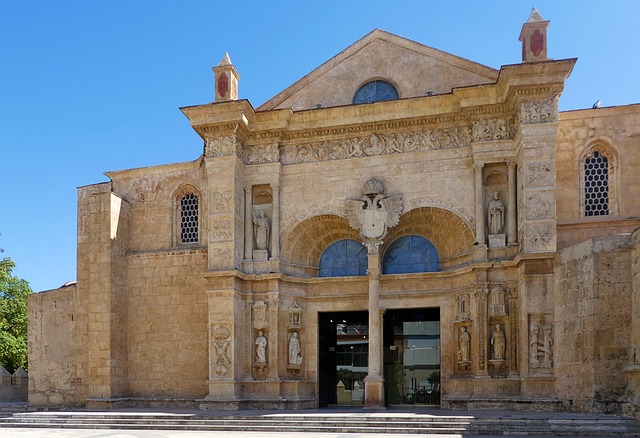
    • Catedral Primada de América — the first cathedral in the Americas

    • Alcázar de Colón — home of Diego Columbus, showcasing Gothic-Mudejar influences

    • Fortaleza Ozama — a medieval-style fortress guarding the Ozama River

    • Casa del Cordón — the oldest European-style house in the hemisphere

    Each building showcases a unique blend of Gothic, Renaissance, and Mudéjar design, creating a visual narrative of cultural convergence.

    The Transition to Neoclassical and Victorian Influences

    A Captivating Journey Through Dominican Republic Architecture

    As trade, migration, and cultural exchange increased in the 18th and 19th centuries, Dominican architecture diversified beyond its colonial origins.

    Neoclassical Elegance in Public Spaces

    Neoclassical architecture gained traction, especially after the Restoration War. Government buildings featured:

    • Grand columns

    • Triangular pediments

    • Perfect symmetry

    • Balconies and balustrades

    The National Palace remains one of the Dominican Republic’s most iconic neoclassical structures, symbolizing stability and progress.

    Victorian and Caribbean Vernacular Styles

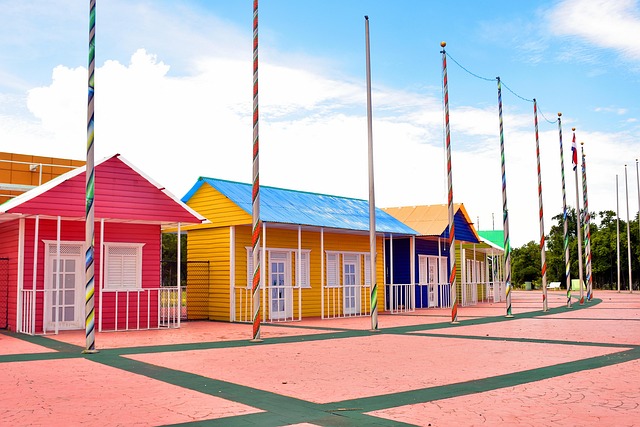
    In coastal towns like Puerto Plata, Victorian influences blended with local materials to create colorful wooden houses with:

    • Gingerbread trim

    • Wide verandas

    • Ornate lattices

    • Raised foundations to improve airflow

    This mix formed a distinct Caribbean-Victorian identity, both practical and visually striking.

    Modern Dominican Architecture — Identity and Innovation

    By the mid-20th century, the Dominican Republic entered a new design era where architects began defining a national aesthetic.

    The Trujillo Era and Monumental Architecture

    During the Trujillo regime, architecture became a tool for political symbolism. Massive structures such as the Faro a Colón (Columbus Lighthouse) sought to project power and national pride. Though controversial, these projects significantly shaped the urban landscape.

    Rise of Dominican Modernism

    After the 1960s, Dominican architects embraced clean lines, geometric forms, and climate-responsive design. While inspired by global trends like International Style Architecture, Dominican modernism incorporated:

    • Open floor plans

    • Cross-ventilation

    • Local stone

    • Brise-soleil screens

    • Courtyards and shaded terraces

    Architects like Guillermo González, known as the “father of Dominican modernism,” paved the way with notable projects such as Hotel Jaragua.

    Tropical Modernism and Caribbean Identity

    Contemporary Dominican architecture emphasizes harmony with nature, sustainability, and cultural expression. Newer buildings often feature:

    • Natural ventilation instead of heavy air-conditioning

    • Locally sourced wood and stone

    • Indoor-outdoor transitions

    • Minimalist lines with Caribbean warmth

    This aesthetic is seen in boutique hotels, beach villas, and eco-resorts across Punta Cana, Samaná, and Las Terrenas.

    How Climate Shapes Dominican Republic Architecture

    The tropical climate plays a major role in design. Instead of fighting heat and humidity, architects embrace natural ventilation and shading.

    Climate-Friendly Systems and Materials

    Common strategies include:

    • High ceilings to allow warm air to rise

    • Shaded verandas for outdoor living

    • Cross-ventilated rooms aligned with prevailing winds

    • Overhangs and pergolas to filter harsh sunlight

    Materials such as coral stone, bamboo, and palm wood not only look stunning but are naturally cooling.

    Hurricane-Resistant Construction

    Because the Dominican Republic faces tropical storms, resilience is key. Modern structures use:

    • Reinforced concrete frames

    • Impact-resistant windows

    • Consolidated roofing

    • Anchored foundations

    These features blend safety with aesthetics, ensuring buildings endure for generations.

    Resorts and Tourism — Modern Icons of Dominican Design

    Tourism heavily influences contemporary Dominican Republic architecture, driving innovation in hospitality design.

    Luxury Resorts with Caribbean Flair

    Resorts such as those in Punta Cana or Cap Cana combine:

    • Minimalist interiors

    • Natural textures like rattan and limestone

    • Infinity pools aligned with the horizon

    • Spa-inspired bathrooms

    • Dramatic A-frame or thatched palapas

    They create immersive, sensory environments where nature remains the star.

    Eco-Resorts and Sustainable Innovation

    Samaná and Las Terrenas lead the eco-tourism trend with:

    • Solar-powered energy

    • Rainwater harvesting

    • Natural ventilation

    • Locally made artisanal finishes

    This sustainable approach is now a major pillar of the Dominican design identity.

    Urban Transformation — The Evolution of Santo Domingo

    Dominican Republic Architecture

    Santo Domingo is a living laboratory for Dominican architecture, showcasing the country’s entire historical timeline.

    Colonial Zone to Contemporary Skyscrapers

    The city transitions seamlessly from cobblestone streets to modern business districts. Key developments include:

    • Blue Mall and modern retail complexes

    • Novo-Centro high-rises

    • Stylish business hotels and cultural centers

    • Redesigned waterfront areas with pedestrian-friendly spaces

    This urban mix reflects the country’s growing economy and design maturity.

    Public Spaces and Community Projects

    Modern public projects emphasize inclusivity and culture:

    • Revitalized parks

    • Artistic plazas

    • Waterfront promenades

    • Community centers with eco-conscious designs

    These spaces strengthen community identity and improve quality of life.

    Cultural Influences That Shape Dominican Architecture

    Dominican architecture is not only about materials and aesthetics — it also expresses cultural identity.

    African, Taíno, and Spanish Heritage

    Dominican culture draws from multiple roots, each adding layers to its architecture:

    • Taíno influence: natural materials, circular forms, open spaces

    • African heritage: vivid colors, communal layouts

    • Spanish tradition: stone structures, courtyards, arches

    This blend gives Dominican buildings a soul that feels both ancient and contemporary.

    Art, Music, and Local Craftsmanship

    Murals, handcrafted tiles, and wood carving bring creativity into everyday spaces. Homes, hotels, and public buildings often incorporate:

    • Dominican mahogany

    • Painted tiles

    • Woven palm materials

    • Sculptural accents

    These decorative touches reflect national pride and artistic heritage.

    The Future of Dominican Republic Architecture

    Dominican Republic Architecture: Influences from Colonial to Modern

    As global trends and local values intersect, the country is moving toward an era of sustainable innovation.

    The Next Phase — Eco-Urbanism

    Future designs emphasize:

    • Green roofs

    • Solar energy integration

    • Smart technology

    • Water-efficient landscapes

    • Walkable urban planning

    These principles are shaping new residential communities and commercial centers.

    Architects Leading the Way

    A new generation of Dominican architects is gaining international recognition for climate-resilient, culturally inspired design. They blend global trends with local identity, ensuring the country remains at the forefront of Caribbean architecture.

    Conclusion

    The story of Dominican Republic architecture is a vibrant journey through time — from colonial forts and cathedrals to modern eco-resorts and innovative urban spaces. Each era adds new texture to a landscape rich with cultural meaning. Moreover, as sustainability becomes a central priority, Dominican architecture continues to evolve in ways that respect both heritage and the natural environment.

    In short, the Dominican Republic offers one of the Caribbean’s most compelling architectural narratives — one that honors its past while boldly embracing the future.

    Read also: [The Rise of Caribbean Modernism]
    External link suggestion: Learn more about Dominican history on Wikipedia.

    FAQs

    1. What makes Dominican Republic architecture unique?

    Its blend of Spanish colonial, African, Taíno, Victorian, and modern influences creates a distinct identity shaped by culture and climate.

    2. Where can I see the best colonial architecture?

    Santo Domingo’s Colonial Zone offers the most complete collection, including cathedrals, fortresses, and early Spanish residences.

    3. What materials are commonly used in Dominican architecture?

    Coral stone, wood, concrete, terracotta tiles, palm thatch, and local limestone are widely used for durability and cooling.

    4. How does climate affect building design in the Dominican Republic?

    Designs prioritize natural ventilation, shading, and hurricane-resistant features to adapt to tropical conditions.

    5. Is modern architecture common in the Dominican Republic?

    Yes — major cities like Santo Domingo and resort areas feature contemporary buildings that blend innovation with tropical style.

  • Honduras Architecture: Cultural, Colonial & Modern Building Styles

    Honduras Architecture: Cultural, Colonial & Modern Building Styles

    Have you ever looked at a historic building and wondered what stories its walls could tell? Honduras architecture is exactly that — a living timeline carved into stone, adobe, and contemporary steel. From ancient Maya temples hidden in dense jungles to the pastel facades of colonial towns and the rising modern skylines, every structure reveals something about the soul of Honduras.

    Understanding the country’s architecture helps us appreciate its evolving culture, artistic identity, and the creativity of its people. In this guide, you’ll explore cultural origins, iconic Honduras buildings, colonial influences, and the modern styles transforming today’s cities. You’ll also discover how design in Honduras blends tradition with innovation — and why this unique architectural landscape is drawing attention worldwide.

    Read also: [Best Central American Travel Destinations]
    (Internal link suggestion)

    The Cultural Foundations of Honduras Architecture

    Honduras architecture began long before the arrival of Europeans. Its earliest designs are rooted in ancient Indigenous cultures that developed distinct styles based on environment, spiritual beliefs, and available materials.

    Maya Influence in Western Honduras

    The most well-known ancient structures in the country come from the Maya civilization, especially around the famed archaeological site Copán. These constructions were known for:

    • Stone temples and pyramids

    • Hieroglyphic staircases

    • Open ceremonial plazas

    • Ornamental carvings featuring gods, rulers, and animals

    Copán is often compared to the intellectual heart of the Maya world, demonstrating advanced urban planning and artistic refinement. Its buildings reveal a deep understanding of astronomy, mathematics, and sacred symbolism.

    Lenca and Other Indigenous Traditions

    Outside Maya regions, the Lenca, Pech, Miskito, and Tolupán contributed to architectural styles based primarily on natural materials. Common features included:

    • Adobe walls

    • Thatch or palm-leaf roofs

    • Circular or rectangular communal structures

    • Elevated wooden homes in coastal and rainforest regions

    These traditional designs emphasized sustainability — something modern architects in Honduras are embracing again today.

    Colonial Architecture in Honduras

    Honduras Architecture

    With the arrival of Spain in the 1500s, the region’s architectural identity changed dramatically. Spanish colonial influence introduced new concepts of space, religion, governance, and urban planning.

    Layout of Colonial Towns

    Most colonial towns followed a standardized pattern:

    1. Central plaza (the heart of civic life)

    2. Catholic church or cathedral facing the plaza

    3. Municipal buildings on the remaining sides

    4. Grid-style streets branching outward

    This design still defines cities such as Tegucigalpa, Comayagua, Gracias, and Santa Rosa de Copán.

    Colonial Churches and Religious Buildings

    Religious architecture from this period is among the most impressive in Honduras. Notable characteristics include:

    • White stucco or stone facades

    • Baroque and neoclassical detailing

    • Bell towers

    • Wooden doors with metal ornaments

    • Vaulted interiors with arched ceilings

    One of the most iconic examples is the Comayagua Cathedral, renowned for housing one of the oldest clocks in the Americas.

    Spanish Residential Architecture

    Colonial-era homes typically featured:

    • Thick adobe walls (ideal for heat control)

    • Interior courtyards with gardens

    • Red-tile roofs

    • Wooden balconies overlooking narrow streets

    These houses were not just homes but social spaces designed to stay cool in warm climates — a natural response to Honduras’s geography.

    Republican and Early 20th-Century Architecture

    As Honduras gained independence and moved into the 19th and early 20th centuries, architectural styles expanded with global trends.

    Neoclassical Public Buildings

    Many government buildings adopted neoclassical elements such as:

    • Grand columns

    • Symmetrical facades

    • Large stone staircases

    • Ornamental pediments

    These were symbols of progress, stability, and national identity.

    Wooden Caribbean-Inspired Architecture

    In coastal areas, especially La Ceiba, Tela, and Trujillo, you’ll find structures influenced by Caribbean and American design. They often feature:

    • Colorful wooden facades

    • Elevated foundations (protecting against moisture and flooding)

    • Wraparound porches

    • Ventilation designed for tropical climates

    These communities thrived during the early banana industry boom, leaving behind a distinct architectural legacy.

    Modern Honduras Architecture: A Blend of Function and Innovation

    honduras buildings

    Today, Honduras architecture is experiencing a creative resurgence. Architects are combining traditional elements with modern materials, sustainability principles, and bold aesthetics.

    Urban Growth in Tegucigalpa and San Pedro Sula

    The country’s two largest cities are rapidly modernizing. Recent architectural trends include:

    • Glass-and-steel corporate towers

    • Modern shopping centers

    • High-rise residential buildings

    • Innovative university campuses

    • Environmentally friendly office complexes

    These developments reflect Honduras’s growing economic sectors, from finance to technology.

    Rise of Sustainable Architecture

    Climate-responsive design is becoming essential, with architects using:

    • Solar panels

    • Natural ventilation

    • Green roofing

    • Locally sourced materials

    • Rainwater collection systems

    Many contemporary buildings incorporate Indigenous construction wisdom, especially in rural communities.

    Influence of Global Design Styles

    Modern designers in Honduras take inspiration from worldwide trends, including:

    • Minimalism

    • Tropical modernism

    • Brutalism

    • Art Deco (especially in older Tegucigalpa districts)

    The country also has examples of the sleek, functional International Style Architecture, especially in mid-century office buildings.

    Iconic Honduras Buildings Worth Knowing

    Honduras offers a mix of historical and contemporary icons that showcase its architectural evolution.

    Copán Ruins (Copán Ruinas)

    A UNESCO World Heritage site, known for:

    • The Hieroglyphic Stairway

    • The Acropolis

    • The Ball Court

    • Masterful stone sculptures

    It’s one of the most studied Maya sites in the world.

    Comayagua Cathedral

    This colonial masterpiece features one of the oldest working clocks on the continent. Its architecture blends baroque and neoclassical styles in a striking white facade.

    Basilica of Suyapa (Tegucigalpa)

    A national religious landmark with modern design elements and a massive interior dedicated to the Virgin of Suyapa.

    Government Civic Centers

    Buildings like the Centro Cívico Gubernamental display contemporary style through glass, steel, and open public spaces.

    Caribbean-Style Wooden Houses (North Coast)

    Unique for their:

    • Raised floors

    • Wide verandas

    • Wooden shutters

    • Bright colors

    These structures reflect the multicultural identity of coastal Honduras.

    Cultural Symbolism in Honduras Architecture

    Honduras buildings

    Every era of building in Honduras includes symbolic elements tied to identity, heritage, and daily life.

    Indigenous Symbolism

    Common motifs include:

    • Birds

    • Jaguars

    • Geometric patterns

    • Astronomical symbols

    These appear in both ancient structures and revived modern designs.

    Spanish Artistic Influence

    Colonial architecture is rich with:

    • Catholic symbolism

    • European baroque motifs

    • Painted religious murals

    Many churches preserve original 16th–18th century art.

    Modern Artistic Expressions

    Urban murals, sculptural facades, and mixed-material buildings reflect Honduras’s contemporary creativity and cultural pride.

    How Climate Shapes Honduras Building Styles

    The country’s geography plays a significant role in architectural decisions.

    Warm Lowlands

    Builders focus on:

    • Natural ventilation

    • Raised floors

    • Light materials (wood, bamboo, palm)

    • Tall windows

    Cooler Highlands

    Homes often use:

    • Adobe or brick

    • Stone foundations

    • Thick walls for insulation

    • Compact layouts for heat retention

    Rainy Caribbean Coast

    Architects design buildings to handle heavy rainfall and humidity with:

    • Sloped roofs

    • Elevated walkways

    • Water-resistant materials

    This ensures long-term durability.

    The Future of Architecture in Honduras

    With growing interest from investors, designers, and sustainability advocates, Honduras’s architectural future looks promising.

    Smart Urban Planning

    Cities are adopting sustainable urban planning focused on:

    • Public transportation

    • Walkable districts

    • Green public spaces

    Sustainable Tourism Architecture

    Eco-lodges and forest retreats use:

    • Bamboo construction

    • Solar systems

    • Natural lighting

    • Rainwater harvesting

    These structures attract global travelers seeking environmentally responsible experiences.

    Digital Design Tools

    Younger architects are using:

    • 3D modeling

    • Drone mapping

    • Digital fabrication

    • Virtual reality

    This allows more efficient project planning and innovative structures.

    External link suggestion: Read more about Honduras’s history on Wikipedia (Honduras page).

    Conclusion

    Honduras architecture is a reflection of the country’s identity — ancient, colonial, diverse, and forward-looking. From Maya temples to colonial plazas and sleek modern towers, each building tells a story of resilience, creativity, and transformation. As the nation embraces sustainability and innovation, its architectural landscape is poised to gain even more global recognition. In short, the buildings of Honduras are more than structures; they’re expressions of a vibrant culture shaped by time, people, and place.

    FAQs

    1. What makes Honduras architecture unique?

    It combines Indigenous, colonial, Caribbean, and modern influences, creating a richly layered architectural identity unlike any other in Central America.

    2. Where can I find the best examples of colonial architecture in Honduras?

    Cities like Comayagua, Gracias, Santa Rosa de Copán, and parts of Tegucigalpa offer well-preserved colonial buildings and churches.

    3. What are some famous Honduras buildings to visit?

    The Copán Ruins, Comayagua Cathedral, Basilica of Suyapa, and Caribbean wooden houses are among the most iconic.

    4. How is modern architecture developing in Honduras?

    Major cities now feature high-rise buildings, sustainable projects, and innovative urban developments driven by young architects.

    5. Does climate influence design in Honduras?

    Yes. Architects use ventilation, insulation, and adaptive materials to create climate-responsive homes across tropical, highland, and coastal regions.

  • Japanese vs Chinese Architecture: Differences, History & Design Elements

    Japanese vs Chinese Architecture: Differences, History & Design Elements

    Have you ever looked at an ancient temple or imperial palace and wondered whether its style was Japanese or Chinese? Although the two cultures share threads of history and aesthetics, the difference between Chinese and Japanese architecture becomes clear when you understand their philosophies, materials, and symbolic elements.

    The comparison of Japanese vs Chinese Architecture is more than a visual study—it’s a window into how two civilizations interpreted nature, power, and spirituality. In this guide, you’ll learn the historical evolution of each style, how their structures differ, which materials they favor, and what makes their cultural identities unique. Whether you’re studying design, planning travel, or simply curious, this complete breakdown will give you expert insight into chinese vs japanese architecture.

    A Brief Historical Background of Both Architectural Traditions

    Understanding the origins of japanese architecture vs chinese architecture helps explain why they look so different today. While both civilizations exchanged ideas for centuries, each developed a unique identity shaped by climate, religion, and governance.

    The Roots of Chinese Architecture

    Chinese architecture is one of the world’s oldest continuous building traditions. Its foundations were established during the Zhou and Han dynasties and later refined in the Tang and Song periods. Several characteristics define its evolution:

    • Centralized imperial power influenced symmetrical layouts.

    • Confucian principles shaped strict hierarchy in building design.

    • Feng shui guided directional orientation and spatial harmony.

    • Decorative symbolism expressed status, fortune, and tradition.

    The result? Monumental, colorful, and meticulously structured designs that emphasized authority and cosmic order.

    The Origins of Japanese Architecture

    Japanese architecture developed through Shinto beliefs, local craftsmanship, and a deep respect for nature. While Chinese influence entered Japan through Buddhism in the 6th century, the Japanese adapted rather than copied. Key influences include:

    • Shinto spirituality, emphasizing purity and natural materials.

    • Buddhist temple design, imported through Korea and China.

    • Climate-driven choices, such as raised floors and open-air spaces.

    • Aesthetic philosophies like wabi-sabi, appreciating simplicity and imperfection.

    Japan’s architectural identity became minimalist, humble, and deeply integrated with its natural surroundings.

    Key Differences in Design Philosophy

    chinese vs japanese architecture

    At the heart of japanese vs chinese architecture are contrasting worldviews.

    Chinese Architecture: Grandeur, Hierarchy, and Symbolism

    Chinese design centers on visual power. Structures are meant to impress, represent stability, and reflect cosmic alignment. Hallmarks include:

    • Bold colors and ornate patterns

    • Elaborate roof structures with sweeping curves

    • Strict symmetry in palaces and temples

    • Heavy use of symbolism (dragons, phoenixes, imperial motifs)

    This architecture reflects a civilization where centralized power and social hierarchy influenced every detail.

    Japanese Architecture: Simplicity, Nature, and Flexibility

    Japanese buildings celebrate subtle beauty and environmental harmony. They emphasize:

    • Neutral, organic materials (wood, bamboo, paper)

    • Lightness and openness rather than monumentality

    • Modularity, allowing spaces to change function

    • Minimal ornamentation and clean lines

    Rather than convey authority, Japanese design nurtures calm, introspection, and a close relationship with nature.

    Visual and Structural Differences Between the Two Styles

    chinese architecture vs japanese architecture

    Here is where chinese architecture vs japanese architecture becomes especially easy to distinguish.

    Roof Structure and Shape

    Chinese Roofs

    • Highly curved, upturned eaves

    • Multiple tiers (especially on palaces and temples)

    • Brightly painted beams

    • Decorative figurines lining the ridges

    These roofs symbolize wealth, power, and divine protection.

    Japanese Roofs

    • Gentle curves or mostly straight lines

    • Simpler eaves

    • Natural wood left exposed

    • Thatched, shingled, or tiled finishes

    Japanese roofs emphasize functionality and understated beauty.

    Use of Color

    Chinese Architecture

    Chinese buildings are visually striking, using:

    • Red pillars (symbolizing prosperity)

    • Yellow glazed tiles (imperial authority)

    • Blue-green detailing (cosmic harmony)

    Colors were not just decorative—they carried political and spiritual meaning.

    Japanese Architecture

    Japanese design favors:

    • Natural wood tones

    • Muted earthy palettes

    • Limited use of bright colors

    • Occasional vermilion accents in Shinto shrines

    The goal is peaceful minimalism, not grandeur.

    Materials and Construction Techniques

    Chinese Materials

    • Stone bases

    • Heavy timber frames

    • Fired clay tiles

    • Decorative lacquer

    • Sculptural stone and ceramic elements

    Durability and ornamentation take center stage.

    Japanese Materials

    • Lightweight timber

    • Paper (shoji screens)

    • Bamboo

    • Tatami mats

    • Plastered earthen walls

    Flexibility and connection to nature are priorities.

    Floor Plan Design

    Chinese Architecture

    • Highly symmetrical

    • Courtyard-based compounds

    • Strict hierarchical zoning

    • Fixed room functions

    The Forbidden City is the ultimate example.

    Japanese Architecture

    • Asymmetry preferred

    • Modular spaces using sliding doors

    • Multi-function rooms

    • Open interiors with fluid flow

    The layout adapts to seasons, usage, and light.

    Religious and Spiritual Influences

    Both nations were influenced by Buddhism, but their interpretations differ.

    Buddhism in China

    Chinese Buddhist architecture introduced:

    • Grand temple complexes

    • Pagodas symbolizing sacred relics

    • Heavy ornamentation

    • Symmetry that mirrors cosmic order

    Temples were often large, ceremonial, and richly decorated.

    Buddhism in Japan

    Japanese Buddhists adapted Chinese ideas into:

    • Wooden temples with natural finishes

    • Simpler ornamentation

    • Zen monasteries emphasizing emptiness and contemplation

    • Gardens designed for meditation

    The Zen garden is a perfect example of Japanese spiritual minimalism.

    Japanese vs Chinese Architecture in Modern Times

    japanese architecture vs chinese

    Both nations continue to evolve while honoring tradition.

    Modern Chinese Architecture

    China blends ancient designs with global trends:

    • Skyscrapers inspired by futuristic geometry

    • Cultural landmarks maintaining traditional roofs

    • Urban planning reflecting old courtyard concepts

    • Incorporation of International Style Architecture in major cities

    The skyline of Shanghai is a perfect intersection of past and future.

    Modern Japanese Architecture

    Japan leads in innovative, minimalist design:

    • Earthquake-resistant wooden structures

    • Futuristic residential homes

    • Zen-inspired public buildings

    • Use of glass, steel, and natural light

    Japanese architects like Tadao Ando and Kengo Kuma embrace modernity without abandoning nature.

    Side-by-Side Comparison Chart

    Here’s a quick look at japanese architecture vs chinese in a simple format:

    Feature Chinese Architecture Japanese Architecture
    Philosophy Power, symmetry, cosmic order Nature, simplicity, flexibility
    Materials Stone, lacquered wood, clay tiles Wood, bamboo, paper, tatami
    Color Bright reds, golds, greens Natural tones, minimal color
    Roofs Curved, layered, ornate Straight or slightly curved, simple
    Layouts Symmetrical, hierarchical Flexible, modular
    Symbolism Dragons, phoenixes, imperial motifs Nature, purity, subtle aesthetics

    Why These Differences Matter Today

    difference between chinese and japanese architecture

    The contrast between Japanese vs Chinese Architecture isn’t only academic—it influences:

    • Modern home design

    • Cultural tourism

    • Sustainable architecture trends

    • Urban planning

    • Art and interior design

    Moreover, understanding these differences helps us appreciate the cultural stories behind every pagoda, temple, and garden.

    Conclusion

    In studying Japanese vs Chinese Architecture, we uncover two civilizations that developed distinct architectural languages. Chinese architecture emphasizes symmetry, grandeur, and symbolism, reflecting imperial power and cosmic order. Japanese architecture, however, values subtlety, natural materials, and flexibility shaped by spiritual beliefs and environmental needs.

    Both traditions remain deeply influential worldwide. Whether you’re designing a modern home, exploring ancient temples, or simply appreciating cultural beauty, these architectural insights create a richer understanding of East Asian history.

    FAQs (People Also Ask Style)

    1. What is the main difference between Chinese and Japanese architecture?

    Chinese architecture is grand, colorful, and symmetrical, while Japanese architecture is minimalist, natural, and flexible in layout.

    2. How can you tell if a temple is Japanese or Chinese?

    Check the roof: Chinese temples have ornate curved roofs with bright colors, while Japanese temples use simpler wooden structures with natural tones.

    3. Why are Japanese buildings mostly wooden?

    Japan’s climate, earthquakes, and Shinto beliefs favor lightweight, natural materials that can be rebuilt or repaired easily.

    4. Did Japanese architecture come from China?

    Japan adopted early Buddhist influences from China but adapted them into its own minimalist and nature-focused style.

    5. Which style is older: Chinese or Japanese architecture?

    Chinese architecture is significantly older, dating back over 3,000 years, while Japanese architecture developed later with its own distinct identity.