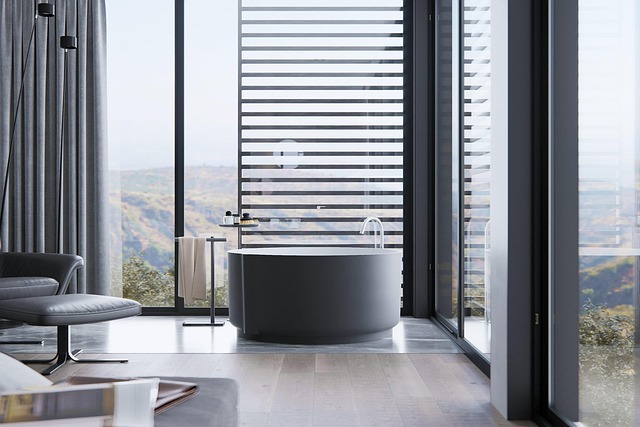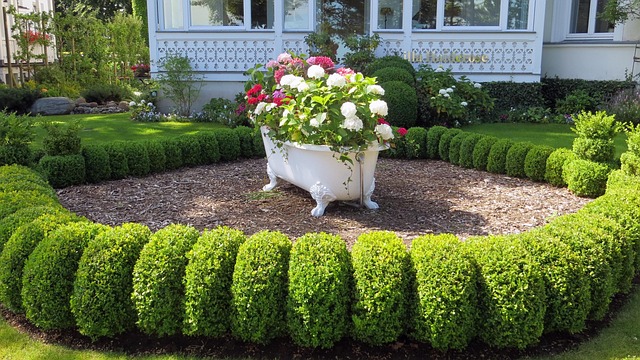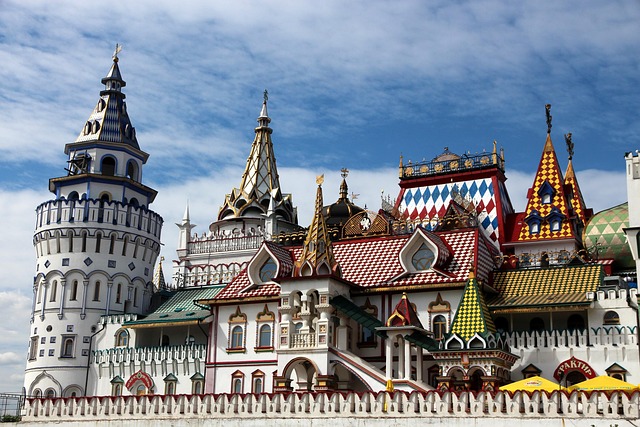
Author: fsedghi75

  • Russian Architecture: Homes, Buildings & Modern Housing Trends

    Russian Architecture: Homes, Buildings & Modern Housing Trends

    What makes Russian Architecture so instantly recognizable — and so deeply captivating? Whether it’s the fairytale-like onion domes of Saint Basil’s Cathedral or the geometric precision of Soviet modernism, Russia’s buildings tell powerful stories of culture, politics, and artistic ambition.

    Today, Russian design goes far beyond its historic masterpieces. From eco-friendly homes to minimalist apartment blocks, modern Russian houses reflect a new wave of innovation shaped by global influences and local traditions.

    In this article, you’ll discover how Russian architectural styles developed, the features that make its buildings unique, and the trends defining Russia’s housing market today. You’ll also see how classical and contemporary elements blend together, shaping the future of Russian building design.

    The Deep Roots of Russian Architecture

    Russian architecture didn’t emerge overnight. It evolved over centuries, absorbing influences from Byzantium, Europe, Asia, and later, the Soviet Union. Each era left a signature that still appears in Russian building designs today.

    Byzantine Beginnings (10th–13th Century)

    Early Russia adopted Christianity from Byzantium, which shaped the first stone churches. Key features included:

    • Rounded arches

    • Cross-in-square layouts

    • Massive domes

    • Frescoed interiors

    These structures symbolized spiritual power and political unity.

    The Rise of Iconic Onion Domes

    The onion-shaped dome is one of the most distinctive architectural symbols of Russia. While historians debate its origins, most agree it evolved to withstand heavy snowfall and became a national stylistic identity.

    Famous example: Saint Basil’s Cathedral — a masterpiece of color, geometry, and symbolism.

    Medieval & Imperial Era Brilliance

    Russian Architecture: Homes, Buildings & Modern Housing Trends

    From the 14th to 19th centuries, Russia experienced rapid expansion, increased foreign influence, and architectural rebirth.

    The Golden Age of Wooden Houses

    Traditional wooden izbas were made from horizontally stacked logs, using no nails. Their charm influences modern Russian houses today through:

    • Natural materials

    • Gabled roofs

    • Ornate window frames (nalichniki)

    Baroque and Neoclassical Influence

    Peter the Great’s reforms transformed Russian cities. As he opened Russia to Europe, new styles emerged:

    • Petrine Baroque — slim columns, decorative facades

    • Elizabethan Baroque — rich ornamentation (e.g., Winter Palace)

    • Neoclassicism — symmetry, white columns, palace-like homes

    Saint Petersburg became the crown jewel of European-inspired design.

    Soviet Architecture and Its Impact on Modern Russia

    No study of Russian Architecture is complete without understanding the Soviet era (1917–1991). The USSR reshaped the country’s cities, infrastructure, and residential landscapes.

    Constructivism (1920s–1930s)

    Constructivism embraced industrial aesthetics and social purpose. Its features include:

    • Sharp angles

    • Exposed materials

    • Functional layouts

    One notable example is the Shukhov Tower, admired worldwide for engineering excellence.

    Stalinist Empire Style (1930s–1950s)

    Stalin’s skyscrapers, known as the “Seven Sisters,” combined Russian ornament with American high-rise form. This style promoted:

    • Grandeur

    • Heavy decoration

    • Symbolic strength

    Khrushchyovkas and Mass Housing (1950s–1990s)

    The post-war era focused on practicality. The USSR built millions of prefabricated apartments:

    • Simple rectangular blocks

    • Thin walls, small kitchens

    • Affordable and quick to build

    Though criticized, they housed an entire generation and still dominate many Russian cities.

    Modern Russian Houses and Today’s Architectural Trends
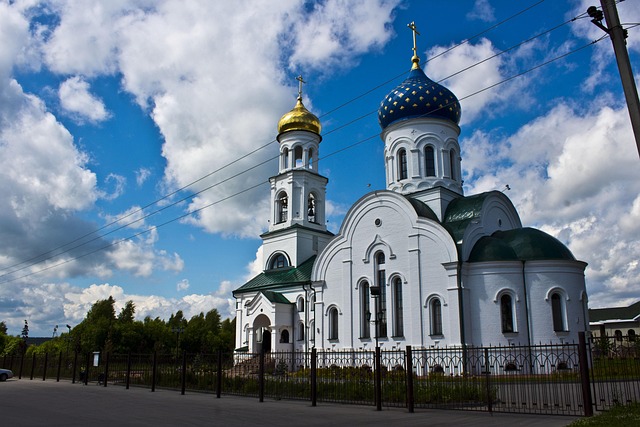
    russian building

    Russia’s contemporary design scene is vibrant and diverse. Today’s trends combine functionality, aesthetics, sustainability, and cultural identity.

    Trend 1 — Scandinavian Minimalism Meets Russian Functionality

    Modern homeowners favor:

    • Open floor plans

    • Light wood interiors

    • Large panoramic windows

    • Neutral color palettes

    This blend is popular in suburban cottages and city apartments alike.

    Trend 2 — Eco-Friendly Architecture

    Sustainability is rising in popularity. Key features include:

    • Energy-efficient insulation

    • Recycled wood

    • Green roofs

    • Smart home technologies

    Eco-dachas (eco-friendly country homes) are especially trendy among young families.

    Trend 3 — Revival of Traditional Craftsmanship

    Architects are reintroducing classic Russian elements in modernized ways:

    • decorative wooden trims

    • steep gabled roofs

    • colored tiles

    • mixed-material facades

    This “new traditionalism” makes modern Russian houses feel both nostalgic and contemporary.

    Trend 4 — High-Tech Urban Apartments

    In major cities like Moscow and Saint Petersburg, buyers demand:

    • compact yet efficient layouts

    • integrated smart home systems

    • natural lighting

    • modern communal amenities

    These apartments often contrast older Soviet-era buildings nearby, creating a dynamic urban landscape.

    Key Features That Make Russian Buildings Unique

    1. Weather-Adaptive Design

    Russia’s harsh climate shaped the architecture:

    • Insulated walls

    • High-pitched roofs

    • Double-glazed windows

    The focus is always on durability and comfort.

    2. Bold Use of Color

    From bright cathedrals to pastel palaces, color expresses cultural richness. Even modern designs play with bold contrasts and natural tones.

    3. Monumental Scale

    Many Russian buildings — both imperial and Soviet — were intended to awe or symbolize power.

    4. Deep Symbolism

    Russian architecture often reflects cultural narratives:

    • domes symbolize heaven

    • Geometric shapes represent harmony

    • ornamentation conveys folklore

    This symbolism appears even in some modern Russian houses today.

    Russia’s Place in Global Architecture Today
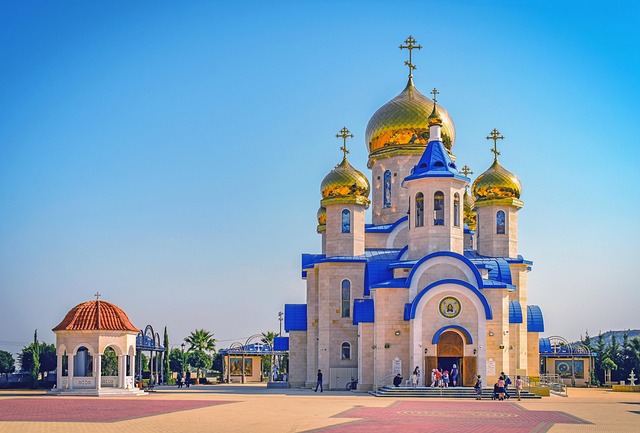
    modern russian houses

    Influence & Innovation

    Russia contributes to global design through:

    • engineering innovations

    • avant-garde concepts

    • heritage preservation

    Architects frequently merge old and new, creating a distinctive design identity admired worldwide.

    International Style Architecture in Russia

    Though Russia developed strong domestic styles, the country briefly explored International Style Architecture, especially during the 1960s–1980s, when global modernism influenced Soviet buildings.

    Rising Popularity in Global Media & Tourism

    Russian buildings frequently appear in design magazines, travel documentaries, and architectural conferences. Structures like the Zaryadye Park Concert Hall and New Tretyakov Gallery showcase Russia’s modern creativity.

    The Future of Russian Architecture

    Looking ahead, several trends are expected to shape the next decade:

    Digital and Parametric Design

    Architects increasingly use AI tools, 3D modeling, and parametric software to create futuristic forms.

    Green Cities and Smart Infrastructure

    Russia plans to integrate:

    • more green public spaces

    • electric transport infrastructure

    • eco-focused urban planning

    Hybrid Materials

    New building techniques combine:

    • glass

    • metal

    • laminated wood

    • modular blocks

    The goal is efficiency, durability, and artistic freedom.

    Conclusion

    Russian Architecture is a vast, evolving story — one filled with dramatic contrasts, cultural depth, and enduring creativity. From medieval wooden homes to soaring Soviet skyscrapers and sleek contemporary cottages, Russia’s buildings reflect its history, aspirations, and identity.

    As modernization accelerates, architects blend tradition with innovation, creating modern Russian houses and urban developments that inspire designers worldwide. In short, Russian architecture stands at a powerful intersection of heritage and progress — and its next chapter is just beginning.

    FAQs (People Also Ask Style)

    1. What makes Russian architecture unique?

    Its mix of Byzantine, medieval, Soviet, and modern influences creates a stylistic diversity unlike anywhere else in the world.

    2. Why do Russian buildings have onion domes?

    They evolved from Byzantine designs and may have been shaped to prevent snow accumulation while symbolizing spiritual ascension.

    3. What are modern Russian houses like today?

    They often blend minimalism, natural materials, smart home tech, and traditional decorative elements.

    4. How did the Soviet Union influence Russian building styles?

    From mass housing to monumental Stalinist towers, Soviet architecture shaped the layout and skyline of nearly every Russian city.

    5. Is Russian architecture inspired by Europe?

    Yes. Especially during the imperial era, Russia adopted Baroque and Neoclassical features, particularly in Saint Petersburg.
  • Greek House Architecture Today: Modern Styles & Features

    Greek House Architecture Today: Modern Styles & Features

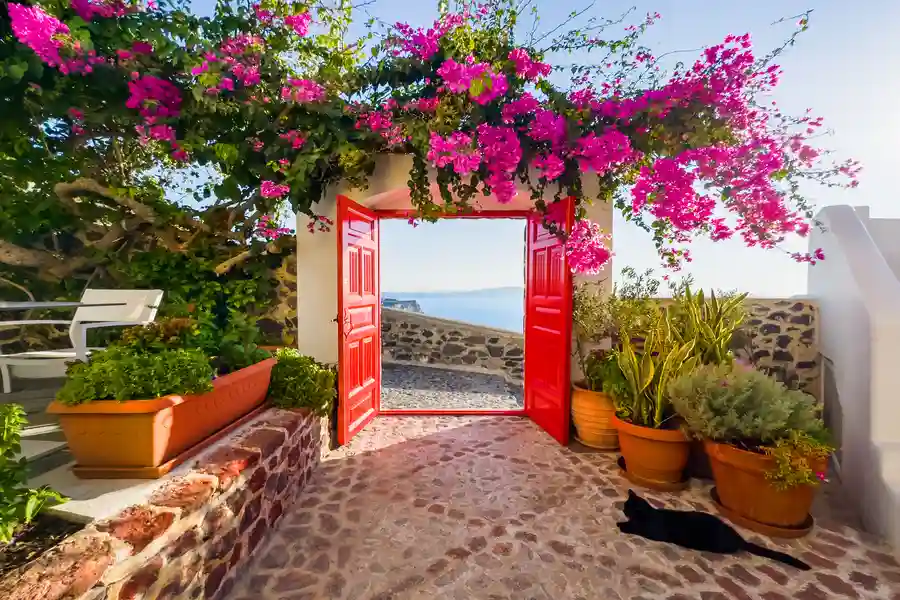
    What comes to mind when you picture a Greek home—white walls, blue shutters, stone courtyards, or sunlit terraces overlooking the sea? Greek house architecture has captivated the world for centuries because it blends simplicity, climate-smart design, and cultural symbolism. Whether you’re renovating a home, building from scratch, or simply intrigued by architectural history, understanding Greek residential design offers a rare blend of inspiration and practicality.

    In this guide, you’ll explore how Greek homes evolved, what defines their structure, and how modern architects reinterpret traditional Greek house design without losing its soul. We’ll also look at materials, colors, layouts, sustainability, and how these homes influence global architecture—right down to trends seen in today’s luxury villas.

    Read also: [Related Topic]

    A Brief History of Greek House Architecture

    Greek residential design goes back thousands of years, shaped by climate, lifestyle, politics, and island geography. Although ancient temples often get the spotlight, everyday homes played an equally important role in shaping architectural identity.

    From Ancient Foundations to Cycladic Legends

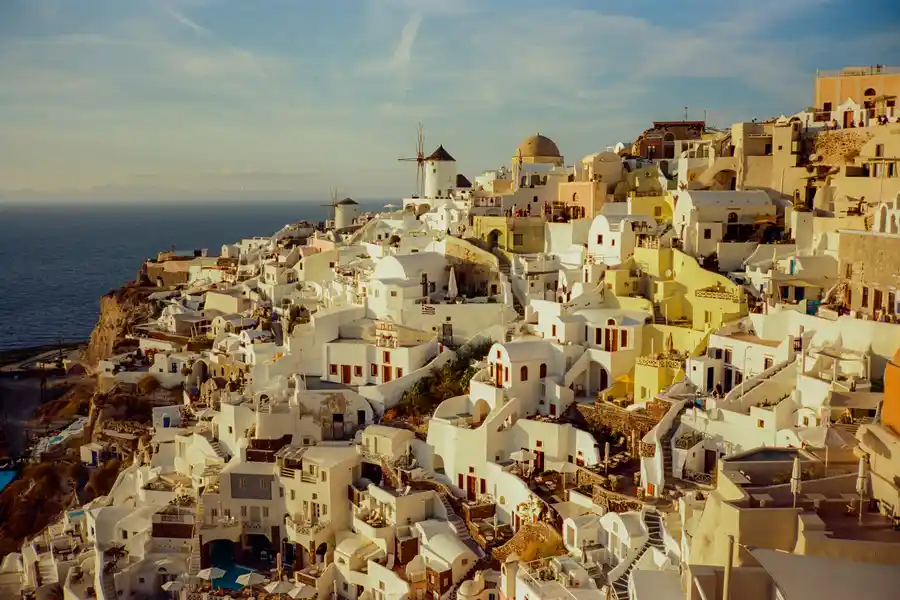
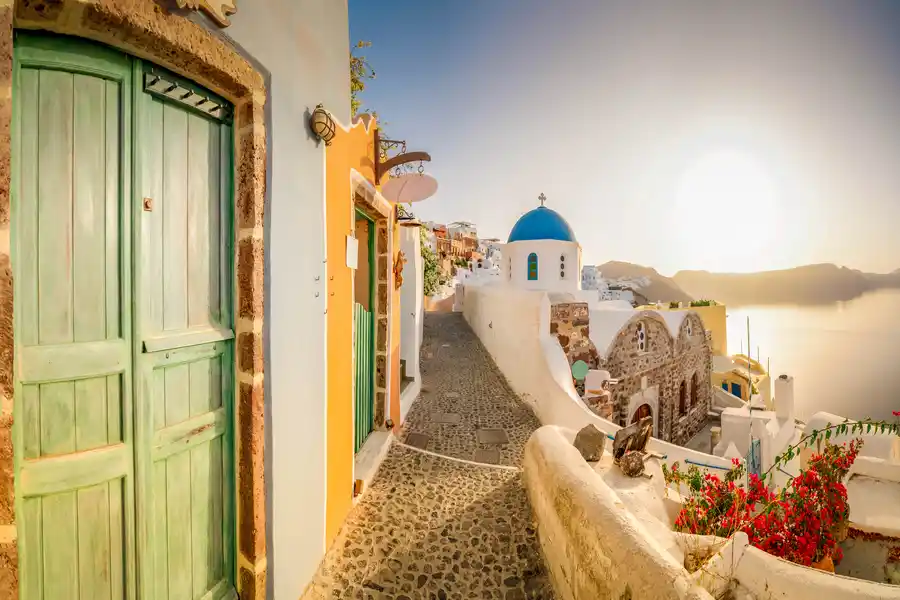
    Early Greek homes were simple—rectangular floor plans, clay-brick walls, and inner courtyards. Over time, island regions like Santorini, Mykonos, and Naxos developed their own signature look:

    • Whitewashed exterior to reflect intense sunlight 
    • Blue-painted woodwork inspired by the sea 
    • Flat roofs to collect rainwater 
    • Thick stone walls offering natural insulation 

    These design principles were practical yet beautiful, proving that good architecture always responds to its environment.

    Urban Evolution in the 20th Century

    As Greek cities expanded, architects blended local tradition with European modernism. Minimalist geometry, reinforced concrete, and open floor plans entered the scene—sometimes inspired by movements like International Style Architecture, which favored clean lines and functionality.

    Key Features That Define Greek House Architecture

    Greek House Architecture Today

    1. Whitewashed Walls: Beauty with Purpose

    Those iconic white walls aren’t just for aesthetics. Traditionally, limewash acted as a cooling agent and natural disinfectant. Today, eco-friendly paints keep the tradition alive while offering long-lasting durability.

    2. Courtyards and Outdoor Living

    Greek homes blur the boundary between inside and outside. Courtyards, shady terraces, and rooftop spaces remain essential because they:

    • Provide natural ventilation 
    • Create gathering spots for family and friends 
    • Capture breezes in hot climates 

    3. Stone, Wood & Earth: Materials That Last

    The Greek landscape heavily influences building materials:

    • Local stone for structural strength 
    • Timber and olive wood for beams and shutters 
    • Clay tiles for flooring 
    • Lime mortar for environmentally friendly construction 

    These materials create a home that is both enduring and naturally climate-adaptive.

    4. Small Windows, Deep Shadows

    To reduce heat, Greek houses traditionally use small openings and deep-set windows. This creates dramatic shadows that define the architectural aesthetic.

    5. Blue Accents and Symbolic Colors

    While white dominates, deep blues and earthy browns provide contrast. Symbolically, blue was believed to ward off negative energy—hence the popularity of blue doors and shutters.

    Modern Greek House Design: A Blend of Past & Future

    greek house architecture

    Today’s architects embrace the minimalist roots of Greek design but introduce modern conveniences. The result is a perfect blend of timeless elegance and contemporary comfort.

    What Modern Greek Homes Look Like Today

    Contemporary Greek homes maintain traditional simplicity while integrating luxury finishes, sustainable materials, and open-concept layouts.

    Minimalist Geometry with Natural Textures

    Modern Greek houses often feature:

    • Clean, cubist shapes 
    • Expansive glass walls 
    • Seamless indoor–outdoor flow 
    • Natural stone cladding 
    • Polished concrete floors 

    The combination feels both sophisticated and grounded.

    Eco-Friendly and Sustainable Features

    Sustainability is a major influence in modern Greek house architecture. Common features include:

    • Solar panels for energy efficiency 
    • Rainwater collection systems 
    • Green roofs and walls 
    • Locally sourced construction materials 
    • Natural cross-ventilation systems 

    These design elements prove that traditional wisdom aligns naturally with modern eco-consciousness.

    Cycladic vs. Mainland Greek House Architecture: A Comparison

    Cycladic Homes (Islands like Santorini & Mykonos)

    Cycladic homes are arguably the most iconic in the world. They include:

    • Whitewashed cubic forms 
    • Rounded edges shaped by strong winds 
    • Narrow pathways creating shade 
    • Terraced roofs are used for social activities 

    They’re instantly recognizable and remain a hallmark of Greek identity.

    Mainland Homes (Athens, Thessaloniki, Peloponnese)

    Mainland architecture tends to be more diverse due to varying climates.

    Typical features include:

    • Terracotta roof tiles 
    • Stone masonry walls 
    • Larger windows 
    • Decorative balconies 
    • Neoclassical influences in urban areas 

    While less simplistic than the Cycladic style, mainland homes carry a rich architectural lineage.

    Read more: Greek Style House

    Why Greek House Architecture Inspires Global Design Trends

    From California to Bali, luxury villas and eco-resorts borrow heavily from Greek architectural principles. Why?

    1. Timeless Minimalism

    Greek design focuses on simplicity and purpose—two pillars of modern architecture.

    2. Climate-Smart Construction

    Passive cooling and natural materials make Greek homes environmentally sustainable.

    3. Serenity and Aesthetics

    The calm color palette, organic forms, and balanced geometry evoke relaxation—making them ideal for modern retreats.

    4. Symbolism and Cultural Depth

    Unlike generic minimalist styles, Greek design carries heritage, mythology, and centuries of lived tradition.

    (External link suggestion: Learn more about Greek architecture on Wikipedia.)

    Elements of Traditional Greek House Design That Remain Popular

    greek house design

    Even in ultra-modern villas, many traditional Greek house design elements still appear:

    • Stone walls that age beautifully 
    • Arched doorways adding softness 
    • Wooden shutters as decorative and functional elements 
    • Pebbled courtyards for texture 
    • Built-in furniture like sofas and beds made of stone or concrete 

    These features maintain cultural authenticity while fitting modern lifestyles.

    How to Incorporate Greek House Architecture in Modern Homes

    You don’t need to live in Greece to enjoy Greek-inspired design.

    Practical Ideas for Homeowners

    Use a White and Blue Palette

    Adopt the Mediterranean palette for walls, furniture, or outdoor spaces.

    Add Natural Materials

    Use stone, wood, terracotta, and lime-based paints for an authentic touch.

    Build a Courtyard or Terrace Space

    Create a shaded outdoor area with vines or wooden pergolas.

    Simplify Your Layout

    Greek homes prioritize flow and openness. Remove clutter and keep lines clean.

    Architectural Trends Shaping Greek Homes Today

    Modern Greek architecture embraces bold experimentation.

    Subterranean Homes

    On islands with strict environmental rules, architects build partially underground homes that blend seamlessly with the landscape.

    Glass-and-Stone Villas

    These high-end homes combine panoramic glazing with rugged stone exteriors.

    Smart Home Technology

    Automation systems manage lighting, temperature, and security—integrating ancient aesthetics with futuristic convenience.

    Conclusion

    Greek house architecture remains one of the world’s most admired design traditions because it balances practicality, beauty, and environmental sensitivity. From ancient stone homes to modern eco-villas, Greek design proves that simplicity and harmony never go out of style. Whether you’re building new or renovating, incorporating Greek elements can bring timeless elegance, natural comfort, and a sense of Mediterranean serenity to any space.

    FAQs (People Also Ask Style)

    1. What makes Greek house architecture unique?

    Its blend of minimalism, climate-smart features, and cultural symbolism makes Greek design both functional and beautiful.

    2. Why are Greek houses painted white?

    White walls reflect sunlight, helping keep homes cool during the intense Mediterranean summer.

    3. What materials are commonly used in Greek house design?

    Stone, wood, lime plaster, terracotta, and natural paints dominate both traditional and modern homes.

    4. Are modern Greek homes still traditional?

    Many modern homes blend minimalism with traditional materials and forms, preserving cultural character.

    5. Can I use Greek design elements in any climate?

    Yes. Features like natural materials, neutral colors, and open layouts work well in most climates.

  • Greek Style House Ideas for a Classic Mediterranean Look

    Greek Style House Ideas for a Classic Mediterranean Look

    Have you ever dreamed of living in a home that feels like a sun-kissed escape along the Aegean Sea? A Greek Style House brings that dream to life with its iconic white walls, calming blue accents, and beautifully balanced proportions. This timeless aesthetic blends harmony, simplicity, and elegance—qualities that have captivated architects for centuries.

    In this article, you’ll explore the key elements of Greek style homes, design tips for modern living, signature architectural features, and fresh ideas to help you create a space inspired by the Mediterranean lifestyle. Whether you’re renovating, building, or simply daydreaming, you’ll find practical insights to express classic Greek beauty in your home.

    Timeless Characteristics of a Greek Style House

    1. Whitewashed Simplicity and Clean Geometry

    The first thing people associate with Greek architecture is the striking whitewashed exterior. These bright facades don’t just look beautiful—they reflect sunlight, keeping homes cool in warm climates.

    Why It Works

    • Enhances natural light

    • Keeps the space feeling clean and open

    • Serves as the perfect canvas for bold accents

    Design Tip:

    Use lime-based paints when possible for an authentic matte texture that mirrors traditional Greek construction.

    2. Blue Accents Inspired by the Aegean Sea

    White may be the foundation of a Greek style home, but blue completes the Mediterranean palette. From deep cobalt shutters to turquoise doors, these cool tones reflect the sea and sky.

    Where to Use Blue Accents

    • Window frames and shutters

    • Front doors

    • Pergolas and railings

    • Decorative ceramics

    • Textiles and throw pillows

    This color pairing gives modern Greek houses a crisp and refreshing charm.

    3. Natural Stone and Organic Textures

    Greek architecture celebrates nature’s raw beauty. Stone is often integrated into outdoor patios, flooring, and accent walls, giving depth and character to otherwise minimalist forms.

    Common Materials

    • Limestone

    • Marble

    • Travertine

    • Terracotta

    These natural elements bring warmth and authenticity, balancing the clean lines of a Greek style modern Greek house.

    Architectural Elements That Define Greek Style Homes

    greek style home

    4. Columns and Symmetry

    One of the most iconic features in Greek architecture is the use of columns, which symbolize strength and stability. While modern homes rarely replicate ancient temples, subtle interpretations—such as simplified pillars on porches—can capture the classical aesthetic.

    Popular Column Styles

    • Doric (simple and sturdy)

    • Ionic (scroll-like details)

    • Corinthian (ornate and decorative)

    Even in contemporary settings, columns create rhythm and balance, essential to Greek design.

    5. Courtyards and Outdoor Living Spaces

    Greek homes are built around a connection to the outdoors. Courtyards, verandas, and gardens become extensions of the living space.

    Elements to Include

    • Shaded pergolas

    • Olive trees or potted herbs

    • Mosaic-tiled floors

    • Built-in stone seating

    • Wrought-iron furniture

    Outdoor areas in Greek style homes are ideal for relaxation and hosting family gatherings—echoing traditional Mediterranean life.

    6. Flat Roofs and Angular Shapes

    Many modern Greek houses incorporate flat roofs, which help maintain simple geometric forms. These roofs often double as terraces, offering breathtaking views or spaces for evening lounging.

    This architectural style aligns well with International Style Architecture, which also values simplicity, minimal ornamentation, and modern shapes.

    Interior Design Ideas for a Greek Style House

    7. A Bright and Airy Atmosphere

    Natural light is essential. Large windows and open floor plans allow sunshine to flow freely from room to room.

    Tips for Achieving an Airy Look

    • Use lightweight curtains or sheer fabrics

    • Keep décor minimal

    • Incorporate large mirrors to enhance brightness

    The goal is a serene environment that feels open, calming, and uncluttered.

    8. Earthy, Organic Décor Elements

    Greek interiors often feature warm, natural materials that complement a bright color palette.

    Think About Adding:

    • Rattan or wicker furniture

    • Clay pots

    • Handcrafted wooden items

    • Stone or marble countertops

    • Linen upholstery

    These handcrafted details contribute to the artisanal charm of a Greek style modern Greek house.

    9. Blue-and-White Themed Kitchens

    A Greek-inspired kitchen blends modern convenience with island simplicity.

    Key Features

    • White cabinetry

    • Blue backsplash tiles

    • Open shelving for pottery

    • Marble counters

    • Rustic wood accents

    This blend of modern and traditional creates a welcoming, functional cooking space.

    10. Relaxed and Minimalist Bedrooms

    Bedrooms in Greek style homes tend to be simple yet soothing.

    Design Elements

    • Crisp white bedding

    • Woven rugs

    • Pastel or sea-inspired accents

    • Natural wood side tables

    The minimalist approach fosters rest and tranquility.

    Modern Greek Houses: Blending Tradition with Innovation

    greek style homes

    11. Sustainable Building Approaches

    Contemporary modern Greek houses often integrate eco-friendly materials and energy-saving elements.

    Examples

    • Solar panels on flat roofs

    • Recycled stone or reclaimed wood

    • Natural insulation materials

    • Cross-ventilated layouts

    This approach honors the Greek tradition of harmony with nature while embracing modern sustainability.

    12. Open-Concept Layouts

    Today’s architects often reinterpret Greek design through modern open floor plans that maximize flow.

    Benefits

    • Enhanced spaciousness

    • Better natural lighting

    • Seamless indoor-outdoor transitions

    This allows homeowners to enjoy the airy coastal feeling year-round.

    How to Incorporate Greek Style into Your Existing Home

    13. Add Mediterranean Flair Without Remodeling

    You don’t need to rebuild your house to incorporate the Greek aesthetic. Simple changes can transform your space.

    Easy Upgrades

    • Paint walls crisp white

    • Add blue shutters or interior accents

    • Incorporate Mediterranean plants such as olive trees or lavender

    • Use stone tile flooring or accents

    • Display Greek ceramics or mosaics

    These small touches can create a noticeable transformation.

    14. Create a Greek-Inspired Outdoor Escape

    If you have a patio or balcony, turn it into a mini Greek oasis.

    Include

    • White + blue cushions

    • Potted herbs like basil and oregano

    • A pergola painted in classic Greek blue

    • Lantern lighting

    • Stone or tile details

    This design creates a calming sanctuary reminiscent of Mykonos or Santorini.

    Why Greek Style Houses Appeal to Modern Homeowners

    greek style modern greek house

    15. Timeless Aesthetics

    The beauty of a Greek style house lies in its simplicity. While trends fade, the clean lines and natural textures of Greek architecture remain relevant.

    16. Easy to Adapt

    Whether rustic or modern, the Greek aesthetic can be adapted to different climates and lifestyles.

    17. Promotes Relaxation

    The minimalist and nature-centered approach promotes a peaceful environment—perfect for stress relief and slow living.

    Conclusion

    A Greek Style House blends old-world craftsmanship with contemporary comfort, offering a timeless aesthetic that’s warm, inviting, and effortlessly elegant. Whether you’re building a new home or simply refreshing your décor, Greek-inspired design offers endless inspiration. From bright white exteriors and calming blue accents to natural stone textures and breezy interiors, this style creates a peaceful oasis with a Mediterranean soul.

    In short, bringing a bit of Greece into your home allows you to enjoy beauty, balance, and simplicity every single day.

    FAQs

    1. What defines a Greek Style House?

    A Greek Style House features whitewashed walls, blue accents, natural stone, and simple geometric shapes. It’s inspired by Mediterranean architecture and island living.

    2. Can I adapt Greek design to a modern home?

    Absolutely. Use white walls, blue accents, natural textures, and minimalist décor to infuse your space with Greek charm—without major renovations.

    3. What colors are most common in Greek-style homes?

    White and blue dominate, often paired with earthy tones from stone and wood for a warm, natural feel.

    4. Are Greek-style homes energy-efficient?

    Yes, especially with features like thick walls, natural ventilation, and reflective white exteriors. Modern homes often add eco-friendly upgrades.

    5. What materials should I use for a Greek-inspired interior?

    Marble, limestone, terracotta, natural wood, linen textiles, and handmade pottery help create an authentic Greek look.

  • Modern Mexican House Style: Key Design Trends

    Modern Mexican House Style: Key Design Trends

    Have you ever walked into a space that instantly feels alive, warm, and culturally rich? That’s the magic of Mexican House Style. Blending centuries-old traditions with bold contemporary aesthetics, this style has become a global favorite for homeowners wanting personality and comfort in equal measure.

    Today’s Mexican architecture homes don’t just honor heritage — they reinterpret it. Whether through earthy textures, handcrafted décor, or open-air courtyards, each element creates a lifestyle rooted in beauty and connection.

    In this guide, you’ll discover what defines a Mexican style modern Mexican house, the essential design elements shaping its evolution, and how you can bring these trends into your own home. Plus, you’ll get expert tips, practical examples, and answers to common questions.

    Read also: A Complete Guide to International Style Architecture

    What Defines Modern Mexican House Style?

    Modern Mexican homes strike a rare balance: they’re contemporary yet warm, artistic yet grounded in nature. They celebrate heritage through Mexican building techniques but elevate it with present-day innovation.

    Here are the defining features:

    • Bold, expressive colors — terracotta, cobalt blue, mustard yellow, and earthy reds.

    • Organic materials — adobe, stone, wood, clay, and wrought iron.

    • Indoor–outdoor harmony — patios, roof terraces, and garden courtyards.

    • Handcrafted details — mosaics, textiles, pottery, and artisanal accents.

    • Geometric forms — clean lines, arches, and minimalist silhouettes.

    In short, every corner tells a cultural story while offering modern comfort.

    The Evolution of Mexican Architecture Homes

    Mexican House Style

    Mexico’s architectural legacy spans thousands of years, from ancient Mesoamerican structures to Spanish colonial influences. Over time, these elements blended to create what we now recognize as the Mexican House Style.

    Indigenous Influences

    Pre-Hispanic structures emphasized:

    • Thick walls for temperature control

    • Natural materials like clay and stone

    • Symmetrical layouts and open courtyards

    These ideas continue to shape today’s Mexican housing, especially in warm climates.

    Colonial Spanish Impact

    The arrival of Spanish settlers introduced:

    • Stucco walls

    • Courtyard-centric homes

    • Decorative tiles and ironwork

    • Barrel vaults and arches

    Modern architects still use these signature elements but reinterpret them with a minimalist aesthetic.

    Contemporary Mexican Innovations

    Today’s designers combine tradition with cutting-edge ideas, creating homes that are:

    • Sustainable

    • Light-filled

    • Geometrically bold

    • Highly artisanal

    Architects like Luis Barragán elevated the style globally by championing emotional architecture, saturated colors, and poetic simplicity. His influence remains visible in many modern homes.

    Key Design Trends in Modern Mexican House Style

    1. Earthy Color Palettes with Vibrant Accents

    Color is the heartbeat of Mexican culture. From Talavera tiles to bright textiles, these hues give life and personality to every space.

    Trending colors include:

    • Burnt orange

    • Cactus green

    • Sun-washed yellow

    • Deep indigo

    • Rustic terracotta

    While the base palette is natural and warm, accents often pop with lively contrast.

    2. Biophilic and Indoor–Outdoor Design

    Mexican homes have long embraced nature.

    Modern features include:

    • Sliding glass walls

    • Central courtyards

    • Private gardens

    • Rooftop terraces

    • Water fountains

    This connection to nature not only enhances airflow and light but also increases the tranquil atmosphere.

    3. Handcrafted Materials and Artisanal Work

    Mexican craftsmanship is world-renowned. Handmade tiles, woven fabrics, and sculptural pottery add authenticity and character.

    Common artisanal elements include:

    • Talavera tiles

    • Hand-woven rugs

    • Oaxacan pottery

    • Carved wooden doors

    • Iron lanterns

    These details help transform simple structures into emotional, storytelling spaces.

    4. Minimalism with Cultural Warmth

    Unlike cold minimalism, Mexican minimalism values warmth and emotion.

    Expect:

    • Clean lines

    • Soft curves

    • Open layouts

    • Light-friendly designs

    This approach marries modern lifestyle needs with traditional charm.

    5. Sustainable Mexican Building Practices

    Sustainability is a major trend in Mexico’s architecture.

    Modern eco-friendly features include:

    • Adobe or compressed earth blocks

    • Rainwater harvesting

    • Solar energy

    • Clay roofing

    • Thermal mass walls

    These materials naturally regulate indoor temperatures, making homes comfortable and energy-efficient.

    Types of Modern Mexican Homes You’ll See Today

    Modern Mexican House Style: Key Design Trends

    Contemporary Urban Homes

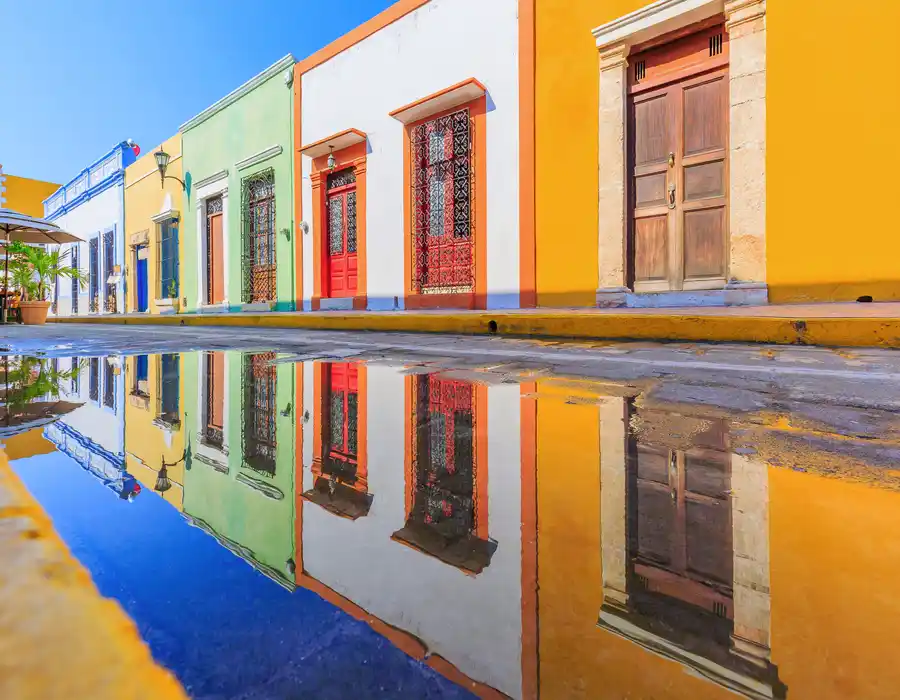
    Found in cities like Mexico City, Mérida, and Guadalajara, these homes combine sleek modern architecture with cultural elements.

    Features include:

    • Rooftop lounges

    • Modern courtyards

    • Neutral exteriors with bold interior colors

    Rustic Countryside Homes

    These houses are inspired by hacienda or ranch-style living.

    Expect:

    • Natural stone walls

    • Wood-beamed ceilings

    • Large outdoor patios

    • Farm-style kitchens

    Coastal Mexican Style Homes

    Found in Tulum, Baja, and Riviera Maya.

    They blend:

    • Beach vibes

    • Organic textures

    • Breezy, open-air layouts

    • Palapa roofs or bamboo details

    How to Bring Mexican House Style Into Your Home

    You don’t have to live in Mexico to enjoy its aesthetic. Here’s how to incorporate the style effortlessly:

    Use Natural Materials

    Choose stone, wood, clay, and terracotta for flooring, countertops, and décor.

    Add Color Through Accessories

    If you prefer neutral walls, add color using:

    • Pillows

    • Rugs

    • Pottery

    • Wall art

    Incorporate Handmade Decor

    Handcrafted items amplify authenticity.

    Create Indoor–Outdoor Flow

    Use glass doors or small patios to mimic the airy feel of Mexican architecture homes.

    Introduce Textured Walls

    Stucco or lime-wash finishes add rustic charm and old-world depth.

    Why the World Loves Modern Mexican House Style

    1. It Feels Warm and Welcoming

    The blend of color, texture, and natural materials creates a cozy atmosphere.

    2. It’s Versatile

    You can go rustic, modern, traditional, or coastal — the style adapts beautifully.

    3. It Supports Sustainability

    Eco-friendly materials and passive cooling make the design environmentally conscious.

    4. It’s Rich in Culture

    Every element reflects the country’s vibrant history and artistry.

    Common Mistakes to Avoid When Designing a Mexican Style Home

    1. Overusing bright colors — Choose one or two accent walls instead.

    2. Ignoring handmade pieces — Mass-produced décor reduces authenticity.

    3. Mixing too many patterns — Balance is key.

    4. Skipping natural materials — Plastics and synthetic finishes break the aesthetic.

    Inspirational Examples of Modern Mexican House Style

    Example 1: The Courtyard Oasis

    A minimalist home with a central courtyard surrounded by glass walls. Features include clay tile floors, lush greenery, and handcrafted lighting.

    Example 2: The Rustic Luxury Hacienda

    This home blends stone walls with modern furniture, creating a gorgeous fusion of old and new.

    Example 3: The Beachside Modern Villa

    With bamboo ceilings, natural stone, and ocean views, this home showcases Mexico’s coastal elegance.

    Materials Commonly Used in Mexican Building Design

    • Adobe

    • Stone

    • Wood

    • Terracotta tile

    • Wrought iron

    • Stucco

    These materials enhance durability, insulation, and aesthetic value.

    Conclusion

    The Mexican House Style is more than a design trend — it’s a celebration of culture, craftsmanship, and connection to nature. Whether you’re drawn to bold colors, artisanal décor, or eco-friendly materials, this style offers endless inspiration. Its blend of warmth, beauty, and modernity explains why it continues to captivate homeowners worldwide.

    If you’re looking to transform your home, start small — add color, embrace natural textures, and let culture guide your creativity. Every thoughtful choice brings you closer to the rich spirit of Mexican design.

    FAQs

    1. What colors are most common in Mexican house style?

    Warm earthy tones like terracotta, mustard yellow, and natural browns paired with bright accents such as cobalt blue or vibrant red.

    2. Is Mexican house style suitable for modern homes?

    Yes. Modern architects frequently blend minimalism with cultural elements to create stunning contemporary spaces.

    3. How can I make my home look more Mexican without major renovations?

    Add handcrafted décor, colorful textiles, clay pottery, and patterned tiles. Small changes make a big difference.

    4. Is Mexican architecture energy-efficient?

    Traditional materials like adobe and clay naturally regulate temperature, making them highly efficient.

    5. What materials should I use for an authentic look?

    Choose natural materials such as wood, stone, terracotta, wrought iron, and stucco.

  • Polish Architecture: Historical Influences & Modern Developments

    Polish Architecture: Historical Influences & Modern Developments

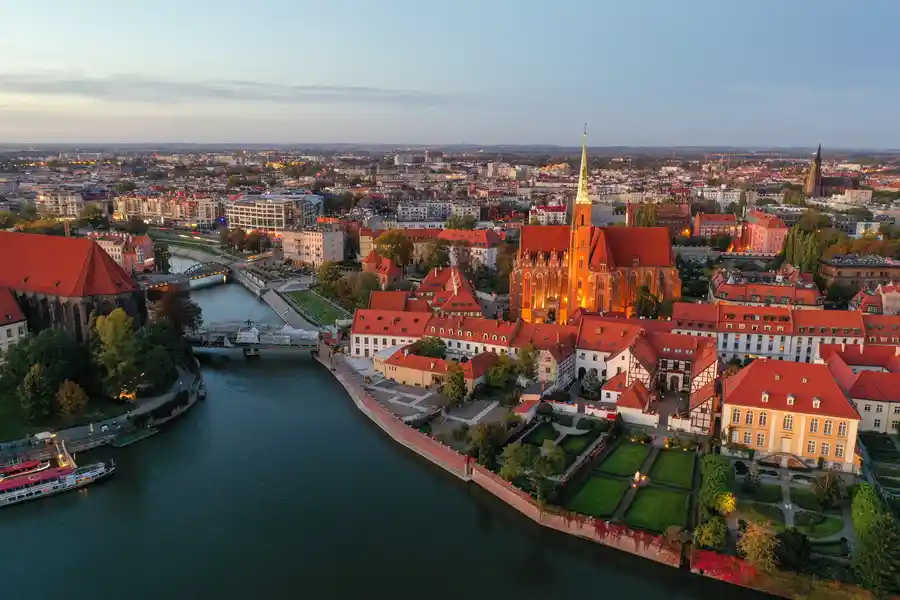
    Have you ever wondered why Poland’s cities feel like living museums, where medieval towers stand just steps away from glass-wrapped skyscrapers? Polish architecture tells a powerful story of resilience, creativity, and cultural transformation. It mirrors the country’s complex history—shaped by monarchs, invasions, reconstruction, and rapid modernization.

    In this guide, you’ll learn how Poland’s architectural styles evolved, how international trends blended with local craftsmanship, and how today’s architects continue to innovate. We’ll explore historic masterpieces, modern developments, and the unique features that make Polish architecture both recognizable and unforgettable.

    Read also: International Style Architecture

    The Roots of Polish Architecture

    Medieval Foundations: Castles, Fortresses & Gothic Identity

    Poland’s architectural narrative begins in the Middle Ages, when powerful dynasties built fortified settlements and stone castles across the kingdom. These early structures weren’t just military hubs—they became symbols of political power and cultural unity.

    Key Medieval Influences

    • Gothic Architecture dominated, brought by European craftsmen and religious orders.

    • Cities adopted brick Gothic, a distinctive northern European style using red brick instead of stone.

    • Churches featured pointed arches, ribbed vaults, and tall, narrow windows.

    Iconic Examples

    Wawel Cathedral (Kraków) — Its Gothic foundations remain one of the strongest symbols of Polish identity.
    Malbork Castle — The world’s largest brick castle and a masterpiece of Teutonic fortification.
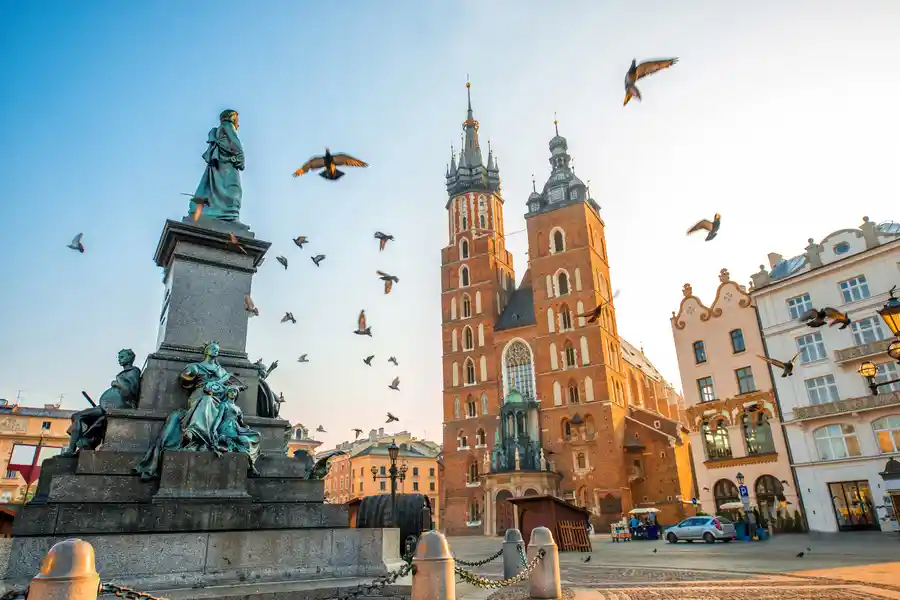
    St. Mary’s Basilica — Known for its twin towers and the famous wooden altarpiece by Veit Stoss.

    These structures show how early Polish architecture merged European craftsmanship with local materials and regional traditions.

    The Renaissance & Baroque Flourish

    Polish Architecture: Historical Influences

    A Cultural Golden Age

    During the 16th and 17th centuries, Poland experienced a cultural renaissance that reshaped its cities. Italian architects, invited by the Polish monarchy and wealthy noble families, brought new proportions, symmetry, and elegance.

    Renaissance Highlights

    • Ornamental façades and arcaded courtyards became common.

    • Market squares transformed into artistic showcases.

    • The influence of the Italian Renaissance left a lasting imprint.

    Kraków’s Cloth Hall and Zamość Old Town represent harmony, balance, and geometric urban planning—hallmarks of the era.

    Baroque Grandeur

    As the Renaissance faded, the Baroque era brought drama, movement, and lavish detail.

    Common elements included:

    • Elaborate stucco work

    • Curved façades

    • Bold, decorative interior designs

    Wilanów Palace in Warsaw stands as a Polish Versailles—an example of royal luxury and European influence woven into local culture.

    The 19th Century: Industrialization & New Urban Forms

    Neoclassicism Meets Urban Expansion

    The 19th century pushed Poland into a new architectural chapter. Although the country was partitioned between three empires (Russia, Prussia, Austria), cities developed rapidly under industrial influence.

    Neoclassical Influences

    Under Russian-controlled Warsaw, neoclassical buildings flourished, creating an orderly and monumental atmosphere:

    • Government buildings

    • Palatial residences

    • Cultural institutions

    The Warsaw University campus and Bank Square are examples of this imposing yet elegant style.

    Industrial & Eclectic Styles

    With railways, factories, and urbanization came:

    • Brick industrial architecture (particularly in Łódź)

    • Eclectic façades mixing Renaissance, Gothic, and classical motifs

    • Art Nouveau influences in residential buildings

    In short, architectural diversity became a hallmark of 19th-century Poland.

    20th Century: Destruction, Rebirth & Innovation

    Polish Architecture: Modern Developments

    The Tragedy of War & the Heroic Reconstruction

    World War II devastated Poland’s urban landscape. Cities like Warsaw lost nearly 90% of their historical buildings. Yet this tragedy sparked one of the world’s most remarkable reconstruction efforts.

    Warsaw’s Rebirth

    Historic districts such as the Old Town and Royal Castle were painstakingly rebuilt using paintings, archives, and public memory. This reconstruction symbolizes:

    • Resilience

    • Cultural preservation

    • National pride

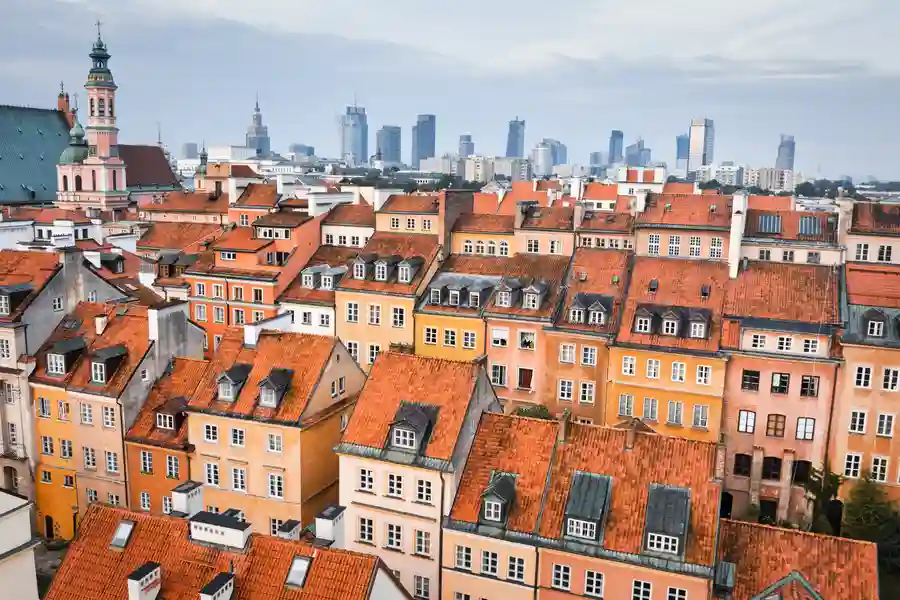
    UNESCO even recognized Warsaw’s Old Town as a unique restoration achievement.

    Communist-Era Architecture & the Rise of Modernism

    Post-war Poland embraced socialist architecture marked by:

    • Prefabricated apartment blocks

    • Monumental public squares

    • Functional, utilitarian design

    However, not all was bland. Iconic structures emerged, including:

    Palace of Culture and Science (1955)

    A controversial yet emblematic skyscraper combining socialist realism with Polish motifs. Love it or hate it—it’s impossible to ignore.

    Post-war Modernism

    As the mid-20th century progressed, architects explored modernist forms:

    • Simple geometric shapes

    • Concrete structures

    • Large public spaces

    This period still influences many Polish cities today, especially in residential districts built for rapidly growing populations.

    Polish Architecture in the 21st Century

    A New Era of Innovation

    Modern Poland is experiencing an architectural renaissance driven by economic development, EU integration, and global collaboration. Contemporary Polish architecture is bold, environmentally-conscious, and internationally recognized.

    Key Trends in Modern Polish Architecture

    • Sustainable design with green roofs and passive-energy systems

    • Glass-and-steel structures for business districts

    • Adaptive reuse of industrial buildings

    • Minimalist aesthetics that emphasize light and space

    Landmark Contemporary Buildings

    1. POLIN Museum of the History of Polish Jews (Warsaw)

    A striking, award-winning building known for its sculptural interior and symbolic design, representing the cultural void created by the Holocaust.

    2. Warsaw Spire

    A modern skyscraper symbolizing Poland’s business growth and urban evolution.

    3. Szczecin Philharmonic Hall

    With its glowing white façade, it has become an icon of modern European architecture.

    4. The Museum of the Second World War (Gdańsk)

    A bold structure that partially sinks into the earth, symbolizing the weight of war and memory.

    These projects illustrate how Polish architecture has matured into a global conversation—blending tradition with innovation.

    Regional Variations Within Polish Architecture

    Silesia: Industrial Heritage Reimagined

    Silesian cities like Katowice and Gliwice showcase:

    • Red-brick factories

    • Worker housing estates

    • Cutting-edge reimagined industrial zones

    The Nikiszowiec district is a prime example of early 20th-century workers’ housing with exceptional planning and aesthetics.

    Kraków & Lesser Poland: Living History

    Kraków remains a treasure chest of:

    • Gothic churches

    • Renaissance palaces

    • Art Nouveau buildings

    Protected during WWII, it offers a rare continuity of centuries-old architecture.

    Gdańsk & Pomerania: Hanseatic Influence

    Northern Poland features architecture shaped by maritime trade:

    • Dutch-style gables

    • Gothic brick churches

    • Colorful townhouses along the riverfront

    The blend of German, Polish, and Scandinavian elements makes Gdańsk a unique architectural landscape.

    Cultural Influences That Shaped Polish Architecture

    1. European Artistic Movements

    From Gothic to Baroque, Poland absorbed and reinterpreted the styles sweeping across Europe.

    2. Political Turmoil

    Partitions, wars, and revolutions left deep marks on urban layouts and building styles.

    3. Religious Heritage

    Catholic, Orthodox, and Jewish communities contributed sacred architecture with distinctive symbols and aesthetics.

    4. Regional Identity

    Local craftsmanship and natural materials—like wood in the Podhale region—added authentic character.

    5. Modern Global Trends

    Sustainability, minimalism, and adaptive reuse are shaping Poland’s future buildings.

    Why Polish Architecture Stands Out Today

    Thanks to its layered history and openness to technology, Polish architecture offers something special:

    • A living timeline of Europe’s artistic evolution

    • A blend of tradition and futurism rarely found elsewhere

    • Cities that feel authentic and culturally rich

    • Award-winning modern structures making international headlines

    From medieval castles to cutting-edge skyscrapers, Poland’s built environment is a visual testament to resilience and creativity.

    For deeper historical context, see the Polish Architecture entry on Wikipedia (external link suggestion).

    Conclusion

    Polish architecture is more than a collection of beautiful buildings—it’s a story of identity, endurance, and reinvention. Poland’s cities reveal how a nation can honor its past while boldly embracing the future. Whether you’re exploring Gothic cathedrals, Renaissance squares, communist-era monuments, or contemporary masterpieces, each structure adds a chapter to Poland’s architectural journey.

    In short, Polish architecture proves that history and innovation can coexist—and when they do, the result is extraordinary.

    FAQs

    1. What makes Polish architecture unique?

    Its blend of Gothic, Renaissance, Baroque, modernist, and contemporary styles creates a layered, diverse urban landscape unlike any other in Europe.

    2. Which Polish city has the best architecture?

    Kraków is often praised for its preserved historical buildings, while Warsaw showcases a mix of reconstruction, modernism, and futuristic skyscrapers.

    3. What are some must-see architectural landmarks in Poland?

    Malbork Castle, Wawel Cathedral, Wilanów Palace, POLIN Museum, and the Szczecin Philharmonic are among the top highlights.

    4. How has modern architecture influenced Polish cities?

    Contemporary designs emphasize sustainability, transparency, and minimalism, transforming skylines and revitalizing industrial areas.

    5. Is Polish architecture influenced by other countries?

    Yes. Italy, Germany, Austria, Russia, and Scandinavia all left their mark, enriching Poland’s stylistic diversity.

  • 2026 Guide to Mexican House Design: Traditional & Modern Styles

    2026 Guide to Mexican House Design: Traditional & Modern Styles

    Have you ever wondered why Mexican house design feels warm, timeless, and irresistibly inviting? Whether you’ve admired its colorful exteriors, handcrafted tiles, or sleek modern forms, Mexican architecture blends culture and creativity like few others.

    As we enter 2026, homeowners worldwide are embracing both traditional and innovative modern Mexican house design. In this guide, you’ll learn the essential elements, materials, color palettes, and styles shaping Mexican houses design today. You’ll also discover how traditional techniques meet contemporary aesthetics in breathtaking modern Mexican homes.

    The Essence of Mexican House Design

    Mexican architecture is built on centuries of tradition, blending Indigenous elements with Spanish colonial influence and modern innovation. The result is a style rooted in natural materials, bold expression, cultural identity, and indoor-outdoor harmony.

    Key Characteristics

    • Warm, earthy materials like adobe, stone, clay, and wood 
    • Bold colors, including terracotta, mustard, blue, and earthy reds 
    • Fluid indoor-outdoor living, ideal for warm climates 
    • Handcrafted details such as Talavera tiles and wooden beams 
    • Courtyards and gardens are integrated into the layout 

    These features appear in both classic architecture and today’s modern Mexican house trends.

    Traditional Mexican House Design Explained

    Traditional Mexican homes celebrate craftsmanship, color, and heritage. They are full of texture, rich patterns, and local artistry.

    Adobe Walls & Natural Materials

    Adobe has been used in Mexican construction for centuries because it insulates naturally and gives buildings a warm, organic feel.
    Traditional exteriors commonly use:

    • Adobe or mud brick 
    • Local stone 
    • Terracotta roofing 
    • Hand-carved wooden accents 

    These materials make traditional Mexican homes feel soulful and grounded.

    Iconic Color Palettes

    Colors are a powerful part of Mexican houses design. Traditional homes often feature:

    • Deep terracotta 
    • Turquoise blue 
    • Sunflower yellow 
    • Magenta and brick red 
    • Earthy brown tones 

    Combined with natural textures, these colors produce a vibrant yet cozy atmosphere.

    Talavera Tiles & Handcrafted Details

    From kitchen backsplashes to staircases, Talavera tiles bring pattern and personality to traditional Mexican architecture. Their hand-painted beauty adds authenticity to any design.

    The Rise of Modern Mexican House Design (2026 Trends)

    Mexican houses design

    While tradition remains beloved, 2026 is seeing a surge in minimalistic, sleek, and nature-connected modern Mexican house design.

    Clean Lines and Contemporary Forms

    Modern Mexican houses often feature:

    • Flat roofs 
    • Geometric shapes 
    • Open floor plans 
    • Expansive glass windows 

    These homes prioritize simplicity, natural light, and functional elegance.

    Neutral Palettes with Earthy Accents

    Contemporary Mexican design leans toward neutral colors such as beige, white, charcoal, and sand tones, enriched with wooden or stone elements. Small pops of color keep the aesthetic connected to Mexican roots.

    Nature-Integrated Architecture

    Modern Mexican homes are known for blurring the line between interior and exterior. Expect to see:

    • Central courtyards 
    • Desert gardens 
    • Outdoor living rooms 
    • Zen-inspired patios 
    • Rooftop terraces 

    This nature-first mentality aligns with global sustainability trends.

    Sustainable Materials and Eco-Living

    Many architects are incorporating bamboo, reclaimed wood, solar panels, and energy-efficient systems. Mexico’s architectural scene is becoming a model for environmentally conscious home design.

    Comparing Traditional vs. Modern Mexican Homes

    Feature Traditional Modern
    Materials Adobe, wood, clay Concrete, steel, glass
    Aesthetic Colorful, rustic Minimalist, clean
    Layout Courtyards, cozy rooms Open-plan spaces
    Colors Bold and vibrant Neutral with earthy accents
    Influences Indigenous + Colonial Luxury, sustainability, global trends

    Both styles have unique charm—many 2026 homes blend the best of each.

    Hybrid Designs — The Best of Both Worlds

    Blended homes are rising in popularity, especially among homeowners seeking authenticity with modern comfort.

    Hybrid Mexican modern houses often include:

    • Modern façades with traditional stone 
    • Minimalistic interiors with Talavera tile accents 
    • Wooden beams paired with glass walls 
    • Courtyards redesigned with contemporary landscaping 

    This trend creates timeless yet fresh modern Mexican homes.

    Elements That Define Modern Mexican Homes in 2026

    These features are dominating architectural trends:

    Statement Walls

    Stone, textured plaster, and microcement walls create grounding focal points in contemporary homes.

    Oversized Windows & Sliding Doors

    Mexican architects prioritize natural light and airflow, perfect for tropical or desert climates.

    Sculptural Staircases

    Floating staircases and wood-tread designs add a luxurious touch to Mexican modern homes.

    Outdoor Kitchens & Terraces

    With warm weather year-round in many regions, outdoor living continues to expand—ideal for entertaining and relaxation.

    Interior Design Inspiration for Mexican Homes

    Rustic Modern Living Rooms

    Think of wooden ceilings, woven textiles, pottery décor, and modern furnishings.

    Warm and Inviting Mexican Kitchens

    Kitchens may include:

    • Clay or stone countertops 
    • Open shelving 
    • Hand-painted tiles 
    • Copper sinks 
    • Wooden cabinetry 

    Bedrooms That Feel Like Resorts

    Soft neutral bedding, stone accents, natural fiber rugs, and large windows help create a sanctuary-like atmosphere.

    External Influences in Mexican Architecture

    2026 Guide to Mexican House Design

    Mexican design has evolved thanks to global architectural dialogue. For example, you’ll occasionally see elements of International Style Architecture, especially in modern luxury homes.

    This cross-cultural exchange has pushed Mexican architecture into global relevance.

    How to Incorporate Mexican Design into Your Home

    Even if you don’t live in Mexico, you can incorporate the style into your space.

    Simple Ways to Bring the Look Home

    1. Add handcrafted or natural materials such as wood, clay, and stone. 
    2. Introduce warm colors or Mexican-inspired textiles. 
    3. Use Talavera tile accents. 
    4. Incorporate indoor plants to replicate indoor-outdoor living. 
    5. Add rustic wooden furniture or carved décor. 

    Conclusion

    Mexican house design continues to evolve, blending deep cultural roots with elegant modern trends. Whether you’re drawn to its rustic charm or the clean beauty of modern Mexican homes, 2026 offers endless inspiration. From bold colors to sustainable architecture, this style remains both timeless and innovative.

    Takeaway: Mexican design isn’t just beautiful — it’s a celebration of culture, nature, and creativity that can elevate any home.

    FAQs

    1. What defines a modern Mexican house?
      Modern Mexican houses combine clean lines, natural materials, and indoor-outdoor living with a minimalist, elegant feel.
    2. Are Mexican house designs good for hot climates?
      Yes! Features like courtyards, thick walls, and shade-focused layouts make them ideal for warm environments.
    3. What colors are common in Mexican houses?
      Expect earthy tones, terracotta, vibrant blue, mustard yellow, and natural wood accents.
    4. Can I mix modern and traditional Mexican design?
      Absolutely—hybrid designs are one of 2026’s biggest trends.
    5. What materials are popular in Mexican homes?
      Adobe, stone, clay, reclaimed wood, steel, and concrete are all widely used.
  • International Style Architecture: A Guide to Global Designs

    International Style Architecture: A Guide to Global Designs

    A Timeless Architectural Language That Connects the World

    Have you ever walked past a sleek glass tower or a minimalist concrete building and wondered what inspired its clean, geometric look? That design DNA likely comes from International Style Architecture, a movement that reshaped skylines and redefined modern living.

    This article breaks down everything you need to know—its origins, principles, iconic examples, and the lasting legacy that continues to influence architects worldwide. Whether you’re a student, enthusiast, or professional, you’ll gain a clear, expert-level understanding of the international architecture style and its global impact.

    What Is International Style Architecture?

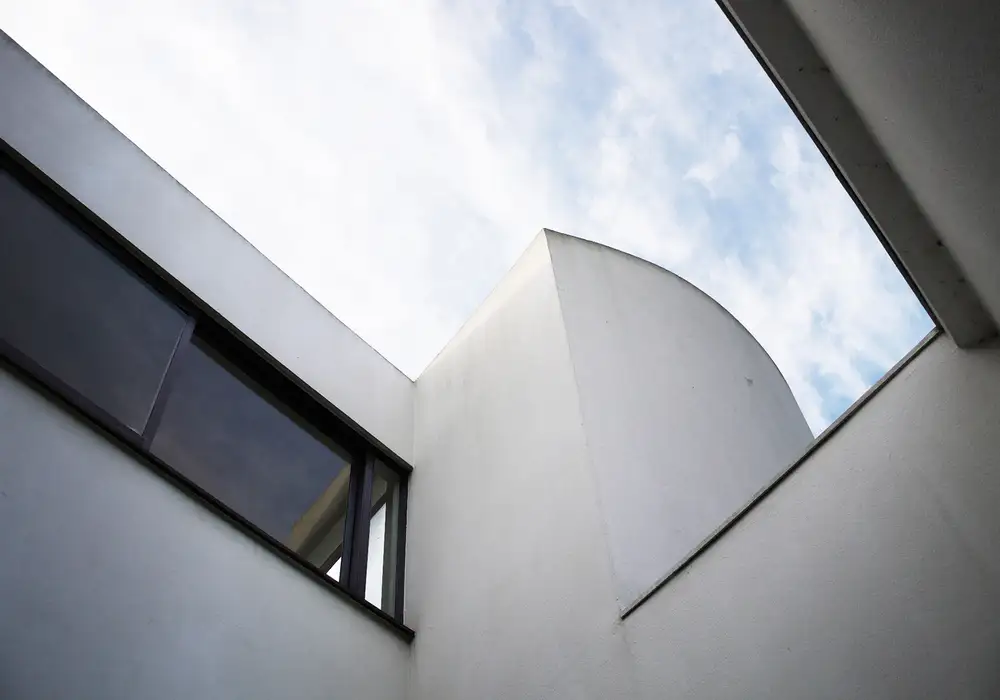
    International Style Architecture refers to a modernist architectural movement that emerged in the 1920s and 1930s. It emphasizes simplicity, functionality, and the absence of ornamentation, creating buildings that could exist anywhere—hence the term “international.”

    It became one of the most recognizable aesthetics of the 20th century, influencing office towers, homes, museums, and urban planning.

    Key Characteristics

    • Emphasis on volume, not mass

    • Use of industrial materials like steel, concrete, and glass

    • Flat roofs and clean façades

    • Open floor plans that maximize functionality

    • Lack of decorative details

    • Geometric forms and straight lines

    The international style of architecture wasn’t just a trend; it was a declaration of a new era—one driven by simplicity, efficiency, and global unity.

    The Origins: How Modernism Became “International”

    Early Modernism and the Bauhaus Influence

    The roots of the movement lie in early European modernism, especially the Bauhaus School in Germany. Visionaries like Walter Gropius promoted the idea that beauty should come from functionality, not ornamentation.

    This philosophy led to designs that were:

    • Rational

    • Modular

    • Industrial

    • Democratic

    The 1932 MoMA Exhibition

    The term “International Style” was officially coined during the 1932 Museum of Modern Art (MoMA) exhibition curated by Philip Johnson and Henry-Russell Hitchcock.

    Their exhibition—and accompanying book—introduced the world to a unified architectural philosophy that transcended nations.

    Core Principles That Define the International Style

    Even today, architects use these foundational principles to guide modern building design.

    1. Form Follows Function

    The layout and shape of the building reflect its purpose. Instead of decorative façades, the international architecture style prioritizes efficient use of space.

    2. Minimal Ornamentation

    Ornament was seen as unnecessary. Instead, architects focused on structural honesty—letting materials and form speak for themselves.

    3. Industrial Materials

    Steel, reinforced concrete, and expansive glass panels became the building blocks of the movement. These materials allowed for large windows, open interiors, and tall skyscrapers.

    4. Open Space and Flexibility

    The international style was introduced:

    • Open floor concepts

    • Movable partitions

    • Large communal areas

    This made homes and offices more adaptable—a revolutionary idea at the time.

    International Style Architecture Examples Around the World

    Villa Savoye (France)

    The impact of this movement is visible across continents. Here are some of the most iconic international style architecture examples.

    1. Villa Savoye (France)

    Designed by Le Corbusier, Villa Savoye represents the purest expression of the movement’s ideals—floating volume, ribbon windows, and minimal ornamentation.

    2. Seagram Building (New York, USA)

    Designed by Ludwig Mies van der Rohe and Philip Johnson, this skyscraper became a global template for modern corporate towers.

    3. Bauhaus Building (Dessau, Germany)

    Walter Gropius’s masterpiece features asymmetrical compositions, industrial materials, and an iconic glass curtain wall.

    4. United Nations Headquarters (New York, USA)

    A collaboration between international architects, it exemplifies the movement’s global vision.

    5. Tel Aviv’s “White City” (Israel)

    This UNESCO World Heritage site boasts over 4,000 buildings designed in the international architecture style—a rare urban showcase.

    Why the International Architecture Style Spread Worldwide

    Post-War Reconstruction

    After World War II, countries needed quick, functional, and cost-effective building solutions. The international style architecture offered exactly that.

    Influence of Migrant Architects

    Architects fleeing Europe (including Gropius and Mies) brought modernist ideas to America and beyond.

    Corporate Globalization

    Multinational corporations adopted these sleek, glass-box structures to project an image of progress, efficiency, and authority.

    Urban Modernization

    Governments embraced the style for:

    • Universities

    • Airports

    • Civic centers

    • Government offices

    It became the default language of modern progress.

    Strengths and Criticisms of the International Style

    Strengths

    • Timeless aesthetics

    • Cost-effective materials

    • Flexibility in design

    • Global visual language

    • Maximizes natural light

    Criticisms

    Even iconic styles face critique.

    • Sometimes considered too sterile or cold

    • Lack of cultural or regional identity

    • Repetitive designs across cities

    • Overemphasis on efficiency

    Despite the critiques, the international architecture style remains a cornerstone of modern design philosophy.

    How International Style Architecture Influences Today’s Designs

    Modern movements like minimalism, high-tech architecture, and sustainable design all borrow heavily from international style principles.

    Glass Curtain Walls Evolved

    Contemporary skyscrapers still use Mies’s curtain-wall concept—now improved with energy-efficient glazing.

    Open Concept Living

    Popular in today’s homes, the open floor plan began with international modernists.

    Sustainable Modernism

    While early designs weren’t environmentally focused, the movement’s simplicity makes it ideal for eco-friendly renovations.

    Tips for Recognizing International Style Architecture

    International Style Architecture

    If you want to identify this style in real life, look for:

    1. Glass boxes or rectangular geometry

    2. Flat roofs

    3. Minimal or no ornamentation

    4. Horizontal window bands

    5. Use of steel frames

    6. Smooth façades

    7. Visible structural elements

    8. Open interior spaces

    Once you start noticing these patterns, you’ll see the style everywhere—from downtown skyscrapers to historic universities.

    Why International Style Architecture Still Matters Today

    In a world craving clarity and simplicity, the international style offers timeless lessons:

    • Efficiency can be beautiful

    • Global design can still be human-centered

    • Good architecture doesn’t need excess

    Moreover, the style continues to serve as a foundation for architectural education, design competitions, and global urban development.

    Conclusion

    International Style Architecture is more than a design trend—it’s a global movement that changed how we build, live, and think about space. From the Bauhaus to modern skyscrapers, its influence remains unmistakable.

    Whether you’re exploring architecture academically or simply curious about the buildings around you, understanding this style gives you a clearer lens on modern urban life.

    In short: The international architecture style didn’t just define an era—it shaped the future.

    FAQs

    1. What is the main purpose of International Style Architecture?

    Its purpose is to create functional, modern buildings with minimal ornamentation using industrial materials like glass, steel, and concrete.

    2. What are key features of the international architecture style?

    Flat roofs, open floor plans, clean lines, steel frames, and large glass windows are the defining traits.

    3. Who started the International Style movement?

    Architects like Le Corbusier, Walter Gropius, and Mies van der Rohe were the primary pioneers.

    4. Where can I find famous International Style Architecture examples?

    Cities like New York, Berlin, Tel Aviv, and Paris feature some of the best examples worldwide.

    5. Is the International Style still used today?

    Yes. Many modern buildings, corporate towers, and minimalist homes draw heavily from its principles.

  • Garden Tub vs Regular Tub: Pros and Cons Explained

    Garden Tub vs Regular Tub: Pros and Cons Explained

    Have you ever stepped into a bathroom and instantly felt the difference between a spa-like retreat and an ordinary wash space? Often, the tub is what sets that mood. The debate between a garden tub vs regular tub has become more common as homeowners rethink their bathroom layouts for comfort, style, and practicality.

    If you’ve wondered which one delivers better relaxation, fits your space, or enhances resale value, you’re in the right place. In this guide, you’ll learn how these two tub styles differ, how they affect bathroom design, and which is the smarter investment for your home. Moreover, we’ll compare features, costs, sizes, and real-world pros and cons to help you make the right choice.


    Understanding the Difference Between Garden Tubs and Regular Tubs

    Before comparing features, it’s essential to know what these tubs actually are and why homeowners consider one over the other.

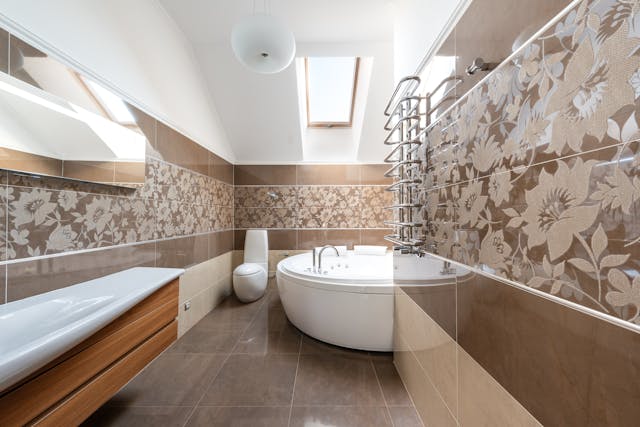
    A garden tub is a deep, freestanding soaking tub originally inspired by European outdoor baths. These tubs are oversized, luxurious, and designed for long relaxation sessions. On the other hand, a regular tub (also called a standard tub) is the typical built-in bathtub found in most modern households. It’s practical, compact, and often combined with a shower.

    Knowing the fundamentals helps you evaluate what truly fits your lifestyle, bathroom size, and long-term plans.

    What Is a Garden Tub?

    A garden tub is a large, deep soaking tub that allows full immersion. It typically features:

    • Extra-wide dimensions

    • Curved or oval shapes

    • Freestanding installation

    • Higher water depth than traditional tubs

    • A spa-like design that emphasizes relaxation

    These tubs are meant to be the centerpiece of a master bathroom, often paired with large windows, decorative tilework, or plant accents. While luxurious, they do require ample square footage.

    Garden Tub vs Regular Tub: Feature-by-Feature Comparison

    Garden Tub vs Regular Tub: Pros and Cons Explained

    To understand the debate between a garden tub vs standard tub, evaluating each feature side by side is essential.

    1. Size & Space Requirements

    Garden Tub:

    • Typically 60–70 inches long, but deeper and wider than regular tubs

    • Requires a minimum of 40–60 sq ft of bathroom space

    • Freestanding design takes up more room

    Regular Tub:

    • Standard size: 60 inches long, 30 inches wide, about 14–16 inches deep

    • Fits well in smaller or older homes

    • Often installed in alcoves

    Takeaway:
    If you have a compact bathroom, a regular tub is the better fit. Garden tubs shine in spacious layouts.

    2. Comfort and Soaking Depth

    This is where garden tubs truly stand out.

    Garden Tub Comfort Features:

    • Extra-deep water level (up to 24 inches or more)

    • Allows full-body soaking

    • Designed for relaxation rather than quick showers

    Regular Tub Comfort Features:

    • Comfortable but shallow soaking

    • Practical for daily use

    • Often combined with showers for versatility

    Takeaway:
    If relaxation is your goal, garden tubs provide a spa-level experience.

    3. Installation Costs and Complexity

    Garden Tub Installation:

    • Higher installation cost due to weight and plumbing adjustments

    • Reinforced flooring may be required

    • Labor-intensive due to freestanding style

    Regular Tub Installation:

    • Typically cheaper and faster

    • Fits standard plumbing

    • Less structural support needed

    Estimated Costs:

    • Garden Tub: $2,500–$8,000+ (tub + installation)

    • Regular Tub: $800–$2,500 (tub + installation)

    If you’re remodeling on a budget, a standard tub is the more economical option.

    4. Aesthetic Appeal and Design Impact

    Garden Tub vs Regular Tub: Pros and Cons Explained

    Garden Tub:

    • Creates a luxury, spa-like atmosphere

    • Works beautifully in modern, contemporary, or farmhouse bathrooms

    • Becomes a visual focal point

    Regular Tub:

    • Clean, simple, functional design

    • Works with almost any bathroom style

    • Practical, yet not usually the focal point of the room.

    If aesthetics are important, garden tubs add undeniable charm and elegance.

    5. Daily Use and Convenience

    Garden Tub:

    • Best for relaxation, not quick showers

    • Can be difficult for children, elderly individuals, or pets

    • Takes longer to fill due to large size

    Regular Tub:

    • Ideal for families and fast showers

    • Easy to clean

    • Practical for everyday routines

    Takeaway:
    For households with kids or seniors, a regular tub is often the better fit.

    6. Water Usage and Energy Efficiency

    Garden Tub:

    • Uses significantly more water (up to 80+ gallons per fill)

    • May increase utility bills

    • Requires larger water heaters

    Regular Tub:

    • Uses 30–50 gallons per fill

    • More eco-friendly

    • Works with standard water heaters

    For those focused on sustainability, regular tubs are more efficient.

    7. Home Value and Resale Impact

    Real estate insights show that bathroom upgrades often increase home value. But the type of tub matters.

    Garden Tub Benefits for Resale:

    • Attracts buyers seeking a luxury master bathroom

    • Adds a high-end feature to upscale homes

    Regular Tub Benefits for Resale:

    • Appeals to families with children

    • Practical feature buyers expect in bathrooms

    According to general real estate trends (see resources like Forbes Home or Statista for market trends), functionality often wins over extravagance in average homes. However, garden tubs score high in luxury listings.

    Read more: Garden Tub vs Soaking Tub

    Pros and Cons of Garden Tubs

    Pros

    • Excellent for soaking and relaxation

    • Adds luxury appeal to master bathrooms

    • Deep, comfortable, and aesthetically pleasing

    • Freestanding design enhances interior décor

    Cons

    • Requires large bathroom space

    • More expensive installation

    • Higher water usage

    • Not ideal for quick, daily routines

    Pros and Cons of Regular Tubs

    Pros

    • Practical and versatile

    • Works well with shower-tub combos

    • Lower installation cost

    • Ideal for families, kids, and seniors

    • Fits smaller bathrooms easily

    Cons

    • Shallow water depth

    • Less luxurious

    • Does not create a spa-like experience

    Garden Tub vs Regular Tub: Which One Should You Choose?

    soaking tub vs garden tub

    Your decision depends on your lifestyle and bathroom goals.

    Choose a Garden Tub if:

    • You prioritize luxury and comfort

    • You have a large master bathroom

    • You enjoy long soaking baths regularly

    • You want a high-end aesthetic

    Choose a Regular Tub if:

    • You want practicality and convenience

    • You need a shower-tub combo

    • You have children or elderly users

    • You’re working with a smaller budget

    Ultimately, the best choice balances daily use, bathroom size, and long-term value.

    Cost Breakdown and Budget Planning

    Understanding the financial aspect is crucial.

    Regular Tub Cost Breakdown:

    • Tub: $200–$1,000

    • Installation: $300–$1,500

    • Total: $800–$2,500

    Garden Tub Cost Breakdown:

    • Tub: $800–$3,500+

    • Installation: $1,200–$4,000+

    • Additional flooring support: $300–$1,000

    • Total: $2,300–$8,000+

    If you’re planning a remodel, you may also want to explore related topics like bathroom layout ideas, tub-to-shower conversions, or spa bathroom designs.
    Read also: [Related Topic] (insert internal link)

    Styling Your Tub for Maximum Impact

    Garden Tub vs Regular Tub

    Styling Ideas for Garden Tubs

    • Add floor-to-ceiling windows for natural light

    • Incorporate indoor plants and greenery

    • Use marble or stone tile surrounds

    • Add a bath tray, candles, or soft lighting

    Styling Ideas for Regular Tubs

    • Add a sleek shower curtain or glass door

    • Use modern tile patterns

    • Install built-in shelves for storage

    • Add a handheld shower attachment

    Both tubs can be enhanced beautifully with the right styling and accessories.

    Conclusion

    The debate between a garden tub vs regular tub doesn’t have a one-size-fits-all answer. It all comes down to your lifestyle, bathroom size, and priorities. Garden tubs elevate relaxation and luxury, while regular tubs shine in practicality and convenience. No matter which option you choose, the right bathroom upgrade can transform your daily routine and add long-term value to your home.

    FAQs

    1. Are garden tubs outdated?

    Not at all. While their popularity dipped temporarily, they’re making a comeback in modern luxury bathrooms with minimalist and spa-inspired designs.

    2. Do garden tubs increase home value?

    They can, especially in upscale homes where buyers expect high-end features. However, in smaller homes, practicality (like a shower-tub combo) may carry more value.

    3. How big should a bathroom be for a garden tub?

    Ideally, at least 40–60 square feet of open space is needed. Garden tubs are larger and require room around them for visual balance.

    4. Can a garden tub have a shower?

    It’s uncommon and not typically recommended. Garden tubs are designed for soaking, not showering.

    5. What uses more water: garden tub or regular tub?

    Garden tubs use significantly more water—often twice as much as a standard tub.

  • Garden Tub vs Soaking Tub: Which One is Right for You?

    Garden Tub vs Soaking Tub: Which One is Right for You?

    If you’re dreaming about upgrading your bathroom, choosing between a garden tub vs soaking tub is one of the biggest decisions you’ll make. Both create a relaxing, spa-like experience, but they serve different needs, spaces, and design styles. Moreover, your choice can impact everything from comfort to water usage and even home value.

    In this guide, you’ll learn how these two tubs differ, their pros and cons, and which one fits your bathroom lifestyle. Whether you want a luxurious soaking experience or a deep, oversized basin for long relaxation sessions, this comparison will help you make a confident choice.

    What Makes These Two Tubs Different?

    Understanding the main differences between a soaking tub vs garden tub starts with size, shape, installation needs, and the bathing experience they offer.

    What Is a Garden Tub?

    A garden tub is a large, deep, freestanding bathtub originally inspired by outdoor bathing areas found in European estates. These tubs are spacious enough for full-body immersion and often placed near large windows or in corners to enhance relaxation.

    Key Features of Garden Tubs

    • Oversized and deep for maximum comfort 
    • Often oval or round in design 
    • Typically freestanding, making them a focal point 
    • Requires more floor space than standard tubs 
    • Offers a true spa-like feel 

    Garden tubs are ideal for homeowners who love long, luxurious baths and have plenty of space to dedicate to a statement tub.

    What Is a Soaking Tub?

    Garden Tub vs Soaking Tub: Which One is Right for You?

    A soaking tub is designed for deep water immersion but in a more compact and contemporary format. Unlike garden tubs, they vary in shapes and styles—freestanding, alcove, drop-in, or Japanese-style.

    Key Features of Soaking Tubs

    • Deep enough for full submersion 
    • Available in various shapes, including square, oval, and slipper styles 
    • Ideal for smaller bathrooms 
    • Can be minimalist and modern 

    If you want deep relaxation without sacrificing too much space, a soaking tub might be your best match.

    Read more: Garden Tub vs Regular Tub

    Garden Tub vs Soaking Tub — Head-to-Head Comparison

    1. Space Requirements

    • Garden Tub: Best for spacious bathrooms; requires room for installation plus walking space. 
    • Soaking Tub: Works in medium or even small bathrooms, depending on the style. 

    2. Water Usage

    • Garden tubs often use more water due to their sheer size. 
    • Soaking tubs use less water while still offering deep immersion. 

    3. Comfort Level

    • Garden Tub: Great for lounging; feels luxurious and open. 
    • Soaking Tub: Offers deep, ergonomic submersion, especially Japanese-style versions. 

    4. Installation Complexity

    • Garden tubs need more support, space, and plumbing adjustments. 
    • Soaking tubs usually have simpler installation across various formats. 

    5. Aesthetics & Style

    • Garden Tub: Classic, spa-like centerpiece. 
    • Soaking Tub: Sleek, modern, and minimalist. 

    Pros and Cons of Each Tub Type

    soaking tub vs garden tub

    Garden Tub Pros:

    • Extremely comfortable for long baths 
    • Adds luxury appeal and visual impact 
    • Works well in large bathrooms 

    Garden Tub Cons:

    • High water usage 
    • Needs significant floor space 
    • Can be more costly to install 

    Soaking Tub Pros:

    • Deep immersion without requiring large square footage 
    • Stylish, modern designs 
    • More water-efficient than garden tubs 

    Soaking Tub Cons:

    • Smaller interior can feel snug for some users 
    • Less dramatic visual presence compared to garden tubs 

    Which One Should You Choose?

    Choose a Garden Tub If:

    1. You have a large bathroom and want a luxurious focal point. 
    2. Long, spacious, spa-like baths are your priority. 
    3. You prefer classic, oversized tub designs. 

    Choose a Soaking Tub If:

    1. You’re working with limited space. 
    2. You want deep immersion without a large footprint. 
    3. You prefer modern, sleek aesthetics. 

    Making the Decision: Practical Considerations

    Before making your final choice, ask yourself:

    • How big is your bathroom? 
    • Do you want spacious lounging or compact deep soaking? 
    • What’s your plumbing and water heater capacity? 
    • Do you prefer modern or traditional design? 

    Also consider future resale value; spa-style bathrooms often attract buyers, and both tub types can enhance appeal depending on the home style.

    Conclusion

    In short, the garden tub vs soaking tub debate comes down to space, style, and bathing preferences. If you dream of a wide, luxurious tub for long relaxation sessions, a garden tub is a great match. However, if you want deep immersion in a space-efficient and modern style, a soaking tub offers the perfect compromise.

    Whichever you choose, upgrading your bathtub is one of the most rewarding ways to enhance your bathroom and create a personal retreat at home.

    FAQs

    1. Is a garden tub deeper than a soaking tub?

    Garden tubs are often wider and deeper overall, while soaking tubs are deep but compact.

    2. Do soaking tubs save water?

    Yes. They typically require less water than garden tubs due to their smaller size.

    3. Is it possible to fit a soaking tub in a small bathroom?

    Absolutely. Many soaking tubs are designed for limited spaces without sacrificing depth.

    4. Are garden tubs outdated?

    Not necessarily—garden tubs still appeal to homeowners with large bathrooms and a taste for luxury.

    5. Which tub is easier to install?

    Soaking tubs generally offer simpler installation compared to the larger, heavier garden tubs.

  • What Is a Garden Tub? Definitions, Differences & Comparisons

    What Is a Garden Tub? Definitions, Differences & Comparisons

    Ever walked into a luxury bathroom and spotted a huge, elegant tub that practically invites you to soak for hours? That’s likely a garden tub. These tubs are becoming increasingly popular in modern homes, especially among homeowners wanting a spa-like experience.

    In this guide, you’ll learn what is a garden tub, how it’s different from other tubs, its benefits, drawbacks, cost, and design ideas to help you decide if it’s right for your home.

    What Is a Garden Tub?

    Quick Definition

    A garden tub is a large, deep, freestanding soaking tub designed for full-body relaxation. Unlike a standard bathtub, which is usually smaller and built into the wall, a garden tub stands alone and offers significantly more space.

    Why It’s Called a “Garden Tub”

    Historically, these tubs were placed near garden-facing windows or inside garden rooms for a peaceful bathing experience—hence the name.

    Today, the term simply refers to a luxurious, oversized soaking tub.

    People often ask:

    • what’s a garden tub? 
    • what is garden tub? 
    • what’s a garden tub? 

    All of these refer to the same thing.

    History and Origin of Garden Tubs

    what is a garden tub in a bathroom

    Early European Influence

    Garden tubs originated from European soaking traditions, where deep basins were used for comfort rather than quick baths.

    Modern Adaptation

    Today’s tubs are inspired by these early designs but feature modern materials, sleek finishes, and spa-like luxury.

    Garden Tub vs. Regular Bathtub

    Size Differences

    A regular bathtub is typically 60 inches long and 14–15 inches deep.
    A garden tub can be 60–80 inches long and 20–30 inches deep.

    Shape and Design

    • Regular tub → rectangular, built into walls 
    • Garden tub → oval or round, freestanding, more decorative 

    Comfort and Depth

    Garden tubs offer enough depth for the entire body to submerge, making them perfect for long, relaxing soaks.

    Read more: Garden Tub vs Soaking Tub

    Garden Tub vs. Jacuzzi: What’s the Difference?

    Features Comparison

    A Jacuzzi is a brand of jetted tub.
    A garden tub is a soaking tub without jets.

    Feature Garden Tub Jacuzzi
    Jets No Yes
    Depth Very Deep Medium-Deep
    Purpose Soaking Hydrotherapy
    Maintenance Low High

    Price Differences

    • Garden tub: $600–$3,000 
    • Jacuzzi: $2,000–$10,000+ 

    Key Features of a Garden Tub

    whats a garden tub

    Deep Basin

    Provides full-body soaking comfort.

    Freestanding Style

    Acts as a centerpiece in any bathroom.

    Luxury Appeal

    Adds a spa-like vibe that many homeowners want.

    Benefits of Installing a Garden Tub

    Relaxation and Comfort

    After a long day, there’s nothing like sinking into a deep, warm tub.

    Home Value Boost

    Homes with luxury bathrooms often sell for higher prices.

    Aesthetic Upgrade

    Creates a beautiful focal point in your bathroom.

    Drawbacks of Garden Tubs

    Space Requirements

    They require much more room than standard tubs.

    Water Consumption

    Deeper tubs use more water, which may increase utility bills.

    Ideal Placement for Garden Tubs

    Master Bathrooms

    Most commonly installed here due to the available space.

    Near Windows or Corners

    Natural light enhances the spa-like feel.

    Best Materials for Garden Tubs

    Acrylic

    Lightweight, affordable, and easy to maintain.

    Cast Iron

    More expensive and heavy but extremely durable.

    Stone Resin

    Modern, luxurious, and excellent at retaining heat.

    Garden Tub Installation Guide

    Plumbing Needs

    You’ll need a strong plumbing system to support higher water flow.

    Weight Considerations

    Heavier tubs (like cast iron) may require floor reinforcement.

    Garden Tub Design Ideas

    what's a garden tub

    Modern Spa-Like Designs

    Think minimalism, soft lighting, and neutral colors.

    Vintage Farmhouse Designs

    Clawfoot garden tubs work beautifully in farmhouse-style bathrooms.

    Read more: Garden Tub vs Regular Tub

    Maintenance and Cleaning Tips

    Cleaning Tools

    Use a mild cleaner, microfiber cloth, and soft sponge.

    Preventing Stains

    Wipe the tub after each use to prevent buildup.

    Cost Breakdown: Buying & Installing a Garden Tub

    Tub Price Range

    Most garden tubs cost between $600 and $3,000, depending on size and material.

    Installation Costs

    Professional installation typically ranges from $500 to $2,500.

    Conclusion

    A garden tub is a luxurious upgrade that adds comfort, value, and style to your home. Whether you’re building a new bathroom or remodeling an old one, understanding what is a garden tub helps you make the right choice. From design possibilities to installation factors, these tubs bring spa-level relaxation into everyday life.

    FAQs

    1. What is a garden tub?

    A garden tub is a deep, oversized soaking tub designed for full-body relaxation.

    2. What’s the difference between a garden tub and a regular bathtub?

    Garden tubs are larger, deeper, and freestanding, while regular tubs are smaller and built-in.

    3. Do garden tubs have jets?

    No. If a tub has jets, it’s usually classified as a Jacuzzi or jetted tub.

    4. How big is a standard garden tub?

    They typically range from 60–80 inches long and 20–30 inches deep.

    5. Are garden tubs worth it?

    Yes—if you value long, relaxing baths and want a bathroom centerpiece, they’re a great choice.