Author: Sara Darvishi

  • Hidden Travel Destinations You’ve Never Heard Of

    If you’re tired of overcrowded tourist traps and are craving something more authentic, it’s time to follow travel guides that uncover hidden travel destinations offering raw beauty, unique culture, and fewer crowds. These off-the-radar places provide rich travel experiences without the long lines or inflated prices.

    Here’s a list of truly offbeat places around the globe—each one a treasure waiting to be uncovered. Add these underrated travel spots to your 2025 bucket list before everyone else. Discovering these hidden travel destinations will redefine the way you travel.

    1. Giethoorn, Netherlands

    A village with no roads, only canals and walking paths. It is sometimes called the Dutch Venice due to its quiet, peaceful atmosphere and a high concentration of locals. It’s one of Europe’s best-kept places.

    What to Do:

    • Take a canal cruise in a whisper boat
    • Explore quaint cottages and local museums
    • Enjoy traditional Dutch food at waterside cafes

    2. Colchagua Valley, Chile

    While everyone flocks to Napa or Bordeaux, Colchagua offers world-class wine with Andes views and rustic charm.

    What to Do:

    • Tour boutique vineyards and taste Carménère
    • Stay at vineyard lodges with mountain backdrops
    • Visit local museums on Chilean culture and history

    3. Gjirokastër, Albania

    It has the feeling of a medieval time capsule. Cobblestone streets, Ottoman architecture, and hardly any crowds.

    What to Do:

    • Tour Gjirokastër Castle and Cold War tunnels
    • Dine in family-run taverns
    • Hike to nearby natural springs and canyons

    4. Luang Prabang, Laos

    Tucked between rivers and mountains, this serene town offers a deep dive into Buddhist culture and colonial history.

    What to Do:

    • Attend the morning alms giving ceremony
    • Visit Kuang Si Falls and butterfly sanctuaries
    • Take a river cruise along the Mekong

    5. Tsum Valley, Nepal

    Forget Everest Base Camp. Tsum Valley offers pristine Himalayan views, sacred monasteries, and authentic Tibetan culture. Asia’s most isolated vacation spot.

    What to Do:

    • Trek the hidden trail through the Manaslu region
    • Visit remote Buddhist monasteries
    • Experience village homestays

    6. Setouchi Islands, Japan

    Escape the Tokyo crowds for an archipelago dotted with art museums, cycling paths, and coastal charm.

    What to Do:

    • Explore Naoshima’s open-air art installations
    • Cycle the Shimanami Kaido bridge route
    • Relax in the seaside onsens

    7. Kotor, Montenegro

    Often overshadowed by nearby Dubrovnik, Kotor offers a similar medieval vibe with fewer tourists.

    What to Do:

    • Climb the fortress walls for panoramic views
    • Wander the Old Town’s winding alleys
    • Sail through the Bay of Kotor

    8. Raja Ampat, Indonesia

    A diver’s dream that still feels untouched. These islands are remote, biodiverse, and stunning.

    What to Do:

    • Snorkel or dive with manta rays
    • Stay in eco-resorts on stilts over water
    • Paddle through mangroves and hidden lagoons

    9. Matera, Italy

    Built into the rock, this ancient city offers a completely different Italian experience. It’s a visual feast and one of Italy’s top hidden travel destinations.

    What to Do:

    • Stay in a “Sassi” cave hotel
    • Visit historic churches and cave dwellings
    • Taste local Basilicata cuisine

    10. Karakol, Kyrgyzstan

    For those who love mountains and mingling with nomads, Karakol is an alpine base camp for soul-searching explorers.

    What to Do:

    • Trek to Altyn Arashan Hot Springs
    • Visit Dungan mosques and Russian Orthodox churches
    • Experience traditional yurt stays

    Why Hidden Travel Destinations Matter

    Choosing hidden places to travel isn’t just about escaping crowds—it’s about discovering new cultures, supporting local economies, and leaving a lighter footprint. These offbeat places offer more than photo ops; they provide deeper connections, real stories, and personal adventures you won’t find in mainstream guides.

    As you map out your next adventure, consider these underrated travel spots for an off-the-grid but on-point journey. Prioritize travel to hidden locales for meaningful experiences that go beyond the ordinary.

    FAQ: Hidden Travel Destinations & Offbeat Adventures

    Q1: Why should I choose hidden travel destinations over popular tourist spots?

    Hidden travel destinations offer more authentic experiences, fewer crowds, and lower costs. You’re more likely to connect with local culture, discover unique landscapes, and avoid the over-commercialized feel of mainstream travel hubs.

    Q2: Are these lesser-known places safe for travellers?

    Yes, most hidden travel destinations are perfectly safe, especially with a bit of preparation. Always research local customs, transportation options, and travel advisories before your trip. Respect the local culture, and you’ll likely find the locals to be incredibly welcoming.

    Q3: Will I need a guide for these off-the-beaten-path locations?

    It depends on the destination. While some places are easily navigable with a detailed travel guide, others—like Tsum Valley in Nepal or Raja Ampat in Indonesia—might benefit from local guides who understand the terrain and customs.

    Q4: How do I prepare for a trip to a place that isn’t in every travel guide?

    Start with reliable blogs, government travel sites, and local tourism boards. Use offline maps, download translation apps, and learn basic phrases if English isn’t widely spoken. Planning is key when venturing into remote or lesser-known areas.

    Q5: Are hidden travel destinations suitable for solo travellers?

    Absolutely! Many of these locations are ideal for solo exploration, especially for those seeking solitude, self-discovery, or immersion in nature and culture. However, always prioritize safety—let someone know your travel plans and stay connected when possible.
  • 1/2 HP vs 1 1/4 HP Garage Door Opener: How to Choose the Right HP

    1/2 HP vs 1 1/4 HP Garage Door Opener: How to Choose the Right HP

    When searching for the ideal garage door opener, one key decision is choosing between a 1/2 hp and a 1 1/4 hp garage door opener. Choosing the best garage door opener requires an understanding of horsepower. Homeowners often compare a 1/2 hp vs 1 1/4 hp garage door opener

    Selecting the wrong motor strength can lead to performance issues, shorter opener lifespan, and increased maintenance costs. This guide will help you make an informed decision tailored to your garage setup.

    Why Garage Door Opener Horsepower Matters

    Horsepower (HP) determines how much lifting power your opener has. The right HP ensures your garage door opens smoothly and lasts longer.

    Motor Power Explained

    Your opener’s motor power affects how efficiently it can lift a garage door. Bigger, heavier doors require more HP.

    Door Size and Weight

    A single aluminum door needs less power than a double wooden door. That’s where the 1/2 hp vs 1 1/4 hp garage door opener debate starts to make sense.

    Drive Type Affects Performance

    Drive systems like chain, belt, and screw affect how power is transmitted. Belt drives pair well with high HP motors for quiet operation.

    Understanding 1/2 HP Garage Door Openers

    Suitable for Standard Doors

    1/2 HP models are commonly used for standard single-car garage doors made of light materials.

    Cost-Effective Option

    They’re affordable and widely available. Many homeowners consider this the best garage door opener for light use.

    Not for Heavy Doors

    If your door is insulated, wooden, or oversized, this opener may strain and wear out quickly.

    Availability and Popularity

    Due to their affordability, 1/2 HP openers are the most popular in suburban areas with smaller garages.

    Read More: wall mount garage door opener vs ceiling mount

    Who Should Use a 1 1/4 HP Garage Door Opener?

    1/2 HP vs 1 1/4 HP Garage Door Opener

    Heavy-Duty Performance

    1 1/4 HP openers are designed for large, heavy garage doors or those with frequent usage.

    Longer Lifespan

    Due to their robust build, they handle wear and tear better, ideal for attached garages or frequent use.

    Quiet and Smooth

    Many 1 1/4 HP models come with advanced drive systems that reduce noise significantly.

    Better for Harsh Climates

    Colder climates may cause insulation to stiffen. Higher HP ensures doors open consistently, even during freezing temperatures.

    Comparing 1/2 HP vs 1 1/4 HP Garage Door Opener

    Feature 1/2 HP 1 1/4 HP
    Power Level Basic High
    Ideal Door Type Single, Light Double, Insulated, Heavy
    Lifespan Medium Long
    Cost Affordable Expensive
    Noise Moderate Low
    Frequency of Use Occasional Frequent
    Climate Suitability Mild All climates

    Which Is Right for You?

    Ask yourself: What HP garage door opener do I need? Consider your door type, insulation, and how often you use it.

    Impact on Door Hardware

    Underpowered openers can stress hinges and springs, causing wear. Right-sizing your HP prevents costly repairs.

    Read More: Belt vs Chain Garage Door Opener

    When to Choose 1/3 HP or 3/4 HP Openers

    1/3 HP Garage Door Opener

    Used for very light single doors. It’s less common today due to performance limitations.

    3/4 HP Garage Door Opener

    Offers a middle ground. Ideal for standard two-car garages that don’t need the power of a 1 1/4 HP model.

    Best Situations for 3/4 HP

    Choose 3/4 HP if your door is heavy but usage is infrequent. It balances power with moderate cost.

    Pros and Cons of Higher HP Openers

    Advantages of 1 1/4 HP

    • Handles heavy doors easily
    • Durable and reliable
    • Quiet operation
    • Better for smart features
    • Supports high-tech systems like camera integration

    Disadvantages

    • Higher cost
    • May be overkill for light doors
    • Requires more space and energy

    Energy Efficiency Considerations

    Higher HP openers use more electricity. If your garage door is small and used sparingly, 1/2 HP is more energy-efficient.

    Power Consumption Over Time

    Consider how often you open your door. Higher HP models consume more during operation but may complete tasks faster.

    Installation and Maintenance

    Professional vs DIY

    It is recommended that homeowners hire a professional for their installation to avoid errors. It also ensures warranty coverage.

    Regular Maintenance Tips

    • Lubricate moving parts every 6 months
    • Inspect tracks and rollers monthly
    • Test the auto-reverse feature regularly

    Signs You Need Maintenance

    Grinding noises, jerky movements, and delayed responses often point to motor or track issues.

    Smart Features and Safety

    Modern openers come with Wi-Fi, auto-locking, and backup batteries. Choose based on your priorities.

    Enhanced Security

    Higher HP models often support advanced encryption and multi-user access.

    Safety Features

    Auto-reverse sensors and rolling code technology are standard in most modern units.

    Integration With Smart Homes

    Many 1 1/4 HP models sync with Alexa, Google Assistant, or smartphone apps.

    Final Thoughts: 1/2 HP vs 1 1/4 HP Garage Door Opener

    Choosing between the 1/2 hp vs 1 1/4 hp garage door opener depends on your door’s size, weight, and how often you use it. It is best to use 1/2 HP for light, single-car doors. Heavy, double doors need 1 1/4 HP for reliable, long-term use.

    Long-Term Value

    While 1 1/4 HP costs more upfront, it may last longer and reduce future repair costs.

    Futureproofing

    Opting for a higher HP opener can support heavier, insulated doors if you renovate or upgrade.

    Summary Comparison

    Still deciding on the 1/2 hp vs 1 1/4 hp garage door opener? Match the HP to your door’s size and your family’s lifestyle for the best results.

    FAQs

    Q1. What is the most common garage door opener size?

    The 1/2 HP model is the most commonly used in homes with standard-sized, light garage doors.

    Q2. Can a 1/2 HP opener lift a two-car garage door?

    Not efficiently. A two-car door, especially if insulated, should use at least a 3/4 HP opener.

    Q3. Is 1 1/4 HP too much for my garage?

    It might be more than needed for a small door, but it offers quiet and durable operation regardless.

    Q4. How long do garage door openers last?

    On average, 10 to 15 years with proper maintenance, though higher HP models may last longer.

    Q5. Should I get a belt or chain drive opener?

    Belt drives are quieter and smoother; chain drives are more affordable but noisier.

  • Heavy Duty Garage Door Openers for Large Doors

    Heavy Duty Garage Door Openers for Large Doors

    If you own an industrial garage or an oversized home garage, choosing the right heavy duty garage door opener is critical. This type of opener is the best garage door opener to handle taller, heavier, and wider doors without failing. A poorly matched opener leads to frequent breakdowns and higher maintenance costs. In contrast, a robust opener ensures smoother operations, better safety, and longer service life.

    What Is a Heavy Duty Garage Door Opener?

    A powerful opener for heavy garage doors is engineered to lift heavy or tall garage doors reliably. Unlike standard models, these openers come with more powerful motors, enhanced security systems, and rugged hardware.

    Key Features

    • Motor Strength: Most start at ¾ HP, with some commercial options going up to 2 HP.
    • Drive Types: Chain, belt, screw, and jackshaft systems.
    • Construction: Reinforced rails and gears, often made of industrial steel.
    • Tech Integration: Many include Wi-Fi connectivity, remote access, and smart scheduling.

    These systems are ideal for commercial garages, RV garages, and even fire stations.

    Why It Matters

    Choosing a strong garage door opener ensures:

    • Consistent performance even with oversized doors.
    • Less wear and tear on tracks and rollers.
    • Longer life span due to higher-quality components.

    Ideal Use Cases

    • Commercial garages
    • Barn or industrial buildings
    • Residential garages with oversized doors
    • Garages in cold or windy climates

    Key Specifications to Compare

    Feature Standard Openers Heavy Duty Openers
    Motor Power ½ HP ¾ HP to 2 HP
    Door Size Supported Up to 8 ft Up to 14–16 ft
    Weight Capacity ~300 lbs 500+ lbs
    Drive System Options Chain, belt Chain, belt, jackshaft
    Backup Battery Optional Usually included

    Read More: Belt vs Chain Garage Door Opener

    Types of Drive Systems

    Chain Drive

    Strong and affordable. Great for heavy doors, but louder.

    Belt Drive

    Quiet and reliable. Perfect for homes with bedrooms nearby.

    Screw Drive

    Fast and durable, but less common.

    Jackshaft Drive

    Wall-mounted and ideal for high ceilings. Great for space saving.

    Best Models on the Market

    Heavy Duty Garage Door Openers

    Let’s look at some top picks. Each heavy duty garage door opener below is tested for performance and durability.

    Brand Model Motor Power Drive Type Smart Features Price (USD)
    LiftMaster 8500W DC Motor Jackshaft Yes $550
    Genie 6170H 1¼ HP Direct Yes $500
    Chamberlain B1381 1¼ HP Belt Yes $450
    Sommer Direct Drive 1 HP Direct Yes $500
    Skylink Atoms ATR-1622 ¾ HP Chain Yes $320

    Read More: Wall Mount Garage Door Opener vs Ceiling Mount

    Suitable for Commercial Applications

    When selecting a commercial garage door opener for a 14 ft door, ensure the unit has:

    • A high-horsepower motor
    • Extended track systems
    • Manual override
    • UL325 compliance

    LiftMaster 8500W is a popular model for doors up to 14 ft tall due to its side-mount design and smart features.

    Installation Considerations

    Professional installation is recommended for any large garage door opener. Improper setup can damage both the opener and the door.

    What to Expect During Installation:

    • Door measurements
    • Electrical wiring
    • Mounting system
    • Drive alignment
    • Safety system setup

    Installation costs range from $200 to $600, depending on complexity.

    Safety Features Checklist

    Modern openers for heavy-duty garage doors should include:

    • Photo-eye sensors
    • Auto-reverse function
    • Rolling code technology
    • Manual emergency release

    These features are essential for safe operation, especially in commercial spaces.

    Maintenance Tips

    To extend the life of your heavy duty garage door opener:

    • Lubricate moving parts every 3 months
    • Test auto-reverse monthly
    • Clean safety sensors
    • Replace backup batteries every 2 years

    Energy Efficiency

    Many modern garage door openers now use DC motors, which are more energy-efficient and support smoother starts and stops. Some models draw less than 1 watt in standby mode.

    Real-World Case Study

    Case: An auto service center in Denver had constant issues with their 12 ft overhead doors.

    Solution: They upgraded to two Genie 6170H heavy duty garage door openers.

    Results:

    • 40% faster open-close cycles
    • No mechanical failures in 12 months
    • Reduced repair costs by 60%

    Troubleshooting Common Issues

    Problem Likely Cause Fix
    Door won’t close completely Sensor misalignment Realign sensors
    Opener makes loud noise Loose chain or belt Tighten the drive
    Door reverses before touching Sensitivity too high Adjust the settings
    Remote not working Dead battery or interference Replace battery / check frequency

    Cost Breakdown

    Item Cost Estimate (USD)
    Opener unit $300 – $700
    Installation $200 – $600
    Electrical work (if needed) $100 – $300
    Annual maintenance $50 – $150

    Warranty & Support

    Reputable brands offer warranties ranging from 5 years to lifetime coverage for motors and parts. Always register your heavy duty garage door opener online and keep your proof of purchase.

    5 FAQs

    1. How long does a heavy duty opener last?With proper maintenance, expect 15–20 years of service.

    2. Can I install it myself?

      Not recommended unless you’re experienced with garage door mechanics.

    3. Does it work with my smart home system?

      Most modern models support Alexa, Google Home, or proprietary apps.

    4. What’s the quietest option?

      Belt or direct drive openers are the quietest, even among heavy duty garage door opener types.

    5. Can I retrofit my current system?

      Yes, but ensure compatibility with your existing tracks and sensors.

    Conclusion

    A heavy duty garage door opener isn’t just about brute strength—it’s about safety, reliability, and efficiency. Whether you’re managing a commercial facility or have a custom home garage, investing in a quality opener pays off in durability, low maintenance, and peace of mind.

  • Wall Mount Garage Door Opener vs Ceiling Mount: Best Options

    Wall Mount Garage Door Opener vs Ceiling Mount: Best Options

    Choosing the right garage door opener is a key decision for any homeowner. It impacts convenience, noise levels, and even usable garage space. When considering the best garage door opener, two primary types stand out: the wall mount garage door opener vs ceiling mount. Each offers distinct advantages and disadvantages that warrant careful consideration before making a purchase.

    Understanding the Basics

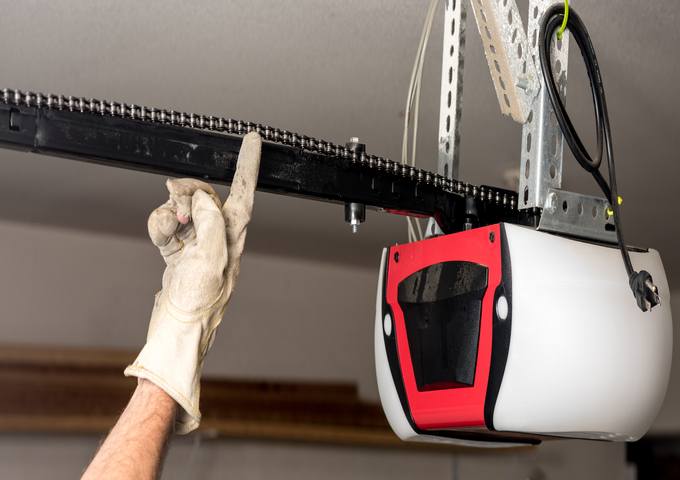
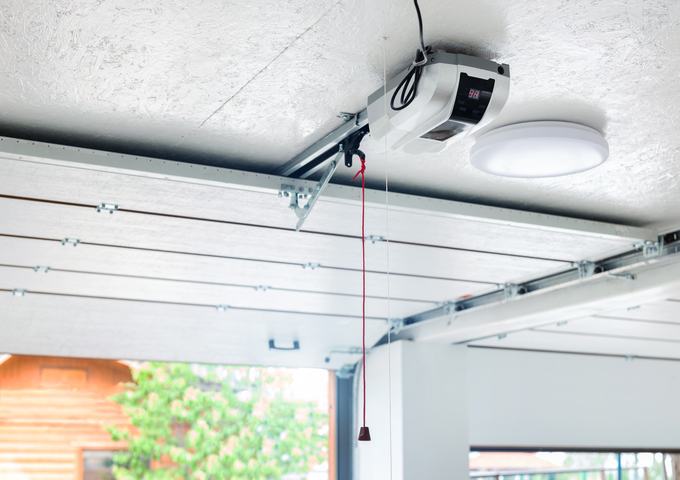
    Traditional overhead garage door openers, also known as ceiling mount openers, are common. They involve a motor unit mounted on the garage ceiling. A rail system extends from the motor to the top of the garage door. This setup utilizes a chain, belt, or screw drive to open and close the door. These systems have been the standard for decades.

    On the other hand, wall mount garage door openers are a more modern solution. These are often called jackshaft or side mount garage door openers. They install directly beside the garage door, connecting to the torsion bar. This design frees up overhead space significantly, which is a key differentiator when comparing wall mount garage door opener vs ceiling mount setup.

    Wall Mount Garage Door Openers Explained

    A wall mount garage door opener operates by directly turning the torsion bar. This bar is what controls the springs that counterbalance the garage door’s weight. When activated, the opener rotates the torsion bar, causing the door to move up or down. This mechanism is efficient and compact, providing an alternative to traditional methods.

    Benefits of a Wall Mount Garage Door Opener

    Wall Mount Garage Door Opener vs Ceiling Mount

    Space-saving is a major benefit of a wall mount garage door opener. By eliminating the overhead motor and rail, you gain valuable ceiling space. This is perfect for taller vehicles, car lifts, or overhead storage. It also creates a cleaner, more uncluttered look in your garage. This space advantage is a compelling reason to choose a wall mount garage door opener vs ceiling mount.

    Wall mount garage door openers are also known for their quiet operation. With fewer moving parts compared to some ceiling mount designs, vibrations and noise are significantly reduced. This makes them ideal for garages attached to living areas, where noise transmission is a concern.

    Security is enhanced with a wall mount garage door opener. The motor is mounted high on the wall, making it less accessible. Many models also include features like automatic door locks, adding an extra layer of protection. This makes them a robust option.

    Ease of access for maintenance is another plus for a wall mount garage door opener. The unit is typically mounted at a more convenient height. This simplifies routine checks and any necessary repairs, adding to its practical appeal.

    Disadvantages of a Wall Mount Garage Door Opener

    Despite their benefits, wall mount garage door openers do have some drawbacks. They typically come at a higher initial cost than many ceiling mount models. This can be a factor for budget-conscious homeowners. This cost difference is a common point in any discussion about wall mount garage door opener vs ceiling mount.

    Compatibility can also be an issue. Wall mount garage door openers require a torsion bar system. Not all garage doors are equipped with this, especially older models. They may also have weight limitations for heavier doors, which must be considered.

    Installation can be more complex for a wall mount garage door opener. It requires precise alignment with the torsion springs. Professional installation is often recommended to ensure proper function and safety. An electrical outlet near the door is also necessary.

    Ceiling Mount Garage Door Openers Explained

    Ceiling Mount Garage Door Openers

    Ceiling mount garage door openers are the traditional and widely used option. The motor hangs from the ceiling, connected to a track. A trolley moves along this track, attached to the garage door by an arm. The motor powers a chain, belt, or screw drive to pull the door open and closed.

    Benefits of a Ceiling Mount Garage Door Opener

    Cost-effectiveness is a primary advantage of ceiling mount garage door openers. They are generally more affordable to purchase and install. This makes them a popular choice for many households looking for reliable operation without a high investment.

    Reliability is another strong point for these openers. They have a long-standing track record of dependable performance. Many homeowners are familiar with their operation and maintenance. They also offer a wide range of brands and models, ensuring variety.

    Ceiling mount openers can handle a variety of door types and weights. This versatility makes them suitable for most standard residential garage doors. Parts are also readily available, which can simplify repairs.

    Disadvantages of a Ceiling Mount Garage Door Opener

    One major drawback of a ceiling mount garage door opener is the space it occupies. The motor unit and track extend into the overhead space. This can limit storage options or prevent the installation of car lifts. This is a crucial point when comparing wall mount garage door opener vs ceiling mount.

    Noise levels can be higher with ceiling mount openers, especially chain-drive models. While belt-drive options are quieter, they still produce more sound than most wall mount units. This can be disruptive if the garage is adjacent to living areas.

    Aesthetics can also be a concern. The bulky motor and track are often visible. This might not be desirable for those who prefer a clean, minimalist garage appearance, contrasting with the discreet nature of a wall mount garage door opener.

    Installation of a ceiling mount garage door opener can sometimes be challenging. It requires proper ceiling support and alignment. DIY installation is possible for some, but professional help may be needed.

    Read More: Belt vs Chain Garage Door Opener

    Choosing the Right Opener: Wall Mount Garage Door Opener vs Ceiling Mount

    When deciding between a wall mount garage door opener vs ceiling mount, several factors come into play. Your garage’s layout is crucial. If overhead space is at a premium, a wall mount garage door opener is a clear winner. For standard garages with ample ceiling clearance, a ceiling mount may be perfectly adequate. The comparison of a wall mount garage door opener vs ceiling mount often comes down to available space.

    Noise preference is another important consideration. If your garage is below a bedroom, the quiet operation of a side mount garage door opener vs an overhead unit could be a deciding factor. The distinct quietness of the best wall mount garage door opener models is appealing.

    Budget also plays a significant role. Wall mount garage door openers generally have a higher upfront cost. However, consider the long-term benefits of space and potentially less maintenance for some models.

    The type of garage door you have is also relevant. Wall mount units require a torsion spring system. Ensure your door is compatible before committing to a wall mount garage door opener. This is a critical technical detail.

    Finally, consider the security features and smart home integration offered by each type. Many modern openers, both wall and ceiling mount, offer advanced connectivity for remote control and monitoring. The choice between a wall mount garage door opener vs ceiling mount can also depend on these modern amenities.

    Conclusion

    The debate between a wall mount garage door opener vs ceiling mount boils down to individual needs and preferences. A wall mount garage door opener offers a sleek, space-saving, and quiet solution, especially beneficial for garages with limited overhead room or where noise is a concern. The best wall mount garage door opener models provide excellent functionality and security.

    Conversely, ceiling mount garage door openers remain a reliable and cost-effective choice for many homes, handling various door types with ease. They are widely available and simpler for basic installations. The best side mount garage door opener offers a modern alternative to traditional overhead units. Ultimately, a thorough assessment of your garage’s specific requirements, your budget, and your desired features will guide you to the ideal choice for your home.

    Frequently Asked Questions

    Q1: Can I install a wall mount garage door opener myself?

    While some homeowners with advanced DIY skills might attempt it, professional installation is generally recommended for a wall mount garage door opener. This ensures proper alignment with the torsion bar and optimal safety.

    Q2: Are wall mount garage door openers suitable for all garage doors? 

    No, wall mount garage door openers require a torsion spring system. They are also generally designed for standard residential doors and may not be suitable for extremely heavy or unusually sized doors.

    Q3: How much quieter is a wall mount garage door opener compared to a ceiling mount?

    Wall mount openers are significantly quieter due to fewer moving parts and direct drive mechanisms. While belt-drive ceiling mounts are quieter than chain-drive, wall mounts typically offer the lowest noise levels.

    Q4: Do wall mount garage door openers come with battery backup? A4: Many modern wall mount garage door openers, like their ceiling mount counterparts, offer battery backup features. This allows the door to operate during power outages, providing added convenience and security.

    Q5: What maintenance is required for a wall mount garage door opener? A5: Wall mount garage door openers generally require less maintenance than some traditional overhead models, as they have fewer parts. Regular lubrication of the torsion bar and checking the safety sensors are good practices.


  • Belt vs Chain Garage Door Opener: Which Type Is Best for Your Home in 2025?

    Belt vs Chain Garage Door Opener: Which Type Is Best for Your Home in 2025?

    Choosing between a belt vs chain garage door opener can be tricky in 2025. Each drive type offers distinct benefits, but one may better suit your home, budget, and noise preferences. Whether you’re upgrading your existing garage door system or installing a new one, understanding the differences is crucial for making a smart decision about a Best Garage Door Opener.

    What Is a Chain Drive Garage Door Opener?

    A belt vs chain garage door opener comparison starts with understanding how each works. A chain drive opener uses a metal chain to lift and lower your garage door. It’s known for reliability, affordability, and strength. These models have been around for decades and are widely trusted for their durability.

    Because of their robust design, chain drives are ideal for lifting heavier doors, such as solid wood or oversized garage doors. They’re commonly used in detached garages where noise isn’t a major concern, making them a solid option in the chain versus belt garage door opener debate.

    What Is a Belt Drive Garage Door Opener?

    What Is a Belt Drive Garage Door Opener

    Understanding the difference also involves looking at how belt drives operate. A belt drive opener uses a reinforced rubber belt made with materials like steel or fibreglass. It delivers a smoother, quieter operation compared to chain drives, another reason why many prefer belt options in a belt vs chain garage door opener evaluation.

    These openers are perfect for homes with living areas above or adjacent to the garage. Many modern belt drive systems also integrate advanced technology like smartphone connectivity and motion-detection lighting.

    Noise Levels – Which Is Quieter?

    Noise is often a deciding factor. Belt drives are significantly quieter due to their design. There’s less metal-on-metal contact, resulting in a near-silent operation.

    Chain drives produce more noise due to vibration and metal friction. This might not matter in detached garages, but it can be disruptive in attached homes. That’s why, in the chain vs belt garage door opener comparison, belt drives often win for quiet performance.

    Durability and Lifespan

    Chain drives are built to withstand rough conditions. They perform well in extreme temperatures and are ideal for locations with high humidity or dust.

    Belt drives, while also durable, may experience wear over time due to environmental factors. Still, high-end belt drives with reinforced materials can last just as long with proper maintenance, making the belt vs chain garage door opener decision a matter of use case.

    Installation and Maintenance

    Chain drive systems require more maintenance. Regular lubrication and tension adjustments are needed to keep them running smoothly. Improper tension or a dry chain can lead to early wear or malfunction.

    Belt drives are easier to maintain. Their components don’t require frequent adjustments or lubrication, making them more user-friendly for homeowners. This low-maintenance factor is often decisive when choosing a chain or belt garage door opener.

    Installation for both types is fairly straightforward, though belt drives may require more careful alignment to preserve their quiet operation.

    Price Comparison in 2025

    In general, belt drive models are priced higher than chain drives. The price difference usually reflects the quieter performance and lower maintenance requirements.

    Chain drive garage door openers are typically more affordable upfront. For homeowners on a budget, they provide strong value, especially if noise isn’t a primary concern.

    A cost analysis often shows that the upfront investment in a belt system pays off in comfort over time, making it worthwhile to weigh all aspects of a belt vs chain garage door opener.

    Strength and Lifting Power

    For heavier garage doors, chain drives are superior. Their design allows them to lift doors that belt drives might struggle with.

    Belt drive systems work great for standard residential garage doors. However, they may be underpowered for large custom doors unless designed for heavy-duty use. Lifting power is another key consideration in the belt vs chain garage door opener decision.

    Technology and Smart Features

    Both types support smart features like:

    • Wi-Fi connectivity
    • App-based control (MyQ, Aladdin Connect, etc.)
    • Battery backup
    • Keyless entry systems
    • Voice assistant compatibility (Alexa, Google Assistant)

    Leading brands like Chamberlain and LiftMaster offer both belt and chain models with advanced technology for 2025 homes, regardless of whether you’re choosing a belt vs chain garage door opener.

    Popular Brands Offering Both Drive Types

    Chamberlain, LiftMaster, and Genie are the most recognized names in garage door openers. Each brand provides both belt and chain models:

    • Chamberlain B970: Belt drive, ultra-quiet, smart-enabled
    • Chamberlain C450: Chain drive, reliable, basic smart features
    • Genie Chain Drive 500: Affordable and efficient
    • Genie QuietLift 750: Smooth belt operation, silent motor

    Whether you’re looking for quiet operation or power, these brands offer multiple models for every type of garage setup. Consider the specs carefully when choosing the best belt vs chain garage door opener for your needs.

    Ideal Use Case for Each Type

    Belt Drive:

    • Attached garages
    • Noise-sensitive households
    • Homes with living space near the garage
    • Families with children or elderly residents

    Chain Drive:

    • Detached garages
    • Heavy garage doors
    • Budget-conscious homeowners
    • Commercial or industrial use

    Choosing between these two types depends largely on your garage’s layout and how much noise you’re willing to tolerate in a belt vs chain garage door opener comparison.

    Environmental Considerations

    When selecting a garage door opener in 2025, consider your local climate.

    Chain Drives in Harsh Climates

    Chain drives work exceptionally well in extreme heat, cold, or humidity. The metal components can handle fluctuations without expanding or contracting too much.

    Belt Drives in Moderate Climates

    Belt drives, while quieter, may degrade faster in humid or extremely cold environments unless they’re reinforced. If you live in a milder climate, a belt drive opener is an excellent long-term investment and a strong contender in the belt vs chain garage door opener debate.

    Safety Features to Consider

    Modern garage door openers, whether belt or chain-driven, offer a variety of safety features. These protect your family and pets while also deterring intruders.

    Auto-Reverse Mechanism

    This feature stops the door from closing if an object is detected. Both chain and belt drives include this, and it’s a must-have in any modern system.

    Rolling Code Security

    This technology changes the door’s access code after each use, preventing hackers from duplicating your garage door remote code.

    Battery Backup

    Power outages can be a major issue. Most new models come with a battery backup that allows the opener to work during blackouts — an essential feature, especially in 2025. Regardless of type, your belt vs chain garage door opener should have these features.

    Energy Efficiency

    Energy efficiency is becoming more important for homeowners, and that extends to garage door openers.

    Belt drive systems often consume less energy during operation, especially smart models that go into sleep mode when inactive. While chain drives might use slightly more power, newer models are catching up in efficiency. These differences add another layer to consider in your belt vs chain garage door opener evaluation.

    Future Trends in Garage Door Openers

    Looking beyond 2025, we expect a surge in smart garage technology. Manufacturers are investing in AI-powered systems, advanced sensors, and even solar-powered options.

    The market may soon see hybrid systems combining the best of both technologies — the silence of belts with the strength of chains. Future innovation could redefine the belt vs chain garage door opener discussion entirely.

    Chain vs Belt Garage Door Opener – Which to Choose?

    The choice depends on your specific needs:

    • Want quiet and low maintenance? Choose a belt drive.
    • Need to lift a heavy door or save money? Choose a chain drive.

    Evaluate your home setup, budget, and preferences before making a decision. Consider how often you use your garage and whether noise will affect your household. This is the heart of the belt vs chain garage door opener decision-making process.

    Best Garage Door Opener for Your Home in 2025

    The best garage door opener in 2025 balances power, smart features, and quiet performance. For most modern homes, a belt drive model with smart connectivity, battery backup, and a quiet motor is ideal.

    However, if your garage is detached or noise isn’t a factor, a chain drive with smart features is still a great choice.

    Whether you go with a chain or belt, the right opener will improve your home’s convenience, security, and comfort. Take your time reviewing options for the right belt vs chain garage door opener.

    Conclusion: Final Thoughts on Drive Types

    In the belt drive vs chain drive garage door opener comparison, each system has clear strengths. Belt drives offer quiet, efficient operation and smart features, perfect for residential use. Chain drives provide unmatched strength and affordability.

    Your final choice should reflect your lifestyle. Do you prioritize peace? Or is rugged performance your top need?

    For detailed comparisons and product reviews, visit this trusted resource from Consumer Reports. It’s an excellent source for unbiased insights about your next belt vs chain garage door opener.

    FAQs About Garage Door Openers

    1. Which garage door opener lasts longer, belt or chain?

    Chain drives typically last longer in harsh environments due to their robust metal construction.

    2. Is a belt drive opener worth the extra money?

    Yes, if you need a quieter, low-maintenance solution, especially for attached garages.

    3. Can both openers handle double garage doors?

    Yes. However, chain drives are often better for larger, heavier double doors.

    4. Which one is easier to maintain?

    Belt drives require less maintenance than chain drives, making them more convenient for homeowners.

    5. Are smart features available in both opener types?

    Absolutely. Most modern belt and chain drive openers include Wi-Fi, smartphone control, and backup batteries.


  • The Best Garage Door Opener | 2025 Buyer’s Guide

    The Best Garage Door Opener | 2025 Buyer’s Guide

    Looking for the best garage door opener to match your home’s needs in 2025? Whether you’re after quiet performance, heavy-duty operation, or smart home compatibility, this guide will walk you through the top options available.

    We’ll also compare belt vs chain drives, side vs ceiling mounting, and horsepower considerations so you can confidently choose the right opener.

    Top-Rated Garage Door Openers

    Top-rated garage door openers typically come with Wi-Fi, security encryption, and reliable backup systems. These models are highly recommended for their durability, ease of use, and compatibility with home automation systems. If you want peace of mind, investing in the best garage door opener from a trusted brand is key.

    Belt vs Chain Garage Door Opener

    Belt vs Chain Garage Door Opener

    Choosing between a belt vs chain garage door opener depends on your priorities. A belt drive is quiet and requires minimal upkeep, ideal for homes with attached garages. A chain-drive opener is more cost-effective and reliable for heavier doors, though slightly louder.

    Wall Mount Garage Door Opener vs Ceiling Mount

    If you have limited ceiling space, a side mount garage door opener is your best choice. It frees up the ceiling for storage or overhead lights. Traditional ceiling mount openers remain popular for their affordability and broad availability.

    Quietest Garage Door Opener

    Belt and direct-drive units are considered the quietest garage door opener types. These models produce less vibration and sound, which is perfect for garages attached to bedrooms or home offices. If noise is a concern, this is a major feature to prioritize.

    Heavy Duty Garage Door Opener

    A heavy-duty garage door opener is necessary if your door is oversized, insulated, or used frequently. These models offer higher horsepower and stronger components, ensuring smoother operation even under load.

    ½ HP vs 1¼ HP Garage Door Opener

    ½ HP vs 1¼ HP Garage Door Opener

    For light single garage doors, a ½ hp opener is sufficient. However, for taller, heavier, or double doors, a 1¼ hp garage door opener is more reliable and reduces wear and tear. Choosing the right horsepower increases your system’s longevity.

    Low Clearance Garage Door Opener

    Low clearance garage door opener models are designed for garages with limited headroom. These openers either use compact rails or mount beside the door, offering flexibility without compromising functionality.

    Best Garage Door Opener for Smart Homes

    The Best Garage Door Openers 2025 for smart home integration should offer Wi-Fi connectivity, app control, and compatibility with Alexa or Google Assistant. Features like geofencing and activity logs are becoming standard in 2025’s top smart models.

    Safety Features That Matter

    Modern openers include infrared sensors, motion detection, and auto-reverse functions. These features prevent accidents and protect your family and pets. When purchasing the best garage door opener, always confirm it meets current safety standards.

    Battery Backup

    A garage door opener battery backup ensures that your system continues to work during power outages. This feature is especially useful in areas prone to storms or power failures, giving you uninterrupted access when you need it most.

    Installation Tips

    Many homeowners attempt garage door opener installation themselves. It’s doable with the right tools and time. Follow the manufacturer’s instructions carefully and ensure safety features are correctly aligned. For complex setups like wall mounts, professional help is recommended.

    How to Program Garage Door Opener Systems

    Knowing how to program garage door opener remotes or vehicle integrations is essential. Most systems include a “Learn” button. Simply press it, then follow your remote or vehicle instructions to sync. Smart models may also pair via apps or Bluetooth.

    Garage Door Opener Not Working?

    A garage door opener not working could signal power issues, dead batteries, or sensor misalignment. Always check the power source first, inspect the sensors, and try resetting the system. If issues persist, consult the user manual or contact a technician.

    Unit Comparison at a Glance

    Feature Chain‑Drive Belt‑Drive Wall‑Mount
    Noise Level Moderate Quiet Ultra-Quiet
    Smart Features Basic Wi-Fi App + Voice Full Smart Integration
    Horsepower Options ½ hp – 1 hp ½ hp – 1¼ hp Up to 1¼ hp
    Best For Budget installs Homes with bedrooms nearby Low-ceiling garages
    Garage Size Suitability Standard doors Standard to heavy doors Any size, low clearance

    Key Considerations Before You Buy

    1. Door Size and Weight: Heavier doors need more power.
    2. Noise Tolerance: Belt drives are best for quiet operation.
    3. Clearance and Mounting Options: Choose based on ceiling height.
    4. Smart Features: Ensure compatibility with your smart home system.
    5. Power Backup: Prioritize units with a garage door opener battery.

    Why the Best Garage Door Opener Makes a Difference

    Investing in the best garage door opener gives you more than convenience. You’ll benefit from increased safety, security, and durability. With smart features, you can monitor access, set schedules, and receive alerts, making your garage safer and more accessible.

    Additionally, modern openers are designed with energy efficiency and long-term reliability in mind. Choosing a model with the right drive system, horsepower, and mounting configuration enhances your daily routine and reduces maintenance headaches.

    FAQs

    1. Why is my garage door opener not working suddenly?

    Check for dead batteries, power source issues, or blocked sensors. Reset the unit if needed and ensure remotes are properly synced.

    2. Can I perform garage door opener installation myself?

    Yes, if you’re handy with tools. Follow instructions and ensure all safety sensors are correctly aligned. Seek professional help for complex setups.

    3. What does a garage door opener battery do?

    It powers your opener during blackouts. Some models provide up to 20 open/close cycles when electricity is unavailable.

    4. How do I complete how to program a garage door opener remote or keypad?

    Use the “Learn” button on the opener, then press the corresponding remote button until the light blinks or beeps.

    5. Is a side mount garage door opener better than a ceiling model?

    It depends on your space. Side mounts are ideal for low ceilings, while ceiling models work in standard garages with no clearance issues.

    Final Thoughts

    In 2025, finding the best garage door opener means focusing on power, smart compatibility, and space-saving design. Whether you’re upgrading an old unit or installing a new one, options like the quietest garage door opener, side mount garage door opener, or heavy duty garage door opener will meet every unique household need.

    Don’t overlook important factors like horsepower, low clearance solutions, and the difference between a belt vs chain garage door opener. Installation and safety setup matter just as much as features, so read the manuals and follow current guidelines.

    For safety resources and technical guidelines, visit the U.S. Consumer Product Safety Commission’s website.

  • Top 5G Benefits for Consumers and Businesses

    Top 5G Benefits for Consumers and Businesses

    The rollout of 5G technology is more than just a speed upgrade—it represents a foundational shift in how we connect, work, and live. As we look toward Tech Trends 2025, 5G stands out as a game-changer, offering unprecedented capabilities for both everyday users and enterprises. Understanding the 5G benefits for consumers and businesses is crucial as industries and individuals prepare to leverage the full potential of this revolutionary network.

    The Evolution: 5G vs 4G Comparison

    To appreciate what 5G brings to the table, a quick 5G vs 4G comparison is essential. While 4G brought us high-speed mobile internet, 5G offers speeds up to 100 times faster, with ultra-low latency and higher reliability. It supports significantly more devices per square kilometre, making it ideal for dense urban environments and emerging technologies.

    How Fast Is 5G?

    One of the most frequently asked questions is: How fast is 5G? In practical terms, 5G can reach speeds of up to 10 Gbps under ideal conditions. This means you could download a full HD movie in seconds or stream 4K videos without buffering. But speed isn’t the only advantage—latency is reduced to as low as 1 millisecond, making real-time communication seamless.

    5G Use Cases Transforming Industries


    The list of 5G use cases continues to grow, reshaping everything from healthcare to manufacturing. Real-time remote surgeries, automated vehicles, and smart factories are just a few examples. The low latency and high reliability of 5G enable innovations that were previously impossible with older networks.

    The wide range of applications demonstrates how impactful the 5G benefits for consumers and businesses will be over the coming years, especially as new use cases continue to emerge.

    Consumer 5G Applications

    For everyday users, consumer 5G applications include enhanced mobile gaming, augmented reality (AR) experiences, ultra-HD video streaming, and improved telehealth services. With more people working remotely, 5G also ensures smoother video conferencing and faster file sharing, improving overall productivity. These are just a few examples of how the 5G benefits for consumers and businesses are transforming daily digital interactions.

    Enterprise 5G Solutions Driving Business Innovation

    On the corporate side, enterprise 5G solutions are enabling smart manufacturing, predictive maintenance, and real-time analytics. Businesses in logistics, agriculture, and retail are adopting 5G to increase efficiency, reduce costs, and enhance customer experiences. This is particularly true for industries reliant on IoT (Internet of Things) devices. These benefits are a clear demonstration of how the 5G benefits for consumers and businesses are not just theoretical—they’re already reshaping operations.

    5G Enabled Devices: What to Expect

    The ecosystem of 5G enabled devices is rapidly expanding. Smartphones, tablets, laptops, and even IoT gadgets now come with built-in 5G support. As adoption increases, manufacturers are focusing on integrating 5G into more affordable and diverse product lines, ensuring broader accessibility.

    5G for Smart Cities

    Urban planners are already using 5G for smart cities, enabling intelligent traffic systems, energy-efficient buildings, and real-time surveillance. These advancements promise to make cities safer, more efficient, and more livable. For example, smart lighting that responds to pedestrian movement or connected emergency services can dramatically improve urban life.

    Final Thoughts: The Road Ahead

    The 5G benefits for consumers and businesses are clear: faster speeds, smarter connectivity, and limitless innovation. Whether you’re streaming your favourite show or managing a global logistics network, 5G is reshaping the way we interact with technology. As we continue toward Tech Trends 2025, staying informed and prepared for this digital leap will be key to maximizing opportunities.

    For a deep dive into how 5G is changing the world, visit GSMA’s 5G Resource Hub, a trusted source for up-to-date 5G developments and global implementation efforts.

    FAQs

    Q1: How does 5G differ from 4G in practical use?
    A: 5G offers significantly faster speeds, lower latency, and greater connectivity than 4G, making it ideal for advanced applications like IoT, AR/VR, and smart infrastructure.

    Q2: What industries will benefit most from 5G?
    A: Manufacturing, healthcare, logistics, retail, and urban planning are expected to see the greatest impact through increased efficiency and innovation.

    Q3: Are 5G devices already available?
    A: Yes, many smartphones and other devices now come 5G-ready, and the market for 5G enabled devices continues to grow rapidly.

    Q4: Is 5G safe for consumers?
    A: Yes, 5G technology meets all safety standards set by international regulatory bodies.

    Q5: When will 5G be widely available?
    A: Deployment is ongoing globally, with many urban and suburban areas already experiencing 5G connectivity. Widespread adoption is expected by 2026.


  • Top Budget Backpacking Destinations Around the World

    Top Budget Backpacking Destinations Around the World

    If you’re dreaming of seeing the world without draining your savings, this travel guide is tailored just for you. Whether you’re planning a long-term adventure or a quick escape, there are plenty of budget backpacking destinations that offer unforgettable experiences at a fraction of the cost. From Southeast Asia to South America, we’ve compiled a list of countries where you can stretch your dollars while enjoying rich cultures, stunning landscapes, and warm hospitality.

    This post will not only highlight affordable travel spots but also offer tips for backpacking on a budget, including hostel-friendly countries, cheap backpacking destinations, and insider budget travel hacks. So tighten your straps, roll up that sleeping bag, and let’s dive into the best budget-friendly countries you should explore next.

    1. Vietnam – Southeast Asia’s Budget Gem

    Vietnam is a paradise for budget-conscious travellers. From the bustling streets of Ho Chi Minh City to the serene beauty of Ha Long Bay, Vietnam has everything for the curious budget travel for beginners. The cost of food, transportation, and accommodation is extremely low.

    You can enjoy a full meal for under $2 and sleep in clean hostels for just $5–$10 per night. It’s an ideal stop for those travelling on a shoestring, and the street food scene alone is worth the trip. Vietnam continues to rank as one of the top budget backpacking destinations in Asia.

    Budget travel tips: Use public buses and eat where the locals eat. Hostels often organize free walking tours, which are a great way to learn and meet fellow solo backpacking destination travellers.

    2. Bolivia – Adventure on a Budget

    For those seeking high-altitude adventures and surreal landscapes, Bolivia delivers without the high price tag. The country offers some of the most affordable travel destinations in South America. From the salt flats of Uyuni to the bustling markets of La Paz, Bolivia combines culture and natural wonder.

    It’s one of the low-cost travel countries where $25 a day covers food, accommodation, and transport. With its breathtaking scenery and wallet-friendly prices, Bolivia has quickly earned a spot among the best-budget backpacking destinations in the Americas.

    Budget travel hack: Overnight buses save on lodging and move you across large distances economically.

    3. India – Diversity That Doesn’t Break the Bank

    India – Diversity That Doesn’t Break the Bank

    India is vibrant, chaotic, and one of the cheapest countries to travel to. With ancient temples, chaotic bazaars, and the Himalayas in the north, it offers a lifetime’s worth of exploration. A meal can cost as little as $1, and trains and buses are both efficient and budget-friendly.

    It’s a dream for those backpacking essentials on a budget. Major cities like Delhi and Mumbai can be pricier, but rural areas and second-tier cities provide more authentic experiences at lower costs. India remains a timeless entry on any list of global budget backpacking destinations.

    Budget travel tip: Use apps like IRCTC or RedBus to book local transport cheaply and efficiently.

    4. Nicaragua – The Cheaper Costa Rica

    Nicaragua has emerged as one of Central America’s top cheap places to visit long term. With volcanoes, beaches, and colonial cities, it has something for every type of backpacker. Whether you’re surfing in San Juan del Sur or exploring León’s history, costs are low and the vibe is chill.

    This is one of the ideal backpacking on-budget destinations where you can find hostels for under $10, meals for $3, and even volunteer gigs in eco-lodges to cut down costs. Nicaragua’s laid-back energy and affordability make it one of the region’s must-see budget backpacking destinations.

    Budget-friendly tip: Travel during the shoulder season (May–June, September–November) for cheaper stays and fewer tourists.

    5. Georgia – Europe’s Hidden Treasure

    Not the U.S. state—this Georgia lies at the crossroads of Europe and Asia, and it is a budget-friendly destination for travellers seeking a European experience without the price tag. Tbilisi is bursting with history, hip cafes, and mountains all around.

    Local wines are cheap and excellent, public transportation is affordable, and there’s a warm culture of hospitality. Georgia also welcomes digital nomads with open arms, making it one of the cheap countries for digital nomads. If you’re looking for alternative budget backpacking destinations in Europe, Georgia is a standout.

    Travel hack: Many guesthouses include breakfast and even home-cooked dinners, stretching your budget further.

    6. Nepal – The Roof of the World

    If trekking through the Himalayas is on your bucket list, Nepal should be at the top of your travel plans. With trails like the Annapurna Circuit and Everest Base Camp, Nepal is a magnet for solo backpacking destinations and adventure seekers.

    Accommodations in mountain lodges (called teahouses) are affordable, and meals cost only a few dollars. Nepal is often recommended for budget travel for beginners, and it’s easy to see why it ranks as one of Asia’s most rewarding budget backpacking destinations.

    Backpacker guide tip: Buy or rent gear in Kathmandu to avoid airline luggage fees and high prices.

    7. Albania – Europe on a Dime

    Albania offers Mediterranean beaches, Ottoman towns, and mountain landscapes for a fraction of the price you’d pay in neighbouring Greece or Italy. It’s still relatively undiscovered, making it one of the best off-the-beaten-path budget destinations in Europe.

    With friendly locals and minimal tourist crowds, Albania is a top choice for those seeking low-cost travel countries with charm. From Tirana to the Albanian Riviera, it’s a strong contender among Europe’s budget backpacking destinations.

    Budget tip: Tirana is the most expensive city, but countryside towns offer more for less.

    8. Philippines – Island Hopping on a Budget

    Philippines – Island Hopping on a Budget

    Though flights may be slightly higher to get there, once you’re in the Philippines, it becomes one of the most cheap backpacking destinations. With thousands of islands to choose from, you can dive with whale sharks, surf in Siargao, or relax on Palawan’s white-sand beaches—all affordably.

    Domestic flights and ferries are economical, and many hostel-friendly countries like the Philippines have communal stays that create a fun travel atmosphere. Among the tropical budget backpacking destinations, few can compete with the variety and warmth offered here.

    Backpacking hack: Book inter-island ferries in advance and eat at local carinderias (small food stalls) to save cash.

    Read More

    Final Thoughts: Traveling the World on a Budget

    Backpacking doesn’t have to mean discomfort or cutting corners. These affordable travel destinations prove that adventure and cultural richness are accessible, even if you’re travelling the world on a budget. From mountain treks in Nepal to street food in Vietnam, the world is full of cheap countries to travel that don’t skimp on experience.

    Pack smart, plan wisely, and keep this guide handy. With the right mindset and a few budget travel hacks, you can turn your next trip into a memorable journey without burning through your bank account.

    So, which of these budget backpacking destinations will you visit first?


  • ✈️ Airline Reviews: Which Ones Are Worth the Hype?

    ✈️ Airline Reviews: Which Ones Are Worth the Hype?

    Choosing an airline today is about more than just reaching your destination. With a growing number of carriers offering varying levels of service, pricing, and perks, savvy travellers turn to airline reviews and a reliable travel guide for honest, experience-based insights. Whether you’re planning a short domestic trip or a long-haul international journey, understanding the pros and cons of each airline can make your flight smoother, more comfortable, and even more rewarding.

    Why Airline Reviews Are Essential

    Flight prices fluctuate constantly, but value doesn’t always align with cost. That’s why airline reviews have become crucial for travellers seeking more than just cheap fares. These reviews help gauge overall satisfaction based on multiple factors—such as airline customer service reviews, punctuality, seat comfort, and onboard experience.

    Moreover, many review platforms aggregate user feedback into airline ratings and rankings, offering a clear snapshot of an airline’s performance across various categories. Travellers of all levels, whether first-timers or seasoned globetrotters, can benefit from real-world insights before booking.

    The Best Airlines in the Sky Right Now

    When it comes to the best airlines, a few names consistently rise above the rest. Singapore Airlines is celebrated for its luxurious cabins, attentive staff, and gourmet meals. Qatar Airways earns high marks in many flight experience reviews for its cutting-edge aircraft and spacious seating.

    Emirates continues to impress with its best in-flight entertainment, offering a vast selection of movies, music, and live TV. In North America, Delta and Alaska Airlines are recognized for both the most reliable airline status and solid airline seating comfort, especially in economy class.

    Budget vs Premium Airlines: What’s the Real Difference?

    Airline Reviews: Budget vs Premium Airlines

    The budget vs premium airlines comparison is more than a price check—it’s a look at trade-offs. Budget airlines such as Frontier, Ryanair, and Spirit attract price-conscious travellers but often limit comfort, entertainment, and carry-on options. You’ll want to closely read airline baggage policy comparison guidelines to avoid surprise fees.

    In contrast, premium airlines like Lufthansa, Cathay Pacific, and Japan Airlines tend to justify their higher fares with exceptional airline food and amenities, upgraded seats, and generous frequent flyer benefits.

    For long-haul flights, the difference can be especially noticeable. Passengers on premium carriers often report higher satisfaction in business class vs economy reviews, with factors such as lie-flat beds, privacy screens, and superior dining making all the difference.

    Frequent Flyer Programs: More Than Just Miles

    If you travel frequently, selecting the right loyalty program can significantly enhance your travel experience. A smart frequent flyer program comparison reveals which airlines offer the most generous and flexible rewards.

    Top-tier programs like Qatar Privilege Club, United MileagePlus, and American Airlines AAdvantage reward frequent flyers with free upgrades, lounge access, and bonus miles. Even budget airlines like Southwest and JetBlue offer loyalty perks that can save frequent travellers hundreds over time.

    When selecting a program, consider factors such as airline alliances, expiration policies, and how easy it is to redeem rewards. The best programs make it simple to convert points into flights, seat upgrades, or even hotel stays.

    Travel Airline Comparison: How Major Carriers Stack Up

    Let’s break down a few major players using real-world categories to make your decision easier:

    Category Airline Example Why It Stands Out

    Best Airlines for International Travel

    Singapore Airlines Consistent five-star service and comfort

    Most Reliable Airlines

    Delta, ANA Frequent on-time arrivals and strong safety record

    Best In-Flight Entertainment

    Emirates Hundreds of channels, live sports, and music

    Eco-Friendly Airlines

    KLM, Lufthansa Carbon offset programs and efficient fleets

    Safest Airlines 2025

    Qantas, Air New Zealand Exemplary safety track records

    Top Airlines for Long-Haul Flights

    Qatar Airways Spacious cabins and luxury in every class

    These comparisons help illustrate the value of travel airline comparison—especially when you’re unsure which carrier to choose.

    What to Consider When Reading Airline Reviews

    What to Consider When Reading Airline Reviews

    Every traveller has different needs. A business traveller might prioritize quiet cabins and Wi-Fi, while a family might look for free seat selection and flexible cancellation. That’s why reading airline reviews from people with similar travel goals can be more valuable than generic ratings.

    Watch for detailed mentions of:

    • Airline seating comfort – Especially for red-eye or 10+ hour flights
    • Airline baggage policy comparison – So you aren’t caught off guard
    • Airline food and amenities – Some airlines still offer meals, while others sell snacks
    • Customer service and responsiveness – Delays happen, but how the airline handles them matters
    • Real-user airline customer service reviews and testimonials

    Final Thoughts: Which Airlines Truly Deserve the Hype?

    Not all airlines offer the same value. While low-cost carriers can be great for quick trips or tight budgets, premium airlines provide a more enjoyable and less stressful flying experience, especially on international routes.

    If you’re planning frequent trips, consider loyalty perks, fleet age, and cabin quality—details that often show up in comprehensive airline reviews. From booking to boarding, the airline you choose can impact your trip more than you realize.

    So before you book your next flight, take a moment to read reviews, compare policies, and explore the growing world of airline ratings and rankings. It’s one of the smartest ways to fly better.

    Read More

    ✈️ Frequently Asked Questions (FAQs)

    1. Which airline has the best in-flight entertainment?

    Emirates is widely regarded as offering the best in-flight entertainment system, with hundreds of movies, TV shows, and live sports channels. Qatar Airways and Singapore Airlines also score highly in this category.

    2. Are premium airlines worth the extra cost compared to budget airlines?

    Yes, especially on long-haul flights. In a budget vs premium airlines comparison, premium carriers typically offer better airline seating comfort, food, entertainment, and customer service. If comfort and convenience are priorities, the upgrade can be worth it.

    3. What are the safest airlines in 2025?

    According to recent airline ratings and rankings, Qantas, Air New Zealand, and ANA are among the safest airlines in 2025, due to their excellent safety records, well-maintained fleets, and strict protocols.

    4. How do I choose the best frequent flyer program?

    Do a frequent flyer program comparison based on your travel frequency, airline alliances, and reward flexibility. Look for programs like United MileagePlus, Qatar Privilege Club, or American AAdvantage if you travel internationally often.

    5. What should I check in an airline before booking?

    Key factors include airline baggage policy comparison, seat layout, customer reviews, on-time performance, and available loyalty programs. Reading detailed airline reviews can give you valuable insight into the real passenger experience.

  • Best Places to Travel by Season: Your Ultimate Year-Round Travel Guide

    Best Places to Travel by Season: Your Ultimate Year-Round Travel Guide

    Planning a trip can be overwhelming, especially when you’re not sure which time of year suits your destination. Knowing the best places to travel by season can help you match your plans with the ideal climate, scenery, and activities. This travel guide offers a curated selection of destinations perfect for every season, from spring blossoms to winter escapes. 

    No matter, if you’re seeking sunshine, snowy adventures, cultural experiences, or family-friendly escapes, choosing the right time to visit each destination, can make all the difference. Let this year-round travel guide be your trusted companion for every trip.

    Spring: Colorful Cities and Natural Wonders

    Spring breathes life into landscapes around the globe. It’s a great time to avoid summer crowds while still enjoying mild temperatures and blooming nature. If you’re looking for fresh spring travel destinations, consider these vibrant picks.

    • Kyoto, Japan – Walk under cherry blossom trees and enjoy peaceful temples.
    • Amsterdam, Netherlands – Visit tulip gardens and cycle the charming canals.
    • Lisbon, Portugal – Discover picturesque shorelines and wander through charming historic districts under bright, sunny skies.

    These spring destinations highlight why spring is one of the best places to travel by season. It offers an ideal mix of stunning landscapes and rich cultural experiences, all without the hassle of large crowds.

    Summer: Coastal Retreats and High-Altitude Getaways

    Best Places to Travel by Season

    For those chasing sunshine, summer opens up beach destinations and mountain escapes alike. Think of long days, vibrant festivals, and outdoor adventures. These are some of the top summer travel destinations that should be on every adventurer’s radar.

    • Santorini, Greece – Soak in iconic views, local cuisine, and warm Aegean waters.
    • Banff, Canada – Trek across breathtaking mountain landscapes and past crystal-clear turquoise lakes.
    • Bali, Indonesia – Immerse yourself in lush tropical landscapes and vibrant cultural traditions at their finest.

    When evaluating the best places to travel by season, summer options stand out for their diversity. From Mediterranean charm to Canadian wilderness, there’s something for every type of traveller.

    Fall: Rich Culture and Harvest Colors

    Fall is ideal for travellers seeking a mix of colourful landscapes and cultural depth. Lower prices and fewer crowds make it a sweet spot for globetrotting. These fall vacation ideas blend the beauty of the season with rich cultural experiences.

    • Kyoto, Japan – Witness the fiery hues of autumn in serene gardens.
    • Napa Valley, USA – Enjoy wine tastings during the grape harvest.
    • Munich, Germany – Celebrate tradition at Oktoberfest and explore Bavarian culture.

    These destinations make fall one of the best places to travel by season if you enjoy a slower pace, authentic experiences, and unforgettable scenery.

    Winter: Magical Landscapes and Festive Experiences

    Winter isn’t just about snow—it’s also about the atmosphere. From cozy cities to icy adventures, this season has something unique to offer. Whether you’re skiing, enjoying holiday lights, or soaking in hot springs, winter is full of special moments. These winter vacation spots offer unforgettable experiences for all kinds of travellers.

    • Zermatt, Switzerland – Ski with a view of the Matterhorn and enjoy alpine luxury.
    • Reykjavik, Iceland – See the northern lights and relax in natural hot springs.
    • New York City, USA – Take in the holiday spirit with lights, shows, and skating.

    Travelling during winter can uncover some of the best places to travel by season for those looking to embrace the cold in style.

    Holiday Travel Destinations

    Holiday Travel Destinations

    The end-of-year season is packed with global celebrations and family reunions. These holiday travel destinations are perfect for those seeking festive cheer or a warm-weather escape.

    • Vienna, Austria – Traditional Christmas markets and classical music concerts.
    • Sydney, Australia – Celebrate New Year’s Eve with fireworks over the harbour.
    • Honolulu, Hawaii – Swap snow for sand during the holidays.

    Whether it’s Christmas magic or tropical relaxation, these destinations offer memorable experiences.

    Off-Season Gems: Peaceful and Affordable Adventures

    Travelling in the shoulder or off-season lets you enjoy popular places without the usual crowds. It’s easier on your wallet and often more authentic. Consider these off-season travel ideas when you’re ready for quiet and savings.

    • Rome, Italy (Winter) – Explore iconic landmarks at your own pace.
    • Thailand (Early Spring) – Experience beaches and temples before the monsoon.
    • Morocco (Late Fall) – Wander through medinas in cooler, pleasant weather.

    If you’re searching for value and peace, these offbeat options prove that the best places to travel by season aren’t always the most obvious ones.

    Read More

    Family-Friendly Picks by Season

    Family vacations are all about balance—fun for the kids and relaxation for parents. These picks offer both, tailored to the best time of year. These are ideal family vacations by season that everyone will love.

    • Orlando, USA (Spring) – Ideal weather and shorter lines at theme parks.
    • Lake Bled, Slovenia (Summer) – A calm, kid-safe lake with castle views.
    • Quebec City, Canada (Winter) – Ice hotel visits and family snow fun.

    When planning for all ages, consider the best places to travel by season to ensure everyone’s needs and expectations are met.

    Planning Your Seasonal Travel Itinerary

    Not sure where to start? Here are ideas on where to travel each season, including the best countries to visit by season and suggestions for a well-balanced seasonal travel itinerary:

    • Spring: Japan, Portugal, Netherlands
    • Summer: Canada, Greece, Indonesia
    • Fall: Germany, USA (California), South Korea
    • Winter: Iceland, Switzerland, USA (New York)

    Use these highlights to build your own flexible and inspiring seasonal travel itinerary.

    Read More

    Final Thoughts

    Where you travel can be just as important as when. With this seasonal travel guide, you can make the most of every trip by choosing the perfect destination at the right time. Use this year-round travel guide to match your mood, budget, and interests with the world’s top spots—and make every journey your best yet.

    By understanding the best places to travel by season, you open the door to more meaningful, stress-free, and well-timed adventures. Whether you’re exploring summer travel destinations or planning cozy winter vacation spots, there’s a perfect place for every season. Let this be your trusted resource for discovering the top seasonal travel spots across the globe.