
What should a City Hall look like in a world shaped by digital services, climate challenges, and diverse communities? For many cities, the answer is shifting rapidly. City Hall Design has evolved from purely administrative spaces into vibrant civic hubs that shape identity, democracy, and local pride.
Modern citizens expect transparency, accessibility, and sustainability from their governments—and City Halls must reflect that. In this article, you’ll discover the most important trends influencing today’s public buildings, from open-plan layouts to energy-positive structures and tech-infused spaces. We’ll explore real examples, design principles, and expert insights to help you understand what makes a truly future-ready civic landmark.
The Evolution of City Hall Design in the 21st Century
City Halls were once rigid, formal buildings—symbols of authority rather than accessibility. But today’s urban populations demand something different: places that encourage participation, collaboration, and civic pride.
From Monuments to Community Hubs
Modern City Halls emphasize openness and inclusivity. Many incorporate:
- Public plazas for gatherings and events
- Glass façades to symbolize transparency
- Flexible meeting rooms for community use
- Interactive service kiosks for self-service access
Instead of intimidating structures, cities now lean toward inviting, human-centered architecture that strengthens the connection between residents and local government.
Influence of Global Design Movements
Architectural styles still play a major role. Some City Halls reflect minimalist trends, while others draw from regional culture. Occasionally, we see references to International Style Architecture, especially in projects emphasizing clean lines, functional design, and openness. Yet even these historic movements are now blended with modern sustainability priorities.
Key Principles That Define Modern City Hall Design
To build a City Hall that supports future needs, architects focus on several core principles.
1. Transparency and Trust
Open design fosters trust. This includes:
- Large windows
- Public viewing galleries
- Visible meeting spaces
- Clearly marked service areas
Cities want buildings that show how government works rather than hide it.
2. Accessibility for All
Modern City Halls must follow universal design:
- Step-free entrances
- Braille signage
- Wide corridors
- Adaptive digital interfaces
The goal is equity—ensuring everyone can access public services without barriers.
3. Sustainability and Energy Efficiency
Sustainable architecture is no longer optional. City Halls now integrate:
- Solar panels
- Green roofs
- Rainwater harvesting
- Passive cooling systems
These features reduce operating costs and demonstrate a city’s commitment to the environment. Many cities now aim for LEED Platinum or carbon-neutral operations.
4. Future-Proof Flexibility
Government needs change constantly. Buildings must keep up.
Flexible design solutions include:
- Modular office layouts
- Multi-use chambers
- Reconfigurable furniture
- Adaptable workspaces for hybrid teams
A future-ready City Hall remains functional for decades without requiring major renovations.
5. Technology-Driven Public Services
Digital transformation is reshaping how City Halls operate.
Modern facilities include:
- Free public Wi-Fi
- Touchscreen directories
- Real-time queue systems
- Smart lighting and temperature controls
- Virtual meeting rooms
These innovations reduce wait times and improve the citizen experience.
Essential Elements of a Well-Designed City Hall
Every successful civic building includes a combination of physical, functional, and cultural elements.
Open Public Spaces
City Halls increasingly incorporate:
- Community gardens
- Outdoor seating areas
- Water features
- Art installations
- Event zones
These spaces encourage people to gather, socialize, and engage with their local government.
Strong Urban Integration
A City Hall should feel connected to its surroundings.
Key strategies include:
- Placing the building near transit hubs
- Integrating public plazas with adjacent streets
- Adding cafés or shops to improve foot traffic
- Designing walkable pathways that link to neighborhoods
A successful City Hall becomes a natural part of daily life.
Architectural Identity and Local Culture
City Halls often serve as powerful cultural symbols. Architects frequently draw inspiration from:
- Local history
- Regional materials
- Indigenous art
- Climate-appropriate conventions
This ensures each building reflects the city it serves—rather than feeling like a generic structure.
Global Examples of Innovative City Hall Design
Copenhagen City Hall Square Revitalization
Copenhagen transformed its City Hall surroundings into a lively public plaza, emphasizing walkability and community events. This project demonstrates how outdoor spaces can redefine public engagement.
Toronto City Hall’s Modernization
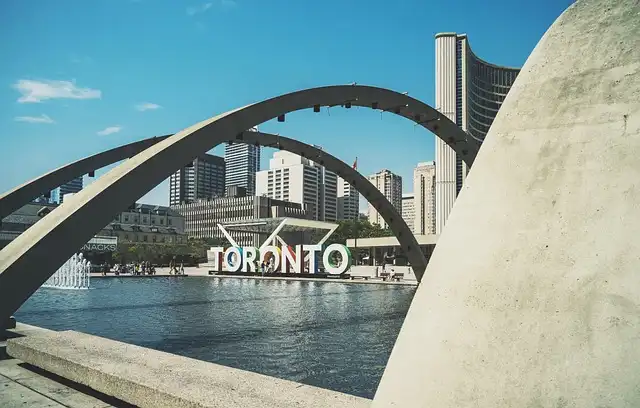
Toronto’s iconic City Hall was upgraded with sustainable systems, community-friendly landscaping, and improved accessibility—showing how older structures can evolve without losing heritage value.
Seoul Metropolitan Government Complex
Seoul integrated eco-friendly features, digital service centers, and public interaction zones to create a balance between tradition and innovation.
Wellington City Council Offices
This New Zealand project highlights earthquake resilience, citizen-focused flexible interior layouts, and transparent design principles.
Designing City Halls for the Digital Future
Smart Building Features
Smart systems allow buildings to automate and optimize operations.
These include:
- Motion-sensing lighting
- Automated climate control
- Energy-use analytics
- Digital security systems
- Real-time occupancy tracking
Smart City Halls reduce waste and improve comfort.
Hybrid Government Services
With more government services moving online, City Halls must adapt.
New design features include:
- Video service booths
- Digital document stations
- Remote consultation rooms
These hybrid models serve residents who prefer digital interactions while retaining in-person support.
Resilience Against Climate Change
City Halls must withstand extreme weather.
Design solutions include:
- Flood-resistant foundations
- Backup power systems
- Heat-resistant materials
- Stormwater management landscapes
Resilient buildings ensure essential government functions continue during emergencies.
Sustainability as a Core Philosophy in Modern Civic Buildings
Reducing Environmental Footprints
City Halls increasingly use:
- Locally sourced materials
- Low-carbon concrete
- Recycled steel
- Wood from sustainable forests
Material choices significantly impact long-term performance.
Health and Well-Being
Daylighting, greenery, and biophilic design promote better working environments for staff and visitors.
Examples include:
- Skylights
- Indoor plants
- Natural ventilation
- Sunlit meeting rooms
These features boost productivity and create a calming atmosphere.
Long-Term Cost Efficiency
Energy-efficient systems reduce operating costs for decades. Cities see City Hall renovations as long-term investments rather than one-time expenditures.
What Citizens Expect in City Hall Design Today
Citizen expectations have shifted dramatically. People want:
- Faster services
- User-friendly navigation
- Spaces that reflect community values
- Comfortable waiting areas
- Inclusive cultural representation
To meet these expectations, City Halls must combine modern architecture with genuine human-centered thinking.
Practical Strategies for Cities Planning New City Halls
If your city is considering a major redesign or new construction, here are essential steps:
1. Engage the Community
Gather citizen input early to understand needs:
- Workshops
- Public forums
- Online surveys
This builds trust and ensures the design reflects public priorities.
2. Create a Long-Term Vision
Plan not just for today—but for 20 to 50 years ahead.
Consider:
- Population growth
- Mobility trends
- Climate projections
- Technological change
A long-view reduces future renovation costs.
3. Work with Multidisciplinary Experts
Successful City Hall projects involve:
- Architects
- Urban planners
- Landscape designers
- Engineers
- Cultural advisors
Their combined expertise leads to thoughtful, resilient designs.
4. Invest in Quality Public Spaces
High-quality outdoor spaces can become city landmarks.
This includes:
- Interactive fountains
- Community art
- Performance stages
- Pedestrian plazas
Public spaces generate economic value and improve quality of life.
5. Prioritize Maintenance Planning
A great City Hall remains functional only with proper upkeep. Maintenance planning should be integrated into the design process from day one.
Conclusion
City Halls are more than administrative buildings—they are symbols of democracy, community, and civic pride. Modern City Hall Design blends transparency, sustainability, cultural identity, and digital innovation to create places citizens truly connect with. As cities face climate challenges, shifting populations, and rapid technological change, thoughtful design becomes more important than ever.
In short, the City Hall of the future is open, resilient, smart, and deeply rooted in the community it serves. Cities that invest in forward-thinking civic architecture not only enhance public service—they strengthen the soul of the city.
FAQs
Q1: What makes a good City Hall design today?
A modern City Hall must balance accessibility, transparency, sustainability, and flexibility. It should serve both government staff and the wider community.
Q2: How does technology impact City Hall architecture?
Technology enables smart systems, digital service centers, and efficient building management. This improves public experience and reduces operation costs.
Q3: Are sustainable City Halls more expensive?
Initial costs may be higher, but energy-efficient systems and durable materials reduce long-term expenses significantly.
Q4: Why are open public spaces important in City Hall design?
They encourage civic engagement, support community events, and connect people with their government in informal ways.
Q5: Can older City Halls be modernized?
Absolutely. Many historic buildings are successfully upgraded with modern systems, accessibility features, and sustainable technologies.
Leave a Reply