Have you ever walked through a city where every building feels like a page from history? That’s exactly what Dominican Republic architecture offers — a rich narrative etched into stone, coral, wood, and glass. From the first European settlements in the Americas to its thriving modern tourism industry, the country’s built environment mirrors cultural shifts, artistic influences, and technological progress.
In this guide, you’ll explore how Dominican architecture evolved through colonial, neoclassical, modern, and contemporary phases. You’ll also see how climate, culture, and identity shape the unique style that makes the Dominican Republic stand out. Whether you’re a traveler, architecture lover, or student, this deep dive will help you appreciate how a nation’s story can be told through its structures.
Colonial Roots — The Foundation of Dominican Architecture
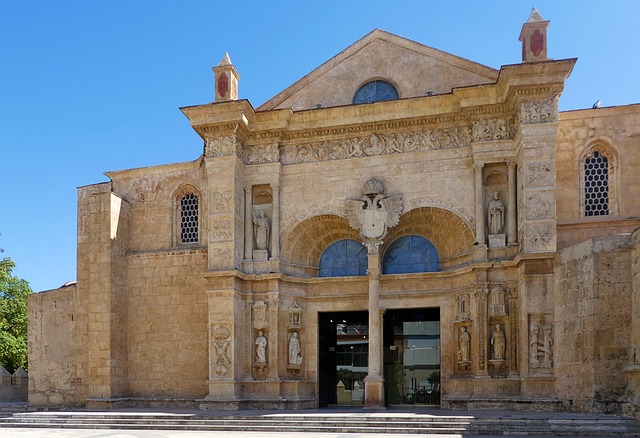
The architectural history of the Dominican Republic begins in 1492, when the Spanish established the first permanent European settlement in the New World. Their influence still defines much of the urban fabric, especially in Santo Domingo’s Colonial Zone, a UNESCO World Heritage Site.
Spanish Colonial Style and Structural Techniques
Spanish builders introduced construction techniques adapted from Europe but modified for Caribbean conditions.
Key features included:
- Thick stone walls made of limestone and coral blocks
- Heavy wooden doors and window shutters
- Internal courtyards for light and ventilation
- Red clay tile roofs
- Symmetrical façades inspired by Renaissance geometry
These elements not only expressed power and permanence but also provided protection against hurricanes and tropical heat.
Iconic Colonial Landmarks
Some of the most recognized structures in Dominican Republic architecture come from this era:
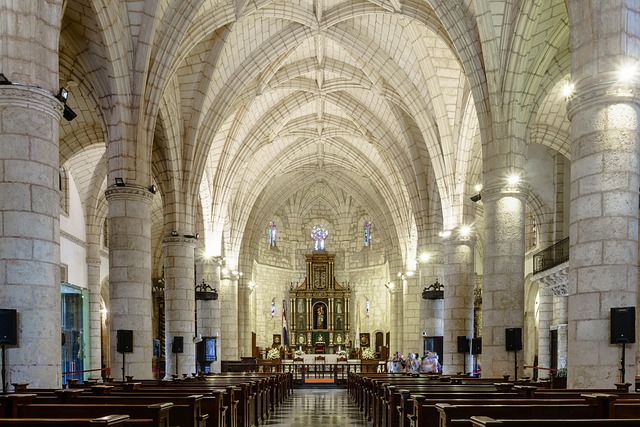
- Catedral Primada de América — the first cathedral in the Americas
- Alcázar de Colón — home of Diego Columbus, showcasing Gothic-Mudejar influences
- Fortaleza Ozama — a medieval-style fortress guarding the Ozama River
- Casa del Cordón — the oldest European-style house in the hemisphere
Each building showcases a unique blend of Gothic, Renaissance, and Mudéjar design, creating a visual narrative of cultural convergence.
The Transition to Neoclassical and Victorian Influences
As trade, migration, and cultural exchange increased in the 18th and 19th centuries, Dominican architecture diversified beyond its colonial origins.
Neoclassical Elegance in Public Spaces
Neoclassical architecture gained traction, especially after the Restoration War. Government buildings featured:
- Grand columns
- Triangular pediments
- Perfect symmetry
- Balconies and balustrades
The National Palace remains one of the Dominican Republic’s most iconic neoclassical structures, symbolizing stability and progress.
Victorian and Caribbean Vernacular Styles
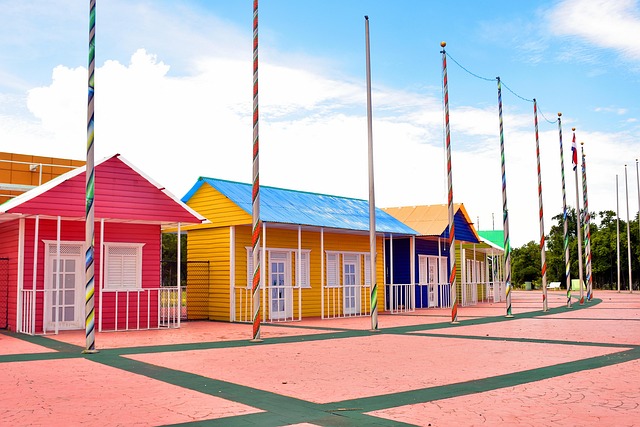
In coastal towns like Puerto Plata, Victorian influences blended with local materials to create colorful wooden houses with:
- Gingerbread trim
- Wide verandas
- Ornate lattices
- Raised foundations to improve airflow
This mix formed a distinct Caribbean-Victorian identity, both practical and visually striking.
Modern Dominican Architecture — Identity and Innovation
By the mid-20th century, the Dominican Republic entered a new design era where architects began defining a national aesthetic.
The Trujillo Era and Monumental Architecture
During the Trujillo regime, architecture became a tool for political symbolism. Massive structures such as the Faro a Colón (Columbus Lighthouse) sought to project power and national pride. Though controversial, these projects significantly shaped the urban landscape.
Rise of Dominican Modernism
After the 1960s, Dominican architects embraced clean lines, geometric forms, and climate-responsive design. While inspired by global trends like International Style Architecture, Dominican modernism incorporated:
- Open floor plans
- Cross-ventilation
- Local stone
- Brise-soleil screens
- Courtyards and shaded terraces
Architects like Guillermo González, known as the “father of Dominican modernism,” paved the way with notable projects such as Hotel Jaragua.
Tropical Modernism and Caribbean Identity
Contemporary Dominican architecture emphasizes harmony with nature, sustainability, and cultural expression. Newer buildings often feature:
- Natural ventilation instead of heavy air-conditioning
- Locally sourced wood and stone
- Indoor-outdoor transitions
- Minimalist lines with Caribbean warmth
This aesthetic is seen in boutique hotels, beach villas, and eco-resorts across Punta Cana, Samaná, and Las Terrenas.
How Climate Shapes Dominican Republic Architecture
The tropical climate plays a major role in design. Instead of fighting heat and humidity, architects embrace natural ventilation and shading.
Climate-Friendly Systems and Materials
Common strategies include:
- High ceilings to allow warm air to rise
- Shaded verandas for outdoor living
- Cross-ventilated rooms aligned with prevailing winds
- Overhangs and pergolas to filter harsh sunlight
Materials such as coral stone, bamboo, and palm wood not only look stunning but are naturally cooling.
Hurricane-Resistant Construction
Because the Dominican Republic faces tropical storms, resilience is key. Modern structures use:
- Reinforced concrete frames
- Impact-resistant windows
- Consolidated roofing
- Anchored foundations
These features blend safety with aesthetics, ensuring buildings endure for generations.
Resorts and Tourism — Modern Icons of Dominican Design
Tourism heavily influences contemporary Dominican Republic architecture, driving innovation in hospitality design.
Luxury Resorts with Caribbean Flair
Resorts such as those in Punta Cana or Cap Cana combine:
- Minimalist interiors
- Natural textures like rattan and limestone
- Infinity pools aligned with the horizon
- Spa-inspired bathrooms
- Dramatic A-frame or thatched palapas
They create immersive, sensory environments where nature remains the star.
Eco-Resorts and Sustainable Innovation
Samaná and Las Terrenas lead the eco-tourism trend with:
- Solar-powered energy
- Rainwater harvesting
- Natural ventilation
- Locally made artisanal finishes
This sustainable approach is now a major pillar of the Dominican design identity.
Urban Transformation — The Evolution of Santo Domingo
Santo Domingo is a living laboratory for Dominican architecture, showcasing the country’s entire historical timeline.
Colonial Zone to Contemporary Skyscrapers
The city transitions seamlessly from cobblestone streets to modern business districts. Key developments include:
- Blue Mall and modern retail complexes
- Novo-Centro high-rises
- Stylish business hotels and cultural centers
- Redesigned waterfront areas with pedestrian-friendly spaces
This urban mix reflects the country’s growing economy and design maturity.
Public Spaces and Community Projects
Modern public projects emphasize inclusivity and culture:
- Revitalized parks
- Artistic plazas
- Waterfront promenades
- Community centers with eco-conscious designs
These spaces strengthen community identity and improve quality of life.
Cultural Influences That Shape Dominican Architecture
Dominican architecture is not only about materials and aesthetics — it also expresses cultural identity.
African, Taíno, and Spanish Heritage
Dominican culture draws from multiple roots, each adding layers to its architecture:
- Taíno influence: natural materials, circular forms, open spaces
- African heritage: vivid colors, communal layouts
- Spanish tradition: stone structures, courtyards, arches
This blend gives Dominican buildings a soul that feels both ancient and contemporary.
Art, Music, and Local Craftsmanship
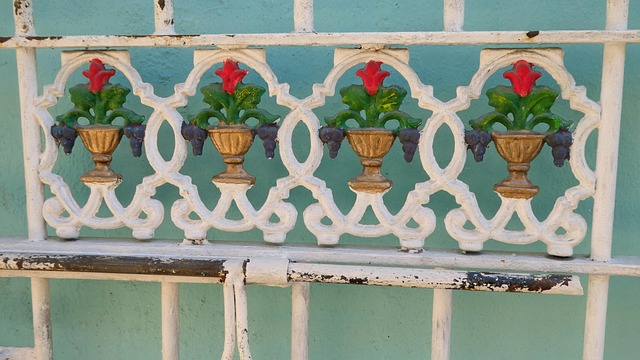
Murals, handcrafted tiles, and wood carving bring creativity into everyday spaces. Homes, hotels, and public buildings often incorporate:
- Dominican mahogany
- Painted tiles
- Woven palm materials
- Sculptural accents
These decorative touches reflect national pride and artistic heritage.
The Future of Dominican Republic Architecture
As global trends and local values intersect, the country is moving toward an era of sustainable innovation.
The Next Phase — Eco-Urbanism
Future designs emphasize:
- Green roofs
- Solar energy integration
- Smart technology
- Water-efficient landscapes
- Walkable urban planning
These principles are shaping new residential communities and commercial centers.
Architects Leading the Way
A new generation of Dominican architects is gaining international recognition for climate-resilient, culturally inspired design. They blend global trends with local identity, ensuring the country remains at the forefront of Caribbean architecture.
Conclusion
The story of Dominican Republic architecture is a vibrant journey through time — from colonial forts and cathedrals to modern eco-resorts and innovative urban spaces. Each era adds new texture to a landscape rich with cultural meaning. Moreover, as sustainability becomes a central priority, Dominican architecture continues to evolve in ways that respect both heritage and the natural environment.
In short, the Dominican Republic offers one of the Caribbean’s most compelling architectural narratives — one that honors its past while boldly embracing the future.
Read also: [The Rise of Caribbean Modernism]
External link suggestion: Learn more about Dominican history on Wikipedia.
FAQs
1. What makes Dominican Republic architecture unique?
Its blend of Spanish colonial, African, Taíno, Victorian, and modern influences creates a distinct identity shaped by culture and climate.
2. Where can I see the best colonial architecture?
Santo Domingo’s Colonial Zone offers the most complete collection, including cathedrals, fortresses, and early Spanish residences.
3. What materials are commonly used in Dominican architecture?
Coral stone, wood, concrete, terracotta tiles, palm thatch, and local limestone are widely used for durability and cooling.
4. How does climate affect building design in the Dominican Republic?
Designs prioritize natural ventilation, shading, and hurricane-resistant features to adapt to tropical conditions.
5. Is modern architecture common in the Dominican Republic?
Yes — major cities like Santo Domingo and resort areas feature contemporary buildings that blend innovation with tropical style.
Leave a Reply