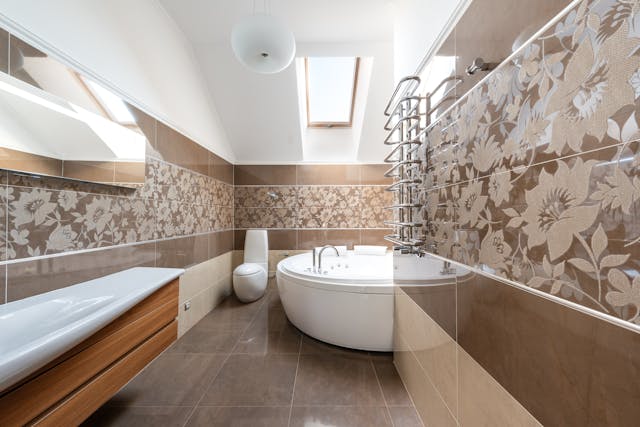
Have you ever stepped into a bathroom and instantly felt the difference between a spa-like retreat and an ordinary wash space? Often, the tub is what sets that mood. The debate between a garden tub vs regular tub has become more common as homeowners rethink their bathroom layouts for comfort, style, and practicality.
If you’ve wondered which one delivers better relaxation, fits your space, or enhances resale value, you’re in the right place. In this guide, you’ll learn how these two tub styles differ, how they affect bathroom design, and which is the smarter investment for your home. Moreover, we’ll compare features, costs, sizes, and real-world pros and cons to help you make the right choice.
Understanding the Difference Between Garden Tubs and Regular Tubs
Before comparing features, it’s essential to know what these tubs actually are and why homeowners consider one over the other.
A garden tub is a deep, freestanding soaking tub originally inspired by European outdoor baths. These tubs are oversized, luxurious, and designed for long relaxation sessions. On the other hand, a regular tub (also called a standard tub) is the typical built-in bathtub found in most modern households. It’s practical, compact, and often combined with a shower.
Knowing the fundamentals helps you evaluate what truly fits your lifestyle, bathroom size, and long-term plans.
What Is a Garden Tub?
A garden tub is a large, deep soaking tub that allows full immersion. It typically features:
- Extra-wide dimensions
- Curved or oval shapes
- Freestanding installation
- Higher water depth than traditional tubs
- A spa-like design that emphasizes relaxation
These tubs are meant to be the centerpiece of a master bathroom, often paired with large windows, decorative tilework, or plant accents. While luxurious, they do require ample square footage.
Garden Tub vs Regular Tub: Feature-by-Feature Comparison
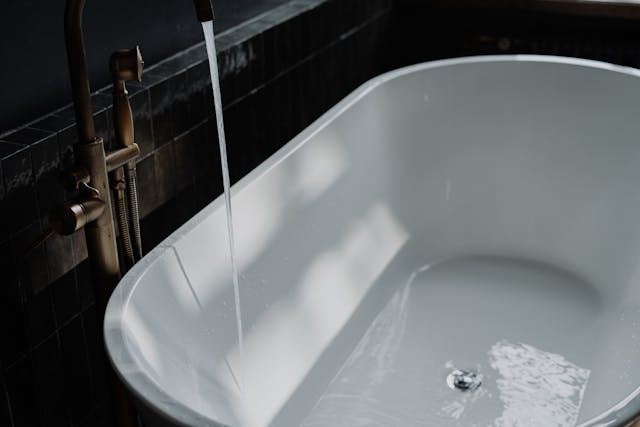
To understand the debate between a garden tub vs standard tub, evaluating each feature side by side is essential.
1. Size & Space Requirements
Garden Tub:
- Typically 60–70 inches long, but deeper and wider than regular tubs
- Requires a minimum of 40–60 sq ft of bathroom space
- Freestanding design takes up more room
Regular Tub:
- Standard size: 60 inches long, 30 inches wide, about 14–16 inches deep
- Fits well in smaller or older homes
- Often installed in alcoves
Takeaway:
If you have a compact bathroom, a regular tub is the better fit. Garden tubs shine in spacious layouts.
2. Comfort and Soaking Depth
This is where garden tubs truly stand out.
Garden Tub Comfort Features:
- Extra-deep water level (up to 24 inches or more)
- Allows full-body soaking
- Designed for relaxation rather than quick showers
Regular Tub Comfort Features:
- Comfortable but shallow soaking
- Practical for daily use
- Often combined with showers for versatility
Takeaway:
If relaxation is your goal, garden tubs provide a spa-level experience.
3. Installation Costs and Complexity
Garden Tub Installation:
- Higher installation cost due to weight and plumbing adjustments
- Reinforced flooring may be required
- Labor-intensive due to freestanding style
Regular Tub Installation:
- Typically cheaper and faster
- Fits standard plumbing
- Less structural support needed
Estimated Costs:
- Garden Tub: $2,500–$8,000+ (tub + installation)
- Regular Tub: $800–$2,500 (tub + installation)
If you’re remodeling on a budget, a standard tub is the more economical option.
4. Aesthetic Appeal and Design Impact
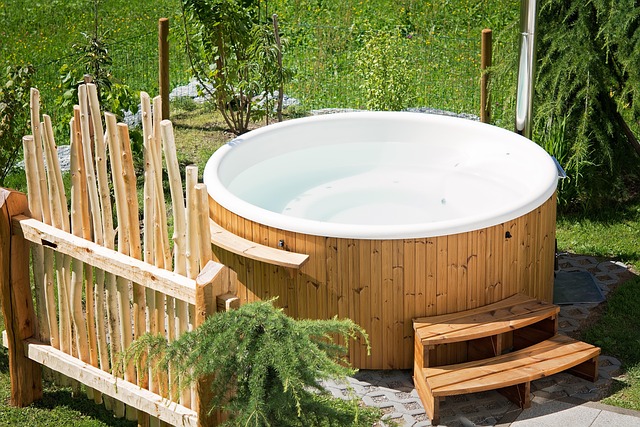
Garden Tub:
- Creates a luxury, spa-like atmosphere
- Works beautifully in modern, contemporary, or farmhouse bathrooms
- Becomes a visual focal point
Regular Tub:
- Clean, simple, functional design
- Works with almost any bathroom style
- Practical, yet not usually the focal point of the room.
If aesthetics are important, garden tubs add undeniable charm and elegance.
5. Daily Use and Convenience
Garden Tub:
- Best for relaxation, not quick showers
- Can be difficult for children, elderly individuals, or pets
- Takes longer to fill due to large size
Regular Tub:
- Ideal for families and fast showers
- Easy to clean
- Practical for everyday routines
Takeaway:
For households with kids or seniors, a regular tub is often the better fit.
6. Water Usage and Energy Efficiency
Garden Tub:
- Uses significantly more water (up to 80+ gallons per fill)
- May increase utility bills
- Requires larger water heaters
Regular Tub:
- Uses 30–50 gallons per fill
- More eco-friendly
- Works with standard water heaters
For those focused on sustainability, regular tubs are more efficient.
7. Home Value and Resale Impact
Real estate insights show that bathroom upgrades often increase home value. But the type of tub matters.
Garden Tub Benefits for Resale:
- Attracts buyers seeking a luxury master bathroom
- Adds a high-end feature to upscale homes
Regular Tub Benefits for Resale:
- Appeals to families with children
- Practical feature buyers expect in bathrooms
According to general real estate trends (see resources like Forbes Home or Statista for market trends), functionality often wins over extravagance in average homes. However, garden tubs score high in luxury listings.
Read more: Garden Tub vs Soaking Tub
Pros and Cons of Garden Tubs
Pros
- Excellent for soaking and relaxation
- Adds luxury appeal to master bathrooms
- Deep, comfortable, and aesthetically pleasing
- Freestanding design enhances interior décor
Cons
- Requires large bathroom space
- More expensive installation
- Higher water usage
- Not ideal for quick, daily routines
Pros and Cons of Regular Tubs
Pros
- Practical and versatile
- Works well with shower-tub combos
- Lower installation cost
- Ideal for families, kids, and seniors
- Fits smaller bathrooms easily
Cons
- Shallow water depth
- Less luxurious
- Does not create a spa-like experience
Garden Tub vs Regular Tub: Which One Should You Choose?
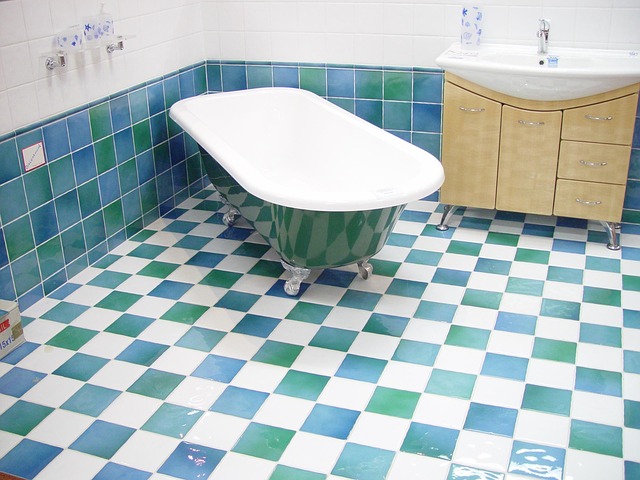
Your decision depends on your lifestyle and bathroom goals.
Choose a Garden Tub if:
- You prioritize luxury and comfort
- You have a large master bathroom
- You enjoy long soaking baths regularly
- You want a high-end aesthetic
Choose a Regular Tub if:
- You want practicality and convenience
- You need a shower-tub combo
- You have children or elderly users
- You’re working with a smaller budget
Ultimately, the best choice balances daily use, bathroom size, and long-term value.
Cost Breakdown and Budget Planning
Understanding the financial aspect is crucial.
Regular Tub Cost Breakdown:
- Tub: $200–$1,000
- Installation: $300–$1,500
- Total: $800–$2,500
Garden Tub Cost Breakdown:
- Tub: $800–$3,500+
- Installation: $1,200–$4,000+
- Additional flooring support: $300–$1,000
- Total: $2,300–$8,000+
If you’re planning a remodel, you may also want to explore related topics like bathroom layout ideas, tub-to-shower conversions, or spa bathroom designs.
Read also: [Related Topic] (insert internal link)
Styling Your Tub for Maximum Impact
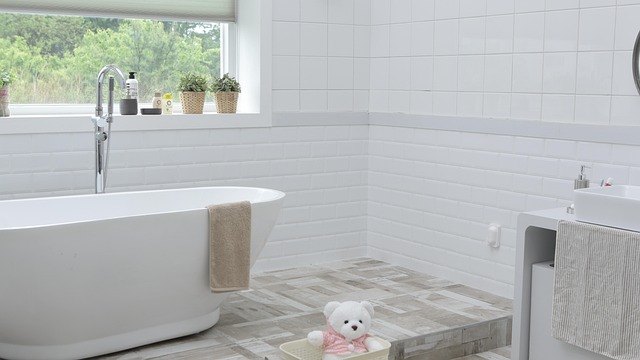
Styling Ideas for Garden Tubs
- Add floor-to-ceiling windows for natural light
- Incorporate indoor plants and greenery
- Use marble or stone tile surrounds
- Add a bath tray, candles, or soft lighting
Styling Ideas for Regular Tubs
- Add a sleek shower curtain or glass door
- Use modern tile patterns
- Install built-in shelves for storage
- Add a handheld shower attachment
Both tubs can be enhanced beautifully with the right styling and accessories.
Conclusion
The debate between a garden tub vs regular tub doesn’t have a one-size-fits-all answer. It all comes down to your lifestyle, bathroom size, and priorities. Garden tubs elevate relaxation and luxury, while regular tubs shine in practicality and convenience. No matter which option you choose, the right bathroom upgrade can transform your daily routine and add long-term value to your home.
FAQs
1. Are garden tubs outdated?
Not at all. While their popularity dipped temporarily, they’re making a comeback in modern luxury bathrooms with minimalist and spa-inspired designs.
2. Do garden tubs increase home value?
They can, especially in upscale homes where buyers expect high-end features. However, in smaller homes, practicality (like a shower-tub combo) may carry more value.
3. How big should a bathroom be for a garden tub?
Ideally, at least 40–60 square feet of open space is needed. Garden tubs are larger and require room around them for visual balance.
4. Can a garden tub have a shower?
It’s uncommon and not typically recommended. Garden tubs are designed for soaking, not showering.
5. What uses more water: garden tub or regular tub?
Garden tubs use significantly more water—often twice as much as a standard tub.
Leave a Reply