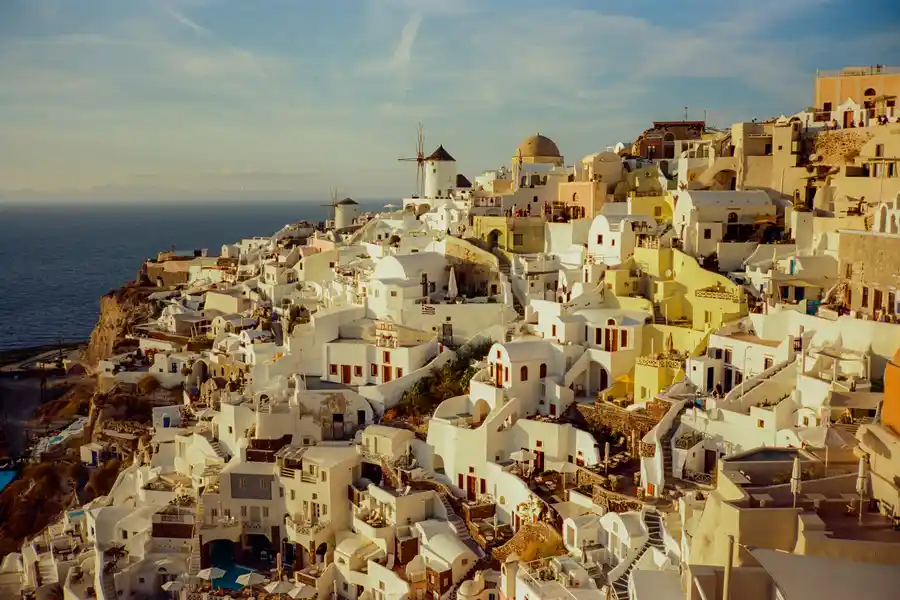
What comes to mind when you picture a Greek home—white walls, blue shutters, stone courtyards, or sunlit terraces overlooking the sea? Greek house architecture has captivated the world for centuries because it blends simplicity, climate-smart design, and cultural symbolism. Whether you’re renovating a home, building from scratch, or simply intrigued by architectural history, understanding Greek residential design offers a rare blend of inspiration and practicality.
In this guide, you’ll explore how Greek homes evolved, what defines their structure, and how modern architects reinterpret traditional Greek house design without losing its soul. We’ll also look at materials, colors, layouts, sustainability, and how these homes influence global architecture—right down to trends seen in today’s luxury villas.
Read also: [Related Topic]
A Brief History of Greek House Architecture
Greek residential design goes back thousands of years, shaped by climate, lifestyle, politics, and island geography. Although ancient temples often get the spotlight, everyday homes played an equally important role in shaping architectural identity.
From Ancient Foundations to Cycladic Legends
Early Greek homes were simple—rectangular floor plans, clay-brick walls, and inner courtyards. Over time, island regions like Santorini, Mykonos, and Naxos developed their own signature look:
- Whitewashed exterior to reflect intense sunlight
- Blue-painted woodwork inspired by the sea
- Flat roofs to collect rainwater
- Thick stone walls offering natural insulation
These design principles were practical yet beautiful, proving that good architecture always responds to its environment.
Urban Evolution in the 20th Century
As Greek cities expanded, architects blended local tradition with European modernism. Minimalist geometry, reinforced concrete, and open floor plans entered the scene—sometimes inspired by movements like International Style Architecture, which favored clean lines and functionality.
Key Features That Define Greek House Architecture
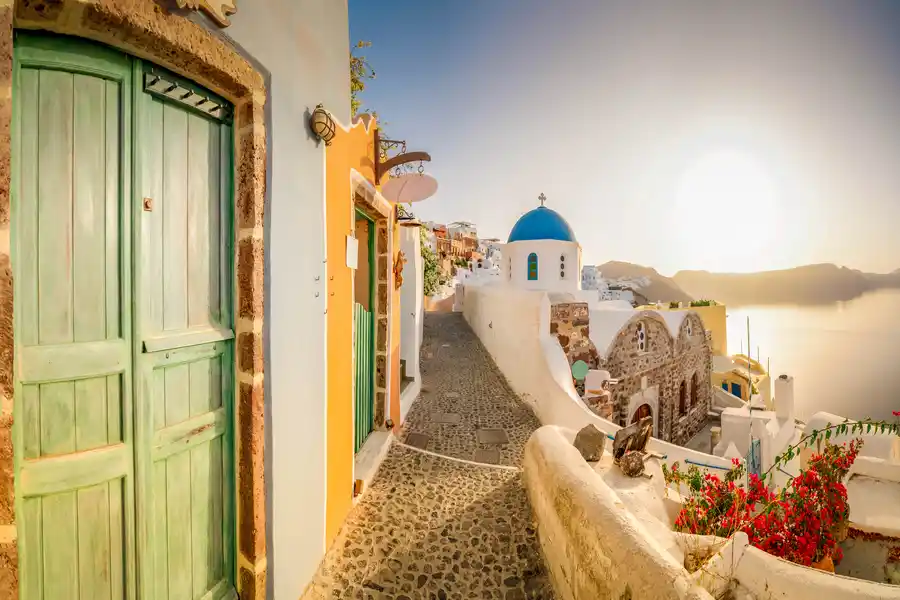
1. Whitewashed Walls: Beauty with Purpose
Those iconic white walls aren’t just for aesthetics. Traditionally, limewash acted as a cooling agent and natural disinfectant. Today, eco-friendly paints keep the tradition alive while offering long-lasting durability.
2. Courtyards and Outdoor Living
Greek homes blur the boundary between inside and outside. Courtyards, shady terraces, and rooftop spaces remain essential because they:
- Provide natural ventilation
- Create gathering spots for family and friends
- Capture breezes in hot climates
3. Stone, Wood & Earth: Materials That Last
The Greek landscape heavily influences building materials:
- Local stone for structural strength
- Timber and olive wood for beams and shutters
- Clay tiles for flooring
- Lime mortar for environmentally friendly construction
These materials create a home that is both enduring and naturally climate-adaptive.
4. Small Windows, Deep Shadows
To reduce heat, Greek houses traditionally use small openings and deep-set windows. This creates dramatic shadows that define the architectural aesthetic.
5. Blue Accents and Symbolic Colors
While white dominates, deep blues and earthy browns provide contrast. Symbolically, blue was believed to ward off negative energy—hence the popularity of blue doors and shutters.
Modern Greek House Design: A Blend of Past & Future
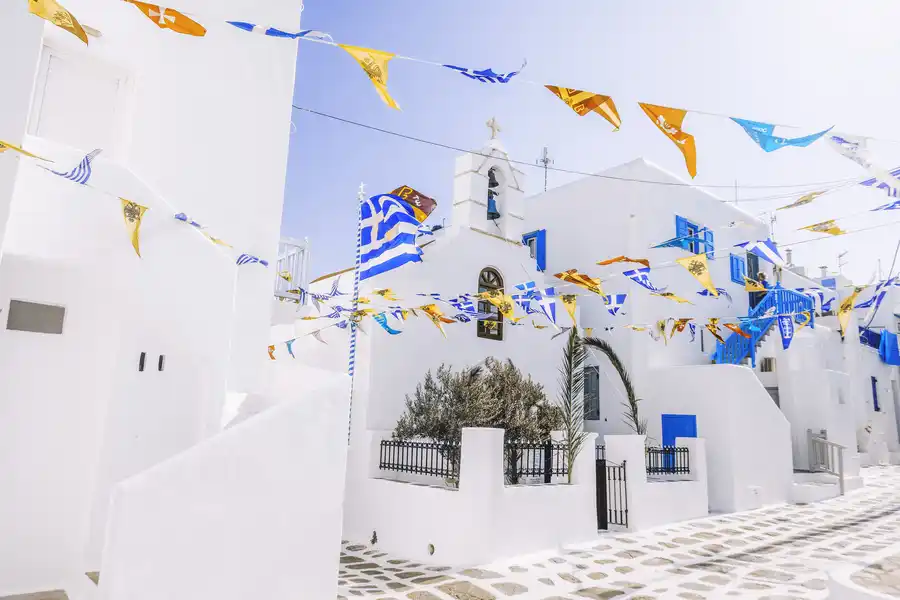
Today’s architects embrace the minimalist roots of Greek design but introduce modern conveniences. The result is a perfect blend of timeless elegance and contemporary comfort.
What Modern Greek Homes Look Like Today
Contemporary Greek homes maintain traditional simplicity while integrating luxury finishes, sustainable materials, and open-concept layouts.
Minimalist Geometry with Natural Textures
Modern Greek houses often feature:
- Clean, cubist shapes
- Expansive glass walls
- Seamless indoor–outdoor flow
- Natural stone cladding
- Polished concrete floors
The combination feels both sophisticated and grounded.
Eco-Friendly and Sustainable Features
Sustainability is a major influence in modern Greek house architecture. Common features include:
- Solar panels for energy efficiency
- Rainwater collection systems
- Green roofs and walls
- Locally sourced construction materials
- Natural cross-ventilation systems
These design elements prove that traditional wisdom aligns naturally with modern eco-consciousness.
Cycladic vs. Mainland Greek House Architecture: A Comparison
Cycladic Homes (Islands like Santorini & Mykonos)
Cycladic homes are arguably the most iconic in the world. They include:
- Whitewashed cubic forms
- Rounded edges shaped by strong winds
- Narrow pathways creating shade
- Terraced roofs are used for social activities
They’re instantly recognizable and remain a hallmark of Greek identity.
Mainland Homes (Athens, Thessaloniki, Peloponnese)
Mainland architecture tends to be more diverse due to varying climates.
Typical features include:
- Terracotta roof tiles
- Stone masonry walls
- Larger windows
- Decorative balconies
- Neoclassical influences in urban areas
While less simplistic than the Cycladic style, mainland homes carry a rich architectural lineage.
Read more: Greek Style House
Why Greek House Architecture Inspires Global Design Trends
From California to Bali, luxury villas and eco-resorts borrow heavily from Greek architectural principles. Why?
1. Timeless Minimalism
Greek design focuses on simplicity and purpose—two pillars of modern architecture.
2. Climate-Smart Construction
Passive cooling and natural materials make Greek homes environmentally sustainable.
3. Serenity and Aesthetics
The calm color palette, organic forms, and balanced geometry evoke relaxation—making them ideal for modern retreats.
4. Symbolism and Cultural Depth
Unlike generic minimalist styles, Greek design carries heritage, mythology, and centuries of lived tradition.
(External link suggestion: Learn more about Greek architecture on Wikipedia.)
Elements of Traditional Greek House Design That Remain Popular
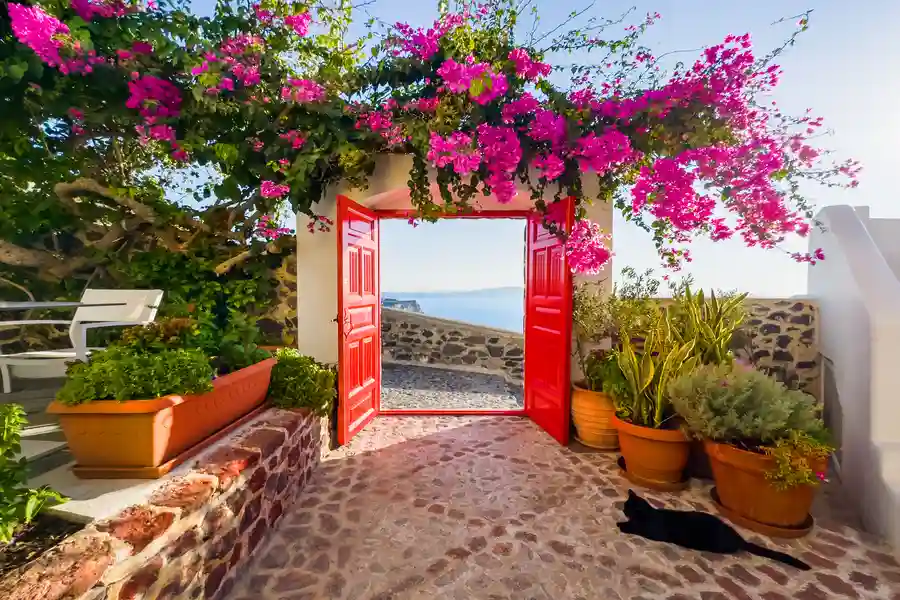
Even in ultra-modern villas, many traditional Greek house design elements still appear:
- Stone walls that age beautifully
- Arched doorways adding softness
- Wooden shutters as decorative and functional elements
- Pebbled courtyards for texture
- Built-in furniture like sofas and beds made of stone or concrete
These features maintain cultural authenticity while fitting modern lifestyles.
How to Incorporate Greek House Architecture in Modern Homes
You don’t need to live in Greece to enjoy Greek-inspired design.
Practical Ideas for Homeowners
Use a White and Blue Palette
Adopt the Mediterranean palette for walls, furniture, or outdoor spaces.
Add Natural Materials
Use stone, wood, terracotta, and lime-based paints for an authentic touch.
Build a Courtyard or Terrace Space
Create a shaded outdoor area with vines or wooden pergolas.
Simplify Your Layout
Greek homes prioritize flow and openness. Remove clutter and keep lines clean.
Architectural Trends Shaping Greek Homes Today
Modern Greek architecture embraces bold experimentation.
Subterranean Homes
On islands with strict environmental rules, architects build partially underground homes that blend seamlessly with the landscape.
Glass-and-Stone Villas
These high-end homes combine panoramic glazing with rugged stone exteriors.
Smart Home Technology
Automation systems manage lighting, temperature, and security—integrating ancient aesthetics with futuristic convenience.
Conclusion
Greek house architecture remains one of the world’s most admired design traditions because it balances practicality, beauty, and environmental sensitivity. From ancient stone homes to modern eco-villas, Greek design proves that simplicity and harmony never go out of style. Whether you’re building new or renovating, incorporating Greek elements can bring timeless elegance, natural comfort, and a sense of Mediterranean serenity to any space.
FAQs (People Also Ask Style)
1. What makes Greek house architecture unique?
Its blend of minimalism, climate-smart features, and cultural symbolism makes Greek design both functional and beautiful.
2. Why are Greek houses painted white?
White walls reflect sunlight, helping keep homes cool during the intense Mediterranean summer.
3. What materials are commonly used in Greek house design?
Stone, wood, lime plaster, terracotta, and natural paints dominate both traditional and modern homes.
4. Are modern Greek homes still traditional?
Many modern homes blend minimalism with traditional materials and forms, preserving cultural character.
5. Can I use Greek design elements in any climate?
Yes. Features like natural materials, neutral colors, and open layouts work well in most climates.
Leave a Reply