Category: Home Improvement

The Home Improvement section of Home News USA is where practical ideas meet real-world solutions. Whether you’re planning a major renovation or simply updating small details around your home, this category provides clear guidance and expert-inspired advice to help you improve your space with confidence.

Home improvement can feel overwhelming — choosing the right materials, budgeting properly, hiring help, or even deciding where to start. Our goal is to make every step easier by offering articles that focus on clarity, safety, and long-term value. From DIY repairs to room-by-room design tips, we’re here to support both new homeowners and experienced renovators.

In this section, you’ll find:

Step-by-step improvement guides

Cost comparisons and material insights

Maintenance and repair tips

Design inspiration and layout advice

Practical solutions for common household issues

We combine industry research, real homeowner experiences, and global design influences to help you create functional, beautiful spaces. No matter your home’s size, age, or style, there are always meaningful improvements that can increase comfort, efficiency, and property value.

  • Garage Door Opener Beeping: What It Means & How to Fix It

    Garage Door Opener Beeping: What It Means & How to Fix It

    When you hear your garage door opener beeping, it can be confusing or even concerning. While the sound might seem minor, it’s often a warning that something isn’t working properly. Understanding why your garage door opener makes noise is the first step toward fixing it quickly.

    Why Is My Garage Door Opener Beeping?

    A garage door opener beeping usually indicates a built-in safety or maintenance feature. Some models beep to warn about power issues, battery backups, or system malfunctions. The sound can help prevent damage or alert you to necessary repairs before the system stops working completely.

    Common Reasons for Garage Door Opener Beeping

    Several issues may trigger the beep. Battery backup failures, wiring issues, or obstructions in the tracks are common. Overheating motors or faulty sensors can also cause noise. Knowing the root cause will help you address the problem without wasting time or money.

    Battery Backup Warnings

    Many modern garage door openers come with backup batteries. If the garage door opener beeping sound happens, it may be warning that the battery is low or needs replacement. Regularly checking the battery ensures your garage door continues working during power outages.

    Sensor and Alignment Issues
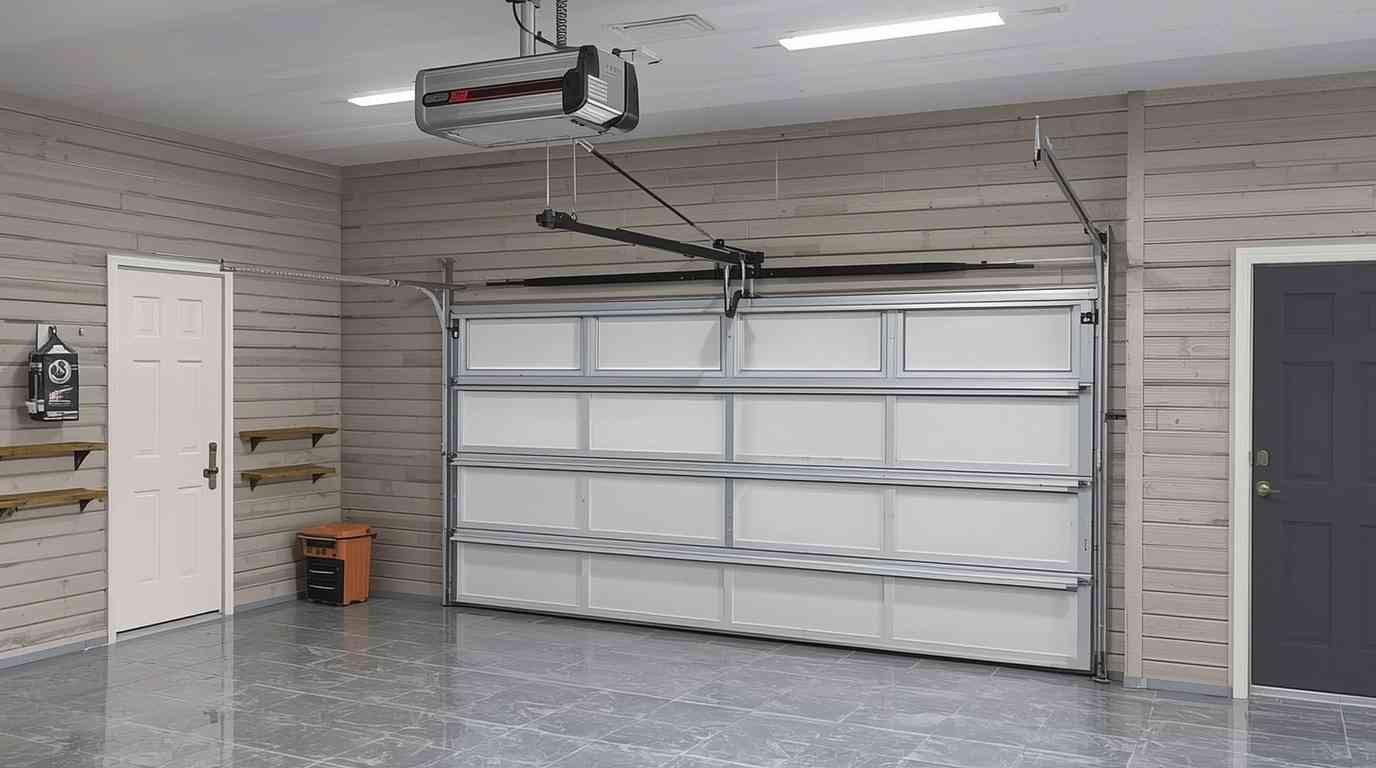
    garage door opener beeping

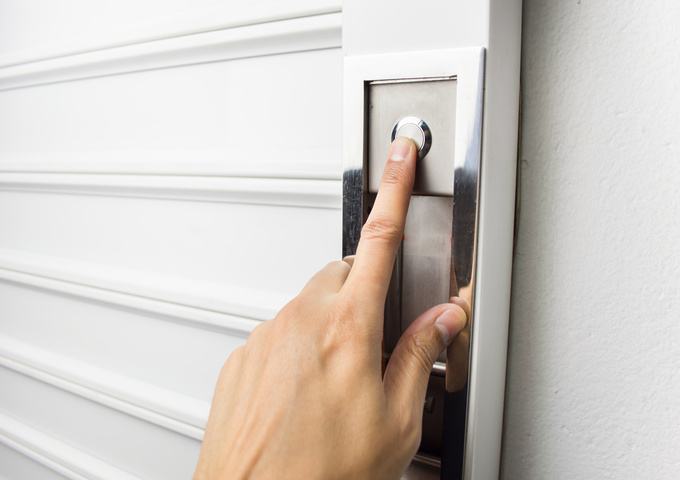
    Your garage door relies on sensors to detect obstacles. If the sensors are misaligned, you might hear the garage door opener beeping as a warning. Ensuring the sensors are clean and aligned correctly will stop the noise and keep your system safe.

    Power Supply Problems

    Sometimes the garage door opener beeping indicates an interrupted power supply. Loose wires, tripped breakers, or faulty connections can cause the system to beep. Verifying the power source should be the first step before assuming the opener itself is damaged.

    Overheating or Motor Strain

    A motor under strain may overheat, causing the opener to beep. This prevents further damage. If your garage door opener beeping sound occurs after repeated use, give the system a rest and consider professional inspection to prevent long-term wear.

    Mechanical Blockages

    Something as simple as debris in the track can lead to a garage door opener beeping. When the opener senses resistance, it may beep as a protective measure. Inspecting the tracks regularly prevents unnecessary stress on the opener.

    When the Opener Makes Unusual Noises
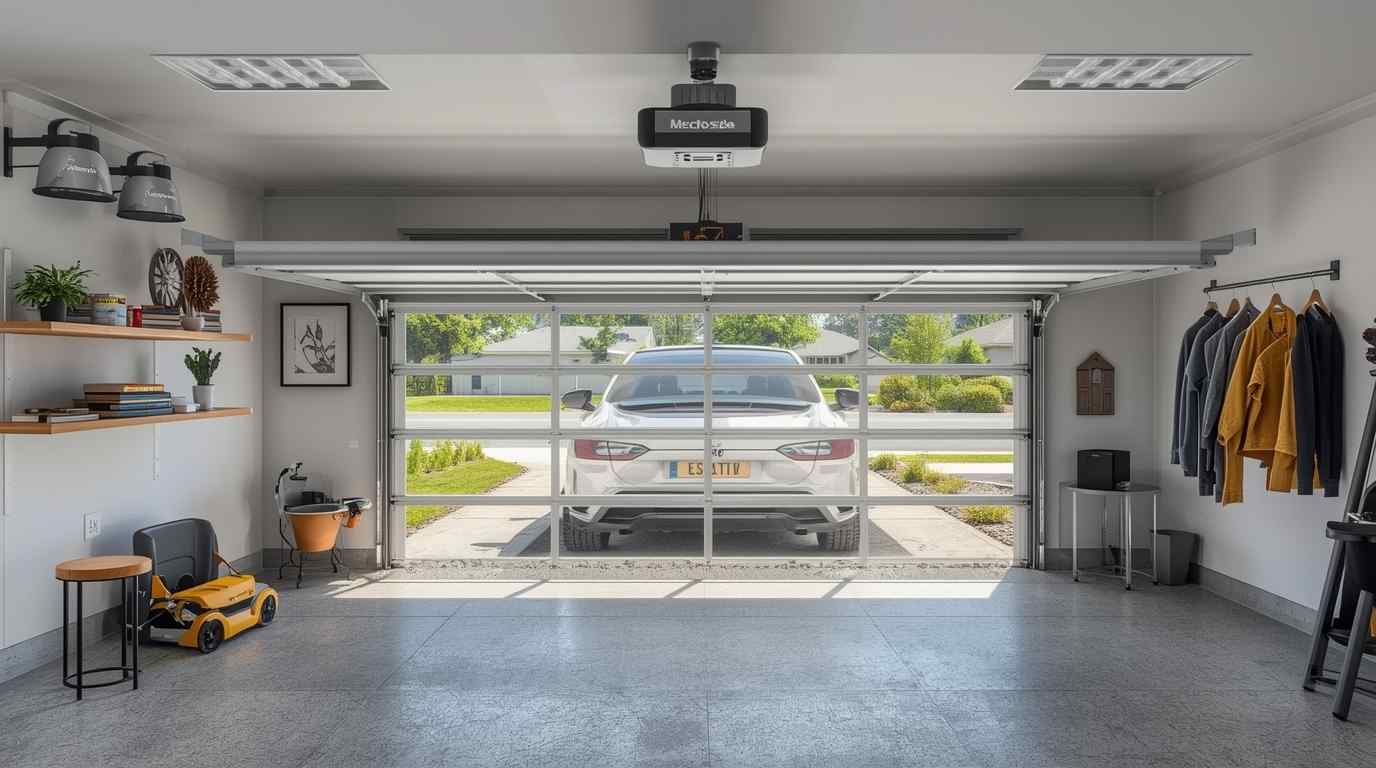
    silent garage door opener

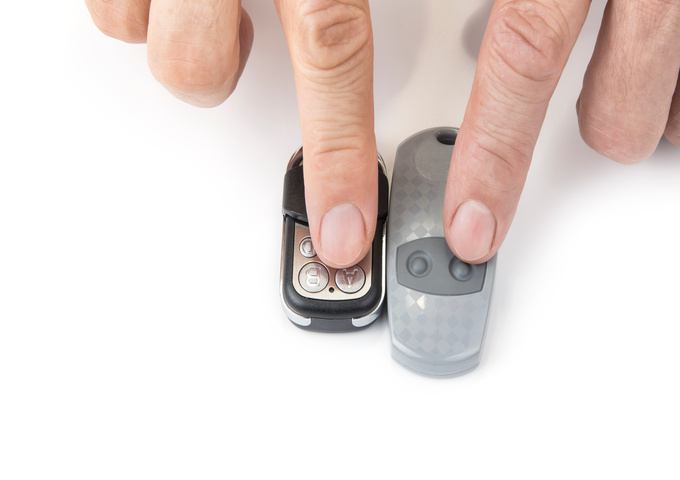
    Not every issue comes with a beep. Sometimes the system makes grinding, squeaking, or clicking noises. While these may not involve the garage door opener beeping, they still signal potential issues that need quick attention to avoid failure.

    Choosing a Silent Garage Door Opener

    If noise is your biggest concern, you may want to consider a silent garage door opener. These models use advanced technology to minimize sound, making them ideal for homes with attached garages or for anyone who values quiet operation.

    The Quietest Garage Door Opener Options

    The quietest garage door opener often uses belt drives rather than chains. They’re durable, reliable, and produce minimal vibration. Investing in such a model not only eliminates excessive beeping and noise but also ensures smoother operation for years.

    Troubleshooting Steps for Beeping Issues

    If you hear your garage door opener beeping, start with basic checks. Look for flashing lights, sensor alignment, and the battery status. Resetting the opener may also clear temporary malfunctions. Always consult your manual for model-specific troubleshooting.

    Resetting Your Garage Door Opener

    A simple reset can solve minor issues. If the garage door opener beeping doesn’t stop, disconnect the power for a few minutes, then reconnect it. If the sound continues, deeper troubleshooting may be required to address the cause.

    Professional Inspection
    quietest garage door opener

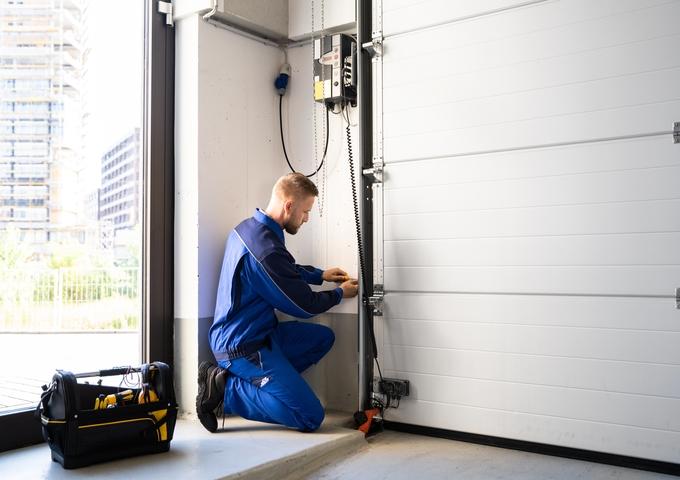
    Sometimes, the garage door opener beeping won’t stop no matter what you try. This is when professional help is necessary. Experts can diagnose electrical faults, worn parts, or hidden mechanical issues that are difficult for homeowners to detect.

    Preventive Maintenance

    Routine maintenance is the best way to avoid your garage door opener beeping unexpectedly. Lubricating the moving parts, cleaning sensors, and testing the backup battery twice a year will extend the life of your opener.

    Safety Concerns

    Never ignore the garage door opener beeping. It can be a warning about safety issues, such as faulty sensors that fail to detect obstacles. Ignoring these alerts could put your family, pets, or property at risk.

    When the Opener Stops Working

    If the garage door opener not working problem arises after beeping noises, this means the warning was serious. In such cases, immediate repair or replacement is necessary. Ignoring it can result in complete opener failure.

    Cost of Fixing Beeping Issues

    The cost of fixing a garage door opener beeping varies. Replacing a backup battery is affordable, but repairing motor or circuit issues may be more expensive. Regular maintenance reduces the chances of costly repairs.

    Replacing vs Repairing

    If your garage door opener beeping continues despite multiple repairs, replacement may be smarter. Newer models are quieter, safer, and come with advanced features that older systems lack. This can save money in the long run.

    DIY vs Professional Repairs
    Garage Door Opener Beeping or Making Nois

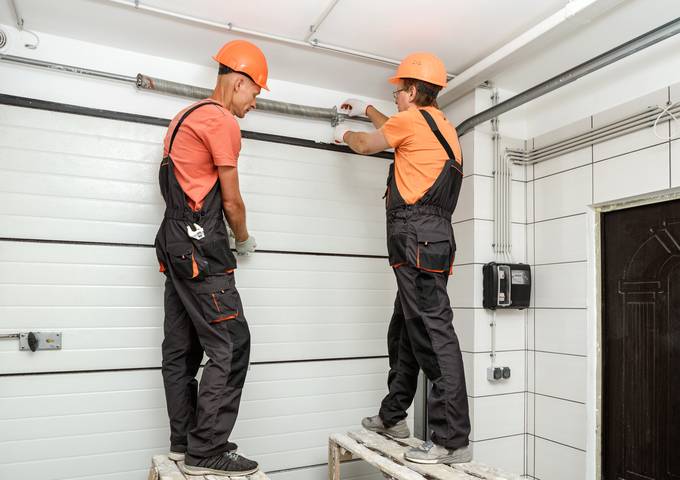
    Some fixes, like changing batteries or cleaning sensors, are easy DIY tasks. However, when the garage door opener beeping results from electrical or motor problems, calling a professional is safer. Incorrect repairs can make the issue worse.

    Extending the Life of Your Opener

    Proper care will minimize the chances of your garage door opener beeping unnecessarily. Keeping the tracks clean, scheduling inspections, and updating parts when needed ensures smooth and quiet operation.

    Final Thoughts

    A garage door opener beeping is more than an annoying sound—it’s an alert system designed to protect your home and equipment. Whether it’s a battery issue, sensor misalignment, or motor problem, addressing it quickly keeps your garage door safe and functional.

    FAQs

    1. Why does my garage door opener keep beeping?

    Your garage door opener beeping may indicate low battery, misaligned sensors, or power interruptions. Each beep is a warning that something needs attention.

    2. How do I stop my garage door opener from beeping?

    Check the backup battery, ensure sensors are aligned, and reset the opener. If the garage door opener beeping persists, contact a professional for inspection.

    3. Can I use my garage door opener without fixing the beeping?

    It’s not recommended. The garage door opener beeping is usually a warning of potential issues. Ignoring it may lead to system failure or safety risks.

    4. Which garage door opener is the quietest?

    The quietest garage door opener models are typically belt-driven. They reduce vibration and noise, making them perfect for attached garages.

    5. Is a beeping garage door opener dangerous?

    Yes, sometimes. A garage door opener beeping can warn of faulty sensors or power issues. Ignoring it may risk safety and lead to bigger problems.
  • How to Wire a Garage Door Opener (With & Without Sensors)

    How to Wire a Garage Door Opener (With & Without Sensors)

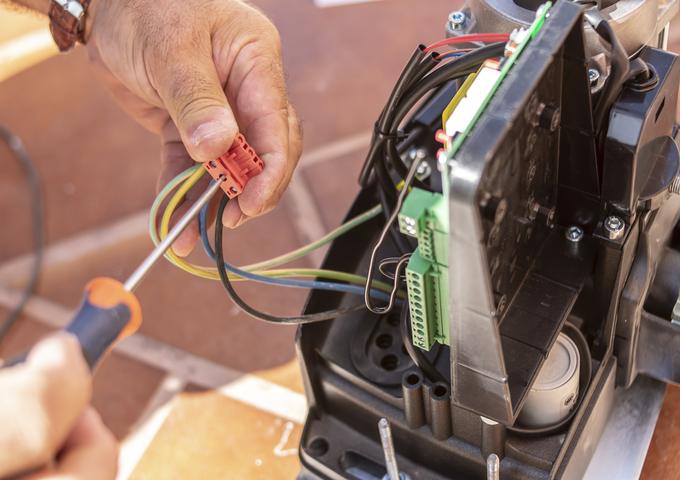
    Wiring a garage door opener may seem intimidating, but it’s more straightforward than most homeowners think. Whether you’re replacing an old unit, upgrading to a new model, or learning how to wire a garage door opener without sensors, the process follows simple steps.

    Why Wiring a Garage Door Opener Matters

    A garage door opener is more than a convenience—it’s about safety and functionality. Proper wiring ensures the opener operates smoothly, prevents malfunctions, and extends the lifespan of your system. Learning how to wire a garage door opener also saves money on professional installation costs.

    Understanding the Basics of Garage Door Opener Wiring

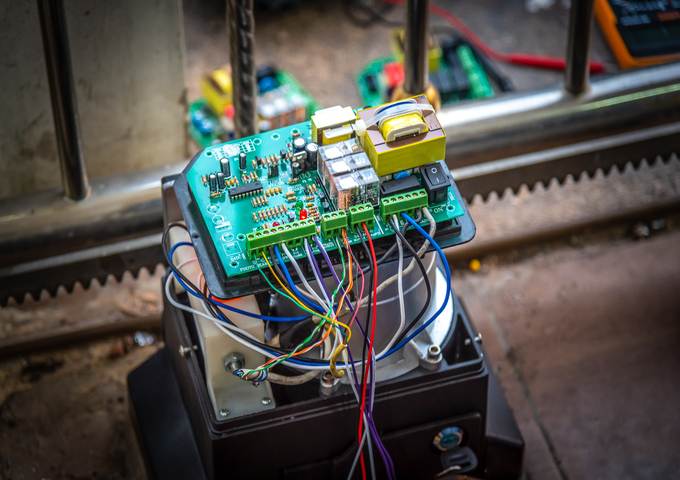
    Before handling wires, you need to understand how the system works. A typical opener has power connections, wall switch wiring, and safety sensors. Knowing these components helps you avoid mistakes and troubleshoot easily when something doesn’t function.

    Tools You’ll Need

    how to wire a garage door opener

    To begin, gather these essentials:

    • Screwdriver set

    • Wire strippers

    • Electrical tape

    • Ladder

    • Voltage tester

    • Instruction manual from your opener’s manufacturer

    With the right tools, how to wire a garage door opener becomes a straightforward project.

    Safety Precautions Before Wiring

    Always disconnect the power supply before starting. Never attempt wiring when the garage door is open or partially lifted. Safety glasses and gloves are recommended. Taking these steps reduces the risk of electrical shocks or mechanical injuries.

    Step-by-Step Guide: How to Wire a Garage Door Opener

    how to wire a garage door opener without sensors

    Step 1: Mount the Opener Unit

    Secure the opener to the ceiling brackets. Ensure it’s aligned with the garage door track to prevent strain.

    Step 2: Connect the Power Supply

    Most openers connect to a nearby outlet. If hardwiring is required, follow the manufacturer’s garage door opener wiring instructions.

    Step 3: Wire the Wall Switch

    Locate the terminals on the opener. Run two low-voltage wires to the wall switch. Connect them to the corresponding screws, ensuring they’re snug and secure.

    Step 4: Attach the Sensors (Optional)

    Modern systems include safety sensors. If your system has them, connect wires from each sensor to the opener terminals.

    Step 5: Test the Operation

    Restore power and press the wall switch. The opener should activate. If not, recheck all wiring connections.

    How to Wire a Garage Door Opener Without Sensors

    Older systems or basic models may not include sensors. In this case, the process is even simpler. You’ll only wire the wall switch and power connection. This method is often requested by DIY homeowners searching for how to wire a garage door opener without sensors.

    Reading a Garage Door Opener Wiring Diagram

    A garage door opener wiring diagram shows how all wires connect. Lines represent cables, and symbols represent switches or sensors. Following the diagram ensures no miswiring, which can cause the opener to malfunction or become unsafe.

    The Importance of a 4 Wire Garage Door Opener Wiring Diagram

    garage door opener wiring diagram

    Some systems use four wires—two for the wall switch and two for sensors. A 4 wire garage door opener wiring diagram helps you distinguish connections and avoid confusion. It’s especially useful for troubleshooting when your opener isn’t responding.

    Troubleshooting Common Wiring Problems

    If the opener doesn’t respond:

    • Check the outlet for power.

    • Ensure no wires are loose.

    • Confirm wall switch connections.

    • Re-examine the sensor alignment.

    These checks make how to wire a garage door opener less stressful.

    Professional vs. DIY Installation

    Hiring a professional guarantees precision, but learning how to wire a garage door opener yourself is cost-effective. With detailed instructions and patience, most homeowners can handle the task without difficulty.

    Maintenance Tips After Wiring

    • Inspect wires regularly for wear.

    • Keep sensors free of dust.

    • Test the wall switch monthly.

    • Lubricate moving garage door parts.

    Consistent upkeep enhances the life of your garage door opener installation.

    When to Upgrade Your Wiring

    If your opener frequently loses power, the wiring may be outdated. Frayed wires or repeated malfunctions indicate the need for rewiring or upgrading the opener entirely. This ensures smooth operation and safety.

    Key Benefits of Wiring It Yourself

    how to wire a garage door opener

    • Save money on labor costs

    • Gain knowledge about your system

    • Increase confidence in handling home projects

    • Ensure correct setup tailored to your garage layout

    Knowing how to wire a garage door opener gives you control over your garage system.

    FAQs About Wiring Garage Door Openers

    1. Do I need sensors to wire a garage door opener?

    No. You can follow the method for how to wire a garage door opener without sensors, but keep in mind that modern safety standards recommend them.

    2. Can I use any wire for my opener?

    It’s best to use low-voltage, stranded wire recommended by the manufacturer. This matches the specifications in the garage door opener wiring diagram.

    3. Why won’t my opener work after wiring?

    Double-check the 4 wire garage door opener wiring diagram and ensure all connections are secure. Also, verify the power source.

    4. How long does garage door opener installation take?

    DIY garage door opener installation typically takes 3–4 hours, depending on your experience level and whether sensors are included.

    5. Is it safe to wire a garage door opener myself?

    Yes, if you follow safety guidelines and disconnect power before starting. For complex electrical setups, consider a licensed electrician.

    Final Thoughts

    Learning how to wire a garage door opener empowers homeowners to handle a vital household feature. Whether you’re wiring with sensors for safety or exploring how to wire a garage door opener without sensors, following step-by-step instructions ensures success. Use the manufacturer’s garage door opener wiring diagram or 4 wire garage door opener wiring diagram for reference. With the right approach, garage door opener installation becomes a manageable, rewarding project.

  • How to Replace a Garage Door Opener (DIY Guide)

    How to Replace a Garage Door Opener (DIY Guide)

    If your garage door opener has stopped working or feels outdated, you may wonder how to replace a garage door opener system without hiring a professional. With the right tools, patience, and safety precautions, you can complete the job yourself. Follow our step-by-step guide to master the process

    Why Learn How to Replace a Garage Door Opener?

    Knowing how to replace a garage door opener equipment saves money, increases safety, and ensures your garage wdoor orks reliably. A new opener also brings modern features like wireless controls and better security. By handling the process yourself, you’ll feel more confident about future garage maintenance.

    Signs You Need a New Garage Door Opener

    Before starting, check if your system actually needs replacement. Signs include noisy operation, slow lifting, frequent breakdowns, or outdated security. If you’re experiencing these issues, it’s time to learn how to replace a garage door opener effectively.

    Tools and Materials You’ll Need

    how to replace a garage door opener

    To successfully perform a garage door opener installation, gather these tools:

    • Power drill

    • Adjustable wrench

    • Screwdrivers

    • Ladder

    • Measuring tape

    • Safety glasses

    Having these ready ensures the process of learning how to replace garage door opener systems is smooth and safe.

    Safety Precautions Before Starting

    Safety should always come first. Disconnect the power supply, secure the door in the closed position, and wear protective gear. Never attempt replacing a garage door opener without checking that the door is balanced and the springs are functioning properly.

    Step 1: Remove the Old Opener

    Start by disconnecting the power and detaching the opener from the ceiling. Unbolt the bracket and carefully lower the motor. Following these steps ensures you’re safely preparing for the main task of how to replace a garage door opener unit.

    Step 2: Inspect the Garage Door Hardware

    Before you continue, inspect tracks, rollers, and springs. Replacing an opener on a faulty door is unsafe. This step helps you avoid future issues and ensures a smoother garage door opener installation process.

    Step 3: Assemble the New Opener

    replacing a garage door opener

    Lay out all parts and carefully follow the manufacturer’s instructions. Assemble the rail and attach it to the motor unit. By staying organized, you’ll simplify the overall how to replace a garage door opener.

    Step 4: Mount the Opener

    Use a ladder to position the opener on the ceiling. Securely fasten the mounting brackets to studs for stability. Proper installation is crucial when you’re learning how to replace garage door opener systems without professional help.

    Step 5: Attach the Rail to the Door

    Connect the rail to the garage door using the bracket provided. Make sure the alignment is precise, as poor alignment can cause unnecessary wear. This step is vital when tackling how to replace a garage door opener yourself.

    Step 6: Install the Chain or Belt

    Depending on your model, install the drive system—either chain or belt. Keep it properly tensioned to avoid noise or slippage. Paying attention to details ensures your attempt to change the garage door opener equipment pays off long-term.

    Step 7: Install the Safety Sensors

    Safety sensors prevent the door from closing on objects or people. Mount them near the bottom of the door tracks and align them carefully. This step is essential for any how to replace a garage door opener to meet modern safety standards.

    Step 8: Wire the Opener and Controls

    Connect the opener to power and install the wall switch or control panel. Ensure wires are properly insulated. Following this procedure is critical for a safe and functional garage door opener installation.

    Step 9: Test the System

    replacing a garage door opener

    Once everything is connected, plug in the opener and test its operation. Check that the door opens and closes smoothly, and adjust settings if needed. This confirms how your project to replace a garage door opener was successful.

    Step 10: Program Remote Controls

    Most modern openers allow remote programming. Follow the manufacturer’s steps to sync your remotes and wireless keypads. Completing this step ensures full functionality after you change garage door opener systems.

    Maintenance Tips After Installation

    After learning how to replace a garage door opener, you should also know maintenance tips. Lubricate moving parts regularly, check sensor alignment, and test the safety reversal feature. Proper upkeep will extend your opener’s lifespan.

    Common Mistakes to Avoid

    • Forgetting to disconnect the power before removal

    • Installing without securing brackets to studs

    • Misaligning the safety sensors

    • Ignoring the balance of the door

    Avoiding these mistakes ensures your how to replace garage door opener job is done correctly.

    Benefits of DIY vs Hiring a Professional

    DIY saves money, teaches valuable skills, and gives you confidence. However, professionals can be quicker and handle complex situations. Still, most homeowners find learning how to replace a garage door opener system manageable with preparation.

    Choosing the Right Garage Door Opener

    When planning replacing a garage door opener, consider motor type, drive system (chain, belt, or screw), and smart features. Matching your opener to your garage size and usage needs ensures a reliable, long-lasting system.

    FAQs

    1. How long does it take to replace a garage door opener?

    Typically, it takes 4–6 hours for beginners to learn how to replace a garage door opener system, depending on complexity.

    2. Can I replace a garage door opener myself?

    Yes, most homeowners can handle how to replace garage door opener projects with proper tools and instructions.

    3. Do I need to replace the rails when installing a new opener?

    Yes, always use the new rails provided. Reusing old ones can cause problems when you change the garage door opener equipment.

    4. How much does it cost to replace a garage door opener yourself?

    DIY costs range from $150–$400, depending on the model. This makes learning how to replace a garage door opener a budget-friendly choice.

    5. What type of garage door opener is best?

    It depends on your needs. Belt drives are quiet, chain drives are affordable, and smart models offer advanced controls. Choosing wisely simplifies your garage door opener installation.

    Final Thoughts

    Learning how to replace a garage door opener equipment is a rewarding DIY project. With careful planning, attention to safety, and step-by-step effort, you can complete the task successfully. From removing the old unit to programming remotes, the process is manageable for most homeowners.

    If you’re ready to upgrade, grab your tools and follow this guide on how to replace a garage door opener system today.

  • Top Rated Garage Door Openers of 2025

    Top Rated Garage Door Openers of 2025

    The top rated garage door openers blend quiet operation, strong lifting power, and reliable smart features. They also back performance with solid warranties and customer support. This guide explains what matters and how to choose confidently.

    Every home is different. Ceiling height, door weight, climate, and Wi-Fi coverage influence your decision. The top rated garage door openers excel because they adapt to those variables without fuss or frequent maintenance.

    Shoppers want convenience and safety. The top rated garage door openers deliver both by combining modern sensors, battery backup, and apps that just work. Let’s break down the features that actually improve daily life.

    What Makes an Opener “Top Rated”

    Reviews reward consistency. The top rated garage door openers earn trust by opening smoothly in winter, syncing quickly with phones, and stopping safely when objects cross the beam. Longevity and easy setup push ratings higher.

    Noise matters, especially with rooms above the garage. Look for belt or direct-drive systems. Rubber isolation and soft-start motors reduce vibration and protect hardware. Those little touches keep neighbors and newborns happy.

    Speed is nice, but control is better. A soft open and soft close reduce stress on springs and panels. This preserves alignment and lowers repair bills over the years.

    Smart doesn’t mean complicated. Great systems pair in minutes, send clear alerts, and work with assistants you already use. Two-factor authentication and rolling codes keep your home secure.

    Value is holistic. Price, features, installation time, and operating costs all count. A slightly pricier unit with fewer callbacks often wins in the long run.

    Drive Types Explained

    top rated garage door openers

    Chain-Drive

    Chain-drive units are durable and budget-friendly. They’re great for detached garages where noise isn’t critical. Regular lubrication helps maintain smooth travel and extends the life of the chain and sprockets.

    Expect a little rattle on older doors or misaligned tracks. Modern models soften the clatter with better housings and vibration dampers. For heavy wood doors, chain-drive torque is reassuring.

    Belt-Drive

    Belt-drive openers use reinforced rubber or polyurethane belts. They run quietly, making them ideal for living spaces above the garage. They also resist corrosion better than exposed chains.

    Look for steel-reinforced belts and quality idlers. When sized correctly, belt drives handle insulated sectional doors with ease. Many premium systems pair belts with DC motors for ultra-smooth control.

    Screw-Drive

    Screw-drive models move a threaded rod to raise and lower the door. Fewer moving parts can mean less maintenance in dry climates. They offer strong lifting with predictable motion.

    Temperature swings can thicken grease and slow travel. Choose all-weather lubricants or climate-tuned units if your winters bite. Proper alignment keeps screw-drives efficient and quiet.

    Direct-Drive

    Direct-drive units move the motor along the rail, eliminating belts and chains. With fewer parts, they’re quiet and simple to maintain. The design reduces backlash and vibration.

    These shine in attached garages and townhomes. If you’re sensitive to noise, test a direct-drive in person. The hum is often barely noticeable in adjoining rooms.

    Jackshaft (Wall-Mount)

    Wall-mount openers install beside the torsion bar, clearing ceiling space. They’re perfect for high lifts, car lifts, or storage racks. They keep the center of the ceiling clean and accessible.

    Expect premium pricing but elegant performance. Many include automatic deadbolts, strong torque, and tidy cable management. If aesthetics and space matter, the jackshaft is compelling.

    Smart Features That Actually Help

    top rated garage door openers of 2026

    The top rated garage door openers pair seamlessly with iOS and Android. Setup should take minutes, not hours. In-app tutorials and QR codes reduce guesswork and frustration.

    Look for geofencing that doesn’t kill your battery. A good app notices when you’re nearby and offers a quick prompt to open or close. It should also log events with time stamps.

    Voice control is handy when your hands are full. Integration with Alexa, Google Assistant, or Apple Home makes daily use painless. Shortcuts on smartwatches are another underrated perk.

    Security matters. Rolling code encryption thwarts replay attacks, while two-factor authentication protects your account. Guest access should be granular, time-limited, and easy to revoke.

    Alerts need a signal, so ensure your garage has strong Wi-Fi coverage. If not, plan for an extender or a mesh node. A stable connection equals reliable notifications.

    Safety and Reliability Essentials

    Photo-eyes must align and stay clean. Dust and spider webs can cause false triggers. Good brackets resist getting bumped out of place, protecting kids, pets, and bumpers.

    Battery backup is vital during outages. You want several open-close cycles, not just one emergency lift. The top rated garage door openers include smart battery diagnostics and low-power modes.

    Manual release levers should be reachable and smooth. During power loss or maintenance, a gentle pull should disengage the trolley. Practice once so it’s familiar.

    Overforce protection prevents the door from muscling through obstructions. If you feel the door pushing too hard, recalibrate immediately. A proper spring balance is part of that safety picture.

    Power, Speed, and Door Types

    Heavier doors need torque, not hype. Insulated double-car doors or carriage-style wood panels benefit from ¾ to 1¼ horsepower equivalents. The top-rated garage door openers match motor output to door mass.

    Speed reduces driveway waits, but reliability rules. DC motors with variable speed deliver fast opens without slamming. A gentle approach at the top and bottom preserves hardware.

    High-lift systems require compatible rails and stronger torsion springs. If your garage has tall ceilings, consider jackshaft setups. The top rated garage door openers often ship with flexible mounting kits.

    For wind-rated doors, check compatibility. Reinforcement brackets, heavy-duty arms, and certified hardware prevent flexing under load. Consult local codes if hurricanes are a risk.

    Installation and Setup

    top garage door openers

    DIY is possible with patience. Clear the area, verify ceiling joists, and measure backroom clearance. The top rated garage door openers include clear manuals, templates, and toll-free support.

    Balance the door first. An unbalanced door strains motors and shortens lifespans. With the opener disengaged, the door should stay put at mid-height.

    Use the right anchors for your ceiling. Lag bolts into studs beat generic drywall anchors every time. If your rails bounce, vibration and noise will rise.

    Follow the limit and force calibration steps precisely. A few extra minutes here pays off in quiet, safe operation. Recheck after the first week of use.

    If wiring sensors feels daunting, use quick-connect brackets and pre-terminated cables. Tidy wire runs prevent snags and future troubleshooting. Label as you go.

    Professional installation is worth it for heavy doors. Pros set springs correctly and fine-tune travel. They also check cables, end bearings, and hinges.

    Ownership and Maintenance

    Lubricate hinges, rollers, and springs with a garage-rated spray twice a year. Keep oil off belts to avoid slipping. Wipe rails to remove grit.

    Test photo-eyes monthly. Break the beam with a roll of paper towels, not your foot. Verify reversal occurs quickly.

    Check the battery backup every three months. A simple unplugged test confirms readiness. Replace batteries on the manufacturer’s schedule.

    Tighten hardware as seasons change. Temperature swings can loosen brackets. A quick socket pass keeps everything secure.

    Price, Value, and Warranties

    Price isn’t the only story. The top-rated garage door openers include robust warranties that cover motors, belts, and electronics for years. Read the fine print on labor coverage.

    Add the cost of accessories you’ll actually use. External keypads, extra remotes, camera modules, and surge protectors can add up. Bundle wisely to save.

    Energy use is modest, but standby draw varies. Smart units that sleep efficiently trim yearly costs. LED lighting reduces bulb replacements and flicker.

    Rebates or insurance discounts sometimes apply when adding cameras or enhanced security. Ask your provider. Savings can offset premium features.

    2025 Picks by Use Case

    This isn’t a brand shootout; it’s a practical map. The top rated garage door openers win because they solve everyday problems gracefully and consistently.

    If you want a quick shortlist of top garage door openers, match your door type and lifestyle to the categories below. Then compare warranties and support in your area.

    Quietest for Attached Garages

    Choose belt-drive or direct-drive with DC motors and soft-start. Rubber isolation reduces vibration in joists. Your family will notice the quiet immediately.

    Look for LED lighting and motion sensors. Auto-on lights make late arrivals safer and more comfortable. Quiet shouldn’t sacrifice visibility.

    Best for Heavy or Oversized Doors

    Seek higher horsepower equivalents and reinforced arms. Chain-drive or jackshaft designs handle weight with confidence. Verify compatibility with torsion spring systems.

    Add a battery backup rated for multiple cycles. Heavier doors demand more energy. A strong backup avoids being trapped during storms.

    Smart-Home Superstar

    Pick openers with native integrations for your preferred ecosystem. Smooth app experiences outshine checkbox features. The top rated garage door openers make remote sharing straightforward and secure.

    Geofencing and schedules are practical. Doors close automatically at night, reducing worry. Event logs clarify who accessed what and when.

    Space-Saving Wall-Mount

    If ceiling storage or lifts matter, go jackshaft. Keeping the rail off the ceiling simplifies lighting and racks. You’ll appreciate the cleaner look.

    Choose models with automatic deadbolts. They lock the door when closed, boosting security. Wall-mounts often include premium cable-management, too.

    Budget-Friendly Performer

    Chain drives still offer excellent value. Focus on quiet housings, strong rails, and decent remotes. Avoid rock-bottom kits with flimsy brackets.

    Add smart control with a bridge if needed. You’ll save upfront yet enjoy app features. Balance cost with the warranty length.

    Most Secure Experience

    Select units with encrypted remotes, camera options, and robust user management. The top-rated garage door openers emphasize authentication and alert clarity.

    Consider packages that include door position sensors. Knowing “closed and locked” beats guessing. Good apps present status at a glance.

    Real-World Buying Tips

    top garage door openers

    Measure twice, buy once. Confirm header height, backroom, and side room. Bring photos of your spring system to the retailer or installer.

    Check your Wi-Fi signal in the garage. A weak connection leads to missed alerts. Mesh nodes are an easy fix.

    Plan for future vehicles. HomeLink compatibility and extra remotes simplify sharing. Keep spare batteries on hand.

    Consider cold weather. Choose openers with low-temperature lubricants if winters are harsh. The top rated garage door openers maintain speed without groaning.

    Ask about local service. Fast parts and trained techs reduce downtime. Warranty service terms matter when time is tight.

    Final Verdict

    The top rated garage door openers earn their status by excelling at the basics and nailing the details. Quiet motion, smart security, and stress-free ownership define the best experiences.

    Match the drive type to your door and home. Then weigh smart features you’ll actually use. That’s how you find the best garage door opener for long-term satisfaction.

    Take a moment to consider noise, Wi-Fi, power outages, and ceiling space. With that checklist, the top rated garage door openers practically choose themselves.

    FAQs

    How much horsepower do I need?

    Heavier double-car doors benefit from ¾ to 1¼ horsepower equivalents. Lightweight single doors run fine on smaller motors. Balance matters more than brute force.

    Are belt-drive units durable?

    Yes. Modern belts are steel-reinforced and long-lasting. They’re also quieter than chains. Inspect idlers and tension yearly to keep things smooth.

    Do I need battery backup?

    It’s highly recommended. Outages happen, and you’ll want to enter or exit safely. Backups with multiple cycles are ideal for big doors.

    What smart features are worth it?

    Reliable app control, clear alerts, secure guest access, and geofencing are practical. The top-rated garage door openers make setup painless and security strong.

    Can I install an opener myself?

    Many homeowners can, with careful measuring and patience. Heavy doors or spring adjustments are best left to pros. Safety and proper balance come first.

  • How Long Does It Take to Install a Garage Door Opener?

    How Long Does It Take to Install a Garage Door Opener?

    If you’re wondering how long does it take to install a garage door opener, you’re not alone. Time varies by skill, tools, and opener style, but a clear plan eliminates surprises and keeps your project on track.

    Most homeowners budget two to four hours for garage door opener installation. First-timers may take longer, while seasoned DIYers finish faster. Pros often complete everything within 90 minutes, including testing and haul-away.

    What Really Affects Install Time

    Every minute is shaped by your door’s weight, track condition, opener type, electrical layout, and whether an old unit needs removal first.

    Opener and Door Type

    Belt drives assemble quickly and run quietly. Chain drives need extra tensioning. Direct-drive and wall-mount models simplify ceiling work. Heavier, insulated, or oversize doors demand careful balancing and often extend the timeline.

    Rail Assembly and Ceiling Height

    One-piece rails save time; multi-piece rails need more alignment. Low ceilings complicate headroom. High ceilings require ladders, braces, and precise measurement, adding setup time and complexity.

    Electrical and Wi-Fi

    A nearby outlet speeds the job. Running new wiring, conduit, or a dedicated circuit adds significant time and may need an electrician. Smart features and Wi-Fi onboarding add minutes but pay off in convenience.

    Safety Sensors and Balance

    Precise sensor placement is essential. Misalignment causes false reversals and repeat adjustments. A poorly balanced door forces the opener to work harder, stretching setup and increasing wear.

    Typical Time Ranges

    How Long Does It Take to Install a Garage Door Opener?

    For a clear benchmark, ask yourself: how long does it take to install a garage door opener with a new unit and a standard door? Expect roughly two to four hours, depending on preparation and experience.

    Removing an old unit adds 20–40 minutes. Complex bracing, new outlets, or travel limits without preset stops can push the project toward half a day.

    DIY or Professional?

    If you’re deciding between DIY and hiring a pro, start with this question: how long does it take to install a garage door opener when you’re learning as you go? DIY often takes a weekend afternoon; a pro is faster and brings experience.

    Installers arrive with jigs, hardware, and ladders sized for the job. They calibrate force settings and travel limits safely, then haul away packaging and the old unit, saving time and hassle.

    Pre-Install Checklist

    Cut your total time by staging parts. Ask again: how long does it take to install a garage door opener if everything is prepped? Clear the area, verify ceiling joists, and confirm bracket locations before opening the box.

    Lay out the rail, head, trolley, and fasteners. Measure header clearance, centerline, and back-hang points. Check door balance by disengaging the opener and lifting halfway; it should stay in place.

    Step-by-Step Timeline

    How Long Does It Take to Install a Garage Door Opener?

    Remove the Old Opener

    Turn off power. Photograph the wiring. Detach the arm, sensors, and head. Unbolt the rail and bracket, then lower safely. How long does it take to install a garage door opener when replacing? Add 30 minutes for careful removal.

    Assemble the New Unit

    Connect or extend the rail, install the trolley, and attach belt or chain. Torque and tension to spec. How long does it take to install a garage door opener at this stage? Plan 30–60 minutes for meticulous assembly.

    Mount and Align Hardware

    Fasten the header bracket at the door’s centerline. Secure the opener to the ceiling with angle iron, ensuring level alignment. How long does it take to install a garage door opener here? Typically 30–45 minutes with careful measuring.

    Wire Sensors and Controls

    Run sensor wires neatly along the wall. Mount the wall console and connect low-voltage leads. Align sensors until the indicators stay solid. How long does it take to install a garage door opener with tidy wiring? Budget 20–40 minutes.

    Program, Test, and Calibrate

    Set travel limits, force, and soft-start features per the manual. Program remotes, keypads, and smart apps. Perform safety reversal tests with a 2×4. How long does it take to install a garage door opener including tuning? Allow 20–30 minutes.

    How to Speed It Up Safely

    Study the manual before unboxing. Pre-assemble on a workbench. Mark all holes before drilling. Use nut drivers and a magnetic level. Keep a parts tray nearby to avoid hunting for washers and clips.

    Never skip balancing the door. A balanced door lets the opener lift with minimal force, protecting gears and extending motor life. If the door doesn’t stay halfway up, call a technician.

    When It Takes Longer

    Expect delays with crooked tracks, loose hinges, or sagging headers. Warped wood or steel doors that bind in the tracks add repeated adjustments and extra testing time.

    Wall-mount units on torsion shafts go faster on clean, modern setups. Retrofitting to cramped garages, steel beam ceilings, or masonry brings more drilling and specialized anchors.

    Tools and Materials

    How Long Does It Take to Install a Garage Door Opener?

    You’ll save time with impact drivers, socket sets, step bits, stud finders, laser levels, and adjustable angle iron. Keep extra lag bolts, wire staples, and perforated strap on hand for improvised bracing and support.

    Cost Versus Time

    A professional’s flat rate buys speed, accountability, and safety. If your time is limited, the labor fee is often cheaper than a second store trip and hours of troubleshooting after a misstep.

    DIY still makes sense if you enjoy the process and own the tools. Read the manual cover to cover, label wires, and document settings for easier future maintenance and upgrades.

    The Bottom Line

    So, how long does it take to install a garage door opener overall? With good prep, most projects finish in two to four hours. Complications extend timelines, but careful planning keeps surprises small and results dependable.

    FAQs

    Can I install an opener myself, or should I hire a pro?

    Yes, many homeowners can DIY with patience, tools, and a careful read of the manual. Pros work faster, handle tricky adjustments, and ensure safety testing. Choose DIY if you’re handy; pick a pro for speed, warranty support, and peace of mind.

    What tools do I need for a smooth install?

    Have a ladder, drill or impact driver, sockets, wrenches, nut drivers, a level, tape measure, stud finder, step bit, wire staples, and safety glasses. Angle iron, lag bolts, and a laser level help with accurate mounting and fewer re-drills.

    Do I need to replace springs during an opener upgrade?

    Not usually, but the door must be balanced. If torsion or extension springs are worn or the door won’t stay halfway open, call a technician. Replacing springs is hazardous without the right tools and training.

    How long to program remotes, keypad, and Wi-Fi?

    Programming typically takes 10–20 minutes. Most units offer learn buttons, quick keypad pairing, and app-guided Wi-Fi setup. Extra accessories like cameras or battery backups add a few more minutes for configuration and testing.

    Will I need a permit or inspection?

    In most areas, replacing an opener doesn’t require a permit. New electrical work, such as adding a dedicated outlet, may require a permit and inspection. Check local regulations and follow manufacturer and safety standards.

  • Wall Mount Garage Door Openers: Pros and Cons of Different Mounts

    Wall Mount Garage Door Openers: Pros and Cons of Different Mounts

    Why mounting location matters

    Choosing between wall mount garage door openers and overhead units affects space, noise, and reliability. The right mount can free ceiling room, improve headroom for storage or lifts, and reduce vibration that travels through your home.

    What is a wall-mounted opener?

    A wall mounted garage door opener sits beside the door, driving the torsion bar directly. Many homeowners choose wall mount garage door openers for clean ceilings, easier maintenance access, and a tidy, modern look.

    Key benefits of wall-mount systems

    By moving the motor off the ceiling, wall mount garage door openers cut rail clutter and open space for racks, lighting, or hoists. They also isolate vibration from living areas, making early-morning departures quieter and less disruptive.

    Common limitations to consider

    These units require a torsion spring system, adequate side clearance, and a nearby outlet. Expect higher upfront cost than many trolley models. Some low-headroom or specialty tracks may need extra hardware or professional adjustments.

    What is an overhead opener?

    wall mount garage door openers

    Overhead, or trolley-style, openers mount to the ceiling and pull a rail-connected trolley. They’re widely available, budget-friendly, and compatible with most standard doors when headroom and ceiling structure allow.

    Strengths of overhead systems

    Ceiling-mounted models offer broad compatibility and value. Parts are common, and many DIYers feel comfortable with basic installs. For simple, standard garages, they’re proven, sturdy, and easy to service.

    Downsides of overhead systems

    Rails consume ceiling space, complicating storage racks and vehicle lifts. Chain-drive versions can be louder. Vibration can transmit into rooms above, especially in attached garages with older construction.

    Space and clearance comparison

    If you want unobstructed ceiling space, wall mount garage door openers shine. Overhead rails can block lighting, kayak racks, or platform storage. Side-mounted designs keep the ceiling clear for future upgrades.

    Noise and vibration

    In attached homes, wall mount garage door openers often feel quieter because they don’t anchor to joists above living spaces. Belt-drive overhead units narrow the gap, but side-mounts still reduce structure-borne vibration.

    Lifts, tall vehicles, and high ceilings

    wall mounted garage door opener

    For car lifts, tall SUVs, or high-lift tracks, wall mount garage door openers eliminate rail conflicts. They’re popular in hobby garages where overhead real estate is precious.

    Power and performance

    Torque matters more than mounting style. Many wall mount garage door openers deliver ample power for insulated, taller, or heavier doors. Match horsepower and duty cycle to your door size and usage.

    Safety and security

    Both styles support photo eyes, force-sensing, and vacation locks. Many wall mount garage door openers add deadbolt-style locks that secure the door at the shaft, boosting security during extended travel.

    Smart-home features

    Modern wall mount garage door openers commonly include Wi-Fi, app control, geofencing, and voice assistant integrations. Overhead units offer similar features, but check compatibility with your preferred platform.

    Terminology you might see

    You may hear “wall garage door opener,” “garage door side opener,” or “side garage door opener.” All describe side-mounted jackshaft units. Some manufacturers label them “side mount garage door openers.”

    Cost and value

    Expect higher purchase price for wall mount garage door openers than entry-level trolleys. However, reclaiming ceiling space, quieter operation, and integrated locks can offset cost for many homeowners.

    Installation overview

    Professional garage door opener installation ensures proper balance, alignment, and safety checks. Wall mount garage door openers need a torsion bar, correct shaft couplers, and straight tracks. Overhead units require solid joist anchoring and rail alignment.

    DIY or pro?

    Confident DIYers can handle many overhead installs. For side-mounts, torsion spring work and alignment make pro help smart. Misalignment stresses the opener and shortens spring life.

    Reliability and maintenance

    wall garage door opener

    With fewer moving rail parts, wall mount garage door openers can reduce maintenance points. Keep springs balanced, hinges lubricated, and photo eyes cleaned. Annual tune-ups prevent noisy operation and premature wear.

    Retrofitting an existing garage

    Upgrading to wall mount garage door openers is easiest when you already have torsion springs. Conversions from extension springs are possible but add cost. Measure side clearance and confirm shaft compatibility first.

    New builds and renovations

    For new construction, spec wall mount garage door openers to keep ceilings clear for storage and lighting. Plan outlets near the shaft, run low-voltage lines for sensors, and prewire for Wi-Fi accessories.

    Energy and comfort

    Quieter wall mount garage door openers reduce perceived noise indoors. Pair insulated doors with tight seals to stabilize garage temperatures and protect gear, EV batteries, and hobby materials.

    Security add-ons

    Consider door sensors, tilt sensors, and automatic lock verification. Many wall mount garage door openers can auto-close after a set time and send alerts if the door remains ajar.

    Final verdict

    Choose wall mount garage door openers when you need ceiling space, low vibration, and premium security. Pick overhead systems for budget simplicity and broad compatibility. Match opener type to door design, lifestyle, and future garage plans.

    FAQs

    Are wall-mounted openers compatible with all garage doors?

    They require a torsion spring system, straight tracks, and adequate side clearance. Most standard sectional doors qualify. One-piece tilt doors and some specialty tracks may need different solutions or professional adaptations.

    How much does a side-mounted unit cost compared to overhead?

    Side-mounted models usually cost more upfront than entry-level trolleys. Pricing varies by horsepower, smart features, and locks. Total cost also depends on wiring, outlet placement, and any spring conversions.

    Are side-mounted openers quieter than belt-drive overhead units?

    Often, yes. Mounting beside the door reduces structure-borne vibration. A premium belt-drive overhead can be very quiet, but a side-mounted jackshaft typically keeps ceilings calmer in attached homes.

    Can I install a side-mounted opener myself?

    Experienced DIYers sometimes do, but torsion spring adjustments are hazardous. Many homeowners hire a pro for setup, balancing, and safety verification to protect warranties and ensure smooth operation.

    What maintenance do wall-mounted systems need?

    Keep springs balanced, lubricate hinges and rollers, test photo eyes monthly, and check fasteners yearly. Verify lock engagement if equipped. Regular tune-ups extend opener and spring life.

  • Garage Door Opener Troubleshooting & Fixes

    Garage Door Opener Troubleshooting & Fixes

    Is your garage door opener not working? Don’t panic—you’re not alone. A garage door opener is one of those things you never think about until it fails. When it does, your daily routine takes a hit. This guide dives deep into troubleshooting and fixing every possible issue.

    Common Reasons Why a Garage Door Opener Stops Working

    Power Supply Issues

    Sometimes the problem is as simple as no power. A tripped breaker or unplugged cord can cause your garage door opener not working issue. Always check this first.

    Sensor Problems

    Misaligned or dirty sensors stop the door from closing. If the lights are blinking, the sensors need realignment or cleaning.

    Remote Control Malfunctions

    If the remote batteries die, you’ll find your garage door opener not working unexpectedly. Replacing batteries often solves it instantly.

    Worn-Out Gears or Motor

    Over time, gears wear out. If you hear grinding noises, it might be time for a motor repair or replacement.

    Garage Door Opener Won’t Close

    overhead garage door opener not working

    A common cause of a garage door opener not working is blocked or misaligned safety sensors. Clear obstructions and realign them.

    Garage Door Opener Remote Not Working

    If your remote fails, replace the batteries first. Still not working? Reprogramming might fix your garage door opener not working issue.

    Garage Door Opener Beeping

    A beeping opener often signals a low garage door opener battery or backup system alert. Replace or recharge the battery.

    How to Reset Garage Door Opener

    If your garage door opener not working persists, try resetting it. Locate the reset button, press, and hold until the light blinks.

    How to Reconnect Garage Door Opener

    If the trolley disconnects, your garage door opener not working issue can be solved by pulling the red cord, moving the door manually, and reconnecting the trolley.

    Garage Door Opener Motor Replacement

    A faulty motor leads to your garage door opener not working permanently. If repair fails, replacing the motor is the only solution.

    Understanding Garage Door Opener Batteries

    The garage door opener battery keeps your opener running during outages. Replace it every 1–2 years for reliable performance.

    Step-by-Step Garage Door Opener Installation

    Garage Door Opener Troubleshooting & Fixes

    Proper garage door opener installation ensures smooth operation. Secure the opener, mount sensors, connect wiring, and test thoroughly.

    How to Program Garage Door Opener

    To fix your garage door opener not working, learn how to program garage door opener. Press the “Learn” button, then the remote button, and wait for confirmation.

    Exploring Side Mount Garage Door Openers

    A side mount garage door opener saves ceiling space and works well for high-lift doors. It’s quieter but slightly pricier.

    Choosing the Best Garage Door Opener for Your Home

    The best garage door opener balances power, safety, and noise level. Belt drives are quiet, while chain drives are durable.

    Preventive Maintenance Tips for Garage Door Openers

    Regular Lubrication

    Lubricate chains, screws, and rollers regularly to avoid friction that leads to garage door opener not working.

    Checking Alignment and Balance

    A misaligned track can overwork the opener. Keep everything aligned to extend lifespan.

    Testing Safety Features

    Check sensors and auto-reverse features to ensure safe operation every few months.

    When to Call a Professional

    Garage Door Opener Troubleshooting & Fixes

    If your garage door opener not working continues despite troubleshooting, call an expert. Professionals handle wiring, sensors, and motor replacements safely.

    Conclusion

    A garage door opener not working can be frustrating, but with the right troubleshooting steps, most issues are simple fixes. From sensors and remotes to motors and batteries, small checks often solve the problem. With regular maintenance and knowing when to call for help, your garage door will stay reliable for years.

    FAQs

    Q1: Why is my garage door opener not working but the light is on?
    This often means the motor is running but the drive mechanism is disengaged or broken.

    Q2: What should I do if my garage door opener remote not working?
    Replace the batteries, reprogram the remote, or check if the opener’s antenna is damaged.

    Q3: How long does a garage door opener motor last?
    On average, a motor lasts 10–15 years with proper care.

    Q4: Why does my garage door opener keep beeping?
    Most likely, it’s warning you about a low garage door opener battery or backup system issue.

    Q5: Can I fix a garage door opener not working myself?
    Yes, if the issue is minor like dead batteries or dirty sensors. For motor or wiring issues, call a professional.

  • Garage Door Opener Installation in Scottsdale | 2025 Guide

    Garage Door Opener Installation in Scottsdale | 2025 Guide

    If you need dependable garage door opener installation scottsdale, you’re in the right place. Scottsdale homeowners want quiet, secure access, seamless smart features, and strong warranties—delivered by licensed technicians who respect your time and property.

    Professional garage door opener installation maximizes reliability, safeguards your warranty, and calibrates safety sensors correctly. It also ensures your door is balanced, lubricated, and tuned for Arizona heat.

    Why Professional Installation Matters

    A pro measures door weight, spring tension, and track alignment before mounting the motor. That precision reduces strain, prevents premature failures, and keeps your family safer every day.

    Pros also program travel limits, force settings, and photo-eye angles accurately. That’s the difference between a smooth glide and a grinding, risky lift.

    Tailored Solutions for Scottsdale Homes

    From DC belt drives to wall-mount jackshafts, your home, door size, and lifestyle guide the recommendation. We match power, features, and budget to your needs.

    You get clear timelines, transparent pricing, and courteous cleanup. The result is long-term performance you can trust.

    Main Benefits You’ll Notice

    garage door opener installation Scottsdale

    Quieter operation, faster open-close cycles, and rock-solid remote range come standard. You’ll also enjoy strong LED lighting and battery backup for monsoon outages.

    Most importantly, calibrated safety features protect kids, pets, and vehicles. Peace of mind is priceless.

    Local Expertise, Real Results

    Choose garage door opener installation scottsdale for service built around desert living. We understand metal expansion, dust intrusion, and attic heat that torments cheap motors.

    Our recommendations factor these realities, so your opener lasts longer and performs better year-round.

    Opener Types and Smart Features

    Belt drives cut noise dramatically, perfect for garages under bedrooms. Chain drives emphasize value and strength for heavier doors.

    Wi-Fi connectivity brings phone control, real-time alerts, and delivery-safe modes. We integrate seamlessly with Amazon Key, Apple Home, and Google Assistant.

    Climate and Durability Considerations

    Scottsdale summers demand cool-running motors and sealed electronics. We specify thermally resilient components and weather-rated housings.

    Proper lubrication schedules keep rollers and hinges moving freely. That prevents jams when temperatures spike.

    The Installation Process

    garage door opener replacement in Scottsdale

    First, we assess the door, tracks, and springs. Then we mount the header bracket and rail, hang the motor, align the sprocket, and tension the belt or chain.

    We finalize with sensor alignment, travel tests, and force balancing. You get a full walkthrough before we leave.

    Time and Disruption

    Most projects finish in one appointment. We coordinate arrival windows to fit your schedule and minimize downtime.

    Expect a spotless workspace and responsible haul-away of the old unit or parts.

    Replacement vs. Repair

    If your opener is older than 10–12 years, lacks safety reversals, or groans under load, replacement is smarter than repeated repairs.

    Ask about energy-efficient motors and battery backups that future-proof your system.

    When You Need a New Unit

    Consider garage door opener replacement in scottsdale when repairs stack up, remotes fail intermittently, or the rail sags. Newer models add better security encryption and reliable Wi-Fi.

    You’ll feel the difference immediately—quieter, faster, safer.

    Precision Tuning Keeps You Safe

    We set down-force thresholds to protect against pinches and misreads. Photo-eyes are leveled precisely to stop and reverse on obstruction.

    Your door should never slam, shudder, or bounce. If it does, call us fast.

    Pricing Transparency

    We provide a clear estimate before work begins. The quote covers hardware, labor, removal, programming, and testing.

    No surprise charges. No hidden fees. Just clean, fair pricing.

    Warranties and Peace of Mind

    You’ll receive manufacturer warranties on motors and parts, plus workmanship coverage. We explain terms plainly and register products for you.

    Documentation is shared digitally for easy access later.

    Smart Home Integration

    garage door opener replacement Scottsdale

    We connect apps, set up user codes, and configure geofencing if desired. You’ll open, close, and monitor from anywhere.

    Pro tips help you optimize notifications without alert fatigue.

    Security and Access Control

    Rolling-code remotes and encrypted signals are standard. Add keypads, temporary PINs, and guest access for cleaners or deliveries.

    Protect your garage like the front door it truly is.

    Noise Reduction Tactics

    Belt drives, vibration-isolating hangers, and nylon rollers reduce rumble significantly. Wall-mount units remove ceiling resonance altogether.

    We’ll recommend the quietest path for your floor plan.

    Maintenance After Installation

    Plan annual tune-ups: balance checks, bolt tightening, spring inspection, and lubrication. This keeps warranties valid and performance consistent.

    We’ll teach you easy monthly tests you can do in minutes.

    Scottsdale Service, Start to Finish

    Rely on garage door opener installation scottsdale for punctual arrivals, friendly techs, and careful craftsmanship. We respect HOA guidelines and neighborhood quiet hours.

    Expect a professional finish at every step.

    Energy Efficiency and Lighting

    LED systems brighten the garage without excess heat. Efficient motors draw less power and run cooler in summer.

    Timers and motion sensors keep energy use lean.

    Battery Backup Advantages

    Monsoon storms can knock out power. With backup, the door still opens safely, protecting schedules and security.

    It’s a small upgrade with big everyday benefits.

    Materials and Door Balance

    Even the best opener struggles with an unbalanced door. We correct lift issues first, then install the motor.

    Your opener should lift, not fight, the door’s weight.

    Clear Communication Throughout

    From your first call to final test, you’ll know what’s happening and why. We explain options in plain language.

    You choose with confidence and clarity.

    Straightforward Upgrades

    We can add keypads, cameras, or deadbolt reinforcements. Smart locks and garage hubs extend convenience to the whole home.

    Upgrades are modular—scale as you go.

    Eco-Friendly Disposal

    Old units and packaging are recycled when possible. We reduce landfill waste and keep your space tidy.

    Sustainability and service should go hand in hand.

    Ready to Get Started?

    Book garage door opener installation scottsdale and enjoy smoother daily routines. We’ll size the motor, tune the system, and train you on features.

    You’ll wonder why you waited.

    Honest Recommendations

    We never upsell what you don’t need. Your door’s weight, usage, and noise goals guide the choice.

    That’s how we earn repeat business and referrals.

    Fast Turnarounds

    Most installs complete the same day. Emergency slots help when openers fail at the worst times.

    We prioritize safety-sensitive situations quickly.

    Replacement Done Right

    Choose garage door opener replacement scottsdale when the motor is obsolete or parts are discontinued. You’ll gain safety, speed, and smarter controls in one move.

    We handle everything end to end.

    Your Scottsdale Advantage

    Lean on garage door opener installation scottsdale for local know-how, premium parts, and precise setup. Heat-hardened components and expert calibration deliver lasting performance.

    It’s service designed for our climate.

    Post-Install Support

    We stand behind our work with responsive follow-ups. If something feels off, we recheck and retune.

    Your satisfaction is the metric that matters.

    Final Word

    When reliability is non-negotiable, go with garage door opener installation scottsdale experts who care. Expect thoughtful guidance, meticulous installation, and long-term value.

    Let’s open the door to easier days.

    Looking for garage door opener installation scottsdale that’s precise, quiet, and smart-home ready? Our team delivers. If the current unit is failing, we also handle garage door opener replacement in scottsdale with minimal disruption.

    Choose garage door opener installation scottsdale for dependable results, courteous service, and clear pricing. Your garage will feel brand new from the first press.

    FAQs

    How much does garage door opener installation cost in Scottsdale?

    Pricing varies by motor type, features, and door size. Most homeowners see mid-range costs with options for battery backup and Wi-Fi. You’ll receive an upfront, itemized quote before work begins.

    How long does installation take?

    A standard install usually finishes in one appointment. Complex doors, rewiring, or wall-mount conversions can take longer. We’ll provide timing estimates after our initial assessment.

    Which opener type is best for a quiet home?

    Belt drives are typically quietest, especially under bedrooms. Wall-mount units eliminate ceiling vibration. We’ll match the solution to your layout and noise goals.

    Can I keep my existing rails and sensors?

    Often, new systems work best with matching rails and photo-eyes. Mixing parts can reduce safety and performance. We replace components as needed for a reliable, warrantied system.

    When should I replace instead of repair?

    If the unit is 10–12 years old, lacks safety features, or needs repeated fixes, replacement offers better value. We’ll advise honestly after a full inspection.

  • How to Reset Garage Door Opener After Power Outage?

    How to Reset Garage Door Opener After Power Outage?

    Power outages can confuse your opener, leaving you stuck. How to reset garage door opener after power outage? Let’s clear up the confusion and walk through the quick, step-by-step process to get you back on track.

    Understanding How Garage Door Openers Work

    Garage door openers rely on electricity to remember settings. They store remote codes and limit settings in memory. A sudden power loss can sometimes wipe or scramble that memory.

    What Happens After a Power Outage

    Not every outage means trouble. Sometimes your opener resumes normally. But if your remotes don’t respond, or the door only partially opens, you might need to reset.

    Do You Have to Reset Garage Door Opener After Power Outage?

    The short answer: not always. Many openers retain memory. But if yours doesn’t respond, a reset is necessary to restore full function.

    When Reprogramming Becomes Necessary

    If your opener lost all memory, you’ll need to reprogram. This usually happens if the power outage was long, or if your backup battery failed.

    How to Reset Garage Door Opener After Power Outage

    How to Reset Garage Door Opener After Power Outage?

    Here’s the step-by-step process:

    1. Locate the “Learn” or “Program” button. 
    2. Hold it until the indicator light blinks. 
    3. Press your remote button to sync. 
    4. Test the door to confirm. 

    Repeat for each remote or keypad.

    Reprogramming Garage Door Opener: Explained

    Reprogramming means teaching the opener to recognize your remotes again. It’s like reminding your garage who’s in charge after it “forgets” during a blackout.

    How to Reprogram Garage Door Openers

    Each brand has slight differences. Chamberlain, LiftMaster, and Genie use similar “Learn” button processes. Always check your manual for brand-specific details.

    Garage Door Opener Installation and Reset

    New installations often need initial programming. If you’ve replaced your opener, resetting is mandatory so it syncs with remotes and safety sensors.

    Troubleshooting Common Issues

    • Remote not working? Check batteries before resetting. 
    • Opener light blinking? This may signal sensor problems. 
    • Door not moving? Ensure power is restored fully. 

    How to Check if Your Opener is Working Correctly

    Do a simple test: press the remote, keypad, and wall control. The door should move smoothly. Listen for unusual sounds or jerky movements.

    Tips to Prevent Future Resets

    A surge protector can protect memory from sudden loss. Some models also support backup batteries, keeping memory intact during outages.

    When to Call a Professional

    How to Reset Garage Door Opener After Power Outage?

    If reprogramming doesn’t solve the problem, it could be a wiring or circuit board issue. That’s when calling a pro saves time and headaches.

    Myths About Garage Door Openers After Power Outage

    • “It always resets automatically.” Not true; many need manual input. 
    • “You must replace remotes.” Rarely is the case; reprogramming usually fixes it. 

    Conclusion

    So, how to reset garage door opener after power outage? It’s often as simple as pressing a button and re-syncing your remote. While some systems remember settings, others lose them completely. The good news is, with a quick reset, you’re back in control.

    FAQs

    1. How do I reset my garage door opener after a power outage?
      Find the “Learn” button, hold it, then press your remote button. This re-syncs the system.
    2. Why won’t my remote work after power comes back?
      The opener may have lost memory, requiring reprogramming. Check batteries first.
    3. Do I need to reprogram every remote?
      Yes, if the opener memory was wiped, each remote must be re-synced.
    4. Can a power outage damage my opener?
      Usually not, but surges can harm circuits. A surge protector prevents this.
    5. How do I prevent losing my opener settings?
      Use backup power or a surge protector to keep memory intact.
  • Garage Door Opener Installation & Replacement Guide

    Garage Door Opener Installation & Replacement Guide

    Installing a garage door opener may seem intimidating, but with the right guidance, it can be simple and rewarding. This complete garage door opener installation guide covers everything from choosing the right opener to troubleshooting issues, ensuring your garage door functions smoothly and reliably.

    Why Garage Door Opener Installation Matters

    A properly executed garage door opener installation ensures safety, convenience, and long-term reliability. Poor installation can lead to operational issues, safety hazards, and costly repairs. By following step-by-step guidance, you’ll save time and avoid common mistakes.

    Types of Garage Door Openers

    Different openers are available, each suited for unique needs. Chain-drive openers are affordable and durable. Belt-drive models operate quietly, making them perfect for homes with attached garages. Screw-drive openers require less maintenance, while a side mount garage door opener saves ceiling space.

    Choosing the Best Garage Door Opener

    When researching the best garage door opener, factors like horsepower, noise level, smart technology, and battery backup are essential. Homeowners looking for quiet performance prefer belt-drive models, while those prioritizing strength often choose chain-drive systems. Smart openers add mobile app control for modern convenience.

    Preparing for Garage Door Opener Installation

    Before starting your garage door opener installation, gather necessary tools like wrenches, screwdrivers, and a ladder. Ensure the garage door is balanced and operates smoothly. Unbalanced doors put stress on openers, reducing their lifespan and performance. Preparation guarantees efficient installation.

    Step-by-Step Garage Door Opener Installation

    Garage Door Opener Installation & Replacement Guide

    1. Assemble the opener according to the manufacturer’s instructions. 
    2. Attach the rail to the motor unit. 
    3. Mount the opener to the ceiling or wall, depending on the type. 
    4. Connect the chain, belt, or screw drive. 
    5. Wire the safety sensors and control panel. 
    6. Test and program the opener. 

    How to Wire a Garage Door Opener

    Learning how to wire a garage door opener is crucial for functionality. Typically, you’ll connect low-voltage wires from the wall switch and safety sensors to the motor unit. Always follow the manufacturer’s color-coding guide for correct and safe wiring.

    How to Replace Garage Door Opener

    Knowing how to replace garage door opener units saves money and time. Begin by disconnecting power, removing the old unit, and inspecting the hardware. Once clear, follow installation steps to set up your new system. This ensures seamless replacement without structural modifications.

    How Long Does It Take to Install a Garage Door Opener?

    If you’re wondering how long does it take to install a garage door opener, the average time is 4–6 hours. Experienced DIYers may finish faster, while first-time installers might take longer. Professional services often complete installations in about two hours.

    Wall Mount Garage Door Openers

    Wall mount garage door openers are installed beside the door, freeing ceiling space. They’re quieter, sleek, and ideal for garages with low ceilings. Though more expensive, they offer modern features and reduce vibrations compared to traditional ceiling-mounted models.

    Garage Door Opener Installation Scottsdale

    Garage Door Opener Installation

    Professional garage door opener installation Scottsdale services are highly sought after due to Arizona’s demanding climate. Technicians in Scottsdale provide expert installation, ensuring your opener works efficiently in hot weather while offering warranties and maintenance plans for long-term support.

    How to Reset Garage Door Opener After Power Outage

    Wondering how to reset garage door opener after power outage? First, unplug the opener and wait 30 seconds. Plug it back in, then press the “learn” or “reset” button on the motor. Reprogram remotes as necessary to restore proper function.

    How to Program Garage Door Opener

    Learning how to program garage door opener remotes ensures smooth access. Typically, press the “learn” button on the opener, then press the button on your remote until the light blinks. This syncs the remote with the opener for convenient operation.

    Garage Door Opener Battery Backup

    A garage door opener battery ensures the door operates during power outages. Backup batteries usually last 1–2 days and provide several openings and closings. They’re an essential feature for households in areas prone to frequent blackouts.

    Troubleshooting: Garage Door Opener Not Working

    If your garage door opener not working suddenly, check the power source, remote batteries, and safety sensor alignment. Many issues stem from wiring faults or misaligned sensors. Resetting the opener often resolves temporary malfunctions without needing a full replacement.

    Safety Precautions for Garage Door Opener Installation

    When completing a garage door opener installation, prioritize safety. Always disconnect electricity before wiring. Wear protective gear when drilling or climbing ladders. Use proper mounting hardware to prevent falls. Following safety protocols avoids injury and property damage.

    Professional vs. DIY Garage Door Opener Installation

    DIY garage door opener installation can save money but requires patience and skill. Professionals guarantee precision, warranty protection, and speed. If you lack the right tools or experience, hiring experts ensures your garage door operates smoothly and safely.

    Maintaining Your Garage Door Opener

    Routine maintenance extends opener lifespan. Lubricate moving parts every six months, inspect sensors regularly, and replace worn-out parts. Changing the garage door opener battery as recommended keeps backup systems reliable during emergencies. Preventive care avoids costly repairs.

    Common Mistakes in Garage Door Opener Installation

    Garage Door Opener Installation

    Rushing through garage door opener installation often leads to loose mounting, improper sensor alignment, and skipped safety tests. Following detailed instructions and checking adjustments reduces the chance of malfunctions. Patience is key to success.

    Advanced Features of Modern Garage Door Openers

    Today’s openers include Wi-Fi connectivity, smartphone apps, motion sensors, and voice control. Some units integrate with smart home systems. Choosing the best garage door opener with advanced features enhances convenience, safety, and efficiency for homeowners.

    Signs It’s Time for Replacement

    Excessive noise, frequent breakdowns, and outdated technology indicate it’s time for a replacement. If repairs cost more than half the price of a new system, upgrading to a modern model ensures better performance and reliability.

    FAQs

    1. Can I install a garage door opener by myself?

    Yes, a skilled DIYer can handle garage door opener installation in about 4–6 hours. However, professional installation ensures safety and precision.

    2. How much does garage door opener installation cost?

    The average cost ranges from $250 to $500, including labor and materials. Prices vary depending on opener type and additional features.

    3. Do I need a professional for wall-mount garage door openers?

    Wall-mounted models require more expertise, so hiring a professional is recommended for safety and proper alignment.

    4. How often should I replace my garage door opener?

    Most openers last 10–15 years. Replacement may be necessary sooner if performance declines or technology becomes outdated.

    5. Why is my garage door opener not working after a storm?

    Power surges often damage electronics. Resetting the opener, replacing the battery, or calling a technician may resolve the issue.

    Conclusion

    A successful garage door opener installation improves safety, convenience, and home value. Whether choosing a traditional chain drive or a modern side mount garage door opener, proper setup and maintenance are crucial. With the right approach, your opener will deliver years of reliable performance.