Category: Home Improvement

The Home Improvement section of Home News USA is where practical ideas meet real-world solutions. Whether you’re planning a major renovation or simply updating small details around your home, this category provides clear guidance and expert-inspired advice to help you improve your space with confidence.

Home improvement can feel overwhelming — choosing the right materials, budgeting properly, hiring help, or even deciding where to start. Our goal is to make every step easier by offering articles that focus on clarity, safety, and long-term value. From DIY repairs to room-by-room design tips, we’re here to support both new homeowners and experienced renovators.

In this section, you’ll find:

Step-by-step improvement guides

Cost comparisons and material insights

Maintenance and repair tips

Design inspiration and layout advice

Practical solutions for common household issues

We combine industry research, real homeowner experiences, and global design influences to help you create functional, beautiful spaces. No matter your home’s size, age, or style, there are always meaningful improvements that can increase comfort, efficiency, and property value.

  • Find the right garage door opener remote battery type

    Find the right garage door opener remote battery type

    Your garage door opener remote battery is small, inexpensive, and critically important.
    When it weakens, the range shrinks, clicks fail, and the door seems “possessed.”
    Choosing the right cell restores reliability in seconds—no reprogramming required.

    Most remotes use coin cells like CR2032, CR2025, or CR2016.
    Some older or specialty remotes use A23 12-volt cells or CR2450.
    The exact type depends on your remote’s brand, model, and age.

    If you’re wondering what size battery for garage door opener remote is correct, don’t guess.
    Two minutes of checking prevents bent contacts, memory loss, or a jammed cover.
    Let’s identify, replace, and maintain the perfect cell for your remote.

    Why Battery Choice Matters

    A precise garage door opener remote battery ensures consistent signal strength.
    Low voltage forces you to stand closer to the door, adding daily friction.
    Installing the right cell saves time and avoids needless service calls.

    Signal reliability depends on voltage and capacity.
    Fresh, high-quality cells transmit farther with fewer misfires.
    Counterfeit or mismatched batteries lead to intermittent operation.

    How To Identify Your Battery

    garage door opener remote battery

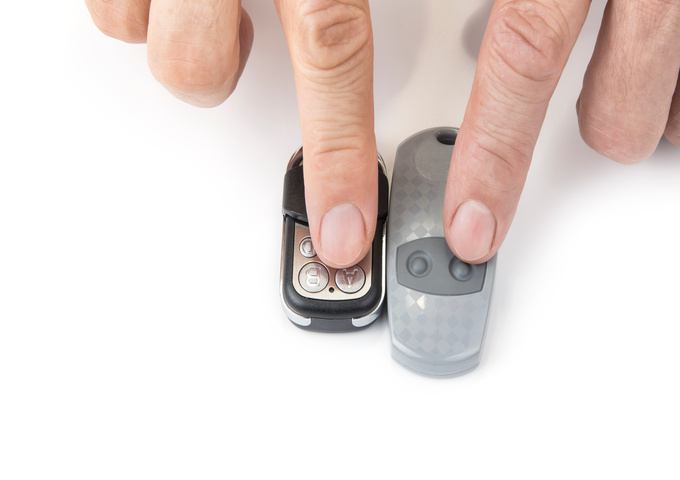
    Start by reading the back of the remote.
    Manufacturers often list the battery type near the FCC ID.
    If not, open the case carefully and check the existing cell.

    Look for the alphanumeric code on the battery itself.
    CR2032, CR2025, CR2016, CR2450, and A23 are common.
    Match the code exactly for a perfect fit and performance.

    Check your owner’s manual or the brand’s support page.
    Many manuals show battery diagrams and part numbers.
    If you’ve lost the manual, search your model number online.

    Bring the remote to a hardware store if unsure.
    Staff can often match the cell by size and thickness.
    Photograph the old cell before recycling, as a backup.

    Popular Brands And Their Typical Cells

    Chamberlain and LiftMaster remotes often use CR2032 or CR2025.
    Some three-button models fit dual CR2016 cells stacked.
    A23 appears in certain visor remotes and older transmitters.

    Genie and Overhead Door frequently use CR2032 coin cells.
    Craftsman remotes share many LiftMaster formats.
    Premium universal remotes may use CR2450 for longer life.

    Always confirm your specific model before purchasing.
    Manufacturers adjust designs across generations.
    Rely on the printed battery code for certainty.

    Quick Checklist Before You Buy

    Confirm the exact code on your existing cell.
    Note the polarity: the “+” side usually faces up.
    Inspect contacts for corrosion or bending.

    Assess the remote’s range and reliability.
    Sluggish response often signals a dying cell.
    Replace proactively if performance declines.

    Purchase a reputable brand to avoid fakes.
    Choose sealed packaging with recent manufacture dates.
    Store spares in a cool, dry place.

    Replacement Steps, Made Simple
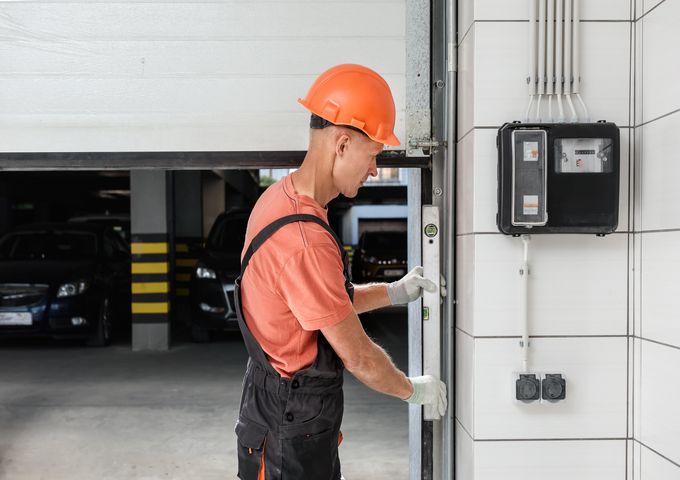
    what size battery for garage door opener remote

    Open the case using the notch or a tiny screwdriver.
    Avoid prying near buttons to prevent tearing membranes.
    Work over a table so tiny parts don’t vanish.

    Remove the old garage door opener remote battery gently.
    Note orientation so the new one seats correctly.
    Slide the cell under the retaining tabs without forcing them.

    Snap the cover back until it clicks.
    Press each button to confirm feel and alignment.
    Test the remote from various distances outside.

    If it doesn’t work immediately, don’t panic.
    Some remotes need a brief re-sync after power loss.
    Follow the manual’s programming steps if required.

    Battery Specs, Explained

    CR-codes indicate lithium coin cells.
    “20” means 20 mm diameter; “32” means 3.2 mm thick.
    So, CR2032 is 20 mm by 3.2 mm.

    The voltage for these cells is about 3 volts.
    Capacity varies with thickness, affecting runtime.
    CR2450 lasts longer than CR2032, if your remote supports it.

    A23 batteries are compact 12-volt alkaline cells.
    They contain stacked button cells inside one wrapper.
    They power some older remotes and keyless systems.

    Symptoms Of A Weak Battery

    You must stand closer to the door for it to respond.
    The LED on the remote dims or flickers when pressed.
    Sometimes nothing happens, then it works on the second try.

    Cold mornings make the problem worse.
    Lithium cells sag in extreme temperatures.
    Replace early if you live in a harsh climate.

    If the door opens, then immediately stops, check the power.
    Battery droop can confuse receiver timing.
    A fresh cell often resolves erratic stops.

    Maintenance Tips For Longer Life
    battery for garage door opener remote

    Avoid pocket presses that drain charge.
    Use a case or keep the remote on a visor clip.
    Clean grime around buttons to prevent sticking.

    Replace your garage door opener remote battery every 12–24 months.
    Heavy use or extreme heat shortens lifespan.
    Mark the install date on the inside cover.

    Keep spare cells in original packaging.
    Loose coins can get short in a drawer.
    Never mix old and new cells.

    Range, Interference, And Your Battery

    Wi-Fi routers, LED bulbs, and metal siding reduce range.
    A fresh garage door opener remote battery helps overcome interference.
    Still, relocating noisy devices can improve consistency.

    Modern openers hop frequencies to resist noise.
    Weak cells can’t maintain clean signal shape.
    That’s why the range drops before total failure.

    Safety And Environmental Care

    Do not throw coin cells in household trash.
    They’re hazardous if swallowed by children or pets.
    Store spent batteries out of reach immediately.

    Most hardware stores accept recycling.
    Tape both sides of the used cells to prevent shorts.
    Transport them in a small container.

    Avoiding Counterfeit Cells

    Counterfeits look convincing yet fail quickly.
    Buy from reputable retailers with solid reviews.
    Avoid packaging with misspellings or smudged print.

    Check the expiration date and lot code.
    Remember, extremely cheap cells rarely perform.
    A genuine garage door opener remote battery saves headaches.

    When Replacement Doesn’t Fix It

    If a new cell doesn’t help, inspect contacts.
    Gently clean with isopropyl alcohol and a cotton swab.
    Bent tabs can be reshaped with fine tweezers.

    Try a second known-good battery to confirm.
    If it still fails, reprogram the remote.
    Check the opener’s antenna wire for damage.

    Consider environmental interference again.
    LED garage bulbs can overwhelm receivers.
    Swap to “garage-rated” low-interference bulbs.

    Spare Remotes And Keypads

    Program a spare transmitter for emergencies.
    Keep it in your car’s glove box or a safe spot.
    Label which door it controls.

    Keypads also rely on batteries.
    Replace theirs on the same schedule.
    A fresh cell prevents lockouts on rainy nights.

    Planning Ahead
    Find the right garage door opener remote battery type

    Buy a two-pack or four-pack of your cell.
    Rotate through them during yearly maintenance.
    You’ll always have a fresh garage door opener remote battery ready.

    Combine replacement with opener maintenance.
    Lubricate hinges and rollers, and test safety reversal.
    A smooth door reduces strain on electronics.

    Frequently Used Battery Types

    CR2032 is the most common remote cell today.
    CR2025 and CR2016 also appear in slim remotes.
    Some multi-button units stack two CR2016 cells.

    CR2450 offers extra capacity where supported.
    A23 is frequent in older visor transmitters.
    Always confirm your exact model before purchasing.

    Matching Terms You May See

    You might search for a battery for garage door opener remote online.
    Retailers may list “coin cell,” “button cell,” or “12-volt A23.”
    Use your code to avoid confusion.

    Some guides reference batteries for garage door openers broadly.
    They mix remote cells with opener backup batteries.
    Your remote cell is separate from the opener’s backup pack.

    If you see garage door opener battery, confirm context.
    Opener backup packs power the motor during outages.
    Remote cells only power the handheld transmitter.

    Buying Guide: Where And What To Buy

    Purchase name-brand cells from trusted stores.
    Panasonic, Energizer, Duracell, Renata, and Sony are reliable.
    Check freshness by verifying the date code.

    Avoid “loose” coins sold without packaging.
    They may be used or exposed to moisture.
    Factory-sealed blisters protect the chemistry.

    Price should track quality and authenticity.
    A realistic deal beats a suspicious bargain.
    Your garage door opener remote battery is worth a few extra cents.

    Step-By-Step: One-Minute Swap

    Open the cover using the slot near the seam.
    Leverage gently; don’t twist hard.
    Keep the logo side facing up to track orientation.

    Lift the old cell and read the code.
    Confirm it matches your new package.
    Insert the new coin with the “+” side up.

    Press the housing until it clicks shut.
    Test from the driveway, not the garage.
    Verify consistent response on multiple presses.

    Future-Proofing And Smart Options

    Some remotes move to rechargeable packs.
    Others integrate with car HomeLink systems.
    Your garage door opener remote battery may change with future models.

    Smartphone control reduces remote use altogether.
    A backup remote still makes sense during outages.
    Keep a fresh cell ready for that redundancy.

    Quick Reference Summary

    Identify the exact code printed on the cell.
    Buy genuine replacements from reputable retailers.
    Install carefully, observing polarity and seating.

    Recycle used cells safely and promptly.
    Troubleshoot contacts and interference if problems persist.
    Maintain a spare garage door opener remote battery for emergencies.

    FAQs

    What are the signs that my garage door remote battery is dying?

    Most users replace every 12–24 months.
    Heavy use, heat, or cold shortens life.
    Replace sooner if the range declines or clicks feel inconsistent.

    Are CR2032, CR2025, and CR2016 interchangeable?

    They share a diameter but differ in thickness and capacity.
    Use the exact specification your remote requires.
    Mismatches can loosen fit or reduce runtime.

    My new battery didn’t fix the problem—now what?

    Clean contacts, reseat the cell, and confirm polarity.
    Try reprogramming your remote to the opener.
    Check for interference from LED bulbs or Wi-Fi devices.

    Can I use rechargeable coin cells in my remote?

    Most remotes are designed for primary lithium cells.
    Rechargeables have lower voltage and may misbehave.
    Use the chemistry specified by your manufacturer.

    Where should I buy reliable batteries?

    Purchase from reputable hardware stores or major retailers.
    Look for sealed packaging and recent date codes.
    Counterfeits are common in bargain listings.
  • No Power to Garage Door Opener? Wiring & Power Fixes

    No Power to Garage Door Opener? Wiring & Power Fixes

    Why Your Opener Suddenly Went Dark

    A dead opener is frustrating, but most fixes are simple and safe when done patiently.
    Start with the basics, then work toward deeper checks and component tests.

    If you’re thinking “no power to garage door opener,” this guide walks you through every step.

    Safety First: Before You Touch Anything

    Unplug the opener before opening covers or touching terminals.
    Use a non-contact voltage tester where possible.
    Wear safety glasses and avoid metal ladders near live circuits.

    If the situation still screams no power to garage door opener, proceed methodically.

    Fast Checks You Can Do in Minutes

    Confirm the ceiling outlet works with a lamp.
    If the lamp stays dark, the problem is upstream.
    If it lights, the opener may have an internal fault or tripped protection.

    When an outlet is dead, many assume no power to garage door opener means a failed motor.
    Often, it’s just a tripped GFCI or breaker.

    Check GFCI and Breakers

    no power to garage door opener

    Locate GFCIs in garages, bathrooms, basements, or exterior outlets.
    Press Reset firmly; some require extra pressure.
    At the panel, look for a breaker sitting between ON and OFF.
    Flip fully OFF, then back ON to restore service after no power to garage door opener events.

    Test With a Simple Load or Meter

    A plug-in lamp confirms live power fast.
    A multimeter tells you voltage precisely.
    Measure 120V at the outlet in North America, or local mains elsewhere.
    No reading? The issue is upstream wiring, protection, or a loose connection.

    When Extension Cords Cause Problems

    Long, thin cords drop voltage and heat up.
    Avoid temporary cords for permanent openers.
    Plug directly into a dedicated receptacle.

    Voltage sag can mimic no power to garage door opener during startup surges.

    Understand the Basics of Wiring

    Many issues trace to loose screws in the ceiling box, worn plugs, or miswired neutrals.
    Tighten terminations gently but firmly.
    Keep neutral and ground distinct to prevent nuisance trips and strange behavior with no power to garage door opener symptoms.

    The Role of Garage Receptacles

    Garages often share circuits with outdoor outlets.
    Moisture trips GFCIs downstream, starving the opener.
    If one GFCI feeds many locations, protect it with a weatherproof cover.

    Mapping the circuit saves time on repeat trips.

    Wiring Reference and Labels

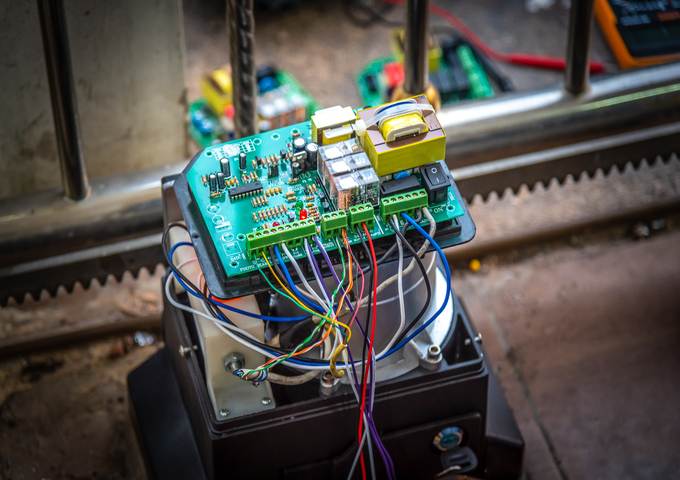
    garage door opener wiring

    Follow the manufacturer’s schematic on the motor housing.
    Wire colors and terminal names vary by brand.
    Label any wire you remove to avoid confusion later.

    If you’re unfamiliar, search your model’s garage door opener wiring guide for orientation.

    Diagrams Prevent Guesswork

    A picture beats memory during repairs.
    Most manuals include a garage door opener wiring diagram showing power input, logic board fuses, wall control, and safety sensors.

    Keep a printout handy while you test.

    Evaluate the Power Input Path

    Power enters at the cord and receptacle.
    From there, it passes through surge protection, an internal fuse, or a thermal link.
    If nothing lights—no LEDs, no click—suspect the fuse or MOV.

    Cord, Plug, and Strain Relief

    Inspect the cord for cuts, crushed sections, or scorch marks.
    Wiggle the plug gently; looseness causes intermittent outages.
    A damaged cord should be replaced, not taped.

    Wall Control vs. Power Loss

    A dead wall control doesn’t always mean a dead opener.
    If the motor housing LEDs and courtesy light are off, that’s power loss.
    If housing LEDs glow but the wall button is dead, look to the low-voltage control wiring.

    Sensor Misalignment Isn’t a Power Problem

    Blocked or misaligned photo-eyes stop door travel.
    They do not explain no power to garage door opener.
    Fix sensors after you confirm steady power and logic board activity.

    Know Your Opener’s Appetite

    Different motors draw different currents, especially at startup.
    LED bulbs help reduce total draw on shared circuits.
    Understanding garage door opener wattage helps avoid overloading small circuits or long runs.

    Surges, Storms, and Brownouts

    Lightning and grid events can kill control boards.
    After a storm, many homeowners report no power to the garage door opener until fuses or boards are replaced.
    Consider whole-home surge protection to prevent repeat failures.

    Internal Fuse and Thermal Link

    Some units hide a mini-fuse on the logic board.
    Others use a thermal fuse within the transformer.
    A blown component cuts all power.
    Replace only with identical ratings to avoid fire risk.

    Wall Button and Low-Voltage Runs

    garage door opener wiring diagram

    Staples can pinch low-voltage cable.
    If buttons or keypads are unresponsive but the motor has lights, test with a short jumper at the head.
    That isolates wiring from the control board.

    Battery Backup: Silent Saviors

    Many modern models include backup power.
    If LEDs show life but the outlet is off, the backup keeps things running briefly.
    A weak garage door opener battery can confuse diagnosis; replace it per the manual.

    Capacitors and Hard Starts

    A failing start capacitor makes motors stall or hum.
    While not “no power,” it feels similar when the door won’t move.
    Look for bulging cases or oil leaks.
    Replace with the same microfarad rating.

    Loose Neutrals and Backstabbed Outlets

    Builders sometimes use backstab connections.
    Over time, heat and cycles loosen them.
    Move wires to the screw terminals for a firmer connection.
    This alone clears many “dead” outlets feeding the opener.

    Shared Circuits and Nuisance Trips

    Freezers, shop vacs, and chargers share garage circuits.
    Simultaneous loads trip breakers.
    If no power to garage door opener occurs after big appliance starts, separate circuits or stagger usage.

    Evaluate the Receptacle

    A worn receptacle loses spring tension on blades.
    The plug feels loose and arcs subtly.
    Replace any outlet that won’t grip a plug tightly.

    GFCI Aging and Replacement

    GFCIs wear out and nuisance-trip with age.
    If resets fail, replace the device.
    Choose a weather-resistant model for exterior locations feeding garage outlets.

    Moisture and Condensation Issues

    Damp junction boxes corrode contacts.
    Sealed covers and in-use covers outdoors help.
    Keep cords off the floor to avoid puddles.

    The Role of Surge Protectors

    No Power to Garage Door Opener? Wiring & Power Fixes

    Power strips are not substitutes for proper wiring.
    Use listed surge devices only as supplemental protection.
    If no power to garage door opener loses power after frequent storms, consider a surge-protected receptacle.

    When the Logic Board Fails

    If fuses are intact and power reaches the board, suspect the board.
    Look for burnt traces or swollen components.
    Replacement is often cheaper than board-level repair.

    Step-by-Step Diagnostic Flow

    Verify outlet power with a lamp.
    Reset GFCIs and breakers.
    Inspect cord, plug, and receptacle.
    Open the cover and check fuses.
    Confirm low-voltage controls.
    Only then replace the board or call a professional.

    Basic Tools That Help

    A non-contact tester, a multimeter, and a screwdriver handle most tasks.
    Add a headlamp for attic or ceiling work.
    Keep spare fuses that match your opener’s specs.

    Preventive Maintenance

    Tighten electrical connections annually.
    Vacuum dust from vents so electronics stay cool.
    Replace worn bulbs with LED types approved by the manufacturer.

    Cable Management Matters

    Avoid draping cords over sharp metal edges.
    Use clips or raceways to guide low-voltage runs.
    Neat routing prevents snags and intermittent faults.

    Consider a Dedicated Circuit

    Heavy garage usage benefits from its own 15A or 20A circuit.
    A dedicated line reduces nuisance trips and voltage sag.
    If no power to garage door opener appears during peak tool use, a new circuit helps.

    Smart Openers and Connectivity

    Smart models log power events.
    Use the app to see outage times, which helps correlate with breaker trips.
    Firmware updates sometimes fix odd behaviors after power restoration.

    LED Compatibility

    Some bulbs generate interference.
    Use bulbs labeled “garage door opener compatible.”
    This won’t fix no power to garage door opener, but it prevents remote range issues mistaken for power loss.

    Seasonal Clues

    Winter brings brittle cords and condensation.
    Summer heat stresses electronics.
    If failures track seasons, add ventilation or check for attic heat near the opener mount.

    When to Call a Pro

    If you smell burning, see melted plastic, or the breaker instantly trips, stop.
    An electrician should inspect the circuit.
    A garage door technician can test boards, motors, and safety systems safely.

    What Pros Do Differently

    They isolate faults quickly with known-good parts.
    They load-test outlets, trace circuits, and measure inrush current.
    That precision avoids repeated “maybe” fixes.

    Cost Expectations

    Replacing a GFCI or outlet is inexpensive.
    Boards and motors cost more but often beat the replacement of the whole unit.
    Get quotes for both repair and replacement when no power to the garage door opener persists.

    Document Your Setup

    Photograph wiring before you change anything.
    Note breaker numbers, GFCI locations, and model numbers.
    Keep receipts for date-stamped maintenance history.

    Upgrades That Prevent Recurrence

    Add a surge protector, a dedicated circuit, and weather-resistant devices.
    Replace aging cords and outlets proactively.
    Choose openers with robust diagnostics and battery backup.

    Quick Wins Checklist

    garage door opener wattage

    Reset GFCIs.
    Cycle the breaker.
    Test the outlet with a lamp.
    Inspect the cord and plug.
    Check fuses inside the opener.
    Confirm low-voltage wall controls.

    Understanding Manufacturer Variations

    Brands differ on fuse locations, wire colors, and test modes.
    Your manual is the authority.
    If you lost it, download a PDF from the manufacturer’s support page.

    Keep Sensors Clean, But Prioritize Power

    Wipe the photo-eyes and check alignment.
    That ensures smooth operation once power is stable.
    Work from wall power to board power, then to controls and safety systems.

    Final Thoughts

    Electrical issues don’t have to be mysterious.
    With patient, orderly testing, most homeowners can restore service.
    If no power to garage door opener remains after these steps, a professional assessment is the safest next move.

    FAQs

    Why did my opener lose power after a storm?

    Surges can blow internal fuses or damage the logic board.
    Reset breakers and GFCIs first.
    If LEDs remain dark, open the cover and inspect fuses.
    Persistent failure after a surge often requires board replacement by a technician.

    How do I know if the outlet or the opener is bad?

    Test the outlet with a lamp or meter.
    If the outlet is live, the fault is inside the opener.
    If dead, trace GFCIs and breakers.
    Avoid assumptions like “no power to garage door opener” until you verify the outlet.

    Can I replace the cord or plug myself?

    Yes, if you’re comfortable and follow electrical safety.
    Use a cord with equal or better rating and proper strain relief.
    If insulation is brittle or connections look scorched, consider a professional repair or unit replacement.

    My wall button is dead, but the opener light is on. What now?

    You likely have a low-voltage control issue, not a power loss.
    Check the wall button wiring for staples, cuts, or loose screws.
    Test by shorting the control terminals at the opener head to simulate a button press.

    Should I upgrade or repair an older unit?

    If parts are scarce or reliability is poor, upgrade.
    New models add better surge protection, diagnostics, and backups.
    Balance part cost, labor, and downtime against the value of a modern, safer system.

  • Learn quick steps for garage door opener battery replacement now

    Learn quick steps for garage door opener battery replacement now

    If your remote feels sluggish or your keypad stops responding, don’t panic. This guide makes garage door opener battery replacement simple. You’ll learn what a garage door opener battery does, which size to buy, and how to swap it safely in minutes.

    Why the Battery Matters

    The small cell inside your remote powers every command. When it fades, the range shrinks and misfires increase. Knowing how to replace a garage door opener battery keeps your door reliable, secure, and quiet.

    Timely garage door opener battery replacement can prevent lockouts, reduce motor strain, and stop you from over-clicking the button. It’s a fast, low-cost fix that restores full range immediately.

    Signs Your Battery Is Dying

    Watch for shorter range, dim LEDs, delayed door movement, or inconsistent response. If the wall button works but the remote doesn’t, it’s time for a garage door opener battery replacement.

    What You’ll Need

    A new coin-cell battery (CR2032, CR2016, or as specified), a small screwdriver, clean gloves, and a dry cloth. Check your manual or the old cell’s code before buying.

    Safety and Prep

    garage door opener battery replacement

    Unplug the opener if you’ll touch the motor unit. For remotes or keypads, work on a stable surface. Avoid metal tweezers. Handle cells by the edges to protect contacts. Plan your garage door opener battery replacement where the lighting is bright.

    Step-by-Step Replacement

    Follow these steps for a smooth garage door opener battery replacement without losing time or settings.

    1) Identify your transmitter

    Confirm the model and battery type stamped inside the cover or in the manual. Most remotes use coin cells; some keypads use AA/AAA batteries or 9-volt blocks.

    2) Open the battery compartment

    Locate the notch or screws and open carefully. Don’t pry aggressively. If you searched “how to replace battery in garage door opener,” the basic method is the same: be gentle, note orientation, and keep parts organized.

    3) Remove the old battery

    Slide the cell out using a plastic tool or your fingernail. Note the + polarity. Avoid bending contacts. Discard the old cell responsibly after your garage door opener battery replacement.

    4) Inspect and clean

    Check for dust, corrosion, or bent clips. Wipe with a dry cloth. If corrosion exists, a tiny bit of isopropyl alcohol on a swab helps—dry fully before reassembly.

    5) Insert the new battery

    Match the voltage and size exactly. Insert with the correct polarity. Snug, don’t force. This step is the heart of effective garage door opener battery replacement and restores remote range instantly.

    6) Reassemble the remote

    Align the cover, close until it clicks, or reinstall the screws. Shake gently to ensure nothing rattles. Avoid overtightening to protect plastic tabs.

    7) Test from a safe distance

    Stand clear of the door’s path and test. If the door doesn’t respond, move closer and try again. You’ve just finished changing garage door opener battery and confirmed the remote works.

    8) Repeat for spare remotes or keypads

    Replace batteries in all transmitters during the same session. Consistent garage door opener battery replacement reduces troubleshooting later and keeps every user in the household covered.

    Programming and Range Checks

    how to replace battery in garage door opener

    Most remotes keep their pairing during garage door opener battery replacement. If yours loses sync, press the opener’s Learn button, then press the remote. Test across the driveway to verify consistent range morning and night.

    What About Backup Batteries in the Opener?

    Some openers include a backup battery inside the motor housing. It powers the door during outages. Replace it every two to three years, or when the panel beeps or flashes a low-battery light.

    Procedures differ by brand. Check your manual for the enclosure, connector, and reset steps. Plan separate garage door opener battery replacement for remotes and backup modules so everything stays reliable year-round.

    Battery Types and Codes

    Common coin cells include CR2032, CR2025, and CR2016. The letters indicate chemistry and size. Match the number printed on your old cell. Using the wrong thickness can cause intermittent contact or damage.

    Buy sealed, fresh cells from reputable brands. Check the expiration date. Old stock may work briefly, then fail early. Store spares at room temperature in their original packaging.

    Brand-Specific Notes

    Chamberlain, LiftMaster, and Craftsman remotes often use coin cells and retain pairing during battery swaps. Some models require re-syncing with the Learn button; keep the ladder stable and follow the manual.

    Genie and other manufacturers may differ in compartment design. Don’t force housing. If a slide door resists, look for hidden screws under labels or in grooves before prying.

    Interference and Range Tips

    LED bulbs near the opener, metal siding, or crowded 2.4 GHz environments can cut range. Use garage-safe LED bulbs, position the antenna downward, and avoid wrapping remotes in foil-lined bags or placing them behind dense objects.

    Storage and Safety

    Keep button batteries away from children and pets. Coin cells are hazardous if swallowed. Tape used cells’ terminals and recycles them promptly. Never carry loose cells with keys or coins to prevent short circuits.

    Troubleshooting After Replacement

    If the remote still fails, check polarity, reseat the battery, and clean contacts. Try a fresh cell from a sealed pack. Verify the wall button works. Re-pair the remote using the Learn button sequence.

    When to Call a Professional

    If the range remains poor after a correct replacement, the remote, antenna, or control board may be faulty. Seek a technician for testing, especially if you’re unsure about wiring or safety sensors.

    Costs and Time

    how to replace garage door opener battery

    Most coin cells cost only a few euros or dollars. The task takes five to ten minutes per transmitter. Backup batteries inside the opener cost more and take longer because of panel removal and testing.

    Disposal and Recycling

    Do not toss coin cells in household trash. Many retail stores and recycling centers accept small batteries. Tape terminals to prevent shorting, then drop them at an approved collection point.

    Pro Tips for Accuracy

    Photograph the compartment before removing the old cell. Keep a tiny bag for screws. Note purchase dates on a small label inside the remote to track service intervals easily.

    FAQs

    What battery does my garage remote use?

    Most use CR2032, CR2025, or CR2016 coin cells. Check your manual, inside the battery door, or the printing on the old cell. Match both size and voltage to ensure reliable operation and proper contact pressure.

    How often should I replace the battery?

    Typical life is one to two years, depending on usage and temperature. Replace sooner if the range shrinks, the remote LED dims, or you need multiple presses. Proactively swapping annually prevents inconvenient failures.

    My remote stopped working after the swap. What should I do?

    Confirm polarity, reseat the cell, and clean contacts. Try a brand-new battery from a sealed package. If needed, re-pair the remote by pressing the opener’s Learn button, then pressing the remote until the light blinks.

    Do keypads use the same battery as remotes?

    Often, no. Many keypads use AA, AAA, or a 9-volt battery. Check the compartment label before buying. Replace batteries for keypads and remotes during the same session to keep performance consistent.

    Can I use rechargeable coin cells?

    Avoid them. Rechargeable coin cells usually provide lower voltage than disposable lithium cells, causing poor range and unreliable performance. Use high-quality primary lithium coin cells that match your device’s specifications.

  • Battery Backup Garage Door Opener: Guide & Options

    Battery Backup Garage Door Opener: Guide & Options

    A battery backup garage door opener keeps your day moving when the power doesn’t.
    Storms, outages, and tripped breakers happen.
    With the right setup, your car gets in and out safely, and your home stays accessible.

    Why Backup Power Matters

    Garage access is a safety issue, not only a convenience.
    Emergencies rarely wait for electricity.
    A backup system ensures you can open and close the door, protect valuables, and get family members where they need to go.

    A battery backup garage door opener also protects smart-home routines.
    If your opener integrates with cameras, sensors, or deliveries, backups help maintain continuity.
    You avoid manual overrides and reduce the risk of leaving the door unsecured during blackouts.

    How Backups Work

    Most solutions use a DC motor with an external or integrated battery.
    When power fails, the battery drives the motor for several cycles.
    Electronics prioritize essential functions, preserving charge for opening and closing safely.

    A battery backup garage door opener typically supports multiple door cycles per charge.
    Cycle counts depend on door weight, spring balance, temperature, and battery health.
    Expect fewer cycles in extreme cold and more with well-balanced doors and fresh batteries.

    Types of Backup Systems

    battery backup garage door opener

    Some models include built-in batteries inside the powerhead.
    These are tidy, simple to install, and monitored by the opener’s firmware.
    Others use add-on battery modules that mount near the rail or on a wall.

    A battery backup garage door opener can also pair with external inverters.
    Whole-home batteries or portable power stations convert DC to AC.
    The opener sees “grid power,” while your battery system silently covers the outage.

    Integrated vs. Add-On

    Integrated batteries simplify maintenance and monitoring.
    You get alerts through the opener’s app when health drops.
    Add-on packs are flexible, letting you choose capacity or upgrade later.

    A battery backup garage door opener with an add-on pack is handy for older units.
    You avoid replacing a perfectly good opener.
    Check motor type, current draw, and compatibility before buying any external battery kit.

    Dedicated Battery vs. Power Station

    Dedicated opener batteries are compact and optimized for door cycles.
    Portable power stations offer versatility for tools, fridges, and electronics.
    Pick based on your household priorities and outage risk profile.

    A battery backup garage door opener plus a compact power station covers more scenarios.
    If an outage runs long, you can recharge the station via solar.
    That lets you keep operating the door beyond typical cycle limits.

    Choosing the Right Capacity

    Capacity determines how many cycles you’ll get.
    Heavier doors use more energy.
    Insulated double doors may drain batteries faster than lightweight single doors.

    A battery backup garage door opener should comfortably handle frequent trips.
    Plan for daily commutes, deliveries, and emergencies during a 24-hour outage.
    If you rely on the garage as a primary entrance, choose a larger capacity.

    Compatibility Considerations

    Motor type matters.
    DC motors are inherently friendlier to backups and soft-start features.
    AC motors can work with inverters, but may be less efficient during outages.

    A battery backup garage door opener should match your rail system and door balance.
    Poorly balanced doors strain the motor and slash cycles.
    Have a technician verify spring tension before trusting any backup estimate.

    Installation Pathways

    battery backup for garage door opener

    Many homeowners can install pre-matched backup kits.
    They plug into the opener and fasten with brackets.
    Follow the manufacturer’s wiring and mounting guidelines for safety.

    A battery backup garage door opener might require professional wiring in some jurisdictions.
    Hardwired options or whole-home battery tie-ins should meet code.
    Licensed installers ensure proper circuit protection and ventilation.

    Safety First

    Backups must preserve safety sensors.
    Photo-eyes should remain aligned and tested after installation.
    Never bypass sensors to “save power”; it’s unsafe and unnecessary.

    A battery backup garage door opener should still do a force-reversal test.
    Use a 2×4 under the door to confirm reversal on contact.
    Schedule periodic tests, especially after storms or service work.

    Maintenance and Testing

    Batteries are consumables.
    Expect three to five years of service for sealed lead-acid packs.
    Lithium variants can last longer with proper thermal management.

    A battery backup garage door opener benefits from monthly tests.
    Run one cycle on the battery to confirm readiness.
    Keep terminals clean, check charging indicators, and replace packs proactively.

    Performance in Cold and Heat

    Temperature swings affect battery chemistry.
    Cold reduces capacity; heat accelerates wear.
    Install away from direct sunlight and insulate shared walls where possible.

    A battery backup garage door opener can keep performing in winter with planning.
    Consider a slightly higher capacity if you live in cold climates.
    Store portable power stations in conditioned spaces.

    Smart Features and Alerts

    Modern openers pair with smartphone apps.
    You’ll get battery health alerts, outage notices, and remote control.
    Some systems let you schedule test cycles and view detailed logs.

    A battery backup garage door opener with Wi-Fi is more transparent.
    You’ll know when the grid fails, even away from home.
    Combine push notifications with security camera snapshots for full awareness.

    Cost and Value

    Entry-level backup modules are affordable.
    Integrated premium openers cost more but add quiet drives and smart features.
    Power stations vary widely by capacity and brand.

    A battery backup garage door opener quickly pays for itself in peace of mind.
    Avoid lock-outs, costly emergency service calls, and security risks.
    For remote workers, uninterrupted access can be priceless during outages.

    Environmental Considerations

    Recycling matters.
    Lead-acid and lithium batteries require proper disposal.
    Use certified drop-off points or retailer take-back programs.

    A battery backup garage door opener with efficient charging reduces waste.
    Smart charge profiles extend battery life.
    Solar-recharged power stations cut grid dependence and emissions.

    When to Replace

    Diminishing cycle counts and slow lifts are warning signs.
    If the opener strains or the lights dim on battery, service is due.
    App diagnostics can confirm declining capacity.

    A battery backup garage door opener should recover quickly after restoration.
    If it doesn’t hold a charge or recharges abnormally slowly, investigate.
    Replacement is cheaper than dealing with a stuck door in an emergency.

    Alternative Approaches

    Counterweight and spring tuning reduce energy needs.
    A well-balanced door is easier on any motor or battery.
    Annual tune-ups keep everything efficient.

    A battery backup garage door opener can pair with a manual quick-release plan.
    Teach family members how to pull the cord safely.
    Practice once a year, so no one panics during a real outage.

    Legal and Insurance Factors

    Some regions mandate backup access for attached garages.
    Insurance policies may reward risk-reducing features.
    Check local codes and talk to your provider.

    A battery backup garage door opener demonstrates proactive risk management.
    Document installations and maintenance.
    This helps claims and proves responsible home stewardship.

    For Multi-Car Households

    Two doors mean double the decisions.
    Back up both, or at least one primary exit.
    Coordinate schedules and who parks where to minimize outage friction.

    A battery backup garage door opener for the primary bay covers daily needs.
    Keep a portable power station for the second door.
    That strategy balances cost and resilience.

    For Remote and Vacation Homes

    battery backup garage door opener

    Outages may last longer in rural areas.
    Smart alerts are invaluable when you’re away.
    Combine backups with cameras and trusted neighbors.

    A battery backup garage door opener lets property managers access during storms.
    Deliveries, repairs, and inspections proceed without delay.
    You maintain security while granting controlled access.

    Common Mistakes to Avoid

    Don’t oversize without considering door balance.
    Fix mechanics before throwing capacity at the problem.
    Avoid mixing mismatched third-party batteries with proprietary chargers.

    A battery backup garage door opener needs correct wiring.
    Use surge protection to shield electronics.
    Label circuits and keep manuals handy for quick troubleshooting.

    Realistic Expectations

    Most systems are designed for several open-close cycles.
    They are not meant for continuous operation.
    During long outages, conserve cycles and plan recharges.

    A battery backup garage door opener becomes part of a layered plan.
    Pair with flashlights, UPS units for routers, and phone chargers.
    Prepared homes ride out blackouts gracefully.

    Pros and Cons Summary

    Pros: guaranteed access, safety, security, convenience, and smart alerts.
    Cons: upfront cost, maintenance, and eventual battery replacement.
    Most homeowners find that the benefits easily outweigh the downsides.

    A battery backup garage door opener is simple insurance.
    It turns unpredictable outages into minor inconveniences.
    Your garage stays usable, your schedule stays intact.

    Installation Checklist

    Verify door balance and spring health.
    Confirm opener compatibility and current draw.
    Choose a capacity for your expected outage profile.

    A battery backup garage door opener installation should include labeling.
    Note install date, battery type, and replacement reminder.
    Test sensors, Wi-Fi alerts, and manual release after setup.

    Maintenance Calendar

    Monthly: one battery-only cycle and sensor test.
    Quarterly: terminal inspection and debris cleaning.
    Yearly: professional tune-up and force-reversal test.

    A battery backup garage door opener lasts longer with discipline.
    Log results in a simple notebook or app.
    You’ll spot trends and replace before failures.

    Budgeting and Upgrades

    Start small with a matched battery module.
    If outages are frequent, add a power station.
    Consider a quiet belt-drive DC opener at the next upgrade.

    A battery backup garage door opener pairs well with LED lighting.
    Efficient lights reduce draw during battery operation.
    Look for openers with high-efficiency power supplies.

    One-Time Use of Similar Keywords

    If you’re retrofitting, consider a battery backup for a garage door opener kit.
    Some households prefer a battery-operated garage door opener for simplicity.
    Always maintain your garage door opener battery for reliability and safety.

    Final Thoughts

    Preparedness turns chaos into calm.
    With the right plan, you’ll never be trapped by a powerless door.
    Choose components wisely, maintain them, and test regularly.

    A battery backup garage door opener is a small investment with an outsized impact.
    It safeguards access, protects routines, and supports safety.
    Power may fail, but your garage keeps working.

    FAQs

    How many cycles can I expect during an outage?

    Most systems deliver several open-close cycles on a fresh charge.
    Door weight, temperature, and balance affect results.
    Plan for essential trips and conserve cycles during extended blackouts.

    Do I need a professional to install backup power?

    Many matched kits are DIY-friendly with clear instructions.
    For hardwiring, whole-home batteries, or code-sensitive work, hire a pro.
    Professionals ensure safe wiring, proper mounting, and compliance.

    How often should I replace the battery?

    Lead-acid packs typically last three to five years.
    Lithium can last longer with good thermal conditions.
    Replace at the first signs of diminished cycles or slow lifts.

    Will backup power affect safety sensors or smart features?

    Correctly installed systems preserve safety sensors and smart connectivity.
    Test photo-eyes and force reversal monthly.
    Apps often show health, outage alerts, and battery status.

    What’s the best way to prepare for long outages?

    Balance your door, test monthly, and keep a portable power station.
    Consider solar charging for multi-day events.
    Conserve cycles and prioritize essential trips until grid power returns.

  • Garage Door Opener Light Bulb: Guide, Tips & Troubleshooting

    Garage Door Opener Light Bulb: Guide, Tips & Troubleshooting

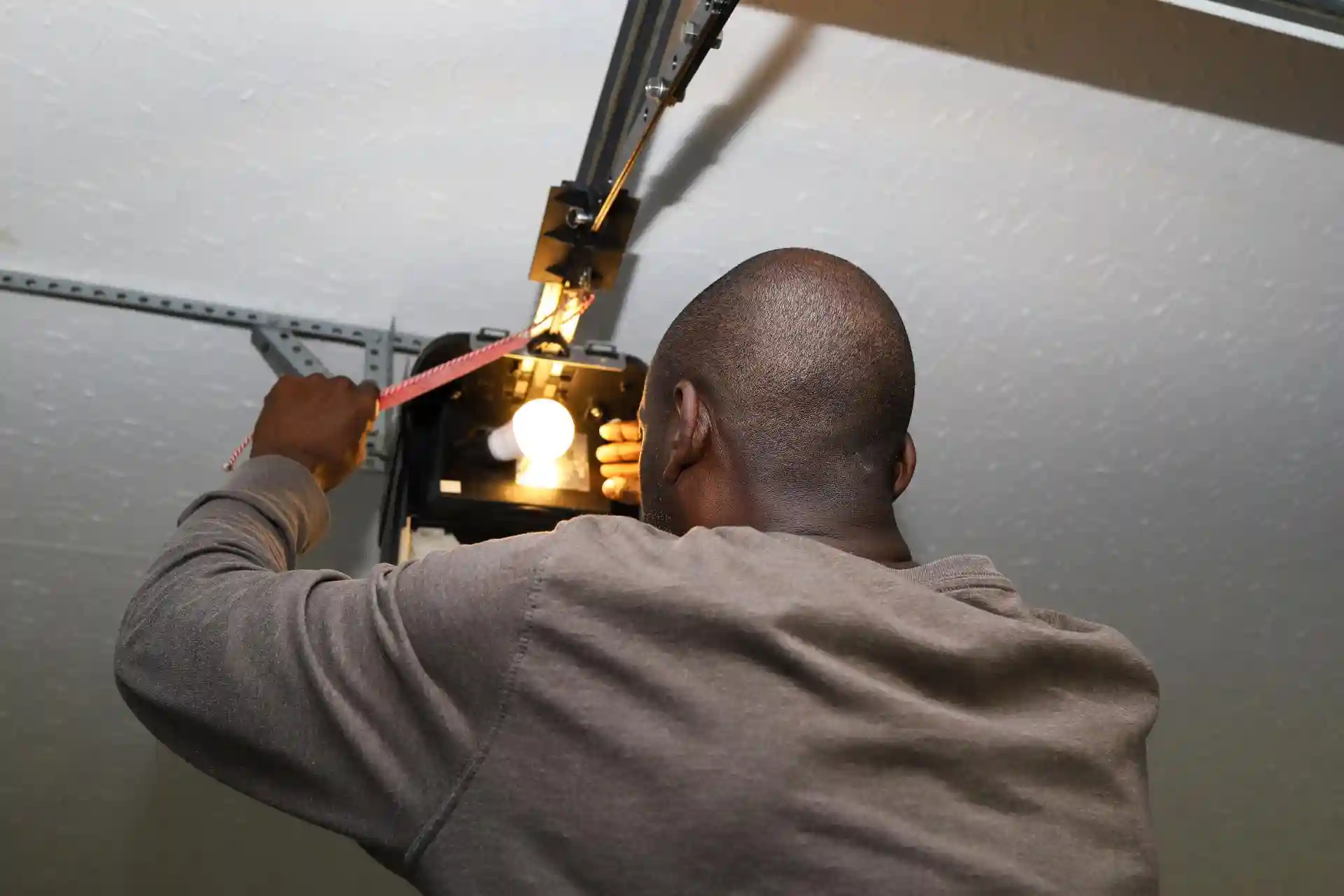
    When the light in your opener fails, convenience and safety suffer. Choosing the correct garage door opener light bulb prevents flicker, short lifespans, and remote-control glitches while delivering dependable illumination whenever the door activates.

    A well-chosen solution boosts visibility, deters accidents, and makes late-night parking stress-free. It also reduces maintenance by surviving vibration and temperature swings common in garages.

    A dependable garage door opener light improves safety and comfort every day.

    How opener lights work

    Most openers power the lamp from a small control board. The circuit turns on after activation, then shuts off using a timer. Some models add motion sensing, soft-start dimming, or smart features that extend utility beyond simple illumination.

    The housing matters. Enclosed domes can trap heat. Older units limit wattage to protect plastic lenses and electronics. Modern models support LEDs but still require low interference emissions to keep remotes reliable.

    Factor in usage patterns. Frequent cycling warms the bulb repeatedly. The right garage door opener light bulb withstands these thermal shocks without premature failure.

    Choosing the right bulb

    The safest choice balances brightness, durability, and compatibility. Garage fixtures add vibration and cold starts. Look for rough-service ratings, good surge tolerance, and radio-quiet electronics if you select LEDs.

    Incandescent and halogen

    Traditional lamps handle cold well and rarely interfere with remotes. They run hot and waste energy. Many opener manuals cap wattage, often around 60–100 watts. Verify your model’s label before installing anything hotter to avoid warping lenses or damaging circuits.

    CFL

    Compact fluorescents save energy but can be slow to brighten in cold garages. Some hum or strobe in vibration. If you use them, pick “instant-on” and “cold-weather” types. Still, many homeowners move to LED for faster, cleaner performance in this application.

    LED

    Quality LEDs give bright, efficient light and last for years. Choose bulbs tested for openers to minimize radio noise. Shielded drivers and good EMI filtering protect your remotes from interference while the garage door opens.

    LED output varies wildly. Compare lumens, not watts. Around 800–1100 lumens suits most one-car bays. Larger spaces or darker walls may need more. The right garage door opener light bulb should match your space, not just your fixture.

    Specialty “opener-safe” LEDs

    Some brands market bulbs specifically for openers. They’re vibration-resistant, cold-rated, and engineered for low interference. These can solve persistent remote issues caused by cheaper lamps with noisy drivers.

    If you need a phrase for shopping lists, search for light bulbs for garage door opener to find these tuned options. Check reviews and the opener’s compatibility notes, then choose based on lumen output and expected lifespan.

    Brightness, color, and coverage

    Garage Door Opener Light Bulb

    Brightness affects safety. Dim corners hide tools, tripping hazards, or critters. Aim for even coverage across the car’s path and storage zones. Higher-lumen bulbs reduce shadowing and help cameras or sensors work better at night.

    Color temperature shapes visibility. Around 3000–4000K balances warm tone with crisp contrast. Cooler light can feel harsh on concrete. Match the bulb’s CRI above 80 for truer colors when reading labels or sorting hardware.

    Diffusers influence the spread. Clear globes give punchy beams; frosted lenses soften glare. In small garages, frosted can be more comfortable when the lamp sits at eye level near the opener.

    Heat, enclosures, and watt limits

    Enclosed housings trap heat, shortening bulb life. Respect wattage limits printed near the socket. LEDs still create heat in their drivers. Excess heat ages capacitors and LEDs, causing early failure or flicker.

    Choose the lowest wattage that reaches your lumen target. Keep domes clean so dust doesn’t insulate the bulb. Replace yellowed covers; they steal light and increase heat.

    Interference and remote reliability

    LED drivers can emit radio noise near the frequency used by remotes. Symptoms include reduced range, missed clicks, or intermittent behavior when the lamp is on. A carefully selected garage door opener light bulb minimizes this interference.

    Try bulbs labeled “opener-safe,” “EMI-suppressed,” or “low-interference.” If issues persist, add a ferrite choke to the lamp leads, tighten ground screws, or use a different brand. Keep Wi-Fi extenders and routers away from the motor head if possible.

    Durability in a tough location

    Garages vibrate. Openers rattle, rails hum, and doors slam. A rugged garage door opener light bulb uses reinforced filaments or solid-state electronics secured against shock. LED models with foam potting or heavy drivers tolerate vibration better.

    Cold weather stresses lamps. Choose bulbs rated to start at –20°C or lower if your climate is harsh. Heat kills too; in summer, ventilation matters. A bulb that survives both extremes saves money and hassle.

    Energy cost and efficiency

    Switching from an old 60-watt incandescent to a 10-watt LED cuts energy by over 80 percent. Timers limit runtime, but savings add up over the years. The best garage door opener light bulb balances low watt draw with strong lumen output and long life.

    Consider utility rebates for efficient lighting. While small per bulb, rebates offset the premium for interference-suppressed LEDs. Add motion sensing or smart schedules to avoid unnecessary burn time.

    Safety and sensors

    garage door opener light

    Bright, even light helps the safety sensors near the floor “see” clearly. Shadows from a weak bulb can confuse alignment checks during installation. A reliable garage door opener light bulb improves visibility when testing reversal systems and clearing obstructions.

    When the lamp pops mid-cycle, some openers keep running, but others fault. Replace failed bulbs quickly and retest the door’s safety features after any lighting change to ensure smooth operation.

    Installation basics

    Unplug the opener or switch off the breaker. Remove the lens cover gently; brittle plastic can crack. Use a clean, dry hand or glove. Screw bulbs snug, not overtightened. Restore power, test the door, and confirm light timing and brightness.

    If the lens gasket is worn, replace it to keep dust out and preserve clarity. Wipe the cover with mild soap and water, not solvents. A clean lens can make even a modest bulb feel much brighter.

    Troubleshooting: the light won’t turn on

    Check the bulb first. Try it in a known-good socket. If it works elsewhere, inspect the opener’s socket for corrosion or a bent center tab. A new garage door opener light bulb may still fail if the socket doesn’t make solid contact.

    Confirm the unit has power. Tripped breakers or GFCIs can cause both the motor and lamp to darken. If only the lamp is out, examine the control board relay. Some boards crack solder joints from vibration; gentle reflow restores contact, but consider professional service.

    Troubleshooting: light flickers or strobes

    Flicker often points to cheap LED drivers or a loose socket. Replace with an opener-rated lamp and reseat the bulb. A steady garage door opener light bulb solves most flicker complaints, especially in cold climates or with older housings.

    If flicker occurs only when the motor starts, voltage sag may be the cause. High-quality LEDs tolerate brief dips better than bargain models. Upgrading wiring or using a different circuit is another remedy for persistent cases.

    Troubleshooting: light stays on

    Many units extend illumination after movement. If the delay grows unpredictable, the motion sensor may be dusty or misaligned. Clean lenses and reset settings. A stable garage door opener light bulb helps by ruling out thermal glitches that confuse timing circuits.

    Firmware on smart openers sometimes updates behavior. Check your manual. If the wall console has a “light” button, ensure it’s not latched on. A quick power cycle can clear odd states after electrical storms or outages.

    Troubleshooting: remotes lose range when the light is on

    light bulbs for garage door opener

    This is classic LED interference. Swap to an opener-rated LED with EMI suppression. A compliant garage door opener light bulb restores remote range while keeping energy use low.

    Route antenna wires away from the lamp. Tighten ground connections. If the problem remains, try a different brand or temporarily test with an incandescent to confirm interference as the root cause.

    Maintenance routine

    Every three months, wipe lenses, check socket tension, and scan for heat damage. Replace any cracked lens covers. Keep spares on hand so a failed lamp doesn’t leave you in the dark when returning home at night.

    Track dates with a label on the housing. If bulbs fail early, note the brand and lot. Choosing a higher-quality garage door opener light bulb pays off in longer intervals between climbs up the ladder.

    Smart controls and automation

    Some openers integrate with smart homes. They let you schedule illumination, trigger lights on geofencing, or link them to security systems. A smart-compatible garage door opener light bulb can join routines that welcome you with light as you arrive.

    If your opener uses a proprietary socket or module, consult the manufacturer. Use approved accessories to avoid warranty issues or interference that breaks remote functions or sensors.

    When to replace the lens or socket

    Yellowed, brittle covers waste lumens and build heat. Replacements are inexpensive and boost output from your existing garage door opener light bulb. If the socket arcs, replace it to protect the board and restore reliability.

    Cracked lenses can drop fragments onto vehicles. Swap them promptly. New covers often seal better, keeping dust off reflectors and improving beam spread.

    Power quality and surge protection

    Garage circuits share space with freezers, chargers, and tools. Motors kick, causing spikes and sags. A surge protector or whole-home suppressor shields electronics and lengthens the life of the opener and the garage door opener light bulb.

    If storms are common, consider a UPS for smart features and clocks. Even brief outages can confuse timers, causing odd lighting behavior until settings are reset.

    Batteries and backups

    When power fails, some systems keep moving using onboard packs. If yours supports backup, test it yearly. A healthy backup complements good lighting, even though it doesn’t directly power the lamp during outages.

    Don’t forget the garage door opener battery in the wall controls or keypads. Weak cells reduce accessory reliability, which gets blamed on lights when the real issue is power.

    Environmental considerations

    Choose recyclable packaging and RoHS-compliant products. Long-life LEDs reduce waste compared to frequent incandescent changes. Selecting a durable garage door opener light bulb means fewer ladders, fewer disposals, and less energy over the system’s lifetime.

    If you store chemicals or gasoline, adequate brightness helps you read labels safely. Good lighting is part of broader garage safety, along with ventilation, tidy storage, and clear walking paths.

    Brand guidance without bias

    Manuals from major manufacturers recommend bulbs within wattage and interference limits. Follow those first. When specs are vague, prioritize low-EMI LEDs with solid reviews. Your best garage door opener light bulb will be the one that fits your exact environment.

    Avoid counterfeits. Cheap bulbs often skip safety testing, causing noise, failures, or overheating. Reputable sellers offer warranties that actually help if a batch underperforms.

    Quick buying checklist

    Match base type and wattage limits. Target 800–1100 lumens for single bays. Choose 3000–4000K color. Seek “opener-safe,” vibration-resistant, low-EMI designs. Ensure cold-start ratings suit your climate. That recipe yields a dependable garage door opener light bulb for most homes.

    If your shop area is part of the garage, add task lighting on separate circuits. Relying solely on the opener lamp invites shadows and eye strain during detailed work.

    Final word

    Good lighting is more than convenience; it’s safety and reliability. Choose thoughtfully, install correctly, and maintain regularly. With the right garage door opener light bulb, your opener becomes a dependable guide every time you come home.

    Frequently Asked Questions

    What bulb type is safest for opener use?

    An opener-rated LED is generally safest. It resists vibration, starts in the cold, and minimizes radio noise. Confirm watt limits and choose about 800–1100 lumens. A carefully selected garage door opener light bulb will deliver reliable, efficient light.

    Why does my remote lose range when the light is on?

    LED driver interference is likely. Swap to a low-EMI, opener-safe model. If range improves, keep that brand. Route the antenna away from the lamp assembly. The right garage door opener light bulb typically fixes this complaint.

    How bright should the opener light be?

    Start near 800 lumens for a one-car bay and 1100 or more for larger spaces. Consider wall color and ceiling height. Choose a garage door opener light bulb that balances brightness with comfort and avoids glare.

    Can cold weather damage bulbs?

    Cold stresses many lamps, especially CFLs. Pick LEDs rated down to –20°C or lower. A durable garage door opener light bulb keeps starting instantly in winter and lasts through vibration from repeated cycling.

    How often should I replace my opener bulb?

    With quality LEDs, many homeowners go years between changes. If yours fails early, suspect heat, vibration, or interference issues. Upgrading to an opener-rated garage door opener light bulb usually stretches the interval significantly.

  • Do You Have to Reset Garage Door Opener After Power Outage?

    Do You Have to Reset Garage Door Opener After Power Outage?

    Power flickered, the lights came back, but the garage door won’t budge.
    You’re not alone. Power outages often scramble opener settings or lock safety features.
    The good news: you can fix it fast with a clear, safe checklist.

    Many homeowners ask a single crucial question: do you have to reset garage door opener after power outage?
    Often, yes—but not always.
    It depends on your opener’s brand, model, and whether it has memory or backup power.

    This guide breaks down the exact steps.
    You’ll learn how to re-sync remotes, reprogram travel limits, and restore safety sensors.
    We’ll also cover surge protection, emergency release use, and when to call a pro.

    Why Power Outages Trip Up Openers

    A sudden loss of electricity can interrupt the logic board mid-cycle.
    When power returns, the opener may not know the door’s position.
    It errs on the side of safety and refuses to move until recalibrated.

    Voltage spikes sometimes follow an outage.
    Spikes can confuse the circuit or blow fuses.
    Even if hardware survives, memory settings like travel limits might reset.
    That’s why the door hums, clicks, or flashes but won’t operate normally.

    Quick Answer First

    So, do you have to reset garage door opener after power outage?
    If the door won’t open or close, start with a soft reset: unplug for 30 seconds, plug in, and test.
    If issues persist, reprogram travel limits and force settings per the manual.

    The Fast Fix Checklist

    do you have to reset garage door opener after power outage

    1. Verify power to the outlet with a lamp.
      If the outlet is dead, reset the breaker or GFCI.
      No power means the opener can’t respond, making every other step moot.
    2. Inspect the opener light panel or LEDs.
      Blink codes indicate misaligned sensors, travel errors, or logic faults.
      Match the blinks to your model’s guide for precise direction.
    3. Pull the emergency release only if the door is closed.
      Lift manually to confirm the door moves smoothly.
      Rough movement suggests track, roller, or spring problems needing attention.
    4. Re-engage the trolley by running the opener.
      The carriage should click into the release latch automatically.
      If it doesn’t, guide it gently with the door closed for safety.
    5. Do a soft reset next.
      Unplug the opener for 30 seconds, then reconnect.
      This clears minor software hiccups without erasing programmed remotes.
    6. If the door still misbehaves, recalibrate travel.
      Press and hold the “Learn” or “Program” button per your manual.
      Set open height, then closed position, saving each step.
    7. Reprogram safety reversal force carefully.
      The door must reverse on gentle resistance.
      Never over-increase force; safety comes first, especially near children and pets.
    8. Test wall button, remote, and keypad.
      If one works but others don’t, re-sync that device.
      Follow the pairing sequence your brand specifies.
    9. Check photo-eye sensors.
      Wipe lenses, align heights, and ensure both LEDs are solid.
      Loose wires or sun glare can mimic a fault right after power returns.
    10. Run three full open-close cycles.
      Listen for scraping, binding, or chatter.
      Stop and correct mechanical issues before they escalate.

    When a Full Reset Is Necessary

    do you have to reset garage door opener after power outage

    You might still wonder, do you have to reset garage door opener after power outage?
    If soft resets fail, yes, perform a full reset.
    That often means clearing memory and re-adding all remotes and keypads.

    A full reset restores factory defaults.
    You’ll reprogram travel limits, force, and accessories.
    Keep your manual handy or grab the digital guide from the manufacturer’s site.

    Reprogramming Remotes and Keypads

    Here’s where many people ask again: do you have to reset garage door opener after power outage?
    If only the remotes stopped working, re-pair them.
    Press the opener’s Learn button, then press the remote.
    For keypads, enter the PIN within the pairing window.

    If pairing fails, clear the opener’s memory.
    Re-add devices one by one, testing each.
    Label each remote so you know what has been paired successfully.

    What If the Door Still Won’t Move?

    Mechanics can masquerade as electronics.
    A mis-set travel limit makes the opener think the door’s blocked.
    A weak spring or bent track strains the motor and triggers thermal protection.

    Check balance: with the door disconnected, lift halfway.
    A well-balanced door stays put.
    If it drops or shoots up, springs need professional service—do not attempt DIY spring work.

    Safely Use the Manual Release

    If a car is trapped, use the emergency release.
    Only pull the cord when the door is fully closed.
    If open, brace the door with helpers or a prop to prevent sudden falls.

    Reconnecting is simple.
    Close the door, run the opener, and let the trolley catch the latch.
    Test with the wall button before using remotes.

    Protect Settings With Backup Power

    Frequent outages?
    Consider surge protection and a small UPS on the opener’s outlet.
    Some models accept a dedicated garage door opener battery for backup travel and memory retention.

    A surge protector helps the logic board survive spikes.
    A UPS keeps sensors and memory stable during short interruptions.
    Together they reduce the odds of post-outage recalibration.

    Models and Their Reset Quirks

    Heavy Duty Garage Door Openers for Large Doors

    Chain-drive units are durable but noisy.
    They usually retain memory, but travel can drift after an abrupt outage.
    Re-run travel programming and test force adjustments carefully.

    Belt-drive units are quiet and refined.
    They rely on precise travel calibration.
    After outages, rerun the open and close limits to keep the belt tension happy.

    Screw-drive units dislike cold snaps after outages.
    Lubricant thickens and mimics a force fault.
    Warm the garage, then recalibrate travel and force parameters.

    Wall-mounted jackshaft openers read torsion shaft position differently.
    If confused after power loss, they may blink error codes.
    Follow brand-specific home positions to re-index the system.

    Smart openers reconnect to Wi-Fi after power returns.
    If they don’t, reboot the router and the opener.
    Update firmware to fix bugs that appear after electrical events.

    You might ask yet again: do you have to reset garage door opener after power outage?
    For these models, start small: soft reset, sensor check, and travel recalibration.
    If the logic still misreads the position, perform a full factory reset.

    Common Myths to Avoid

    Myth: All openers auto-reset correctly.
    Reality: Many need manual travel or force recalibration.
    If results are inconsistent, do you have to reset garage door opener after power outage?
    Yes—follow the brand’s sequence rather than guessing.

    Myth: More force solves everything.
    Reality: Excessive force is dangerous and masks real problems.
    Fix balance and alignment first, then set minimal safe force.

    Myth: If the light turns on, electronics are fine.
    Reality: The lamp circuit can work while logic is corrupted.
    Trust programmed tests, not the bulb.

    When to Call a Professional

    Call a pro if the door is off-track, lopsided, or grinding.
    Springs and cables store massive energy.
    Improper handling can cause severe injury.

    Also call if a full reset fails repeatedly.
    Persistent blinking codes or hot motors indicate deeper faults.
    A technician can measure amperage, board health, and sensor voltage.

    Maintenance That Prevents Post-Outage Headaches

    Lubricate hinges, rollers, and the opener rail.
    Use a garage-safe lubricant, not grease that gums up.
    Smooth mechanics make electronics’ job easier.

    Tighten track brackets and opener mounting bolts.
    Vibration loosens hardware over time.
    Snug parts help the opener sense travel limits accurately.

    Wipe photo-eyes monthly.
    Dust and webs mimic obstructions.
    Consistent sensor health prevents surprise reversals.

    Replace worn rollers and frayed cables promptly.
    Small issues compound after an outage’s jolt.
    Proactive repairs reduce error codes and resets.

    Build a Power-Outage Kit

    Keep the manual on a hook near the opener.
    Tape a note with your opener’s Learn button location.
    Add a flashlight, step stool, and spare remote batteries.

    Store a small UPS or surge protector for the opener outlet.
    Include a soft cloth for sensors and a lubricant can.
    With these tools, post-outage checks take minutes, not hours.

    Recap: What Matters Most

    First, verify power, then check sensors and trolley engagement.
    Perform a soft reset, test, and recalibrate travel and force.
    If problems persist, factory reset and re-pair accessories.

    Ultimately, do you have to reset garage door opener after power outage?
    Often, yes, especially for travel and safety features.
    Take it step by step, and call a pro for spring or track issues.

    If your remotes go silent, do you have to reset garage door opener after power outage?
    Start with re-pairing them after a soft reset.
    If pairing fails, clear memory and add devices again.

    If the opener hums but the door won’t move, do you have to reset garage door opener after power outage?
    Yes, but also check balance and tracks.
    Mechanical friction can trigger safety shutoffs that mimic electronic errors.

    If Wi-Fi is flaky, do you have to reset garage door opener after power outage?
    Reboot the router and opener.
    Update firmware, then re-link the app if needed.

    If this keeps happening, do you have to reset garage door opener after power outage every time?
    Not with surge protection and backup power.
    Preventive steps preserve memory and reduce future resets.

    FAQs

    1) Do I really need to reset after every outage?

    Short outages may need only a soft reset.
    If travel limits or sensors glitch, do you have to reset garage door opener after power outage?
    Yes—recalibrate limits, confirm reversal, and re-pair remotes as needed.

    2) Why does my opener light blink, but nothing moves?

    Blink codes often mean sensor misalignment or travel errors.
    Realign photo-eyes, then run travel programming.
    If codes persist, do you have to reset garage door opener after power outage?
    Perform a factory reset and re-add accessories.

    3) My remote stopped working—what now?

    Replace the remote battery first.
    Then press the opener’s Learn button and re-pair the remote.
    If that fails, clear memory, re-pair all devices, and retest.

    4) Is it safe to pull the emergency release?

    Yes, but only when the door is fully closed.
    If open, support the door first.
    Reconnect by closing the door and running the opener to re-engage the trolley.

    5) How can I prevent this next time?

    Use a surge protector and consider a small UPS.
    Keep sensors clean and hardware tight.
    Run periodic maintenance so resets are quick and rare.

  • Garage Door Opener Batteries, Power & Lighting

    Garage Door Opener Batteries, Power & Lighting

    Knowing your power system prevents surprises, saves money, and keeps your door moving. The heart of that system is the garage door opener battery—the small component that decides whether you get in during storms, outages, and late-night arrivals.

    A healthy garage door opener battery safeguards access when the grid fails. It keeps remotes responsive, safety sensors powered, and lights available for visibility while you park, unload, or secure the house.

    Battery readiness is the easiest, most overlooked upgrade. With the right checks, parts, and lighting plan, you’ll extend the life of your opener, reduce repair visits, and eliminate avoidable downtime linked to power loss or weak cells.

    If your opener hesitates, runs slowly, or forgets settings, the cause is often the garage door opener battery. A quick test and a fresh cell restore lift strength, travel limits, and wireless range without a technician visit.

    Power Basics: Why Batteries Matter

    Your opener mainly runs on AC power, yet the garage door opener battery is your continuity plan. When outages strike, the motor still lifts, the light comes on, and you can close up safely.

    Battery support ensures the keypad, limits, and safety beams stay online. Without it, you’re stuck during blackouts or flickering service. A reliable garage door opener battery buys you peace of mind when the weather turns or circuits trip.

    Backup batteries aren’t just for emergencies. They stabilize brief sags and spikes, protecting electronics and extending motor life. A well-maintained garage door opener battery smooths performance you can feel every day.

    Battery Types and Specs

    Most openers use 12-volt sealed lead-acid, while remotes and keypads use coin or alkaline cells. Always match voltage, capacity, and dimensions. Choosing an undersized garage door opener battery cuts runtime and may void warranties.

    Age matters as much as brand. Even unused, a lead-acid garage door opener battery degrades with time. Check date codes, store cool and dry, and avoid bargain units sitting for years on shelves.

    Signs Your Battery Is Failing

    Garage Door Opener Battery

    Slow movement, dimming lights, beeping indicators, and blinking battery icons say the garage door opener battery is nearing end-of-life. Sudden resets or lost travel limits after brief outages also point to weakening storage.

    Range issues with remotes can mimic battery trouble. Test remotes first, then test the opener’s pack. If the motor strains only during outages, the garage door opener battery is your likely culprit.

    Safety First

    Unplug the opener, lock the door in the down position, and pull the release cord only when the door is closed. A strong garage door opener battery supports safety features, but safe handling remains your first defense.

    Gloves and eye protection are smart, especially with lead-acid units. Recycled properly, a spent garage door opener battery won’t end up in landfills or leak hazardous materials.

    Quick Replacement Overview

    garage door opener battery replacement

    Locate the battery compartment, usually behind a small panel on the head unit. Note polarity, swap like-for-like voltage and capacity, reconnect, then plug in. Allow the garage door opener battery to charge fully before testing lifts, limits, and lights.

    Tools You’ll Need

    Screwdriver, voltmeter, manufacturer manual, and a compatible garage door opener battery. Photograph wiring before removal to avoid confusion during reassembly.

    After the Swap

    Most models automatically begin charging. If indicator beeps persist after a day, recheck connections. A brand-new garage door opener battery should silence low-power alarms quickly.

    Remote and Keypad Power

    garage door opener remote battery

    Remotes use CR2032 or AAA/AA cells. Replace one at a time to retain pairing. Clean contacts with alcohol. A weak remote can’t “wake” the unit, making the garage door opener battery seem bad when only the fob is tired.

    Wireless Keypads

    Outdoor keypads often use 9-volt batteries. Intermittent entry or dim backlighting suggests replacement. Stabilizing keypad power helps the garage door opener battery deliver consistent system performance.

    Backup During Outages

    Garage Door Opener Batteries, Power & Lighting

    battery backup garage door opener

    Backup models run several open-close cycles when the grid is down. Choose a high-capacity garage door opener battery if you live with frequent outages. Keep the door balanced; backups move doors, not compensate for broken springs.

    Runtime varies by door weight, temperature, and age of the garage door opener battery. Test twice a year so you’re not learning under pressure.

    Troubleshooting Essentials

    garage door opener not working

    Check outlet power, circuit breakers, GFCI resets, and manual lock features. Inspect sensors for alignment and dirt. A depleted garage door opener battery can disable lights, safety, and travel memory until recharged or replaced.

    no power to garage door opener

    Plug a lamp into the outlet. If dark, reset the breaker. If the outlet works, inspect the power cord and terminal. When AC is good, a failed garage door opener battery can still cause beeping, memory loss, and emergency-mode behavior.

    Intermittent power suggests loose wirenuts, a tripped GFCI, or heat-stressed capacitors. A robust garage door opener battery won’t mask wiring faults, but it prevents data loss while you diagnose.

    Lighting and Visibility

    garage door opener light bulb

    Use rough-service or vibration-resistant bulbs rated for openers. Many LED bulbs are now opener-safe and won’t interfere with remotes. Good lighting reduces tripping hazards and helps you spot leaks, tools, or pets beneath the door.

    Pair proper bulbs with a healthy garage door opener battery so emergency lighting still activates during outages. Clean the lens cover to maximize brightness.

    LED interference was once common, but modern “RF-shielded” bulbs prevent range loss. Verify your bulb is labeled opener-compatible. If remote range drops, test with a different bulb before blaming the garage door opener battery.

    Performance Boosts That Cost Little

    Lubricate hinges and rollers every six months. A balanced door needs less torque, so your motor and garage door opener battery both last longer. Friction is the silent killer of backup runtime.

    Tighten track fasteners. Rattles waste energy and shake bulbs to failure. A smooth-running door reduces strain on the motor and preserves the garage door opener battery during outages.

    Programming & Memory

    garage door opener battery

    how to program garage door opener

    Use the “Learn” button, press until the LED flashes, then press your remote. Complete within the pairing window. Strong power and a fully charged garage door opener battery help the logic board retain settings through brief brownouts.

    If codes vanish after storms, suspect a weak garage door opener battery or a failing capacitor. Restoring stable backup power prevents reprogramming marathons.

    Installation & Opener Types

    Professional garage door opener installation ensures correct balance, travel limits, and sensor placement. Proper setup preserves motors, lights, and the garage door opener battery by preventing strain and emergency shutoffs.

    A side mount garage door opener (jackshaft) clears ceiling space and reduces vibration. Less vibration preserves filaments and prolongs the garage door opener battery by minimizing emergency cycles and false errors.

    Door weight and spring condition matter more than horsepower. A tuned system draws less current, extending the service life of your garage door opener battery and electronics.

    Picking the Right Hardware

    If you’re choosing devices, shortlist models known for quiet drives, efficient chargers, and reliable backups. Many buyers pair these with the best garage door opener warranties to protect motors, boards, and the garage door opener battery long-term.

    Look for diagnostic LEDs, beeper codes, and clear manuals. A transparent design simplifies replacing the garage door opener battery, testing charging circuits, and interpreting alarms.

    Storage, Temperature, and Lifespan

    Heat ages cells quickly. Keep the garage ventilated, especially in summer. Cold reduces output; an older garage door opener battery may open the door once in winter, but fail to close it. Replace early if winters are severe.

    Avoid deep discharges. After any outage, let the garage door opener battery recharge fully before repeated tests. Most chargers top off within 24 hours.

    Maintenance Calendar

    Test backup function every six months. Unplug the opener, run one open and one close. If movement is weak or lights flicker, service the door and evaluate the garage door opener battery for replacement.

    Note install dates on the housing. Most units last three to five years. Plan a proactive garage door opener battery swap before holiday travel or storm season.

    Myths to Ignore

    Myth: “I never need backup.” Outages happen at the worst times. A dependable garage door opener battery prevents lockouts, especially when the car is inside, groceries are melting, or you’re rushing to work.

    Myth: “LEDs kill remotes.” Modern opener-safe LEDs coexist fine. If issues persist, replace the bulb and verify the garage door opener battery condition before blaming radio noise.

    Buying and Budgeting

    Choose genuine or certified third-party parts. A discounted garage door opener battery that fails early costs more in callbacks and lost time. Keep one spare on hand if your area loses power regularly.

    Compare amp-hour ratings, warranty length, and charge times. A higher-capacity garage door opener battery adds cycles during outages, crucial for heavy insulated doors.

    Disposal and Sustainability

    Recycle at hardware stores or municipal centers. Lead-acid cores often include a return credit. Responsible disposal of a spent garage door opener battery keeps toxins out of soil and water.

    For remotes and keypads, use e-waste events. Small wins add up. A properly recycled garage door opener battery supports a cleaner neighborhood.

    When to Call a Pro

    If the opener hums without movement, stop. You may have a seized bearing, broken spring, or stripped gear. A new garage door opener battery won’t solve mechanical failures, and forcing cycles can damage the motor or rail.

    If breakers trip repeatedly, schedule an electrician. Protect the logic board, lighting, and garage door opener battery by fixing the circuit, not rebooting endlessly.

    Quick-Hit Guides

    Balancing the Door

    Pull the release, lift halfway, and let go. If it falls or rises, springs need adjustment. A balanced door preserves the garage door opener battery by minimizing emergency draw during outages.

    Cleaning Photo-Eyes

    Use a soft cloth; keep lenses aligned and clear. Stable sensor operation spares the motor and helps the garage door opener battery conserve cycles.

    Travel Limits

    If the door reverses on close, adjust downforce and limits in small increments. Good calibration reduces strain, benefiting the garage door opener battery and gears.

    Specific Topics (Short Answers)

    garage door opener battery

    garage door opener battery replacement

    Match voltage and capacity, switch with power off, confirm polarity, recharge, then test. Label the date. A fresh garage door opener battery restores memory and ensures safe operation during outages.

    garage door opener remote battery

    Replace with the correct coin or alkaline cell, clean contacts, and recheck range. A strong fob reduces mistaken blame on the garage door opener battery or receiver.

    battery backup garage door opener

    Choose models with clear indicators, robust chargers, and diagnostics. Test biannually. A maintained garage door opener battery delivers multiple cycles, even with heavy doors.

    garage door opener light bulb

    Use opener-rated, low-interference LEDs. Replace cracked diffusers and clean lenses. Good illumination complements the garage door opener battery during blackouts.

    no power to garage door opener

    Verify outlet, breaker, and GFCI. Inspect the cord and terminal screws. If AC is present, evaluate the charger and the garage door opener battery for faults.

    Final Checklist

    Test outage mode twice yearly. Clean sensors, lubricate hardware, and tighten fasteners. Keep one spare garage door opener battery labeled and stored properly.

    Log install dates, parts numbers, and notes. Future you will thank you when storms knock out power. A reliable garage door opener battery turns disruption into a non-event.

    FAQs

    How long does a backup battery last?

    Typically three to five years. Heat shortens life; balanced doors extend it. Test twice a year. Replace the garage door opener battery early if cycles feel weak or alarms persist after charging.

    How many cycles can I expect during an outage?

    Usually one to several open-close cycles, depending on door weight, temperature, and age. A new garage door opener battery provides more cycles than an older, partially charged pack.

    Why do my remotes lose range suddenly?

    Check the bulb first, then the fob cell. Interference-free LEDs and a fresh remote battery restore range. If problems remain, test the garage door opener battery and receiver antenna.

    Do LEDs interfere with door openers today?

    Most opener-rated LEDs are RF-quiet. If range drops after a bulb change, swap to a certified alternative. Keep the garage door opener battery healthy to avoid confusing low-voltage issues with radio noise.

    When should I replace versus recharge?

    Replace if the pack won’t hold charge, leaks, or triggers repeated low-power alarms after testing. A dependable garage door opener battery should recharge within a day and maintain performance under load.

  • Quietest Garage Door Openers for Homes

    Quietest Garage Door Openers for Homes

    Finding the quietest garage door opener can transform daily life. Late returns won’t wake kids. Early workouts won’t rattle neighbors. A whisper-soft system protects peace, while still delivering strength, safety, and smart control for modern homes.

    Why garage door noise matters

    Noise is more than a nuisance. It affects sleep cycles, stress, and resale impressions. In attached homes, a loud opener travels through the framing. The quietest garage door opener reduces structure-borne vibration and airborne hum at the source.

    What makes an opener quiet

    Silence comes from many details working together. Drive type, motor design, vibration isolation, door balance, and installation technique all matter. The quietest garage door opener blends these elements into a calm, reliable system.

    Understanding drive types

    Chain drive

    Chain drives are durable and affordable. They can vibrate under load and transmit noise into joists. With tuning and isolation, they improve, but rarely match the quietest garage door opener options in sensitive spaces.

    Belt drive

    Belt drives use reinforced rubber or polyurethane belts. They damp vibration and glide smoothly. For bedrooms over garages, a belt drive often anchors the quietest garage door opener setup.

    Direct drive

    Direct drives move the motor along the rail, cutting moving parts. Fewer linkages mean less clatter. With isolation, a direct drive can rival the quietest garage door opener in real-world conditions.

    Screw drive

    Screw drives are fast and strong. In cold climates, older models could chatter. Modern lubricants help, yet most homeowners still favor belt or direct designs for the quietest garage door opener result.

    Motor technology that tames sound

    Quietest Garage Door Openers for Homes

    DC over AC

    DC motors enable soft start and soft stop. That ramps torque gently, preventing jolts and resonance. The quietest garage door opener typically uses DC, often with variable speed to smooth travel further.

    Brushless advantages

    Brushless DC motors cut mechanical friction and electrical noise. They run cooler, last longer, and pair well with belts. Many brushless systems power the quietest garage door opener configurations.

    Vibration isolation is everything

    Humming rails amplify noise like tuning forks. Rubber isolation bushings, flexible mounts, and anti-vibration pads break the path. A well-isolated rail often separates a quiet system from the quietest garage door opener tier.

    Door balance and track health

    Even the quietest garage door opener will strain if the springs are mis-tensioned. Balanced doors need less force, reducing motor load and noise. Aligned tracks, tight fasteners, and smooth rollers keep motion whisper-light.

    Smart features without the racket

    Wi-Fi, geofencing, and voice control add convenience. Microphone-free design avoids false triggers. A well-tuned smart unit keeps features high and noise low, supporting the quietest garage door opener experience day to day.

    Battery backup and safety

    Power failures shouldn’t elevate stress. A quiet, efficient backup helps the quietest garage door opener glide during outages. Safety eyes, auto-reverse, and obstruction sensing should be silent, swift, and precise.

    Sizing the motor right

    Oversized isn’t always quieter. Proper horsepower or Newton rating matches door weight and material. That right-sizing helps the quietest garage door opener run at lower duty cycles with less vibration and heat.

    Rails, belts, and hardware quality

    silent garage door opener

    Steel-reinforced belts, rigid rails, and precision pulleys matter. Loose couplers chatter. Cheap fasteners buzz. Premium hardware supports the quietest garage door opener by holding tolerances and damping micro-movement.

    Professional setup vs DIY

    Expert installers know joist orientation, bracket spacing, and where to decouple vibration. Correct lift-arm geometry often decides whether you achieve the quietest garage door opener or just a “quiet enough” result.

    Room-above-garage scenarios

    If a bedroom sits above, treat the ceiling as a musical instrument. Use isolation hangers, lag into solid framing, and decouple the rail. These steps help the quietest garage door opener stay unnoticed during sleep.

    Detached garages and ADUs

    In outbuildings, noise may disturb neighbors or tenants. Choosing the quietest garage door opener respects shared boundaries, improves rental satisfaction, and smooths early departures or late arrivals.

    Climate and lubrication

    Cold thickens grease; heat thins it. Seasonal lube formulated for your climate keeps rollers and screws calm. Routine wipe-and-lube helps the quietest garage door opener remain steady across seasons.

    Roller and hinge upgrades

    Nylon rollers with sealed bearings glide quietly. Replacing worn hinges reduces slap. These small upgrades let the quietest garage door opener perform at its best without extra strain.

    Door material and weight

    Insulated steel doors dampen resonance better than thin, single-skin panels. Heavier composite doors need balanced springs. Paired correctly, the quietest garage door opener will lift smoothly with minimal audible effort.

    Smart home integration

    Choose platforms that schedule “quiet hours” or reduce speed at night. Slower travel can mute sound. This software touch can push a quiet system closer to the quietest garage door opener benchmark.

    Security without noise

    Deadbolt-style locks can click loudly if misaligned. Adjust strike plates and tension to keep engagement smooth. With fine-tuning, the quietest garage door opener locks securely without sharp mechanical snaps.

    Vibration paths you might miss

    Ducts, light fixtures, and storage racks can rattle sympathetically. Tighten hardware and cushion contact points. Removing these buzz sources preserves the quietest garage door opener vibe across the garage.

    Lighting choices

    Integrated LEDs should be flicker-free and vibration-resistant. Loose bulbs can chatter. Select fixtures rated for motion and install firmly, supporting the quietest garage door opener atmosphere.

    Power and wiring

    Loose conduit or cable trays can tick against framing. Secure wiring with cushioned clips. Clean power reduces motor whine, keeping the quietest garage door opener composed under varying loads.

    Noise testing at home

    Time a full cycle at night with garage doors closed and the house quiet. Listen above the garage and in adjacent rooms. Log changes after tweaks to keep the quietest garage door opener steadily improving.

    Common installation mistakes

    Wall Mount Garage Door Opener vs Ceiling Mount

    Crooked headers, overtightened straps, and metal-to-metal contact create avoidable noise. Correcting these often upgrades a decent unit into the quietest garage door opener you intended to buy.

    Maintenance routine

    Quarterly checks work well. Inspect rollers, hinges, and belts. Re-torque brackets. Reapply lube. This light routine keeps the quietest garage door opener calm and dependable for years.

    Cost versus value

    You pay for better motors, belts, and isolation. The long-term value is daily comfort. Over time, investing in the quietest garage door opener pays back in sleep quality and home harmony.

    Sustainability angle

    Quite often equals efficient. Smooth drives waste less energy, and brushless motors last longer. The quietest garage door opener can support lower lifetime emissions through durability and reduced electricity use.

    When to replace

    If your unit jerks, squeals, or trips safety sensors, consider replacement. Newer designs deliver the quietest garage door opener experience with better safety and smarter control than aging models.

    Buying checklist

    Match the drive to the door size. Choose DC, preferably brushless. Demand isolation mounts. Verify smartphone control and battery backup. Confirm warranty terms. With these boxes checked, you’re closer to the quietest garage door opener for your home.

    A single moment of absolute quiet

    Some homeowners seek a truly silent garage door opener for nurseries nearby. Reality check: doors still move air and panels. Aim for “barely noticeable.” That target guides you to the quietest garage door opener achievable.

    Comparing value tiers

    Entry belts are cost-effective and quiet. Mid-tier brushless adds refinement. Premium direct drives maximize stillness. Choose the tier that delivers the quietest garage door opener performance your household needs.

    Lifestyle and scheduling

    Automations can run the door more slowly at night. Motion lights can dim late. With a thoughtful routine, the quietest garage door opener respects everyone’s rhythms without sacrificing convenience.

    Final take

    Quiet is a system, not a single spec. Pair the right drive with careful installation, isolation, and maintenance. Then you’ll own the quietest garage door opener your home, habits, and hardware can support.

    Is there a “best” pick?

    Shoppers often ask for the best garage door opener overall. The honest answer: “best for your door and space.” A properly sized belt or direct-drive, brushless DC motor, and premium isolation typically deliver the quietest garage door opener results.

    FAQs

    How do I know my opener is the quietest garage door opener for my home?

    Test during quiet hours. Stand in rooms above and beside the garage. If you barely notice vibration or hum, you’re close. Further reduce noise with isolation pads, nylon rollers, and door balance checks.

    Can I make my current opener as quiet as the quietest garage door opener?

    Often. Add isolation mounts, switch to nylon rollers, and service springs. Lubricate hinges and adjust limits. If the motor is an AC chain-drive, upgrading to a DC belt-drive may be required to approach the quietest garage door opener standard.

    Which drive type usually yields the quietest garage door opener?

    Belt and direct drives lead. They cut metal-to-metal chatter and reduce resonance. With brushless DC motors and soft start/stop, these drives commonly achieve the quietest garage door opener performance in attached homes.

    Does smart home control affect the quietest garage door opener goal?

    Yes. Quiet-hour profiles can slow travel and dim lights, shaving ambient noise. Stable Wi-Fi and updated firmware help the quietest garage door opener run smoothly without jittery starts or unnecessary cycles.

    What maintenance keeps the quietest garage door opener quiet over time?

    Quarterly lubrication, hardware torque checks, roller inspections, and spring balance tests. Replace worn parts early. Healthy mechanics allow the quietest garage door opener to operate with minimal force and sound.

  • Low Clearance Garage Door Openers: What to Use

    Low Clearance Garage Door Openers: What to Use

    Why Low Clearance Matters

    Many garages have limited space above the door, leaving little room for rails and hardware.
    Traditional openers can snag, rub, or simply not fit.

    If you’re shopping for a low clearance garage door opener, smart design choices can save headaches.
    Modern compact systems clear obstacles, protect hardware, and keep movement smooth.

    A low clearance garage door opener also reduces vibration.
    That means fewer rattles, less noise in living spaces, and longer component life.

    What “Low Clearance” Actually Means

    Headroom is the distance between the top of the door and the lowest obstruction.
    Pipes, beams, sprinklers, or ductwork can steal precious centimeters.

    Most standard openers want more headroom than tight garages offer.
    That’s why specialized configurations exist for constrained spaces.

    A low clearance garage door opener adapts the rail path or moves the motor off the ceiling.
    That turns an impossible fit into a clean, code-compliant installation.

    Typical Problems in Tight Garages

    The trolley can strike beams or pipes.
    Top fixtures may bind under the header.

    Springs and drums may compete for the same cramped zone.
    Even light fixtures can block the standard rail arc.

    A low clearance garage door opener avoids these conflicts.
    It re-routes hardware, shortens profiles, and preserves door balance.

    The Core Options You Can Use

    low clearance garage door opener

    Jackshaft (Wall-Mount) Systems

    Jackshaft units mount beside the torsion bar, freeing ceiling space entirely.
    They’re ideal when ducting or storage blocks the centerline.

    A wall-mount low clearance garage door opener also simplifies overhead lighting.
    With fewer ceiling obstructions, you gain cleaner airflow and easier ladder access.

    Low-Profile Belt-Drive Trolley

    Some trolleys use ultra-thin rails and compact heads.
    This keeps the rail close to the door, minimizing overhead demands.

    A belt drive reduces noise and maintenance.
    This low clearance garage door opener is great for rooms over the garage.

    Direct-Drive or Motor-in-Rail

    Direct-drive designs move the motor along the rail.
    Fewer moving parts can mean quieter operation.

    The compact head helps in tight bays.
    This style can be an effective low clearance garage door opener when ceilings are low.

    DC Motor with Soft-Start/Stop

    DC motors manage acceleration smoothly.
    That reduces jerks that stress hardware in tight areas.

    They pair well with compact rails.
    A DC unit is often the most forgiving low clearance garage door opener for older doors.

    Hardware Kits That Make Space

    Low-headroom conversion kits reposition rollers and tracks.
    They create a gentler door path under tight beams.

    Dual-track assemblies separate the roller path.
    That lowers the curve and saves overhead.

    Some pros call these setups a low headroom garage door opener solution, even when the opener is standard.
    The kit handles clearance; the operator simply follows.

    Measure Before You Buy

    low headroom garage door opener

    Measure headroom from the top of the door to the lowest obstruction.
    Measure the side room on both jambs.

    Note the depth to your back wall.
    Check for outlets where power is needed.

    Choosing the right low clearance garage door opener starts with precise measurements.
    A few millimeters can decide the design.

    Door Balance and Springs

    Tight spaces amplify imbalance.
    If the springing is wrong, the opener strains.

    Check torsion or extension springs for the correct door weight.
    A smooth hand-lift indicates proper setup.

    A balanced door lets a low clearance garage door opener work quietly.
    It also protects gears and belts.

    Noise and Vibration Considerations

    Ceiling resonance is common in low spaces.
    Belt drives dampen that buzz.

    Rubber isolation mounts help.
    So do wall-mount systems that bypass ceiling channels.

    A quiet low clearance garage door opener preserves sleep, especially above the garage.
    DC motors are your friend here.

    Speed, Force, and Travel

    Short ceilings can tempt higher speeds.
    Resist the urge.

    Controlled travel is safer in compressed spaces.
    Soft-start and soft-stop reduce impact at limits.

    A properly tuned low clearance garage door opener won’t slam or bounce.
    It will finish cycles confidently.

    Safety Requirements Still Apply

    Photo eyes must remain aligned and unobstructed.
    Low ceilings don’t waive safety rules.

    Test reversal by placing a block under the door.
    Confirm force settings stop and reverse promptly.

    A safe low clearance garage door opener protects family, pets, and vehicles.
    Never disable sensors to gain space.

    Smart Features in Tight Garages

    low clearance garage door opener

    Battery backup keeps doors moving during outages.
    That’s critical if your vehicle is trapped.

    Wi-Fi control allows checks from your phone.
    You’ll know if the door is open on stormy nights.

    A smart low clearance garage door opener also supports schedules and alerts.
    Convenience matters when access is tricky.

    Power Ratings and Door Types

    Single steel doors often need less torque.
    Heavier carriage-style doors need more.

    Insulated multi-panel doors may weigh more than expected.
    Verify the actual mass.

    Sizing the low clearance garage door opener to your door prevents premature wear.
    Your installer can calculate requirements.

    When Wall-Mount Is the Best Option

    If the ceiling is cluttered, move to the side.
    Jackshaft systems eliminate the central rail.

    They require torsion-spring setups and adequate side room.
    They also need a rigid shaft.

    Installed correctly, this low clearance garage door opener frees center space for storage or lighting.
    It’s a clean aesthetic.

    When a Low-Profile Trolley Wins

    If your centerline is clear, but headroom is tight, go slim.
    A compact trolley rail can squeeze under beams.

    Belt drives minimize noise transmission.
    That matters for bedrooms above.

    This low clearance garage door opener balances cost and comfort.
    It’s a common retrofit.

    Direct-Drive in Practice

    Fewer moving parts reduce maintenance.
    The motor gliding along the rail looks tidy.

    It can excel on single doors with modest weight.
    Noise stays low.

    A direct-drive low clearance garage door opener earns praise for reliability.
    Keep rails straight and aligned.

    Essential Accessories

    Consider low-headroom top brackets.
    They shift the door’s pivot path.

    Use heavy-duty hinges.
    Tight geometries need stability.

    Weather seals matter in short bays.
    They protect motors and electronics.

    Pair your low clearance garage door opener with surge protection.
    Power spikes are equipment killers.

    Installation: DIY or Pro?

    Kits advertise simple installs, but low spaces complicate measurements.
    Track geometry becomes unforgiving.

    Hiring a pro to install your low clearance garage door opener ensures smooth travel and longer life.
    They’ll tune springs and force limits correctly.

    Costs to Expect

    Wall-mount units cost more than basic trolleys.
    Add labor and specialty brackets.

    Budget for new springs if the balance is off.
    Old hardware can sabotage quiet operation.

    A durable low clearance garage door opener pays back in reliability.
    It also preserves doors and tracks.

    Maintenance in Tight Spaces

    Lubricate rollers and hinges sparingly.
    Avoid slinging grease onto sensors.

    Check photo eyes quarterly.
    Items stored close by can shift alignment.

    Keep fasteners snug.
    Vibration in small spaces can loosen hardware.

    A maintained low clearance garage door opener sounds better and lasts longer.
    Set reminders.

    Climate and Corrosion

    Basement garages stay damp.
    Electronics dislike moisture.

    Choose sealed housings or add a dehumidifier.
    Protect circuit boards with proper enclosure ratings.

    A moisture-resistant low clearance garage door opener prevents nuisance faults.
    Gaskets and drains help.

    Power Outages and Egress

    Battery backup ensures you’re never trapped.
    Manual release must remain accessible.

    Practice manual operation once a year.
    Teach all drivers.

    A ready low clearance garage door opener protects schedules and safety.
    Emergency test preparation.

    Compatibility With Existing Hardware

    Not all tracks accept low-headroom kits.
    Measure roller offsets and hinge positions.

    Confirm torsion shaft diameter for jackshaft units.
    Adaptor kits exist, but add cost.

    When comparing any low clearance garage door opener, verify hardware compatibility early.
    It avoids returns and delays.

    Insulation and Noise Above the Garage

    Insulated doors dampen sound.
    So do rubberized mounts.

    A belt or direct-drive reduces high-frequency chatter.
    Wall-mounts remove ceiling resonance.

    Pair acoustic goals with a low clearance garage door opener designed for quiet travel.
    Small choices stack up.

    Lighting and Power Routing

    With ceiling space freed, upgrade lighting.
    LED fixtures brighten the bay.

    Plan conduit or surface-mount raceways carefully.
    Avoid chains or belts that interfere with wires.

    Your low clearance garage door opener should have dedicated power.
    Separate lighting circuits prevent nuisance trips.

    Security Features to Expect

    low headroom garage door opener

    Rolling-code remotes thwart replay attacks.
    Smart apps show activity histories.

    Door position sensors verify the actual state.
    Tilt and contact sensors add redundancy.

    A secure low low-clearance garage door opener deters casual intrusions.
    Alerts bring peace of mind.

    Environmental Footprint

    DC motors consume less energy.
    Soft-start reduces peak draw.

    LED lights onboard cut power use.
    Long-life belts reduce waste.

    An efficient low clearance garage door opener saves money quietly.
    Green can be convenient.

    Step-By-Step Selection Checklist

    Confirm headroom, side room, and backroom measurements.
    Note every obstruction.

    Choose a wall-mount if the ceiling is blocked.
    Pick a low-profile trolley if the centerline is open.

    Match torque to door weight.
    Add battery backup and smart controls.

    A right-sized low clearance garage door opener yields effortless daily operation.
    No compromises.

    Common Mistakes to Avoid

    Ignoring door balance overloads motors.
    Always test the hand-lift.

    Mounting rails too low causes binding.
    Follow the kit geometry precisely.

    Skipping safety alignment invites accidents.
    Test reversal monthly.

    A careful low clearance garage door opener setup prevents damage and injuries.
    Patience pays.

    When to Replace the Door

    Some antique doors fight every fix.
    Warp and weight sabotage performance.

    A modern, lighter door lowers the torque needs.
    It also seals better.

    Upgrading the door can transform a low-clearance garage door opener experience.
    Consider it if problems persist.

    Final Verdict

    The right choice depends on obstructions, door weight, and comfort goals.
    Wall-mount is great when ceilings are busy.

    Slim belt-drive trolleys excel under moderate constraints.
    Direct-drive shines on lighter doors.

    What counts as the best garage door opener will vary by your space.
    The ideal low clearance garage door opener is the one that fits safely, quietly, and reliably.

    FAQs

    How much headroom do I need for a tight install?

    Many low-profile trolleys work with as little as 10–15 centimeters.
    Wall-mount systems can need even less overhead, but require proper side room and torsion hardware.
    Measure carefully before deciding.

    Is a wall-mount opener quieter than a trolley?

    Often, yes, because it removes the ceiling rail and its vibration paths.
    However, a belt-drive trolley with a DC motor and isolation mounts can be similarly quiet.
    Compare both in light of your obstructions.

    Can I retrofit my existing tracks?

    Usually, with a low-headroom conversion kit or dual-track assembly.
    Your hinges, rollers, and top brackets may need upgrades.
    Confirm compatibility with your door’s thickness and spring type.

    Do I need battery backup?

    If you park inside, battery backup is strongly recommended.
    Outages can lock vehicles in place.
    A backup lets your low-clearance garage door opener run safely until power returns.

    What maintenance keeps things quiet?

    Lubricate rollers and hinges lightly every six months.
    Check sensor alignment and tighten fasteners quarterly.
    A tuned, balanced door lets your low clearance garage door opener operate with minimal noise and stress.

  • 1/2 HP vs 1 1/4 HP Garage Door Opener: How to Choose the Right HP

    1/2 HP vs 1 1/4 HP Garage Door Opener: How to Choose the Right HP

    When searching for the ideal garage door opener, one key decision is choosing between a 1/2 hp and a 1 1/4 hp garage door opener. Choosing the best garage door opener requires an understanding of horsepower. Homeowners often compare a 1/2 hp vs 1 1/4 hp garage door opener

    Selecting the wrong motor strength can lead to performance issues, shorter opener lifespan, and increased maintenance costs. This guide will help you make an informed decision tailored to your garage setup.

    Why Garage Door Opener Horsepower Matters

    Horsepower (HP) determines how much lifting power your opener has. The right HP ensures your garage door opens smoothly and lasts longer.

    Motor Power Explained

    Your opener’s motor power affects how efficiently it can lift a garage door. Bigger, heavier doors require more HP.

    Door Size and Weight

    A single aluminum door needs less power than a double wooden door. That’s where the 1/2 hp vs 1 1/4 hp garage door opener debate starts to make sense.

    Drive Type Affects Performance

    Drive systems like chain, belt, and screw affect how power is transmitted. Belt drives pair well with high HP motors for quiet operation.

    Understanding 1/2 HP Garage Door Openers

    Suitable for Standard Doors

    1/2 HP models are commonly used for standard single-car garage doors made of light materials.

    Cost-Effective Option

    They’re affordable and widely available. Many homeowners consider this the best garage door opener for light use.

    Not for Heavy Doors

    If your door is insulated, wooden, or oversized, this opener may strain and wear out quickly.

    Availability and Popularity

    Due to their affordability, 1/2 HP openers are the most popular in suburban areas with smaller garages.

    Read More: wall mount garage door opener vs ceiling mount

    Who Should Use a 1 1/4 HP Garage Door Opener?

    1/2 HP vs 1 1/4 HP Garage Door Opener

    Heavy-Duty Performance

    1 1/4 HP openers are designed for large, heavy garage doors or those with frequent usage.

    Longer Lifespan

    Due to their robust build, they handle wear and tear better, ideal for attached garages or frequent use.

    Quiet and Smooth

    Many 1 1/4 HP models come with advanced drive systems that reduce noise significantly.

    Better for Harsh Climates

    Colder climates may cause insulation to stiffen. Higher HP ensures doors open consistently, even during freezing temperatures.

    Comparing 1/2 HP vs 1 1/4 HP Garage Door Opener

    Feature 1/2 HP 1 1/4 HP
    Power Level Basic High
    Ideal Door Type Single, Light Double, Insulated, Heavy
    Lifespan Medium Long
    Cost Affordable Expensive
    Noise Moderate Low
    Frequency of Use Occasional Frequent
    Climate Suitability Mild All climates

    Which Is Right for You?

    Ask yourself: What HP garage door opener do I need? Consider your door type, insulation, and how often you use it.

    Impact on Door Hardware

    Underpowered openers can stress hinges and springs, causing wear. Right-sizing your HP prevents costly repairs.

    Read More: Belt vs Chain Garage Door Opener

    When to Choose 1/3 HP or 3/4 HP Openers

    1/3 HP Garage Door Opener

    Used for very light single doors. It’s less common today due to performance limitations.

    3/4 HP Garage Door Opener

    Offers a middle ground. Ideal for standard two-car garages that don’t need the power of a 1 1/4 HP model.

    Best Situations for 3/4 HP

    Choose 3/4 HP if your door is heavy but usage is infrequent. It balances power with moderate cost.

    Pros and Cons of Higher HP Openers

    Advantages of 1 1/4 HP

    • Handles heavy doors easily
    • Durable and reliable
    • Quiet operation
    • Better for smart features
    • Supports high-tech systems like camera integration

    Disadvantages

    • Higher cost
    • May be overkill for light doors
    • Requires more space and energy

    Energy Efficiency Considerations

    Higher HP openers use more electricity. If your garage door is small and used sparingly, 1/2 HP is more energy-efficient.

    Power Consumption Over Time

    Consider how often you open your door. Higher HP models consume more during operation but may complete tasks faster.

    Installation and Maintenance

    Professional vs DIY

    It is recommended that homeowners hire a professional for their installation to avoid errors. It also ensures warranty coverage.

    Regular Maintenance Tips

    • Lubricate moving parts every 6 months
    • Inspect tracks and rollers monthly
    • Test the auto-reverse feature regularly

    Signs You Need Maintenance

    Grinding noises, jerky movements, and delayed responses often point to motor or track issues.

    Smart Features and Safety

    Modern openers come with Wi-Fi, auto-locking, and backup batteries. Choose based on your priorities.

    Enhanced Security

    Higher HP models often support advanced encryption and multi-user access.

    Safety Features

    Auto-reverse sensors and rolling code technology are standard in most modern units.

    Integration With Smart Homes

    Many 1 1/4 HP models sync with Alexa, Google Assistant, or smartphone apps.

    Final Thoughts: 1/2 HP vs 1 1/4 HP Garage Door Opener

    Choosing between the 1/2 hp vs 1 1/4 hp garage door opener depends on your door’s size, weight, and how often you use it. It is best to use 1/2 HP for light, single-car doors. Heavy, double doors need 1 1/4 HP for reliable, long-term use.

    Long-Term Value

    While 1 1/4 HP costs more upfront, it may last longer and reduce future repair costs.

    Futureproofing

    Opting for a higher HP opener can support heavier, insulated doors if you renovate or upgrade.

    Summary Comparison

    Still deciding on the 1/2 hp vs 1 1/4 hp garage door opener? Match the HP to your door’s size and your family’s lifestyle for the best results.

    FAQs

    Q1. What is the most common garage door opener size?

    The 1/2 HP model is the most commonly used in homes with standard-sized, light garage doors.

    Q2. Can a 1/2 HP opener lift a two-car garage door?

    Not efficiently. A two-car door, especially if insulated, should use at least a 3/4 HP opener.

    Q3. Is 1 1/4 HP too much for my garage?

    It might be more than needed for a small door, but it offers quiet and durable operation regardless.

    Q4. How long do garage door openers last?

    On average, 10 to 15 years with proper maintenance, though higher HP models may last longer.

    Q5. Should I get a belt or chain drive opener?

    Belt drives are quieter and smoother; chain drives are more affordable but noisier.