Category: Home Improvement

The Home Improvement section of Home News USA is where practical ideas meet real-world solutions. Whether you’re planning a major renovation or simply updating small details around your home, this category provides clear guidance and expert-inspired advice to help you improve your space with confidence.

Home improvement can feel overwhelming — choosing the right materials, budgeting properly, hiring help, or even deciding where to start. Our goal is to make every step easier by offering articles that focus on clarity, safety, and long-term value. From DIY repairs to room-by-room design tips, we’re here to support both new homeowners and experienced renovators.

In this section, you’ll find:

Step-by-step improvement guides

Cost comparisons and material insights

Maintenance and repair tips

Design inspiration and layout advice

Practical solutions for common household issues

We combine industry research, real homeowner experiences, and global design influences to help you create functional, beautiful spaces. No matter your home’s size, age, or style, there are always meaningful improvements that can increase comfort, efficiency, and property value.

  • Heavy Duty Garage Door Openers for Large Doors

    Heavy Duty Garage Door Openers for Large Doors

    If you own an industrial garage or an oversized home garage, choosing the right heavy duty garage door opener is critical. This type of opener is the best garage door opener to handle taller, heavier, and wider doors without failing. A poorly matched opener leads to frequent breakdowns and higher maintenance costs. In contrast, a robust opener ensures smoother operations, better safety, and longer service life.

    What Is a Heavy Duty Garage Door Opener?

    A powerful opener for heavy garage doors is engineered to lift heavy or tall garage doors reliably. Unlike standard models, these openers come with more powerful motors, enhanced security systems, and rugged hardware.

    Key Features

    • Motor Strength: Most start at ¾ HP, with some commercial options going up to 2 HP.
    • Drive Types: Chain, belt, screw, and jackshaft systems.
    • Construction: Reinforced rails and gears, often made of industrial steel.
    • Tech Integration: Many include Wi-Fi connectivity, remote access, and smart scheduling.

    These systems are ideal for commercial garages, RV garages, and even fire stations.

    Why It Matters

    Choosing a strong garage door opener ensures:

    • Consistent performance even with oversized doors.
    • Less wear and tear on tracks and rollers.
    • Longer life span due to higher-quality components.

    Ideal Use Cases

    • Commercial garages
    • Barn or industrial buildings
    • Residential garages with oversized doors
    • Garages in cold or windy climates

    Key Specifications to Compare

    Feature Standard Openers Heavy Duty Openers
    Motor Power ½ HP ¾ HP to 2 HP
    Door Size Supported Up to 8 ft Up to 14–16 ft
    Weight Capacity ~300 lbs 500+ lbs
    Drive System Options Chain, belt Chain, belt, jackshaft
    Backup Battery Optional Usually included

    Read More: Belt vs Chain Garage Door Opener

    Types of Drive Systems

    Chain Drive

    Strong and affordable. Great for heavy doors, but louder.

    Belt Drive

    Quiet and reliable. Perfect for homes with bedrooms nearby.

    Screw Drive

    Fast and durable, but less common.

    Jackshaft Drive

    Wall-mounted and ideal for high ceilings. Great for space saving.

    Best Models on the Market

    Heavy Duty Garage Door Openers

    Let’s look at some top picks. Each heavy duty garage door opener below is tested for performance and durability.

    Brand Model Motor Power Drive Type Smart Features Price (USD)
    LiftMaster 8500W DC Motor Jackshaft Yes $550
    Genie 6170H 1¼ HP Direct Yes $500
    Chamberlain B1381 1¼ HP Belt Yes $450
    Sommer Direct Drive 1 HP Direct Yes $500
    Skylink Atoms ATR-1622 ¾ HP Chain Yes $320

    Read More: Wall Mount Garage Door Opener vs Ceiling Mount

    Suitable for Commercial Applications

    When selecting a commercial garage door opener for a 14 ft door, ensure the unit has:

    • A high-horsepower motor
    • Extended track systems
    • Manual override
    • UL325 compliance

    LiftMaster 8500W is a popular model for doors up to 14 ft tall due to its side-mount design and smart features.

    Installation Considerations

    Professional installation is recommended for any large garage door opener. Improper setup can damage both the opener and the door.

    What to Expect During Installation:

    • Door measurements
    • Electrical wiring
    • Mounting system
    • Drive alignment
    • Safety system setup

    Installation costs range from $200 to $600, depending on complexity.

    Safety Features Checklist

    Modern openers for heavy-duty garage doors should include:

    • Photo-eye sensors
    • Auto-reverse function
    • Rolling code technology
    • Manual emergency release

    These features are essential for safe operation, especially in commercial spaces.

    Maintenance Tips

    To extend the life of your heavy duty garage door opener:

    • Lubricate moving parts every 3 months
    • Test auto-reverse monthly
    • Clean safety sensors
    • Replace backup batteries every 2 years

    Energy Efficiency

    Many modern garage door openers now use DC motors, which are more energy-efficient and support smoother starts and stops. Some models draw less than 1 watt in standby mode.

    Real-World Case Study

    Case: An auto service center in Denver had constant issues with their 12 ft overhead doors.

    Solution: They upgraded to two Genie 6170H heavy duty garage door openers.

    Results:

    • 40% faster open-close cycles
    • No mechanical failures in 12 months
    • Reduced repair costs by 60%

    Troubleshooting Common Issues

    Problem Likely Cause Fix
    Door won’t close completely Sensor misalignment Realign sensors
    Opener makes loud noise Loose chain or belt Tighten the drive
    Door reverses before touching Sensitivity too high Adjust the settings
    Remote not working Dead battery or interference Replace battery / check frequency

    Cost Breakdown

    Item Cost Estimate (USD)
    Opener unit $300 – $700
    Installation $200 – $600
    Electrical work (if needed) $100 – $300
    Annual maintenance $50 – $150

    Warranty & Support

    Reputable brands offer warranties ranging from 5 years to lifetime coverage for motors and parts. Always register your heavy duty garage door opener online and keep your proof of purchase.

    5 FAQs

    1. How long does a heavy duty opener last?With proper maintenance, expect 15–20 years of service.

    2. Can I install it myself?

      Not recommended unless you’re experienced with garage door mechanics.

    3. Does it work with my smart home system?

      Most modern models support Alexa, Google Home, or proprietary apps.

    4. What’s the quietest option?

      Belt or direct drive openers are the quietest, even among heavy duty garage door opener types.

    5. Can I retrofit my current system?

      Yes, but ensure compatibility with your existing tracks and sensors.

    Conclusion

    A heavy duty garage door opener isn’t just about brute strength—it’s about safety, reliability, and efficiency. Whether you’re managing a commercial facility or have a custom home garage, investing in a quality opener pays off in durability, low maintenance, and peace of mind.

  • Wall Mount Garage Door Opener vs Ceiling Mount: Best Options

    Wall Mount Garage Door Opener vs Ceiling Mount: Best Options

    Choosing the right garage door opener is a key decision for any homeowner. It impacts convenience, noise levels, and even usable garage space. When considering the best garage door opener, two primary types stand out: the wall mount garage door opener vs ceiling mount. Each offers distinct advantages and disadvantages that warrant careful consideration before making a purchase.

    Understanding the Basics

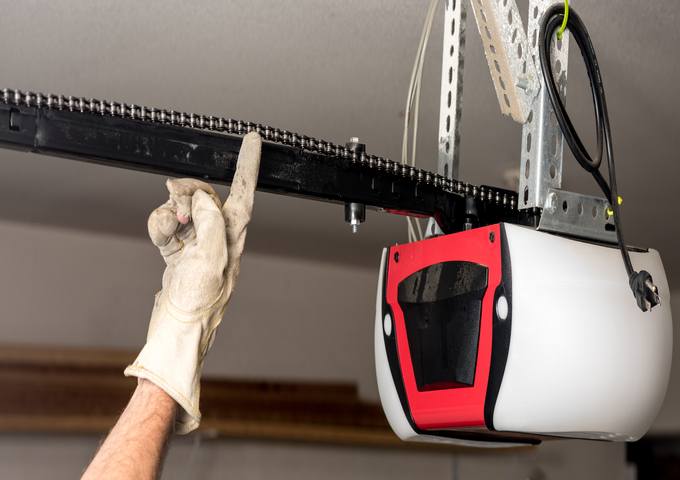
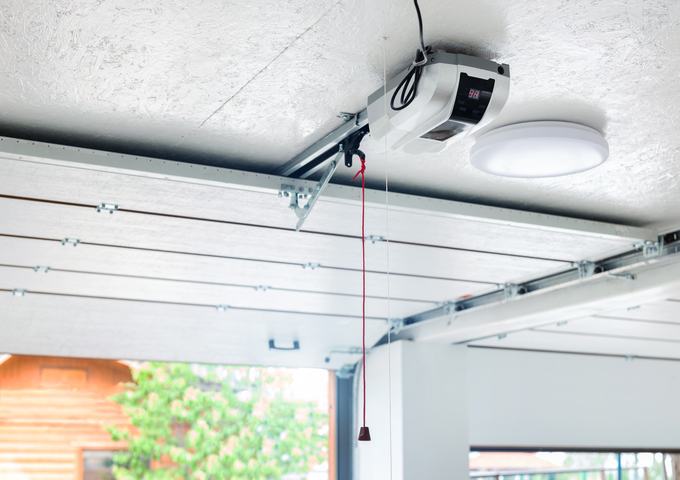
    Traditional overhead garage door openers, also known as ceiling mount openers, are common. They involve a motor unit mounted on the garage ceiling. A rail system extends from the motor to the top of the garage door. This setup utilizes a chain, belt, or screw drive to open and close the door. These systems have been the standard for decades.

    On the other hand, wall mount garage door openers are a more modern solution. These are often called jackshaft or side mount garage door openers. They install directly beside the garage door, connecting to the torsion bar. This design frees up overhead space significantly, which is a key differentiator when comparing wall mount garage door opener vs ceiling mount setup.

    Wall Mount Garage Door Openers Explained

    A wall mount garage door opener operates by directly turning the torsion bar. This bar is what controls the springs that counterbalance the garage door’s weight. When activated, the opener rotates the torsion bar, causing the door to move up or down. This mechanism is efficient and compact, providing an alternative to traditional methods.

    Benefits of a Wall Mount Garage Door Opener

    Wall Mount Garage Door Opener vs Ceiling Mount

    Space-saving is a major benefit of a wall mount garage door opener. By eliminating the overhead motor and rail, you gain valuable ceiling space. This is perfect for taller vehicles, car lifts, or overhead storage. It also creates a cleaner, more uncluttered look in your garage. This space advantage is a compelling reason to choose a wall mount garage door opener vs ceiling mount.

    Wall mount garage door openers are also known for their quiet operation. With fewer moving parts compared to some ceiling mount designs, vibrations and noise are significantly reduced. This makes them ideal for garages attached to living areas, where noise transmission is a concern.

    Security is enhanced with a wall mount garage door opener. The motor is mounted high on the wall, making it less accessible. Many models also include features like automatic door locks, adding an extra layer of protection. This makes them a robust option.

    Ease of access for maintenance is another plus for a wall mount garage door opener. The unit is typically mounted at a more convenient height. This simplifies routine checks and any necessary repairs, adding to its practical appeal.

    Disadvantages of a Wall Mount Garage Door Opener

    Despite their benefits, wall mount garage door openers do have some drawbacks. They typically come at a higher initial cost than many ceiling mount models. This can be a factor for budget-conscious homeowners. This cost difference is a common point in any discussion about wall mount garage door opener vs ceiling mount.

    Compatibility can also be an issue. Wall mount garage door openers require a torsion bar system. Not all garage doors are equipped with this, especially older models. They may also have weight limitations for heavier doors, which must be considered.

    Installation can be more complex for a wall mount garage door opener. It requires precise alignment with the torsion springs. Professional installation is often recommended to ensure proper function and safety. An electrical outlet near the door is also necessary.

    Ceiling Mount Garage Door Openers Explained

    Ceiling Mount Garage Door Openers

    Ceiling mount garage door openers are the traditional and widely used option. The motor hangs from the ceiling, connected to a track. A trolley moves along this track, attached to the garage door by an arm. The motor powers a chain, belt, or screw drive to pull the door open and closed.

    Benefits of a Ceiling Mount Garage Door Opener

    Cost-effectiveness is a primary advantage of ceiling mount garage door openers. They are generally more affordable to purchase and install. This makes them a popular choice for many households looking for reliable operation without a high investment.

    Reliability is another strong point for these openers. They have a long-standing track record of dependable performance. Many homeowners are familiar with their operation and maintenance. They also offer a wide range of brands and models, ensuring variety.

    Ceiling mount openers can handle a variety of door types and weights. This versatility makes them suitable for most standard residential garage doors. Parts are also readily available, which can simplify repairs.

    Disadvantages of a Ceiling Mount Garage Door Opener

    One major drawback of a ceiling mount garage door opener is the space it occupies. The motor unit and track extend into the overhead space. This can limit storage options or prevent the installation of car lifts. This is a crucial point when comparing wall mount garage door opener vs ceiling mount.

    Noise levels can be higher with ceiling mount openers, especially chain-drive models. While belt-drive options are quieter, they still produce more sound than most wall mount units. This can be disruptive if the garage is adjacent to living areas.

    Aesthetics can also be a concern. The bulky motor and track are often visible. This might not be desirable for those who prefer a clean, minimalist garage appearance, contrasting with the discreet nature of a wall mount garage door opener.

    Installation of a ceiling mount garage door opener can sometimes be challenging. It requires proper ceiling support and alignment. DIY installation is possible for some, but professional help may be needed.

    Read More: Belt vs Chain Garage Door Opener

    Choosing the Right Opener: Wall Mount Garage Door Opener vs Ceiling Mount

    When deciding between a wall mount garage door opener vs ceiling mount, several factors come into play. Your garage’s layout is crucial. If overhead space is at a premium, a wall mount garage door opener is a clear winner. For standard garages with ample ceiling clearance, a ceiling mount may be perfectly adequate. The comparison of a wall mount garage door opener vs ceiling mount often comes down to available space.

    Noise preference is another important consideration. If your garage is below a bedroom, the quiet operation of a side mount garage door opener vs an overhead unit could be a deciding factor. The distinct quietness of the best wall mount garage door opener models is appealing.

    Budget also plays a significant role. Wall mount garage door openers generally have a higher upfront cost. However, consider the long-term benefits of space and potentially less maintenance for some models.

    The type of garage door you have is also relevant. Wall mount units require a torsion spring system. Ensure your door is compatible before committing to a wall mount garage door opener. This is a critical technical detail.

    Finally, consider the security features and smart home integration offered by each type. Many modern openers, both wall and ceiling mount, offer advanced connectivity for remote control and monitoring. The choice between a wall mount garage door opener vs ceiling mount can also depend on these modern amenities.

    Conclusion

    The debate between a wall mount garage door opener vs ceiling mount boils down to individual needs and preferences. A wall mount garage door opener offers a sleek, space-saving, and quiet solution, especially beneficial for garages with limited overhead room or where noise is a concern. The best wall mount garage door opener models provide excellent functionality and security.

    Conversely, ceiling mount garage door openers remain a reliable and cost-effective choice for many homes, handling various door types with ease. They are widely available and simpler for basic installations. The best side mount garage door opener offers a modern alternative to traditional overhead units. Ultimately, a thorough assessment of your garage’s specific requirements, your budget, and your desired features will guide you to the ideal choice for your home.

    Frequently Asked Questions

    Q1: Can I install a wall mount garage door opener myself?

    While some homeowners with advanced DIY skills might attempt it, professional installation is generally recommended for a wall mount garage door opener. This ensures proper alignment with the torsion bar and optimal safety.

    Q2: Are wall mount garage door openers suitable for all garage doors? 

    No, wall mount garage door openers require a torsion spring system. They are also generally designed for standard residential doors and may not be suitable for extremely heavy or unusually sized doors.

    Q3: How much quieter is a wall mount garage door opener compared to a ceiling mount?

    Wall mount openers are significantly quieter due to fewer moving parts and direct drive mechanisms. While belt-drive ceiling mounts are quieter than chain-drive, wall mounts typically offer the lowest noise levels.

    Q4: Do wall mount garage door openers come with battery backup? A4: Many modern wall mount garage door openers, like their ceiling mount counterparts, offer battery backup features. This allows the door to operate during power outages, providing added convenience and security.

    Q5: What maintenance is required for a wall mount garage door opener? A5: Wall mount garage door openers generally require less maintenance than some traditional overhead models, as they have fewer parts. Regular lubrication of the torsion bar and checking the safety sensors are good practices.


  • Belt vs Chain Garage Door Opener: Which Type Is Best for Your Home in 2025?

    Belt vs Chain Garage Door Opener: Which Type Is Best for Your Home in 2025?

    Choosing between a belt vs chain garage door opener can be tricky in 2025. Each drive type offers distinct benefits, but one may better suit your home, budget, and noise preferences. Whether you’re upgrading your existing garage door system or installing a new one, understanding the differences is crucial for making a smart decision about a Best Garage Door Opener.

    What Is a Chain Drive Garage Door Opener?

    A belt vs chain garage door opener comparison starts with understanding how each works. A chain drive opener uses a metal chain to lift and lower your garage door. It’s known for reliability, affordability, and strength. These models have been around for decades and are widely trusted for their durability.

    Because of their robust design, chain drives are ideal for lifting heavier doors, such as solid wood or oversized garage doors. They’re commonly used in detached garages where noise isn’t a major concern, making them a solid option in the chain versus belt garage door opener debate.

    What Is a Belt Drive Garage Door Opener?

    What Is a Belt Drive Garage Door Opener

    Understanding the difference also involves looking at how belt drives operate. A belt drive opener uses a reinforced rubber belt made with materials like steel or fibreglass. It delivers a smoother, quieter operation compared to chain drives, another reason why many prefer belt options in a belt vs chain garage door opener evaluation.

    These openers are perfect for homes with living areas above or adjacent to the garage. Many modern belt drive systems also integrate advanced technology like smartphone connectivity and motion-detection lighting.

    Noise Levels – Which Is Quieter?

    Noise is often a deciding factor. Belt drives are significantly quieter due to their design. There’s less metal-on-metal contact, resulting in a near-silent operation.

    Chain drives produce more noise due to vibration and metal friction. This might not matter in detached garages, but it can be disruptive in attached homes. That’s why, in the chain vs belt garage door opener comparison, belt drives often win for quiet performance.

    Durability and Lifespan

    Chain drives are built to withstand rough conditions. They perform well in extreme temperatures and are ideal for locations with high humidity or dust.

    Belt drives, while also durable, may experience wear over time due to environmental factors. Still, high-end belt drives with reinforced materials can last just as long with proper maintenance, making the belt vs chain garage door opener decision a matter of use case.

    Installation and Maintenance

    Chain drive systems require more maintenance. Regular lubrication and tension adjustments are needed to keep them running smoothly. Improper tension or a dry chain can lead to early wear or malfunction.

    Belt drives are easier to maintain. Their components don’t require frequent adjustments or lubrication, making them more user-friendly for homeowners. This low-maintenance factor is often decisive when choosing a chain or belt garage door opener.

    Installation for both types is fairly straightforward, though belt drives may require more careful alignment to preserve their quiet operation.

    Price Comparison in 2025

    In general, belt drive models are priced higher than chain drives. The price difference usually reflects the quieter performance and lower maintenance requirements.

    Chain drive garage door openers are typically more affordable upfront. For homeowners on a budget, they provide strong value, especially if noise isn’t a primary concern.

    A cost analysis often shows that the upfront investment in a belt system pays off in comfort over time, making it worthwhile to weigh all aspects of a belt vs chain garage door opener.

    Strength and Lifting Power

    For heavier garage doors, chain drives are superior. Their design allows them to lift doors that belt drives might struggle with.

    Belt drive systems work great for standard residential garage doors. However, they may be underpowered for large custom doors unless designed for heavy-duty use. Lifting power is another key consideration in the belt vs chain garage door opener decision.

    Technology and Smart Features

    Both types support smart features like:

    • Wi-Fi connectivity
    • App-based control (MyQ, Aladdin Connect, etc.)
    • Battery backup
    • Keyless entry systems
    • Voice assistant compatibility (Alexa, Google Assistant)

    Leading brands like Chamberlain and LiftMaster offer both belt and chain models with advanced technology for 2025 homes, regardless of whether you’re choosing a belt vs chain garage door opener.

    Popular Brands Offering Both Drive Types

    Chamberlain, LiftMaster, and Genie are the most recognized names in garage door openers. Each brand provides both belt and chain models:

    • Chamberlain B970: Belt drive, ultra-quiet, smart-enabled
    • Chamberlain C450: Chain drive, reliable, basic smart features
    • Genie Chain Drive 500: Affordable and efficient
    • Genie QuietLift 750: Smooth belt operation, silent motor

    Whether you’re looking for quiet operation or power, these brands offer multiple models for every type of garage setup. Consider the specs carefully when choosing the best belt vs chain garage door opener for your needs.

    Ideal Use Case for Each Type

    Belt Drive:

    • Attached garages
    • Noise-sensitive households
    • Homes with living space near the garage
    • Families with children or elderly residents

    Chain Drive:

    • Detached garages
    • Heavy garage doors
    • Budget-conscious homeowners
    • Commercial or industrial use

    Choosing between these two types depends largely on your garage’s layout and how much noise you’re willing to tolerate in a belt vs chain garage door opener comparison.

    Environmental Considerations

    When selecting a garage door opener in 2025, consider your local climate.

    Chain Drives in Harsh Climates

    Chain drives work exceptionally well in extreme heat, cold, or humidity. The metal components can handle fluctuations without expanding or contracting too much.

    Belt Drives in Moderate Climates

    Belt drives, while quieter, may degrade faster in humid or extremely cold environments unless they’re reinforced. If you live in a milder climate, a belt drive opener is an excellent long-term investment and a strong contender in the belt vs chain garage door opener debate.

    Safety Features to Consider

    Modern garage door openers, whether belt or chain-driven, offer a variety of safety features. These protect your family and pets while also deterring intruders.

    Auto-Reverse Mechanism

    This feature stops the door from closing if an object is detected. Both chain and belt drives include this, and it’s a must-have in any modern system.

    Rolling Code Security

    This technology changes the door’s access code after each use, preventing hackers from duplicating your garage door remote code.

    Battery Backup

    Power outages can be a major issue. Most new models come with a battery backup that allows the opener to work during blackouts — an essential feature, especially in 2025. Regardless of type, your belt vs chain garage door opener should have these features.

    Energy Efficiency

    Energy efficiency is becoming more important for homeowners, and that extends to garage door openers.

    Belt drive systems often consume less energy during operation, especially smart models that go into sleep mode when inactive. While chain drives might use slightly more power, newer models are catching up in efficiency. These differences add another layer to consider in your belt vs chain garage door opener evaluation.

    Future Trends in Garage Door Openers

    Looking beyond 2025, we expect a surge in smart garage technology. Manufacturers are investing in AI-powered systems, advanced sensors, and even solar-powered options.

    The market may soon see hybrid systems combining the best of both technologies — the silence of belts with the strength of chains. Future innovation could redefine the belt vs chain garage door opener discussion entirely.

    Chain vs Belt Garage Door Opener – Which to Choose?

    The choice depends on your specific needs:

    • Want quiet and low maintenance? Choose a belt drive.
    • Need to lift a heavy door or save money? Choose a chain drive.

    Evaluate your home setup, budget, and preferences before making a decision. Consider how often you use your garage and whether noise will affect your household. This is the heart of the belt vs chain garage door opener decision-making process.

    Best Garage Door Opener for Your Home in 2025

    The best garage door opener in 2025 balances power, smart features, and quiet performance. For most modern homes, a belt drive model with smart connectivity, battery backup, and a quiet motor is ideal.

    However, if your garage is detached or noise isn’t a factor, a chain drive with smart features is still a great choice.

    Whether you go with a chain or belt, the right opener will improve your home’s convenience, security, and comfort. Take your time reviewing options for the right belt vs chain garage door opener.

    Conclusion: Final Thoughts on Drive Types

    In the belt drive vs chain drive garage door opener comparison, each system has clear strengths. Belt drives offer quiet, efficient operation and smart features, perfect for residential use. Chain drives provide unmatched strength and affordability.

    Your final choice should reflect your lifestyle. Do you prioritize peace? Or is rugged performance your top need?

    For detailed comparisons and product reviews, visit this trusted resource from Consumer Reports. It’s an excellent source for unbiased insights about your next belt vs chain garage door opener.

    FAQs About Garage Door Openers

    1. Which garage door opener lasts longer, belt or chain?

    Chain drives typically last longer in harsh environments due to their robust metal construction.

    2. Is a belt drive opener worth the extra money?

    Yes, if you need a quieter, low-maintenance solution, especially for attached garages.

    3. Can both openers handle double garage doors?

    Yes. However, chain drives are often better for larger, heavier double doors.

    4. Which one is easier to maintain?

    Belt drives require less maintenance than chain drives, making them more convenient for homeowners.

    5. Are smart features available in both opener types?

    Absolutely. Most modern belt and chain drive openers include Wi-Fi, smartphone control, and backup batteries.


  • The Best Garage Door Opener | 2025 Buyer’s Guide

    The Best Garage Door Opener | 2025 Buyer’s Guide

    Looking for the best garage door opener to match your home’s needs in 2025? Whether you’re after quiet performance, heavy-duty operation, or smart home compatibility, this guide will walk you through the top options available.

    We’ll also compare belt vs chain drives, side vs ceiling mounting, and horsepower considerations so you can confidently choose the right opener.

    Top-Rated Garage Door Openers

    Top-rated garage door openers typically come with Wi-Fi, security encryption, and reliable backup systems. These models are highly recommended for their durability, ease of use, and compatibility with home automation systems. If you want peace of mind, investing in the best garage door opener from a trusted brand is key.

    Belt vs Chain Garage Door Opener

    Belt vs Chain Garage Door Opener

    Choosing between a belt vs chain garage door opener depends on your priorities. A belt drive is quiet and requires minimal upkeep, ideal for homes with attached garages. A chain-drive opener is more cost-effective and reliable for heavier doors, though slightly louder.

    Wall Mount Garage Door Opener vs Ceiling Mount

    If you have limited ceiling space, a side mount garage door opener is your best choice. It frees up the ceiling for storage or overhead lights. Traditional ceiling mount openers remain popular for their affordability and broad availability.

    Quietest Garage Door Opener

    Belt and direct-drive units are considered the quietest garage door opener types. These models produce less vibration and sound, which is perfect for garages attached to bedrooms or home offices. If noise is a concern, this is a major feature to prioritize.

    Heavy Duty Garage Door Opener

    A heavy-duty garage door opener is necessary if your door is oversized, insulated, or used frequently. These models offer higher horsepower and stronger components, ensuring smoother operation even under load.

    ½ HP vs 1¼ HP Garage Door Opener

    ½ HP vs 1¼ HP Garage Door Opener

    For light single garage doors, a ½ hp opener is sufficient. However, for taller, heavier, or double doors, a 1¼ hp garage door opener is more reliable and reduces wear and tear. Choosing the right horsepower increases your system’s longevity.

    Low Clearance Garage Door Opener

    Low clearance garage door opener models are designed for garages with limited headroom. These openers either use compact rails or mount beside the door, offering flexibility without compromising functionality.

    Best Garage Door Opener for Smart Homes

    The Best Garage Door Openers 2025 for smart home integration should offer Wi-Fi connectivity, app control, and compatibility with Alexa or Google Assistant. Features like geofencing and activity logs are becoming standard in 2025’s top smart models.

    Safety Features That Matter

    Modern openers include infrared sensors, motion detection, and auto-reverse functions. These features prevent accidents and protect your family and pets. When purchasing the best garage door opener, always confirm it meets current safety standards.

    Battery Backup

    A garage door opener battery backup ensures that your system continues to work during power outages. This feature is especially useful in areas prone to storms or power failures, giving you uninterrupted access when you need it most.

    Installation Tips

    Many homeowners attempt garage door opener installation themselves. It’s doable with the right tools and time. Follow the manufacturer’s instructions carefully and ensure safety features are correctly aligned. For complex setups like wall mounts, professional help is recommended.

    How to Program Garage Door Opener Systems

    Knowing how to program garage door opener remotes or vehicle integrations is essential. Most systems include a “Learn” button. Simply press it, then follow your remote or vehicle instructions to sync. Smart models may also pair via apps or Bluetooth.

    Garage Door Opener Not Working?

    A garage door opener not working could signal power issues, dead batteries, or sensor misalignment. Always check the power source first, inspect the sensors, and try resetting the system. If issues persist, consult the user manual or contact a technician.

    Unit Comparison at a Glance

    Feature Chain‑Drive Belt‑Drive Wall‑Mount
    Noise Level Moderate Quiet Ultra-Quiet
    Smart Features Basic Wi-Fi App + Voice Full Smart Integration
    Horsepower Options ½ hp – 1 hp ½ hp – 1¼ hp Up to 1¼ hp
    Best For Budget installs Homes with bedrooms nearby Low-ceiling garages
    Garage Size Suitability Standard doors Standard to heavy doors Any size, low clearance

    Key Considerations Before You Buy

    1. Door Size and Weight: Heavier doors need more power.
    2. Noise Tolerance: Belt drives are best for quiet operation.
    3. Clearance and Mounting Options: Choose based on ceiling height.
    4. Smart Features: Ensure compatibility with your smart home system.
    5. Power Backup: Prioritize units with a garage door opener battery.

    Why the Best Garage Door Opener Makes a Difference

    Investing in the best garage door opener gives you more than convenience. You’ll benefit from increased safety, security, and durability. With smart features, you can monitor access, set schedules, and receive alerts, making your garage safer and more accessible.

    Additionally, modern openers are designed with energy efficiency and long-term reliability in mind. Choosing a model with the right drive system, horsepower, and mounting configuration enhances your daily routine and reduces maintenance headaches.

    FAQs

    1. Why is my garage door opener not working suddenly?

    Check for dead batteries, power source issues, or blocked sensors. Reset the unit if needed and ensure remotes are properly synced.

    2. Can I perform garage door opener installation myself?

    Yes, if you’re handy with tools. Follow instructions and ensure all safety sensors are correctly aligned. Seek professional help for complex setups.

    3. What does a garage door opener battery do?

    It powers your opener during blackouts. Some models provide up to 20 open/close cycles when electricity is unavailable.

    4. How do I complete how to program a garage door opener remote or keypad?

    Use the “Learn” button on the opener, then press the corresponding remote button until the light blinks or beeps.

    5. Is a side mount garage door opener better than a ceiling model?

    It depends on your space. Side mounts are ideal for low ceilings, while ceiling models work in standard garages with no clearance issues.

    Final Thoughts

    In 2025, finding the best garage door opener means focusing on power, smart compatibility, and space-saving design. Whether you’re upgrading an old unit or installing a new one, options like the quietest garage door opener, side mount garage door opener, or heavy duty garage door opener will meet every unique household need.

    Don’t overlook important factors like horsepower, low clearance solutions, and the difference between a belt vs chain garage door opener. Installation and safety setup matter just as much as features, so read the manuals and follow current guidelines.

    For safety resources and technical guidelines, visit the U.S. Consumer Product Safety Commission’s website.

  • Top Brands for High-Quality 8 x 8 Garage Doors

    Top Brands for High-Quality 8 x 8 Garage Doors

    Your home’s efficiency and style get a major upgrade with the perfect 8 x 8 garage door. But how do you choose the best one? With numerous brands offering various designs, materials, and features, it’s crucial to select a door that meets your specific needs. This guide highlights top brands renowned for their high-quality 8 x 8 garage doors.

    Clopay: Classic and Contemporary Designs

    Clopay is a leading manufacturer known for its diverse range of garage doors. Their Classic Steel Short Panel 8 ft x 8 ft Non-Insulated White Garage Door offers durability and a timeless look. Clopay’s doors are available in various styles, including traditional and modern designs, catering to different architectural preferences.

    Wayne Dalton: Innovation and Insulation

    Wayne Dalton’s Classic Steel Models 8300 and 8500 are among their best-insulated residential garage doors. These models feature two layers of steel with foamed-in-place polyurethane insulation, providing excellent thermal efficiency and noise reduction. The doors come in various panel designs, ensuring aesthetic versatility.

    Read more: 12 foot garage doors

    Amarr: Versatility and Style

    8 x 8 garage doors

    Amarr offers a wide selection of garage doors, including the Heritage and Stratford collections. Their 8 x 8 garage doors are known for their strength, low maintenance, and energy efficiency. Amarr’s designs range from traditional to contemporary, allowing homeowners to find the perfect match for their homes.

    CHI Overhead Doors: Customization and Quality

    CHI Overhead Doors provides customizable options for 8 x 8 garage doors, focusing on quality craftsmanship. Their doors are available in various materials, including steel and aluminum, and offer numerous design choices to complement any home style.

    Raynor: Durability and Performance

    Raynor has been producing high-quality garage doors since 1944. Their residential garage doors, such as the Aspen Series, are known for their durability and performance. Raynor’s doors offer a combination of aesthetic appeal and functional benefits, including insulation and security features.

    Read more: 16-foot garage doors

    Hörmann: German Engineering Excellence

    Hörmann is Germany’s largest door producer, renowned for its engineering excellence. Their 8 x 8 garage doors combine innovative technology with high-quality materials, ensuring long-lasting performance. Hörmann offers a variety of designs, including sectional and up-and-over doors, catering to different preferences.

    Overhead Door: Trusted Nationwide

    Overhead Door is a well-established brand offering a range of 8 x 8 garage doors. Their Thermacore Series provides superior insulation, making them ideal for energy-conscious homeowners. Overhead Door’s products are known for their reliability and extensive dealer network.

    Haas Door: Energy Efficiency and Strength

    Haas Door specializes in manufacturing energy-efficient garage doors. Their 8 x 8 doors feature thick insulation and robust construction, ensuring durability and thermal performance. Haas Door offers various styles and colors to suit different architectural needs.

    Ideal Door: Commercial-Grade Quality

    Ideal Door provides commercial-grade garage doors suitable for residential applications. Their 8 x 8 white non-insulated garage doors offer dependable construction and long-lasting operation, making them a practical choice for homeowners seeking durability.

    B&D Australia: Innovative Roll-A-Door Design

    B&D Australia introduced the original Roll-A-Door, revolutionizing garage door design. Their 8 x 8 garage doors are known for their smooth operation and space-saving benefits. B&D’s commitment to innovation ensures their doors meet modern standards of convenience and security.

    Read more: 18 foot garage doors

    Comparing 8 x 8 Garage Doors to Other Sizes

    8 x 7 garage doors

    While 8 x 8 garage doors are a popular choice, it’s essential to consider other sizes like 8×8 and 8 x 7 garage doors. The 8×8 garage doors offer a square dimension, suitable for various applications, while 8 x 7 garage doors provide a slightly shorter height, which may be ideal for specific garage structures.

    Benefits of 8 Foot Garage Doors

    Why choose 8-foot garage doors? They offer unmatched convenience for accommodating SUVs, trucks, and extra storage space. Additionally, the increased height can enhance ventilation and natural light within the garage, contributing to a more comfortable environment.

    Conclusion

    In conclusion, selecting the right 8 x 8 garage door involves evaluating various brands and their offerings. By considering factors like material, insulation, design, and maintenance, you can find a garage door that enhances your home’s functionality and curb appeal.

    FAQs

    Q1: What materials are commonly used for 8 x 8 garage doors?

    A1: Common materials include steel, aluminum, and wood. Steel offers durability and low maintenance, aluminum is lightweight and resistant to corrosion, and wood provides a classic aesthetic but requires more upkeep.

    Q2: Are insulated 8 x 8 garage doors worth the investment?

    A2: Yes, insulated garage doors help regulate temperature, reduce energy costs, and minimize noise, making them a worthwhile investment for many homeowners.

    Q3: Can I customize the design of my 8 x 8 garage door?

    A3: Many manufacturers offer customization options, including panel designs, window inserts, colors, and hardware, allowing you to tailor the door to your home’s style.

    Q4: How do I maintain my 8 x 8 garage door?

    A4: Regular maintenance includes cleaning the door surface, lubricating moving parts, inspecting for wear and tear, and ensuring the door’s balance and alignment are correct.

    Q5: What should I consider when choosing an 8 x 8 garage door?

    A5: Consider factors such as material, insulation, design, security features, and compatibility with your garage’s structure and aesthetics.

  • Are 8 x 7 Garage Doors Right for Your Home? Find Out

    Are 8 x 7 Garage Doors Right for Your Home? Find Out

    Selecting the perfect garage door dimensions ensures both practicality and visual appeal for your home. The 8 x 7 garage doors are a popular choice for many homeowners, offering a balance between space and design. This article delves into the specifics of 8 x 7 garage doors, helping you determine if they’re the right fit for your home.

    Understanding 8 x 7 Garage Doors

    With a width of 8 feet and a height of 7 feet, an 8×7 garage door is a popular choice for single-car garages. Its compact yet practical dimensions comfortably accommodate most standard-sized vehicles. It’s a standard size offered by many manufacturers, ensuring availability and variety in design options.

    Benefits of 8 x 7 Garage Doors

    Space Efficiency

    The compact size of 8 x 7 garage doors makes them ideal for homes with limited driveway or garage space. They provide sufficient clearance for most vehicles without occupying excessive space.

    Cost-Effective

    Smaller garage doors generally cost less than larger ones. The 8 x 7 size offers a budget-friendly option without compromising on quality or functionality.

    Versatility in Design

    With the popularity of 8 x 7 garage doors, manufacturers offer a wide range of styles, materials, and colors. This allows homeowners to choose a design that complements their home’s exterior.

    Read more: 16-foot garage doors

    Comparing 8 x 7 and 8 x 8 Garage Doors

    While both sizes are similar in width, the 8 x 8 garage doors provide an extra foot in height. This additional height can be beneficial for taller vehicles or for added storage space above the vehicle. However, it may also require more headroom in the garage and could be more expensive.

    Is an 8 x 7 Garage Door Right for You?

    Vehicle Size Consideration

    Before choosing an 8 x 7 garage door, consider the size of your vehicle. Standard cars, sedans, and small SUVs typically fit comfortably. However, larger trucks or vehicles with roof racks may require taller doors.

    Garage Usage

    If your garage serves multiple purposes, such as storage or a workshop, the 8 x 7 size might limit vertical space. Assess your needs to ensure this size accommodates all intended uses.

    Aesthetic Preferences

    The proportion of the garage door to the home’s facade affects curb appeal. An 8 x 7 garage door offers a balanced look for many home styles, but personal preference plays a significant role.

    Read more: 12 foot garage doors

    Installation and Maintenance

    Professional Installation

    Hiring professionals for installation ensures the door operates smoothly and safely. They can also advise on the best materials and insulation options based on your climate and usage.

    Regular Maintenance

    To prolong the life of your 8 x 7 garage door, perform regular maintenance. To keep your garage door in top shape, regularly lubricate all moving components, inspect for signs of wear, and verify proper balance.

    Material Options for 8 x 7 Garage Doors

    Steel

    Steel doors are durable and low-maintenance. They offer good security and can be insulated for energy efficiency.

    Wood

    For timeless charm and sophistication, wooden garage doors offer an unmatched aesthetic appeal. However, they require more maintenance to protect against weather elements.

    Aluminum

    Thanks to their rust-resistant properties and lightweight design, aluminum doors are an excellent choice for humid environments. They can also be designed with glass panels for a modern appearance.

    Read more: 8 foot garage doors

    Insulation and Energy Efficiency

    Insulated 8 x 7 garage doors help maintain temperature control within the garage, leading to energy savings. They also reduce noise and increase the door’s durability.

    Security Features

    Modern 8 x 7 garage doors come with various security features, such as rolling code technology and smart openers. Why worry? These innovations exist to shield your home and valuables from harm.

    Customization Options

    Homeowners can customize their 8 x 7 garage doors with windows, decorative hardware, and unique paint colors. These customizations allow for a personalized touch that aligns with the home’s design.

    Environmental Considerations

    Choosing eco-friendly materials and insulation for your 8 x 7 garage door can reduce your carbon footprint. Looking for sustainable choices? A growing number of companies build doors with recycled content.

    Conclusion

    The 8 x 7 garage doors offer a practical and stylish solution for many homeowners. By considering factors such as vehicle size, garage usage, and aesthetic preferences, you can determine if this size fits your needs. With various materials, designs, and features available, 8 x 7 garage doors provide flexibility and functionality for modern homes.

    FAQs

    Q1: Can I install an 8 x 7 garage door in a double-car garage?

    A1: While possible, an 8 x 7 garage door is typically designed for single-car garages. For double-car garages, wider doors are recommended for easier access.

    Q2: Are 8 x 7 garage doors suitable for commercial use?

    A2: These doors are primarily intended for residential use. Commercial settings often require larger and more robust doors to accommodate heavy-duty usage.

    Q3: How long does it take to install an 8 x 7 garage door?

    A3: Professional installation can typically be completed within a few hours, depending on the complexity and any additional features.

    Q4: Can I automate my 8 x 7 garage door?

    A4: Yes, most 8 x 7 garage doors can be equipped with automatic openers for convenience and enhanced security.

    Q5: What is the lifespan of an 8 x 7 garage door?

    A5: With proper maintenance, an 8 x 7 garage door can last 15 to 30 years, depending on the material and usage frequency.

  • 8 Foot Garage Doors: Customization Options & Ideas

    8 Foot Garage Doors: Customization Options & Ideas

    Your home’s first impression gets an instant upgrade with properly selected 8-foot garage doors that combine beauty and practicality. Whether you’re upgrading for aesthetics or practicality, understanding the available customization options is essential.

    Benefits of 8 Foot Garage Doors

    8 foot garage doors offer ample clearance for larger vehicles, making them ideal for SUVs, trucks, and vans. They also provide a grander entrance, adding to the home’s overall aesthetic.

    Material Choices

    Steel

    Steel is a popular choice for 8 foot garage doors due to its durability and low maintenance. Customization options include a range of finishes and insulation upgrades.

    Wood

    Wooden 8 foot garage doors offer a classic and natural look. Matching your home’s exterior is easy—simply paint or stain them as desired.

    Aluminum

    If you live in a humid climate, aluminum doors are a smart pick—they resist rust and are lightweight. They can be designed with glass panels for a modern appearance.

    Read more: 18 foot garage doors

    Insulation Options

    For better temperature regulation and energy savings, insulated 8-foot garage doors are an ideal solution. Options range from polystyrene to polyurethane insulation.

    Design Styles

    8 foot garage doors

    Traditional Raised Panel

    Elevate your home’s exterior with this 8-foot garage door, featuring symmetrical raised panels for classic charm.

    Carriage House

    Carriage house styles mimic the appearance of old-fashioned swing-out doors, adding rustic charm.

    Modern Flush Panel

    Flush panels provide a sleek, contemporary look, ideal for modern homes seeking minimalist aesthetics.

    Color and Finish Options

    8 foot garage doors come in various colors and finishes, from classic whites and neutrals to bold hues. Wood grain textures and metallic finishes are also available.

    Window Inserts

    Adding windows to your 8 foot garage doors can enhance natural light and aesthetic appeal. Options include clear, frosted, or decorative glass designs.

    Hardware Accents

    Decorative hardware, such as handles and hinges, can add character to your 8-foot garage doors. You’ll find these accents offered in multiple styles and finish options.

    Read more: 16-foot garage doors

    Smart Technology Integration

    Modern 8 foot garage doors can be equipped with smart technology, allowing remote operation and monitoring via smartphone apps.

    Maintenance Tips

    Regular maintenance of your 8 foot garage doors ensures longevity. This includes lubricating moving parts, checking for wear, and cleaning surfaces.

    8 x 7 Garage Doors

    The 8 x 7 garage doors are ideal for single-car garages, offering a balance between width and height. They accommodate most standard vehicles comfortably.

    8 x 8 Garage Doors

    For those needing extra height, 8 x 8 garage doors provide ample space for taller vehicles or storage needs. They are suitable for RVs and larger trucks.

    Customization Options

    8 foot garage doors

    Customization for 8 foot garage doors includes selecting materials, colors, window styles, and hardware to match your home’s architecture.

    Energy Efficiency

    Opting for insulated 8 foot garage doors can improve your home’s energy efficiency by reducing heat loss and gain through the garage.

    Security Features

    Modern 8 foot garage doors can be equipped with advanced security features, such as rolling code technology and motion sensors, to enhance safety.

    Noise Reduction

    Insulated 8 foot garage doors also offer noise reduction benefits, minimizing external sounds and providing a quieter indoor environment.

    Weather Resistance

    High-quality 8 foot garage doors are designed to withstand various weather conditions, including wind, rain, and extreme temperatures.

    Installation Considerations

    Proper installation of 8 foot garage doors is crucial for optimal performance. Professional installation ensures correct alignment and operation.

    Cost Factors

    The cost of 8 foot garage doors varies based on materials, insulation, design, and additional features. Budgeting for both the door and installation is important.

    Warranty and Support

    Many manufacturers offer warranties on 8 foot garage doors, covering defects and performance issues. Ensure you understand the warranty terms before purchase.

    Environmental Impact

    Choosing eco-friendly materials and insulation for your 8 foot garage doors can reduce environmental impact and improve sustainability.

    Aesthetic Integration

    Selecting a garage door that complements your home’s style enhances overall curb appeal and can increase property value.

    Seasonal Considerations

    In colder climates, insulated 8 foot garage doors help maintain warmer garage temperatures, while in warmer areas, they keep the space cooler.

    Lighting Enhancements

    Incorporating windows or exterior lighting around your 8 foot garage doors can improve visibility and add decorative elements.

    Accessibility Features

    For homes requiring accessibility, 8 foot garage doors can be equipped with features like automatic openers and low-threshold designs.

    Soundproofing Options

    8 ft garage doors

    Additional soundproofing measures can be added to 8 foot garage doors to further reduce noise infiltration.

    Fire-Rated Doors

    In certain areas, fire-rated 8 foot garage doors may be required, offering enhanced protection against fire hazards.

    Local Regulations

    Before installing 8 foot garage doors, check local building codes and regulations to ensure compliance.

    Conclusion

    Selecting the right 8 foot garage doors involves considering various factors, including material, design, insulation, and additional features. By understanding your options, you can choose a door that enhances both functionality and aesthetic appeal.

    FAQs

    Q1: What are the benefits of insulated 8 foot garage doors?

    Insulated 8 foot garage doors offer improved energy efficiency, noise reduction, and temperature control within the garage.

    Q2: Can I customize the design of my 8 foot garage door?

    Yes, customization options include materials, colors, window styles, and hardware to match your home’s architecture.

    Q3: Are 8 x 7 garage doors suitable for all vehicle types?

    8 x 7 garage doors accommodate most standard vehicles but may not be suitable for taller vehicles like RVs.

    Q4: What maintenance is required for 8 foot garage doors?

    Regular maintenance includes lubricating moving parts, checking for wear, and cleaning surfaces to ensure longevity.

    Q5: Do 8 foot garage doors come with smart technology features?

    Many modern 8 foot garage doors can be equipped with smart technology, allowing remote operation and monitoring via smartphone apps.

  • 18 Foot Garage Doors: Top Brands & Buying Guide

    18 Foot Garage Doors: Top Brands & Buying Guide

    Choosing the right garage door for a wide opening can be a challenge. For large garages, 18 foot garage doors are a popular option due to their ample width and strong design.

    What Are 18 Foot Garage Doors?

    18 foot garage doors are extra-wide doors built to accommodate multiple vehicles or large equipment. These doors are 18 feet wide, making them ideal for larger garages or workshops.

    Why Choose an 18 Foot Garage Door?

    If you own a big vehicle or need more room to maneuver, 18 foot garage doors give you the extra space. They’re perfect for SUVs, trucks, boats, and even RVs in some cases.

    Benefits of 18 Foot Garage Doors

    They offer better convenience for multi-car households. The wide opening makes it easier to avoid dings and scratches while parking. It’s a great choice for homeowners who value accessibility.

    Read more: 16-foot garage doors

    Best Brands for 18 Foot Garage Doors

    18 foot garage doors

    Several top brands manufacture high-quality 18 foot garage doors. Here are some of the most trusted:

    Clopay

    Clopay offers durable and stylish 18 foot garage doors in steel, aluminum, and composite materials. Their doors come with excellent insulation and custom finish options.

    Amarr

    Amarr is known for its insulated and low-maintenance garage doors. Their 18 foot garage doors are available in traditional, carriage, and modern styles.

    Wayne Dalton

    Wayne Dalton provides reliable doors that work well in harsh climates. Their 18 foot garage doors come with weather-sealing and quiet operation features.

    CHI Overhead Doors

    CHI designs doors that combine strength with visual appeal. Their wide range of 18 foot garage doors fits modern homes perfectly.

    Hormann

    For homeowners prioritizing energy efficiency and security, Hormann’s 18-foot garage doors deliver superior thermal performance and safety.

    Materials to Consider

    The material of your garage door affects durability and appearance. For 18 foot garage doors, here are common options:

    Steel

    Steel doors are strong and long-lasting. They resist dents and are ideal for security.

    Wood

    Wood gives a natural, classic look. It requires more maintenance but adds charm.

    Aluminum

    Lightweight and rust-resistant, aluminum works well for modern homes.

    Fiberglass

    Fiberglass doors mimic wood but are more resistant to moisture and pests.

    Read more: 12 foot garage doors

    Insulation Matters

    Insulated 18 foot garage doors keep your garage temperature stable. Look for R-values between 9 and 17 for excellent insulation. Homeowners with attached garages will find this function especially helpful.

    Design Styles

    Whether your house is traditional or modern, there’s an 18 foot garage door design for it. Choose from raised panel, flush, full-view, or carriage house styles.

    Windows and Decorative Features

    Adding windows improves natural lighting and visual appeal. Many 18 foot garage doors come with customizable window shapes and patterns.

    Smart Technology Integration

    Modern 18 foot garage doors can be connected to smart home systems. This lets you control and monitor them remotely through your phone.

    Safety Features to Look For

    Safety should always be a priority. Choose 18 foot garage doors that include pinch-resistant panels, motion sensors, and auto-reverse mechanisms.

    Cost of 18 Foot Garage Doors

    Prices for 18 foot garage doors vary by brand, material, and features. Basic models start around $1,200, while high-end models can cost $4,000 or more.

    Installation Considerations

    Professional installation is recommended for 18 foot garage doors. Due to their size and weight, DIY installation can be risky and may void warranties.

    Maintenance Tips

    Keep your 18 foot garage doors in great shape by lubricating moving parts, checking for wear, and cleaning the surface regularly.

    Garage Door Openers for 18 Foot Doors

    Not all openers can handle larger doors. Look for models with powerful motors, such as 3/4 HP or higher, when using 18 foot garage doors.

    Energy Efficiency and Climate Control

    Want to cut energy expenses? Installing insulated 18-foot garage doors makes a noticeable difference. They minimize air leaks and help regulate indoor temperatures year-round.

    Read more: 8 foot garage doors

    Matching Your Home’s Architecture

    Your garage door should match your home’s style. Use finishes and colors that blend with your exterior for a unified look.

    Choosing Between Single and Double Doors

    18 foot garage doors offer a single, wide opening, compared to two 9-foot doors. This design is more convenient and often more cost-effective.

    Customization Options

    18' garage doors

    Top brands allow customization in color, panel design, insulation level, and window layouts. This helps you create a unique and functional door.

    Warranties and Support

    When choosing your 18 foot garage doors, check for product warranties. Reputable brands offer 5–15-year coverage on parts and finish.

    Where to Buy 18 Foot Garage Doors

    You can find 18 foot garage doors at local home improvement stores or online retailers. Some suppliers also offer direct-to-door delivery and installation.

    Environmental Impact

    Some brands offer eco-friendly 18 foot garage doors made from recycled or sustainable materials. Check for green certifications if that matters to you.

    18 Ft Wide Garage Doors vs. Other Sizes

    Compared to standard sizes, 18 ft wide garage doors provide a broader, uninterrupted entrance. This makes them superior for larger vehicles and storage access.

    How to Measure for 18′ Garage Doors

    Measure the width and height of your garage opening. An 18′ garage door will need a minimum width of 18 feet and standard height options of 7–10 feet.

    Replacement vs. Repair

    18 ft wide garage doors

    Sometimes, replacing an old door is better than constant repairs. If your 18 foot garage doors show signs of warping or recurring breakdowns, replacement may save money in the long run.

    Security Considerations

    Choose doors with reinforced frames and locking mechanisms. Steel 18 foot garage doors often offer the best protection against intruders.

    Final Thoughts

    Buying 18 foot garage doors is a long-term investment. With the right brand, material, and features, you’ll improve your home’s function and appearance.

    FAQs

    1. What is the standard height for 18 foot garage doors?

    Most 18 foot garage doors come in heights ranging from 7 to 10 feet. Custom heights are available if needed.

    2. Can I install an 18 foot garage door myself?

    Due to their size and weight, it’s best to have 18 foot garage doors professionally installed to ensure safety and proper function.

    3. Are insulated 18 foot garage doors worth the extra cost?

    Yes. Insulated 18 foot garage doors help control temperature, reduce noise, and boost energy efficiency.

    4. How long do 18 foot garage doors last?

    With proper maintenance, 18 foot garage doors can last 15 to 30 years, depending on the material and usage.

    5. Can I add windows to my 18 foot garage door?

    Yes. Most brands offer window customization for 18 foot garage doors to match your home’s design and add natural light.

  • Benefits of Installing 16×8 Garage Doors in 2025

    Benefits of Installing 16×8 Garage Doors in 2025

    Why are 16×8 garage doors gaining traction in 2025? Homeowners are embracing their practical perks. These doors offer a blend of functionality, aesthetics, and efficiency, making them a popular choice for modern homes. This article delves into the myriad benefits of 16×8 garage doors, compares them with other standard sizes, and addresses common questions to help you make an informed decision.

    Understanding 16×8 Garage Doors

    A 16×8 garage door measures 16 feet in width and 8 feet in height. This size is ideal for accommodating two vehicles side by side, providing ample space for parking and storage. The additional height compared to standard doors allows for taller vehicles and overhead storage solutions.

    Advantages of 16×8 Garage Doors

    16x8 garage doors

    1. Enhanced Vehicle Accommodation

    The 16-foot width ensures that two vehicles can be parked comfortably without the risk of door dings or tight squeezes. The 8-foot height is particularly beneficial for taller vehicles like SUVs, trucks, or vans.

    2. Improved Aesthetic Appeal

    Enhance your home’s exterior with the streamlined elegance of a single, wide garage door. It eliminates the visual clutter of two separate doors, providing a modern and streamlined appearance.

    3. Increased Storage and Workspace

    The spacious opening allows for easy movement of large items, making it convenient to store tools, sports equipment, or set up a workshop within the garage. 

    4. Energy Efficiency

    Modern 16×8 garage doors often come with insulation options that help regulate the temperature inside the garage, leading to energy savings and a more comfortable environment. 

    5. Reduced Maintenance

    Having a single large door means fewer moving parts compared to two separate doors, resulting in lower maintenance requirements and costs over time.

    (more…)

  • Best Materials for 16 x 7 Garage Doors in 2025

    Best Materials for 16 x 7 Garage Doors in 2025

    Choosing the right material for your 16 x 7 garage door is crucial for durability, aesthetics, and energy efficiency. In 2025, homeowners have a variety of materials to consider, each offering unique benefits. Wondering which material is best for your 16 x 7 garage door? This guide breaks down the top options to help you choose wisely.

    Steel Garage Doors

    Steel remains a popular choice for 16 x 7 garage doors due to its strength and affordability. It’s available in various styles and can be insulated for improved energy efficiency. Rust formation is a common issue with steel that lacks proper maintenance.

    Aluminum Garage Doors

    For humid climates, aluminum is an ideal choice due to its lightweight nature and corrosion resistance. It offers a sleek, modern look and is often used in contemporary designs. Compared to steel or fiberglass, aluminum demonstrates lower impact resistance and may dent under heavy use.

    (more…)