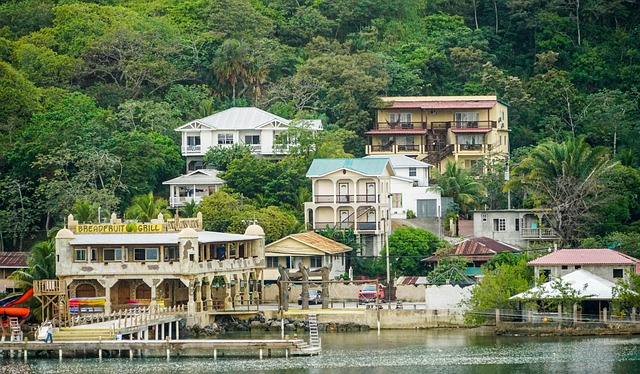
Have you ever looked at a historic building and wondered what stories its walls could tell? Honduras architecture is exactly that — a living timeline carved into stone, adobe, and contemporary steel. From ancient Maya temples hidden in dense jungles to the pastel facades of colonial towns and the rising modern skylines, every structure reveals something about the soul of Honduras.
Understanding the country’s architecture helps us appreciate its evolving culture, artistic identity, and the creativity of its people. In this guide, you’ll explore cultural origins, iconic Honduras buildings, colonial influences, and the modern styles transforming today’s cities. You’ll also discover how design in Honduras blends tradition with innovation — and why this unique architectural landscape is drawing attention worldwide.
Read also: [Best Central American Travel Destinations]
(Internal link suggestion)
The Cultural Foundations of Honduras Architecture
Honduras architecture began long before the arrival of Europeans. Its earliest designs are rooted in ancient Indigenous cultures that developed distinct styles based on environment, spiritual beliefs, and available materials.
Maya Influence in Western Honduras
The most well-known ancient structures in the country come from the Maya civilization, especially around the famed archaeological site Copán. These constructions were known for:
- Stone temples and pyramids
- Hieroglyphic staircases
- Open ceremonial plazas
- Ornamental carvings featuring gods, rulers, and animals
Copán is often compared to the intellectual heart of the Maya world, demonstrating advanced urban planning and artistic refinement. Its buildings reveal a deep understanding of astronomy, mathematics, and sacred symbolism.
Lenca and Other Indigenous Traditions
Outside Maya regions, the Lenca, Pech, Miskito, and Tolupán contributed to architectural styles based primarily on natural materials. Common features included:
- Adobe walls
- Thatch or palm-leaf roofs
- Circular or rectangular communal structures
- Elevated wooden homes in coastal and rainforest regions
These traditional designs emphasized sustainability — something modern architects in Honduras are embracing again today.
Colonial Architecture in Honduras
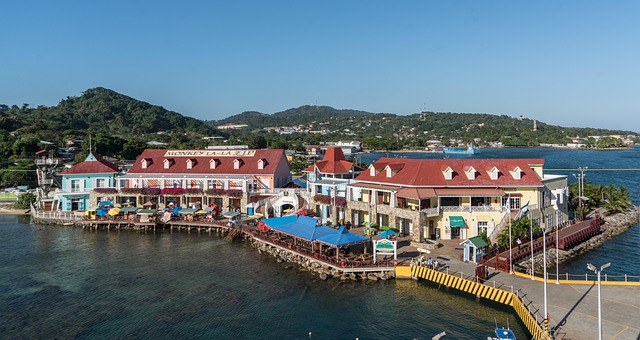
With the arrival of Spain in the 1500s, the region’s architectural identity changed dramatically. Spanish colonial influence introduced new concepts of space, religion, governance, and urban planning.
Layout of Colonial Towns
Most colonial towns followed a standardized pattern:
- Central plaza (the heart of civic life)
- Catholic church or cathedral facing the plaza
- Municipal buildings on the remaining sides
- Grid-style streets branching outward
This design still defines cities such as Tegucigalpa, Comayagua, Gracias, and Santa Rosa de Copán.
Colonial Churches and Religious Buildings
Religious architecture from this period is among the most impressive in Honduras. Notable characteristics include:
- White stucco or stone facades
- Baroque and neoclassical detailing
- Bell towers
- Wooden doors with metal ornaments
- Vaulted interiors with arched ceilings
One of the most iconic examples is the Comayagua Cathedral, renowned for housing one of the oldest clocks in the Americas.
Spanish Residential Architecture
Colonial-era homes typically featured:
- Thick adobe walls (ideal for heat control)
- Interior courtyards with gardens
- Red-tile roofs
- Wooden balconies overlooking narrow streets
These houses were not just homes but social spaces designed to stay cool in warm climates — a natural response to Honduras’s geography.
Republican and Early 20th-Century Architecture
As Honduras gained independence and moved into the 19th and early 20th centuries, architectural styles expanded with global trends.
Neoclassical Public Buildings
Many government buildings adopted neoclassical elements such as:
- Grand columns
- Symmetrical facades
- Large stone staircases
- Ornamental pediments
These were symbols of progress, stability, and national identity.
Wooden Caribbean-Inspired Architecture
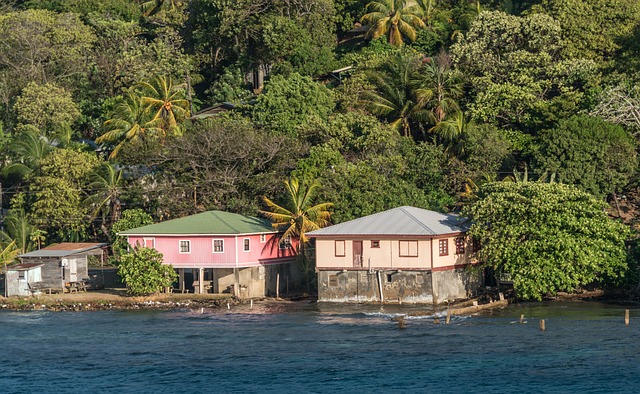
In coastal areas, especially La Ceiba, Tela, and Trujillo, you’ll find structures influenced by Caribbean and American design. They often feature:
- Colorful wooden facades
- Elevated foundations (protecting against moisture and flooding)
- Wraparound porches
- Ventilation designed for tropical climates
These communities thrived during the early banana industry boom, leaving behind a distinct architectural legacy.
Modern Honduras Architecture: A Blend of Function and Innovation
Today, Honduras architecture is experiencing a creative resurgence. Architects are combining traditional elements with modern materials, sustainability principles, and bold aesthetics.
Urban Growth in Tegucigalpa and San Pedro Sula
The country’s two largest cities are rapidly modernizing. Recent architectural trends include:
- Glass-and-steel corporate towers
- Modern shopping centers
- High-rise residential buildings
- Innovative university campuses
- Environmentally friendly office complexes
These developments reflect Honduras’s growing economic sectors, from finance to technology.
Rise of Sustainable Architecture
Climate-responsive design is becoming essential, with architects using:
- Solar panels
- Natural ventilation
- Green roofing
- Locally sourced materials
- Rainwater collection systems
Many contemporary buildings incorporate Indigenous construction wisdom, especially in rural communities.
Influence of Global Design Styles
Modern designers in Honduras take inspiration from worldwide trends, including:
- Minimalism
- Tropical modernism
- Brutalism
- Art Deco (especially in older Tegucigalpa districts)
The country also has examples of the sleek, functional International Style Architecture, especially in mid-century office buildings.
Iconic Honduras Buildings Worth Knowing
Honduras offers a mix of historical and contemporary icons that showcase its architectural evolution.
Copán Ruins (Copán Ruinas)
A UNESCO World Heritage site, known for:
- The Hieroglyphic Stairway
- The Acropolis
- The Ball Court
- Masterful stone sculptures
It’s one of the most studied Maya sites in the world.
Comayagua Cathedral
This colonial masterpiece features one of the oldest working clocks on the continent. Its architecture blends baroque and neoclassical styles in a striking white facade.
Basilica of Suyapa (Tegucigalpa)
A national religious landmark with modern design elements and a massive interior dedicated to the Virgin of Suyapa.
Government Civic Centers
Buildings like the Centro Cívico Gubernamental display contemporary style through glass, steel, and open public spaces.
Caribbean-Style Wooden Houses (North Coast)
Unique for their:
- Raised floors
- Wide verandas
- Wooden shutters
- Bright colors
These structures reflect the multicultural identity of coastal Honduras.
Cultural Symbolism in Honduras Architecture
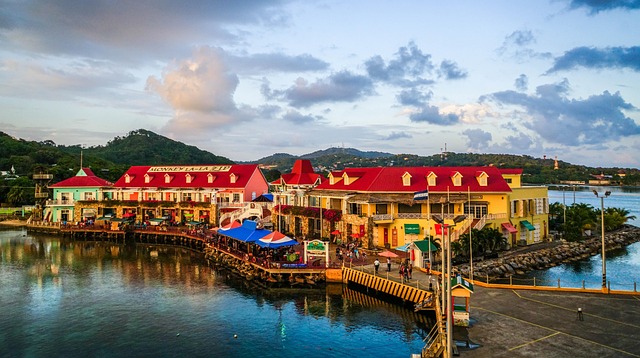
Every era of building in Honduras includes symbolic elements tied to identity, heritage, and daily life.
Indigenous Symbolism
Common motifs include:
- Birds
- Jaguars
- Geometric patterns
- Astronomical symbols
These appear in both ancient structures and revived modern designs.
Spanish Artistic Influence
Colonial architecture is rich with:
- Catholic symbolism
- European baroque motifs
- Painted religious murals
Many churches preserve original 16th–18th century art.
Modern Artistic Expressions
Urban murals, sculptural facades, and mixed-material buildings reflect Honduras’s contemporary creativity and cultural pride.
How Climate Shapes Honduras Building Styles
The country’s geography plays a significant role in architectural decisions.
Warm Lowlands
Builders focus on:
- Natural ventilation
- Raised floors
- Light materials (wood, bamboo, palm)
- Tall windows
Cooler Highlands
Homes often use:
- Adobe or brick
- Stone foundations
- Thick walls for insulation
- Compact layouts for heat retention
Rainy Caribbean Coast
Architects design buildings to handle heavy rainfall and humidity with:
- Sloped roofs
- Elevated walkways
- Water-resistant materials
This ensures long-term durability.
The Future of Architecture in Honduras
With growing interest from investors, designers, and sustainability advocates, Honduras’s architectural future looks promising.
Smart Urban Planning
Cities are adopting sustainable urban planning focused on:
- Public transportation
- Walkable districts
- Green public spaces
Sustainable Tourism Architecture
Eco-lodges and forest retreats use:
- Bamboo construction
- Solar systems
- Natural lighting
- Rainwater harvesting
These structures attract global travelers seeking environmentally responsible experiences.
Digital Design Tools
Younger architects are using:
- 3D modeling
- Drone mapping
- Digital fabrication
- Virtual reality
This allows more efficient project planning and innovative structures.
External link suggestion: Read more about Honduras’s history on Wikipedia (Honduras page).
Conclusion
Honduras architecture is a reflection of the country’s identity — ancient, colonial, diverse, and forward-looking. From Maya temples to colonial plazas and sleek modern towers, each building tells a story of resilience, creativity, and transformation. As the nation embraces sustainability and innovation, its architectural landscape is poised to gain even more global recognition. In short, the buildings of Honduras are more than structures; they’re expressions of a vibrant culture shaped by time, people, and place.
FAQs
1. What makes Honduras architecture unique?
It combines Indigenous, colonial, Caribbean, and modern influences, creating a richly layered architectural identity unlike any other in Central America.
2. Where can I find the best examples of colonial architecture in Honduras?
Cities like Comayagua, Gracias, Santa Rosa de Copán, and parts of Tegucigalpa offer well-preserved colonial buildings and churches.
3. What are some famous Honduras buildings to visit?
The Copán Ruins, Comayagua Cathedral, Basilica of Suyapa, and Caribbean wooden houses are among the most iconic.
4. How is modern architecture developing in Honduras?
Major cities now feature high-rise buildings, sustainable projects, and innovative urban developments driven by young architects.
5. Does climate influence design in Honduras?
Yes. Architects use ventilation, insulation, and adaptive materials to create climate-responsive homes across tropical, highland, and coastal regions.
Leave a Reply