A Timeless Architectural Language That Connects the World
Have you ever walked past a sleek glass tower or a minimalist concrete building and wondered what inspired its clean, geometric look? That design DNA likely comes from International Style Architecture, a movement that reshaped skylines and redefined modern living.
This article breaks down everything you need to know—its origins, principles, iconic examples, and the lasting legacy that continues to influence architects worldwide. Whether you’re a student, enthusiast, or professional, you’ll gain a clear, expert-level understanding of the international architecture style and its global impact.
What Is International Style Architecture?
International Style Architecture refers to a modernist architectural movement that emerged in the 1920s and 1930s. It emphasizes simplicity, functionality, and the absence of ornamentation, creating buildings that could exist anywhere—hence the term “international.”
It became one of the most recognizable aesthetics of the 20th century, influencing office towers, homes, museums, and urban planning.
Key Characteristics
- Emphasis on volume, not mass
- Use of industrial materials like steel, concrete, and glass
- Flat roofs and clean façades
- Open floor plans that maximize functionality
- Lack of decorative details
- Geometric forms and straight lines
The international style of architecture wasn’t just a trend; it was a declaration of a new era—one driven by simplicity, efficiency, and global unity.
The Origins: How Modernism Became “International”
Early Modernism and the Bauhaus Influence
The roots of the movement lie in early European modernism, especially the Bauhaus School in Germany. Visionaries like Walter Gropius promoted the idea that beauty should come from functionality, not ornamentation.
This philosophy led to designs that were:
- Rational
- Modular
- Industrial
- Democratic
The 1932 MoMA Exhibition
The term “International Style” was officially coined during the 1932 Museum of Modern Art (MoMA) exhibition curated by Philip Johnson and Henry-Russell Hitchcock.
Their exhibition—and accompanying book—introduced the world to a unified architectural philosophy that transcended nations.
Core Principles That Define the International Style
Even today, architects use these foundational principles to guide modern building design.
1. Form Follows Function
The layout and shape of the building reflect its purpose. Instead of decorative façades, the international architecture style prioritizes efficient use of space.
2. Minimal Ornamentation
Ornament was seen as unnecessary. Instead, architects focused on structural honesty—letting materials and form speak for themselves.
3. Industrial Materials
Steel, reinforced concrete, and expansive glass panels became the building blocks of the movement. These materials allowed for large windows, open interiors, and tall skyscrapers.
4. Open Space and Flexibility
The international style was introduced:
- Open floor concepts
- Movable partitions
- Large communal areas
This made homes and offices more adaptable—a revolutionary idea at the time.
International Style Architecture Examples Around the World

The impact of this movement is visible across continents. Here are some of the most iconic international style architecture examples.
1. Villa Savoye (France)
Designed by Le Corbusier, Villa Savoye represents the purest expression of the movement’s ideals—floating volume, ribbon windows, and minimal ornamentation.
2. Seagram Building (New York, USA)
Designed by Ludwig Mies van der Rohe and Philip Johnson, this skyscraper became a global template for modern corporate towers.
3. Bauhaus Building (Dessau, Germany)
Walter Gropius’s masterpiece features asymmetrical compositions, industrial materials, and an iconic glass curtain wall.
4. United Nations Headquarters (New York, USA)
A collaboration between international architects, it exemplifies the movement’s global vision.
5. Tel Aviv’s “White City” (Israel)
This UNESCO World Heritage site boasts over 4,000 buildings designed in the international architecture style—a rare urban showcase.
Why the International Architecture Style Spread Worldwide
Post-War Reconstruction
After World War II, countries needed quick, functional, and cost-effective building solutions. The international style architecture offered exactly that.
Influence of Migrant Architects
Architects fleeing Europe (including Gropius and Mies) brought modernist ideas to America and beyond.
Corporate Globalization
Multinational corporations adopted these sleek, glass-box structures to project an image of progress, efficiency, and authority.
Urban Modernization
Governments embraced the style for:
- Universities
- Airports
- Civic centers
- Government offices
It became the default language of modern progress.
Strengths and Criticisms of the International Style
Strengths
- Timeless aesthetics
- Cost-effective materials
- Flexibility in design
- Global visual language
- Maximizes natural light
Criticisms
Even iconic styles face critique.
- Sometimes considered too sterile or cold
- Lack of cultural or regional identity
- Repetitive designs across cities
- Overemphasis on efficiency
Despite the critiques, the international architecture style remains a cornerstone of modern design philosophy.
How International Style Architecture Influences Today’s Designs
Modern movements like minimalism, high-tech architecture, and sustainable design all borrow heavily from international style principles.
Glass Curtain Walls Evolved
Contemporary skyscrapers still use Mies’s curtain-wall concept—now improved with energy-efficient glazing.
Open Concept Living
Popular in today’s homes, the open floor plan began with international modernists.
Sustainable Modernism
While early designs weren’t environmentally focused, the movement’s simplicity makes it ideal for eco-friendly renovations.
Tips for Recognizing International Style Architecture
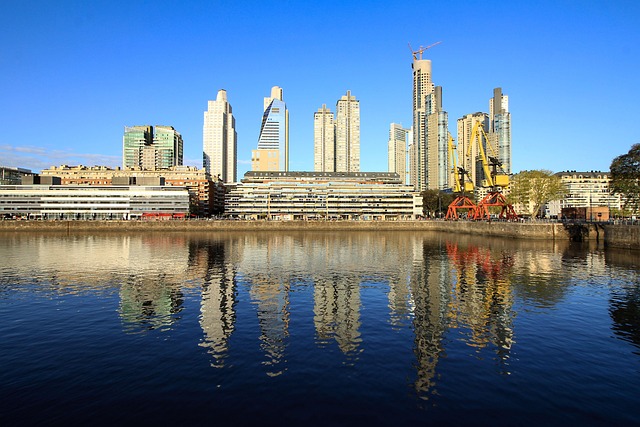
If you want to identify this style in real life, look for:
- Glass boxes or rectangular geometry
- Flat roofs
- Minimal or no ornamentation
- Horizontal window bands
- Use of steel frames
- Smooth façades
- Visible structural elements
- Open interior spaces
Once you start noticing these patterns, you’ll see the style everywhere—from downtown skyscrapers to historic universities.
Why International Style Architecture Still Matters Today
In a world craving clarity and simplicity, the international style offers timeless lessons:
- Efficiency can be beautiful
- Global design can still be human-centered
- Good architecture doesn’t need excess
Moreover, the style continues to serve as a foundation for architectural education, design competitions, and global urban development.
Conclusion
International Style Architecture is more than a design trend—it’s a global movement that changed how we build, live, and think about space. From the Bauhaus to modern skyscrapers, its influence remains unmistakable.
Whether you’re exploring architecture academically or simply curious about the buildings around you, understanding this style gives you a clearer lens on modern urban life.
In short: The international architecture style didn’t just define an era—it shaped the future.
FAQs
1. What is the main purpose of International Style Architecture?
Its purpose is to create functional, modern buildings with minimal ornamentation using industrial materials like glass, steel, and concrete.
2. What are key features of the international architecture style?
Flat roofs, open floor plans, clean lines, steel frames, and large glass windows are the defining traits.
3. Who started the International Style movement?
Architects like Le Corbusier, Walter Gropius, and Mies van der Rohe were the primary pioneers.
4. Where can I find famous International Style Architecture examples?
Cities like New York, Berlin, Tel Aviv, and Paris feature some of the best examples worldwide.
5. Is the International Style still used today?
Yes. Many modern buildings, corporate towers, and minimalist homes draw heavily from its principles.
Leave a Reply