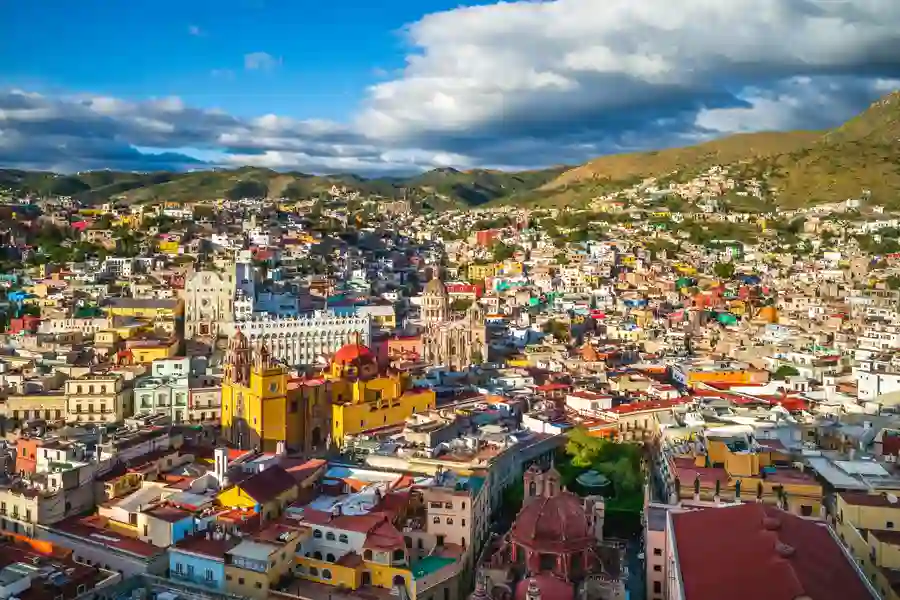
Have you ever walked into a space that instantly feels alive, warm, and culturally rich? That’s the magic of Mexican House Style. Blending centuries-old traditions with bold contemporary aesthetics, this style has become a global favorite for homeowners wanting personality and comfort in equal measure.
Today’s Mexican architecture homes don’t just honor heritage — they reinterpret it. Whether through earthy textures, handcrafted décor, or open-air courtyards, each element creates a lifestyle rooted in beauty and connection.
In this guide, you’ll discover what defines a Mexican style modern Mexican house, the essential design elements shaping its evolution, and how you can bring these trends into your own home. Plus, you’ll get expert tips, practical examples, and answers to common questions.
Read also: A Complete Guide to International Style Architecture
What Defines Modern Mexican House Style?
Modern Mexican homes strike a rare balance: they’re contemporary yet warm, artistic yet grounded in nature. They celebrate heritage through Mexican building techniques but elevate it with present-day innovation.
Here are the defining features:
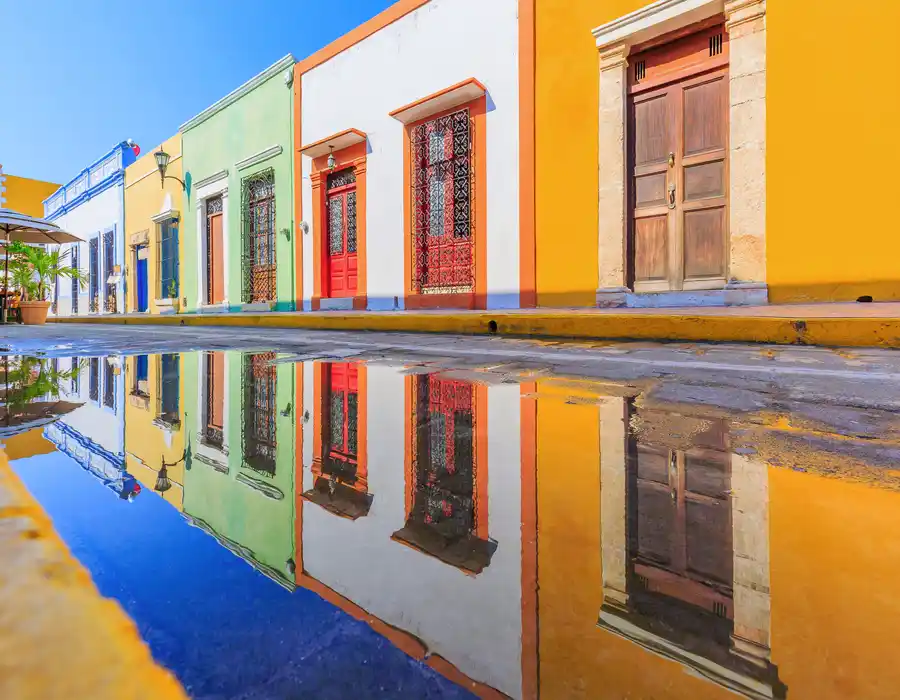
- Bold, expressive colors — terracotta, cobalt blue, mustard yellow, and earthy reds.
- Organic materials — adobe, stone, wood, clay, and wrought iron.
- Indoor–outdoor harmony — patios, roof terraces, and garden courtyards.
- Handcrafted details — mosaics, textiles, pottery, and artisanal accents.
- Geometric forms — clean lines, arches, and minimalist silhouettes.
In short, every corner tells a cultural story while offering modern comfort.
The Evolution of Mexican Architecture Homes
Mexico’s architectural legacy spans thousands of years, from ancient Mesoamerican structures to Spanish colonial influences. Over time, these elements blended to create what we now recognize as the Mexican House Style.
Indigenous Influences
Pre-Hispanic structures emphasized:
- Thick walls for temperature control
- Natural materials like clay and stone
- Symmetrical layouts and open courtyards
These ideas continue to shape today’s Mexican housing, especially in warm climates.
Colonial Spanish Impact
The arrival of Spanish settlers introduced:
- Stucco walls
- Courtyard-centric homes
- Decorative tiles and ironwork
- Barrel vaults and arches
Modern architects still use these signature elements but reinterpret them with a minimalist aesthetic.
Contemporary Mexican Innovations
Today’s designers combine tradition with cutting-edge ideas, creating homes that are:
- Sustainable
- Light-filled
- Geometrically bold
- Highly artisanal
Architects like Luis Barragán elevated the style globally by championing emotional architecture, saturated colors, and poetic simplicity. His influence remains visible in many modern homes.
Key Design Trends in Modern Mexican House Style
1. Earthy Color Palettes with Vibrant Accents
Color is the heartbeat of Mexican culture. From Talavera tiles to bright textiles, these hues give life and personality to every space.
Trending colors include:
- Burnt orange
- Cactus green
- Sun-washed yellow
- Deep indigo
- Rustic terracotta
While the base palette is natural and warm, accents often pop with lively contrast.
2. Biophilic and Indoor–Outdoor Design
Mexican homes have long embraced nature.
Modern features include:
- Sliding glass walls
- Central courtyards
- Private gardens
- Rooftop terraces
- Water fountains
This connection to nature not only enhances airflow and light but also increases the tranquil atmosphere.
3. Handcrafted Materials and Artisanal Work
Mexican craftsmanship is world-renowned. Handmade tiles, woven fabrics, and sculptural pottery add authenticity and character.
Common artisanal elements include:
- Talavera tiles
- Hand-woven rugs
- Oaxacan pottery
- Carved wooden doors
- Iron lanterns
These details help transform simple structures into emotional, storytelling spaces.
4. Minimalism with Cultural Warmth
Unlike cold minimalism, Mexican minimalism values warmth and emotion.
Expect:
- Clean lines
- Soft curves
- Open layouts
- Light-friendly designs
This approach marries modern lifestyle needs with traditional charm.
5. Sustainable Mexican Building Practices
Sustainability is a major trend in Mexico’s architecture.
Modern eco-friendly features include:
- Adobe or compressed earth blocks
- Rainwater harvesting
- Solar energy
- Clay roofing
- Thermal mass walls
These materials naturally regulate indoor temperatures, making homes comfortable and energy-efficient.
Types of Modern Mexican Homes You’ll See Today
Contemporary Urban Homes
Found in cities like Mexico City, Mérida, and Guadalajara, these homes combine sleek modern architecture with cultural elements.
Features include:
- Rooftop lounges
- Modern courtyards
- Neutral exteriors with bold interior colors
Rustic Countryside Homes
These houses are inspired by hacienda or ranch-style living.
Expect:
- Natural stone walls
- Wood-beamed ceilings
- Large outdoor patios
- Farm-style kitchens
Coastal Mexican Style Homes
Found in Tulum, Baja, and Riviera Maya.
They blend:
- Beach vibes
- Organic textures
- Breezy, open-air layouts
- Palapa roofs or bamboo details
How to Bring Mexican House Style Into Your Home
You don’t have to live in Mexico to enjoy its aesthetic. Here’s how to incorporate the style effortlessly:
Use Natural Materials
Choose stone, wood, clay, and terracotta for flooring, countertops, and décor.
Add Color Through Accessories
If you prefer neutral walls, add color using:
- Pillows
- Rugs
- Pottery
- Wall art
Incorporate Handmade Decor
Handcrafted items amplify authenticity.
Create Indoor–Outdoor Flow
Use glass doors or small patios to mimic the airy feel of Mexican architecture homes.
Introduce Textured Walls
Stucco or lime-wash finishes add rustic charm and old-world depth.
Why the World Loves Modern Mexican House Style
1. It Feels Warm and Welcoming
The blend of color, texture, and natural materials creates a cozy atmosphere.
2. It’s Versatile
You can go rustic, modern, traditional, or coastal — the style adapts beautifully.
3. It Supports Sustainability
Eco-friendly materials and passive cooling make the design environmentally conscious.
4. It’s Rich in Culture
Every element reflects the country’s vibrant history and artistry.
Common Mistakes to Avoid When Designing a Mexican Style Home
- Overusing bright colors — Choose one or two accent walls instead.
- Ignoring handmade pieces — Mass-produced décor reduces authenticity.
- Mixing too many patterns — Balance is key.
- Skipping natural materials — Plastics and synthetic finishes break the aesthetic.
Inspirational Examples of Modern Mexican House Style
Example 1: The Courtyard Oasis
A minimalist home with a central courtyard surrounded by glass walls. Features include clay tile floors, lush greenery, and handcrafted lighting.
Example 2: The Rustic Luxury Hacienda
This home blends stone walls with modern furniture, creating a gorgeous fusion of old and new.
Example 3: The Beachside Modern Villa
With bamboo ceilings, natural stone, and ocean views, this home showcases Mexico’s coastal elegance.
Materials Commonly Used in Mexican Building Design
- Adobe
- Stone
- Wood
- Terracotta tile
- Wrought iron
- Stucco
These materials enhance durability, insulation, and aesthetic value.
Conclusion
The Mexican House Style is more than a design trend — it’s a celebration of culture, craftsmanship, and connection to nature. Whether you’re drawn to bold colors, artisanal décor, or eco-friendly materials, this style offers endless inspiration. Its blend of warmth, beauty, and modernity explains why it continues to captivate homeowners worldwide.
If you’re looking to transform your home, start small — add color, embrace natural textures, and let culture guide your creativity. Every thoughtful choice brings you closer to the rich spirit of Mexican design.
FAQs
1. What colors are most common in Mexican house style?
Warm earthy tones like terracotta, mustard yellow, and natural browns paired with bright accents such as cobalt blue or vibrant red.
2. Is Mexican house style suitable for modern homes?
Yes. Modern architects frequently blend minimalism with cultural elements to create stunning contemporary spaces.
3. How can I make my home look more Mexican without major renovations?
Add handcrafted décor, colorful textiles, clay pottery, and patterned tiles. Small changes make a big difference.
4. Is Mexican architecture energy-efficient?
Traditional materials like adobe and clay naturally regulate temperature, making them highly efficient.
5. What materials should I use for an authentic look?
Choose natural materials such as wood, stone, terracotta, wrought iron, and stucco.
Leave a Reply