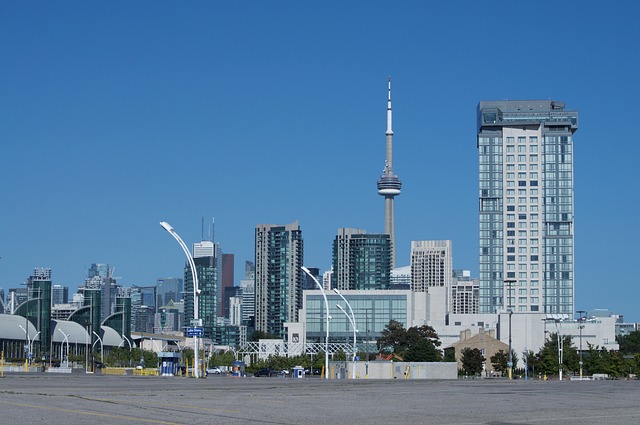
What makes a Modern Canadian House so distinct in today’s architectural landscape? Whether you’ve admired the sleek lines of a West Coast retreat or the minimalist charm of an urban Toronto residence, modern Canadian homes reflect a blend of innovation, sustainability, and regional character. With rising interest in eco-friendly living and adaptable design, homeowners are seeking styles that feel both forward-thinking and deeply connected to nature.
In this guide, you’ll discover the essential elements shaping Canadian house architecture, from material choices and structural layouts to smart-home technologies and cultural influences. We’ll also look at how designers combine practicality with artistic expression, helping you understand the design choices behind Canada’s most admired modern homes.
Read also: How Sustainable Home Design is Changing in North America
What Defines a Modern Canadian House Today?
A Modern Canadian House isn’t defined by a single look—it’s a philosophy rooted in simplicity, function, and regional adaptation. While the aesthetic leans toward clean lines and open layouts, modern homes in Canada respond uniquely to climate, culture, and lifestyle.
Emphasis on Natural Light
Due to Canada’s long winters and varied daylight hours, most modern homes use:
- Expansive floor-to-ceiling windows
- Skylights in key living areas
- Open-concept kitchens and living rooms
- Glass sliders that connect indoor and outdoor zones
Architects prioritize maximizing daylight to create brighter, more inviting interiors without sacrificing energy efficiency.
Strong Connection to Nature
Nature is not just a backdrop—it’s a design feature. Many homes incorporate:
- Wood, stone, and natural finishes
- Forest, lake, or mountain-inspired palettes
- Outdoor living spaces like decks and courtyards
This reflects Canada’s deep appreciation for its landscape, influencing even highly urban builds.
Architectural Styles Shaping Modern Canadian Homes
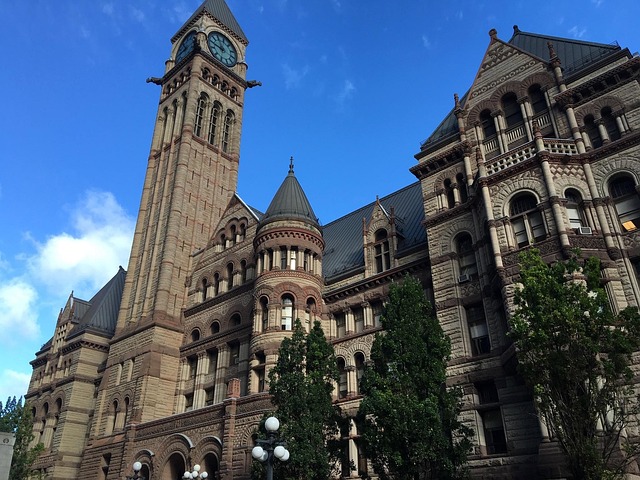
Canada’s modern residential architecture draws from global influences while maintaining distinct regional flavour. One notable influence is International Style Architecture, which favors functional simplicity and geometric forms. However, Canadian architects adapt these principles to local climate demands.
Here are the leading styles shaping today’s homes:
West Coast Modern
Popular in British Columbia and Vancouver Island, this style blends minimalist lines with abundant natural materials.
Key elements include:
- Heavy use of cedar, fir, and glass
- Flat or gently sloped roofs
- Cantilevered decks facing forests and ocean views
- Indoor–outdoor continuity
West Coast Modern homes feel warm yet refined, making them ideal for nature-focused lifestyles.
Scandinavian-Influenced Minimalism
A rising trend across Canada—especially in Ontario and Quebec—is Nordic minimalism.
Characteristics:
- Clean white interiors
- Light wood floors
- Functional layouts with uncluttered aesthetics
- High-efficiency insulation and air-tight construction
This style suits colder climates well and emphasizes calm, serene living environments.
Urban Contemporary Style
Cities like Toronto, Montreal, and Calgary embrace modern urban architecture with an emphasis on:
- Mixed-material facades (brick, metal, glass)
- Tall, narrow builds for small lots
- Rooftop terraces
- Smart-home integration
Urban contemporary homes balance modernity with practicality for dense neighborhoods.
Modern Rustic Canadian Homes
Combining rustic charm with contemporary form, this style is popular for cottages, chalets, and rural estates.
Common elements:
- Reclaimed wood beams
- Stone fireplaces
- Warm textures mixed with modern furnishings
- Large windows overlooking natural scenery
It’s a perfect blend of comfort and sophistication.
Essential Design Concepts in Modern Canadian House Architecture

Sustainable Building Practices
Sustainability is no longer optional—it’s central to Canadian house architecture. Builders aim to reduce energy consumption, waste, and carbon footprint.
Key sustainable strategies include:
- Triple-pane windows
- High-performance insulation
- Geothermal or radiant heating
- Solar-ready roofing
- Low-VOC materials
- Energy-efficiency certifications (e.g., LEED, Net-Zero Ready)
Canadian climate demands durable, weather-resilient homes, making green design an economic and environmental necessity.
Smart-Home Technology Integration
Modern homes across Canada are increasingly intelligent.
Examples:
- App-controlled lighting and security
- Energy monitoring systems
- Automated HVAC
- Smart appliances
- Voice-activated assistants
Technology enhances convenience, security, and energy management—especially valuable for winter months.
Open-Concept Living Spaces
Open layouts create a sense of spaciousness and improve natural light distribution. Key rooms flow together:
- Kitchen → dining → living
- Living → patio → balcony
- Bedroom → ensuite → walk-in closet
This continuity supports family interaction and entertaining.
Multi-Functional Rooms
As remote work becomes more common, homeowners value flexibility.
Popular multi-purpose areas:
- Office + guest room
- Gym + storage
- Recreation room + cinema
- Kitchen island + workspace
Homes are becoming smarter—not just technologically, but spatially.
Material Trends in Modern Canadian House Design
Wood and Timber Accents
Canadian architecture celebrates local species such as:
- Cedar
- Maple
- Douglas fir
- Oak
Wood adds warmth and contrasts beautifully with sleek modern elements like glass and steel.
Concrete and Metal Exteriors
In urban builds, concrete and metal panels help create a modern industrial feel.
Advantages:
- Low maintenance
- High durability
- Fire-resistance
- Clean, minimalist appearance
These materials reflect a global trend toward texture-rich contemporary exteriors.
Stone and Natural Elements
Stone cladding—especially granite, limestone, and slate—is popular in both modern rustic and luxury builds.
Stone anchors a home visually, adding stability and sophistication.
Regional Variations Across Canada
Modern Canadian homes differ significantly by region.
British Columbia (West Coast Style)
Expect glass, timber, and seamless indoor–outdoor transitions. Homes often face water or forest landscapes.
Alberta & Prairies (Contemporary Prairie Style)
Features include:
- Large windows to maximize sky views
- Stucco or mixed-material exteriors
- Open floor plans
Climate resilience is crucial—homes must withstand temperature extremes.
Ontario (Urban Modern)
Toronto’s architecture blends modern townhomes with narrow-lot solutions. Expect rooftop terraces and innovative use of space.
Quebec (Modern European Influence)
Quebec leans toward:
- Scandinavian minimalism
- Warm wood interiors
- High thermal efficiency
- Modern stone facades
The cultural influence brings a unique European-Canadian blend.
Atlantic Canada (Coastal Modern)
Homes adapt to coastal weather with:
- Elevation for flood protection
- Durable siding materials
- Panoramic views
Designs often emphasize comfort and seaside living.
Interior Design Concepts for Modern Canadian Houses
Neutral and Earthy Color Palettes
Popular tones include:
- White and off-white
- Charcoal and slate
- Soft beige and sand
- Forest green accents
These palettes pair well with natural materials.
Functional Minimalism
Minimalism in Canada isn’t cold—it’s warm and intentional.
Key ideas:
- Hidden storage
- Clean lines
- High-quality materials
- Purposeful decor
The goal is to create calm, clutter-free spaces.
Statement Lighting
Modern homes often feature:
- Pendant kitchen lights
- LED strip lighting
- Architectural sconces
- Oversized chandeliers
These elements act as functional decor, shaping ambiance and style.
Building a Modern Canadian House: Practical Tips
Here’s what homeowners and builders should consider:
1. Plan for Climate Challenges
Canada’s temperature extremes demand:
- Snow-load-rated roofing
- Proper vapor barriers
- High R-value insulation
- Durable exterior finishes
2. Prioritize Energy Efficiency
Look for:
- Energy-efficient windows
- Smart thermostats
- Heat recovery ventilators (HRVs)
3. Choose the Right Materials
Depending on location, choose:
- Moisture-resistant products for coasts
- Fire-resistant materials for forest regions
- Freeze-resistant finishes for northern climates
4. Work With Local Architects
Local expertise ensures:
- Code compliance
- Climate-aware design
- Better material sourcing
5. Think Long-Term
A home should adapt to family growth, aging, and lifestyle changes.
Conclusion
A Modern Canadian House brings together innovation, natural beauty, and purposeful living. Whether influenced by West Coast modernism, Scandinavian minimalism, or contemporary urban design, today’s homes prioritize comfort, sustainability, and connection to the environment. By choosing quality materials, embracing smart-home technology, and understanding regional design influences, you can create a home that’s not only modern but timeless.
In short, modern Canadian architecture is evolving—but its commitment to thoughtful, human-centered design remains at the heart of every build.
FAQs (People Also Ask Style)
1. What defines a Modern Canadian House?
It combines clean lines, sustainable materials, natural light, and a strong indoor–outdoor connection. Climate-responsive design is key.
2. What materials are common in Canadian modern homes?
Wood, glass, concrete, metal panels, and stone are widely used to blend durability with contemporary aesthetics.
3. Are modern Canadian homes energy-efficient?
Yes. Most feature high-performance insulation, triple-pane windows, and smart-home energy systems.
4. What is trending in Canadian house architecture?
Scandinavian minimalism, West Coast modernism, mixed-material exteriors, and eco-friendly building techniques.
5. Where can I learn more about architectural styles?
Check credible sources like Wikipedia’s Architecture of Canada page for historical and stylistic context.
Leave a Reply