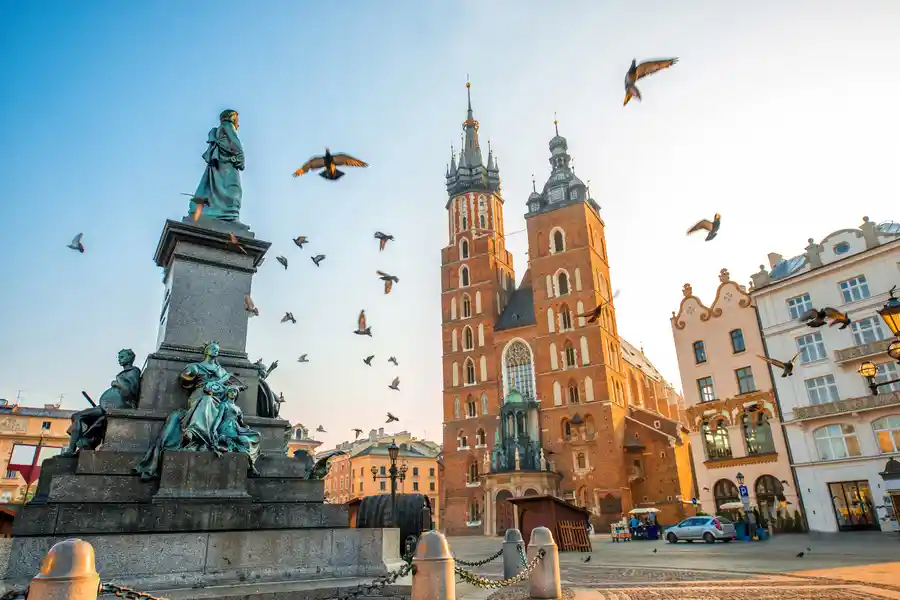
Have you ever wondered why Poland’s cities feel like living museums, where medieval towers stand just steps away from glass-wrapped skyscrapers? Polish architecture tells a powerful story of resilience, creativity, and cultural transformation. It mirrors the country’s complex history—shaped by monarchs, invasions, reconstruction, and rapid modernization.
In this guide, you’ll learn how Poland’s architectural styles evolved, how international trends blended with local craftsmanship, and how today’s architects continue to innovate. We’ll explore historic masterpieces, modern developments, and the unique features that make Polish architecture both recognizable and unforgettable.
Read also: International Style Architecture
The Roots of Polish Architecture
Medieval Foundations: Castles, Fortresses & Gothic Identity
Poland’s architectural narrative begins in the Middle Ages, when powerful dynasties built fortified settlements and stone castles across the kingdom. These early structures weren’t just military hubs—they became symbols of political power and cultural unity.
Key Medieval Influences
- Gothic Architecture dominated, brought by European craftsmen and religious orders.
- Cities adopted brick Gothic, a distinctive northern European style using red brick instead of stone.
- Churches featured pointed arches, ribbed vaults, and tall, narrow windows.
Iconic Examples
Wawel Cathedral (Kraków) — Its Gothic foundations remain one of the strongest symbols of Polish identity.
Malbork Castle — The world’s largest brick castle and a masterpiece of Teutonic fortification.
St. Mary’s Basilica — Known for its twin towers and the famous wooden altarpiece by Veit Stoss.
These structures show how early Polish architecture merged European craftsmanship with local materials and regional traditions.
The Renaissance & Baroque Flourish
A Cultural Golden Age
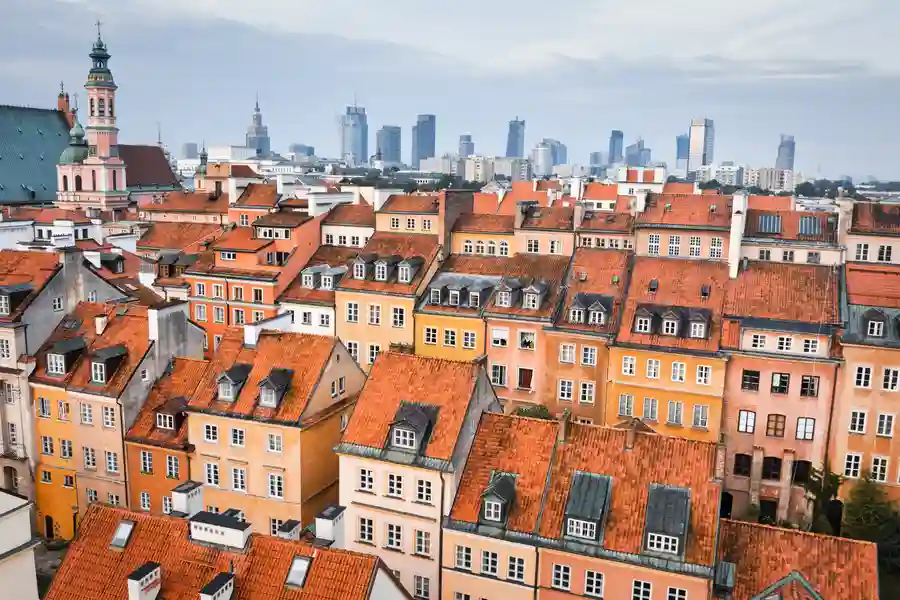
During the 16th and 17th centuries, Poland experienced a cultural renaissance that reshaped its cities. Italian architects, invited by the Polish monarchy and wealthy noble families, brought new proportions, symmetry, and elegance.
Renaissance Highlights
- Ornamental façades and arcaded courtyards became common.
- Market squares transformed into artistic showcases.
- The influence of the Italian Renaissance left a lasting imprint.
Kraków’s Cloth Hall and Zamość Old Town represent harmony, balance, and geometric urban planning—hallmarks of the era.
Baroque Grandeur
As the Renaissance faded, the Baroque era brought drama, movement, and lavish detail.
Common elements included:
- Elaborate stucco work
- Curved façades
- Bold, decorative interior designs
Wilanów Palace in Warsaw stands as a Polish Versailles—an example of royal luxury and European influence woven into local culture.
The 19th Century: Industrialization & New Urban Forms
Neoclassicism Meets Urban Expansion
The 19th century pushed Poland into a new architectural chapter. Although the country was partitioned between three empires (Russia, Prussia, Austria), cities developed rapidly under industrial influence.
Neoclassical Influences
Under Russian-controlled Warsaw, neoclassical buildings flourished, creating an orderly and monumental atmosphere:
- Government buildings
- Palatial residences
- Cultural institutions
The Warsaw University campus and Bank Square are examples of this imposing yet elegant style.
Industrial & Eclectic Styles
With railways, factories, and urbanization came:
- Brick industrial architecture (particularly in Łódź)
- Eclectic façades mixing Renaissance, Gothic, and classical motifs
- Art Nouveau influences in residential buildings
In short, architectural diversity became a hallmark of 19th-century Poland.
20th Century: Destruction, Rebirth & Innovation
The Tragedy of War & the Heroic Reconstruction
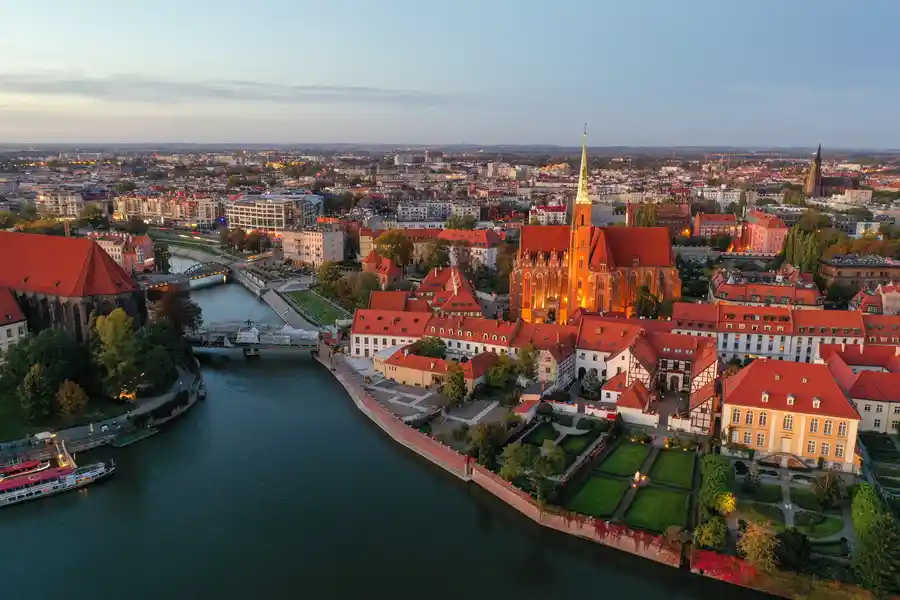
World War II devastated Poland’s urban landscape. Cities like Warsaw lost nearly 90% of their historical buildings. Yet this tragedy sparked one of the world’s most remarkable reconstruction efforts.
Warsaw’s Rebirth
Historic districts such as the Old Town and Royal Castle were painstakingly rebuilt using paintings, archives, and public memory. This reconstruction symbolizes:
- Resilience
- Cultural preservation
- National pride
UNESCO even recognized Warsaw’s Old Town as a unique restoration achievement.
Communist-Era Architecture & the Rise of Modernism
Post-war Poland embraced socialist architecture marked by:
- Prefabricated apartment blocks
- Monumental public squares
- Functional, utilitarian design
However, not all was bland. Iconic structures emerged, including:
Palace of Culture and Science (1955)
A controversial yet emblematic skyscraper combining socialist realism with Polish motifs. Love it or hate it—it’s impossible to ignore.
Post-war Modernism
As the mid-20th century progressed, architects explored modernist forms:
- Simple geometric shapes
- Concrete structures
- Large public spaces
This period still influences many Polish cities today, especially in residential districts built for rapidly growing populations.
Polish Architecture in the 21st Century
A New Era of Innovation
Modern Poland is experiencing an architectural renaissance driven by economic development, EU integration, and global collaboration. Contemporary Polish architecture is bold, environmentally-conscious, and internationally recognized.
Key Trends in Modern Polish Architecture
- Sustainable design with green roofs and passive-energy systems
- Glass-and-steel structures for business districts
- Adaptive reuse of industrial buildings
- Minimalist aesthetics that emphasize light and space
Landmark Contemporary Buildings
1. POLIN Museum of the History of Polish Jews (Warsaw)
A striking, award-winning building known for its sculptural interior and symbolic design, representing the cultural void created by the Holocaust.
2. Warsaw Spire
A modern skyscraper symbolizing Poland’s business growth and urban evolution.
3. Szczecin Philharmonic Hall
With its glowing white façade, it has become an icon of modern European architecture.
4. The Museum of the Second World War (Gdańsk)
A bold structure that partially sinks into the earth, symbolizing the weight of war and memory.
These projects illustrate how Polish architecture has matured into a global conversation—blending tradition with innovation.
Regional Variations Within Polish Architecture
Silesia: Industrial Heritage Reimagined
Silesian cities like Katowice and Gliwice showcase:
- Red-brick factories
- Worker housing estates
- Cutting-edge reimagined industrial zones
The Nikiszowiec district is a prime example of early 20th-century workers’ housing with exceptional planning and aesthetics.
Kraków & Lesser Poland: Living History
Kraków remains a treasure chest of:
- Gothic churches
- Renaissance palaces
- Art Nouveau buildings
Protected during WWII, it offers a rare continuity of centuries-old architecture.
Gdańsk & Pomerania: Hanseatic Influence
Northern Poland features architecture shaped by maritime trade:
- Dutch-style gables
- Gothic brick churches
- Colorful townhouses along the riverfront
The blend of German, Polish, and Scandinavian elements makes Gdańsk a unique architectural landscape.
Cultural Influences That Shaped Polish Architecture
1. European Artistic Movements
From Gothic to Baroque, Poland absorbed and reinterpreted the styles sweeping across Europe.
2. Political Turmoil
Partitions, wars, and revolutions left deep marks on urban layouts and building styles.
3. Religious Heritage
Catholic, Orthodox, and Jewish communities contributed sacred architecture with distinctive symbols and aesthetics.
4. Regional Identity
Local craftsmanship and natural materials—like wood in the Podhale region—added authentic character.
5. Modern Global Trends
Sustainability, minimalism, and adaptive reuse are shaping Poland’s future buildings.
Why Polish Architecture Stands Out Today
Thanks to its layered history and openness to technology, Polish architecture offers something special:
- A living timeline of Europe’s artistic evolution
- A blend of tradition and futurism rarely found elsewhere
- Cities that feel authentic and culturally rich
- Award-winning modern structures making international headlines
From medieval castles to cutting-edge skyscrapers, Poland’s built environment is a visual testament to resilience and creativity.
For deeper historical context, see the Polish Architecture entry on Wikipedia (external link suggestion).
Conclusion
Polish architecture is more than a collection of beautiful buildings—it’s a story of identity, endurance, and reinvention. Poland’s cities reveal how a nation can honor its past while boldly embracing the future. Whether you’re exploring Gothic cathedrals, Renaissance squares, communist-era monuments, or contemporary masterpieces, each structure adds a chapter to Poland’s architectural journey.
In short, Polish architecture proves that history and innovation can coexist—and when they do, the result is extraordinary.
FAQs
1. What makes Polish architecture unique?
Its blend of Gothic, Renaissance, Baroque, modernist, and contemporary styles creates a layered, diverse urban landscape unlike any other in Europe.
2. Which Polish city has the best architecture?
Kraków is often praised for its preserved historical buildings, while Warsaw showcases a mix of reconstruction, modernism, and futuristic skyscrapers.
3. What are some must-see architectural landmarks in Poland?
Malbork Castle, Wawel Cathedral, Wilanów Palace, POLIN Museum, and the Szczecin Philharmonic are among the top highlights.
4. How has modern architecture influenced Polish cities?
Contemporary designs emphasize sustainability, transparency, and minimalism, transforming skylines and revitalizing industrial areas.
5. Is Polish architecture influenced by other countries?
Yes. Italy, Germany, Austria, Russia, and Scandinavia all left their mark, enriching Poland’s stylistic diversity.
Leave a Reply