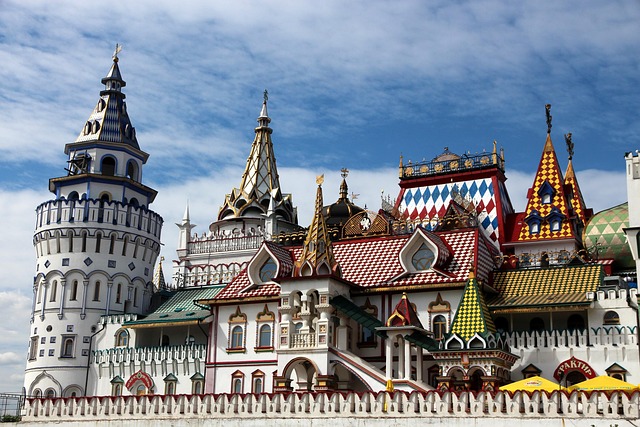
What makes Russian Architecture so instantly recognizable — and so deeply captivating? Whether it’s the fairytale-like onion domes of Saint Basil’s Cathedral or the geometric precision of Soviet modernism, Russia’s buildings tell powerful stories of culture, politics, and artistic ambition.
Today, Russian design goes far beyond its historic masterpieces. From eco-friendly homes to minimalist apartment blocks, modern Russian houses reflect a new wave of innovation shaped by global influences and local traditions.
In this article, you’ll discover how Russian architectural styles developed, the features that make its buildings unique, and the trends defining Russia’s housing market today. You’ll also see how classical and contemporary elements blend together, shaping the future of Russian building design.
The Deep Roots of Russian Architecture
Russian architecture didn’t emerge overnight. It evolved over centuries, absorbing influences from Byzantium, Europe, Asia, and later, the Soviet Union. Each era left a signature that still appears in Russian building designs today.
Byzantine Beginnings (10th–13th Century)
Early Russia adopted Christianity from Byzantium, which shaped the first stone churches. Key features included:
- Rounded arches
- Cross-in-square layouts
- Massive domes
- Frescoed interiors
These structures symbolized spiritual power and political unity.
The Rise of Iconic Onion Domes
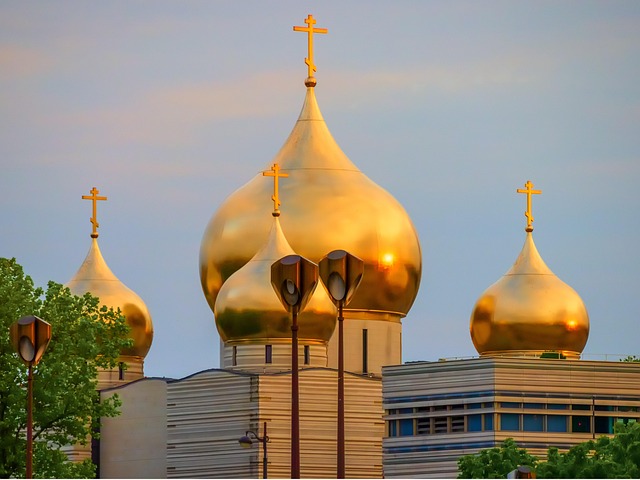
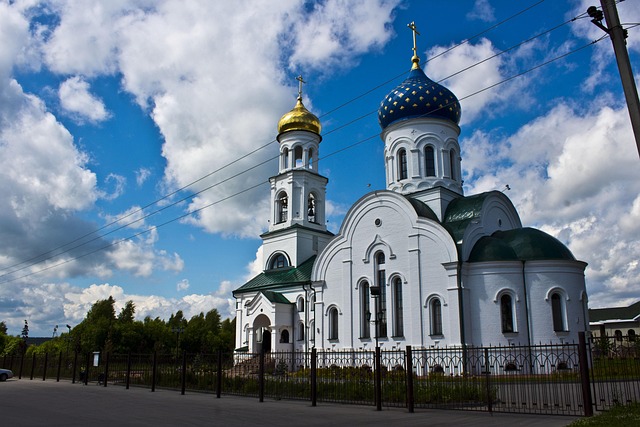
The onion-shaped dome is one of the most distinctive architectural symbols of Russia. While historians debate its origins, most agree it evolved to withstand heavy snowfall and became a national stylistic identity.
Famous example: Saint Basil’s Cathedral — a masterpiece of color, geometry, and symbolism.
Medieval & Imperial Era Brilliance
From the 14th to 19th centuries, Russia experienced rapid expansion, increased foreign influence, and architectural rebirth.
The Golden Age of Wooden Houses
Traditional wooden izbas were made from horizontally stacked logs, using no nails. Their charm influences modern Russian houses today through:
- Natural materials
- Gabled roofs
- Ornate window frames (nalichniki)
Baroque and Neoclassical Influence
Peter the Great’s reforms transformed Russian cities. As he opened Russia to Europe, new styles emerged:
- Petrine Baroque — slim columns, decorative facades
- Elizabethan Baroque — rich ornamentation (e.g., Winter Palace)
- Neoclassicism — symmetry, white columns, palace-like homes
Saint Petersburg became the crown jewel of European-inspired design.
Soviet Architecture and Its Impact on Modern Russia
No study of Russian Architecture is complete without understanding the Soviet era (1917–1991). The USSR reshaped the country’s cities, infrastructure, and residential landscapes.
Constructivism (1920s–1930s)
Constructivism embraced industrial aesthetics and social purpose. Its features include:
- Sharp angles
- Exposed materials
- Functional layouts
One notable example is the Shukhov Tower, admired worldwide for engineering excellence.
Stalinist Empire Style (1930s–1950s)
Stalin’s skyscrapers, known as the “Seven Sisters,” combined Russian ornament with American high-rise form. This style promoted:
- Grandeur
- Heavy decoration
- Symbolic strength
Khrushchyovkas and Mass Housing (1950s–1990s)
The post-war era focused on practicality. The USSR built millions of prefabricated apartments:
- Simple rectangular blocks
- Thin walls, small kitchens
- Affordable and quick to build
Though criticized, they housed an entire generation and still dominate many Russian cities.
Modern Russian Houses and Today’s Architectural Trends
Russia’s contemporary design scene is vibrant and diverse. Today’s trends combine functionality, aesthetics, sustainability, and cultural identity.
Trend 1 — Scandinavian Minimalism Meets Russian Functionality
Modern homeowners favor:
- Open floor plans
- Light wood interiors
- Large panoramic windows
- Neutral color palettes
This blend is popular in suburban cottages and city apartments alike.
Trend 2 — Eco-Friendly Architecture
Sustainability is rising in popularity. Key features include:
- Energy-efficient insulation
- Recycled wood
- Green roofs
- Smart home technologies
Eco-dachas (eco-friendly country homes) are especially trendy among young families.
Trend 3 — Revival of Traditional Craftsmanship
Architects are reintroducing classic Russian elements in modernized ways:
- decorative wooden trims
- steep gabled roofs
- colored tiles
- mixed-material facades
This “new traditionalism” makes modern Russian houses feel both nostalgic and contemporary.
Trend 4 — High-Tech Urban Apartments
In major cities like Moscow and Saint Petersburg, buyers demand:
- compact yet efficient layouts
- integrated smart home systems
- natural lighting
- modern communal amenities
These apartments often contrast older Soviet-era buildings nearby, creating a dynamic urban landscape.
Key Features That Make Russian Buildings Unique
1. Weather-Adaptive Design
Russia’s harsh climate shaped the architecture:
- Insulated walls
- High-pitched roofs
- Double-glazed windows
The focus is always on durability and comfort.
2. Bold Use of Color
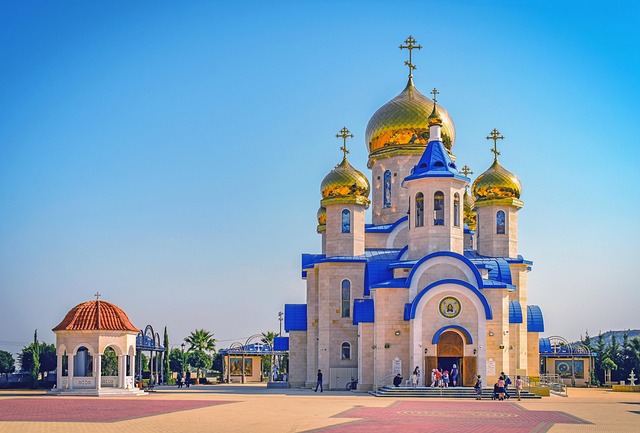
From bright cathedrals to pastel palaces, color expresses cultural richness. Even modern designs play with bold contrasts and natural tones.
3. Monumental Scale
Many Russian buildings — both imperial and Soviet — were intended to awe or symbolize power.
4. Deep Symbolism
Russian architecture often reflects cultural narratives:
- domes symbolize heaven
- Geometric shapes represent harmony
- ornamentation conveys folklore
This symbolism appears even in some modern Russian houses today.
Russia’s Place in Global Architecture Today
Influence & Innovation
Russia contributes to global design through:
- engineering innovations
- avant-garde concepts
- heritage preservation
Architects frequently merge old and new, creating a distinctive design identity admired worldwide.
International Style Architecture in Russia
Though Russia developed strong domestic styles, the country briefly explored International Style Architecture, especially during the 1960s–1980s, when global modernism influenced Soviet buildings.
Rising Popularity in Global Media & Tourism
Russian buildings frequently appear in design magazines, travel documentaries, and architectural conferences. Structures like the Zaryadye Park Concert Hall and New Tretyakov Gallery showcase Russia’s modern creativity.
The Future of Russian Architecture
Looking ahead, several trends are expected to shape the next decade:
Digital and Parametric Design
Architects increasingly use AI tools, 3D modeling, and parametric software to create futuristic forms.
Green Cities and Smart Infrastructure
Russia plans to integrate:
- more green public spaces
- electric transport infrastructure
- eco-focused urban planning
Hybrid Materials
New building techniques combine:
- glass
- metal
- laminated wood
- modular blocks
The goal is efficiency, durability, and artistic freedom.
Conclusion
Russian Architecture is a vast, evolving story — one filled with dramatic contrasts, cultural depth, and enduring creativity. From medieval wooden homes to soaring Soviet skyscrapers and sleek contemporary cottages, Russia’s buildings reflect its history, aspirations, and identity.
As modernization accelerates, architects blend tradition with innovation, creating modern Russian houses and urban developments that inspire designers worldwide. In short, Russian architecture stands at a powerful intersection of heritage and progress — and its next chapter is just beginning.
FAQs (People Also Ask Style)
1. What makes Russian architecture unique?
Its mix of Byzantine, medieval, Soviet, and modern influences creates a stylistic diversity unlike anywhere else in the world.
2. Why do Russian buildings have onion domes?
They evolved from Byzantine designs and may have been shaped to prevent snow accumulation while symbolizing spiritual ascension.
3. What are modern Russian houses like today?
They often blend minimalism, natural materials, smart home tech, and traditional decorative elements.
4. How did the Soviet Union influence Russian building styles?
From mass housing to monumental Stalinist towers, Soviet architecture shaped the layout and skyline of nearly every Russian city.
5. Is Russian architecture inspired by Europe?
Yes. Especially during the imperial era, Russia adopted Baroque and Neoclassical features, particularly in Saint Petersburg.
Leave a Reply