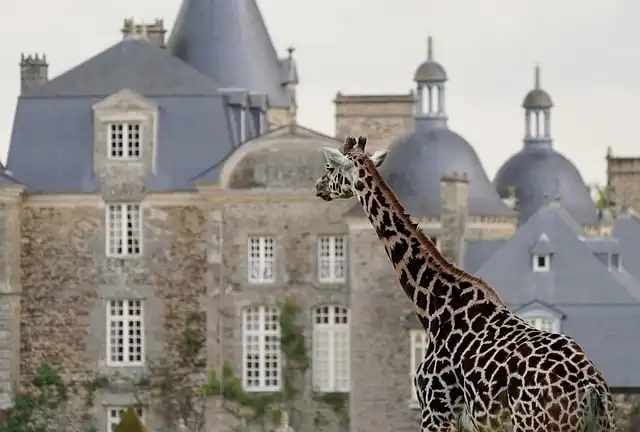
When was the last time you visited a zoo and felt transported into another world—one where animals moved effortlessly through spaces that looked and felt like their natural homes? This sense of immersion is no accident. It’s the result of thoughtful, science-driven Zoo Building design that balances animal welfare, visitor engagement, and environmental sustainability.
As zoos evolve globally, the architecture behind animal habitats has become more innovative, eco-friendly, and educational than ever before. In this article, you’ll discover how modern Zoo Buildings are created, the principles that guide architects, and inspiring examples of habitat design that are redefining zoological experiences. Whether you’re a designer, student, wildlife advocate, or simply curious, these insights will deepen your understanding of what makes a zoo truly exceptional.
The Evolution of Zoo Building Design
From Enclosures to Ecosystems
Early zoos often prioritized display over welfare, relying on cages and barriers. Today’s Zoo Building philosophy flips that idea completely. Instead of restricting animals, designers recreate natural ecosystems, allowing species to behave more authentically.
Modern zoos now emphasize:
- Environmental enrichment
- Naturalistic landscapes
- Behavior-appropriate habitats
- Visitor immersion and education
This shift offers both animals and humans a more meaningful experience.
Influence of Architectural Movements
Architects now use styles ranging from modern minimalism to sustainable bio-architecture. Some zoo exhibits even draw inspiration from International Style Architecture, emphasizing clean lines and functional spaces that blend unobtrusively with nature.
Core Principles Behind Effective Zoo Buildings
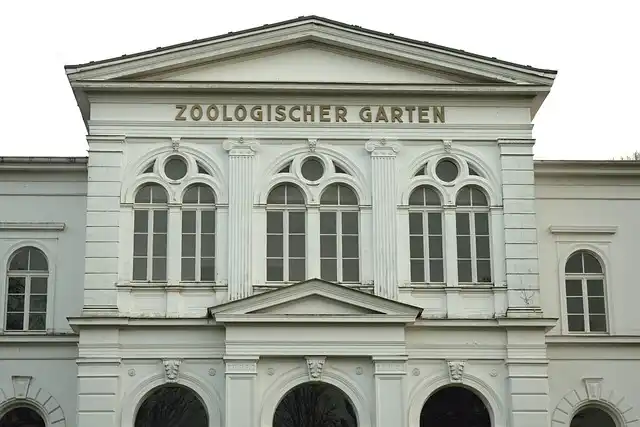
1. Animal Welfare as the Priority
A world-class Zoo Building starts with species-specific needs:
- Space and freedom of movement
- Temperature control and microhabitats
- Hiding spots and privacy zones
- Social or solitary configurations
- Mental stimulation through enrichment tools
For example, primate habitats often include climbing networks, puzzle feeders, and multi-level structures to mimic forest canopies.
2. Sustainability and Eco-Friendly Construction
As global awareness rises, Zoo Buildings are embracing sustainability:
- Solar-powered lighting
- Rainwater harvesting
- Locally sourced materials
- Green roofs that regulate temperature
- Waste-to-energy systems for animal manure
Not only do these practices reduce environmental impact—they also educate visitors on conservation.
3. Visitor Engagement and Learning
A well-designed zoo is part education center, part wildlife sanctuary.
Features that enhance visitor experience include:
- Immersive walk-through paths
- Transparent or concealed barriers
- Interactive digital displays
- Themed environments
- Soundscapes that recreate natural habitats
In short, the best Zoo Buildings create emotional connections that inspire conservation.
4. Safety and Accessibility
Zoos must ensure safety without disrupting aesthetics. Modern innovations include:
- Hidden moats
- Elevated walkways
- Reinforced viewing glass
- ADA-friendly ramps and paths
- Controlled climate zones for guest comfort
These elements ensure zoos remain welcoming to everyone.
Innovative Zoo Building Ideas Changing the Industry
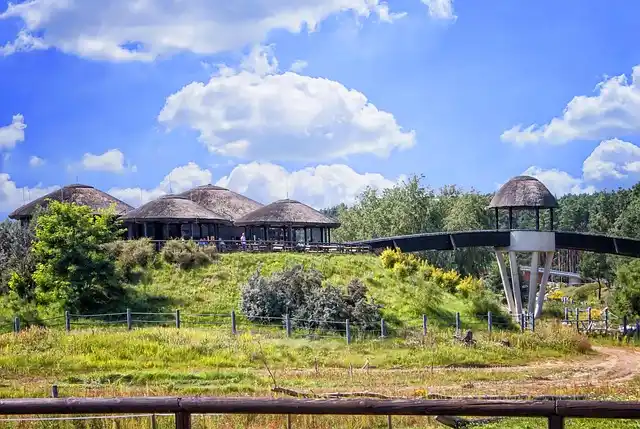
Immersive Biome-Themed Zones
Many zoos now group animals by ecosystem rather than species type. This creates visually stunning and cohesive Zoo Buildings modeled after:
- Rainforests
- African savannas
- Arctic tundra
- Desert canyons
- Coastal marshes
These zones introduce visitors to ecological relationships, not just individual animals.
Natural Barriers Over Man-Made Walls
Designers increasingly replace metal fences with:
- Water moats
- Rock formations
- Elevation differences
- Dense vegetation
These natural dividers maintain safety while preserving visual harmony.
Multi-Species Habitats
Allowing compatible animals to share a habitat boosts enrichment and authenticity.
For example:
- Zebras and ostriches in a shared savanna
- Tapirs, capybaras, and giant anteaters in a rainforest zone
This multi-species approach mirrors wild interactions.
Indoor-Outdoor Hybrid Facilities
For climates with extreme weather, hybrid Zoo Buildings offer year-round comfort. They may include:
- Climate-controlled indoor forests
- Retractable walls
- Heated rocks or cooled pools
- Skylit atriums for natural light
This design ensures animals thrive regardless of season.
Architectural Materials Used in Modern Zoo Buildings
Sustainable Woods and Bamboo
Bamboo is durable, flexible, and eco-friendly—ideal for primate structures or shaded walkways.
Reinforced Glass and Acrylic
These materials:
- Provide clear, natural views
- Allow safe proximity to animals
- Help create underwater viewing tunnels
Faux Rock and Artificial Trees
While appearing natural, these custom-designed features withstand weather, clawing, and climbing.
Green Construction Materials
Such as:
- Recycled steel
- Permeable pavement
- High-efficiency insulation
- Solar glass panels
They contribute to the zoo’s long-term sustainability.
Designing Zoo Buildings for Different Animal Categories
Mammals
Mammalian habitats focus on:
- Terrain diversity
- Burrows or dens
- Vertical spaces for arboreal species
- Social grouping areas
Birds
Aviaries often incorporate:
- Free-flight zones
- Aviary tunnels
- Nest platforms
- Vegetation for cover
Reptiles and Amphibians
These habitats require:
- Controlled humidity
- Temperature gradients
- UVB lighting
- Rock crevices and water features
Aquatic Species
Aquatic Zoo Buildings highlight:
- Deep underwater viewing tanks
- Coral-safe lighting
- Salt-water filtration systems
- Wave simulation platforms
Visitor Experience in Modern Zoo Buildings
Immersive Pathways
Zoos now guide visitors through winding trails, simulating natural exploration. These paths often include:
- Rope bridges
- Cave tunnels
- Elevated canopy walks
Multi-Sensory Learning
Interactive elements include:
- Touch screens
- Augmented reality stations
- Feeding sessions
- Behind-the-scenes tours
Food, Seating, and Shade
Visitor comfort is a priority. Many zoos integrate:
- Local-theme cafés
- Water stations
- Rest zones with shade sails
These elements encourage longer, more enjoyable visits.
Real-World Examples of Outstanding Zoo Buildings
Singapore Zoo – Rainforest Exploration
Known for its lush, open-concept exhibits, this zoo features tree-top trails and barrier-free viewing areas.
San Diego Zoo – Africa Rocks
This zone uses large rock formations, waterfalls, and integrated climate systems to recreate diverse African habitats.
Chester Zoo – Islands Project
A remarkable example of ecosystem-based design, featuring boat rides through interconnected island habitats.
Future Trends in Zoo Building Architecture
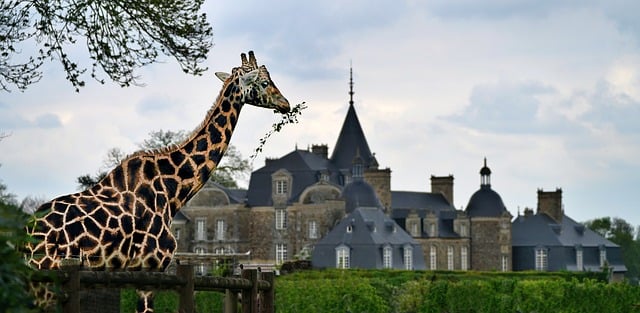
1. Fully Immersive Digital Integration
Augmented reality overlays will enhance storytelling, making habitats more educational and interactive.
2. Climate-Adaptive Structures
Expect advanced insulation, cooling systems, and renewable energy use to become standard.
3. Ethical and Conservation-Focused Layouts
Zoos are increasingly functioning as rescue and breeding centers, requiring specialized facilities like:
- Off-exhibit nurseries
- Veterinary hospitals
- Genetic resource banks
4. Hyper-Realistic Habitats
Artificial but incredibly detailed environments allow animals to display natural behaviors while adapting to urban zoo settings.
How Zoo Buildings Promote Conservation
Raising Awareness Through Design
When visitors see animals in naturalistic habitats, they better understand the urgency of protecting ecosystems.
Supporting Research and Breeding
Modern facilities include labs, incubators, and observation rooms that enable:
- Endangered species protection
- Veterinary studies
- Behavioral research
Connecting People to Wildlife
Zoos serve as powerful storytelling platforms, inspiring conservation donations and volunteerism.
Conclusion
The world of Zoo Building has transformed dramatically, shifting from basic enclosures to immersive, scientifically informed habitats that prioritize animal welfare and visitor connection. Today’s Zoo Buildings blend architecture, environmental science, and creativity to produce spaces where animals can thrive and people can learn and feel inspired. As zoos evolve, so too will the architectural innovations that shape them—ensuring that wildlife remains protected, appreciated, and understood for generations to come.
Read also: Designing Sustainable Wildlife Sanctuaries
External resource suggestion: Learn more about zoo history on Wikipedia’s Zoo page.
FAQs
Q1: What makes a modern Zoo Building different from older zoo structures?
Modern designs focus on naturalistic habitats, animal welfare, sustainability, and immersive visitor experiences rather than cages or simple enclosures.
Q2: How do architects ensure animal safety in zoo habitats?
They use natural barriers, reinforced materials, species-specific design, and behavioral research to build safe, enriching environments.
Q3: Why is sustainability important in Zoo Buildings?
Eco-friendly construction reduces environmental impact and teaches visitors about conservation efforts.
Q4: How do modern zoos make habitats more realistic?
Through artificial landscapes, diverse terrain, appropriate vegetation, climate control, and enrichment methods that mimic natural behaviors.
Q5: What trends will shape future Zoo Buildings?
Digital integration, climate-adaptive architecture, conservation-focused spaces, and ultra-realistic habitat designs.
Leave a Reply