


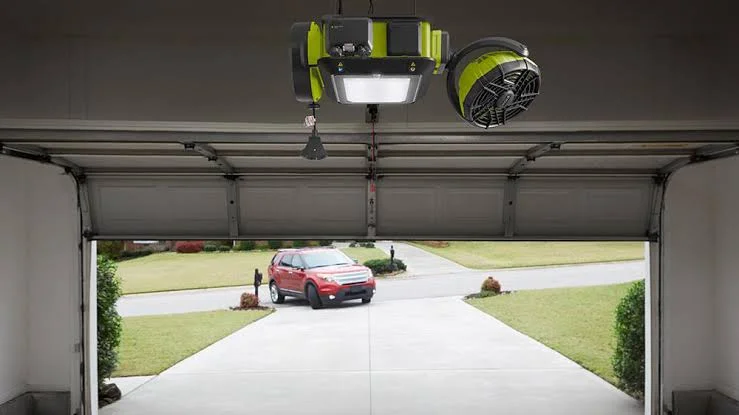
Have you ever stood outside your garage with groceries in your hands, waiting for an old opener to respond? Or perhaps your current unit works, but the noise makes the whole house shake whenever the door moves.
The top rated garage door openers can make these everyday moments much easier without requiring a premium budget. Today’s residential models can include quiet drive systems, smartphone control, battery backup, LED lighting, and improved safety features.
However, choosing the right model is not simply about finding the lowest price. The size and weight of your garage door, available ceiling space, frequency of use, and features you actually need all matter.
In this guide, you’ll learn how to compare garage door openers, understand motor ratings, choose between drive systems, and avoid paying for features that don’t add real value.
What Makes the Top Rated Garage Door Openers a Good Value?
A budget-friendly garage door opener should still deliver the basics well.
Reliability, safety, compatibility, and suitable lifting power should come before extras such as advanced smartphone features or decorative lighting.
When comparing the top rated garage door openers, consider these factors:
- Motor power: The opener must be suitable for your door.
- Drive system: Belt, chain, screw, and wall-mounted designs have different advantages.
- Safety sensors: These help detect objects beneath a closing door.
- Noise level: Particularly important for attached garages.
- Battery backup: Useful during power outages.
- Wi-Fi connectivity: Allows remote control and notifications.
- Warranty: Can provide useful long-term protection.
- Lighting: Bright LED systems improve visibility inside the garage.
Moreover, a lower-priced opener can be a smart purchase if it has the features you actually need.
For example, someone with a detached garage may not care much about ultra-quiet operation. Someone with a bedroom directly above the garage may feel very differently.
Top Rated Garage Door Openers: Start With Your Garage Door
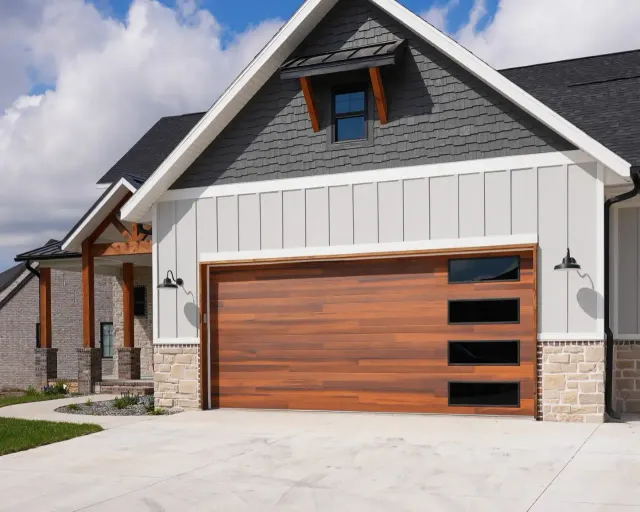
Before looking at brands or prices, examine the garage door itself.
This step is often overlooked. Yet an opener is only one part of the system, and its performance depends heavily on the door it has to move.
Check the Door Size and Weight
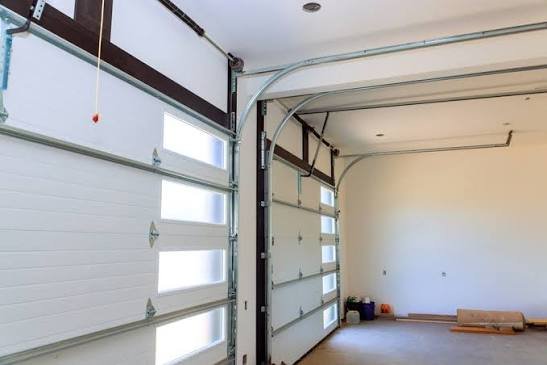
Standard residential garage doors come in different sizes and materials. A lightweight single-car door puts different demands on an opener than a large insulated double door.
Wooden doors and some custom doors can also be heavier.
Therefore, check the manufacturer’s specifications before purchasing an opener. Never assume that a larger motor is automatically the right solution.
Check Whether the Door Is Properly Balanced
A properly balanced garage door should not feel extremely difficult to lift manually.
If the door is unusually heavy, drops quickly, or feels uneven, the issue could involve the springs or other hardware.
In that situation, installing a more powerful opener is not necessarily the answer.
Expert insight: An opener should move a properly balanced door rather than compensate for a mechanical problem with the door itself.
Belt vs Chain Garage Door Opener: Which Offers Better Value?
One of the most common comparisons is belt vs chain garage door opener.
Both systems can provide dependable residential performance, but their operating characteristics differ.
Belt-Drive Openers
Belt-drive systems use a reinforced belt to move the garage door.
Their main advantage is quiet and smooth operation. That makes them especially attractive for garages connected to living spaces.
A belt-drive model may be worth considering if:
- Your garage is below a bedroom.
- You use the garage several times a day.
- You want less vibration.
- Quiet operation is important.
Chain-Drive Openers
Chain-drive systems use a metal chain to move the door.
They have been widely used in residential garages and can offer strong, reliable performance.
However, they may create more mechanical noise and vibration than belt-drive systems.
Budget tip: If price is your biggest concern and the garage is detached from your living space, a chain-drive opener may offer a practical balance between cost and performance.
Top Rated Garage Door Openers for Low-Clearance Garages
Not every garage has plenty of overhead space.
Low ceilings, storage racks, beams, and unusual garage construction can make a standard ceiling-mounted system difficult to install.
A low clearance garage door opener can help in situations where overhead space is limited, but compatibility must be checked carefully.
Before buying, measure:
- The ceiling height.
- The distance between the door and ceiling.
- Available space above the door.
- The location of existing tracks.
- Where the opener can be mounted.
In some cases, a wall-mounted system can solve a space problem while also leaving the ceiling open for storage.
Wall Mount Garage Door Opener vs Ceiling Mount
The wall mount garage door opener vs ceiling mount decision depends largely on your garage layout and preferences.
Ceiling-Mounted Openers
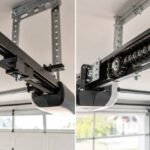
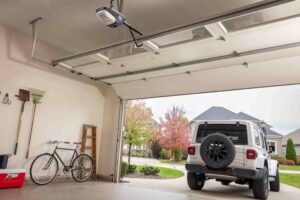
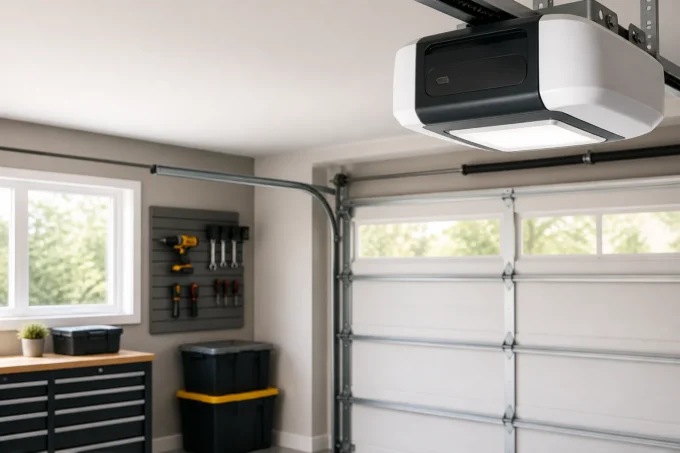
Traditional openers are mounted overhead and connected to the garage door using a rail system.
They are widely used and can be a straightforward option for standard garages.
Advantages include:
- Familiar design
- Wide availability
- Many price options
- Easy access to common replacement parts
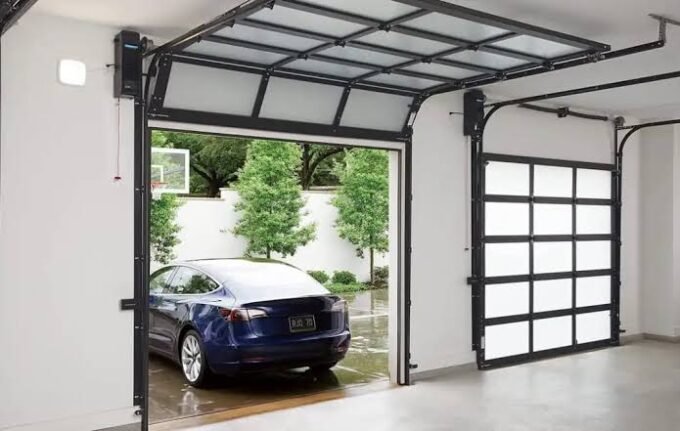
Wall-Mounted Openers
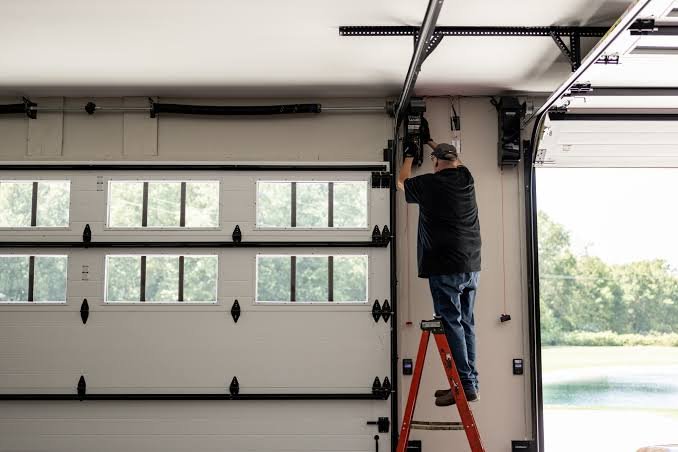
Wall-mounted, or jackshaft-style, openers sit beside the garage door.
They can be useful when you want to preserve ceiling space or create a cleaner overhead appearance.
They may also be appealing for garages with high or unusual ceilings.
However, they are not automatically compatible with every garage door. Always check the manufacturer’s installation requirements.
How Much Motor Power Do You Really Need?
Motor power is another area where shoppers can become confused.
You may see ratings such as 1/2 horsepower, 3/4 horsepower, and higher. But horsepower alone does not tell you everything about how an opener will perform.
The door’s weight, balance, size, construction, and operating conditions are all important.
1/2 HP vs 1 1/4 HP Garage Door Opener
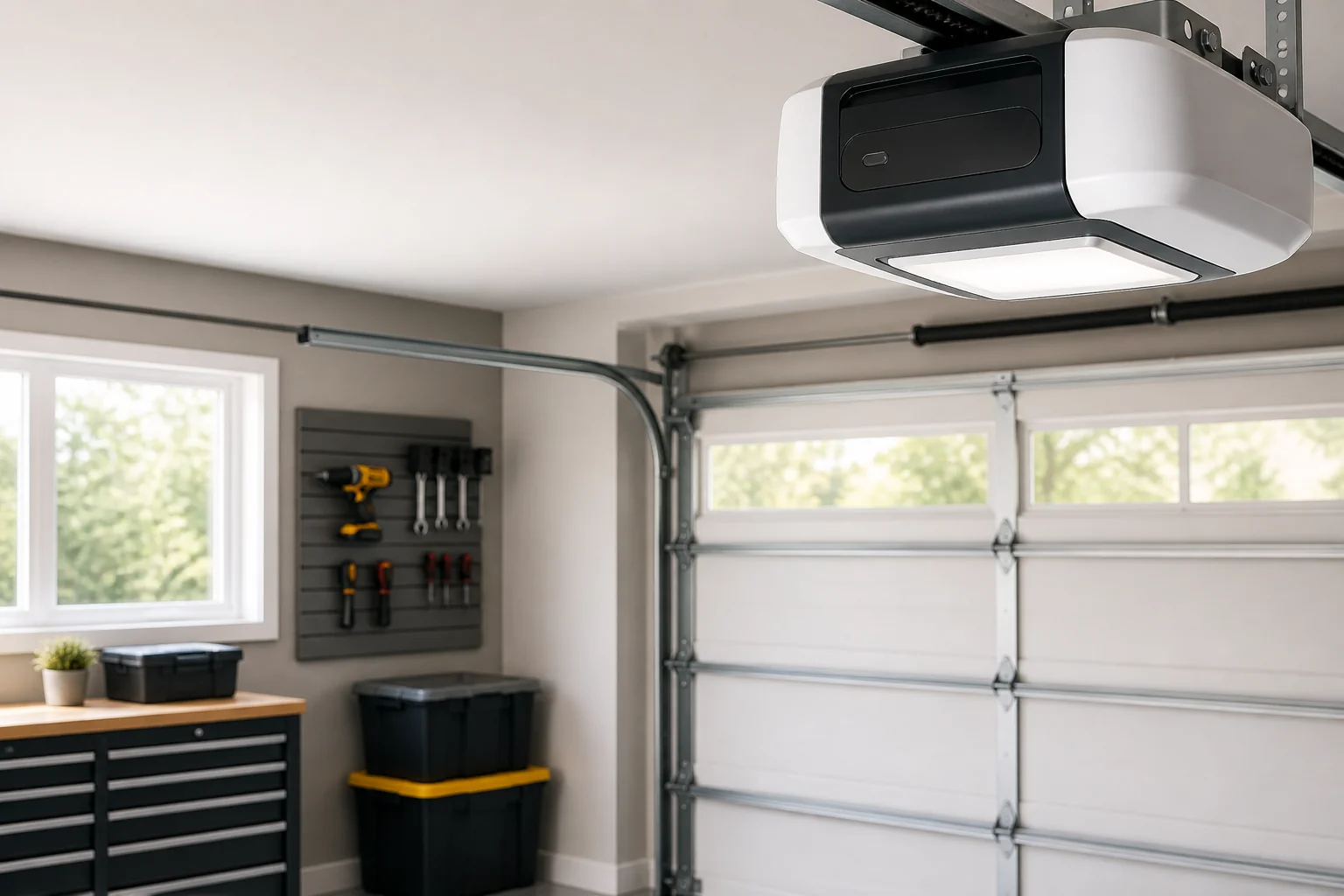
When comparing 1/2 hp vs 1 1/4 hp garage door opener, it is tempting to think that the 1 1/4 HP option must always be better.
That’s not necessarily true.
A properly balanced standard residential door may not need an extremely powerful motor. On the other hand, an oversized or unusually heavy door may require a higher-rated system.
Always follow the opener manufacturer’s door-size and weight recommendations rather than choosing based on horsepower alone.
When Should You Consider a Heavy-Duty Garage Door Opener?
A heavy duty garage door opener may be appropriate for larger or heavier residential doors, depending on the manufacturer’s specifications.
Potential examples include:
- Oversized garage doors
- Heavy wooden doors
- Large insulated doors
- Frequently used doors
- Certain custom garage systems
However, more power is not a substitute for proper maintenance.
If your door has worn springs, damaged rollers, or track problems, the entire system should be inspected.
Smart Features Without the Premium Price
Smart garage door technology used to feel like a luxury feature. Today, it is becoming more common across different price ranges.
Some openers can connect to a smartphone app and provide features such as:
- Remote operation
- Door-open notifications
- Activity history
- Guest access
- Voice control
- Smart-home integration
For example, imagine leaving for work and suddenly wondering whether you closed the garage.
Instead of turning around, you may be able to check the door’s status through an app.
That convenience can be especially valuable for families and homeowners who use their garage as a main entrance.
Do You Really Need Wi-Fi?
Not necessarily.
If you rarely use smart-home devices and always have your remote with you, a basic opener may provide everything you need.
On the other hand, if you travel frequently or want alerts when the door opens, Wi-Fi can be a meaningful upgrade.
Battery Backup Can Be More Useful Than You Think
Power failures can make a garage door opener inconvenient at exactly the wrong time.
Battery backup allows compatible openers to continue operating during certain outages, subject to the manufacturer’s specifications.
This can be particularly useful when:
- The garage is your primary entrance.
- Your area experiences frequent storms.
- You have limited alternative access.
- You want additional convenience during outages.
If your budget is limited, compare the cost of adding battery backup with the cost of buying an opener that includes it.
Safety Features Should Come Before Extra Features
A budget-friendly opener should never mean compromising on essential safety technology.
Modern garage door openers commonly use photoelectric sensors that detect objects in the door’s path.
If the sensors detect an obstruction while the door is closing, the system is designed to reverse the door.
Look for:
- Safety reversal
- Photoelectric sensors
- Manual release
- Automatic lighting
- Lock or vacation features
- Appropriate warning systems
Test safety features according to the manufacturer’s instructions.
Also, keep children and pets away from moving garage doors and never allow anyone to play underneath an opening or closing door.
How to Find the Top Rated Garage Door Openers on a Budget
Reviews can be helpful, but don’t choose a product simply because it has a high star rating.
Instead, read reviews looking for specific experiences.
Pay Attention to These Details
- Long-term reliability
Look for comments from people who have used the opener for an extended period.
- Installation
Some models may be easier to install than others.
- Noise
Check whether reviewers mention vibration or changes in noise over time.
- Smart app performance
If the opener has Wi-Fi, look for comments about connection reliability and notifications.
- Compatibility
Make sure reviews come from people using a similar garage door setup.
A product can be highly rated while still being unsuitable for your particular garage.
Features Worth Paying For—and Features You Can Skip
When shopping on a budget, prioritization matters.
Worth Considering
- Reliable motor
- Safety sensors
- Battery backup
- Quiet drive system
- Wi-Fi connectivity
- Good warranty
- Strong lighting
Potentially Optional
- Advanced smart-home automation
- Extra remotes
- Premium lighting packages
- Specialized accessories you won’t use
In short, spend your money on reliability and compatibility first, then add convenience features according to your lifestyle.
Common Garage Door Opener Buying Mistakes
Even experienced homeowners can make mistakes when replacing an opener.
Choosing Based Only on Horsepower
More horsepower does not automatically mean better performance.
Ignoring Ceiling Space
A standard overhead system may not work well in a garage with limited clearance.
Forgetting About Noise
A noisy opener can become a daily annoyance when the garage is attached to the home.
Buying Before Checking Compatibility
Always confirm that the opener works with your door type and dimensions.
Using an Opener to Hide Door Problems
If the door itself is damaged or poorly balanced, fix the underlying problem first.
Personal Insight: Think About Your Daily Routine
A useful way to choose among the top rated garage door openers is to imagine a normal week.
Do you open the garage twice a day or ten times?
Do children and pets frequently move through the garage?
Is your bedroom above it?
Do you rely on the garage during power outages?
Do you want to know remotely if someone has left the door open?
These questions can quickly show which features are genuinely useful.
For example, a quiet belt-drive model with battery backup may make more sense for one household, while a simple chain-drive unit may be perfectly adequate for another.
Conclusion
The top rated garage door openers are not defined by price alone. A good opener should match your garage door, available space, daily use, and security needs.
For an attached garage, quiet operation may be especially valuable. For limited overhead space, a wall-mounted design may be worth exploring. For a larger door, the manufacturer’s recommended lifting capacity should guide your choice.
Smart controls and battery backup can add convenience, but they should come after the basics: safe operation, correct compatibility, reliable performance, and proper installation.
Ultimately, the right garage door opener is the one that fits your garage and solves your everyday needs without forcing you to pay for features you don’t need.
FAQs About Top Rated Garage Door Openers
What are the top rated garage door openers?
The top rated garage door openers typically combine reliable operation, appropriate lifting capacity, safety sensors, and useful convenience features. The right model depends on the garage door and installation conditions.
What is the best garage door opener for a budget?
The best garage door opener for a budget is one that meets your door’s specifications while providing the safety and features you actually need. A basic opener can be a better value than an expensive model with unused extras.
Is a belt-drive opener better than a chain-drive opener?
They serve different needs. Belt drives are generally favored for quieter operation, while chain drives can provide durable performance and may cost less in some product ranges.
Do I need a high-horsepower garage door opener?
Not necessarily. Choose the motor capacity recommended for your garage door’s size, weight, and construction instead of automatically choosing the highest horsepower.
Is a wall-mounted garage door opener worth it?
A wall-mounted model can be useful when overhead space is limited or when you want to keep the ceiling clear. However, compatibility with the door and installation setup should be confirmed first.







2 Comments