


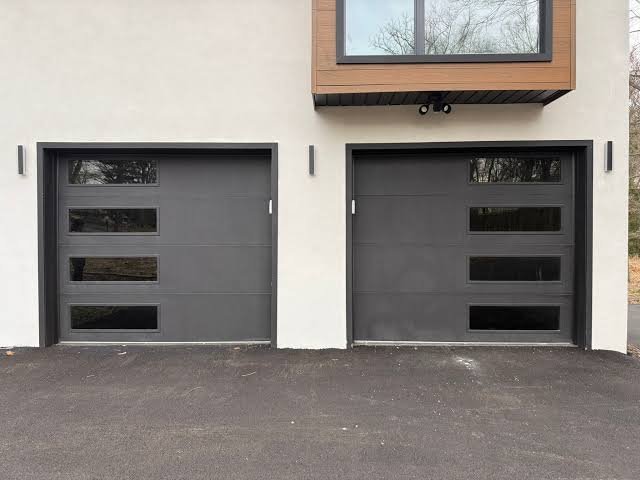
Have you ever pressed your garage remote and watched a large door struggle to open smoothly?
If your garage door is wide, heavy, insulated, or used many times a day, choosing the right opener becomes much more important. A standard residential opener may work well for a typical door, but demanding installations often need a stronger and more durable system.
A heavy duty garage door opener is designed for situations where reliable lifting power and repeated operation matter. However, more power does not automatically mean better performance. Door balance, drive type, clearance, safety features, and installation quality also play major roles.
In this guide, you will learn what makes an opener heavy duty, how much motor power you may need, which drive system makes sense, and how to find a dependable model without paying for features you do not need.
What Makes a Heavy Duty Garage Door Opener Different?
A heavy duty garage door opener is built for demanding garage door applications.
That does not necessarily mean it has the largest motor available. Instead, it should be properly matched to the door’s size, weight, construction, and usage.
For example, a large insulated double garage door can place greater demands on an opener than a small, lightweight single garage door.
Several factors determine whether an opener is suitable for heavy-duty use:
- Motor capacity
- Door weight
- Door dimensions
- Drive mechanism
- Operating frequency
- Rail and trolley design
- Safety technology
- Battery backup
- Installation quality
- Manufacturer support
Moreover, the condition of the garage door matters just as much as the opener.
If the door is poorly balanced or has worn springs, rollers, or tracks, even a powerful opener may struggle.
Power Is Only One Part of the Equation
It is easy to assume that a stronger motor will solve every garage door problem.
In reality, an opener should not be used to compensate for a mechanical problem.
A properly balanced garage door should move smoothly. If it feels unusually heavy when manually operated, the problem may involve the springs or another component.
Expert insight: Before upgrading to a stronger opener, check the condition and balance of the door itself. This can prevent unnecessary expense and improve safety.
How Much Power Does a Heavy Garage Door Need?
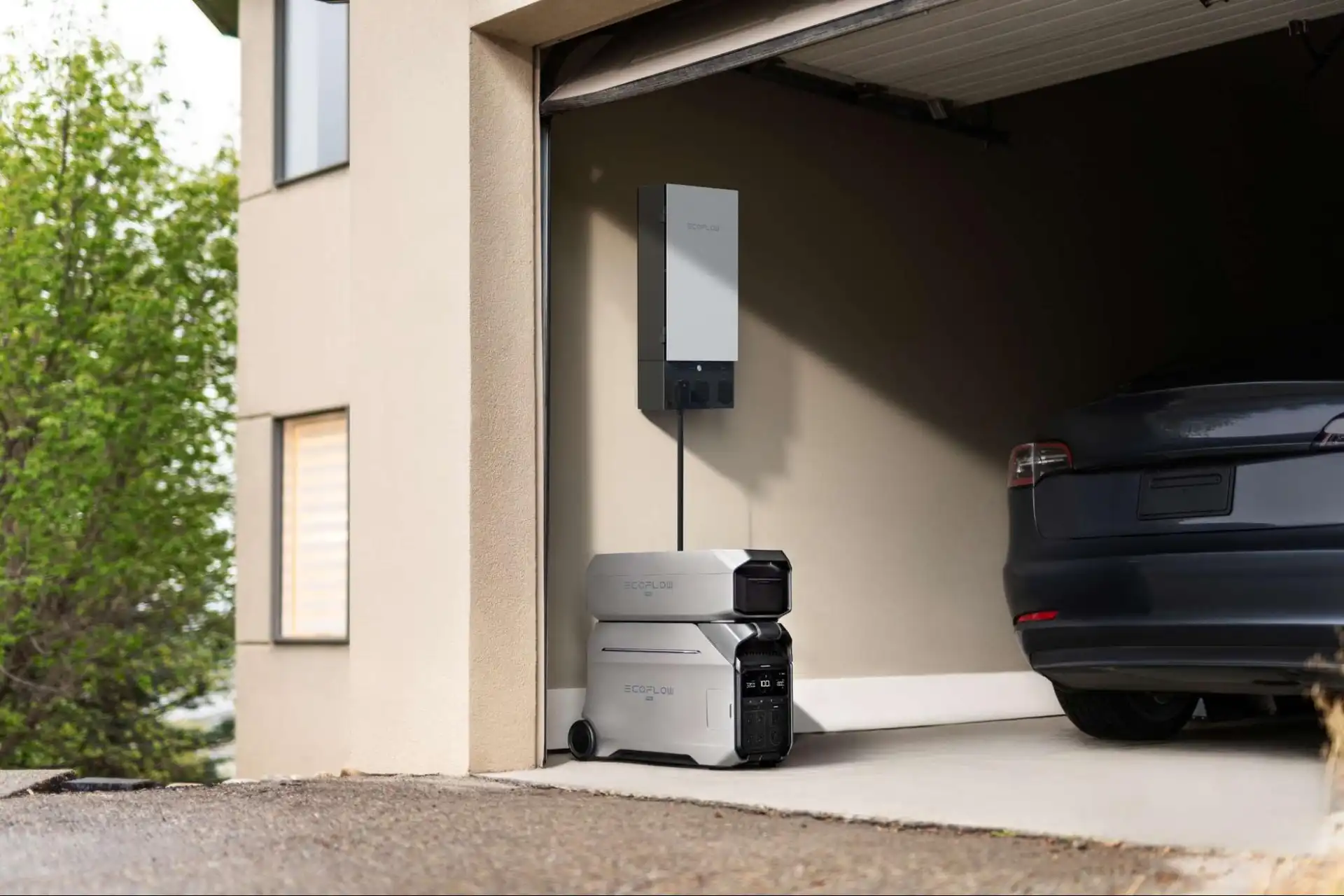
Motor strength is one of the first things homeowners notice when comparing garage door openers.
Residential models are commonly sold with different horsepower ratings or motor-performance specifications. However, these ratings should not be compared without considering the manufacturer’s design.
A larger horsepower number does not automatically mean that one opener is twice as capable as another.
The door’s actual weight, balance, construction, and frequency of use should all be considered.
1/2 HP vs Higher-Powered Openers
The phrase 1/2 hp vs 1 1/4 hp garage door opener often appears when homeowners compare motor strength.
A ½ HP opener may be perfectly suitable for many standard residential doors. A higher-powered system may be appropriate for larger or heavier doors, but only when the manufacturer’s specifications support that application.
For example, imagine two garages.
Garage A has a relatively light, well-balanced single door. Garage B has a wide, heavily insulated double door that is opened several times every day.
Even if both doors are technically residential, they may have very different opener requirements.
Therefore, do not choose an opener based solely on the highest horsepower number.
Heavy Duty Garage Door Opener Drive Types
The drive system is another major factor.
Most residential garage door openers use a belt, chain, or screw drive. Each design has its own advantages.
Understanding these differences can make shopping much easier.
Belt-Drive Systems
Belt-drive openers use a reinforced belt to move the garage door.
Their biggest attraction is generally quiet and smooth operation.
This can be especially useful when the garage is connected to the home or located underneath a bedroom.
A belt-drive system may cost more than a basic chain-drive model, but the reduced vibration can be valuable in the right home.
Chain-Drive Systems
Chain-drive openers use a metal chain to move the trolley.
They have a long history in residential garages and are often considered a practical choice for demanding use.
One disadvantage is that chain systems can produce more mechanical noise and vibration.
However, if your garage is detached from your living space, that may not matter much.
Screw-Drive Systems
Screw-drive openers use a threaded rod to move the trolley.
They have a relatively simple operating design and can provide strong performance. Nevertheless, the specific model and garage environment should be considered before choosing one.
Maintenance requirements can also vary between manufacturers.
Belt vs. Chain for Heavy-Duty Applications
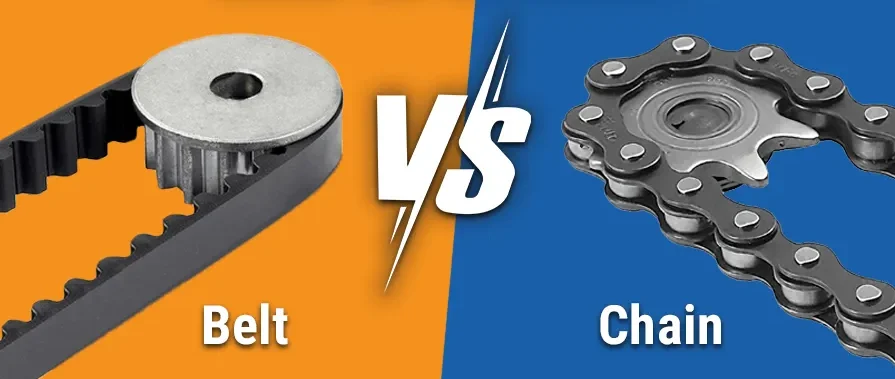
When comparing a belt vs chain garage door opener, think beyond the initial price.
Ask yourself:
- Is the garage attached to the house?
- Is noise a major concern?
- How frequently will the door operate?
- Is the garage exposed to extreme temperatures?
- How important is low vibration?
- What does the manufacturer recommend for your door?
In short, the best drive system depends on your priorities rather than a single universal rule.
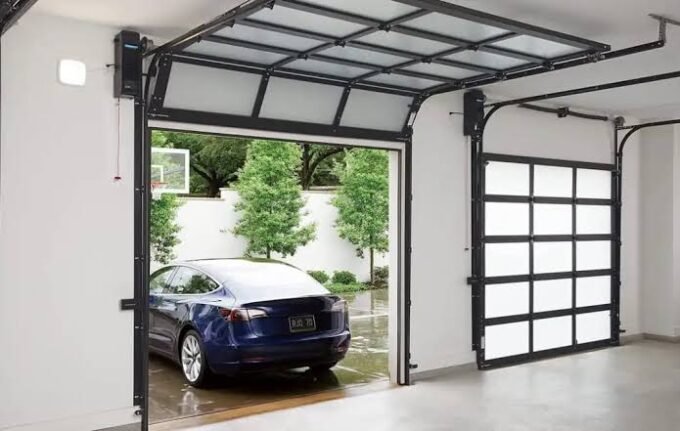
Choosing Between Wall-Mount and Ceiling-Mount Systems
Traditional garage door openers are mounted above the door on the ceiling.
However, wall-mounted systems have become an interesting alternative, particularly for garages with limited overhead space.
When comparing wall mount garage door opener vs ceiling mount, look carefully at the physical design of your garage.
Wall-Mount Advantages
A wall-mounted opener can free up overhead space.
This can be useful if your garage has:
- High ceilings
- Overhead storage
- A complicated ceiling structure
- Limited space above the garage door
- A desire for a cleaner ceiling
Wall-mounted systems can also be attractive in modern garages where homeowners want fewer visible components overhead.
Ceiling-Mount Advantages
Ceiling-mounted openers remain extremely common.
They are available in a wide range of designs and price points. Installation is also familiar to many garage door professionals.
For a standard garage with sufficient overhead clearance, a ceiling-mounted system can be a straightforward choice.
Neither installation style is automatically better. The garage layout should determine which design makes sense.
Low Clearance Garage Door Opener Options
Garage design can create another challenge: limited space above the door.
In this situation, a low clearance garage door opener may be worth investigating.
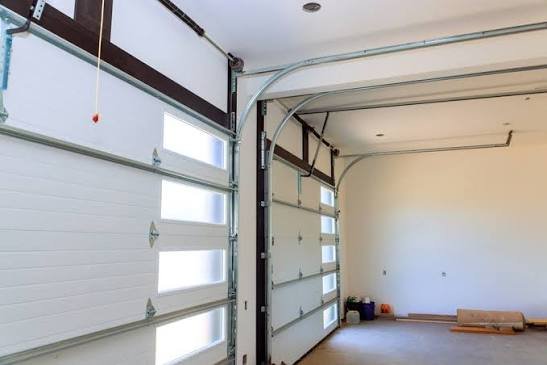
Low-headroom garage doors can require specialized hardware because the normal track arrangement may not provide enough room for a traditional installation.
Before buying an opener, measure:
- The space above the closed door
- The distance between the door and ceiling
- Available side clearance
- Door height
- Track configuration
A professional measurement is especially useful when the garage has an unusual ceiling or track design.
Why Measurements Matter
Buying an opener before checking clearance can lead to installation problems.
For example, a homeowner may choose a powerful opener only to discover that the rail cannot be installed in the available space.
Therefore, physical compatibility should come before motor power.
Safety Features to Look For
A heavy garage door carries considerable weight, which makes safety technology essential.
Modern openers can include several features designed to reduce risks during operation.
Important features may include:
- Automatic reversing
- Photoelectric safety sensors
- Rolling-code remote technology
- Manual emergency release
- Motion-activated lighting
- Door monitoring
- Vacation lock functions
Safety sensors are particularly important.
They detect objects in the door’s path and are designed to trigger an appropriate response when an obstruction is detected.
However, sensors must be correctly installed and aligned.
A sophisticated opener cannot provide its intended protection if the safety system has been disabled or incorrectly installed.
Smart Features Can Add Real Convenience
Today’s garage door openers can do much more than respond to a remote control.
Many connected models allow homeowners to monitor and control the garage through a smartphone app.
Depending on the system, you may be able to:
- Check whether the door is closed
- Open or close the door remotely
- Receive notifications
- Give temporary access
- Connect the opener with other smart-home devices
Imagine leaving home and suddenly wondering whether the garage door is open.
Instead of driving back, a compatible smart opener may allow you to check the status remotely.
That is a small feature, but it can make a meaningful difference in everyday life.
Security Still Matters
Smart technology introduces another consideration: account security.
Use a strong password and enable additional account protection when the manufacturer offers it.
Also, keep the manufacturer’s app updated.
Convenience should never come at the expense of basic digital security.
Battery Backup for a Heavy Duty Garage Door Opener
Power outages can create an unexpected problem.
If the garage door is one of the main ways you enter your home, losing electrical power can make everyday access difficult.
A battery backup system can provide temporary operation during an outage, depending on the opener.
This can be particularly useful in areas where storms, extreme weather, or unstable power conditions occur.
Before buying, check:
- Battery capacity
- Expected operating cycles
- Charging method
- Battery replacement requirements
- Compatibility with the opener
A battery backup is not necessary for every homeowner. However, it can be an important feature for households that rely heavily on their garage entrance.
What About Noise?
Heavy-duty does not have to mean loud.
Noise can come from the opener, but it can also come from the garage door itself.
Worn rollers, loose hardware, poor lubrication, and track problems can all contribute to excessive noise.
Therefore, if you want a quieter garage, inspect the entire system.
Practical Noise-Reduction Tips
You can often reduce garage noise by:
- Choosing a belt-drive system
- Maintaining the rollers
- Checking loose hardware
- Keeping moving components properly maintained
- Ensuring the door is balanced
- Having unusual sounds inspected early
A new opener may help, but replacing worn garage door components may sometimes make an even bigger difference.
How to Find the Best Garage Door Opener for Your Needs
When shopping, it is tempting to search for the best garage door opener and simply choose the product with the highest ratings.
However, online ratings do not tell the entire story.
Instead, create a short list based on your actual garage.
Step 1: Measure Your Door
Record the door’s:
- Width
- Height
- Approximate weight
- Track type
- Available ceiling space
Step 2: Think About Frequency
A garage door used twice a day has different demands from one used 20 times a day.
Frequent operation makes durability and thermal performance more relevant.
Step 3: Decide What Features Matter
Choose only features that solve real problems.
For example:
Need quiet operation? Consider a belt drive.
Need remote access? Look for Wi-Fi.
Have frequent outages? Consider battery backup.
Have limited overhead space? Explore wall-mounted or low-clearance solutions.
Step 4: Check Compatibility
Never assume that an opener will work with every garage door.
Check the manufacturer’s specifications before purchasing.
Comparing Heavy-Duty Garage Door Opener Features
A simple comparison can help narrow your options.
| Feature | Best For | Main Benefit |
| High-capacity motor | Larger doors | More suitable lifting capability |
| Belt drive | Attached garages | Quieter operation |
| Chain drive | Practical installations | Durable traditional design |
| Wall mount | Limited ceiling space | Frees overhead area |
| Wi-Fi | Smart homes | Remote monitoring |
| Battery backup | Power outages | Temporary operation |
| LED lighting | Dark garages | Better visibility |
| Safety sensors | Every garage | Added protection |
| Low-clearance hardware | Limited headroom | Flexible installation |
The goal is not to find the opener with the longest feature list.
The goal is to find the system that fits the door, garage, and way you live.
Common Mistakes to Avoid
Even experienced homeowners can make mistakes when buying garage equipment.
Choosing by Horsepower Alone
More power is not automatically better.
The opener should match the manufacturer’s recommended door specifications.
Ignoring Door Balance
A poorly balanced door can put unnecessary stress on the opener.
If the door feels unusually heavy or difficult to move, have it inspected.
Forgetting Clearance
Measure before buying.
A powerful opener is useless if it cannot be installed correctly in your garage.
Buying Features You Will Never Use
Smart controls, advanced lighting, and connectivity can be useful, but they may not justify extra cost for every homeowner.
Ignoring Installation Quality
Even an excellent opener can perform poorly if installed incorrectly.
Correct mounting, sensor alignment, rail positioning, and adjustment all matter.
Personal Insight: Think Five Years Ahead
One useful way to evaluate a garage door opener is to imagine using it several years from now.
Will you still value smartphone control?
Will your garage become a storage area?
Will you need battery backup?
Will noise become an issue because you start using a room above the garage?
These questions can help you choose based on long-term needs rather than today’s excitement.
For example, paying slightly more for a quieter system may make sense if your garage is directly beneath a bedroom.
On the other hand, a basic but reliable system may be perfectly reasonable for a detached garage.
Installation and Maintenance Tips
Once you choose an opener, installation is only the beginning.
Regular maintenance can help the system operate smoothly.
Follow the manufacturer’s maintenance instructions and pay attention to changes in performance.
Look for:
- Unusual grinding sounds
- Slow opening
- Jerky movement
- Excessive vibration
- Remote-control problems
- Misaligned safety sensors
- Door movement that becomes unusually heavy
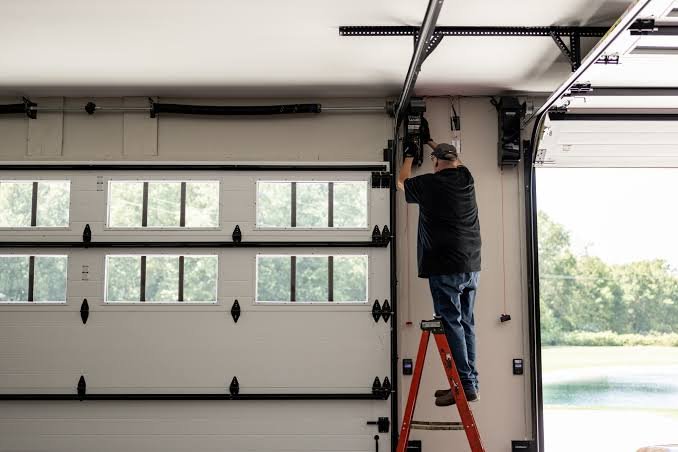
Do not attempt to repair springs, cables, or other high-tension components unless you have the proper training.
These parts can store significant mechanical energy.
When in doubt, contact a qualified garage door professional.
Where to Find Reliable Information
Product descriptions can be useful, but they should not be your only source of information.
For technical specifications, start with the manufacturer’s documentation and installation manual.
For general background information about garage doors and related systems, readers can also consult:
Conclusion
Choosing a heavy duty garage door opener is about more than selecting the strongest motor.
You need to consider the garage door’s weight, balance, dimensions, clearance, frequency of use, and installation requirements. Moreover, features such as battery backup, smart controls, safety sensors, and LED lighting can improve everyday convenience.
A belt-drive system may be attractive when quiet operation matters. A chain-drive model can provide a practical traditional solution. Meanwhile, wall-mounted and low-clearance options can solve installation challenges that standard ceiling-mounted systems cannot.
Most importantly, match the opener to the door rather than simply buying the most powerful model available.
A well-matched opener should operate smoothly, safely, and reliably for years.
Before purchasing, measure your garage, check the manufacturer’s specifications, consider how frequently the door is used, and decide which features genuinely matter to your household.
That approach will help you spend your money wisely while getting the performance you actually need.
Frequently Asked Questions
What is a heavy duty garage door opener?
A heavy duty garage door opener is designed for demanding garage door applications and may be suitable for larger, heavier, or frequently used doors. Compatibility depends on the manufacturer’s specifications.
Is a higher horsepower garage door opener always better?
No. Motor power is only one factor. Door weight, balance, size, drive system, and operating frequency should also be considered before choosing an opener.
Are belt-drive openers better than chain-drive models?
They serve different needs. Belt drives are generally preferred when quieter operation is important, while chain drives can provide a practical and durable option for many garages.
What is a low-clearance garage door opener?
A low-clearance garage door opener is designed for garage installations where limited headroom makes a standard opener arrangement difficult. Proper measurements are important before installation.
Do heavy garage doors need a stronger opener?
They may require an opener designed for their specific weight and size. However, the door should also be properly balanced and maintained so the opener does not have to compensate for mechanical problems.







4 Comments