



Have you ever started planning a renovation and wondered, “How much is this actually going to cost?”
That question is harder to answer than it sounds. A small cosmetic update can cost a few thousand dollars, while a major structural renovation can quickly reach six figures. The final price depends on everything from the room you are remodeling to labor rates, permits, materials, design choices, and the condition of the existing home.
Understanding the average home renovation cost before hiring contractors can help you build a realistic budget and avoid unpleasant surprises.
In this guide, we look at renovation expenses room by room, explain the biggest factors that affect pricing, and show how different project types can change your overall budget.
Personal insight: In renovation planning, the cheapest quote is not always the best value. A clear scope of work, quality materials, and experienced contractors can prevent expensive repairs later.
What Determines the Average Home Renovation Cost?
There is no single price that applies to every home. Two houses with the same floor area can have completely different renovation budgets.
Several factors have the biggest impact on the final bill:
- Home size
- Location
- Labor costs
- Material quality
- Project complexity
- Structural repairs
- Plumbing and electrical work
- Permits and inspections
- Architect or designer fees
- Age and condition of the property
For example, replacing kitchen cabinets is relatively straightforward. Moving a kitchen to another part of the house is a much bigger project because plumbing, electrical wiring, flooring, walls, and ventilation may all need to change.
Moreover, older properties often require additional work once walls or floors are opened.
Renovation Costs Can Change During the Project
One of the most important budgeting rules is to expect unexpected expenses.
A contractor may discover water damage behind a wall, outdated wiring under the floor, or plumbing that does not meet current building standards.
For this reason, homeowners should consider keeping an emergency renovation fund of around 10% to 20% of the planned budget.
That reserve does not mean you will definitely spend it. Instead, it protects your project if something unexpected appears.
Average Home Renovation Cost by Room
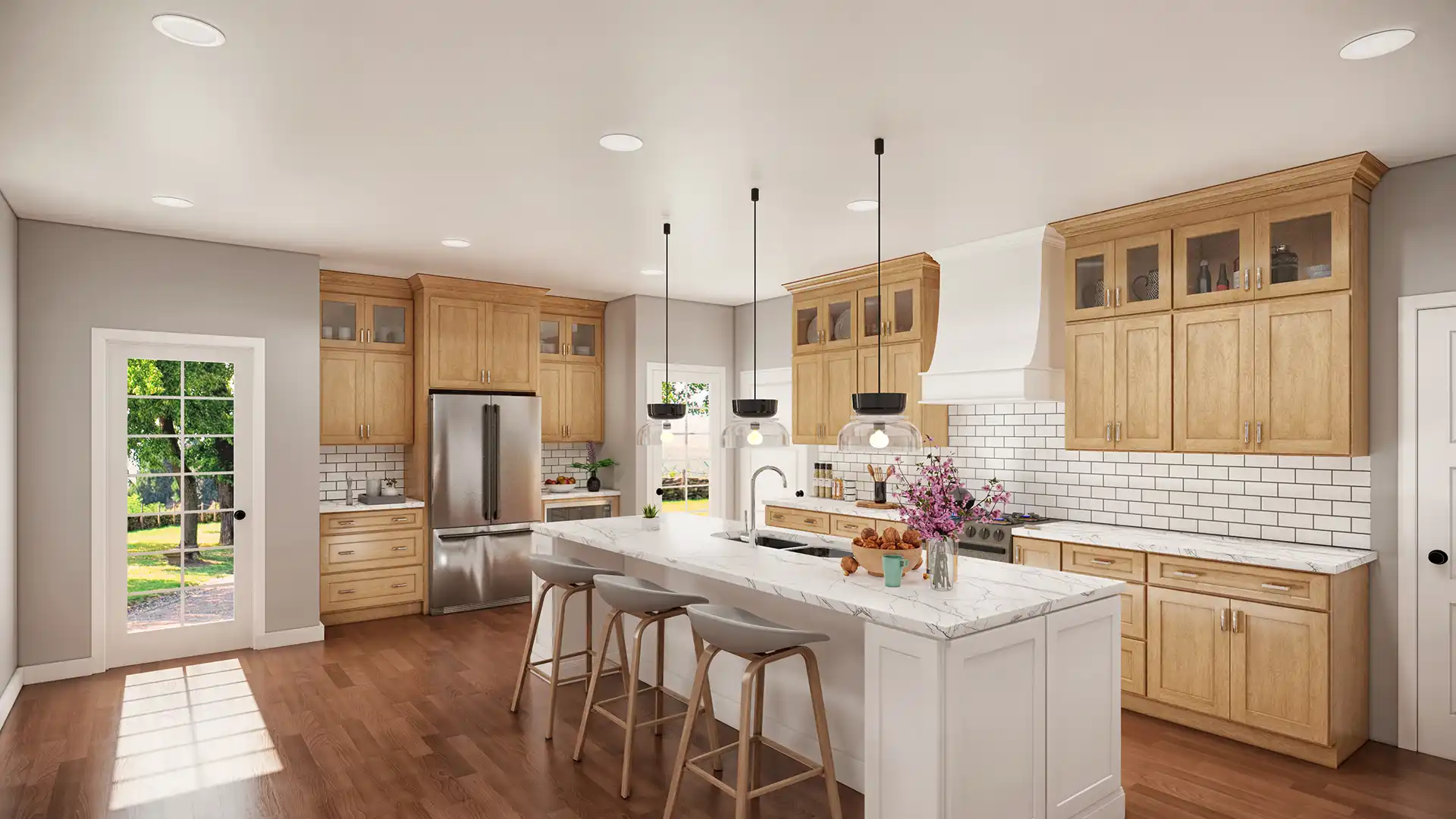
Different rooms have very different renovation requirements. Kitchens and bathrooms usually cost more per square foot because they involve plumbing, electrical systems, cabinets, fixtures, and specialized installation.
Here is a simplified comparison:
| Room or Project | Typical Cost Range* | Main Cost Drivers |
| Kitchen | 15,000–60,000+ | Cabinets, appliances, countertops |
| Bathroom | 8,000–30,000+ | Plumbing, tile, fixtures |
| Bedroom | 3,000–15,000 | Flooring, paint, storage |
| Living Room | 3,000–20,000 | Flooring, lighting, built-ins |
| Home Office | 4,000–20,000+ | Built-ins, wiring, lighting |
| Basement | 20,000–75,000+ | Framing, insulation, plumbing |
| Home Gym | 5,000–30,000+ | Flooring, equipment, ventilation |
*Actual prices vary considerably by location, property condition, project size, and material choices.
Kitchen Renovation Costs
The kitchen is often one of the most expensive rooms to remodel.
That is because a kitchen combines several expensive elements in one space: cabinetry, appliances, countertops, flooring, lighting, electrical work, plumbing, and sometimes structural changes.
A basic kitchen refresh might involve:
- Painting cabinets
- Replacing hardware
- Installing a new backsplash
- Updating lighting
- Replacing countertops
- Installing new appliances
A major remodel may include new cabinets, new flooring, upgraded electrical wiring, plumbing changes, an island, custom storage, and premium appliances.
What Makes a Kitchen More Expensive?
Cabinetry is often one of the largest expenses.
Stock cabinets can reduce costs, while semi-custom and custom cabinets offer more flexibility but usually require a larger budget.
Countertops also vary significantly. Laminate and some engineered materials can be relatively affordable, while natural stone and high-end surfaces can increase the project price.
Practical tip: If your kitchen layout already works well, keeping the existing plumbing and appliance locations can save a substantial amount of money.
Bathroom Renovation Cost
Bathrooms may be smaller than kitchens, but they can have surprisingly high renovation costs.
The reason is simple: almost everything in the room needs to resist moisture, and several trades may be involved.
A bathroom renovation can include:
- Demolition
- Plumbing
- Electrical work
- Waterproofing
- Flooring
- Wall tile
- Shower or bathtub installation
- Vanity installation
- Toilet replacement
- Lighting and ventilation
A cosmetic bathroom update is much less expensive than moving a shower, toilet, or sink.
How to Save on a Bathroom Remodel
Try to maintain the existing layout whenever possible.
Changing the position of major plumbing fixtures can increase both labor and material costs. Instead, spend your budget on improvements that have a visible effect, such as better lighting, modern fixtures, attractive tile, and improved storage.
Bedroom Renovation Costs

Bedrooms are usually less expensive to renovate because they do not normally require extensive plumbing.
A bedroom renovation might include:
- New flooring
- Fresh paint
- Built-in storage
- New lighting
- Closet improvements
- Window treatments
- Ceiling repairs
- Decorative wall treatments
A simple bedroom makeover can therefore be completed for considerably less than a kitchen or bathroom remodel.
However, adding a walk-in closet or changing walls can push the cost higher.
Living Room Renovation Costs
The living room offers many opportunities to control spending.
Painting, flooring, lighting, shelving, and furniture can dramatically change the appearance without requiring major structural work.
For example, installing recessed lighting and replacing worn flooring may completely change the atmosphere of a room without moving any walls.
Built-in bookshelves, fireplaces, custom entertainment centers, and large window changes, however, can significantly increase the budget.
A useful strategy: Prioritize changes that improve both appearance and function.
Home Office Renovation Cost
With more people working remotely or using flexible workspaces, dedicated offices have become a popular renovation project.
The home office renovation cost depends largely on whether you are simply decorating an existing room or creating a new workspace.
A basic office may need only:
- Paint
- Flooring
- Lighting
- A desk
- Storage
A more advanced workspace could require additional electrical outlets, built-in cabinets, acoustic treatment, upgraded internet wiring, custom furniture, and improved lighting.
If video calls are part of your daily work, acoustic panels and professional lighting can sometimes provide more value than expensive decorative features.
Home Gym Renovation Cost
A dedicated exercise space can also be created without an enormous construction budget.
The home gym renovation cost depends on the equipment and structural requirements.
A basic setup might include rubber flooring, mirrors, lighting, storage, and a few pieces of equipment.
A larger gym could require:
- Reinforced flooring
- Improved ventilation
- Electrical upgrades
- Sound insulation
- Heavy strength equipment
- Cardio machines
- Custom storage
Before installing heavy equipment, check whether the floor can safely support the intended load, especially in an upstairs room.
Home Theater Renovation Cost
Entertainment rooms are another popular upgrade, particularly in larger homes.
The home theater renovation cost can range from a relatively simple media-room setup to a highly customized cinema.
The largest expenses can include the display or projector, sound system, seating, acoustic treatment, wiring, lighting, and construction.
However, homeowners do not necessarily need professional cinema equipment to create an enjoyable theater.
A comfortable room with good speakers, controlled lighting, quality seating, and proper screen placement can provide an excellent experience without an extreme budget.
Basement Renovation Costs
Basements can offer valuable additional living space, but they often require more preparation than standard rooms.
Before beginning, check for:
- Moisture problems
- Foundation issues
- Low ceilings
- Poor insulation
- Electrical limitations
- Plumbing requirements
- Emergency exits
A finished basement can become a bedroom, office, entertainment area, gym, or guest suite.
However, moisture control should come before cosmetic improvements. Installing expensive flooring or drywall before solving a water problem can lead to much larger expenses later.
Full Home Renovation Cost
A whole-house remodel is a completely different financial category from updating one or two rooms.
The full home renovation cost depends on the home’s size, age, structural condition, number of rooms, and the amount of work required.
A cosmetic whole-house update might include:
- Paint
- Flooring
- Lighting
- Doors
- Trim
- Fixtures
A comprehensive renovation could involve kitchens, bathrooms, electrical systems, plumbing, windows, insulation, roofing, structural changes, and HVAC upgrades.
Cosmetic Renovation vs. Major Renovation
| Project Type | Typical Scope |
| Cosmetic | Paint, flooring, fixtures |
| Moderate | Kitchens, bathrooms, lighting |
| Major | Multiple rooms and systems |
| Structural | Walls, foundations, roof, major layout changes |
The more systems you change at the same time, the more important professional project management becomes.
Full Gut Home Renovation Cost
A full gut home renovation cost can be dramatically higher because the project may involve stripping the property back to its basic structure before rebuilding interior spaces.
A gut renovation may include:
- Removing old walls
- Replacing electrical systems
- Replacing plumbing
- Installing new insulation
- Updating HVAC
- Rebuilding kitchens and bathrooms
- Replacing flooring
- Installing new doors and windows
- Redesigning room layouts
This type of renovation is generally more complex than a standard remodel.
For older properties, however, it can sometimes make more sense to renovate comprehensively rather than repeatedly repair outdated systems.
Mobile Home Renovation Cost
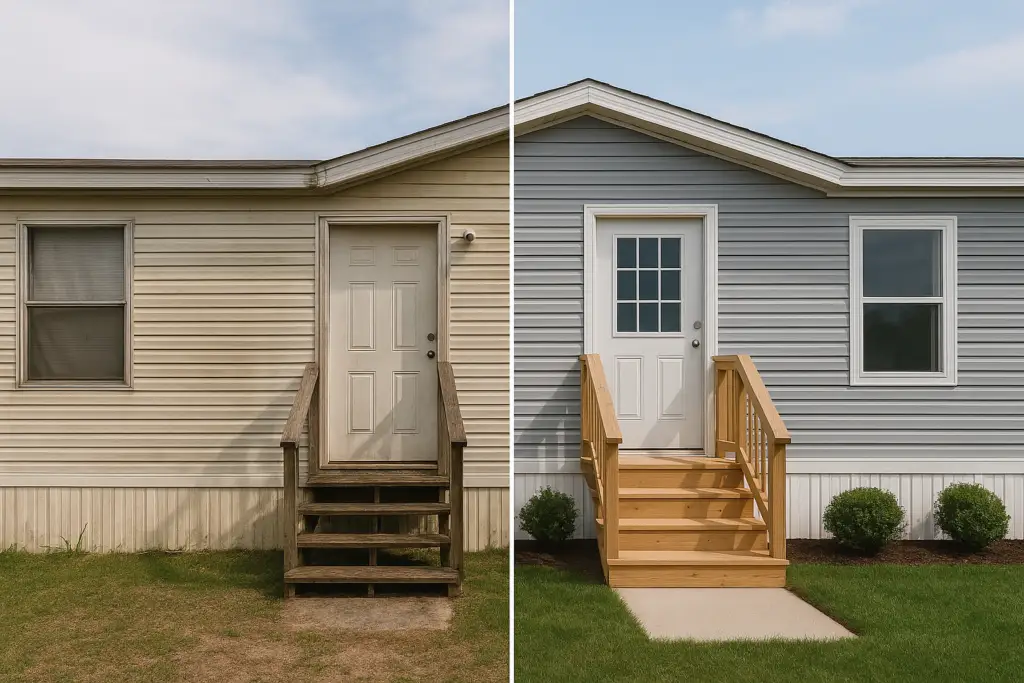
A mobile home renovation has a different set of considerations.
The mobile home renovation cost can be lower than renovating a traditional house, but the final price depends heavily on the home’s age, construction, condition, and local requirements.
Popular improvements include:
- New flooring
- Kitchen updates
- Bathroom upgrades
- Exterior improvements
- New lighting
- Cabinet replacement
- Paint
- Energy-efficiency improvements
Before starting a major project, homeowners should check local rules and confirm which structural modifications are permitted.
Renovation Cost Per Square Foot
Cost per square foot is a useful budgeting tool, but it should not be treated as an exact quote.
For example, renovating a 2,000-square-foot house does not necessarily cost twice as much as renovating a 1,000-square-foot house.
Why?
Because certain expenses are fixed. A contractor’s mobilization, permits, design work, and some mechanical upgrades may cost roughly the same regardless of the home’s size.
Meanwhile, flooring, painting, and drywall generally scale with square footage.
Why Cost Per Square Foot Can Be Misleading
Imagine two homes with identical floor areas.
Home A needs new paint and flooring.
Home B needs a new electrical system, plumbing, kitchen, bathrooms, HVAC system, and structural repairs.
Their renovation costs could be dramatically different despite having the same square footage.
Therefore, use square-foot pricing as a starting point, not a final budget.
Labor vs. Materials: Where Does the Money Go?
Many homeowners focus on material prices and forget about labor.
However, skilled labor can represent a major part of a renovation budget.
Professionals may include:
- General contractors
- Electricians
- Plumbers
- Carpenters
- Tile installers
- Painters
- HVAC technicians
- Roofers
- Architects
- Interior designers
Choosing qualified professionals is particularly important when work involves electricity, gas, structural changes, or plumbing.
A low initial quote may become expensive if poor workmanship creates problems that need to be corrected.
How to Reduce Renovation Costs Without Cutting Quality
You do not have to choose the cheapest materials to control your budget.
Instead, focus on decisions that have the greatest financial impact.
1. Keep the Existing Layout
Moving plumbing and walls can quickly increase costs.
2. Prioritize High-Impact Improvements
Spend more on areas you use every day and save on cosmetic details that are less important.
3. Compare Multiple Quotes
Get several detailed estimates rather than comparing only the final price.
4. Avoid Constant Design Changes
Changing materials after work begins can create delays and additional labor charges.
5. Reuse What Still Works
Good cabinets, doors, fixtures, or appliances may not need replacement.
6. Buy Materials Carefully
Compare quality, warranty, durability, and installation requirements instead of choosing based only on price.
Renovation Budget Checklist
Before signing a contract, make sure your budget accounts for:
- Materials
- Labor
- Permits
- Demolition
- Waste removal
- Design fees
- Delivery charges
- Temporary accommodation
- Unexpected repairs
- Final cleaning
A detailed budget is much more useful than a single large number.
Moreover, ask contractors what is included and excluded from their estimates. For example, one quote might include disposal fees while another might charge them separately.
How Long Does a Home Renovation Take?
Cost is only one side of renovation planning. Time is equally important.
A small cosmetic project may take a few days or weeks. A kitchen or bathroom remodel can take several weeks or longer, depending on the scope.
Major whole-house projects can continue for several months.
Delays may result from:
- Permit approvals
- Material shortages
- Contractor scheduling
- Unexpected structural problems
- Weather
- Design changes
- Inspection requirements
Therefore, avoid planning your project around an unrealistically short deadline.
Smart Renovations That Can Add Value
Not every renovation produces the same return.
Projects that improve function, energy efficiency, comfort, and appearance are often more attractive to future buyers.
Examples include:
- Modern kitchens
- Updated bathrooms
- Improved insulation
- Energy-efficient windows
- Better lighting
- Functional storage
- Updated flooring
- Improved curb appeal
However, spending heavily on highly personalized features does not guarantee that you will recover the full investment when selling.
The best approach is to balance personal enjoyment with long-term practicality.
Final Takeaway
Renovating a home is rarely about finding one perfect price. The real goal is creating a realistic budget based on your home’s condition, your priorities, and the scope of work.
A small bedroom refresh and a complete structural remodel are completely different projects. Likewise, keeping an existing kitchen layout can save thousands compared with moving plumbing, walls, and electrical systems.
Most importantly, plan before demolition begins.
Get detailed quotes, maintain an emergency reserve, choose qualified professionals, and decide where quality matters most. With careful planning, you can create a better home without allowing renovation costs to spiral out of control.
The smartest renovation is not necessarily the most expensive one. It is the one that delivers the right improvements for your home, your lifestyle, and your budget.
Frequently Asked Questions
What is the average cost to renovate a house?
The price varies widely depending on location, home size, materials, labor, and project scope. A cosmetic update may cost far less than a major whole-house renovation.
What is the most expensive room to renovate?
Kitchens and bathrooms are often among the most expensive because they require specialized materials, plumbing, electrical work, cabinets, fixtures, and skilled labor.
Is it cheaper to renovate or rebuild?
It depends on the property’s structural condition. If the foundation and major systems are sound, renovation can make more sense. Severe structural problems may make rebuilding more practical.
How much should I keep for unexpected renovation costs?
A common planning approach is to reserve around 10% to 20% of the project budget for unexpected issues, although older homes may require a larger contingency.
How can I lower renovation costs?
Keeping the existing layout, comparing detailed contractor quotes, reusing functional materials, avoiding design changes, and prioritizing essential improvements can help control expenses.
Is renovating a home a good investment?
It can be, particularly when renovations improve functionality, energy efficiency, appearance, and market appeal. However, the financial return depends on the local housing market and the type of renovation.




1 Comment