


Imagine waking up to a cold shower or discovering a puddle around your water heater. Besides the inconvenience, an unexpected breakdown can leave you facing a repair bill you never planned for. That is why many homeowners consider paying for a service plan.
However, a maintenance contract is not automatically the cheapest option. Some plans cover useful inspections and repairs, while others charge recurring fees for services you may rarely need.
Understanding the water heater maintenance cost can help you make a better decision. The right choice depends on your heater’s age, type, condition, warranty, and the terms of the plan.
In this guide, you will learn what routine maintenance costs, how service plans compare with paying for repairs individually, and which details to check before signing a contract. You will also find practical ways to protect your water heater without spending more than necessary.
What Is the Average Water Heater Maintenance Cost?
The price of maintaining a water heater varies by location, equipment type, labor rates, and the work involved. A basic inspection generally costs less than a visit that includes flushing a tank, replacing a component, or diagnosing a fault.
It is important to distinguish routine maintenance from repairs. Maintenance helps keep equipment in good condition, while repairs address an existing problem.
The following table provides broad illustrative estimates in US dollars. These are budgeting ranges rather than verified local quotes, and actual prices may fall outside them.
| Service | Illustrative cost range |
| Basic inspection | 75–150 |
| Tank flushing or sediment removal | 75–200 |
| Anode rod inspection or replacement | 100–300 |
| Tankless system descaling | 100–250 |
| Thermostat or heating element repair | 150–400 |
| More complex diagnostic visit | 100–250 |
Prices may overlap because service providers package labor and maintenance tasks differently. Parts, emergency fees, difficult access, and local regulations can also change the final bill.
Why do maintenance prices vary?
Several factors influence the amount you pay:
- Type of water heater: A storage-tank model has different maintenance needs from a tankless or heat pump system.
- Water quality: Hard water may increase the need for descaling or sediment removal.
- Age of the equipment: Older units may need more frequent repairs.
- Labor rates: Prices vary by city, provider, and appointment time.
- Accessibility: A heater in a cramped cupboard or difficult-to-reach location may take longer to service.
- Replacement parts: Some components cost more or are harder to source than others.
For example, a homeowner who schedules routine service during normal business hours may pay less than someone who needs an urgent weekend visit after the heater stops working.
What Does a Water Heater Maintenance Service Include?
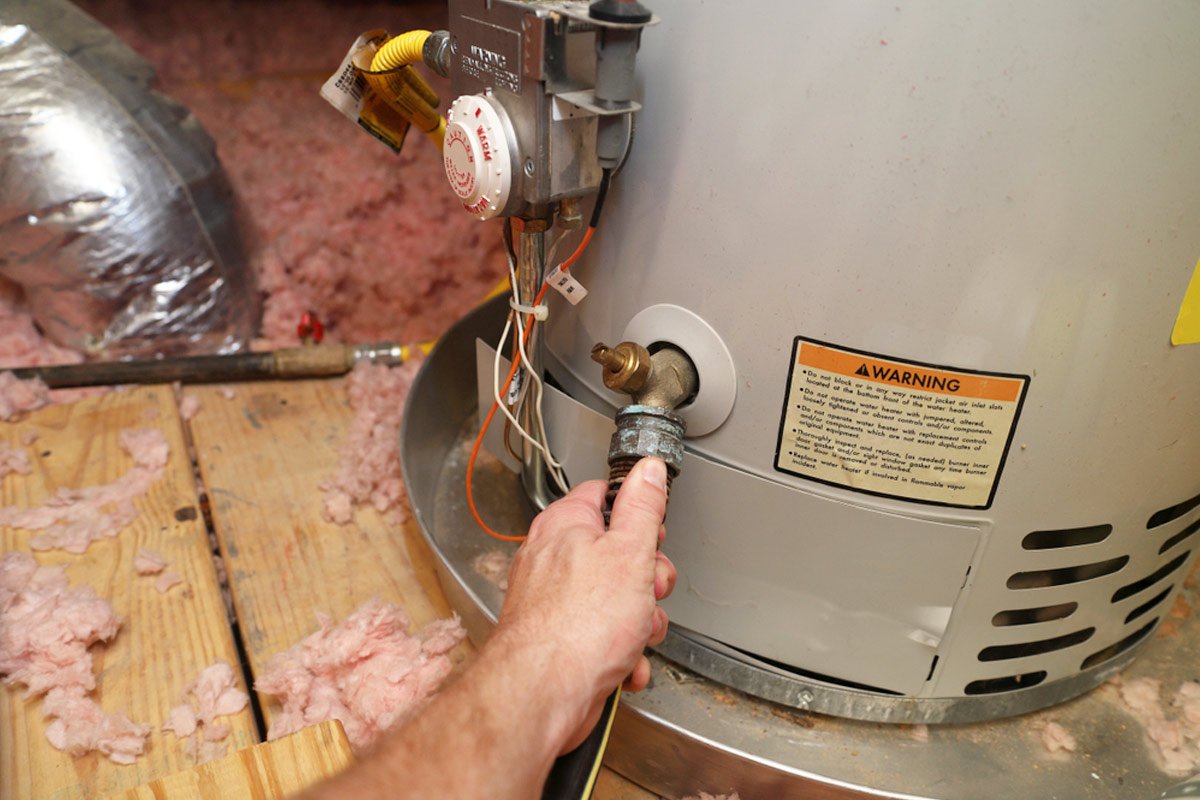
Before comparing prices, find out exactly what the technician will do. A low-cost inspection may involve only a visual check, while a more complete service could include cleaning, testing, and preventive work.
1. Checking for leaks and visible damage
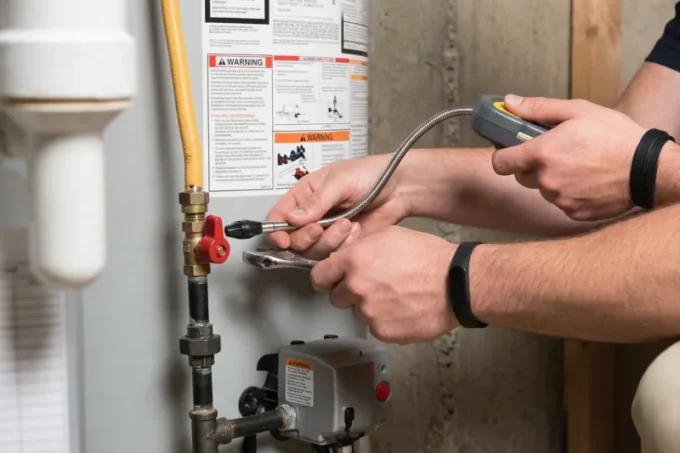
A technician may inspect the tank, pipe connections, valves, and surrounding area for signs of water leakage or corrosion.
Finding a small leak early can prevent damage to nearby walls, floors, and stored belongings. However, a leaking tank itself often needs replacement rather than a simple repair.
2. Inspecting temperature and pressure safety devices
Storage water heaters commonly have a temperature and pressure relief valve. This device helps protect the system if temperature or pressure becomes excessive.
A technician can assess its condition and follow the manufacturer’s recommended inspection procedure. Never block or cap the discharge pipe, and do not attempt an unfamiliar pressure test yourself.
3. Removing sediment or mineral deposits
Minerals can collect inside storage tanks, while scale can build up in tankless heat exchangers.
The correct cleaning method depends on the model. Ask whether flushing or descaling is included in the quoted price or charged separately.
4. Inspecting important components
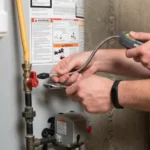
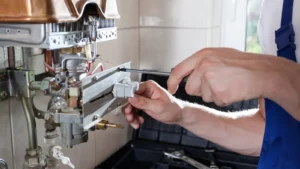
Depending on the heater, service may include checking an anode rod, heating elements, thermostat operation, burner components, venting, or other parts.
Not every inspection includes replacement parts or detailed electrical and combustion testing. Request an itemized description before agreeing to the work.
5. Reviewing overall performance
A professional may ask about inconsistent temperatures, unusual noises, rising energy bills, or reduced hot-water supply.
These details help identify possible problems before they cause a complete breakdown. However, an inspection cannot guarantee that every future fault will be prevented.
Water Heater Service Plans: What Do You Actually Get?
A service plan is an agreement under which a company provides certain inspections, maintenance tasks, repairs, or other services for a recurring fee.
Plans differ widely. Some focus on preventive maintenance, while others offer repair coverage or emergency assistance.
Common types of service plans
Annual maintenance plan: You pay a yearly fee for one or more inspections. Cleaning tasks may be included, depending on the contract.
Repair protection plan: The provider covers specified repairs, subject to exclusions, limits, and other conditions.
Home warranty plan: Water heater protection may be included as part of a broader home systems contract. Coverage varies by provider and plan.
Utility or manufacturer service plan: Some companies offer servicing or protection tied to a particular appliance, product warranty, or utility account.
These arrangements are not interchangeable. A plan that covers an annual inspection may not pay for a replacement heating element, while a repair contract may exclude routine cleaning.
What should a good service plan include?
Before signing up, look for clear answers to these questions:
- Is the annual inspection included?
- Does the plan cover flushing or descaling?
- Are labor and replacement parts included?
- Is there a service-call fee?
- Are emergency or after-hours visits covered?
- Are there annual payment limits?
- Does coverage begin immediately or after a waiting period?
- Are older heaters or pre-existing problems excluded?
- Is replacement covered if the tank develops a leak?
- Can you cancel without a large penalty?
The most important detail is the written coverage, not the sales promise. If the contract says that a component is excluded, a technician’s visit may still leave you paying the full repair bill.
Is a Water Heater Service Plan Worth It?
The answer depends on how much the plan costs and what it protects you against.
A service plan may be useful when it includes maintenance you would otherwise pay for, provides convenient scheduling, or covers expensive eligible repairs. On the other hand, it may offer poor value if it mainly pays for an inexpensive annual inspection.
When a service plan may be worth it
Consider a plan if:
- Your heater requires regular professional servicing.
- The contract covers repairs you are concerned about.
- You prefer predictable household expenses.
- Emergency appointments are expensive in your area.
- The provider has a strong reputation and clear terms.
- You want one company to manage routine maintenance.
For example, suppose a plan costs $180 per year and includes a $120 inspection plus eligible repair coverage. If you would otherwise purchase the inspection anyway, the additional $60 may be reasonable if the repair protection is useful.
However, you still need to consider coverage limits and exclusions before deciding.
When paying for individual service may be better
Paying as needed may be a better choice if:
- Your heater is relatively new and working well.
- The manufacturer’s warranty already covers certain defects.
- You can afford an occasional repair.
- The plan excludes the parts most likely to fail.
- You have access to reasonably priced local technicians.
- The plan charges extra for the maintenance tasks you actually need.
In this situation, setting aside a small amount each month for future repairs may provide more flexibility than paying a provider every year.
How to Calculate Whether a Service Plan Saves Money
A simple calculation can help you compare the options.
First, add the annual plan fee and any extra charges you expect to pay. Next, estimate what you would spend on the same maintenance tasks without the plan.
Then consider the value of any repair coverage, but only for repairs that are genuinely included in the contract.
Example: A $180 annual plan
Imagine that a homeowner is offered a plan costing $180 per year.
The plan includes one inspection, but flushing costs extra. The homeowner could otherwise book an inspection for $120.
| Expense | With plan | Without plan |
| Annual plan or inspection | $180 | $120 |
| Additional flushing | $90 | $90 |
| Total before repairs | $270 | $210 |
In this example, the plan costs $60 more before repairs. The homeowner would need to decide whether the included repair protection or other benefits justify that difference.
Now imagine the plan also covers an eligible $250 repair without an additional service fee. In that case, the contract could provide greater financial value.
However, the result changes if the repair is excluded, the homeowner must pay a deductible, or the claim exceeds a coverage limit.
Compare realistic total costs, not just the monthly payment.
How Maintenance Costs Differ by Water Heater Type
The design of your heater affects the type of service it needs and the potential cost.
Traditional electric water heaters
Electric storage heaters contain heating elements, thermostats, and a tank that may collect sediment.
Electric water heater maintenance can include checking for leaks, inspecting the anode rod, removing sediment when appropriate, and diagnosing electrical components.
Electrical repairs should be performed by a qualified professional. A service plan is most useful when its coverage matches the actual needs of your appliance.
Gas water heaters
Gas storage heaters have additional components, including a burner and combustion system.
Gas water heater maintenance may involve inspecting the venting system, checking burner operation, and confirming that safety components work correctly.
Because gas and combustion faults can create serious risks, choose a qualified technician and avoid attempting gas-line repairs yourself.
Tankless water heaters
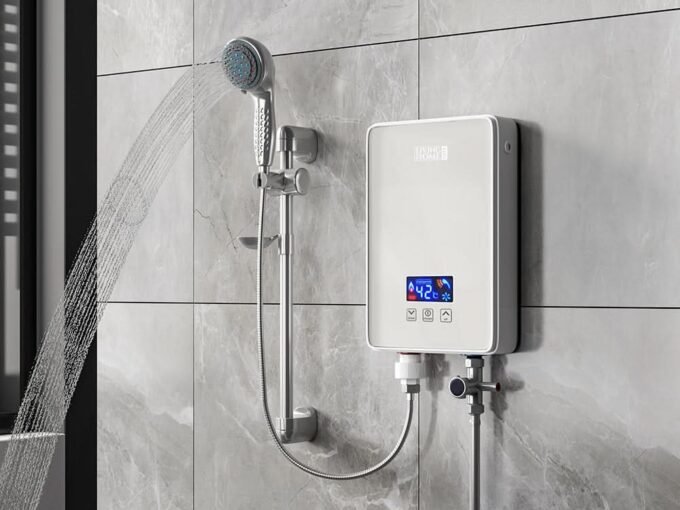
Tankless models heat water on demand rather than storing it in a large tank. They may require periodic filter cleaning and descaling, especially in areas with hard water.
Tankless water heater maintenance can cost more when the system requires specialized flushing equipment or a longer service visit.
Check the manufacturer’s schedule because not every model requires the same procedure or frequency.
Heat pump water heaters
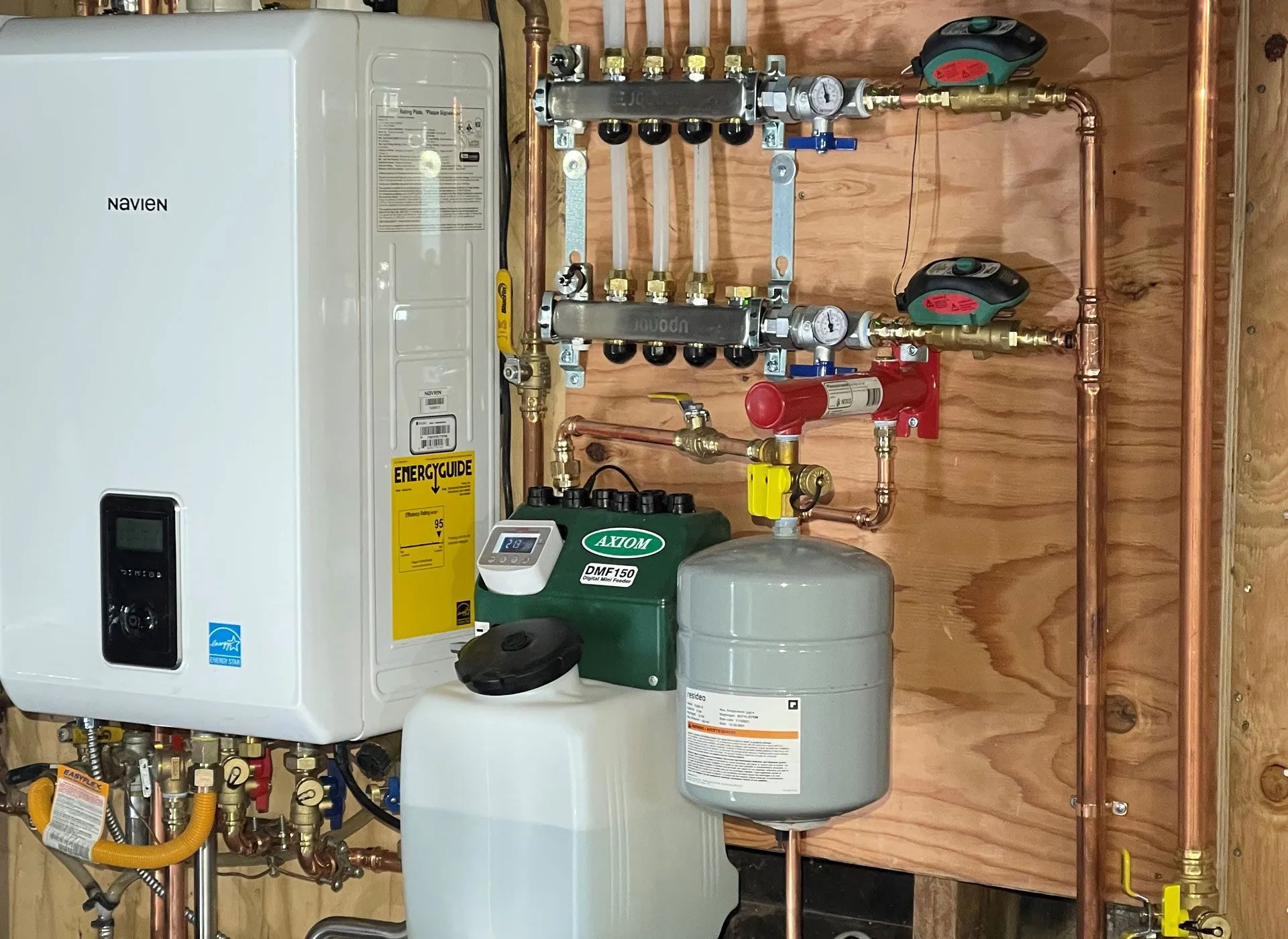
Heat pump models use heat from the surrounding air to warm water. They may include air filters, condensate drainage, and heat pump components in addition to a storage tank.
Heat pump water heater maintenance may include cleaning accessible filters, checking air pathways, inspecting drainage, and arranging professional service for technical components.
When comparing plans, confirm that the provider has experience with your specific system rather than assuming every plumber offers the same level of service.
Seven Ways to Reduce Water Heater Maintenance Costs
You do not need an expensive contract to take sensible steps toward protecting your equipment.
1. Follow the manufacturer’s schedule
Read the owner’s manual and note the recommended service intervals. This helps prevent unnecessary work while ensuring that important tasks are not overlooked.
2. Check for visible leaks
Look around the heater and accessible pipe connections each month. If you notice water, identify the source promptly rather than waiting for the next scheduled inspection.
3. Monitor changes in performance
Pay attention to unusual noises, fluctuating temperatures, and a sudden drop in hot-water supply. Record recurring symptoms so the technician has useful information.
4. Understand your water quality
Hard water can increase mineral buildup. A water test can help you decide whether treatment or more frequent descaling is appropriate.
5. Compare several quotes
Contact at least two or three reputable providers when the job is not urgent. Ask each provider to quote the same tasks so you can compare prices fairly.
6. Check your existing warranty
Before purchasing a separate plan, review the manufacturer’s warranty and any existing home warranty. You may already have protection for certain defects or components.
Remember that warranties often distinguish manufacturing defects from normal wear, routine maintenance, and installation problems.
7. Avoid unnecessary replacements
A faulty thermostat or heating element does not automatically mean the entire water heater needs replacement. Ask for a diagnosis and an explanation of the repair options.
At the same time, do not keep repairing a badly corroded tank without considering replacement. A tank that is leaking from its body usually cannot be restored by routine servicing.
Questions to Ask Before Buying a Service Plan
A few direct questions can reveal whether a contract offers real value.
- What exactly is included? Request a written list of maintenance tasks and covered repairs.
- Are parts and labor included? Some plans cover labor but require you to pay for components.
- Is there a deductible or call-out fee? Small charges can add up over several visits.
- Are older units covered? Age limits may exclude the appliances most likely to need repairs.
- What happens if the heater cannot be repaired? Replacement coverage may be limited or excluded.
- Can I choose my own technician? Some plans require you to use the provider’s approved network.
- How do I cancel? Check the renewal date, notice period, and cancellation fees.
Ask for the complete contract before paying. If the provider cannot explain an important exclusion clearly, consider another option.
When Should You Repair or Replace Your Water Heater?
Maintenance plans cannot make an aging appliance last forever. Sometimes the best way to control long-term costs is to decide whether continued repairs make financial sense.
Repair may be reasonable when the heater is in good condition and the problem involves a replaceable component.
Replacement deserves consideration when the tank leaks, repairs are becoming frequent, or parts are difficult to obtain. Efficiency, household hot-water demand, installation expenses, and the expected life of a new model should all factor into the decision.
For example, spending money on a small repair may be sensible for a relatively new unit. However, paying repeatedly for major faults in an old heater may cost more than investing in a suitable replacement.
Ask a qualified professional to explain the condition of the equipment and provide an itemized repair estimate before making a decision.
Conclusion
Choosing a water heater service plan is not simply a question of whether maintenance is important. It is a question of whether the contract provides enough useful service and repair protection to justify its price.
Compare the annual fee, included tasks, deductibles, repair limits, and exclusions. Then weigh those details against the price of individual maintenance visits and your ability to handle an unexpected bill.
For some homeowners, a service plan offers convenience and predictable costs. For others, following the manufacturer’s maintenance schedule and paying for professional service when needed is the better choice.
The smartest approach is to compare the full cost, understand the coverage, and choose the option that fits your water heater and budget.
Frequently Asked Questions
1. How much does water heater maintenance usually cost?
A basic inspection may cost around 75–150 in the illustrative US price ranges above. Flushing, descaling, replacement parts, and repairs can increase the total. Local quotes provide the best estimate.
2. Is an annual water heater service plan worth it?
It can be worthwhile if the plan includes useful maintenance and meaningful repair coverage. Compare the annual fee with individual service prices and read the exclusions before enrolling.
3. How often should a water heater be serviced?
Follow the manufacturer’s instructions. Many homeowners arrange periodic professional inspections, while flushing, descaling, and component checks depend on the heater type and local water conditions.
4. Does a home warranty cover water heater repairs?
Some home warranties cover certain water heater failures, but exclusions, coverage limits, deductibles, and age restrictions vary. Review the contract to understand exactly what is protected.
5. Is it cheaper to repair or replace a water heater?
A repair may be cheaper when the unit is in good condition and the fault is minor. Replacement may offer better long-term value when the tank leaks or major repairs keep recurring.







Leave a comment