


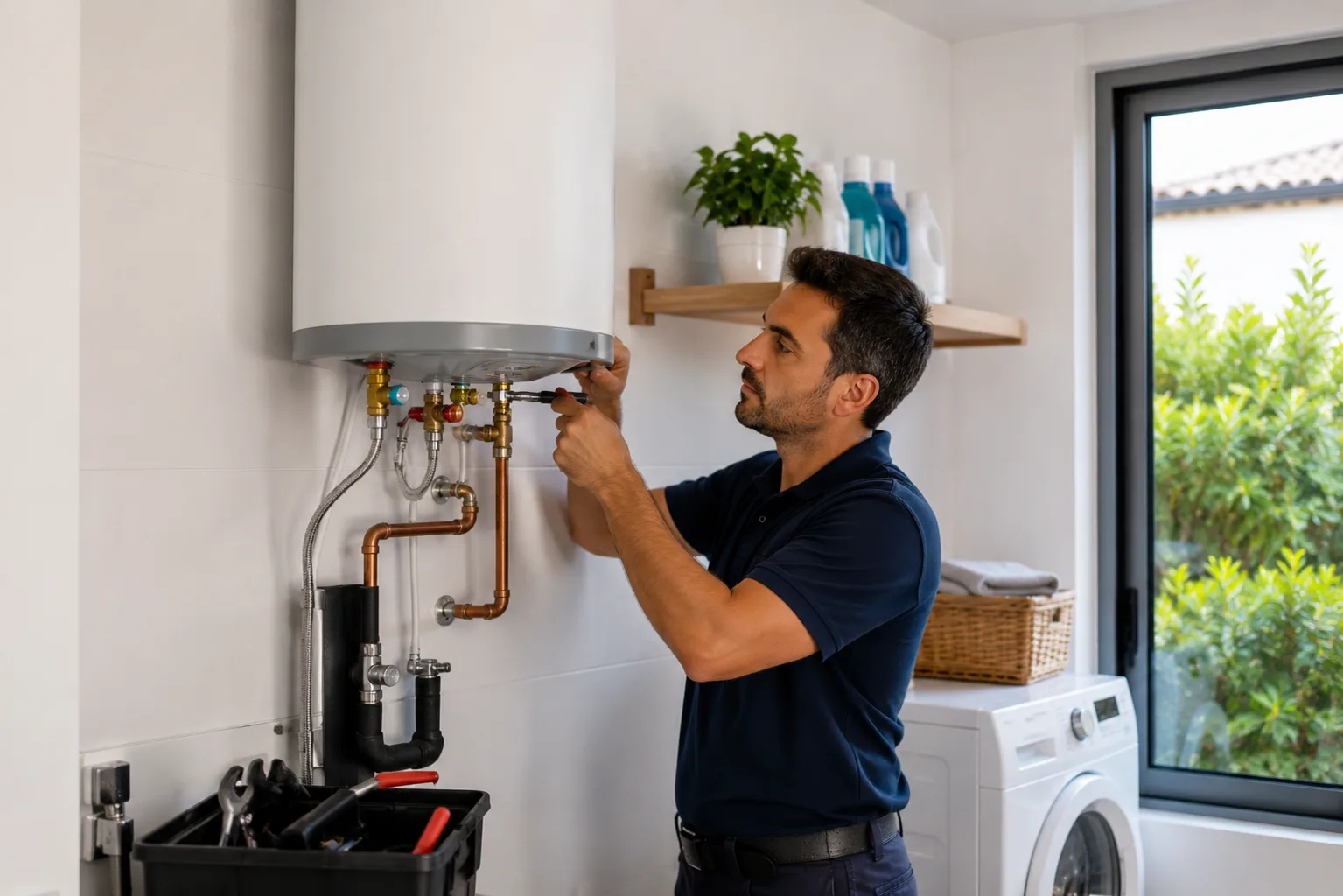
Have you ever stepped into the shower expecting warm water, only to find it cold? A gas water heater that suddenly stops working can disrupt your entire routine. However, many common problems can be reduced with proper care.
Gas water heater maintenance helps protect important components, supports safe operation, and may extend the useful life of your equipment. Although every water heater eventually wears out, regular inspections can help you identify minor issues before they turn into expensive repairs.
Your system needs more than an occasional glance. Sediment can collect inside the tank, corrosion can affect metal parts, and ventilation problems can interfere with safe operation. Fortunately, you do not need to be a plumbing expert to recognize early warning signs.
In this guide, you will learn how maintenance works, which tasks homeowners can handle, when to contact a professional, and how to keep your gas water heater performing reliably for years.
Why Gas Water Heater Maintenance Matters
A gas water heater uses a burner to heat water stored inside an insulated tank or, in a tankless model, flowing through a heat exchanger.
Over time, mineral deposits, repeated heating cycles, and normal wear can affect its performance. Regular servicing helps you monitor these changes and respond before they cause major trouble.
1. It Helps Prevent Premature Wear
A traditional gas water heater contains several parts that can wear out, including the burner assembly, thermostat or gas control, anode rod, and temperature and pressure relief valve.
When one component begins to fail, it can affect the operation of the entire system. For example, a worn anode rod may no longer protect the tank effectively against corrosion.
Routine inspections help identify parts that need attention. Replacing a worn component at the right time may prevent more extensive damage.
2. It Supports Better Energy Efficiency
A gas water heater needs to transfer heat from the burner to the water. When mineral deposits collect at the bottom of a storage tank, they may interfere with heat transfer and contribute to rumbling or popping noises.
The burner, thermostat, and venting system also need to operate as intended.
Proper servicing can help address these issues and maintain performance. Nevertheless, maintenance cannot fully compensate for an outdated or inefficient model.
3. It Helps Reduce Unexpected Repair Bills
A small problem is often easier to address than a major failure.
For example, a faulty temperature sensor or gas control may cause inconsistent heating. If the issue is ignored, you may experience repeated interruptions or additional component stress.
An inspection can help a technician identify the cause and recommend a suitable repair.
4. It Protects Household Safety
Gas appliances require correct combustion, proper ventilation, and functioning safety controls. A blocked vent or damaged connection can create a serious hazard.
Professional servicing helps identify problems that are not always visible to homeowners.
Moreover, maintaining working carbon monoxide alarms provides an additional layer of protection. Maintenance and alarms serve different purposes, so one should never be treated as a substitute for the other.
How Gas Water Heater Maintenance Extends Its Lifespan
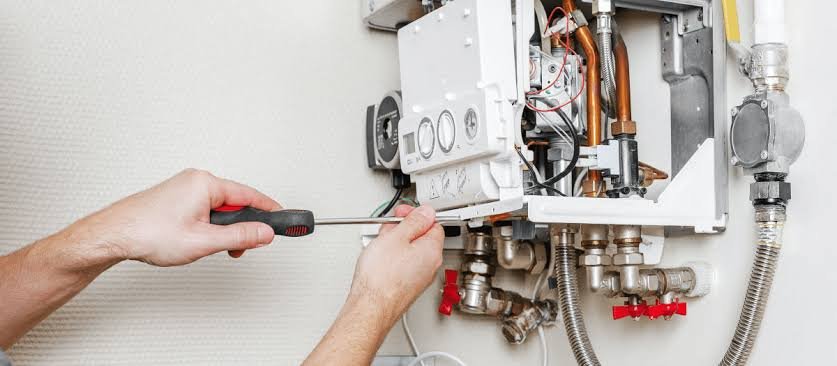
A well-maintained water heater may remain useful for many years, although its actual lifespan depends on water quality, installation, usage, and equipment quality.
Many conventional tank-style gas water heaters last roughly 8–12 years, but some fail earlier while others last longer. This range is a general estimate rather than a guarantee.
The following maintenance tasks can help protect your investment.
Inspect the Anode Rod
The anode rod is a metal component designed to corrode in place of the steel tank. This process helps protect the tank’s interior from rust.
Over time, the rod wears down. If it becomes heavily depleted, the tank may become more vulnerable to corrosion.
A qualified technician can inspect the rod and replace it when necessary. The inspection interval depends on the manufacturer’s guidance and local water conditions.
Why it matters: Replacing a depleted anode rod at the right time may help protect the tank from premature failure.
Remove Sediment When Needed
Minerals naturally present in water can settle at the bottom of a storage tank. This is especially relevant in areas with hard water.
As deposits accumulate, the heater may make popping or rumbling sounds. Sediment can also affect heating performance.
Some manufacturers recommend periodic tank flushing. However, the right frequency depends on the model, water quality, and service history.
If your heater is old, has never been flushed, or shows signs of corrosion, consult a professional before attempting this task. Hot water can cause severe burns, and improper draining may damage equipment or cause leaks.
Check the Temperature Setting
A temperature setting of around 120°F (49°C) is common in many households because it can help balance comfort, energy use, and scald prevention.
However, the appropriate setting depends on the household and the system’s design. Some systems need higher storage temperatures to manage bacterial risks, together with a suitable mixing valve to reduce the temperature delivered to taps.
Follow the manufacturer’s instructions and applicable health guidance. Avoid raising the setting simply because the water seems slow to heat; the underlying problem may require repair.
Keep the Tank and Connections Dry
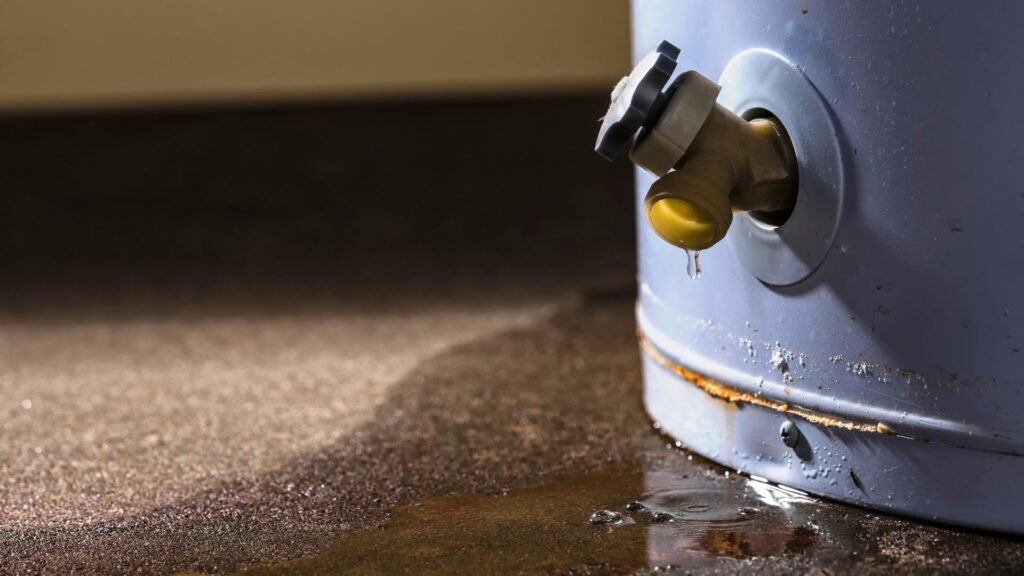
Water around the base of a gas water heater should never be ignored.
Check the visible pipe connections, shutoff valve area, and floor around the unit. Rust marks, persistent moisture, or water dripping from the tank may indicate a problem.
A leaking connection may be repairable, but a leaking tank body usually means the unit needs replacement.
In addition, avoid storing items against the heater. Keep the required clearance around the appliance and maintain access for inspection and servicing.
Gas Water Heater Maintenance Checklist
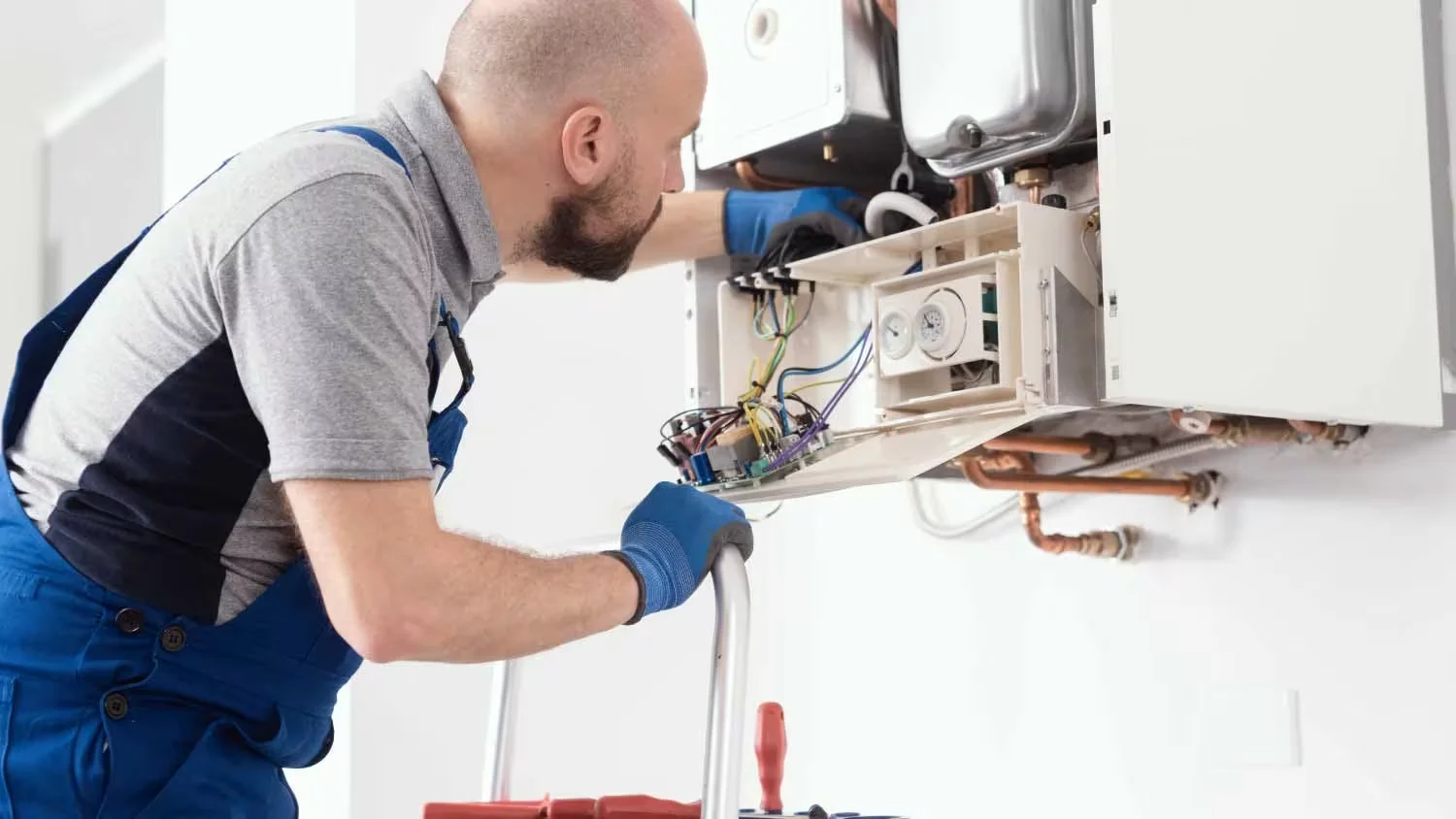
A practical maintenance routine does not need to be complicated. The goal is to identify visible changes and arrange professional service when necessary.
Monthly Visual Checks
Take a few minutes to look at the unit and its surroundings.
- Check for water around the base.
- Look for corrosion on visible pipes and fittings.
- Make sure the area around the heater is clear.
- Check for unusual sounds or changes in hot water supply.
- Look for error indicators or warning lights, if your model has them.
- Confirm that carbon monoxide alarms are working according to their instructions.
These checks do not replace a professional inspection. Instead, they help you notice problems between service visits.
Annual Professional Inspection
Follow the manufacturer’s service schedule. If an annual inspection is recommended, have a qualified technician assess the system.
Depending on the model and condition, the visit may include:
- Inspecting the burner and gas control.
- Checking the venting system.
- Assessing the anode rod.
- Reviewing the temperature and pressure relief valve.
- Checking for leaks and corrosion.
- Evaluating combustion and safety controls.
- Recommending sediment removal when appropriate.
Not every unit needs every task at the same interval. A good technician should explain which checks are necessary for your specific model.
Warning Signs Your Gas Water Heater Needs Attention
A water heater often gives clues before it stops working completely. Recognizing them early can help you avoid an emergency.
Water Is Not Getting Hot Enough
If the water stays lukewarm or takes longer than usual to heat, several issues may be responsible.
Possible causes include a faulty thermostat or gas control, burner problems, excessive demand, or sediment buildup.
Do not assume that increasing the temperature will solve the problem. A professional can check the system and determine whether a repair is needed.
The Heater Makes Popping or Rumbling Sounds
Sediment can trap water near the heated surface, producing noise as the water heats.
However, not every sound indicates sediment. Expansion, flow changes, and other mechanical issues may also cause unusual noises.
If the sounds are new or persistent, arrange an inspection rather than attempting to dismantle the appliance.
You Notice Rusty Water
Brown or rusty hot water may indicate corrosion inside the tank or problems in the household plumbing.
Compare the hot and cold water supply. If discoloration appears only in hot water, the water heater may be involved, although this is not conclusive.
A plumber can investigate the source and advise whether repair or replacement is appropriate.
The Burner Does Not Stay Lit
A burner that repeatedly shuts off may have a problem with its ignition system, gas control, safety sensor, or air supply.
These parts should be checked by a qualified professional. Do not bypass safety controls or attempt unapproved burner adjustments.
You Smell Gas or Suspect Carbon Monoxide
These are safety emergencies, not routine maintenance issues.
If you smell gas, avoid flames and electrical switches, leave the building, and contact your gas utility or emergency service from a safe location.
Carbon monoxide has no smell or color. If a carbon monoxide alarm sounds or anyone develops symptoms such as headache, dizziness, nausea, or confusion while exposure is possible, leave immediately and contact emergency services.
Never continue using a suspect appliance until it has been assessed and declared safe.
How to Maintain Different Water Heater Systems
Although this article focuses on gas models, understanding other systems can help homeowners choose the right care routine.
Tank vs. Tankless Water Heaters
Traditional tank models store heated water. Their maintenance may include checking the anode rod and arranging sediment removal.
By contrast, tankless systems heat water as it flows through a heat exchanger. Mineral buildup can restrict performance, especially in areas with hard water.
Tankless water heater maintenance may include descaling and cleaning an inlet filter according to the manufacturer’s instructions.
The main difference is that tank models need attention to tank corrosion and stored-water sediment, while tankless models often need particular attention to mineral buildup inside the heat exchanger.
Electric Water Heaters
Electric systems use heating elements instead of a gas burner.
Electric water heater maintenance can include checking for leaks, monitoring heating performance, and inspecting electrical connections, thermostats, and heating elements when required.
Because electrical components can be dangerous around water, internal repairs should be handled by a qualified professional.
Heat Pump Water Heaters
Heat pump models draw heat from the surrounding air and use it to warm water.
Heat pump water heater maintenance may involve cleaning an accessible air filter, keeping airflow openings clear, checking condensate drainage, and arranging service according to the manufacturer’s schedule.
These systems have different components and service needs from gas models, so their maintenance procedures should not be interchanged.
What Affects Gas Water Heater Maintenance Cost?
The water heater maintenance cost varies with the type of appliance, its condition, local labor rates, and the work required.
A basic inspection generally costs less than a visit involving component replacement or extensive cleaning.
Your overall expenses may include:
- Routine inspection: Checking visible connections, operation, and safety features.
- Sediment removal: Flushing the tank when recommended.
- Anode rod replacement: Replacing a depleted corrosion-protection component.
- Component repair: Addressing problems with controls, ignition, or valves.
- Major repairs: Correcting significant venting or burner issues.
- Replacement: Installing a new water heater when repairs are no longer practical.
Ask for an itemized quote before agreeing to work. It should explain labor, parts, and any additional charges.
A useful way to compare options is to consider both immediate repair expenses and the likely future cost of operating an aging unit.
For example, repairing a relatively new heater may be sensible, while repeated repairs on an old, corroded tank may not offer good value.
Common Maintenance Mistakes to Avoid
Even well-intentioned homeowners can accidentally damage a water heater or create a safety risk.
Ignoring Small Leaks
A little moisture around a fitting may seem unimportant. However, ongoing leaks can damage flooring, encourage corrosion, and signal a failing connection.
Identify the source promptly instead of placing a container underneath and forgetting about it.
Blocking Ventilation
Gas water heaters need the correct air supply and exhaust arrangements.
Never block vents, cover air openings, or store combustible materials in areas where they are prohibited. Follow the required clearances in the manufacturer’s instructions.
Adjusting Gas Components Yourself
Burner assemblies, gas valves, and combustion settings require specialized knowledge.
Incorrect adjustments can cause unsafe operation. Leave these tasks to qualified technicians.
Skipping Maintenance Because the Heater Still Works
A water heater can continue producing hot water while a component gradually wears out.
For example, an anode rod may be depleted even when the tank appears to work normally. Following the service schedule helps address components that cannot be assessed through daily use alone.
Following the Same Schedule for Every Model
Maintenance needs vary with water hardness, age, model design, and household demand.
Use the manufacturer’s manual as your primary reference instead of assuming that one universal schedule applies to every appliance.
A Simple Plan for Long-Term Water Heater Care
You can make maintenance easier by keeping a basic service record.
Write down the installation date, model number, warranty details, inspection dates, and any repairs. Save receipts and ask the technician to note components that may need attention during the next visit.
Then follow three simple habits:
- Observe: Check for leaks, unusual sounds, and changes in hot water performance.
- Maintain: Follow the recommended service schedule for your specific model.
- Respond: Arrange professional help when warning signs appear.
This approach is more useful than waiting for the heater to fail and then trying to solve the problem urgently.
Conclusion: Small Steps Can Help Your Water Heater Last Longer
A gas water heater works hard every day, but it does not need complicated attention from homeowners all the time. Consistent visual checks, suitable professional servicing, and timely repairs can help reduce avoidable wear and support reliable operation.
Pay particular attention to sediment, the anode rod, ventilation, gas safety, and signs of leakage. Most importantly, never attempt to repair gas connections or disable safety devices yourself.
Every water heater has a limited lifespan. Nevertheless, a practical maintenance routine can help you get the most from your equipment while protecting your home.
The best time to care for your water heater is before a small problem becomes an expensive emergency.
Frequently Asked Questions
1. How often should a gas water heater be serviced?
Follow the manufacturer’s maintenance schedule. Many homeowners arrange periodic professional inspections, often annually when recommended, while tasks such as sediment removal and anode rod checks depend on the model and water conditions.
2. How long does a gas water heater usually last?
Many conventional tank-style gas water heaters last around 8–12 years. Proper installation and maintenance may help extend useful life, but water quality, usage, and equipment condition also matter.
3. Does flushing a gas water heater make it last longer?
Removing sediment when recommended can help maintain performance and reduce certain problems. However, flushing cannot reverse tank corrosion, and improper flushing can cause damage or injury.
4. What is the most important part of gas water heater maintenance?
There is no single task that matters most for every model. Corrosion protection, ventilation, gas safety, leak checks, and following the manufacturer’s servicing schedule all play important roles.
5. When should I replace my gas water heater instead of repairing it?
Consider replacement when the tank itself leaks, serious corrosion is present, or repeated repairs become expensive. Compare repair estimates, the unit’s age, warranty coverage, and expected future operating costs before deciding.







Leave a comment