


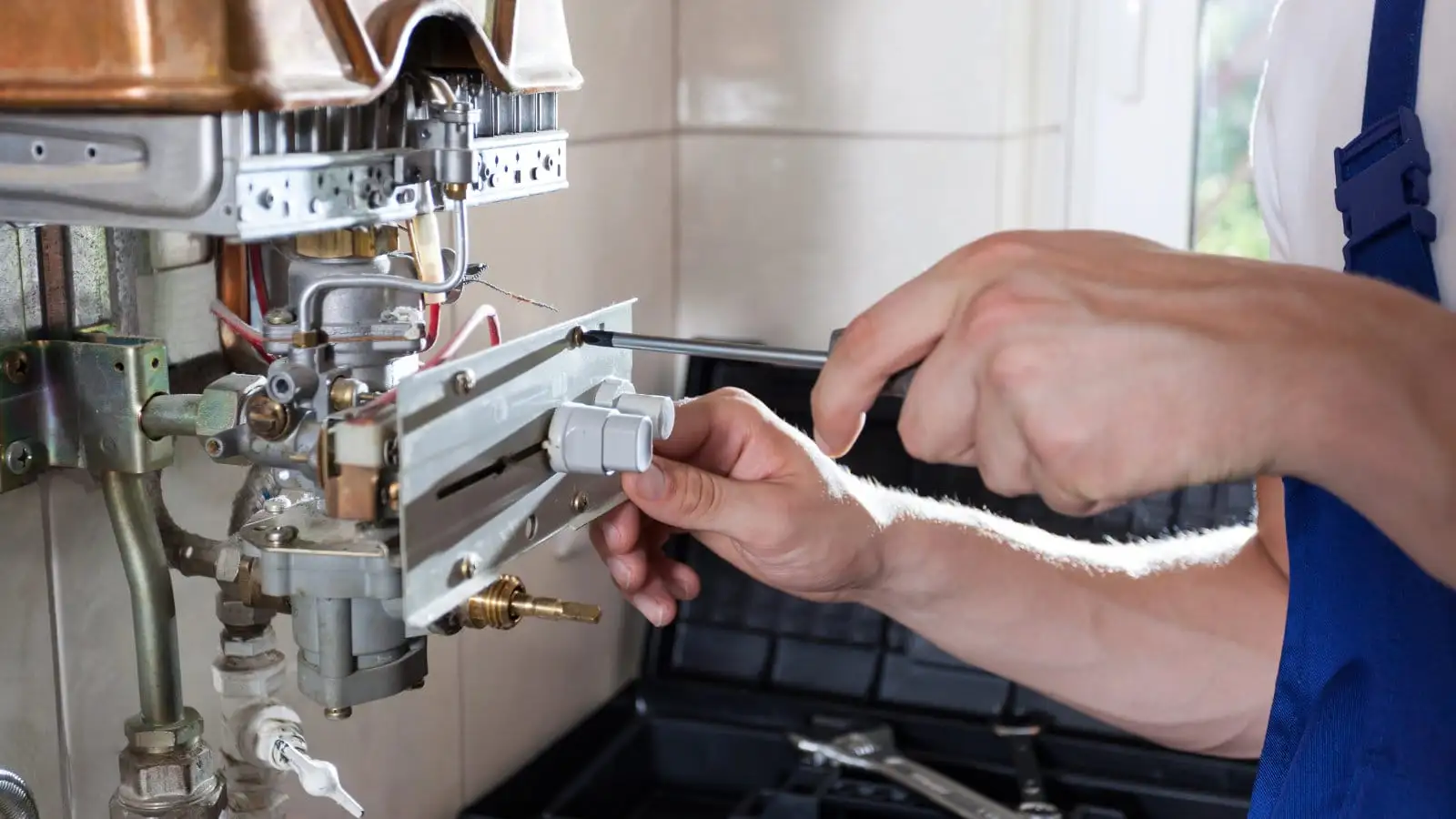
Have you ever turned on the shower expecting warm water, only to find it unexpectedly cold? A water heater problem can disrupt your daily routine, increase energy bills, and lead to expensive repairs. Fortunately, regular water heater maintenance can help you avoid many common issues before they become serious.
Your water heater works behind the scenes every day. Over time, however, mineral deposits, worn parts, loose connections, and normal use can affect its performance.
The good news is that maintaining your system does not always require complicated tools or professional help. Some tasks, such as checking for leaks and keeping the surrounding area clear, are simple enough for most homeowners.
In this guide, you will learn how to care for your water heater throughout the year, identify early warning signs, and understand when professional service is the safer choice.
Why Is Water Heater Maintenance Important?
A water heater is one of the most frequently used appliances in a home. It supplies hot water for showers, laundry, dishwashing, and cleaning. When it stops working properly, several everyday activities become difficult.
Regular maintenance helps keep the system in good condition and allows you to spot problems before they lead to major damage.
1. It Helps Prevent Unexpected Breakdowns
Small issues can develop slowly. For example, a minor leak around a fitting may seem harmless at first, but it can damage nearby floors or walls if ignored.
Likewise, sediment can collect inside a storage tank, affecting heating performance and sometimes causing popping or rumbling sounds.
Routine inspections help you notice these changes early and arrange repairs before the problem becomes more serious.
2. It Can Improve Energy Efficiency
Minerals in hard water can settle inside a storage water heater. A thick layer of sediment may reduce heat transfer and contribute to inefficient operation.
Keeping the system clean and following the manufacturer’s service recommendations can help it operate as intended.
However, maintenance cannot restore every aging unit to its original efficiency. If your water heater is old, poorly insulated, or damaged, replacement may offer better long-term savings.
3. It May Extend Equipment Life
Water heaters experience wear from repeated heating cycles, water pressure, and mineral exposure. Components such as heating elements, thermostats, valves, and anode rods may eventually need attention.
Regular inspections help identify parts that require repair or replacement. Although maintenance cannot guarantee a specific lifespan, it may help prevent avoidable damage.
4. It Helps Protect Your Home
A leaking water heater can cause significant property damage. In some cases, faulty gas connections, electrical problems, or excessive pressure can also create safety hazards.
Moreover, a properly maintained system is easier to monitor for unusual smells, sounds, temperature changes, and leaks.
Water Heater Maintenance Tasks Every Homeowner Should Know
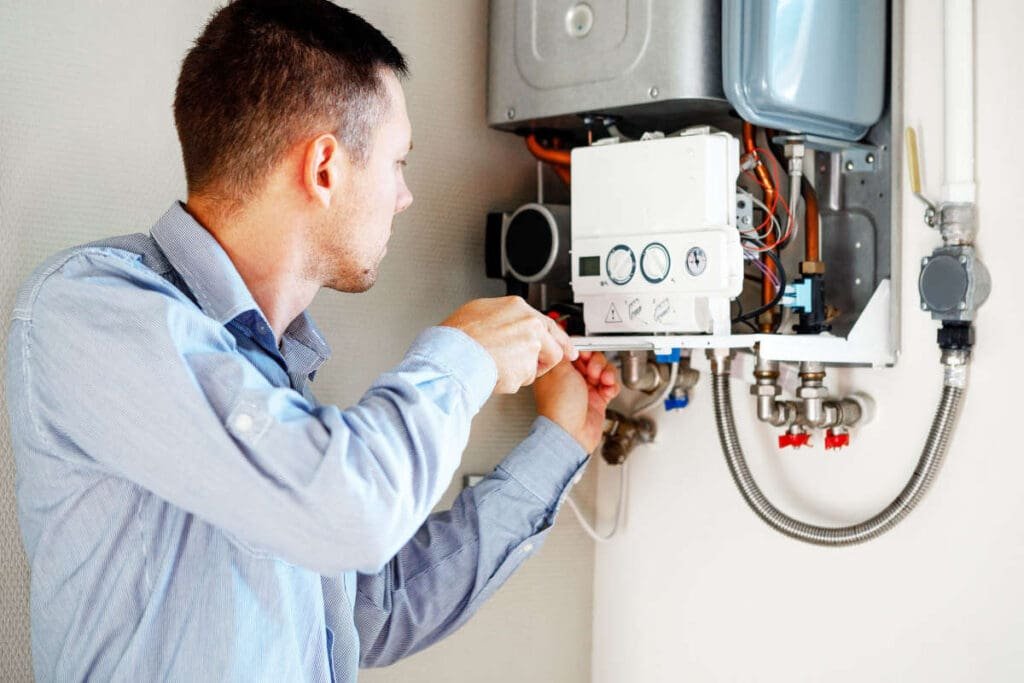
You do not need to take the entire unit apart to look after it. Instead, begin with simple visual checks and leave technical work to qualified professionals.
Check for Leaks and Corrosion
Inspect the floor around your water heater, its visible pipes, and the connections near the unit.
Look for:
- Water pooling beneath the tank.
- Rust-colored marks around fittings.
- Corrosion on visible pipes.
- Moisture around the temperature and pressure relief valve.
- Damp walls or flooring nearby.
A little condensation may occur under certain conditions, but persistent moisture deserves attention.
If the tank itself is leaking, replacement is often necessary. Do not attempt to seal a leaking tank with household glue or similar products.
Listen for Unusual Sounds
A water heater may make occasional operating noises. However, loud popping, rumbling, banging, or persistent hissing can indicate a problem.
For example, popping sounds in a storage tank may be caused by water moving through sediment deposits during heating.
Nevertheless, sounds can have several causes. Ask a qualified technician to inspect the system if the noise is new, loud, or persistent.
Inspect the Temperature Setting
Many households use a setting of approximately 120°F (49°C) as a balance between comfort, energy use, and scald prevention.
However, the safest setting depends on the household, the system design, and any risk of harmful bacteria growing in stored water. Some systems require higher storage temperatures and a properly designed mixing valve.
Follow the manufacturer’s instructions and applicable local guidance. Households with young children, older adults, or people with reduced temperature sensitivity should pay particular attention to scald prevention.
Keep the Area Around the Unit Clear
Do not store boxes, cleaning products, or other household items directly against your water heater.
Gas appliances need the correct ventilation and required clearances. Electric and heat pump models also need the space specified by their manufacturers.
Keeping the area clear makes inspections easier and helps reduce certain fire and ventilation risks.
A Seasonal Water Heater Maintenance Checklist
The changing seasons offer a useful reminder to inspect your hot water system. You do not need to perform every task every season; instead, combine simple checks with the service schedule recommended for your model.
Spring: Check for Leaks and Winter Damage
Spring is a good time to inspect the plumbing around your water heater after colder weather.
Focus on these tasks:
- Look for leaks around pipes and fittings.
- Check visible insulation for damage.
- Inspect the floor and surrounding walls for moisture.
- Review any warning lights or error codes.
- Arrange professional servicing if the unit behaved unusually during winter.
If your water heater is located in a garage or another area exposed to freezing temperatures, ask a professional to check for damage to vulnerable pipes.
Summer: Review Energy Use and Hot Water Demand
Warmer weather can change how your household uses hot water. You may also notice changes in energy consumption.
Check the thermostat setting and review your recent energy bills. If your hot water seems inconsistent, investigate rather than automatically raising the temperature.
Summer is also a convenient time to arrange routine servicing before colder weather increases demand.
Fall: Prepare for Higher Hot Water Use
As temperatures drop, many households use more hot water. Fall is therefore a practical time to check whether your system is ready for increased demand.
Inspect visible connections, confirm that the area around the unit is clear, and look for signs of corrosion.
If your system has not been serviced according to the manufacturer’s schedule, consider arranging an inspection before winter.
Winter: Watch for Freezing and Performance Problems
Cold weather can place extra demands on plumbing systems, especially when pipes run through garages, basements, crawl spaces, or exterior walls.
During winter:
- Keep vulnerable pipes protected according to local requirements.
- Watch for slower hot water recovery.
- Check for leaks after unusually cold weather.
- Avoid blocking the air intake or exhaust of appliances.
- Contact a professional if you suspect frozen or damaged pipes.
Never use an open flame to thaw a pipe. If you suspect a leak or freezing-related damage, shut off the appropriate supply if it is safe to do so and seek professional help.
Water Heater Maintenance for Different Systems
Not every water heater works in the same way. Consequently, the right maintenance routine depends on whether your home uses a storage tank, tankless unit, gas appliance, electric model, or heat pump system.
Tank Water Heater Maintenance
Traditional storage water heaters hold a supply of heated water in an insulated tank.
Over time, minerals can settle at the bottom, particularly in areas with hard water. Many manufacturers recommend periodic flushing, but the correct frequency depends on water quality, model design, and usage.
Important maintenance tasks include:
- Checking the tank and fittings for leaks.
- Monitoring unusual operating noises.
- Inspecting the anode rod according to the manufacturer’s schedule.
- Arranging sediment removal when recommended.
- Having safety devices inspected by a qualified technician.
Flushing a tank involves hot water and potentially high pressure. If you are unfamiliar with the process, ask a professional to perform it.
Tankless Water Heater Maintenance
Tankless units heat water as it passes through the system rather than storing a large volume in a tank.
Although they avoid some tank-related issues, mineral buildup can still affect their heat exchangers, especially in hard-water areas.
Tankless water heater maintenance may include descaling, cleaning accessible inlet filters, checking error codes, and inspecting ventilation or combustion components where applicable.
The recommended descaling interval varies by manufacturer and water hardness. Use only approved procedures and products, and hire a qualified technician if you are unsure how to service the unit safely.
Gas Water Heater Maintenance
Gas water heaters use a burner to heat water. They require particular attention to combustion, ventilation, and gas safety.
Routine gas water heater maintenance should include professional checks of the burner, venting system, gas connections, and relevant safety controls.
Homeowners can visually inspect the area for leaks or damage, but they should not dismantle gas components or adjust combustion settings.
If you smell gas, do not operate electrical switches or use a flame. Leave the area and contact your gas utility or emergency service from a safe location.
Carbon monoxide is another serious concern. Maintain working carbon monoxide alarms in the locations recommended by local safety guidance.
Electric Water Heater Maintenance
Electric models use heating elements and thermostats instead of a gas burner.
Electric water heater maintenance can include checking for leaks, monitoring temperature consistency, and having the heating elements, thermostats, wiring, and electrical connections inspected when needed.
Electrical components must be isolated from power before service. Because water and electricity create a dangerous combination, leave internal repairs to a qualified professional.
Do not remove access panels or attempt to replace a heating element unless you have the necessary training and can follow the manufacturer’s safety procedures.
Heat Pump Water Heater Maintenance
Heat pump water heaters use heat from surrounding air to warm water, which can make them more energy-efficient than conventional electric resistance models under suitable conditions.
However, they also contain air filters, fans, and heat pump components that need attention.
Heat pump water heater maintenance may involve cleaning the air filter, keeping air inlets and outlets clear, checking condensate drainage, and arranging inspections according to the manufacturer’s schedule.
Restricted airflow can reduce performance. Therefore, avoid placing objects near the unit’s air intake or exhaust.
Understanding the Temperature and Pressure Relief Valve
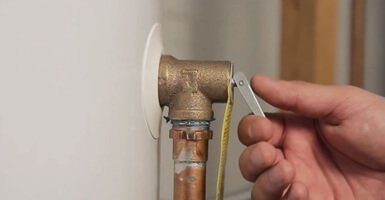
The temperature and pressure relief valve, often called the T&P valve, is a key safety component on many storage water heaters.
It is designed to release water when temperature or pressure exceeds its permitted limits. A faulty valve can compromise the system’s safety.
What Should Homeowners Check?
Look for visible signs of leakage around the valve and its discharge pipe. The discharge outlet should not be blocked, capped, or altered.
A small amount of water around the valve may indicate a problem that needs investigation. It should not automatically be dismissed as normal.
Testing procedures vary by model, and operating a valve can release scalding water. Follow the manufacturer’s instructions or have a qualified plumber inspect it.
If the valve leaks continuously, do not plug it or disable it. Arrange professional service promptly.
Warning Signs Your Water Heater Needs Professional Attention
Your water heater may show signs of trouble before it stops working completely.
Watch for these common symptoms:
| Warning sign | Possible cause |
| Water takes longer to heat | Heating element, burner, sediment, or capacity issue |
| Hot water runs out quickly | High demand, incorrect settings, or equipment problems |
| Rust-colored hot water | Corrosion or plumbing-related issues |
| Water around the base | Loose connection, valve issue, or leaking tank |
| Popping or rumbling | Possible sediment buildup |
| Unexpected temperature changes | Thermostat, heating, or mixing valve problem |
| Rising energy bills | Increased demand, efficiency loss, or another household issue |
These symptoms do not always point to one specific fault. For example, rusty water may come from household pipes rather than the water heater itself.
A professional can identify the source and recommend the right repair.
When Is Replacement Better Than Repair?
Age alone does not determine whether a water heater needs replacement. Its condition, repair history, energy use, and availability of replacement parts also matter.
However, a storage tank with a leaking body usually cannot be repaired reliably. Repeated failures, serious corrosion, and expensive component problems may also make replacement more practical.
Ask for a comparison of the expected repair cost, replacement cost, warranty coverage, and likely future operating expenses before deciding.
How Much Does Water Heater Maintenance Cost?
The water heater maintenance cost depends on the type of system, the work required, local labor rates, and the condition of the equipment.
A simple inspection may cost much less than a service visit involving descaling, sediment removal, replacement parts, or repairs.
For planning purposes, consider the following categories rather than relying on one universal price:
- Routine inspection: Checking the unit, visible connections, and basic operation.
- Preventive servicing: Tasks such as flushing a tank or descaling a tankless unit.
- Component replacement: Replacing a worn valve, anode rod, heating element, or other serviceable part.
- Major repair: Addressing significant electrical, gas, control, or heat pump problems.
- Full replacement: Installing a new unit, which may also involve plumbing, venting, electrical, or code upgrades.
Request an itemized estimate before authorizing work. The estimate should explain labor, parts, and any additional charges.
Remember that the cheapest service is not always the best value. Qualified technicians, suitable replacement parts, and correct safety procedures can help prevent repeat problems.
DIY Maintenance or Professional Service?
Some maintenance tasks are suitable for homeowners, while others require specialized knowledge.
Tasks You Can Usually Do Yourself
Provided the manufacturer’s instructions allow it, you can generally:
- Inspect visible pipes and connections for leaks.
- Keep the area around the unit clear.
- Clean an accessible heat pump air filter as directed.
- Monitor hot water performance.
- Check warning lights and error codes.
- Test carbon monoxide alarms according to their instructions.
These simple checks help you recognize problems without opening the appliance.
Tasks Best Left to a Professional
A qualified technician should handle work involving:
- Gas connections and combustion systems.
- Internal electrical components.
- Pressure relief valve repairs or replacement.
- Complex tank flushing or tankless descaling when you lack experience.
- Thermostat or heating element replacement.
- Refrigerant systems and heat pump repairs.
Never remove a safety device, cap a relief pipe, or bypass a control to keep the heater operating.
How to Create a Practical Maintenance Schedule
A simple schedule makes maintenance easier to remember.
| Frequency | Recommended action |
| Monthly | Look for visible leaks, unusual moisture, and warning signs |
| Every few months | Review performance and keep the surrounding area clear |
| Annually, or as specified | Arrange a professional inspection when recommended |
| Manufacturer’s specified interval | Service the anode rod, flush or descale the system, and inspect components as applicable |
| Whenever a problem appears | Arrange prompt assessment rather than waiting for the next scheduled visit |
This is a general planning guide, not a substitute for your model’s service instructions. Some components need attention more or less often depending on water quality, equipment design, and local conditions.
Keep the owner’s manual, service receipts, installation date, and warranty information together. These records can help a technician identify recurring problems and determine whether a repair is covered.
Final Thoughts: Protect Your Hot Water Supply All Year
A dependable water heater makes everyday life easier, but it needs the right care to perform well. Regular inspections, attention to leaks, correct temperature settings, and timely professional servicing can help you identify problems before they become expensive emergencies.
The best approach is to match maintenance to your particular system. A tankless unit may need periodic descaling, while a heat pump model needs clear airflow and a clean filter. Gas and electric systems also require different safety checks.
Start with a simple inspection this week. Check for moisture, listen for unusual sounds, and review your owner’s manual. Small preventive steps today can help you avoid bigger problems tomorrow.
Frequently Asked Questions About Water Heater Maintenance
1. How often should a water heater be maintained?
Check for visible leaks and unusual changes regularly. Professional inspections, flushing, descaling, and component checks should follow the manufacturer’s instructions and depend on water quality and system type.
2. Should I flush my water heater every year?
Some manufacturers recommend annual flushing, but the ideal interval varies by model and local water conditions. Check your manual before flushing, especially if the unit is old or has not been serviced for years.
3. What temperature should my water heater be set to?
Approximately 120°F (49°C) is a common household setting that can help balance comfort, energy use, and scald prevention. However, some systems require different storage temperatures to manage bacterial risks. Follow the manufacturer’s instructions and local health guidance.
4. What are the signs that my water heater needs maintenance?
Common signs include inconsistent water temperature, reduced hot water supply, unusual popping noises, visible corrosion, and moisture around the unit. Persistent leaks, gas odors, or suspected carbon monoxide exposure require prompt attention.
5. Can regular maintenance lower my energy bills?
It can help when sediment, restricted airflow, or neglected components are affecting performance. However, savings vary, and maintenance cannot eliminate the energy losses associated with an inefficient or poorly sized system.








Leave a comment