


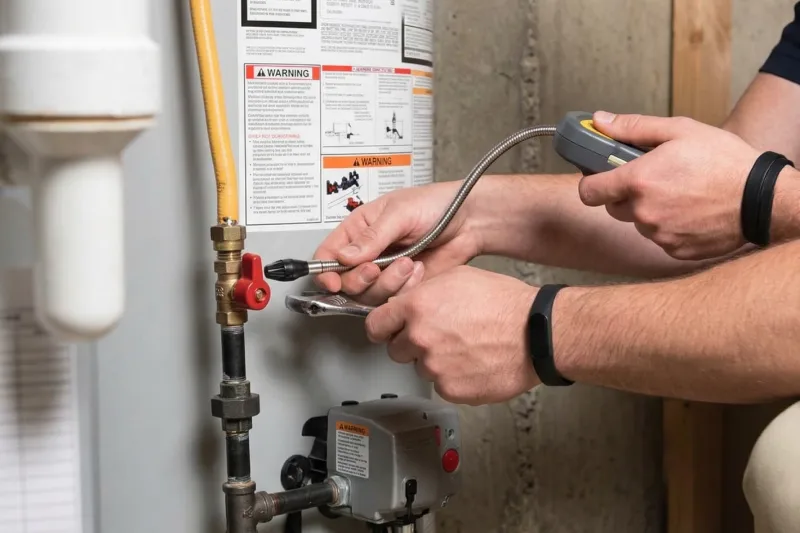
Imagine stepping into the shower on a cold morning only to discover that your water is not hot enough. Your heat pump water heater may still be working, but a small maintenance mistake could be reducing its performance.
Unlike traditional systems, heat pump water heaters use heat from the surrounding air to warm water. This design can help reduce electricity use, but it also means that airflow, filters, temperature settings, and the surrounding environment matter.
Heat pump water heater maintenance is essential for keeping the system efficient, reliable, and ready to meet your household’s hot water needs. Fortunately, many common problems can be prevented with simple checks and regular care.
In this guide, you will learn which maintenance mistakes to avoid, how to recognize early warning signs, and when to call a qualified technician.
Why Heat Pump Water Heater Maintenance Matters
Heat pump water heaters work differently from conventional electric storage heaters. Instead of relying entirely on electric resistance elements, they transfer heat from the surrounding air into the water stored in a tank.
This process can use less electricity under suitable operating conditions. However, the system depends on several components working together, including the compressor, evaporator, fan, controls, and storage tank.
Regular maintenance helps you:
- Maintain efficient heating performance.
- Reduce unnecessary electricity use.
- Identify problems before they become expensive.
- Protect important system components.
- Support a longer service life.
- Maintain a reliable supply of hot water.
For example, a heat pump installed in a cramped utility room may struggle if its air intake is blocked. Even if the compressor is functioning properly, poor airflow can reduce performance.
The key is prevention rather than waiting for a breakdown. A few minutes spent checking the system can help you notice changes before they affect your daily routine.
1. Ignoring the Air Filter During Heat Pump Water Heater Maintenance
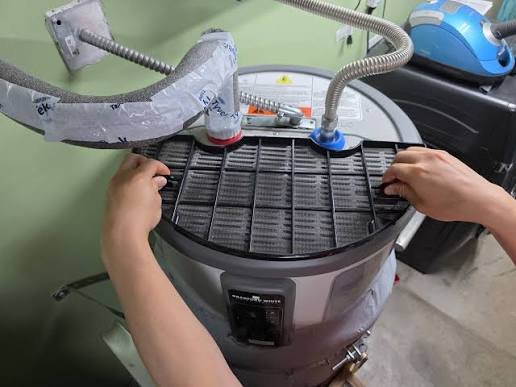
One of the most common maintenance mistakes is forgetting to inspect and clean the air filter.
A heat pump water heater draws in surrounding air to extract heat. Depending on the model, dust and other particles can collect on its filter and restrict airflow.
When airflow becomes limited, the system may need to work harder to heat the water. This can reduce efficiency and affect recovery time.
How to avoid this mistake
Check the manufacturer’s instructions to determine whether your model has a removable, washable, or replaceable filter.
Follow these steps:
- Turn off the unit according to the manufacturer’s instructions.
- Locate the filter using the owner’s manual.
- Remove it carefully without damaging the surrounding parts.
- Clean or replace it as directed.
- Make sure the filter is completely dry if washing is permitted.
- Reinstall it correctly before restarting the system.
Do not assume every filter can be washed. Some models require replacement, while others use a different design.
Expert tip: Check the filter more frequently if the heater operates in a dusty basement, laundry room, or workshop. Follow the service schedule provided by the manufacturer rather than relying on a universal cleaning interval.
2. Blocking Airflow Around the Unit
Heat pump water heaters need access to enough air to operate correctly. However, homeowners sometimes place boxes, cleaning products, laundry baskets, or storage containers around the equipment.
This may seem harmless, but crowded installation spaces can limit the air available to the system.
Why proper clearance matters
When airflow is restricted, the heater may extract less heat from the surrounding environment. Depending on the design and installation conditions, this can increase operating time or cause performance problems.
A small room can also become cooler as the system extracts heat from the air.
What you should do
- Keep the air intake and exhaust clear.
- Avoid stacking objects on or around the unit.
- Maintain the clearances specified in the installation manual.
- Keep curtains, plastic sheets, and other loose materials away from vents.
- Do not cover the equipment to hide it from view.
For example, moving a laundry basket away from the air intake may restore proper airflow if the basket was obstructing it.
However, if the unit still struggles to heat water after the obstruction is removed, a technician may need to investigate further.
3. Skipping Tank Flushing and Sediment Checks
Minerals naturally present in water can settle inside a storage tank. Over time, sediment may accumulate, especially in areas with hard water.
The amount and effect of sediment vary by water quality, temperature settings, tank design, and usage. Nevertheless, ignoring the tank entirely is a mistake.
Does every heat pump water heater need flushing?
Not necessarily at the same frequency. Some manufacturers recommend periodic draining or flushing, while others specify different maintenance procedures.
Check your owner’s manual before performing this task.
If flushing is recommended, follow the correct shutdown and draining procedure. Hot water can cause serious burns, and incorrect draining can damage equipment or create leaks.
If you are unsure how to flush the tank safely, ask a qualified plumber or service technician.
Signs that sediment may need attention
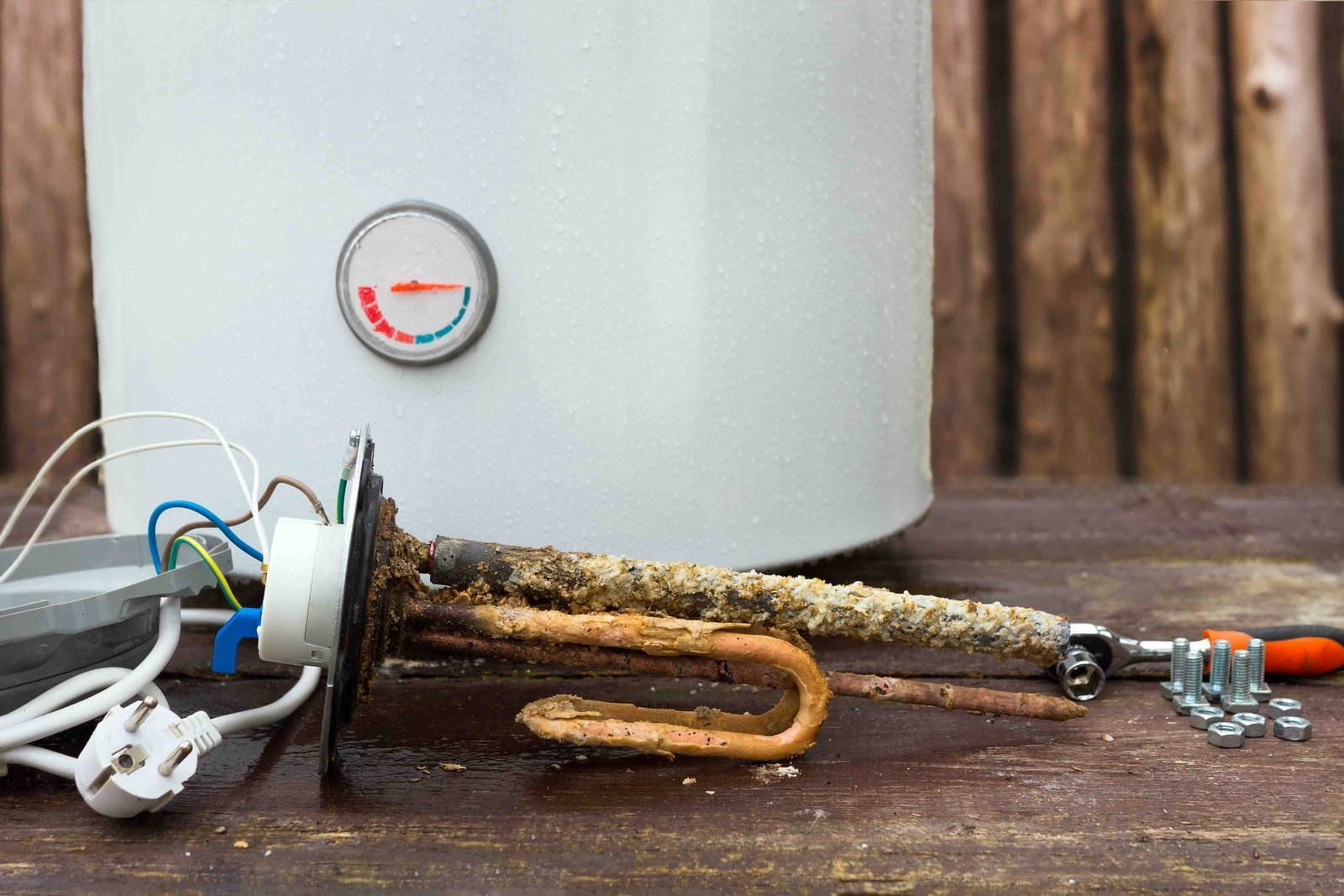
Watch for:
- Changes in hot water recovery time.
- Unusual popping or rumbling sounds.
- Reduced hot water availability.
- Maintenance alerts or other unusual operating behavior.
These symptoms can have several causes, so they do not automatically mean sediment is responsible.
Important: Never open a pressurized tank or remove components while the system is operating. Follow the manufacturer’s safety instructions and local plumbing requirements.
4. Setting the Water Temperature Incorrectly
Water temperature affects comfort, energy use, and safety. Yet some homeowners change the thermostat without understanding how the setting affects their system.
Setting the temperature too high may increase energy consumption and the risk of scalding. Setting it too low may leave the household without enough hot water or create conditions that require additional attention to Legionella prevention.
Finding the right temperature
Many households use a storage temperature around 120°F (49°C) as a starting point for balancing comfort and scald prevention. However, the correct setting depends on the heater, local guidance, household needs, and water safety requirements.
Some systems have specific instructions for periodic high-temperature cycles or disinfection functions.
Do not disable these functions simply to save electricity.
A practical approach
- Read the manufacturer’s recommended temperature range.
- Consider the needs of children, older adults, and people with reduced mobility.
- Use suitable anti-scald protection where needed.
- Follow local guidance for controlling Legionella risk.
- Ask a qualified professional about safe storage and delivery temperatures.
If your household regularly runs out of hot water, raising the temperature may not be the best solution. The problem could involve tank capacity, usage patterns, restricted airflow, or a component that needs repair.
5. Ignoring Condensate Drainage Problems
Heat pump water heaters can produce condensation as they extract heat from the air. This moisture normally drains through a designated condensate line or collection system.
When the drain becomes blocked, water may collect around the unit or leak onto the floor.
Common warning signs
Look for:
- Water pooling near the base of the heater.
- A slow or blocked condensate drain.
- Dampness around the drainage connection.
- Unusual odors associated with standing water.
- A condensate-related warning or shutdown.
How to prevent drainage issues
Inspect visible drainage lines for kinks, damage, or obvious blockages. Make sure the drain follows the installation requirements and directs water to an appropriate location.
Only clean the drain yourself if the manufacturer’s instructions permit it.
Remember that not every puddle comes from condensation. A leaking tank, plumbing connection, or pressure-relief valve may produce similar symptoms.
If you notice continuous water leakage, corrosion, or water near electrical components, stop using the unit if it is safe to do so and contact a qualified technician.
6. Forgetting to Check the Anode Rod
Many storage water heaters contain a sacrificial anode rod that helps protect the tank from corrosion. The rod gradually wears away as it performs this protective function.
If it becomes severely depleted and is not replaced when required, the tank may become more vulnerable to corrosion.
However, not every heat pump water heater uses the same type of anode rod. Some models use powered anodes or different tank protection systems.
How often should you inspect it?
There is no single schedule that fits every model. Water chemistry, usage, and the manufacturer’s design all affect the inspection interval.
Review your owner’s manual for the recommended inspection and replacement schedule.
If inspection requires removing a component, draining the tank, or working around electrical connections, have a qualified professional perform the work.
Replacing an anode rod when necessary may help protect the tank, but it cannot reverse corrosion that has already damaged the tank structure.
7. Using the Wrong Cleaning Products
It is tempting to use strong chemicals to clean every part of a household appliance. However, aggressive cleaners can damage finishes, plastic components, seals, or other materials.
The external surfaces of a heat pump water heater usually require only the cleaning method approved by the manufacturer.
Safer cleaning practices
- Use a soft cloth for exterior surfaces.
- Follow the manual for filter cleaning.
- Keep water away from electrical controls and openings.
- Avoid spraying cleaners directly into the fan or air intake.
- Never use abrasive tools on delicate components.
- Do not dismantle the unit to reach internal parts unless qualified to do so.
For example, a damp cloth may be sufficient to remove dust from the outer casing. Spraying a strong cleaning solution into the air intake, however, may introduce moisture or chemicals into areas that should remain dry.
If the evaporator coil is dirty, ask a technician whether professional cleaning is required.
8. Ignoring Unusual Sounds and Warning Lights
A change in sound can provide an early clue that a heat pump water heater needs attention.
The compressor and fan naturally produce some operating noise. Therefore, hearing a low hum does not automatically mean something is wrong.
However, sudden or persistent changes deserve attention.
Sounds and alerts to watch for
- New grinding or rattling noises.
- Repeated clicking differs from normal operation.
- Persistent alarms or error codes.
- Unexpected shutdowns.
- Longer heating cycles than usual.
- Repeated changes between operating modes.
A warning light or error code can help identify a problem, but its meaning depends on the model.
Write down the code and consult the owner’s manual before attempting a reset. Repeatedly resetting the unit without addressing the cause may delay necessary repairs.
If the heater makes a burning smell, produces smoke, trips an electrical breaker repeatedly, or shows signs of overheating, stop using it if safe and contact a qualified professional.
9. Neglecting the Pressure-Relief Valve
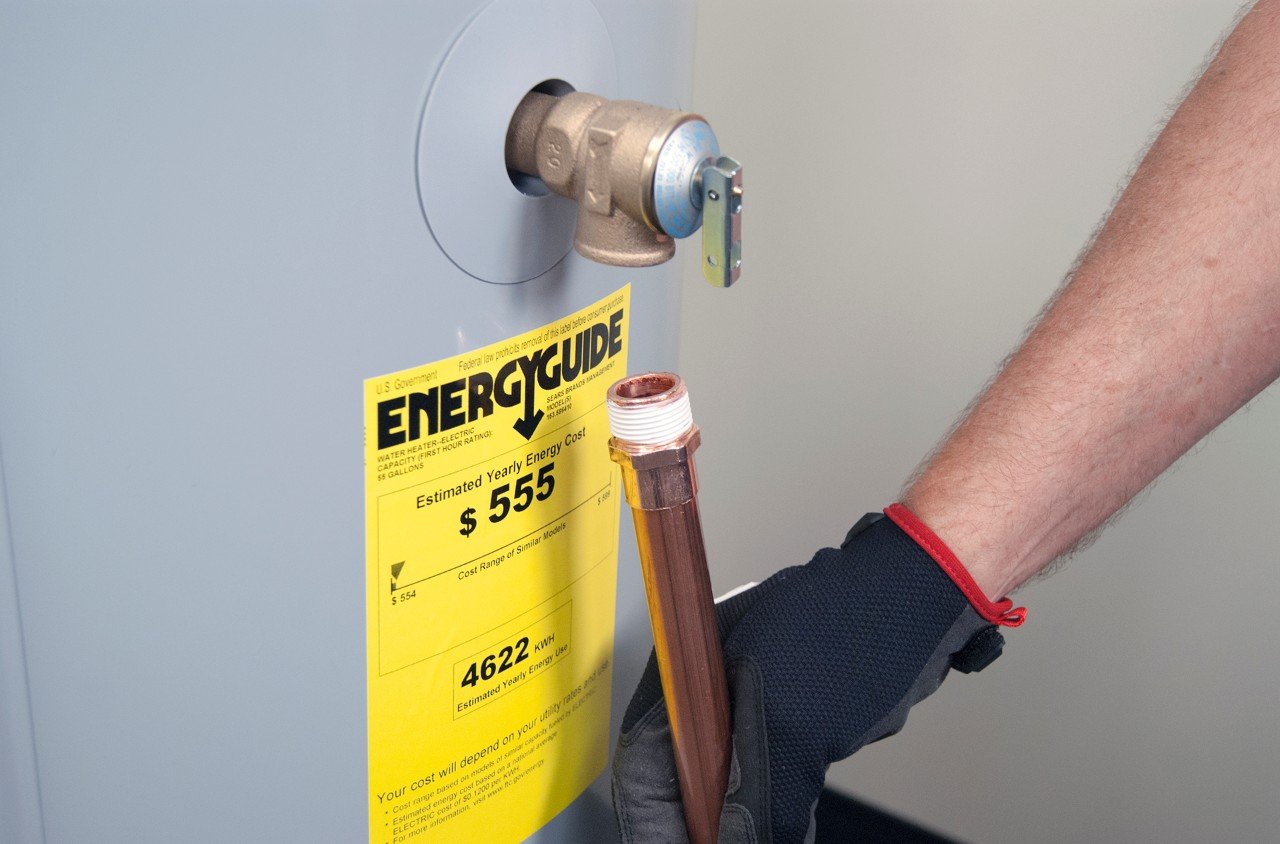
A temperature and pressure relief valve, often called a T&P valve, is an important safety component on many storage water heaters.
It is designed to release water when temperature or pressure exceeds specified limits. It should not be treated as an ordinary tap or used to control normal tank drainage.
What homeowners should know
Check the manufacturer’s maintenance instructions for the required inspection procedure and schedule.
Never cap, plug, or block the discharge pipe. Doing so can prevent the safety valve from operating correctly.
Do not force the valve open or perform a test unless you understand the procedure and can safely manage hot discharge water. Some manufacturers recommend professional inspection instead.
If water continuously escapes from the valve, do not assume the valve itself is defective. Excessive pressure, thermal expansion, or another system problem may be responsible.
A plumber can determine the cause and confirm that the valve and discharge arrangement meet applicable requirements.
10. Failing to Check Electrical Connections and Components
Heat pump water heaters contain electrical components that must operate safely. Loose connections, damaged wiring, faulty controls, or other electrical problems can interrupt heating or create a safety hazard.
Unlike basic exterior cleaning, electrical troubleshooting is not a suitable DIY task for most homeowners.
What you can safely inspect
Without opening electrical panels, look for visible signs such as:
- Damaged external cables.
- Scorch marks or a burning smell.
- Repeated breaker trips.
- Error messages related to electrical faults.
- Unexpected loss of power.
Do not remove covers, touch exposed wiring, or attempt repairs on live equipment.
If the unit loses power repeatedly, a qualified electrician or technician should investigate the cause rather than simply resetting the breaker.
11. Using Emergency Heating Mode Too Often
Many heat pump water heaters include backup electric resistance heating. This feature can help meet demand when the heat pump cannot provide enough hot water quickly.
However, relying on backup heating more than necessary may increase electricity consumption.
When backup heating makes sense
It may be useful during unusually high hot water demand, certain cold conditions, or situations specifically covered by the manufacturer’s instructions.
Nevertheless, if the system regularly depends on resistance heating under normal conditions, investigate why.
Possible reasons include:
- An undersized tank for the household.
- Incorrect operating settings.
- Restricted airflow.
- A heat pump fault.
- A heating schedule that does not match demand.
- An issue with the temperature sensor or controls.
Avoid disabling necessary backup or safety functions without understanding their purpose.
The better solution is to identify the cause of frequent backup operation and adjust the system appropriately.
12. Skipping Professional Inspections
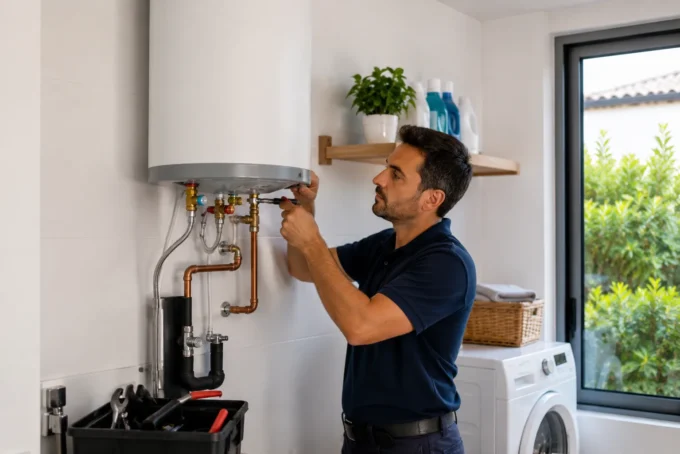
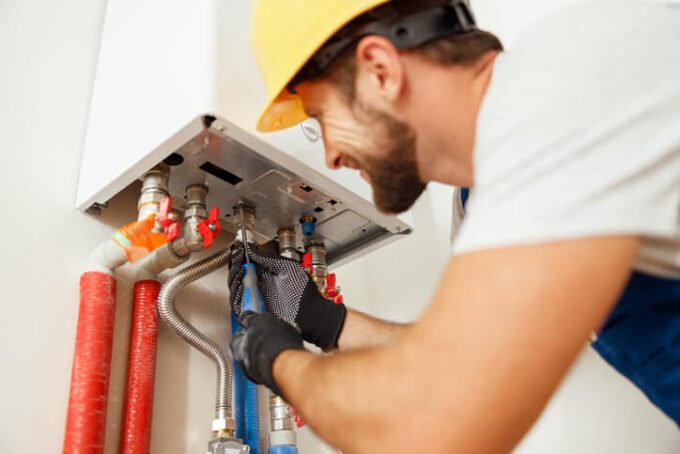
Homeowners can handle several basic maintenance tasks, but some components need trained attention.
A qualified technician can inspect the refrigeration circuit, compressor, fan, sensors, controls, electrical components, and other parts that are difficult or unsafe to access.
How often should a technician inspect the unit?
The correct interval depends on the manufacturer’s instructions, operating conditions, and local service recommendations.
Some units need more frequent attention because they operate in dusty environments or experience heavy demand.
During a service visit, ask the technician to:
- Check operating performance and diagnostic codes.
- Inspect the fan and accessible air passages.
- Assess condensate drainage.
- Review the condition of relevant safety devices.
- Check the anode protection system if applicable.
- Look for leaks, corrosion, or damaged connections.
- Confirm that the settings match the manufacturer’s recommendations.
Keep a record of service dates and repairs. This information can help identify recurring problems and may be useful when making warranty claims.
Heat Pump Water Heater Maintenance Checklist
A simple schedule makes maintenance easier to remember. The following checklist is a starting point, not a replacement for the owner’s manual.
| Frequency | Maintenance task |
| Monthly | Look for visible leaks, unusual noises, and warning lights. |
| Every few months | Inspect and clean the air filter if the manufacturer recommends it. |
| Periodically | Check visible condensate drainage and keep the surrounding area clear. |
| At the specified interval | Arrange tank, anode, valve, and other component checks as required. |
| As recommended | Schedule professional inspection and servicing. |
If your model provides a maintenance reminder, use it. Otherwise, add the relevant tasks to your calendar.
Heat Pump Water Heater Maintenance Cost: What to Expect
The cost of maintenance depends on the type of service, local labor rates, system design, and whether parts need replacement.
Simple visual checks and approved filter cleaning may cost nothing beyond your time. Professional inspections, drain repairs, replacement components, and electrical troubleshooting can involve additional charges.
The water heater maintenance cost can also rise when a small problem is ignored until it damages another component.
For example, addressing a blocked condensate drain early may be simpler than repairing damage caused by prolonged water leakage. Likewise, replacing a worn anode rod at the recommended interval may help protect a compatible storage tank.
When requesting a service quote, ask whether the price includes labor, replacement parts, diagnostic fees, and follow-up work.
For comparison, tankless water heater maintenance often focuses on scale removal and heat exchanger care, while gas water heater maintenance may involve combustion and venting checks. Electric water heater maintenance can include heating-element and electrical inspections.
These systems have different maintenance needs, so do not apply another heater’s service schedule to your heat pump model.
How to Make Your Heat Pump Water Heater Last Longer
Good maintenance is not only about fixing problems. It is also about creating operating conditions that help the equipment perform as designed.
Use these practical habits:
- Keep the installation area suitable. Maintain the required airflow and temperature conditions.
- Follow the correct settings. Avoid frequent, unnecessary changes to temperature and operating modes.
- Pay attention to performance. Notice changes in recovery time, energy use, or the amount of hot water available.
- Protect the equipment from avoidable damage. Keep the area free from clutter and respond promptly to leaks.
- Keep service records. Save inspection reports, receipts, error codes, and information about replacement parts.
- Follow warranty requirements. Check whether particular maintenance tasks must be completed by an approved service provider.
These steps cannot guarantee a specific lifespan. However, they can help you detect developing issues and avoid preventable damage.
Conclusion
Heat pump water heater maintenance does not have to be complicated. Many important tasks involve keeping airflow clear, inspecting accessible components, watching for leaks, and following the manufacturer’s service schedule.
The biggest mistakes are often the easiest to prevent: ignoring filters, blocking vents, overlooking drainage issues, changing settings without guidance, and delaying professional repairs.
Start by checking your owner’s manual and completing the maintenance tasks appropriate for your model. If you notice persistent warning lights, electrical problems, unusual noises, or water leaks, seek qualified help.
A well-maintained heat pump water heater can deliver reliable hot water while supporting efficient operation. Consistent attention is a practical way to protect your equipment and reduce the risk of unexpected repairs.
Frequently Asked Questions
1. How often should a heat pump water heater be serviced?
Follow the service interval in your manufacturer’s manual. Check for visible leaks, warning lights, and unusual sounds regularly, and clean or replace filters as directed.
2. Do heat pump water heaters need to be flushed?
Some models require periodic tank flushing to manage sediment, but the recommended procedure and frequency vary. Check your manual or ask a qualified plumber before draining the tank.
3. What are the signs that a heat pump water heater needs maintenance?
Common signs include longer heating times, reduced hot water availability, unusual noises, error codes, blocked drainage, and visible leaks. These symptoms can have several causes and may require professional diagnosis.
4. Can I clean a heat pump water heater myself?
You can usually perform approved exterior cleaning, visual inspections, and filter maintenance if the manual permits them. Electrical repairs, refrigeration work, and tasks involving pressurized or hot components should be left to qualified professionals.
5. How can I improve my heat pump water heater’s efficiency?
Keep the air intake clear, maintain the filter as directed, use appropriate temperature settings, and address faults promptly. Correct installation, suitable operating conditions, and regular servicing also support efficient performance.







Leave a comment