


Have you ever turned on your bathroom faucet and watched the water collect in the basin instead of draining away? A clogged sink can be frustrating, especially when you need to get ready for work or start your day. Fortunately, many bathroom sink blockages can be fixed with a few simple tools and some patience.
The first step is understanding what is causing the problem. Hair, soap residue, toothpaste, and small objects can build up inside the drain. However, a slow sink may sometimes point to a deeper plumbing issue.
In this guide, you will learn how to identify common causes, choose the right cleaning method, and prevent future blockages. You will also discover when a DIY repair is appropriate and when professional help can save you time and money.
Why Is My Bathroom Sink Clogged?
When you notice that your sink is draining slowly, it is tempting to reach for a chemical cleaner immediately. However, identifying the likely cause first can help you choose a safer and more effective solution.
Bathroom sinks handle more than water. Hair, skin oils, toothpaste, soap, shaving cream, and other small particles can enter the drain every day. Over time, these materials may stick to the inside of the pipes and form a blockage.
Here are some of the most common causes.
1. Hair Accumulation
Hair is one of the leading causes of bathroom sink clogs. Loose strands become caught around the stopper or inside the drainpipe. As more hair collects, it can form a tangled mass that traps other debris.
For example, hair from shaving or grooming may combine with soap residue and become difficult to remove with water alone.
Best solution: Remove the stopper if possible and pull out visible hair. If the blockage sits deeper inside the drain, use a plastic drain snake designed for bathroom sinks.
2. Soap Scum and Toothpaste Buildup
Soap residue can leave a film inside the drain. Toothpaste, shaving cream, and skin oils may stick to that film, allowing debris to accumulate gradually.
This type of blockage often develops slowly. You may notice that water takes a few extra seconds to drain before the problem becomes more serious.
Best solution: Remove visible debris and use a suitable manual drain-cleaning tool. Warm tap water may help wash away some loose residue after the blockage has been cleared.
3. A Blocked Sink Stopper
The stopper controls the opening and closing of the drain. Unfortunately, its design can also make it a convenient place for hair and dirt to collect.
If the sink drains slowly but the water does not completely stop, inspect the stopper before taking apart any pipes.
Best solution: Clean the stopper and the area around it. If the stopper is damaged or does not move correctly, it may need adjustment or replacement.
4. A Clogged P-Trap
The P-trap is the curved pipe beneath your sink. It holds a small amount of water that helps prevent sewer gases from entering your bathroom.
However, its curved shape can also trap hair, soap residue, and other debris.
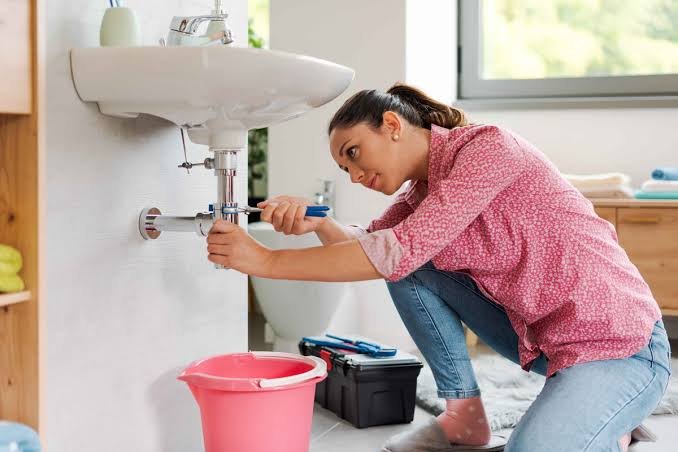
Best solution: If you are comfortable with basic plumbing, you may be able to remove and clean the trap. Place a bucket underneath first, and avoid forcing corroded or brittle connections.
5. A Deeper Drainpipe Blockage
Sometimes, the visible drain and P-trap are clear, but the sink still drains poorly. In that case, the blockage may be farther down the drain line.
Grease-like residue, accumulated debris, damaged pipes, or an obstruction in a shared drainage line may contribute to the problem.
Best solution: A longer manual drain auger may help with some accessible blockages. If several fixtures are affected, or the clog keeps returning, contact a plumber.
Bathroom Sink Clogged? Start With These Simple Checks
Before using tools or removing plumbing parts, take a moment to inspect the sink. A few simple checks can help you avoid unnecessary work.
Check How Quickly the Water Drains
Run the faucet briefly and observe what happens.
- Water drains normally: The problem may have cleared, although recurring slow drainage still deserves attention.
- Water drains slowly: A partial blockage may be forming.
- Water does not drain: A more substantial obstruction may be present.
- Water rises when another fixture is used: The issue could involve a shared drain line.
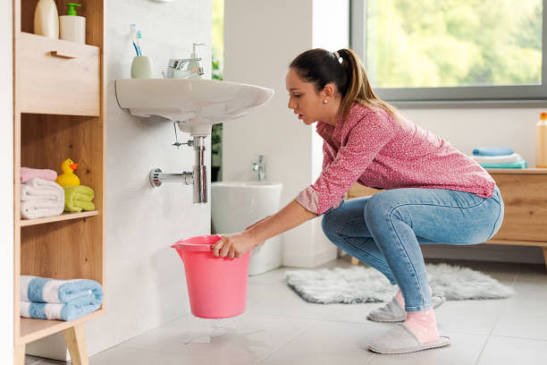
If the basin is full, turn off the faucet. Remove standing water with a small container before attempting a repair.
Inspect the Drain Opening
Use a flashlight to look for visible hair or debris around the stopper. Do not push sharp objects into the opening because they may damage the drain or become stuck.
If you can safely remove the stopper, clean it and inspect the opening again. This simple step often reveals the source of a minor clog.
Check Other Fixtures
Notice whether your shower, bathtub, or another sink is also draining slowly.
A blockage limited to one sink is more likely to be near that fixture. However, several affected fixtures may indicate a larger drainage problem that requires professional attention.
How to Fix a Clogged Bathroom Sink: Step-by-Step Methods
The best repair method depends on where the obstruction is located. Start with the least invasive option and move to more involved steps only when necessary.
Method 1: Remove Hair and Debris by Hand
This is usually the best first step because hair often collects close to the drain opening.
What you need:
- Rubber gloves
- A flashlight
- A small cleaning brush
- Paper towels or an old cloth
Instructions:
- Put on your gloves.
- Remove the stopper if its design allows it.
- Look for hair wrapped around the stopper or drain opening.
- Pull out the visible debris.
- Clean the stopper with a brush.
- Reinstall the stopper and run warm tap water to test the drain.
Do not force a stopper that is difficult to remove. Some models connect to a mechanism beneath the sink and require a specific removal process.
Method 2: Use a Plastic Drain Snake
A plastic drain snake is a simple tool designed to catch hair inside the drain. Its small teeth or barbs help pull tangled strands out rather than pushing them deeper into the plumbing.
How to use it:
- Remove the stopper if needed.
- Insert the tool slowly into the drain.
- Move it gently until it catches debris.
- Pull it out carefully.
- Remove the collected hair and repeat if necessary.
- Flush the drain with warm tap water once the blockage clears.
A plastic snake is often a good choice for hair-related clogs. However, do not force it when you encounter strong resistance.
If you are searching for how to unclog bathroom sink clogged with hair, start with the stopper and a manual drain snake before considering stronger treatments.
Method 3: Try a Sink Plunger
A small sink plunger can help loosen a blockage by creating pressure changes inside the drain.
For the best result, make sure the rubber cup forms a good seal over the drain. If your sink has an overflow opening, cover it with a damp cloth to prevent air from escaping.
Follow these steps:
- Add enough water to cover the plunger’s cup.
- Position the plunger over the drain.
- Press down gently to create a seal.
- Pump several times without lifting the cup.
- Remove the plunger and check the drainage.
Avoid plunging if you have already poured chemical drain cleaner into the sink. The product could splash onto your skin or eyes.
Method 4: Clean the P-Trap
If the blockage remains after cleaning the stopper and using a drain snake, the P-trap may need attention.
Place a bucket under the curved pipe before loosening any connections. Water and debris trapped inside will spill out when the trap is removed.
Clean the pipe carefully, check the washers, and reinstall the trap correctly. Then run water and inspect the connections for leaks.
If the pipe is corroded, glued in place, or difficult to remove, it is safer to contact a plumber. A broken fitting can turn a small clog into a more expensive repair.
Method 5: Use Warm Water Carefully
Warm tap water can help move loose residue after you remove the main blockage. It is not, however, a reliable way to dissolve a dense mass of hair.
Avoid pouring boiling water into the sink, particularly if your plumbing contains plastic components or the manufacturer’s guidance advises against it.
Also, baking soda and vinegar should not be treated as a guaranteed drain-clearing solution. The fizzing reaction may loosen some surface residue, but it will not reliably remove a compact hair clog.
What If the Bathroom Sink Is Still Blocked?
If you have tried the basic methods without success, the next step is to consider where the obstruction may be located.
When the Blockage Is Behind the Wall
A bathroom sink clogged behind wall may involve a drainpipe that is not accessible through the stopper or P-trap. You may notice recurring slow drainage, gurgling, or problems affecting nearby fixtures.
Do not cut into the wall based on these signs alone. A plumber can inspect the accessible pipework and determine whether the obstruction is deeper in the system.
When the Blockage Is Beyond the P-Trap
If the P-trap is clean but the sink still drains slowly, the obstruction may be farther along the drain line. A suitable manual auger may help, but forcing a tool into the pipe can cause damage.
If you suspect a bathroom sink clogged past trap, consider professional inspection when the blockage resists normal cleaning or repeatedly returns.
When Multiple Drains Are Affected
If your sink, shower, and bathtub all drain slowly, the problem may involve a shared branch line or the main drainage system.
Stop using affected fixtures if wastewater backs up. Contact a plumber rather than repeatedly treating the sink as an isolated blockage.
What Not to Do When Your Bathroom Sink Is Clogged
Some common DIY shortcuts can make a plumbing problem worse. Keep these precautions in mind:
- Do not mix drain cleaners. Combining products can release dangerous fumes or cause hazardous reactions.
- Do not force tools into the drain. Excessive pressure may damage pipes or fittings.
- Avoid sharp metal objects. Knives and improvised wire tools can scratch surfaces, become stuck, or damage plumbing.
- Do not ignore leaks. A loose P-trap connection can damage the cabinet and surrounding materials.
- Do not keep adding water to a full basin. Remove standing water before working on the drain.
- Do not repeatedly use harsh chemicals. Follow product instructions and consider mechanical cleaning first.
Moreover, if a chemical cleaner has already been used, tell your plumber which product it was. This helps them choose appropriate safety precautions.
How to Prevent Bathroom Sink Clogs
Preventing a blockage is easier than clearing one after water stops draining. A few simple habits can reduce the amount of debris entering your pipes.
Install a Hair Catcher
A small drain screen can catch loose hair before it enters the plumbing. Choose one that fits your sink and does not interfere with the stopper.
Clean it regularly. Otherwise, the hair catcher itself may begin to slow drainage.
Clean the Stopper Weekly
Remove visible hair and residue from the stopper at least once a week, or more often if several people use the bathroom.
This quick task can prevent debris from accumulating deeper inside the drain.
Keep Grooming Debris Out of the Sink
After shaving or trimming hair, wipe loose strands into the trash rather than rinsing large amounts down the drain.
Similarly, avoid washing cotton swabs, tissues, and other small items into the sink. They can contribute to blockages or become caught in existing debris.
Respond to Slow Drainage Early
A drain that becomes gradually slower may be developing a partial blockage. Cleaning the stopper and using a suitable drain snake early can prevent the problem from becoming more difficult to manage.
Inspect the Area Beneath the Sink
Occasionally check the P-trap and nearby connections for moisture, corrosion, or damage. If you notice a leak, address it promptly to protect the cabinet and surrounding surfaces.
When Should You Call a Plumber?

DIY methods can solve many minor clogs. However, professional help is appropriate when the problem is deeper or the plumbing may be damaged.
Contact a plumber if:
- The sink remains blocked after basic cleaning.
- The blockage returns soon after you clear it.
- Several fixtures drain slowly or back up.
- You notice sewage odors or unusual gurgling.
- Pipes are corroded, cracked, or leaking.
- Water backs up into another fixture when the sink is used.
A plumber may use a drain auger or inspection camera to identify the cause. The price depends on the location of the blockage, the work required, and local labor rates, so request an estimate before authorizing major repairs.
Conclusion
A clogged bathroom sink can be annoying, but the solution often starts with a simple inspection. Remove visible hair, clean the stopper, and use a suitable drain snake before moving on to more involved repairs.
However, do not force tools into the pipe or rely on harsh chemicals to solve every blockage. If the sink continues to drain slowly, the P-trap is clear, or other fixtures are affected, professional help may be the safest option.
The key takeaway: Deal with early signs of slow drainage, keep hair out of the drain, and investigate recurring problems rather than treating them as temporary inconveniences.
FAQs About Bathroom Sink Clogs
1. Why is my bathroom sink clogged even after cleaning the drain?
The blockage may be inside the P-trap or farther down the drain line. Hair can also remain wrapped around the stopper mechanism. If the sink clogs repeatedly, a deeper inspection may be needed.
2. Can hair cause a complete bathroom sink blockage?
Yes. Hair can collect around the stopper or inside the pipe, then trap soap residue and other debris. Over time, the buildup can restrict the flow of water or stop drainage completely.
3. Is it safe to use baking soda and vinegar to unclog a sink?
The mixture is not a reliable solution for dense hair clogs. A plastic drain snake or careful manual cleaning usually works better because it removes the material causing the blockage.
4. How often should I clean my bathroom sink drain?
Inspect the stopper weekly and remove visible hair whenever you notice it. If your household produces a lot of loose hair, a drain catcher and more frequent cleaning can help prevent blockages.
5. How do I know if the clog is inside the wall?
Signs may include recurring blockages, gurgling, or several fixtures draining slowly. These symptoms do not prove that the blockage is inside the wall, so have a plumber inspect the drainage system before opening any surfaces.







1 Comment