


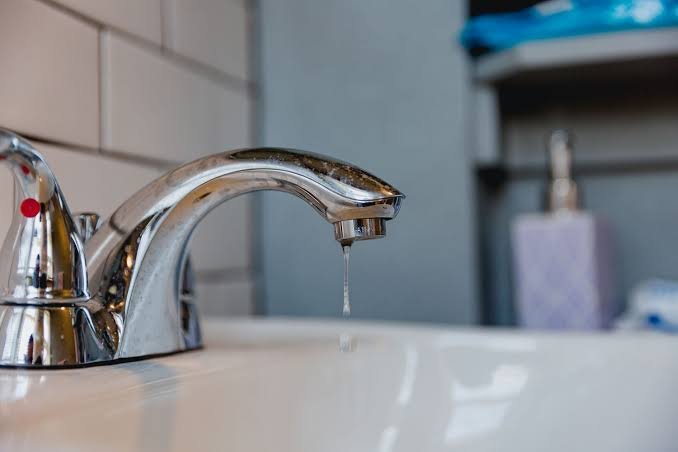
Have you ever heard that leaving a faucet dripping during freezing weather can protect your home’s plumbing? It may sound strange to waste water on purpose, but this simple step can sometimes help reduce the risk of frozen pipes.
When temperatures fall below freezing, water inside exposed plumbing can turn to ice. As the ice forms and expands, it can block water flow and increase pressure inside the pipe. In some cases, this pressure can cause a pipe to crack or burst.
Understanding how does dripping faucet prevent freezing can help you make better decisions during cold weather. However, dripping water is not a complete solution, and it is not necessary for every home. In this guide, you will learn how the method works, when it is useful, which pipes are most at risk, and how to protect your plumbing throughout winter.
How Does Dripping Faucet Prevent Freezing?
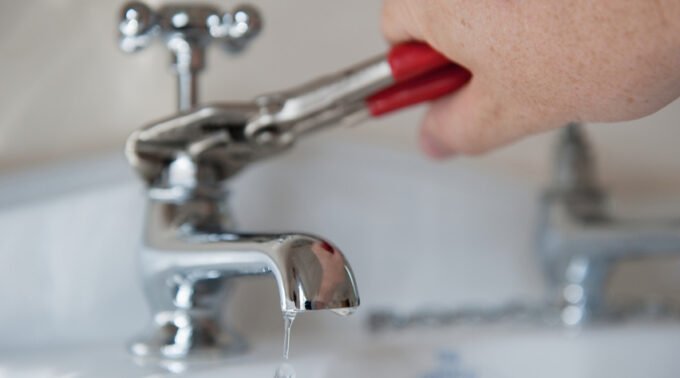
A dripping faucet may help protect vulnerable pipes by allowing water to keep moving through the plumbing system. Moving water can make freezing less likely under certain conditions, although it does not guarantee that the pipes will remain ice-free.
1. Moving water may freeze more slowly
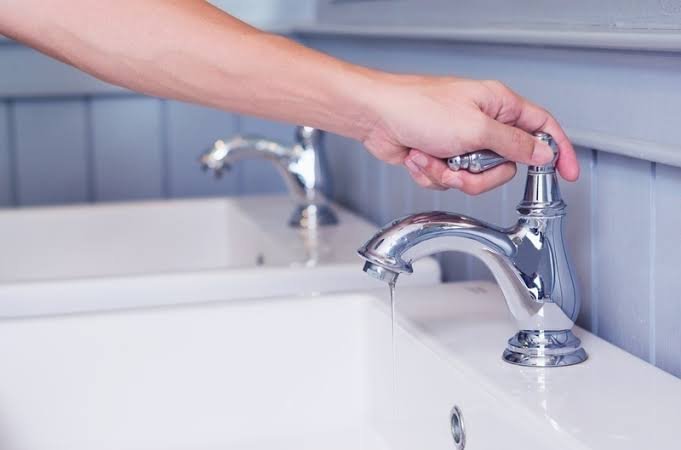
When water sits still inside a cold pipe, it can gradually lose heat until it begins to freeze. A small flow of water may bring in warmer water from the supply line and reduce the time water remains in one place.
However, the result depends on the water temperature, pipe material, outdoor conditions, and how cold the surrounding area becomes.
2. Water movement may reduce ice formation
A dripping faucet allows a small amount of water to leave the plumbing system continuously. This movement may help reduce the chance of ice blocking a vulnerable section of pipe.
Nevertheless, moving water can still freeze in extremely cold conditions. If a pipe is exposed to severe cold for a long time, dripping alone may not provide enough protection.
3. Relieving pressure is important
One of the biggest dangers of frozen pipes is the pressure that develops when ice blocks part of a plumbing line. Water trapped between an ice blockage and a closed section of pipe can become highly pressurized.
Allowing a faucet to remain slightly open may provide an outlet for water and help reduce pressure in some situations.
Important: A dripping faucet cannot guarantee that a pipe will not burst. Proper insulation, sealing cold-air leaks, and maintaining suitable indoor temperatures are more reliable parts of a winter plumbing plan.
When Should You Leave a Faucet Dripping?
Not every cold day requires a dripping faucet. The decision depends on the weather, the location of your pipes, and whether your home has experienced freezing problems before.
Situations when dripping may help
Consider following local plumbing or utility advice about dripping a faucet when:
- Temperatures are expected to remain well below freezing.
- Pipes run through an unheated basement, crawl space, attic, or garage.
- Plumbing is located inside an exterior wall.
- Your home has experienced frozen pipes during previous winters.
- A severe cold snap threatens plumbing in a poorly insulated area.
If your home has well-insulated pipes and the indoor temperature remains stable, dripping water may not be necessary.
Which faucet should you leave dripping?
If a particular pipe is vulnerable, the faucet connected to that plumbing line may be the most relevant one. For example, a sink supplied by pipes inside a cold exterior wall may need more attention than a sink located near the center of a heated home.
In some homes, both hot and cold lines may be vulnerable. Follow advice specific to your plumbing layout rather than assuming that one dripping faucet will protect every pipe.
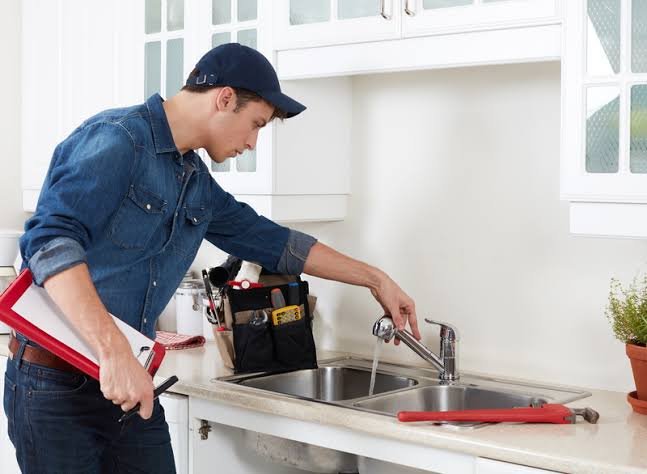
A plumber can help identify vulnerable sections before winter arrives.
How Cold Does It Need to Be for Pipes to Freeze?
Water freezes at 32°F (0°C) under normal conditions. However, pipes do not all freeze at the same outdoor temperature.
A pipe inside a heated, insulated room may remain safe during freezing weather. In contrast, a pipe exposed to cold air in an unheated space can freeze even when the rest of the home feels comfortable.
The risk increases when freezing temperatures last for several hours or days.
Factors that affect freezing risk
Several conditions determine how quickly water inside a pipe may freeze:
- Air temperature: Lower temperatures increase the risk.
- Exposure time: Pipes are more vulnerable when cold conditions persist.
- Insulation: Insulated pipes lose heat more slowly.
- Pipe location: Exterior walls and unheated spaces are common trouble spots.
- Air leaks: Gaps around windows, doors, and pipe openings can expose plumbing to cold air.
- Water flow: A small flow may help in certain circumstances but cannot prevent every freeze.
For example, a kitchen pipe running through an exterior wall may freeze while a bathroom pipe in the middle of the house remains unaffected.
Therefore, protecting the most exposed plumbing is often more useful than focusing only on the temperature shown by a weather app.
How to Prevent Frozen Pipes Without Wasting Water
Leaving a faucet dripping may be helpful in some situations, but there are other ways to protect plumbing that do not require continuous water use.
1. Insulate exposed pipes
Pipe insulation helps slow heat loss. It is particularly useful for plumbing in basements, crawl spaces, garages, and other areas that become cold during winter.
Foam pipe sleeves are commonly used for accessible pipes. However, insulation should be installed correctly and should not cover leaks or damaged fittings without addressing the underlying problem.
2. Seal gaps around pipes
Cold air can enter through openings around plumbing where pipes pass through exterior walls, floors, or foundations.
Use suitable materials to seal these gaps while following fire-safety and building requirements. For larger openings or complex areas, professional help may be appropriate.
3. Keep indoor temperatures stable
Avoid turning the heating off completely during a winter trip if doing so could expose plumbing to freezing temperatures.
Maintain a suitable indoor temperature based on local guidance, your home’s design, and the location of the pipes. A programmable thermostat can help keep the home warm without requiring constant manual adjustments.
4. Open cabinet doors when appropriate
During severe cold, opening cabinet doors beneath kitchen or bathroom sinks may allow warm indoor air to reach pipes along exterior walls.
Move cleaning products and other hazardous materials away from children and pets before leaving cabinets open.
5. Disconnect outdoor hoses
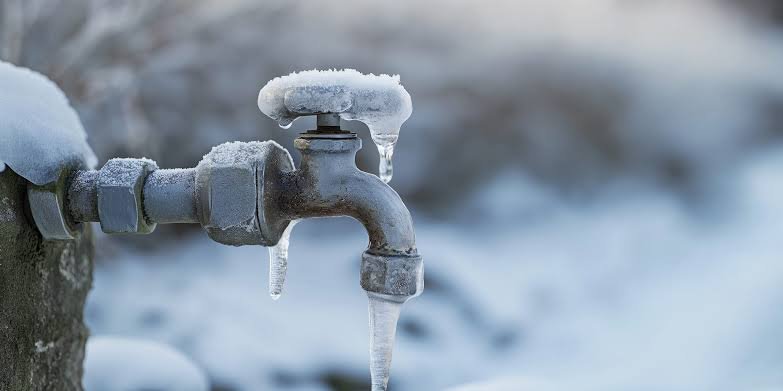
Disconnect garden hoses before freezing weather arrives. Water trapped in connected hoses or outdoor fittings can freeze and contribute to damage.
If your home has outdoor faucets, consider installing suitable frost protection or having the plumbing winterized according to the manufacturer’s instructions.
6. Know where the main water shutoff is located
If a pipe bursts, knowing how to shut off the water quickly can limit flooding and property damage.
Make sure household members know where the main shutoff valve is and how to operate it safely.
What Causes a Dripping Faucet During Winter?
Cold weather can make plumbing problems more noticeable, but not every dripping faucet is caused by freezing temperatures.
If you are asking what causes a dripping faucet, common reasons include worn washers, damaged cartridges, loose fittings, and mineral buildup.
Worn washers and seals
Rubber components can deteriorate over time. When a washer no longer forms a proper seal, water may continue to escape through the spout even when the handle is closed.
Damaged cartridges
Many modern faucets use cartridges to control water flow. A damaged cartridge may allow water to pass through after the faucet has been turned off.
Frozen or damaged pipes
A frozen pipe may restrict water flow or develop cracks. When the ice begins to melt, water can escape through damaged areas.
If you suspect a frozen pipe, do not assume the problem is simply a faulty faucet. Inspect for signs of damage and seek professional help when necessary.
Changes in water pressure
Changes in pressure may reveal weaknesses in older plumbing components. If several faucets begin leaking around the same time, consider having the water pressure and plumbing system checked.
How to Fix Dripping Faucet Problems Safely
If a faucet continues dripping after winter weather passes, it may need a normal plumbing repair.
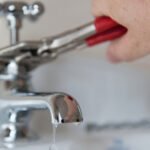
When researching how to fix dripping faucet problems, begin by identifying the leak’s location. Water coming from the spout often points to an internal sealing problem, while moisture beneath the sink may indicate a leaking supply connection or valve.
For a basic repair:
- Turn off the appropriate water supply valves.
- Open the faucet to release pressure.
- Remove the handle according to the manufacturer’s instructions.
- Inspect the washer, cartridge, or other internal components.
- Replace damaged parts with compatible replacements.
- Reassemble the faucet and restore the water supply slowly.
- Check for leaks at the spout, handles, and connections.
Do not force stuck handles or corroded valves. If a pipe may be frozen, focus on thawing and inspecting the plumbing safely rather than immediately dismantling the faucet.
How to fix a dripping faucet with two handles
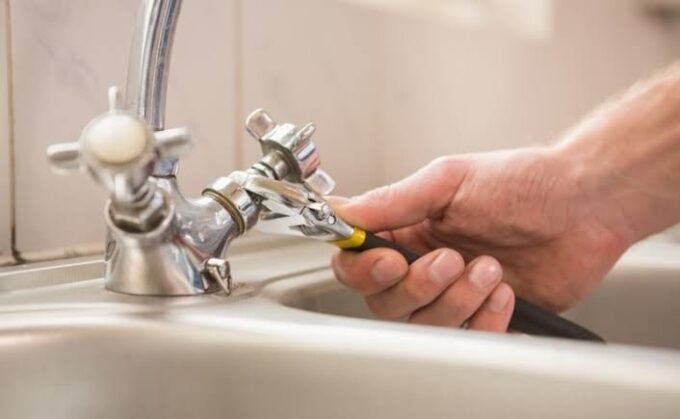
For a two-handle faucet, first identify which side is leaking. Turn off both supply valves, remove the affected handle, and inspect the washer, stem, or cartridge.
Replace the damaged component with the correct part for your faucet model. If the faucet still drips or the valve is badly corroded, a plumber may need to inspect the internal components.
Remember that a normal faucet repair and a frozen-pipe problem are different issues. Repairing a washer will not fix a cracked pipe.
What Should You Do If Your Pipes Freeze?
A frozen pipe requires careful attention because it may already be damaged, even if water is not currently leaking.
Step 1: Turn on the affected faucet slightly
If you suspect a frozen water line, opening the connected faucet slightly may provide an outlet as the ice melts.
However, if you see a crack, active leak, or signs of a burst pipe, shut off the water supply if it is safe to do so.
Step 2: Warm the area gently
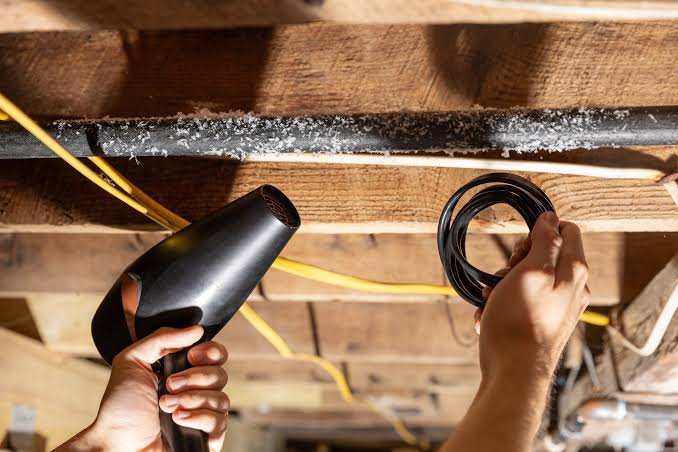
If the frozen section is accessible and there are no signs of damage, gradually warm the surrounding area.
You may use a household hair dryer on a low or moderate setting, provided the area is dry and the appliance is used according to its safety instructions. Keep electrical equipment away from standing water.
Never use an open flame, blowtorch, charcoal burner, or other high-heat device to thaw plumbing. These methods can start fires or damage pipes.
Step 3: Watch for leaks
As the ice melts, water may begin flowing again. Check accessible pipes and fittings for leaks.
If water pressure does not return, the frozen section may be difficult to reach or the pipe may be damaged.
Step 4: Call a plumber when needed
Contact a professional if the pipe is inside a wall, the blockage cannot be reached safely, or you suspect a burst pipe.
If water is leaking into the home, shut off the main supply and arrange urgent repairs. Avoid opening walls or using heat near hidden plumbing unless you know it is safe.
How Much Does a Dripping Faucet Cost Per Month?
A faucet left dripping intentionally during a freeze uses water, so it is reasonable to consider the cost.
If you are wondering how much does a dripping faucet cost per month, the answer depends on the flow rate and your local water and wastewater charges.
For example, assume a faucet releases approximately 0.25 milliliters per drop at one drop per second. It would use about 648 liters over 30 days.
At a combined water and wastewater rate of €4 per cubic meter, that amount would cost approximately €2.59 per month.
This is only an illustration. Actual costs vary depending on the size of the drops, the rate of flow, and local utility prices.
A faucet running in a steady stream uses much more water than one producing occasional drops. Therefore, if dripping is recommended during a short cold snap, follow local advice about the appropriate flow and duration rather than leaving water running indefinitely.
Common Mistakes to Avoid During Freezing Weather
A few simple mistakes can increase the risk of frozen plumbing or make a leak harder to manage.
Relying only on dripping water: A dripping faucet may help in certain circumstances, but insulation and adequate indoor heating remain important.
Ignoring exposed pipes: Pipes in garages, crawl spaces, and exterior walls need attention before cold weather arrives.
Using open flames to thaw pipes: Direct flames can damage plumbing and create a serious fire hazard.
Leaving a damaged pipe pressurized: If you suspect a burst pipe, shut off the water supply when safe and arrange repairs.
Waiting for visible water damage: A frozen pipe can be damaged before it begins leaking. Reduced water flow or frost on an exposed pipe may be an early warning sign.
Assuming every faucet should drip: The correct approach depends on the plumbing layout and local conditions. Unnecessary dripping wastes water without guaranteeing protection.
Conclusion: Protect Your Pipes Before Winter Arrives
So, how does dripping faucet prevent freezing? In certain situations, allowing a small flow of water may reduce the chance of ice blocking vulnerable pipes and may help relieve pressure. However, it is not a guaranteed solution, particularly during severe or prolonged cold weather.
The best approach combines appropriate pipe insulation, sealed air gaps, stable indoor heating, and early attention to vulnerable plumbing. Use a dripping faucet only when it makes sense for your home’s conditions or when local authorities or plumbing professionals recommend it.
Most importantly, learn where your main water shutoff is located and act quickly if you notice frozen pipes or signs of a leak. A little preparation before winter can help prevent expensive repairs and protect your home.
Frequently Asked Questions
1. Does leaving a faucet dripping really prevent frozen pipes?
It can reduce the risk in some situations by allowing water to move through vulnerable plumbing. However, it cannot guarantee protection during extreme cold, and insulation remains important.
2. Should I drip hot water or cold water to prevent freezing?
Follow local plumbing guidance and consider which supply lines are vulnerable. If both hot and cold pipes are exposed, protecting only one line may not be enough.
3. How fast should a faucet drip during freezing weather?
There is no universal rate for every home. Follow recommendations from your local water utility or plumber, based on the expected temperature and the location of your pipes.
4. Should I leave my faucet dripping all night?
Only when conditions or professional guidance make it appropriate. If you do, monitor the situation when possible and remember that dripping water does not replace pipe insulation or adequate heating.
5. What should I do if my faucet stops running during freezing weather?
A frozen pipe may be restricting the water supply. Leave the faucet slightly open if safe, warm accessible areas gently, and contact a plumber if the blockage persists or you suspect pipe damage.





Leave a comment