


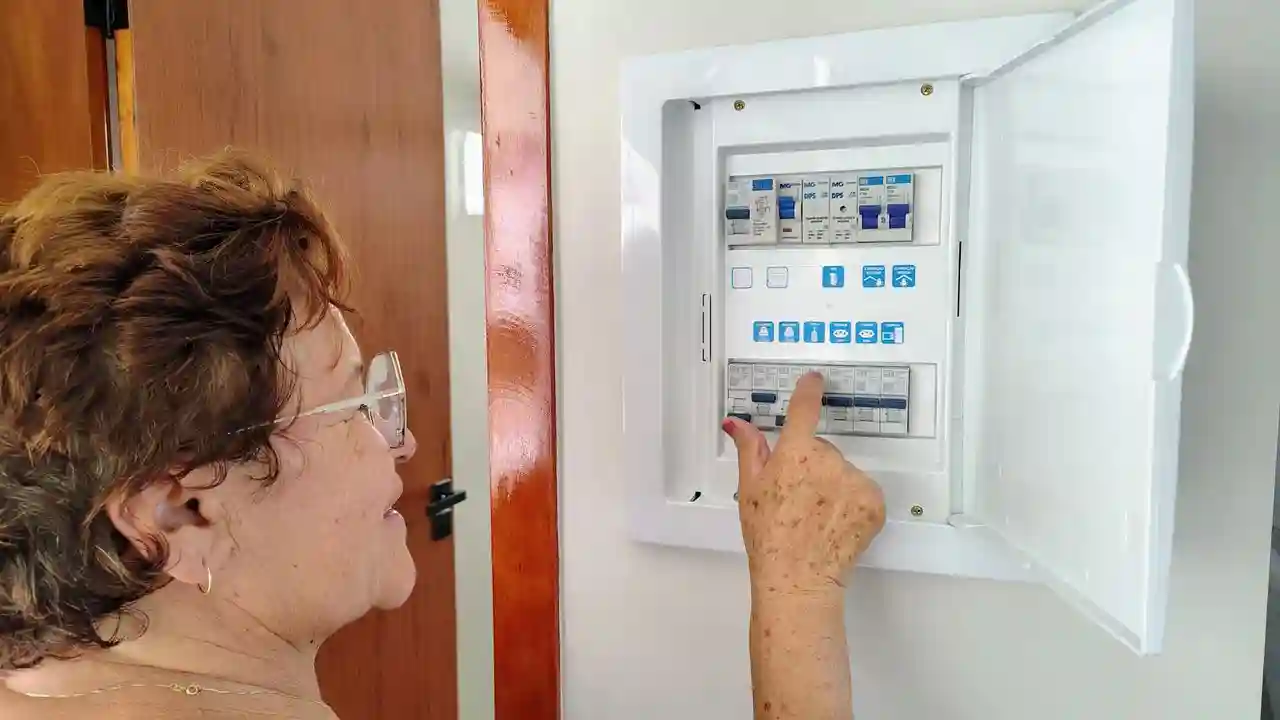
A home can change quite a bit over the years. What started as a comfortable place with a basic set of appliances might now include a dedicated home office, a larger refrigerator, an electric vehicle charger, a backyard pool, or an outdoor kitchen built for entertaining. Each improvement makes the home more useful, but it can also place additional demands on the electrical system.
The challenge is that electrical capacity is not always something homeowners think about when planning a renovation. A new appliance might seem like a simple purchase, while adding a pool or converting a spare bedroom into a home office may appear to be primarily a construction project. However, these changes can affect how much electricity the home needs, how circuits should be arranged, and whether the existing electrical panel can safely support the new equipment.
For homeowners in Austin, Texas, keeping up with those changes means looking beyond whether there are enough outlets or whether the lights turn on. It means understanding the home’s electrical capacity and determining whether the existing wiring, breakers, panel, and service can accommodate today’s needs.
How Modern Living Changes Your Electrical Needs
Many older homes were designed around the electrical demands of the time. Their original layouts may not have accounted for multiple computers running throughout the day, high-powered kitchen appliances, electric vehicle charging, or elaborate outdoor living spaces.
Even a relatively recent home can experience the same challenge if its owners make several substantial upgrades over a short period.
Consider a homeowner who purchases an electric vehicle, replaces a gas range with an electric model, and finishes a spare room as a home office. Each project may be manageable on its own, but together they can significantly change the home’s electrical demand.
That does not automatically mean the home needs a larger electrical panel. The right solution depends on the existing equipment, the home’s calculated electrical load, the circuits already in place, and the demands of the new appliances.
A professional assessment helps determine what is needed before installation begins.
New Appliances Can Put Additional Demands on Your Panel
Kitchen and laundry appliances are common reasons homeowners begin looking more closely at their electrical systems.
Replacing an older refrigerator with a larger model might not require substantial electrical changes. However, installing an electric range, wall oven, induction cooktop, electric dryer, tankless electric water heater, or other high-demand appliance can introduce different requirements.
Some appliances require dedicated circuits. Others may need specific breaker ratings, conductor sizes, or manufacturer-specified electrical connections. A homeowner cannot safely assume that an existing outlet or circuit will accommodate a new appliance simply because the plug fits.
The same consideration applies when renovating a kitchen. Homeowners may want additional countertop outlets, under-cabinet lighting, a second oven, or a larger cooking appliance. The electrical plan should account for those additions rather than treating each one as an isolated installation.
An electrician can review the existing panel, evaluate the circuits serving the kitchen and laundry room, and determine whether the proposed equipment can be supported.
This is particularly useful before purchasing expensive appliances or finalizing renovation plans. Discovering an electrical capacity issue early can help homeowners coordinate the necessary work with the rest of the project instead of making unexpected changes after installation has started.
A Home Office Needs More Than a Desk and an Internet Connection
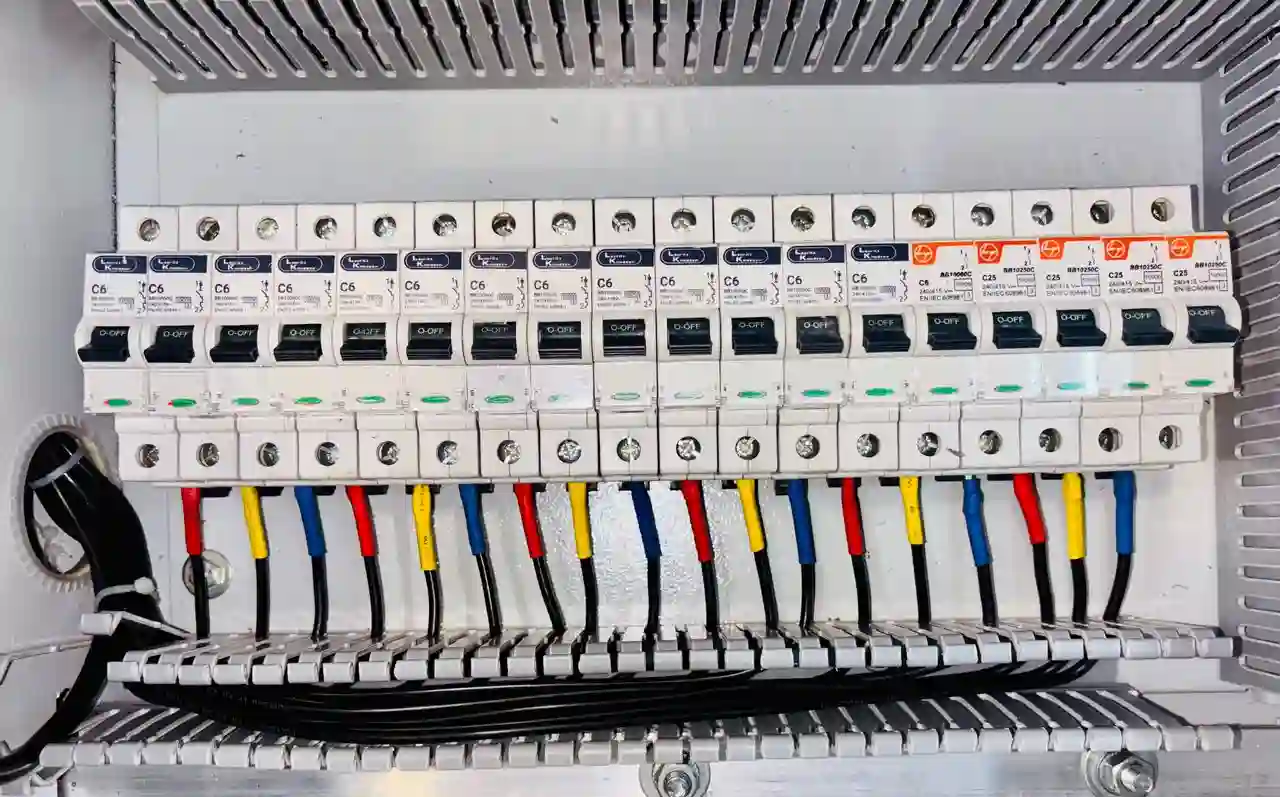
Working from home has changed how many people use their houses. A spare bedroom that once held a few boxes might now contain several monitors, computers, printers, networking equipment, lighting, and other electronics.
Individually, many of these devices use relatively little electricity. The concern is how everything operates together, especially when the same room shares a circuit with other equipment elsewhere in the home.
For example, a home office might share a circuit with bedroom outlets or nearby lighting. Adding a space heater, a laser printer, and several other devices could increase the load on that circuit. Space heaters deserve particular attention because they can draw substantial current while operating.
Signs that an existing circuit may be struggling include breakers that trip repeatedly when equipment is running. However, a breaker that never trips does not prove that the electrical system has sufficient capacity for every planned addition.
A dedicated circuit may be appropriate for certain office equipment or for a converted workspace with specific electrical requirements. An electrician can evaluate the actual demand and determine whether a new circuit, improved outlet placement, or another adjustment makes sense.
Homeowners should also consider future needs. A workspace designed for one person today might eventually accommodate additional computers, charging stations, or equipment. Planning the electrical layout around realistic future use can reduce the need for repeated modifications.
Installing an EV Charger Requires More Than Finding an Empty Breaker Slot
Electric vehicle ownership is another reason homeowners are evaluating their electrical systems.
A Level 2 EV charger can make home charging more convenient, but the installation needs to account for the charger’s electrical requirements and the home’s existing capacity. Unlike many household appliances that operate intermittently, EV charging can create a substantial load for several hours at a time.
The first question is not simply whether the electrical panel has an available breaker position. An empty slot does not necessarily mean the home has enough capacity to support another large electrical load.
A proper evaluation considers the home’s existing service, calculated demand, charger specifications, wiring route, circuit requirements, and other major equipment. Depending on the findings, the installation may be possible with the existing service, require electrical modifications, or justify a more extensive capacity upgrade.
Some homes can accommodate an EV charger without replacing the panel. Others may need a different approach, such as approved load management equipment or a service upgrade. The appropriate solution depends on the home’s electrical configuration and the equipment involved.
Austin homeowners should discuss EV charging plans with a licensed electrician before purchasing equipment or scheduling installation. Doing so can help identify potential limitations and clarify the scope of work before the project gets underway.
Additions and Major Renovations Can Reveal Hidden Electrical Limitations
Adding a bedroom, expanding a kitchen, converting a garage, or building a guest suite changes more than the home’s floor plan. It can introduce new lighting, receptacles, heating and cooling equipment, and dedicated appliance circuits.
The electrical work should be part of the renovation planning process, not something considered only after the walls are finished.
For example, a new room may need additional outlets, lighting controls, smoke alarms, and circuits for equipment. A converted garage might need different electrical arrangements than the space originally had. A large addition could also affect the home’s overall electrical demand enough to warrant a service-capacity assessment.
Older homes can present additional challenges. Previous renovations may have added circuits over time without a comprehensive review of how the entire system now operates. The panel directory might be incomplete, and some wiring routes may be difficult to identify without further investigation.
Before construction begins, homeowners should work with their contractor and electrician to establish which electrical improvements are required. That coordination can help ensure that circuit locations, lighting plans, and equipment requirements are addressed before insulation and drywall make access more difficult.
Tejas Electric can help Austin-area homeowners evaluate residential electrical needs when planning upgrades, additions, and other changes to their properties.
Pools and Outdoor Kitchens Bring Electrical Safety Into the Picture
Austin’s warm climate makes outdoor living spaces an attractive home improvement. Pools, hot tubs, outdoor kitchens, patio lighting, and entertainment areas can turn a backyard into an extension of the house.
However, these features may require considerably more electrical planning than homeowners expect.
Pool equipment can include pumps, heaters, lighting, and automated controls. Outdoor kitchens may have refrigerators, ice makers, electric grills, countertop outlets, and other appliances. A covered patio might also include ceiling fans, lighting, television outlets, and additional receptacles.
Each installation has to be evaluated according to its electrical requirements. Some equipment requires dedicated circuits, and outdoor installations need appropriate protection against moisture and environmental exposure.
Pools and spas have additional safety considerations involving bonding, grounding, required clearances, and ground-fault circuit-interrupter protection. The specific requirements depend on the installation and applicable electrical codes.
Outdoor kitchens also require careful attention to receptacle placement, weather-resistant equipment, and the protection required for the particular location. Extension cords and improvised wiring are not substitutes for properly installed outdoor circuits.
The electrical panel must be considered as part of the overall project. If a homeowner plans to install a pool, outdoor kitchen, and EV charger within the same year, evaluating those projects together can provide a more realistic picture of future demand.
That broader perspective can help avoid paying for separate electrical modifications that could have been coordinated from the beginning.
Why a Professional Electrical Load Assessment Matters
When homeowners begin planning major electrical additions, it is tempting to focus on the panel’s size or the number of available breaker spaces. Neither measurement tells the complete story.
A professional load assessment evaluates how the home uses electricity and how proposed additions could change that demand.
Depending on the project, an electrician may review:
- Existing electrical service: The service rating, panel configuration, and relevant equipment limitations.
- Current and proposed loads: Major appliances, heating and cooling systems, EV chargers, pool equipment, and other substantial electrical demands.
- Circuit requirements: Whether new equipment needs dedicated circuits, different wiring, or additional overcurrent protection.
- Panel condition: Signs of deterioration, damage, improper modifications, or equipment that may need replacement.
- Future plans: Anticipated additions that could affect the home’s electrical requirements.
- Applicable codes and permits: The requirements that apply to the planned installation and any necessary service modifications.
A load calculation is different from simply adding up every appliance’s maximum nameplate rating. Electrical codes provide methods for accounting for various loads, including applicable demand factors. A qualified electrician can determine which calculation method and requirements apply to the particular home and project.
The assessment may show that the existing electrical service is adequate and that only a new circuit or other targeted modification is necessary. Alternatively, it may identify the need for a panel upgrade or a more extensive service change.
That distinction matters. Replacing a panel when it is not necessary can add expense, while overlooking a genuine capacity limitation can create problems as new equipment is installed.
A thorough evaluation gives homeowners a clearer understanding of the work required and why it is needed.
Does Your Home Need a Panel Upgrade or Just a New Circuit?
These two services address different situations, and one is not automatically a substitute for the other.
A new circuit provides a properly designed electrical path for a particular load or group of loads. It may be appropriate when installing an appliance, adding outlets to a home office, or supplying equipment that requires its own circuit.
A panel upgrade involves replacing or upgrading electrical distribution equipment when the existing panel is unsuitable for the home’s needs or requires replacement for another reason. Depending on the project, the work may involve related service equipment or coordination with the electric utility.
A panel upgrade may be worth investigating when the existing equipment is damaged, lacks suitable capacity, cannot accommodate required circuits, or presents other documented limitations. Repeated breaker trips, unusual heat, burning odors, or visible damage should also prompt attention, although these symptoms do not all indicate that panel replacement is the only solution.
It is important to distinguish physical space from electrical capacity. A panel can have open breaker positions but insufficient capacity for a proposed load. Conversely, a panel with limited physical space may have adequate overall service capacity but need an appropriate, code-compliant solution for adding circuits.
An electrician can explain the available options after evaluating the actual equipment and demand.
Generator Interlocks Can Support a Home’s Backup-Power Plans
Electrical demand is not just about adding appliances. Some homeowners also want a reliable way to power selected household circuits during an outage.
A portable generator paired with a properly installed generator inlet and compatible interlock arrangement can provide backup power for designated circuits. This approach differs from installing a permanently connected standby generator, but both require careful electrical planning.
A generator interlock is a mechanical device designed for use with compatible equipment to prevent the utility main breaker and generator breaker from being on simultaneously. It must be compatible with the panel and installed according to applicable requirements.
The installation involves more than attaching a switch or adding a breaker. The electrician needs to verify compatibility, select suitable components, determine appropriate generator connection and circuit arrangements, and address the applicable permitting and inspection requirements.
Homeowners also need to understand generator capacity. A portable generator cannot necessarily run every appliance in the house at the same time. Large loads such as central air conditioning, electric water heaters, ranges, and EV chargers can quickly exceed the available output of some generators.
A planned backup-power arrangement identifies which circuits are important during an outage and determines how much power the generator can safely provide. Generator operation also requires proper placement outdoors, away from doors, windows, and other openings, because carbon monoxide from engine exhaust can be fatal.
Tejas Electric can help homeowners explore electrical options for generator interlocks and other residential electrical improvements while considering the equipment already installed in the home.
Is DIY Electrical Installation a Good Idea?
Homeowners who enjoy working on their properties may be comfortable painting rooms, assembling furniture, replacing cabinet hardware, or tackling other routine improvements. Electrical work deserves a different level of caution, particularly when it involves service equipment, new circuits, high-demand appliances, or backup-power connections.
Even when a project appears straightforward, mistakes can introduce hazards that are not immediately visible. Incorrect wire sizing, unsuitable breakers, loose connections, improper grounding, and inadequate protection can create risks of electric shock, equipment damage, overheating, or fire.
Turning off a breaker does not necessarily make every part of an electrical panel safe to handle. Certain components may remain energized, and service equipment can expose an inexperienced person to dangerous electrical energy.
For work such as installing an EV charger, adding circuits for a major renovation, modifying a panel, connecting pool equipment, or installing a generator interlock, homeowners should use appropriately licensed electrical professionals.
Texas has specific licensing requirements for electrical contracting and electrical work. Before hiring someone, homeowners should verify the contractor’s applicable license and confirm that the proposed work will comply with local permitting and inspection requirements. Austin-area projects may also involve requirements specific to the property’s jurisdiction and the scope of the installation.
Not every minor household task carries the same risks or legal requirements. However, work that changes fixed wiring, modifies a panel, or connects substantial new loads is not a suitable place to learn electrical installation techniques through trial and error.
Homeowners can still play an important role in the process. They can document the appliances they plan to install, gather manufacturer specifications, identify which equipment should remain powered during outages, and discuss future renovation plans with their electrician. That preparation helps the professional make informed recommendations without putting the homeowner in the position of performing hazardous work.
Planning Ahead Can Make Electrical Improvements More Straightforward
One of the most useful steps a homeowner can take is to consider several planned improvements together instead of treating every project as a separate decision.
For example, someone preparing to renovate a kitchen might also be considering an EV charger and a backyard pool. Discussing those plans during one electrical assessment allows the electrician to evaluate the combined requirements and determine whether any work should be coordinated.
The same principle applies to homeowners converting spare rooms into offices, finishing garages, adding guest accommodations, or preparing a property for long-term use.
A practical planning checklist includes:
- List the major appliances and electrical equipment already installed.
- Identify proposed additions, including EV chargers, pool equipment, outdoor kitchens, and new HVAC systems.
- Gather equipment specifications where available.
- Discuss which circuits need to operate during a power outage.
- Have a licensed electrician assess the existing equipment and calculate the applicable electrical load.
- Confirm permit, inspection, and installation requirements before work begins.
This approach does not guarantee that a panel upgrade will be necessary or that every project can use the existing service. It does, however, provide a clearer basis for making decisions and coordinating electrical work with the rest of the home improvement process.
Keep Your Austin Home’s Electrical System Ready for What’s Next
A home that met a family’s electrical needs ten years ago may look very different today. New appliances, remote-work equipment, EV charging, additions, pools, and outdoor kitchens can all change the way electricity is used throughout the property.
The important question is not simply whether the electrical system has enough outlets or whether the panel looks modern. It is whether the existing equipment can safely support the home’s current demands and the improvements being planned.
A professional assessment can help identify the difference between a project that needs a new circuit, one that requires targeted electrical modifications, and one that calls for a panel or service upgrade. It can also help homeowners plan backup power and address safety requirements before construction gets underway.
Homeowners living in Austin, Texas can trust the residential electricians from Tejas Electric when it comes to professional electrical services such as an electrical panel upgrade, new circuits or generator interlock installations. For homeowners in Austin and surrounding Central Texas communities, working with an experienced electrical contractor can help bring greater clarity to renovation plans and ensure that important electrical decisions are based on the home’s actual needs.
Whether you are preparing for an EV charger, updating an older kitchen, adding a backyard living area, or simply trying to understand your home’s existing electrical capacity, Tejas Electric can help you evaluate the options and plan the work around your household’s needs.
Before your next home improvement project begins, take the time to find out whether your electrical system is ready for it. A little planning now can make it easier to coordinate installations, understand potential costs, and prepare your home for the way you live today and the changes you expect tomorrow.



Leave a comment