


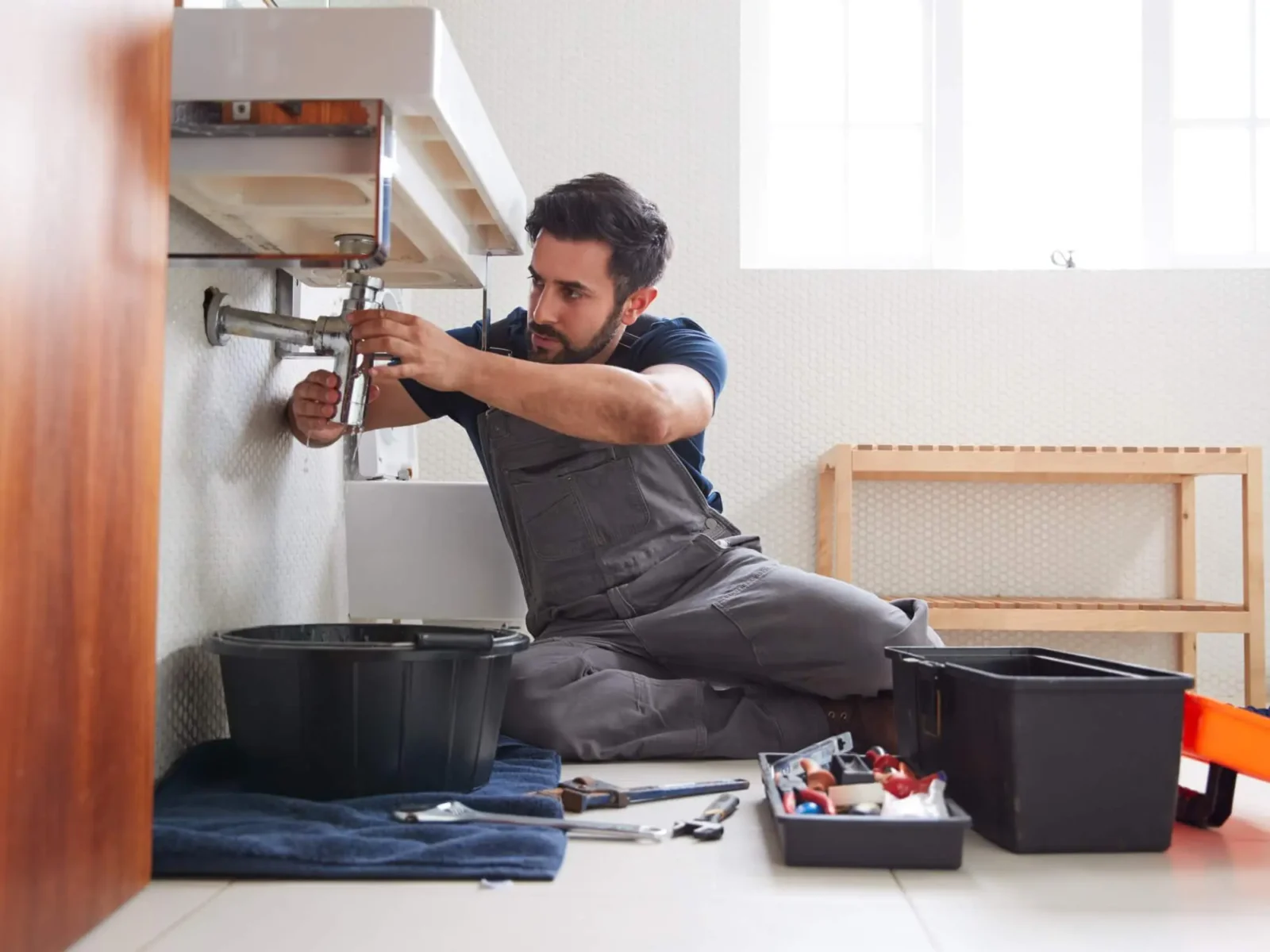
You remove the hair from the bathroom sink stopper, clean the drain opening, and even try a plunger. Yet the water still drains slowly—or stops moving altogether. When simple fixes fail, you may begin to suspect that the blockage is somewhere you cannot see.
A bathroom sink clogged behind wall problem can occur when soap residue, hair, toothpaste, mineral deposits, or other debris builds up farther along the drainpipe. In some homes, the blockage may also affect a shared drain line connected to other fixtures.
The challenge is knowing whether the clog is close to the sink or deeper inside the plumbing. In this guide, you will learn the warning signs, the most common causes, safe troubleshooting steps, and when to call a plumber. You will also discover which DIY methods to avoid so you do not turn a simple blockage into a more expensive repair.
What Does a Bathroom Sink Clogged Behind Wall Problem Mean?
A bathroom sink drain usually connects to a short section of pipe beneath the basin. That pipe leads through a curved section called the P-trap before joining a larger drainpipe that may run inside the wall.
When water cannot pass through the drainage system freely, it backs up into the sink. The location of the blockage determines which repair is needed.
How the Drain System Works
Most bathroom sinks have several connected components:
- Drain opening: The opening where water leaves the basin.
- Stopper assembly: The mechanism that opens and closes the drain.
- P-trap: The curved pipe beneath the sink that holds water and blocks sewer gases.
- Drain arm: The pipe that connects the trap to the wall drain.
- Branch drainpipe: The pipe that carries wastewater toward a larger drainage line.
A blockage can develop in any of these areas. However, a clog farther inside the wall is usually harder to reach without suitable tools.
If you have already cleaned the stopper and the water still backs up, the next step is to determine whether the P-trap or the wall drain may be responsible.
7 Signs Your Bathroom Sink Drain May Be Clogged Behind the Wall
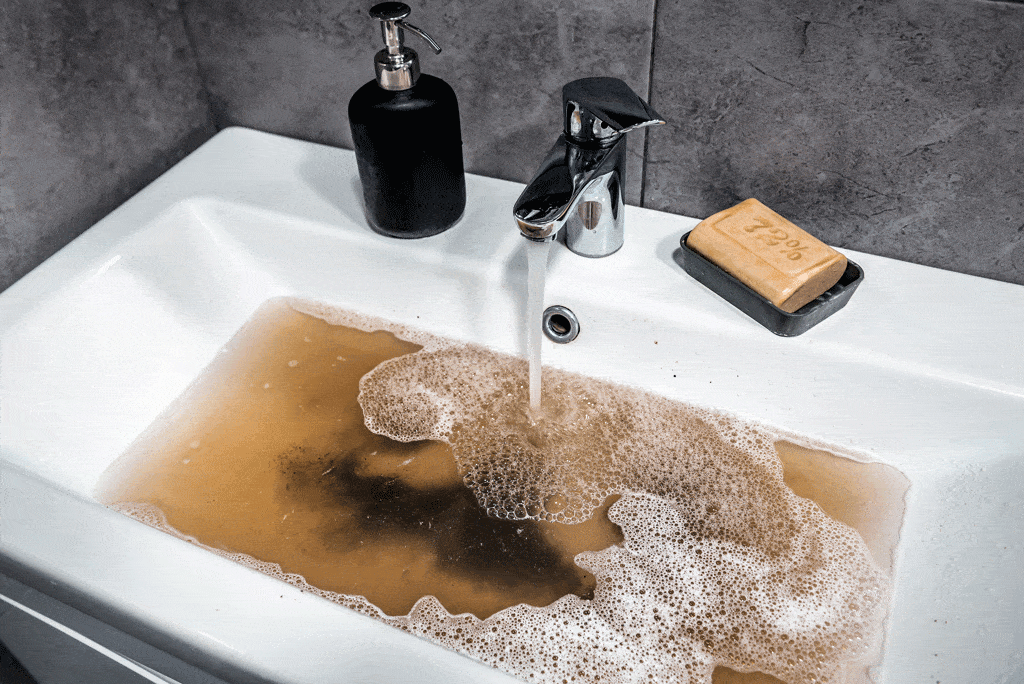
A hidden blockage does not always produce an obvious warning. However, several signs can help you decide whether the problem is deeper than the sink itself.
1. The Sink Remains Slow After Cleaning the Drain
Hair and soap residue often collect around the stopper. Removing this material may restore normal drainage when the blockage is close to the basin.
However, if the sink remains slow after you clean the stopper and drain opening, debris may have accumulated farther down the pipe.
This does not prove that the blockage is behind the wall, but it means you should inspect the next accessible sections before repeating the same cleaning method.
2. Water Backs Up Almost Immediately
If water rises in the basin as soon as you turn on the tap, the drain may be heavily obstructed.
A complete blockage can prevent water from moving through the pipe. In this situation, stop running the faucet rather than allowing the basin to fill.
If the water level continues rising or threatens to overflow, turn off the tap immediately.
3. You Hear Gurgling Sounds
A gurgling noise may occur when air moves through a partially blocked drain. It can also indicate a venting problem or an issue farther along the drainage system.
Pay attention to whether the sound comes from the affected sink or another nearby fixture.
Gurgling alone does not identify the exact cause. However, it becomes more concerning when combined with slow drainage, recurring clogs, or water backing up in other fixtures.
4. Several Fixtures Drain Slowly
If the bathroom sink, shower, and bathtub begin draining slowly around the same time, the issue may involve a shared drain line rather than the sink alone.
For example, a blockage in a larger branch line can affect more than one fixture.
When several drains show the same symptoms, avoid treating each one as a separate problem. A plumber can determine whether the blockage is in a shared pipe or farther downstream.
5. The Problem Returns After Every Cleaning
You may remove visible hair, clean the stopper, and restore drainage for a short time. However, if the sink clogs again within days, material may remain deeper in the pipe.
Repeated clogs can also occur when a pipe has heavy mineral buildup, an unsuitable slope, or a damaged section.
Instead of using stronger chemicals each time, investigate why the blockage keeps returning.
6. You Notice Unpleasant Drain Odors
A blocked drain may trap organic material that produces unpleasant smells. However, odors can also result from a dry P-trap, dirty overflow passage, or sewer-gas problem.
If the odor resembles sewage and persists after ordinary cleaning, seek professional advice. Do not assume that every drain smell is caused by a simple clog.
7. Water Backs Up Into Another Fixture
Water rising in a bathtub or shower when you use the sink can suggest a blockage in a shared drainage line. This is particularly important if wastewater appears in a fixture that is not being used.
Stop using the affected plumbing if wastewater backs up. Contact a plumber promptly because the problem may be beyond the reach of basic sink-cleaning tools.
Why Is My Bathroom Sink Clogged Even After Cleaning?
If you are asking, why is my bathroom sink clogged after removing visible debris, several less obvious causes may explain the problem.
Hair and Soap Residue
Hair can combine with soap residue, toothpaste, skin oils, and other debris. Over time, this mixture forms a dense mass that catches additional material.
The clog may begin near the stopper and gradually extend into the drainpipe. If some of the buildup remains after cleaning, water may continue draining slowly.
Mineral Deposits From Hard Water
Hard water contains dissolved minerals that can collect inside plumbing. These deposits may narrow the pipe opening and make it easier for hair and soap residue to accumulate.
Mineral buildup tends to develop gradually. Therefore, a sink that has drained poorly for months may have a different problem from one that suddenly stops draining.
Foreign Objects
Small objects can fall into the drain accidentally. Examples include cotton swabs, pieces of plastic, dental floss, and small bathroom accessories.
Some objects become stuck in the P-trap, while others travel farther into the drainage system. Avoid pushing an object deeper with a screwdriver or other improvised tool.
Pipe Damage or Poor Drainage Design
Older pipes may corrode, develop rough internal surfaces, or become damaged. In other cases, an incorrect pipe slope or poorly installed fitting may contribute to recurring drainage problems.
These issues are harder to identify from the sink opening. If ordinary cleaning does not solve the problem, a plumber may need to inspect the drainpipe.
Safe Checks to Try Before Calling a Plumber
Before assuming the blockage is inside the wall, check the areas you can reach safely. These steps can help identify a simple clog without damaging the plumbing.
Step 1: Remove and Clean the Stopper
Place a towel in the basin to catch loose parts. Remove the stopper according to its design and clean away visible hair, soap residue, and other debris.
Use gloves and a suitable cleaning tool. Avoid reaching blindly into the drain, especially if you cannot see what is inside.
After cleaning, run a small amount of water to see whether drainage improves. Stop if the basin begins filling.
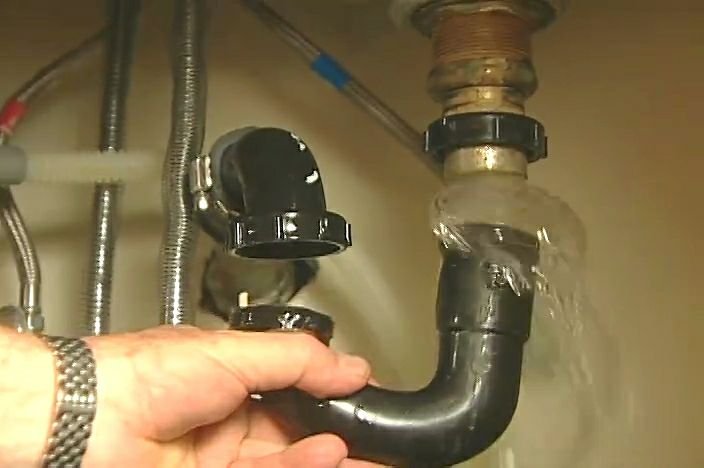
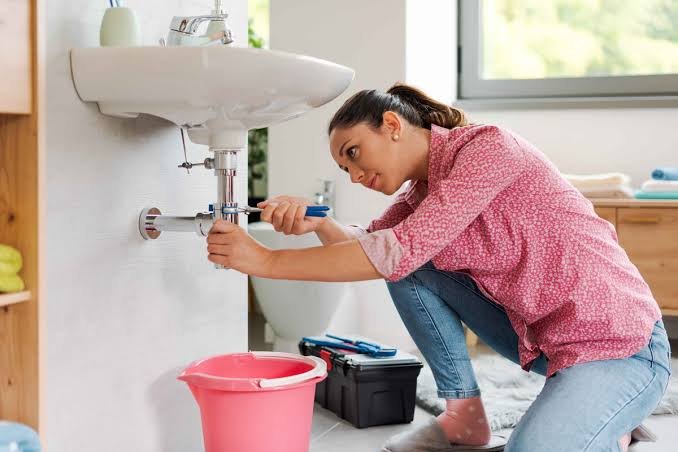
Step 2: Check the P-Trap
The P-trap is often accessible beneath the sink. It catches some debris before it travels farther into the drainage system.
If you are comfortable doing basic plumbing work, place a bucket beneath the trap and prepare towels before opening any connections. The trap contains water and may also hold unpleasant waste.
Important: Do not remove the trap if the pipes are corroded, fragile, difficult to access, or connected in an unfamiliar way. If you are unsure, let a plumber handle the inspection.
Once removed, the trap can be checked for a visible obstruction and cleaned if appropriate. Reinstall it carefully and check for leaks before using the sink normally.
Step 3: Use a Sink Plunger Correctly
A small cup-style sink plunger may help loosen a nearby blockage.
- Add enough water to cover the plunger’s rim.
- Cover the overflow opening with a damp cloth if your sink has one.
- Position the plunger over the drain to form a seal.
- Use several controlled pushes and pulls.
- Lift the plunger and check whether the water drains.
Do not plunge aggressively if chemical drain cleaner has already been used. Contaminated water may splash onto your skin or into your eyes.
If the sink remains blocked after a reasonable attempt, stop rather than repeatedly forcing water into the drain.
Step 4: Consider a Suitable Drain Snake
A hand-operated drain snake can remove hair and debris from some accessible drainpipes. However, using one inside a wall drain requires care.
Choose a tool intended for household sink drains and follow its instructions. Do not force it if it catches, bends sharply, or meets strong resistance.
Improper use can damage some pipes or fittings. If the blockage is deep, recurring, or difficult to reach, professional drain-cleaning equipment may be more appropriate.
What to Do When the Bathroom Sink Is Clogged Past the P-Trap
A bathroom sink clogged past trap situation means the obstruction may be in the drain arm or a pipe farther downstream.
This is a likely possibility when the stopper and P-trap are clean but the sink still drains poorly. However, it is not the only explanation; a venting problem or damaged pipe can produce similar symptoms.
Here is what to do:
- Stop using the sink if water is backing up.
- Check for leaks beneath the basin.
- Avoid repeatedly pouring chemicals into the drain.
- Note whether nearby fixtures are also draining slowly.
- Contact a plumber if the blockage remains after safe, accessible checks.
A plumber may use a suitable drain snake or camera inspection to locate the obstruction. The right method depends on the pipe material, blockage location, and condition of the plumbing.
Why You Should Avoid Harsh DIY Drain Treatments
When a sink refuses to drain, it is tempting to reach for a strong chemical cleaner. However, chemical products can create additional risks when they are used incorrectly.
Chemical Drain Cleaners
Some drain cleaners can damage certain pipe materials, finishes, or plumbing components. They may also cause burns if they splash onto skin or eyes.
Never mix different drain-cleaning products. Dangerous reactions can occur, particularly when products containing bleach, acids, or other reactive ingredients are combined.
If you have already used a chemical cleaner, tell the plumber before they begin work. Follow the product label’s safety instructions and do not use a plunger if doing so could splash the chemical.
Boiling Water
Pouring boiling water into a sink is not a universal solution. Very hot water can damage some plastic plumbing components or finishes, and it may not remove a solid blockage.
Warm water may help rinse away some residue in suitable circumstances, but it will not solve every clog. Always consider the sink and pipe materials before trying a home remedy.
Improvised Tools
Do not push metal rods, coat hangers, or screwdrivers into the drain. These items may scratch the plumbing, become stuck, or force debris deeper into the pipe.
Use tools designed for drain cleaning or ask a professional to inspect the blockage.
When to Call a Professional Plumber
A plumber is the best option when the blockage appears to be inside the wall, affects multiple fixtures, or keeps returning after basic cleaning.
Arrange professional help if:
- The sink remains blocked after the stopper and accessible trap are checked.
- Water backs up into the bathtub, shower, or another drain.
- You hear repeated gurgling from several fixtures.
- You notice sewage odors or wastewater backup.
- Pipes beneath the sink are corroded or leaking.
- You suspect a damaged drainpipe or a venting problem.
Act promptly if wastewater backs up or water is leaking into a wall or cabinet. These problems can create sanitation concerns and lead to damage if ignored.
A plumber can inspect the drainage system, identify the location of the clog, and recommend an appropriate repair. Depending on the problem, the solution may involve mechanical drain cleaning, removing an obstruction, or repairing a damaged pipe.
How Much Can a Hidden Drain Blockage Cost to Repair?
The cost depends on the blockage’s location, the type of plumbing, the time required, and local labor rates. A simple obstruction in an accessible trap is usually less complicated than a blockage deep inside a wall or shared drain line.
Potential cost factors include:
- The plumber’s call-out or inspection fee
- The time required to locate the blockage
- The equipment needed for drain cleaning
- Whether a camera inspection is necessary
- Whether pipes or fittings need repair or replacement
For example, a plumber may clear a straightforward blockage with a drain snake. However, if an inspection reveals a damaged pipe behind a finished wall, the repair may involve additional labor and access work.
Ask for an estimate before approving major repairs. If the plumber recommends opening a wall, request an explanation of why that step is necessary and whether less invasive options are available.
How to Prevent Another Bathroom Sink Clog
Once the sink drains properly again, a few simple habits can reduce the chance of another blockage.
Clean the Stopper Regularly
Hair and residue can collect around the stopper even when the drain appears clear. Remove visible debris regularly rather than waiting until water drains slowly.
Use a Drain Catcher When Appropriate
A suitable drain catcher can help prevent hair and small objects from entering the plumbing. Choose one designed for your sink and clean it often.
Avoid Sending Unnecessary Waste Down the Drain
Do not rinse large amounts of hair, cotton, dental floss, or other solid waste into the sink. These materials can collect inside the drain and contribute to a blockage.
Pay Attention to Early Warning Signs
Slow drainage, recurring odors, and unusual gurgling may indicate a developing problem. Addressing these signs early can help prevent a complete blockage.
Arrange Maintenance for Recurring Problems
If the same drain clogs repeatedly despite regular cleaning, ask a plumber to investigate the cause. Repeated blockages may point to mineral deposits, damaged pipes, or another underlying issue.
Conclusion: Know When a Hidden Drain Clog Needs Expert Help
A bathroom sink that will not drain may have a simple obstruction near the stopper, but the problem can also extend into the pipe behind the wall. The key is to check the accessible components first and watch for warning signs such as repeated clogs, gurgling, or backups in other fixtures.
Clean the stopper, inspect the P-trap only if it is safe to do so, and use appropriate tools carefully. However, avoid harsh chemical combinations and do not force improvised tools into the drain.
The most important takeaway: If the sink remains blocked after basic checks—or several fixtures are affected—call a qualified plumber. Finding the cause early can help prevent water damage and avoid unnecessary repairs.
Frequently Asked Questions
1. How do I know if my bathroom sink is clogged behind the wall?
If the stopper and accessible P-trap are clear but the sink still drains slowly, the blockage may be farther down the pipe. Gurgling or backups in other fixtures are additional warning signs.
2. Can I unclog a bathroom sink without a plumber?
Yes, if the obstruction is near the stopper or inside an accessible P-trap. If the clog is deep, keeps returning, or affects several fixtures, professional help is advisable.
3. How to unclog bathroom sink clogged with hair?
Remove the stopper and pull out visible hair using a suitable drain-cleaning tool. If the blockage remains, a small sink plunger or an appropriate drain snake may help, provided no hazardous chemical cleaner has been used.
4. Why does my bathroom sink keep clogging?
Repeated clogs can result from hair, soap residue, mineral deposits, foreign objects, or a problem with the drainpipe. A plumber can investigate if routine cleaning does not solve the issue.
5. Is a clogged drain behind the wall an emergency?
It is not always an emergency, but wastewater backup, leaking pipes, or water entering a wall or cabinet needs prompt attention. Stop using the affected fixture and contact a plumber if these signs appear.



Leave a comment