


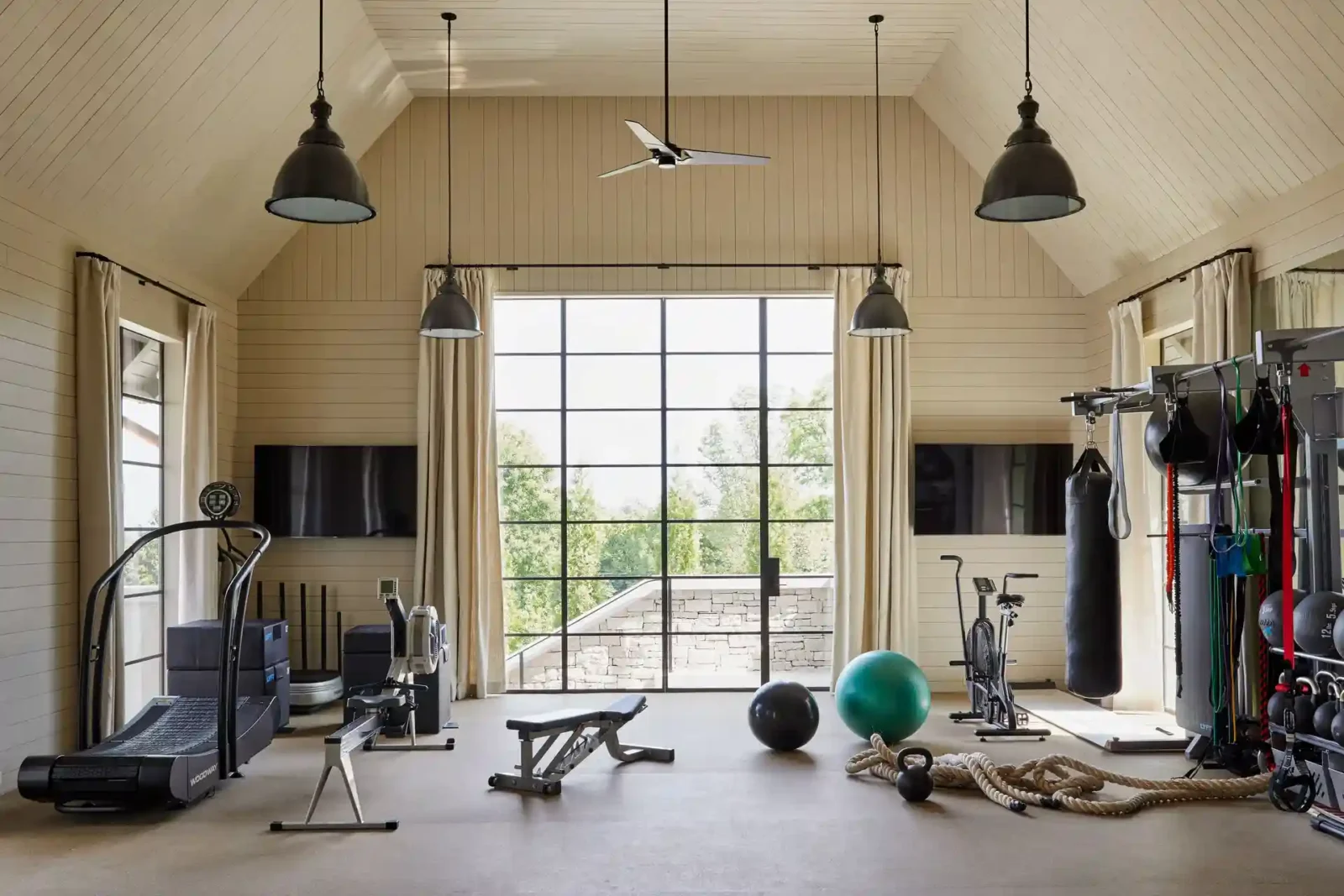
Have you ever walked past an unused room and thought, “This could make a great home gym”?
A dedicated workout space can make exercising more convenient. Instead of driving to a gym, you can train at home whenever your schedule allows. However, turning an ordinary room into a safe and useful fitness space requires more than placing a treadmill in the corner.
The home gym renovation cost can range from a simple room refresh to a major construction project involving new flooring, electrical outlets, ventilation, mirrors, soundproofing, storage, and structural improvements.
The good news is that you do not need a luxury fitness studio to create an effective workout area.
In this guide, we explain the main renovation expenses, compare different types of home gyms, show where your budget matters most, and share practical ways to create a comfortable training space while keeping unnecessary costs under control.
What Is the Home Gym Renovation Cost?
The cost of a home gym depends mainly on the room, the renovation work, and the equipment.
A spare bedroom may require very little construction. A garage may need insulation, heating, flooring, lighting, and electrical upgrades. A basement may require moisture control before any gym equipment is installed.
For planning purposes, home gym projects can be divided into three broad categories:
| Gym Type | Typical Work | Budget Level |
| Basic workout room | Paint, flooring, lighting, equipment | Lower |
| Dedicated gym | Flooring, mirrors, storage, electrical work | Moderate |
| Premium fitness room | Structural work, HVAC, soundproofing, custom features | Higher |
The home gym renovation cost is therefore not determined by equipment alone.
For example, spending $3,000 on fitness equipment does not mean the entire project will cost $3,000. If the room needs electrical upgrades, new flooring, insulation, and ventilation, construction costs can become a significant part of the budget.
What Factors Affect Home Gym Renovation Cost?
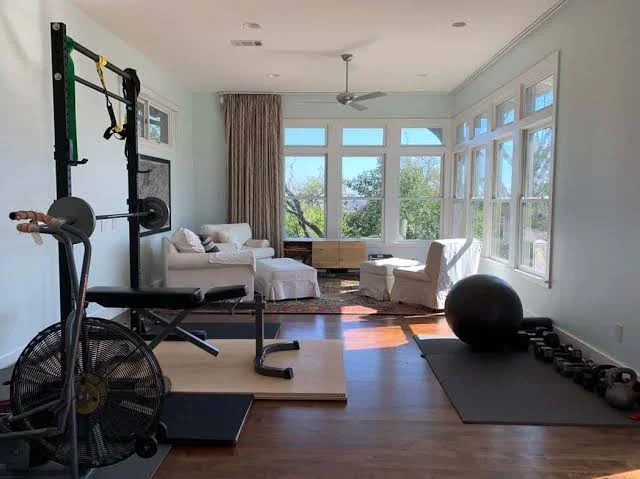
Before buying equipment, examine the room carefully.
Several factors can change your final renovation budget.
Room Size
A small gym requires less flooring, lighting, paint, and storage.
However, a larger room may allow you to combine strength training, cardio, stretching, and mobility areas in one space.
Existing Condition
A finished room with good flooring and electrical outlets is much easier to convert.
An unfinished basement or garage may require considerably more work.
Type of Exercise
Your training style also matters.
A yoga and Pilates room has very different requirements from a heavy strength-training gym.
For example, a room designed for weightlifting may need impact-resistant flooring and careful equipment placement.
Equipment
Fitness equipment can range from simple resistance bands to commercial-style machines.
A basic home gym might need only:
- Adjustable dumbbells
- Resistance bands
- Exercise mat
- Bench
- Kettlebells
A larger setup might include:
- Power rack
- Cable machine
- Treadmill
- Exercise bike
- Rowing machine
- Weight plates
Home Gym Flooring Cost and Why It Matters
Flooring is one of the most important parts of a home gym.
The right surface protects the floor, reduces noise, improves grip, and makes workouts more comfortable.
Common options include:
- Rubber tiles
- Rubber rolls
- Foam mats
- Vinyl flooring
- Commercial gym flooring
- Interlocking fitness tiles
Rubber Flooring for Strength Training
Rubber flooring is especially useful when the gym includes weights.
It can absorb impact and help protect the underlying floor from dropped equipment.
However, not every rubber product is the same. Thickness, density, installation method, and product quality can affect both performance and price.
Flooring for Low-Impact Exercise
If your gym is mainly used for yoga, stretching, Pilates, or bodyweight workouts, you may not need heavy-duty rubber flooring.
A comfortable exercise mat combined with a durable floor may be enough.
Expert insight: Choose flooring based on the type of training you actually do, rather than buying the thickest or most expensive product available.
Electrical Work and Home Gym Renovation Cost
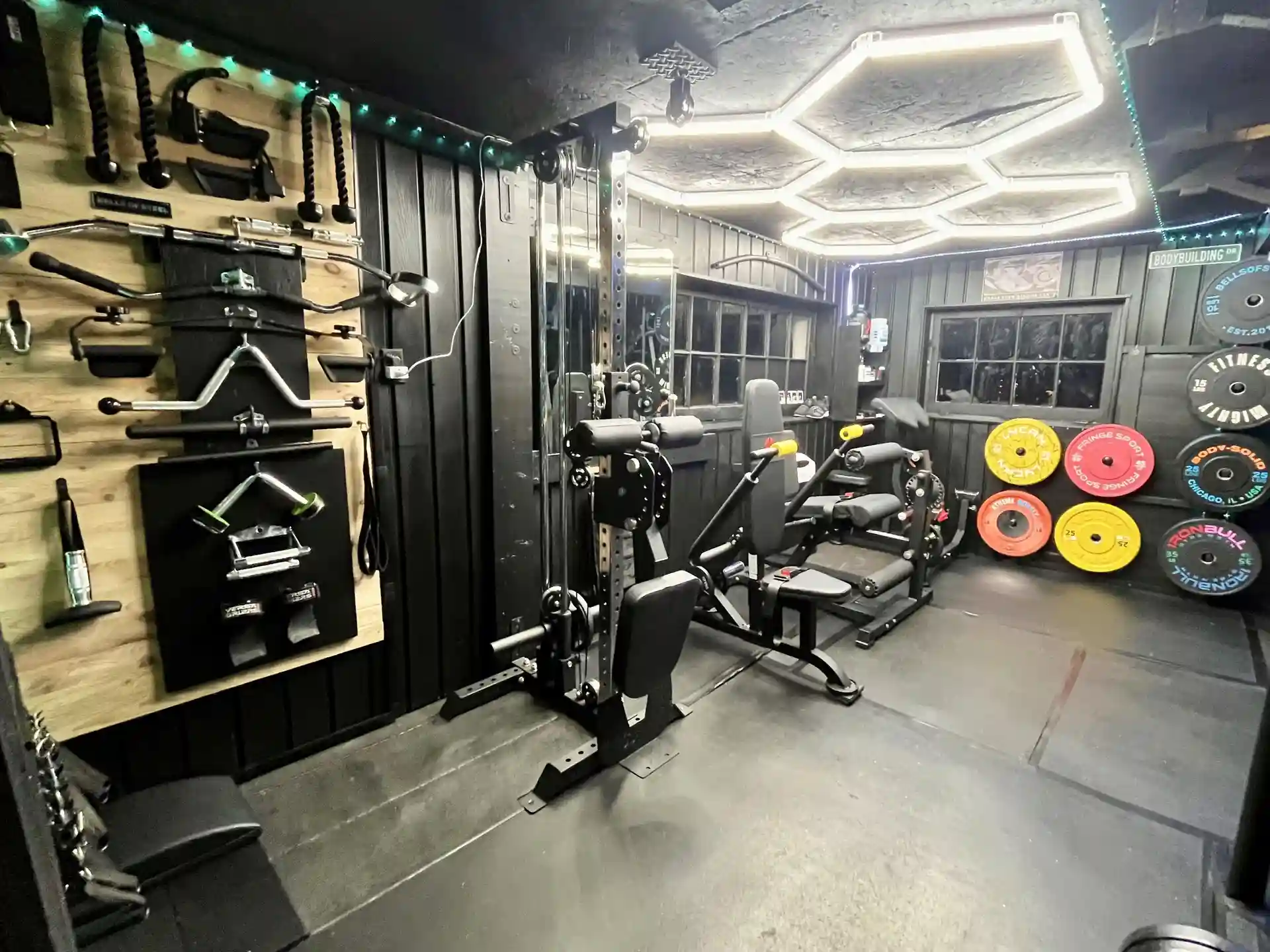
Modern fitness equipment can require more power than homeowners expect.
Treadmills, bikes, fans, televisions, speakers, chargers, and lighting may all compete for electrical capacity.
A dedicated gym may benefit from additional outlets around the room.
Potential electrical improvements include:
- New wall outlets
- Dedicated circuits
- Better lighting
- Ceiling fans
- USB charging points
- TV connections
- Smart equipment connections
Electrical work should be handled by a qualified professional.
Do not overload existing outlets with extension cords simply because you want to avoid renovation costs.
Safety should always come before convenience.
Lighting for a Home Gym
Good lighting can completely change the feel of a workout room.
A dark basement may feel unpleasant during a morning workout, while bright, balanced lighting can make the space feel cleaner and more energetic.
Consider combining:
Ceiling lighting: General illumination for the entire room.
Task lighting: Useful around storage or specific workout stations.
Natural light: Excellent when windows provide enough daylight without creating glare.
LED fixtures are often a practical choice because they provide bright light while using relatively little electricity.
Moreover, mirrors can help distribute light and make a smaller room appear more open.
Ventilation and Temperature Control
Exercise generates heat.
A room that feels comfortable when you are sitting at a desk can become uncomfortable after 20 minutes of intense exercise.
This makes ventilation and temperature control important parts of gym design.
Depending on the room, improvements might include:
- Ceiling fans
- Exhaust fans
- Air conditioning
- Heating
- HVAC extensions
- Better insulation
- Improved air circulation
Basements and garages deserve particular attention.
A garage can become extremely hot in summer and cold in winter. A basement may have humidity or moisture problems.
Before spending money on equipment, make sure the room provides a healthy environment for exercise.
Mirrors and Wall Finishes
Mirrors are popular in home gyms because they allow users to check exercise form.
They can also make a small room appear larger.
However, full-wall mirrors can add considerable installation costs.
A cheaper alternative is to install mirrors only around the main training area.
Wall finishes can also improve the room.
You might choose:
- Washable paint
- Accent walls
- Wall panels
- Acoustic panels
- Storage rails
Choose durable finishes that can handle regular cleaning and occasional contact with equipment.
Home Gym Storage
Good storage prevents a gym from becoming cluttered.
Instead of leaving resistance bands, dumbbells, mats, and accessories on the floor, create designated storage areas.
Useful solutions include:
- Wall-mounted racks
- Dumbbell stands
- Shelving
- Storage benches
- Pegboards
- Cabinets
- Hooks
Why Storage Should Be Planned Early
Storage is easier to install before the room is finished.
For example, if you know where your equipment will go, you can plan wall-mounted storage and electrical outlets around the layout.
This reduces the chance of having to redesign the room later.
Home Gym Renovation Cost by Room Type
The room you choose can have a major effect on your budget.
Spare Bedroom Gym
A spare bedroom is often one of the easiest spaces to convert.
It may already have:
- Finished walls
- Flooring
- Electrical outlets
- Heating
- Lighting
The main expenses may therefore be equipment, flooring protection, mirrors, and storage.
Garage Gym
Garages can provide excellent space for strength training.
However, they may need:
- Insulation
- Heating
- Cooling
- Better lighting
- New flooring
- Electrical upgrades
- Storage
The garage door and ceiling height should also be considered when planning equipment.
Basement Gym
Basements can offer privacy and large open areas.
However, check carefully for:
- Moisture
- Mold
- Poor ventilation
- Low ceilings
- Uneven floors
- Emergency exit requirements
Fix moisture problems before installing expensive flooring or equipment.
Home Gym Equipment Budget
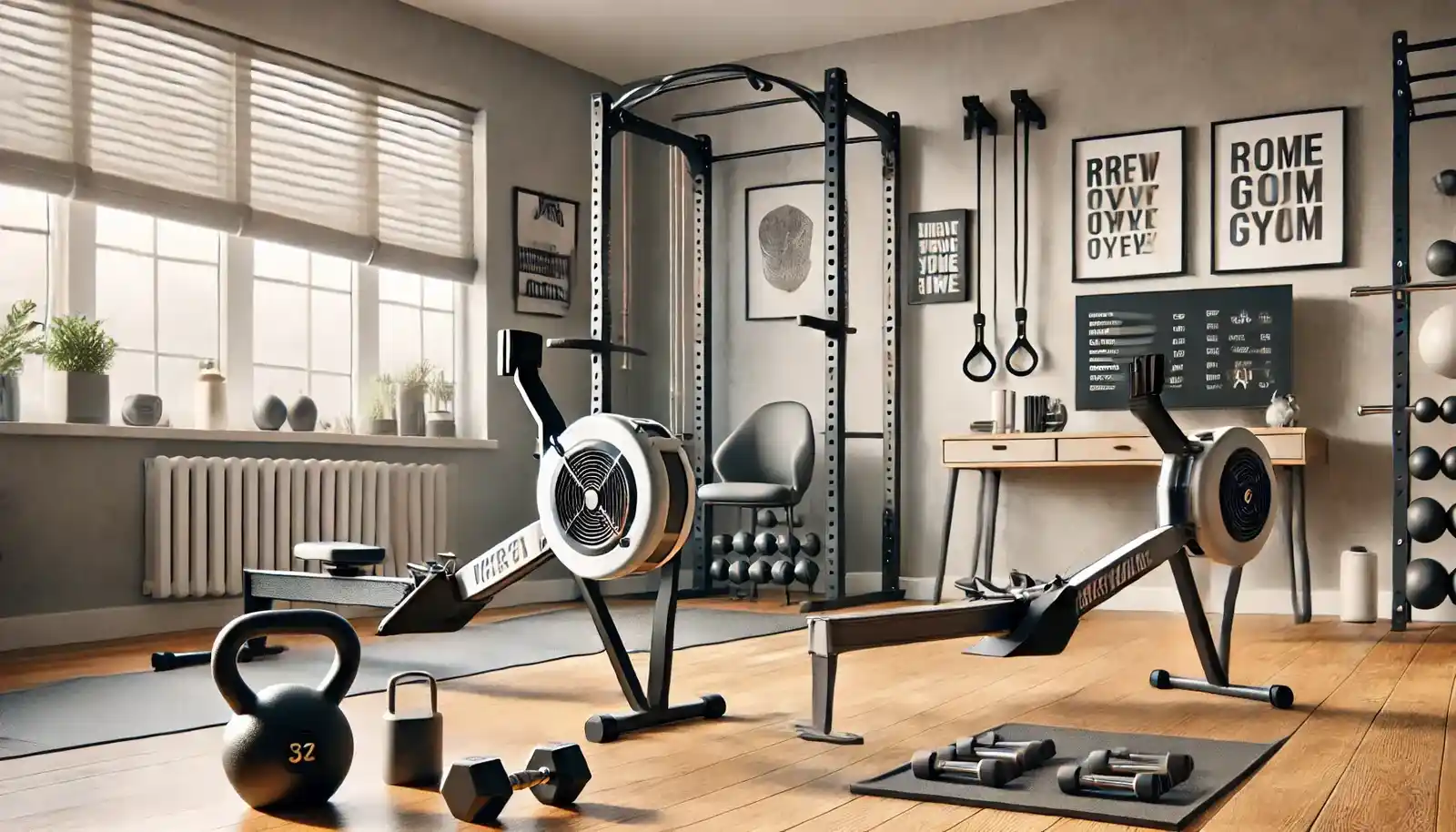
Renovating the room is only part of the project.
Equipment can easily become the largest expense if you are building a complete training facility.
A simple strength-focused setup could include:
- Adjustable dumbbells
- Adjustable bench
- Resistance bands
- Kettlebells
- Pull-up bar
- Exercise mat
For a more advanced setup, you might add a power rack, barbell, weight plates, cable system, and cardio equipment.
Buy Equipment Based on Your Routine
Do not purchase equipment simply because it looks impressive.
If you primarily do strength training, a quality rack and adjustable weights may be more useful than an expensive treadmill.
If you run regularly, cardio equipment may deserve a larger portion of the budget.
The best home gym is designed around your actual training habits.
Home Office Renovation Cost vs. Home Gym Renovation Cost
A home gym and home office can sometimes share the same spare room, but their renovation needs are very different.
The home office renovation cost may focus on built-in storage, electrical outlets, lighting, internet connections, and sound control.
A gym needs durable flooring, ventilation, equipment storage, and enough open space for movement.
Therefore, converting a room into a combined office and gym requires careful zoning.
For example, one side of the room could contain a desk and shelves, while the other side remains open for exercise.
Home Theater Renovation Cost vs. Home Gym
Entertainment rooms have different requirements again.
The home theater renovation cost can involve projectors, speakers, acoustic treatment, wiring, lighting, and specialized seating.
A gym usually needs more open floor space and stronger impact protection.
If you are deciding between these room types, consider how frequently each space will actually be used.
A room that supports a daily habit can provide more practical value than an expensive room used only occasionally.
Average Home Renovation Cost and Gym Projects
The average home renovation cost can provide general context, but it does not tell you exactly what your gym will cost.
A basic gym conversion may involve little construction.
A high-end gym, however, may require electrical upgrades, HVAC work, structural changes, soundproofing, and custom storage.
This is why homeowners should create a project-specific budget instead of relying entirely on national averages.
Full Home Renovation Cost and Home Gyms
If the gym is part of a larger remodeling project, coordinate the work whenever possible.
The full home renovation cost can be easier to manage when contractors complete related work at the same time.
For example, if an electrician is already upgrading the home’s electrical system, you can plan the gym’s outlets and lighting during the same phase.
Likewise, if new flooring is being installed throughout the house, the gym can be included in the flooring plan.
Planning these details together can reduce duplicated labor.
Mobile Home Renovation Cost Considerations
A home gym can also be created in a manufactured or mobile home.
The mobile home renovation cost may be influenced by floor structure, available space, electrical capacity, insulation, and local requirements.
Heavy gym equipment requires special attention.
Before placing large weight machines or substantial loads in a room, make sure the floor structure can safely support them.
Compact equipment can often be a better choice where space and structural capacity are limited.
Full Gut Home Renovation Cost and Gym Planning
If you are completely rebuilding a property, gym planning should happen before walls and floors are finished.
The full gut home renovation cost can include electrical, plumbing, insulation, HVAC, drywall, flooring, and structural work.
This provides an opportunity to plan the gym properly from the beginning.
For example, you can install:
- Extra electrical outlets
- Better ventilation
- Reinforced flooring
- Sound insulation
- Dedicated lighting
- Wall supports for storage
Adding these features before construction is complete can be easier than retrofitting them later.
How to Reduce Home Gym Renovation Cost
You can create a highly functional gym without spending a fortune.
Keep the Existing Room
If the room already has good walls, flooring, heating, and electrical systems, avoid unnecessary structural work.
Buy Equipment Gradually
You do not need every machine on day one.
Start with equipment that supports your primary workouts and expand later.
Use Multi-Function Equipment
An adjustable bench, dumbbells, resistance bands, and a rack can support many exercises.
Prioritize Flooring
Spend money on flooring where impact or heavy weights are involved.
Use Open Storage
Simple racks and wall hooks can cost less than custom cabinets.
Improve One Area at a Time
If the budget is limited, start with flooring, lighting, ventilation, and essential equipment.
Common Home Gym Renovation Mistakes
Buying Equipment Before Measuring
Large machines can quickly make a room feel cramped.
Measure doors, ceilings, walls, and available floor space before purchasing.
Ignoring Ceiling Height
Some racks and cable machines require substantial vertical clearance.
Forgetting Noise
Weights, treadmills, and jumping exercises can transmit sound through floors and walls.
Poor Ventilation
A gym needs good air movement, especially during intense workouts.
Overbuilding the Room
A professional-looking gym does not require commercial-grade equipment.
Focus on what you actually use.
A Practical Home Gym Renovation Checklist
Before starting your project, review the following:
- Measure the room
- Check ceiling height
- Inspect the floor
- Check electrical capacity
- Plan equipment placement
- Choose appropriate flooring
- Improve ventilation
- Plan lighting
- Add storage
- Consider noise control
- Check moisture levels
- Create a renovation contingency
- Verify permits if needed
This simple checklist can prevent many avoidable problems.
How to Design a Small Home Gym
A small room can still become an effective training space.
Use vertical storage to keep equipment off the floor.
Choose adjustable equipment instead of multiple single-purpose machines.
Mirrors can make the room appear larger, while lighter wall colors can improve the sense of space.
Most importantly, preserve an open movement area.
A gym packed with equipment may look impressive but can actually be difficult to use.
Final Takeaway
The home gym renovation cost is not simply the price of a treadmill, dumbbells, or weight machine.
The room itself matters.
Flooring, ventilation, lighting, electrical work, storage, insulation, and noise control can all affect the final budget. Fortunately, many homeowners can create an excellent fitness space without turning the project into a luxury construction job.
Start by deciding how you actually train.
Then design the room around those habits. Protect the floor, provide enough airflow, plan your electrical needs, and leave enough open space to move safely.
Most importantly, do not spend money on equipment or features you will rarely use.
A simple, well-planned gym that you use several times a week is far more valuable than an expensive fitness room that becomes another unused part of the house.
With a clear plan and realistic budget, you can turn an ordinary room, basement, or garage into a practical workout space that supports your goals for years.
Frequently Asked Questions
How much does it cost to renovate a home gym?
The cost depends on the room’s condition, size, flooring, electrical work, ventilation, storage, and equipment. A basic conversion can be relatively affordable, while a premium gym can require a much larger investment.
What is the most important part of a home gym renovation?
Flooring, ventilation, lighting, and safe equipment placement are among the most important factors. The right priorities depend on the type of exercise you plan to do.
Is a home gym worth the renovation cost?
For people who exercise regularly, a home gym can provide excellent convenience. The value is often greatest when the space is designed around the owner’s actual training routine.
Can I build a home gym in a garage?
Yes. Garages can provide excellent open space, but they may need insulation, heating, cooling, flooring, lighting, and electrical improvements before they become comfortable year-round gyms.
How can I reduce home gym renovation costs?
Keep the existing room layout, buy multi-purpose equipment, use simple storage, avoid unnecessary structural work, and purchase equipment gradually instead of trying to build a complete gym at once.





Leave a comment