



Have you looked around your house and thought, “It needs more than just a fresh coat of paint”?
A full renovation can transform an outdated property into a modern, comfortable home. However, renovating several rooms at once is a major financial decision, and costs can rise quickly when electrical systems, plumbing, flooring, kitchens, bathrooms, or structural elements are involved.
So, how much does a full home renovation cost?
There is no single answer. A cosmetic update can be relatively affordable, while a complete renovation of an older property can require a very large budget.
In this guide, we break down the full home renovation cost, explain where your money goes, compare different project levels, and share practical strategies for avoiding expensive surprises.
What Is the Full Home Renovation Cost?
A whole-house renovation can mean very different things to different homeowners.
For one property, it may mean new flooring, paint, lighting, and updated kitchens and bathrooms. For another, it may involve removing walls, replacing wiring, upgrading plumbing, changing the floor plan, and rebuilding almost every interior space.
The final full home renovation cost is usually influenced by:
- Home size
- Property age
- Location
- Labor rates
- Material quality
- Number of rooms
- Structural condition
- Plumbing and electrical systems
- Permits
- Design and architectural work
Moreover, the condition of the house before renovation can be just as important as its size.
A 1,500-square-foot home in excellent condition may cost less to renovate than a 1,000-square-foot property with outdated wiring, plumbing problems, water damage, and structural issues.
How Much Does a Full Home Renovation Cost?
The question how much does a full home renovation cost is best answered by looking at the scope of the project.
A useful way to think about renovation budgets is to divide them into three broad levels.
| Renovation Level | Typical Work |
| Cosmetic | Paint, flooring, fixtures, lighting |
| Mid-range | Kitchen, bathrooms, flooring, electrical upgrades |
| Major | Layout changes, new systems, structural work |
A cosmetic renovation may focus mainly on appearance.
A mid-range project usually combines appearance with functional upgrades.
A major renovation can involve almost every major building system.
Why Estimates Vary So Much
Two contractors can provide very different quotes for what appears to be the same project.
One may include demolition, waste removal, permits, and finishing work. Another may list some of those items separately.
Therefore, never compare renovation quotes based only on the final number.
Ask for a detailed scope of work showing exactly what is included.
Full Home Renovation Cost by Major Area
Looking at the home room by room can make a large project easier to understand.
Kitchen Renovation
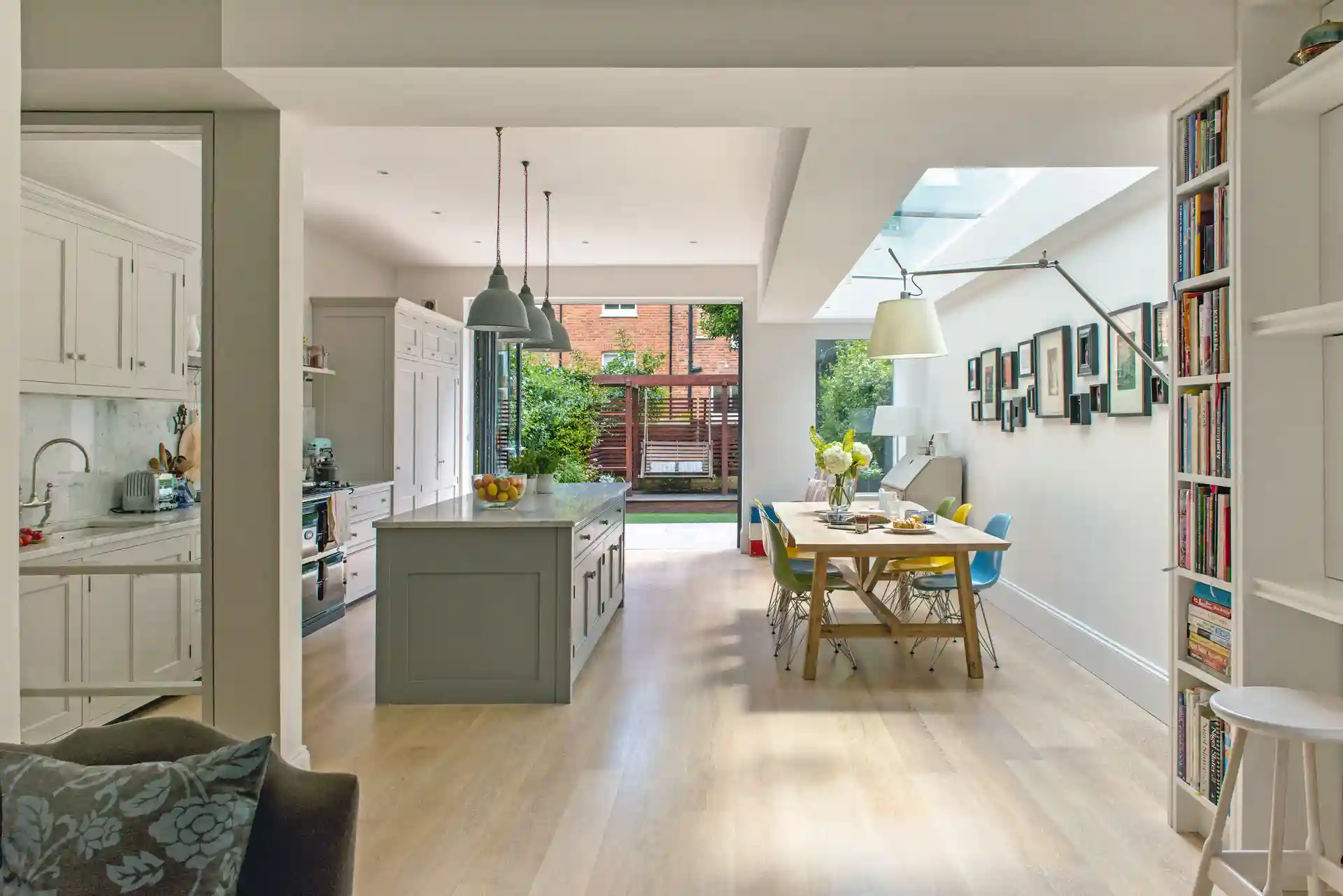
The kitchen is often one of the largest parts of a whole-home renovation budget.
Expenses may include:
- Cabinets
- Countertops
- Appliances
- Flooring
- Lighting
- Plumbing
- Electrical work
- Backsplash
- Island installation
Keeping the existing kitchen layout can save money because moving plumbing and electrical connections adds labor and materials.
For example, replacing cabinets while keeping the sink and appliances in their existing positions is generally simpler than completely redesigning the room.
Bathroom Renovation Costs
Bathrooms can also consume a large part of a renovation budget.
They often require several skilled trades, including plumbers, electricians, tile installers, and carpenters.
Typical improvements include:
- Shower or bathtub
- Vanity
- Toilet
- Tile
- Waterproofing
- Lighting
- Ventilation
- Plumbing fixtures
However, not every bathroom needs to be completely rebuilt.
If the plumbing works well and the layout is practical, replacing fixtures and finishes may deliver a significant visual improvement without the cost of relocating major plumbing lines.
Bedrooms and Living Areas
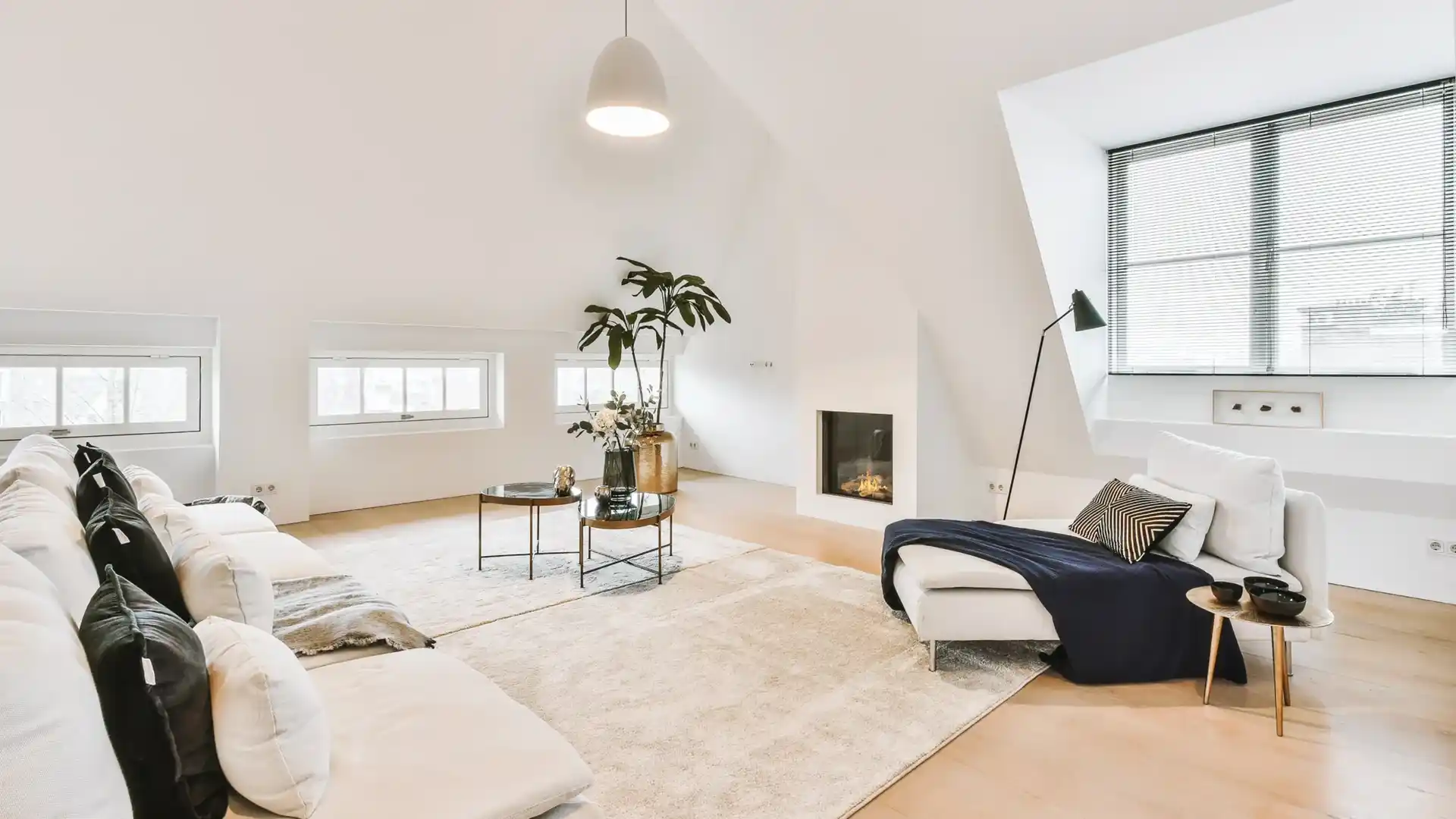
Bedrooms and living rooms are generally easier to renovate than kitchens and bathrooms.
Common upgrades include:
- New flooring
- Painting
- Lighting
- Doors
- Trim
- Built-in storage
- Ceiling repairs
These spaces also provide opportunities to save money.
For example, refinishing existing floors instead of replacing them can preserve the character of an older home while reducing material costs.
Home Office Renovation Cost
Remote work has made dedicated workspaces more important in modern homes.
The home office renovation cost depends on whether you are simply updating an existing room or creating a fully built-in workspace.
Potential improvements include:
- Additional electrical outlets
- Built-in shelves
- Desk installation
- Better lighting
- Internet wiring
- Acoustic treatment
- Custom storage
For a frequently used office, spending more on lighting, storage, and ergonomics may provide greater value than expensive decorative finishes.
Home Gym Renovation Cost
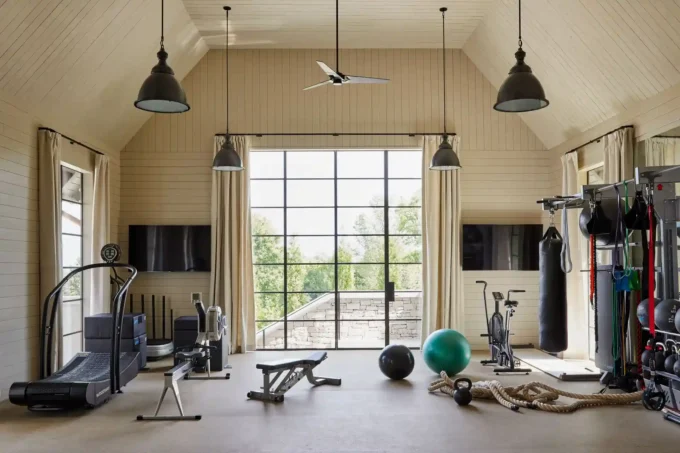
A dedicated fitness room can also become part of a whole-house remodel.
The home gym renovation cost depends heavily on the equipment and construction requirements.
A simple gym might need only durable flooring, mirrors, lighting, and storage.
A larger setup could require:
- Reinforced flooring
- Improved ventilation
- Additional electrical outlets
- Sound control
- Heavy equipment
- Wall-mounted storage
Before placing heavy equipment upstairs, homeowners should make sure the floor can safely support the intended load.
Home Theater Renovation Cost
Entertainment spaces can be another significant renovation expense.
The home theater renovation cost can include a projector or large display, speakers, wiring, acoustic treatment, seating, lighting, and construction.
However, you do not necessarily need a luxury cinema to create an enjoyable entertainment room.
A well-designed room with comfortable seating, good sound, controlled lighting, and appropriate screen placement can work extremely well without premium construction costs.
Average Home Renovation Cost vs. Whole-House Remodeling
The average home renovation cost can be misleading when used for a complete renovation because national averages often combine very different types of projects.
A small cosmetic remodel and a full structural renovation are not financially comparable.
Instead, homeowners should create a project-specific estimate based on:
- The property’s current condition
- The size of the renovation
- The number of rooms
- Required structural work
- Material choices
- Local labor rates
- Permit requirements
This approach produces a much more useful budget.
Full Gut Home Renovation Cost
A property that requires a complete interior rebuild is in a different category.
The full gut home renovation cost may include removing walls, flooring, cabinets, fixtures, old wiring, plumbing, insulation, and other interior components before rebuilding.
This type of renovation may involve:
- New electrical systems
- New plumbing
- HVAC upgrades
- Insulation
- New walls
- New flooring
- New kitchens
- New bathrooms
- New doors and windows
A gut renovation is expensive, but it can make sense when an older property has several outdated systems that would otherwise require repeated repairs.
When Is a Gut Renovation Worth Considering?
Consider the property’s condition as a whole.
If the roof, electrical system, plumbing, insulation, kitchen, bathrooms, and interior finishes all need major work, completing the projects together may be more efficient than renovating one component at a time.
Mobile Home Renovation Cost
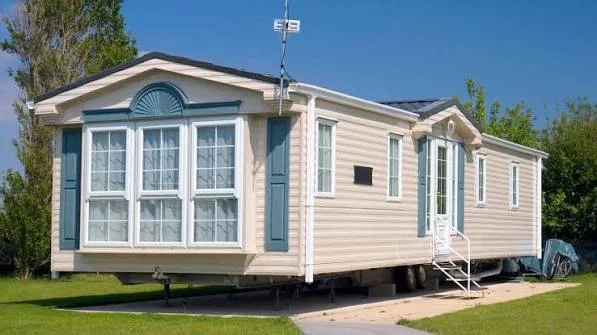
Whole-home renovation is not limited to traditional houses.
The mobile home renovation cost depends on the property’s age, construction, condition, location, and the type of improvements being made.
Popular upgrades include:
- Flooring
- Kitchen cabinets
- Bathroom fixtures
- Lighting
- Interior paint
- Storage
- Energy-efficiency improvements
- Exterior improvements
However, structural modifications should be carefully planned because manufactured homes can have different construction requirements from conventional houses.
Always check local regulations before starting major structural work.
Renovation Cost Per Square Foot
Cost per square foot can be useful when creating an early budget.
However, it should never be treated as an exact final price.
For example, a 2,000-square-foot home may require fewer structural repairs than a 1,200-square-foot home.
Some renovation expenses also remain relatively fixed regardless of property size.
These can include:
- Design fees
- Permits
- Project management
- Certain electrical upgrades
- Contractor mobilization
Therefore, square-foot pricing should be used as a planning tool, not a contractor quote.
Labor and Material Costs
Labor is one of the biggest components of a major renovation.
Depending on the project, you may need:
- General contractors
- Electricians
- Plumbers
- Carpenters
- Painters
- Tile installers
- HVAC technicians
- Roofers
- Architects
- Interior designers
Materials also vary significantly.
A homeowner might choose standard cabinets and flooring, while another selects custom cabinetry, premium stone, hardwood floors, and designer fixtures.
The result can be a dramatic difference in the final budget.
Expert tip: Spend more where durability and daily use matter most. Save on decorative features that can be changed later.
How to Create a Realistic Renovation Budget
Before work begins, create a written budget.
Divide it into categories such as:
Construction
Include demolition, framing, drywall, flooring, roofing, and structural work.
Systems
Include plumbing, electrical, HVAC, insulation, and ventilation.
Finishes
Include paint, cabinets, countertops, fixtures, doors, and trim.
Professional Services
Include design, architectural services, engineering, permits, and inspections.
Contingency
Keep an emergency reserve for unexpected problems.
A contingency of 10% to 20% is commonly used as a planning range, although older or complex properties may need more.
How to Reduce Full Home Renovation Cost
A whole-house renovation does not have to mean spending money everywhere.
Keep the Existing Layout
Moving walls and plumbing can add significant costs.
If the existing floor plan works, consider improving the finishes instead.
Prioritize Structural Problems
Fix leaks, foundation concerns, electrical hazards, and other major problems before cosmetic upgrades.
Renovate in Phases
If your budget is limited, divide the project into logical stages.
For example:
Phase 1: Structural and safety repairs
Phase 2: Kitchen and bathrooms
Phase 3: Bedrooms and living spaces
Phase 4: Decorative improvements
Compare Detailed Quotes
Get multiple estimates and compare what each contractor actually includes.
The cheapest quote may not be the cheapest project if important items are excluded.
Common Mistakes That Increase Renovation Costs
Some of the biggest cost increases come from poor planning rather than expensive materials.
Changing Your Mind During Construction
Design changes can cause delays and wasted materials.
Ignoring Hidden Problems
Old water damage, outdated wiring, and plumbing problems can become expensive if they are discovered late.
Choosing Materials Too Late
Delayed material decisions can slow down contractors and create scheduling problems.
Underestimating Storage
Poor storage planning can lead to expensive custom additions later.
Forgetting Permits
Required permits and inspections should be included in the initial plan.
Smart Renovation Investments
Some improvements can increase both comfort and long-term appeal.
Consider:
- Energy-efficient windows
- Better insulation
- Modern electrical systems
- Functional kitchens
- Updated bathrooms
- Quality flooring
- Improved lighting
- Better storage
- Efficient HVAC systems
However, avoid assuming that every expensive renovation will return its full cost when the property is sold.
The best investment depends on your location, property type, and local housing market.
Final Takeaway
The full home renovation cost depends on much more than the size of your house.
Property condition, labor, materials, structural changes, permits, and the number of systems being replaced can all change the final price.
The smartest approach is to start with a detailed inspection and a clear scope of work.
Then, divide your budget between essential repairs, functional improvements, and cosmetic upgrades. Keep a contingency fund, compare detailed contractor estimates, and avoid unnecessary layout changes.
Most importantly, remember that a successful renovation is not about spending the most money.
It is about putting your budget where it creates the greatest improvement in comfort, safety, function, and long-term value.
With careful planning, even a large renovation can become a manageable and rewarding project.
Frequently Asked Questions
How much does a full home renovation cost?
The cost varies widely based on home size, location, materials, labor, and project scope. A cosmetic renovation costs far less than a project involving structural and mechanical changes.
What is the most expensive part of a whole-house renovation?
Kitchens, bathrooms, structural work, electrical systems, plumbing, and HVAC can account for major portions of a renovation budget.
Is it cheaper to renovate a house or rebuild it?
It depends on the condition of the existing property. If the structure and foundation are sound, renovation may be more practical. Severe structural problems can change that calculation.
How much should I keep for unexpected renovation expenses?
A 10% to 20% contingency is a common planning range. Older homes and projects with significant structural work may require a larger reserve.
Can I renovate my entire home in phases?
Yes. Phasing the work can make a large project easier to manage financially. Start with safety, structural, plumbing, and electrical issues before moving to cosmetic improvements.





Leave a comment