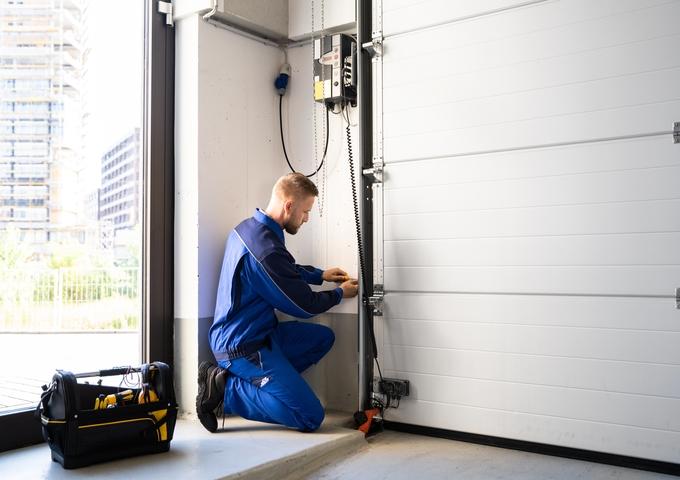
Looking to save ceiling space without sacrificing power? A side mount garage door opener tucks neatly beside the torsion bar, freeing your overhead for storage, lifts, or lights. It’s a sleek upgrade that delivers quiet operation, robust lifting, and modern smart control.
Choosing the best side mount garage door opener depends on your door weight, headroom, and feature wishlist. Below, you’ll find a quick primer, buying guide, and expert tips so you pick confidently and install smoothly.
What Is a Side-Mount Opener?
A side-mount garage door opener sits on the wall near the door shaft instead of hanging from the ceiling. It turns the torsion rod directly, avoiding the rail and chain assembly typical of overhead units. Fewer moving parts often mean smoother, quieter travel.
A side mounted garage door opener is sometimes called a jackshaft model. Because it mounts off to one side, it’s ideal for garages with low ceilings, cathedral ceilings, car lifts, or obstructed centerlines where a traditional rail won’t fit cleanly.
How It Works
The motor couples to the torsion tube and rotates it to lift or lower the door. An internal sensor monitors torque, stopping if it detects binding. Photo eyes safeguard the opening. Many models add a deadbolt that automatically locks the door when it shuts.
Direct-drive torque is the star. Instead of long chains or belts, power goes straight to the counterbalance system. That geometry reduces vibration, which can cut perceived noise dramatically, especially in attached garages under bedrooms or living spaces.
Key Benefits
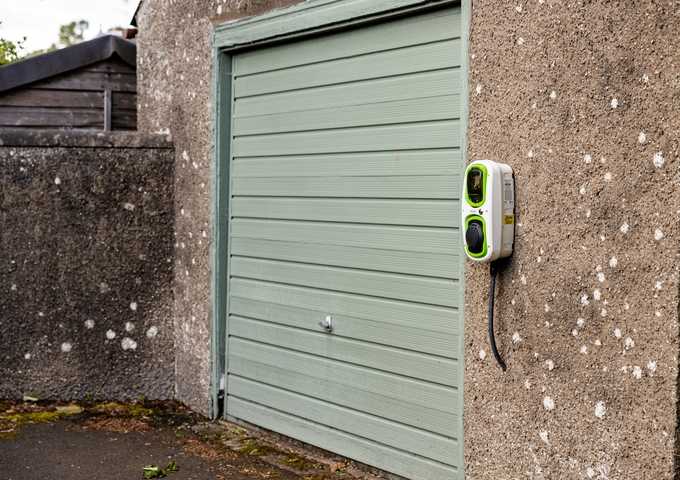
Space savings top the list. With no center rail, you gain uninterrupted ceiling area for kayaks, racks, or hoists. A side mount garage door opener also tidies the room’s sight lines, leaving the space brighter and less cluttered.
Noise reduction is another advantage. The wall-mounted position and direct drive transmit fewer rattles through joists. That’s a major quality-of-life upgrade in homes where early departures or late arrivals used to wake everyone upstairs.
Who Should Choose One?
Pick a side mount garage door opener if you have low headroom, high-lift tracks, or want to install a car lift. If you’ve planned overhead storage, projectors, or ductwork, side-mount preserves clearance other openers would steal.
It’s also a strong choice for heavy, well-balanced doors. Direct torque shines on large insulated steel doors common in colder climates. The caveat: your door must have a torsion spring system, not extension springs.
Buying Guide: What to Look For
Motor Torque and Duty Cycle
Match torque to door weight and size. A side mount garage door opener for double, insulated doors needs higher output and a stout duty cycle. Look for continuous-duty motors, thermal protection, and soft-start/soft-stop to prolong hardware life.
Safety and Security
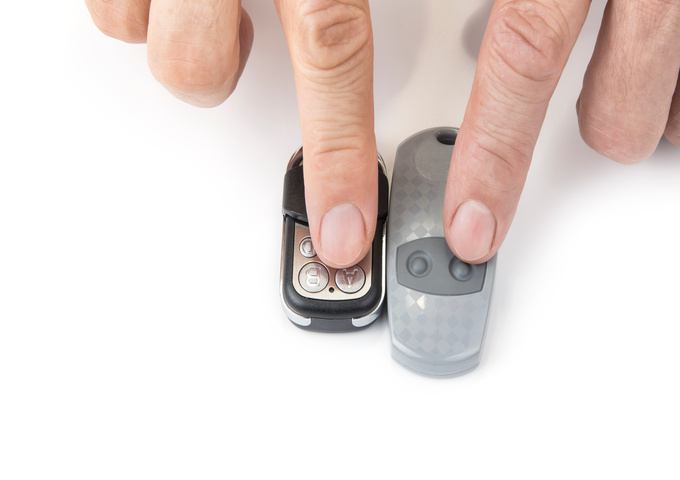
Seek monitored photo eyes, auto-reversing force control, and an automatic deadbolt. Some units verify the lock each close cycle. Rolling-code remotes and encrypted wireless accessories help thwart code grabbers and keep your garage sealed tight.
Smart Features
Wi-Fi apps deliver remote open/close, activity alerts, and schedules. Geofencing can close the door if you forget. Look for native integrations with Alexa, Google Home, or Apple Home. Camera add-ons let you check deliveries without stepping outside.
Noise and Vibration
A side mount garage door opener is already quieter than many ceiling units, but mounts, bushings, and isolation feet matter. Rubber isolation and balanced doors reduce rumble. If bedrooms are above the garage, prioritize quiet-rated models.
Power Resilience
Battery backup keeps you moving during outages. Choose lithium packs for longer shelf life and cold-weather reliability. Manual release remains essential, but battery operation preserves security and convenience when the grid blinks.
Compatibility and Hardware
Confirm torsion springs, a solid shaft, and adequate side clearance. High-lift or vertical-lift tracks are usually compatible. Check for included cable tension sensors; they prevent slack cables, a critical protection on direct-drive systems.
Installation and Setup
DIYers with experience can handle it, but alignment and safety calibration are precise. A side mount garage door opener must be square to the shaft, with photo eyes set to code height. If unsure, hire a pro for spring work and final tuning.
Warranty and Support
Motors often carry longer warranties than electronics. Prioritize responsive support, easy-to-find parts, and clear documentation. App ecosystems should be actively maintained to ensure ongoing security updates and feature stability.
Pros and Cons
Advantages
A side mount garage door opener frees ceiling space, runs quietly, and adds robust locking options. Direct torque reduces wear on long chains or belts. Smart features are typically standard rather than add-ons.
Drawbacks
Upfront cost is higher than many ceiling units. You need a torsion system and several inches of side clearance. Some older doors may require track or spring upgrades before installation.
Best-Fit Scenarios
Use a side mount garage door opener in tight garages, with car lifts, or where aesthetics matter. When you want unobstructed lighting and storage, side-mount keeps the centerline clean. Heavy, insulated doors also benefit from the torque profile.
If you currently have extension springs, consult a pro about converting to torsion. That upgrade improves balance and safety while unlocking side-mount compatibility for long-term convenience.
Setup Tips for Smooth Operation
Level the opener to the torsion tube. Align couplers without binding. Mount photo eyes at the same height, pointed at each other, away from direct sun. After setup, test reversal with a two-by-four per safety guidelines and adjust force limits carefully.
Lubricate hinges and rollers with garage-rated lube, not grease that collects dust. A side mount garage door opener performs best when the door itself is perfectly balanced. If it won’t stay halfway open by hand, have springs adjusted.
Cost and Value
Expect higher initial cost than chain-drive ceiling units, but consider total value. You gain ceiling space, lower noise, and stronger security. Over years of daily cycles, a side mount garage door opener can pay for itself in comfort and durability.
Energy use is modest. Many models idle efficiently, and LED lighting sips power. Smart scheduling can reduce accidental all-night lighting or open-door hours, trimming utility waste while tightening security.
Alternatives to Consider

If budget is tight and ceiling space is ample, a belt-drive ceiling opener remains a worthy option. For detached garages where noise doesn’t matter, classic chain-drive is rugged and affordable. Still, a side mount garage door opener wins on space and silence.
In low-traffic outbuildings, a manual deadbolt paired with smart sensors might suffice. But for daily drivers, side-mount’s convenience and security feel premium every single use.
Terminology: Same Idea, Different Names
You may see garage door side opener in articles or manuals. It’s the same layout as side-mount or jackshaft. Regardless of the label, you’re buying a compact, wall-mounted unit that turns the torsion bar directly for clean, efficient lifting.
When comparing brochures, note the rated door weight, spring type, and compatibility notes. Specs vary widely, and precise matching prevents nuisance faults and premature wear.
Maintenance Must-Dos
Inspect cables for fray and drums for set-screw bite marks. Tighten mounting lag screws annually. Test the photo eyes monthly. A side mount garage door opener with a cable tension sensor will alert you early—don’t ignore warnings.
Replace backup batteries as recommended. Keep the app updated, as firmware patches often improve safety logic and Wi-Fi stability. Log cycle counts if your unit displays them, planning preventive service before issues surface.
FAQs
Do side-mount openers work with all garage doors?
Not all. A side mount garage door opener requires torsion springs and adequate side clearance. Doors with extension springs or severely unbalanced hardware need upgrades before side-mount will function safely.
Are side-mount units quieter than ceiling openers?
Usually, yes. The wall position and direct torque reduce vibration through joists. With a balanced door and good isolation, a side mount garage door opener is among the quietest residential options.
Can I install a side-mount opener myself?
Experienced DIYers can, but spring systems are hazardous. A side mount garage door opener must be aligned precisely, and force limits tuned. If you’re unsure about torsion components, hire a professional installer.
Will smart features work without a subscription?
Core app control typically does. Some video or advanced alerts may require plans. Choose a side mount garage door opener with built-in Wi-Fi and the integrations you need, then verify any optional fees.
How long do side-mount openers last?
With proper maintenance and a balanced door, many last a decade or more. Keep hardware lubricated, test safety systems monthly, and your side mount garage door opener should deliver reliable daily service for years.
Leave a Reply