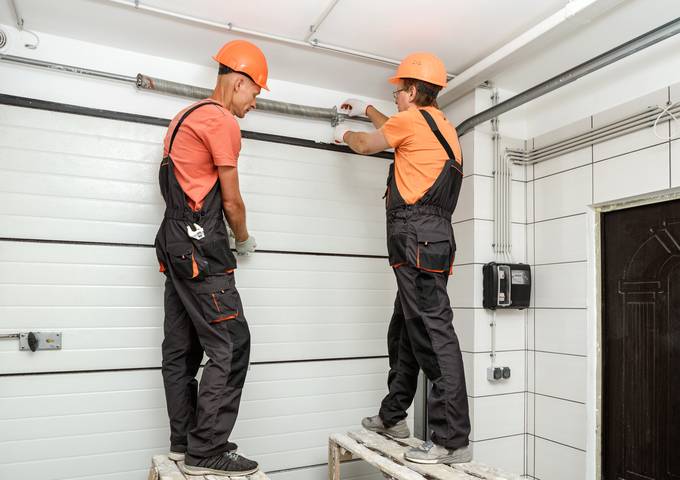
The big picture
Mounting style shapes reliability, headroom, and convenience. Drive type influences noise, speed, maintenance, and price. Choosing well keeps your door safer, quieter, and longer-lasting.
A side mount garage door opener shines where ceilings are crowded, finished, or unusually high, keeping the center clear.
Why mounting style matters
Mount position controls clearance for cars, storage, and lifts. It also dictates how force is applied to the torsion bar or door arm, impacting wear.
A side mount garage door opener relocates the motor to the wall, boosting ceiling utility and reducing vibrations across joists.
Why drive type matters
Chain, belt, and screw drives differ in tensioning needs, lubrication, and acoustics. Select based on climate, door weight, and sleeping areas.
A side mount garage door opener typically uses a direct jackshaft drive, avoiding long rails and heavy chains entirely.
Wall mount vs ceiling mount
A wall mount frees the center bay for racks, surfboards, and lighting. Ceiling units hang over vehicles, potentially limiting lifts and tall SUVs.
A side mount garage door opener trims hardware overhead, ideal for cathedral garages, mezzanines, and hoists.
Ceiling mounts are broadly compatible and budget-friendly. They use a trolley rail to pull the door’s arm, proven and simple.
A side-mount garage door opener couples to the torsion bar directly, translating torque efficiently with fewer moving parts.
Ceiling systems transmit vibration through struts and rafters. Bedrooms overhead may be noticed.
A side mount garage door opener keeps vibration near the header, often sounding softer in living spaces.
What is a side mount?
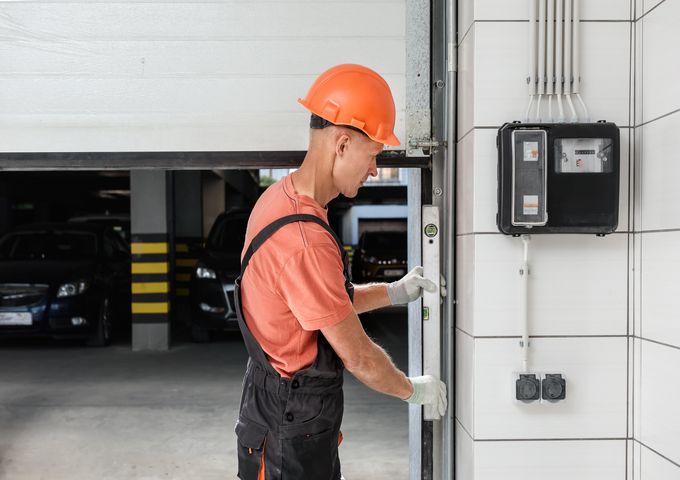
A wall-mounted jackshaft sits beside the door, driving the torsion tube. No rail spans the ceiling, simplifying lighting plans.
A side mount garage door opener needs a torsion spring system, proper shaft clearance, and a compatible cable-tension sensor.
Jackshafts shine with high lift or vertical lift tracks. They maintain cable tension consistently, supporting smooth travel.
A side mount garage door opener thrives where low obstructions, beams, or sprinklers block a center rail.
Chain vs belt drive
Chain drives are rugged, inexpensive, and forgiving on heavy sectional doors, but they’re louder and need periodic lubrication.
A side mount garage door opener sidesteps long chains entirely, reducing clatter and rail resonance.
Belt drives swap steel for reinforced rubber. They’re quiet, great near nurseries or offices, but belts can stretch over the years.
A side-mount garage door opener achieves comparable quiet by eliminating the rail, not by muffling it.
Chain systems tolerate grit and cold better than some belts. If your climate swings, maintain tension and lubricant seasonally.
A side mount garage door opener concentrates wear at the jackshaft gears, which are sealed and low-maintenance.
Screw drive fundamentals
Screw drives use a threaded rod for direct motion. They open fast and handle temperature changes better than belts.
A side-mount garage door opener similarly delivers direct torque but avoids a long screw under the ceiling.
Screw systems like periodic lubrication to prevent chatter. Their speed appeals to wide suburban doors.
A side mount garage door opener offers comparable speed with fewer alignment concerns across long spans.
Low headroom solutions
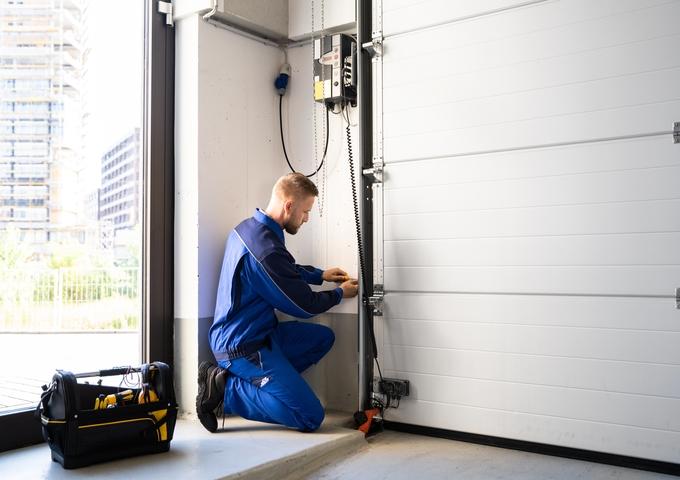
Tight ceilings demand creative geometry: low-headroom track kits, double-track conversion, or vertical lift sections.
A side-mount garage door opener preserves every inch above vehicles by removing the center rail altogether.
Beam, duct, or sprinkler interference complicates rails and hangers. Mounting to the wall bypasses obstacles.
A side-mount garage door opener often turns impossible retrofits into neat, code-friendly installations.
Best jackshaft considerations
“Best” depends on torsion hardware, door weight, and safety needs. Look for integrated deadbolt locking, battery backup, and auto-reconnect logic.
A side-mount garage door opener with pressure-sensing reversal and cable-tension monitoring adds robust protection.
Evaluate lift types. High-lift and vertical-lift tracks pair naturally with jackshafts. Confirm drum size and spring balance.
A side mount garage door opener that supports smart control and soft-start/stop extends hardware life.
Space, storage, and lighting
Open ceilings invite LED strips, air filtration, and kayak pulleys. Ceiling rails complicate alignments and shadows.
A side-mount garage door opener clears the lane for symmetric lighting and dust-collection runs.
Attic access ladders need unobstructed swing clearance. Trolley rails often collide with ladder panels.
A side mount garage door opener avoids conflict, keeping access compliant with egress recommendations.
Noise and vibration control
Noise travels through the structure. Rubber isolators help ceiling units, but rails still resonate.
A side-mount garage door opener targets vibration at the header, often sounding lower-frequency and shorter in duration.
Belts are the quietest among ceiling types. Chains can buzz; screws can chirp if dry.
A side mount garage door opener typically beats chain noise without ongoing lubrication schedules.
Power, torque, and door size
Horsepower ratings are only part of the story. Torque delivery and spring balance matter more.
A side-mount garage door opener applies torque directly to the torsion tube, minimizing inefficiencies in push-pull arms.
Insulated steel doors weigh more than hollow panels. Wind-rated doors need careful springing and opener selection.
A side-mount garage door opener with strong starting torque and soft ramps preserves cables and drums.
Safety and compliance
Modern systems require photo eyes, force reversal, and secure codes. Cable-tension sensors prevent slack-cable scenarios on jackshafts.
A side-mount garage door opener should integrate auto-lock features to resist back-driving and prying.
Test reversal monthly with a two-by-four. Keep the photo eyes aligned and clean from sawdust.
A side-mount garage door opener benefits from annual torsion-system inspection by a trained technician.
Smart features and access
Wi-Fi controls grant schedules, geofencing, and history logs. Camera options add visual confirmation for deliveries.
A side mount garage door opener with smart firmware complements organized garages and Airbnb turnovers.
Battery backup keeps life moving during storms. Verify local requirements where outages are common.
A side mount garage door opener pairing backup with manual release ensures egress compliance.
Installation and retrofits
Measure the shaft extension beyond the bearing plate. Confirm clearances for the motor head and encoder.
A side-mount garage door opener installs without center hangers, simplifying drywall ceilings.
Balance springs first. The opener should lift a well-balanced door with minimal effort.
A side mount garage door opener is a finisher, not a crutch for unbalanced torsion hardware.
Reinforce the top section with a strut to prevent flexing, regardless of mounting style.
A side-mount garage door opener coordinates with a side-mounted manual lock; update hardware for compatibility.
Maintenance habits
Lubricate hinges, rollers, and springs with garage-rated products. Inspect cables for fraying near drums.
A side-mount garage door opener reduces rail upkeep, but the door still needs seasonal care.
Check fasteners on bearing plates, flag brackets, and hinge pins. Tight hardware equals smooth travel.
A side-mount garage door opener benefits from clean encoder optics and dust-free venting.
Cost and value
Ceiling chain drives win on upfront price. Belts cost more for quiet. Screws land between.
A side-mount garage door opener carries a premium but returns value in headroom, aesthetics, and reduced rail maintenance.
Factor permits, GFCI outlets, and surge protection. Budget for a professional spring balance.
A side-mount garage door opener often trims installation time where rails would be complex.
Climate and durability
Extreme cold thickens lubricants and shrinks seals. Choose drives and greases rated for your winters.
A side mount garage door opener encloses gearing, protecting critical parts from ceiling dust and heat.
Coastal air accelerates corrosion. Stainless fasteners and sealed electronics help longevity.
A side mount garage door opener with coated shafts and drums resists rust migration.
Doors beyond standard
Carriage-style overlays add weight and inertia. Aluminum full-view doors demand careful balance.
A side-mount garage door opener mitigates sway by applying even torsion across the tube.
Tall RV doors complicate rail spans and headroom. Mezzanines add conflicts for trolleys.
A side mount garage door opener keeps bays usable for lifts, vans, and roof-rack vehicles.
Common mistakes to avoid
Oversizing the opener instead of balancing the springs stresses the hardware. Neglecting photo eye alignment invites nuisance reversals.
A side-mount garage door opener still needs proper drum set-screws and cable wraps.
Skipping a header anchor or using a weak substrate can shift mounts over time.
A side-mount garage door opener requires solid blocking at the jamb and header.
Future-proofing your garage
Plan conduit for outlets, cameras, and EV chargers. Use surge suppression and whole-home protection.
A side-mount garage door opener leaves the ceiling free for cable trays and shop dust lines.
Reserve clearance for scissor lifts or storage hoists. Think ahead about attic stairs, too.
A side-mount garage door opener aligns with minimalist ceilings and modern lighting grids.
Quick topic snapshots
Wall mount garage door opener vs ceiling mount
Wall mounts reclaim headroom and reduce rail noise. Ceiling mounts are cheaper and broadly compatible. Choose wall mounting for complex ceilings, lifts, or aesthetics; ceiling mounting for simple, budget installations.
A side-mount garage door opener is the quintessential wall-mount solution.
Side mount garage door opener
It mounts beside the door, driving the torsion bar directly. No rail, fewer vibrations, and cleaner ceilings. Confirm torsion hardware, shaft length, and cable-tension sensing before selection.
A side mount garage door opener excels in high-lift and low-headroom scenarios.
Chain vs belt garage door opener
Chains are tough and economical but noisy. Belts are quiet and refined but cost more and can stretch. Match to door weight and proximity to living spaces. Maintenance rhythms differ.
A side-mount garage door opener bypasses both rails entirely.
Garage door opener screw drive
Screw drives move fast and tolerate temperature swings. They need periodic lubrication to stay quiet. Good for wide doors and climates with seasons.
A side mount garage door opener achieves similar directness without a long ceiling screw.
Low headroom garage door opener
Use low-headroom tracks, high-lift conversions, or jackshafts to save inches. Maintain proper drum and cable geometry to prevent scraping.
A side-mount garage door opener is often the cleanest low-clearance answer.
Best jackshaft garage door opener
Prioritize torque control, smart features, battery backup, and an automatic deadbolt. Ensure compatibility with torsion hardware and safety sensors. A professional setup protects springs and cables.
A side mount garage door opener with integrated auto-lock delivers excellent security.
Buyer’s checklist
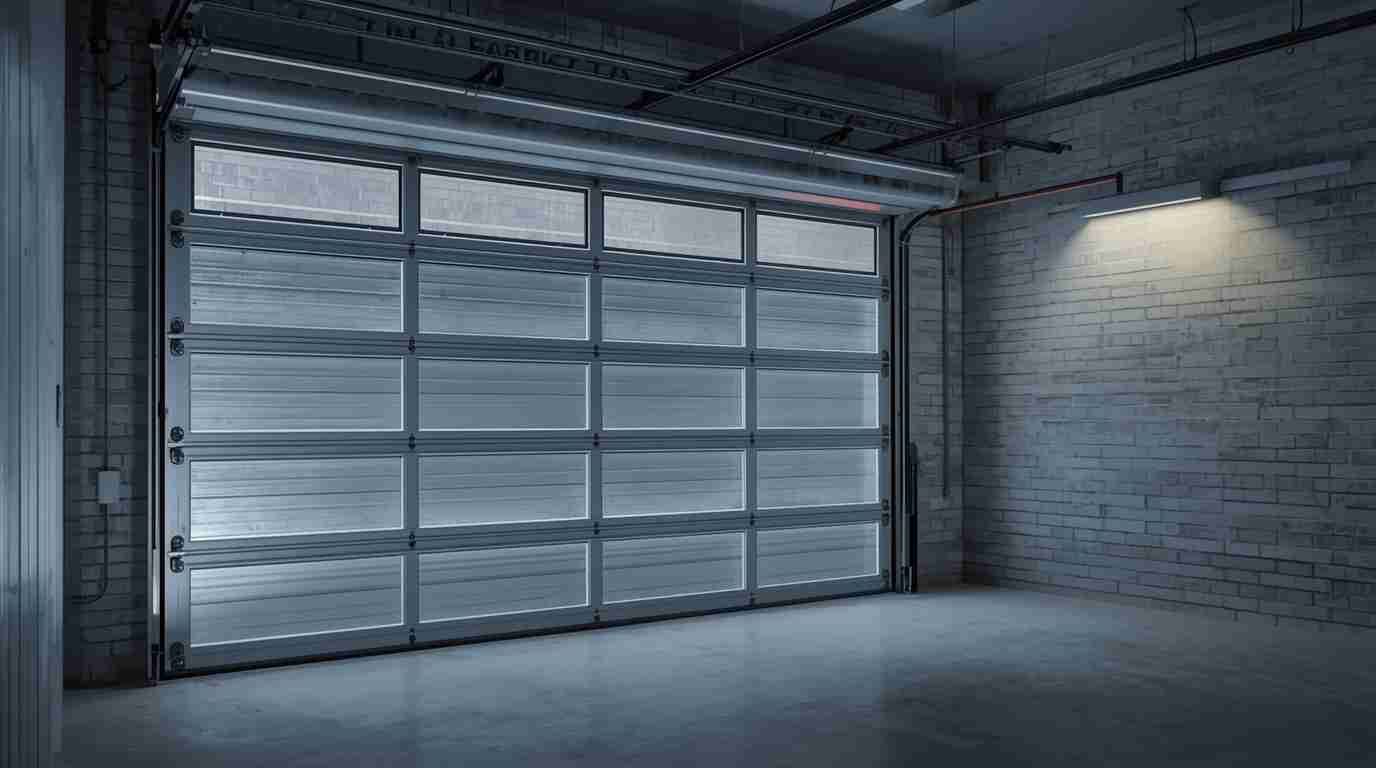
List door size, weight, insulation, and track type. Note ceiling height, obstacles, and attic access. Identify outlet locations and Wi-Fi signal strength.
A side mount garage door opener fits best where rails would fit beams, ducts, or sprinklers.
Compare warranties on motors, electronics, and drive components. Read the fine print on labor.
A side-mount garage door opener often carries strong motor warranties thanks to reduced load paths.
Pro installation vs DIY
Pros balance springs, tune limits, and certify safety. DIYers can succeed on standard ceiling systems with care.
A side mount garage door opener adds sensors and alignment steps best handled by experts.
Time saved and risk reduced often offset labor costs. Springs store dangerous energy.
A side mount garage door opener rewards precise setup with smooth, quiet operation.
Final thoughts
Mounting style dictates everyday convenience and future flexibility. Drive type sets your maintenance rhythm and soundscape.
A side mount garage door opener combines clean ceilings, precise torque, and smart safety for modern garages.
Choose the system that matches your structure, door geometry, and lifestyle. Prioritize safety and balance above all.
A side-mount garage door opener is a future-proof choice for organized, lift-friendly spaces.
FAQs
Is a wall-mounted jackshaft compatible with every door?
Most sectional doors with torsion springs are compatible. One-piece tilt-up, Wayne-Dalton TorqueMaster, or extension-spring systems may require conversion kits. Always verify drum size, shaft clearance, and safety sensor compatibility before committing.
Which is quieter: chain, belt, screw, or jackshaft?
Belts are quiet among ceiling types. A well-installed jackshaft often sounds quieter overall because it eliminates a vibrating rail. Screw drives can be quick yet noisier if dry. Chains are the loudest but very durable when maintained.
Do I need battery backup?
Yes, if outages are common or codes require it. Battery backup ensures egress during storms and keeps smart features alive. Test monthly, and replace batteries per manufacturer’s interval for dependable performance.
What maintenance keeps my opener reliable?
Lubricate hinges, rollers, and springs seasonally. Check cable condition near drums. Keep photo eyes clean and aligned. For jackshafts, confirm cable-tension sensor function and snug set-screws. Test force reversal monthly using a two-by-four.
How do I choose the “best jackshaft” for my garage?
Match opener torque to door weight and lift type, confirm torsion hardware compatibility, and prioritize safety features: auto-lock, photo eyes, and cable-tension sensing. Add battery backup and smart controls. Professional spring balancing is essential for longevity and quiet operation.
Leave a Reply