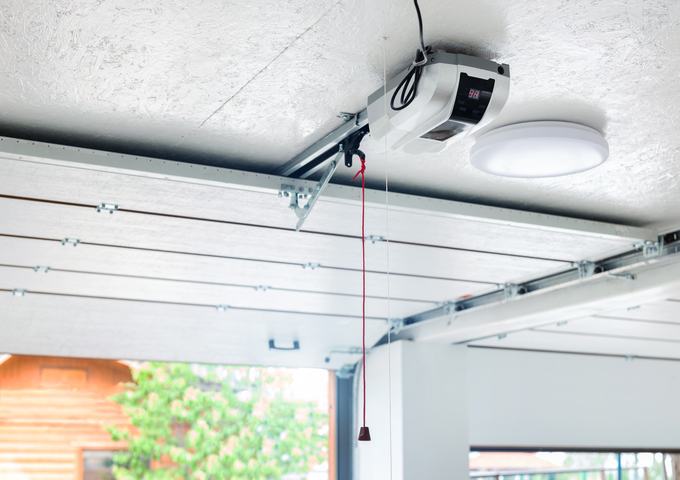
Choosing the right opener affects daily convenience, long-term reliability, and cost. Many homeowners wonder whether to pick a screw drive or a shaft-driven system. This guide breaks down how each works, what to expect, and who should choose which.
The phrase garage door opener screw drive often signals a homeowner’s priority for speed, strength, and fewer moving parts. Yet shaft-style wall-mount systems shine in tight garages and with heavy doors. Let’s compare them honestly so you can decide confidently.
How Screw Drive Openers Work
Screw drive systems use a threaded steel rod that spins to move the trolley. With fewer parts, they transfer motor power efficiently to lift and lower the door smoothly and quickly.
A modern garage door opener screw drive can feel punchy and responsive. Because the drive rod is rigid, these units excel on wide, heavy sectional doors where some belt systems might flex or slip.
What “Shaft Drive” Really Means
Shaft-style openers mount beside the door and turn the torsion bar to lift it. The motor’s torque goes straight into the spring system, freeing your ceiling from rails and trolleys.
If you see the term shaft drive garage door opener, it typically refers to a compact wall-mount unit designed for high-lift or limited-headroom setups where ceiling space matters most.
Key Differences at a Glance

A garage door opener screw drive lives overhead on a rail, ideal for standard ceiling heights and typical residential tracks. Shaft-driven units sit at the side, keeping the center of your garage ceiling free for storage or car lifts.
Screw drive models favor speed and direct power. Wall-mount shaft systems favor space efficiency and clean aesthetics. Both styles deliver strong lifting force; the difference is where the components live and how they transmit torque.
Strengths of Screw Drive Openers
Where reliability matters with fewer parts, a garage door opener screw drive is compelling. There’s no chain to stretch and no belt to fray, so drive-train calibration stays consistent longer.
These units also feel fast. Many owners notice quicker door travel compared with chain systems, reducing “wait time” when leaving for work or arriving late at night.
Strengths of Wall-Mount Shaft Systems
Wall-mount openers shine when the ceiling is cluttered or sloped. By driving the torsion tube directly, they keep the center bay open for storage racks, lighting, and tall vehicles.
Noise can be pleasantly low because there’s no long rail transmitting vibration overhead. That makes them popular for garages beneath bedrooms or studios.
Noise and Smoothness
A well-installed garage door opener screw drive is quieter than chains but may be slightly louder than premium belts. Much depends on door balance, roller condition, hinges, and mounting.
Shaft-style units dampen vibration by staying off the ceiling. With nylon rollers and tuned springs, they can achieve whisper-quiet operation, especially on insulated sectional doors.
Speed and Performance
Many screw drive models move faster than chains, which heavy-door owners appreciate. That said, modern shaft-mount motors with robust torque curves can raise tall or high-lift doors confidently without drama.
Remember, speed claims mean little if the door isn’t balanced. Proper spring tension makes any opener feel stronger and last longer.
Space and Layout Considerations
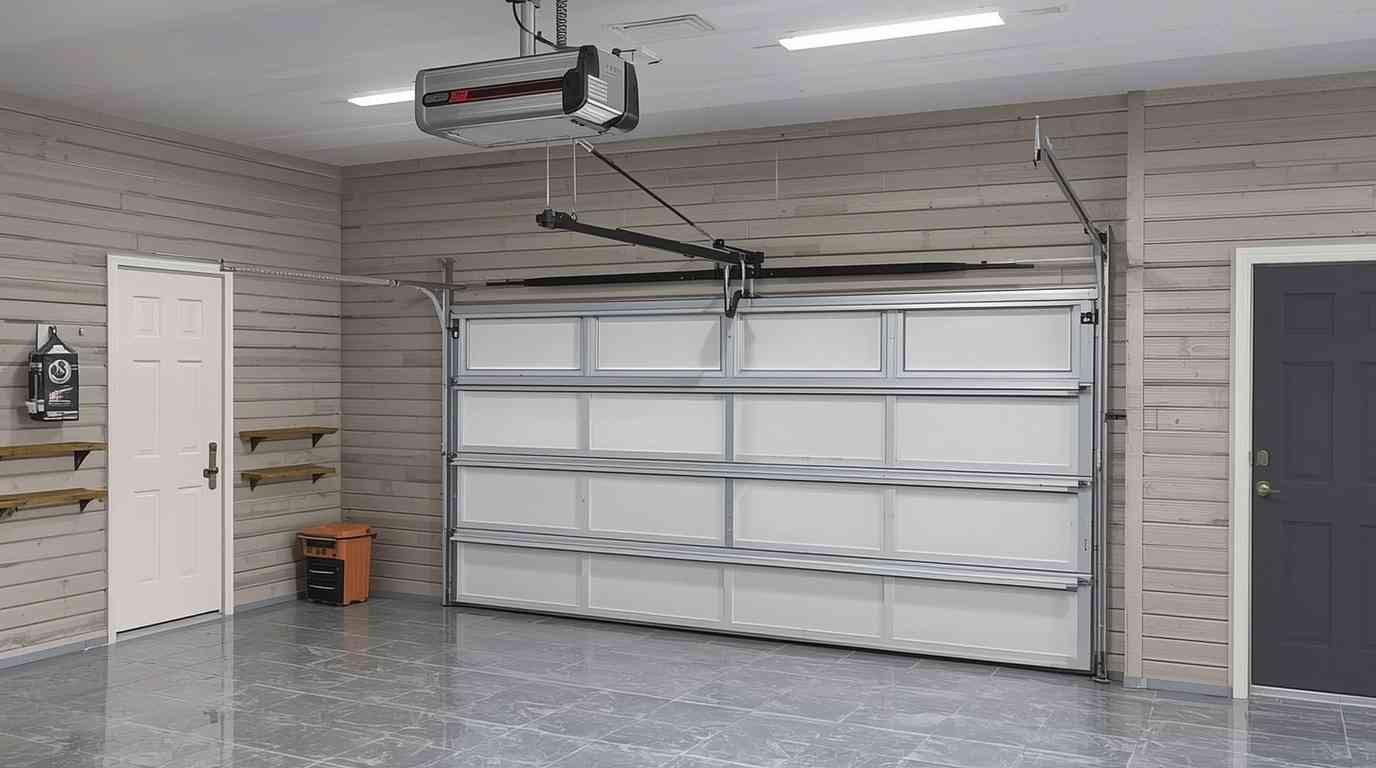
If you need ceiling clearance for storage, lights, or a lift, a wall-mount is superb. When headroom is normal and budget matters, a garage door opener screw drive is often more economical.
Some garages must work around beams, low ducts, or sprinkler lines. In those cases, the side-mounted format can be a game-changer.
Side-Mount Alternative
A side mount garage door opener relocates the motor to the wall near the torsion bar. This layout simplifies overhead organization and reduces clutter, while keeping servicing straightforward for technicians.
Maintenance and Longevity
Screw drive units benefit from periodic lubrication of the threaded rod. A garage door opener screw drive with proper lube runs cooler, quieter, and experiences less wear on the carriage.
Wall-mount units need occasional checks on couplers, sensors, and torsion hardware. For both styles, annual spring balancing and roller inspection extend opener life significantly.
Cold Weather and Climate
Older screw drives sometimes earned a reputation for stiff operation in extreme cold. Today’s formulations of low-temperature lubricants largely fix that. Keep your garage door opener screw drive serviced with climate-appropriate grease across seasons.
Shaft-mount units handle temperature swings well, provided the springs are correctly sized and the door seals don’t bind on the floor.
Safety and Security
Both styles support photo-eyes, auto-reversal, and force monitoring. Smart controllers send alerts if the door is left open. For attached garages, battery backup is essential so the door works during outages.
A well-tuned garage door opener screw drive engages safety features reliably when door balance and track alignment are correct.
Smart Features and Connectivity
Wi-Fi apps allow remote control, scheduling, geofencing, and shared digital keys. Camera add-ons document deliveries, while activity logs provide peace of mind. Integration with voice assistants is common across both formats.
Your choice between formats won’t limit smart features; pick the drive that suits your space and door type.
Cost and Value
Screw drive units typically undercut premium wall-mounts on price, installation, and accessories. A garage door opener screw drive offers strong value when the garage layout is straightforward.
Wall-mount units can cost more upfront, but the ceiling clearance and quiet operation often justify the investment—especially in living-space-adjacent garages.
Installation Notes
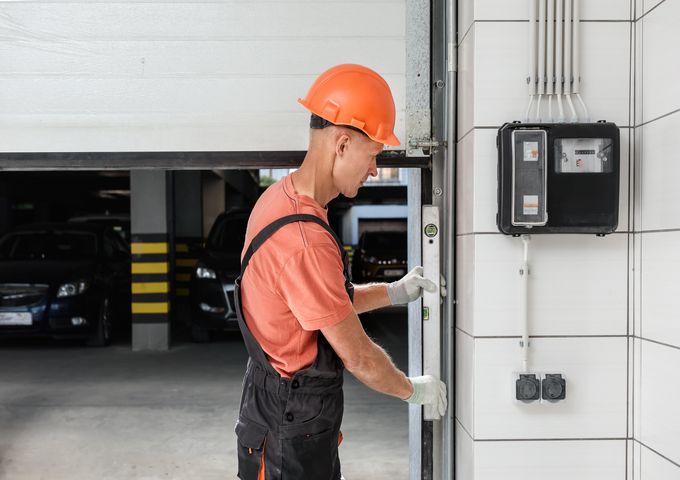
Standard doors with adequate headroom are friendly to screw drive rails. A garage door opener screw drive generally installs faster in conventional tracks and ceilings.
Shaft-mount systems require a compatible torsion setup and clear side space. Professional installation ensures correct coupler alignment and safe torque application to the spring bar.
When to Choose Screw Drive
Choose a garage door opener screw drive if you want speed, straightforward maintenance, and lower cost in a standard layout. It’s excellent for wide, heavy sectional doors where rigid drive control feels reassuring.
If your ceiling is open and you like familiar hardware, the screw drive is a confident, practical pick.
When to Choose Wall-Mount
Pick a wall-mount if ceiling real estate is priceless, your tracks are high-lift, or you run vertical storage. The clean look and low vibration are standout quality-of-life perks.
Budget for professional setup, especially if converting from extension springs to torsion.
Bottom Line
Both technologies are mature and capable. A garage door opener screw drive excels in conventional spaces with strong, fast operation. Wall-mount shines in tight or premium garages where silence and ceiling access matter most.
Match the opener to the door, the layout, and your daily habits, and you’ll love the result.
FAQs
Is a screw drive opener louder than a belt drive?
Typically, yes—by a bit. A well-maintained screw drive is quieter than chains but not as hushed as top belt systems. Door balance, rollers, and mounting hardware influence real-world noise far more than the drive alone.
Can I use a wall-mount opener with any door?
You’ll need a torsion spring system and adequate shaft clearance. Most sectional doors qualify. One-piece tilt-up doors or extension-spring setups usually require conversion work before wall-mount installation.
How often should I service my opener?
Annually. Lubricate rollers, hinges, and the screw rod if applicable. Check spring balance, safety sensors, and opener force limits. Quick seasonal touch-ups reduce noise, stress, and premature wear.
Do screw drive openers handle heavy doors well?
Yes. The rigid threaded drive transfers torque efficiently. With proper spring sizing, a garage door opener screw drive lifts wide insulated doors confidently without belt stretch or chain lash.
What about smart control and battery backup?
Both formats offer Wi-Fi apps, voice control, schedules, and activity logs. Battery backup keeps your door moving during outages. These features depend on the specific model, not the drive style.
Leave a Reply