
If you’re hunting for the best jackshaft garage door opener, you’re in the right place.
This guide breaks down how jackshaft systems work, who they’re for, what to compare, and how to pick with confidence.
What Is a Jackshaft Opener?
A jackshaft opener mounts on the wall beside your door, not on the ceiling.
This frees ceiling space, reduces vibration, and pairs perfectly with torsion spring systems and high-lift tracks.
Also called a side mount garage door opener, it drives the torsion bar directly.
That means fewer moving parts than a traditional rail-and-trolley unit and a cleaner look.
Why Homeowners Choose Wall-Mounted
Ceiling storage is precious in compact garages.
By relocating the motor to the wall, you keep the center of the bay clear for racks, kayaks, or a lift.
Reduced vibration is another win.
With fewer components resonating overhead, many users report a smoother, quieter open/close cycle.
How Jackshaft Systems Work
Instead of pulling a trolley along a rail, the motor turns the torsion shaft.
Cables on the drums lift the door evenly, which is ideal for heavy doors and tall track configurations.
Safety sensors still guard the opening.
Modern units include torque monitoring and obstruction detection to prevent damage or injury.
How to Identify the Best Jackshaft Garage Door Opener
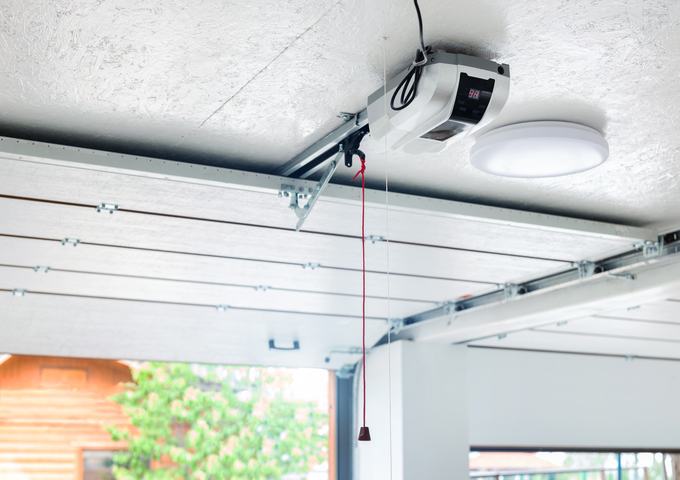
Look for solid torque, dependable safety features, and proven compatibility with your door hardware.
Smart controls, battery backup, and quiet operation separate premium models from the rest.
The best jackshaft garage door opener will match your door’s weight and spring setup.
Undersizing invites strain, noise, and premature wear.
What Defines “Best” for You?
Start with your garage constraints: ceiling height, storage goals, and track style.
Then weigh convenience: remote options, app control, and guest access.
If you rely on your garage as the main entry, uptime matters most.
Prioritize backup power, sturdy components, and strong warranties.
Power and Performance
Match motor torque to door weight and balance.
A well-balanced door feels light at the shaft, but insulation, windows, and width add real mass.
Direct-drive efficiency shines on tall, heavy doors.
It keeps motion controlled, especially during the first few inches of travel.
Safety Essentials
UL-compliant photo eyes are non-negotiable.
So are force settings that auto-reverse on contact.
Look for a manual release that’s easy to reach.
If power fails, you need a safe, simple way to disengage and operate the door.
Smart Features
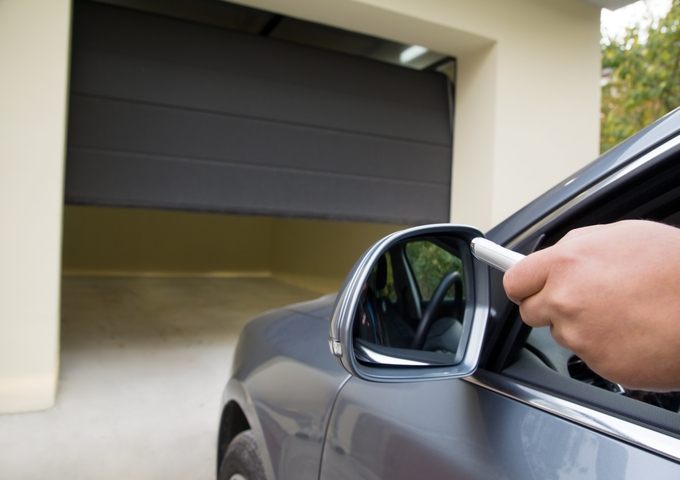
App control lets you open, close, and check the status from anywhere.
Geofencing, scheduling, and alerts reduce “Did I close it?” anxiety.
For smart homes, the best jackshaft garage door opener supports voice assistants and routines.
Native integrations beat clunky workarounds every time.
Battery Backup
Storms and outages happen.
A built-in battery can operate the door multiple times during a blackout.
If your garage has no secondary entry, backup power is critical.
You don’t want to be locked out—or in.
Noise and Vibration
Jackshaft designs have already cut the ceiling vibration.
Rubber isolation mounts and well-tuned springs reduce noise further.
Balance beats brute force.
A properly balanced door lets even powerful motors run quieter.
Installation Requirements
You’ll need a torsion spring system, adequate side room, and a stable mounting surface.
Verify drum, shaft, and bearing condition before installation.
A professional can ensure the best jackshaft garage door opener meets code and safety standards.
They’ll also fine-tune the spring balance for smooth travel.
Maintenance Made Simple
Quarterly, check cable tension, drum set screws, and photo eye alignment.
Lubricate hinges and bearings with garage-rated lubricant.
Test auto-reverse with a 2×4 per manufacturer guidance.
Routine checks extend motor and spring life.
Common Mistakes to Avoid
Don’t size the motor by horsepower slogans alone.
Torque, duty cycle, and door balance matter more.
Skipping spring service is costly.
Even the best jackshaft garage door opener struggles if the door is out of balance.
Cost and Value

Expect a higher price than many ceiling-mount units.
You’re paying for compact engineering, smart features, and cleaner space.
Still, the payoff is long-term.
The best jackshaft garage door opener offers fewer moving parts and lower vibration—great for durability.
Comparing with Trolley Openers
Rail-and-trolley units are proven and affordable.
They excel on standard-height doors with ample headroom.
But when space is tight or the door is tall, the best jackshaft garage door opener shines.
It frees ceiling space and delivers controlled lift.
Top Use Cases
High-lift tracks near garages with car lifts.
Low ceilings cluttered by ducts, sprinklers, or storage.
Heavy, insulated, or wind-rated doors need steady torque.
Premium homes prioritize quiet and clean aesthetics.
Warranty and Support
Read the fine print: motors, electronics, and parts often have different terms.
Remote support, local installers, and easy parts access add real value.
The best jackshaft garage door opener combines strong coverage with responsive service.
That signals confidence in engineering.
Security Considerations
Rolling-code remotes thwart replay attacks.
Look for encrypted Wi-Fi modules and regular firmware updates.
Door-status sensors should be tamper-resistant.
Logs and alerts help you track access over time.
Final Shopping Checklist
Confirm torsion system, side room, and power outlet placement.
Measure door weight and check spring health.
Compare torque, smart features, backup, and warranty side by side.
That’s how you’ll zero in on the best jackshaft garage door opener for your needs.
Real-World Daily Use

Schedule auto-close at night for peace of mind.
Use guest codes for deliveries or service visits.
The best jackshaft garage door opener makes everyday life simpler.
Set it up once, then let automations handle the rest.
Long-Term Durability
Heat, cold, and humidity test any opener.
Metal housings and sealed electronics endure better.
With periodic tune-ups, the best jackshaft garage door opener offers years of reliable operation.
Treat the door system as a whole, not just the motor.
Final Verdict
For most homeowners, the best jackshaft garage door opener balances torque, smart control, and safety.
If you crave ceiling space, quiet, and clean lines, it’s a standout upgrade.
FAQs
Are jackshaft openers compatible with all garage doors?
They work best with sectional doors that use torsion springs.
They’re not designed for one-piece tilt-up doors.
Always verify side room, shaft diameter, and bearing health before installing.
Do I need a battery backup?
If your garage is a primary entry or lacks another door, yes.
Backup power ensures you can open and close during outages and keeps security intact.
Are wall-mounted openers quieter than ceiling-mounted?
Often, yes, because they decouple the motor from the ceiling rail.
Proper door balance and isolation mounts matter as much as the motor design.
Can I install a jackshaft opener myself?
Skilled DIYers can, but torsion springs are dangerous.
Many homeowners prefer professional installation for safety, warranty protection, and precise calibration.
What maintenance should I plan for?
Quarterly safety tests, photo eye checks, and lubrication of hinges and bearings.
Annually, inspect cables, drums, and set screws, and re-verify door balance.
Leave a Reply