


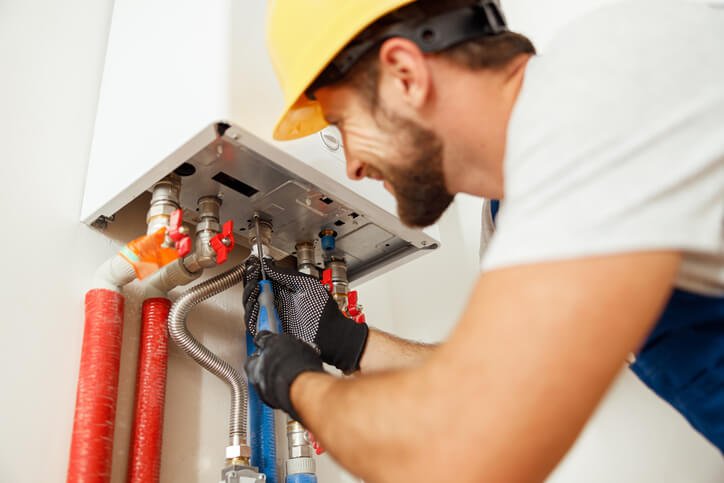
Have you ever stepped into the shower expecting warm water, only to find that it turns cold halfway through? A poorly maintained tankless water heater can sometimes cause problems like this. Although these systems heat water on demand instead of storing it in a tank, they still need regular attention.
Tankless water heater maintenance helps keep the unit working reliably, protects important parts, and reduces the chance of unexpected breakdowns. It can also help you spot small problems before they become expensive repairs.
The good news is that maintenance does not always require complicated tools or advanced skills. Homeowners can perform a few basic checks, while more technical tasks should be left to a qualified professional.
In this guide, you will learn how often to maintain your system, how to prevent mineral buildup, which warning signs to watch for, and when professional service is worth the cost.
Why Tankless Water Heater Maintenance Matters
Tankless water heaters are popular because they heat water when needed and generally take up less space than traditional storage-tank models. However, their compact design does not make them maintenance-free.
Inside the unit, water passes through components that must work together to provide a steady supply of hot water. Over time, minerals, dirt, and normal wear can affect performance.
1. It helps prevent mineral buildup
Hard water contains minerals such as calcium and magnesium. When water is heated, these minerals can collect inside the heat exchanger and form scale.
As scale builds up, heat transfer may become less effective. The heater may also make unusual noises, deliver inconsistent temperatures, or require more energy to heat water.
Regular descaling, when recommended by the manufacturer, helps control this problem.
2. It supports reliable hot water
A clogged inlet filter, restricted water flow, or dirty component can interfere with normal operation. Regular inspections help identify these issues before they lead to an unexpected loss of hot water.
For example, if your shower temperature changes whenever another tap runs, the problem could involve water demand, system capacity, or a developing maintenance issue.
3. It may help extend equipment life
A well-maintained heater has a better chance of operating reliably over time. However, maintenance cannot prevent every failure, especially when components are damaged or the unit was installed incorrectly.
Following the service schedule helps you protect your investment and identify wear before it causes further damage.
How Often Should You Maintain a Tankless Water Heater?
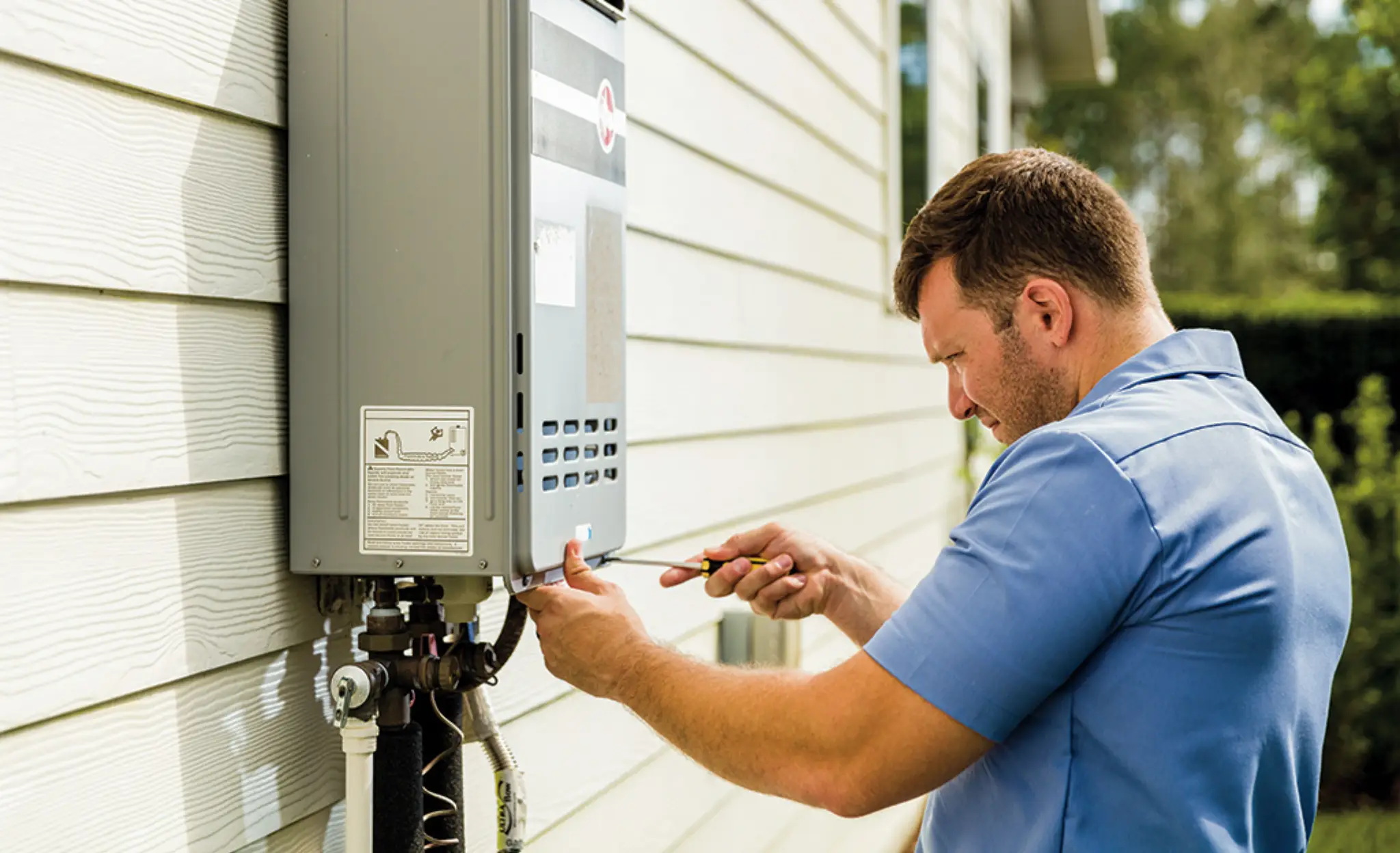
The correct schedule depends on the heater model, water hardness, household water use, and local conditions. Always check the owner’s manual before choosing a maintenance routine.
| Maintenance task | General frequency |
| Check for leaks or visible damage | Monthly |
| Inspect error codes and unusual sounds | Whenever noticed |
| Clean the inlet water filter | As specified by the manufacturer |
| Flush and descale the heat exchanger | As recommended for your model and water conditions |
| Inspect vents and air intake on gas models | According to the manual and professional service schedule |
| Arrange professional inspection | At the interval recommended by the manufacturer |
These are general guidelines, not a replacement for the service instructions supplied with your unit.
Does hard water change the schedule?
Yes. Homes with hard water may need more frequent descaling than homes with softer water. Heavy use can also increase the amount of maintenance required.
If your area has hard water, ask a qualified plumber whether water testing, a suitable water softener, or another treatment system would help protect your heater.
Do not assume that every household needs annual descaling. The right interval depends on the manufacturer’s instructions and the actual mineral content of your water.
Essential Tankless Water Heater Maintenance Tasks
You do not need to take apart the heater to keep an eye on its condition. Start with simple observations, and leave internal repairs to trained professionals.
1. Inspect the unit for leaks
Look around the heater and its connected water pipes for moisture, dripping, corrosion, or water stains.
Even a small leak deserves attention. Water near electrical connections or inside the unit can create additional risks.
If you find a leak, follow the manufacturer’s emergency instructions and contact a qualified technician. Do not remove covers or touch wet electrical components.
2. Clean the inlet water filter
Many tankless water heaters have a filter that catches dirt and other particles before they enter the system. Over time, debris can restrict water flow.
A clogged filter may contribute to reduced hot-water output or trigger an error code.
Before cleaning it, consult the manual to locate the filter and learn how to shut off the water supply safely. If the procedure is unclear, ask a professional to demonstrate it.
3. Flush and descale the heat exchanger
Descaling is one of the most important maintenance tasks for many tankless water heaters, particularly in hard-water areas.
The process usually involves circulating an approved descaling solution through the heat exchanger to dissolve mineral deposits. However, the correct method and cleaning product depend on the specific model.
A typical professional service may include:
- Turning off the heater and isolating the water connections.
- Following the manufacturer’s instructions for connecting flushing equipment.
- Circulating the approved cleaning solution for the specified period.
- Rinsing the system thoroughly.
- Checking for leaks and confirming normal operation.
Important: Do not use an unapproved chemical or improvise a flushing procedure. Incorrect products, connections, or valve settings can damage the equipment.
4. Check the water temperature setting
A temperature setting that is higher than necessary can increase the risk of scalding. It may also make everyday hot-water use less comfortable.
Check the manufacturer’s recommendations and choose a temperature suitable for your household. Families with young children, older adults, or people with reduced sensation should take extra care.
If you repeatedly need to adjust the temperature because the water becomes too hot or too cold, have the system checked rather than assuming the setting is the only problem.
5. Keep the surrounding area clear
The heater needs the clearances specified in its installation manual. Items stored too close to the unit may block access or interfere with ventilation.
Keep the area clean and dry. Never cover vents, block an air intake, or store flammable products near a gas appliance.
For outdoor models, inspect the area for leaves, debris, or other obstructions without opening the appliance.
Gas vs. Electric Tankless Water Heater Maintenance
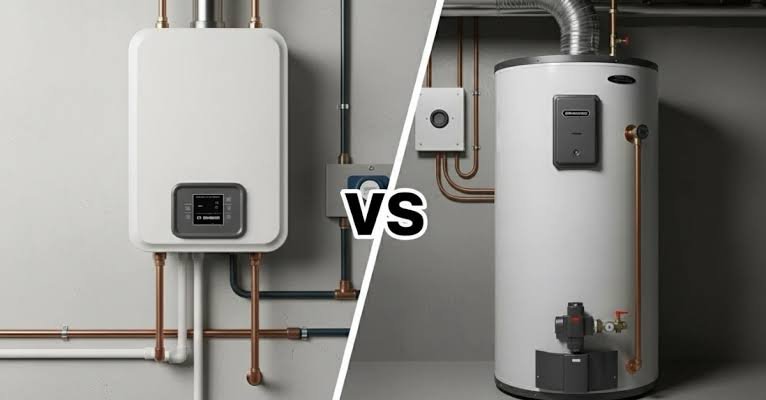
Although both types heat water on demand, their maintenance needs are not identical.
Gas tankless water heater maintenance
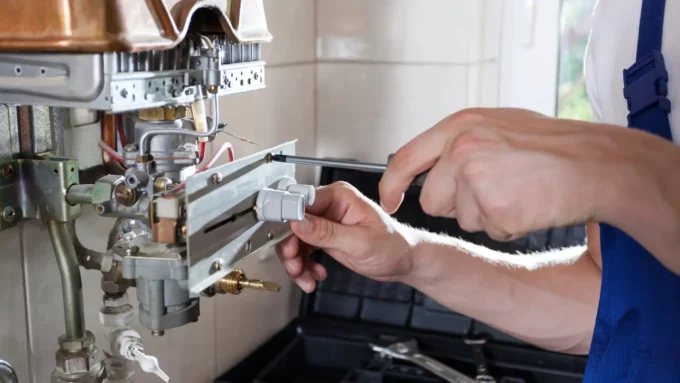
Gas models use a burner and combustion system to heat water. Their maintenance may include checking the venting system, air intake, burner operation, and other combustion-related components.
A qualified professional should inspect the gas connections and combustion system as required by the manufacturer.
Never attempt to adjust gas pressure, dismantle the burner, or repair gas lines yourself. If you smell gas, leave the building and contact your local gas emergency service from a safe location.
Electric tankless water heater maintenance
Electric models use heating elements rather than a gas burner. They do not require combustion venting, but they still need attention to water filters, mineral deposits, connections, and signs of overheating.
Electrical components can be dangerous even when the heater appears to be switched off. Leave internal electrical inspections and repairs to a qualified technician.
In short, neither design is completely maintenance-free. The main difference is that gas systems require combustion and venting checks, while electric systems need appropriate electrical safety inspections.
Warning Signs Your Tankless Water Heater Needs Attention
Small changes in performance can provide useful clues. Do not ignore repeated problems simply because the heater still produces some hot water.
Watch for these warning signs:
- Fluctuating water temperature: The water becomes hot and cold without an obvious reason.
- Reduced water flow: Hot water comes out more slowly than usual.
- Unusual sounds: The unit makes popping, rumbling, or other unfamiliar noises.
- Frequent error codes: The same fault appears repeatedly on the display.
- Unexpected shutdowns: The heater stops during normal use.
- Visible leaks or corrosion: Moisture appears around the pipes or unit.
- Higher energy use: Bills increase without a clear change in household habits.
These symptoms do not always mean the heater needs descaling. They can also indicate a faulty sensor, inadequate gas supply, an electrical issue, restricted plumbing, or a problem with the installation.
Record any error code and note when the issue occurs. This information can help a technician diagnose the problem more efficiently.
Common Tankless Water Heater Maintenance Mistakes
Even well-intentioned homeowners can make mistakes that lead to unnecessary damage.
Using the wrong cleaning solution
Not every descaling chemical is suitable for every heat exchanger. Follow the manual and use only approved products.
Ignoring the manufacturer’s instructions
A maintenance schedule found online may not match your specific heater. Model requirements can differ, so use the manufacturer’s documentation as your primary guide.
Trying to repair gas or electrical components
Opening sealed compartments or adjusting internal components without the right training can create serious safety risks. Basic visual checks are useful, but technical repairs require the proper skills.
Assuming a new heater needs no attention
A new unit can still develop mineral buildup, clogged filters, or installation-related problems. Start following the recommended maintenance schedule from the beginning.
Waiting until the heater stops working
Preventive maintenance is generally easier to plan than an emergency repair. Regular checks can help identify leaks, unusual noises, and other early warning signs.
Can You Maintain a Tankless Water Heater Yourself?
Yes, you can perform some basic checks, but not every task is suitable for a homeowner.
Maintenance tasks you can usually handle
Depending on the model and the manufacturer’s instructions, you may be able to:
- Look for leaks and visible corrosion.
- Keep the surrounding area clean.
- Check the display for error codes.
- Monitor changes in water temperature.
- Record unusual sounds or changes in performance.
- Clean an accessible filter if the manual clearly explains the procedure.
Tasks best left to professionals
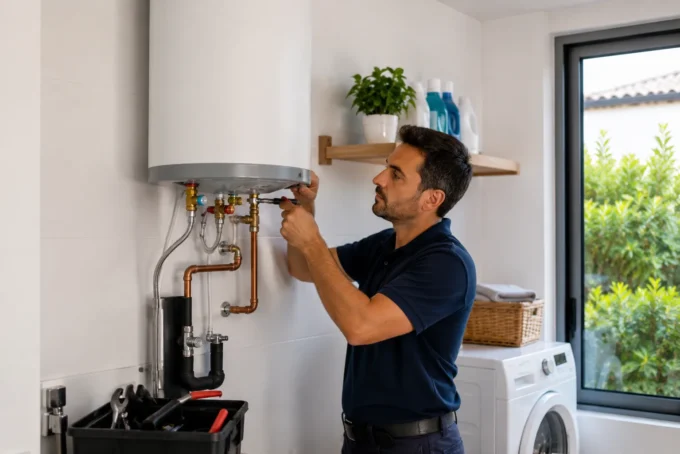
Hire a qualified technician for gas-line work, combustion adjustments, internal electrical repairs, difficult descaling procedures, and faults that continue after basic troubleshooting.
Professional service is especially important if you notice burning smells, damaged wiring, suspected gas leaks, or repeated safety-related error codes.
A practical rule is simple: observe and report problems yourself, but do not open or modify hazardous internal components.
How to Reduce Mineral Buildup and Future Repairs
Preventing scale is often easier than dealing with a heavily blocked heat exchanger.
First, find out whether your water supply is hard. A water test can help you decide whether additional treatment is necessary.
Second, follow the recommended flushing schedule. Do not wait for obvious symptoms if the manufacturer calls for preventive descaling.
Third, keep a basic maintenance record. Write down the date of each service, any error codes, and the name of the technician who performed the work.
Finally, investigate repeated problems instead of treating the same symptom again and again. If scale returns quickly, for example, ask whether water treatment or a change in the service interval would be appropriate.
These habits make it easier to track the heater’s condition and plan future expenses.
How Much Does Tankless Water Heater Maintenance Cost?
The total expense depends on your location, the type of heater, labor rates, and the work required.
A routine inspection may cost less than a service visit involving extensive descaling or replacement parts. Emergency repairs can cost more because they may require urgent scheduling.
When comparing quotes, ask what the service includes. A clear estimate should distinguish inspection, cleaning, replacement parts, and additional repairs.
Remember that water heater maintenance cost is not just about the price of one service visit. Preventive care may help reduce avoidable breakdowns, although it cannot guarantee that a repair will never be needed.
Before approving expensive work, ask the technician to explain the fault, why the proposed repair is necessary, and whether there are manufacturer-approved alternatives.
A Simple Monthly Maintenance Checklist
Use this checklist to build a consistent routine without taking apart the heater.
- Look for leaks, water stains, or corrosion.
- Check that the surrounding area is clean and accessible.
- Notice any unusual sounds or changes in hot-water flow.
- Check the display for error codes.
- Review your maintenance log.
- Confirm whether filter cleaning or descaling is due under the manufacturer’s schedule.
- Arrange professional service if you notice a persistent problem.
These quick checks do not replace a full service visit, but they can help you spot changes early.
Conclusion
Good tankless water heater maintenance starts with small, consistent habits. Check for leaks, keep the area clear, monitor performance, and clean filters or descale the heat exchanger according to the manufacturer’s instructions.
Moreover, learn the warning signs that require professional attention. Repeated error codes, unstable temperatures, and unusual noises should not be ignored.
The best approach is to combine simple homeowner checks with qualified servicing when needed. By following a maintenance plan suited to your water quality and heater model, you can support reliable hot-water delivery and make more informed decisions about repairs.
Frequently Asked Questions
1. How often should a tankless water heater be flushed?
The ideal interval depends on the model, water hardness, and household use. Follow the manufacturer’s instructions and ask a qualified plumber whether your local water conditions require more frequent descaling.
2. What happens if I never descale my tankless water heater?
Mineral deposits may accumulate inside the heat exchanger, reducing performance and potentially contributing to overheating, error codes, or component damage. The actual effects depend on the water quality and the heater design.
3. Can I flush my tankless water heater myself?
Some homeowners can perform the procedure when the manual provides clear instructions and they have the appropriate equipment. If you are unsure about the valves, cleaning solution, or process, arrange professional service instead.
4. How do I know if my tankless water heater needs maintenance?
Common signs include fluctuating temperatures, reduced flow, unusual noises, repeated error codes, and visible leaks. These symptoms can have several causes, so persistent problems should be assessed by a qualified technician.
5. Does a tankless water heater need annual maintenance?
Some manufacturers recommend annual inspections or service, but the exact schedule varies. Water hardness, model requirements, and usage all affect how frequently specific tasks should be performed.







Leave a comment