



Have you ever looked at an old house and wondered whether it would be cheaper to renovate everything from scratch?
A full gut renovation can completely change a property. Instead of simply painting walls or replacing cabinets, the project may involve removing old finishes, opening walls, replacing outdated systems, and rebuilding large parts of the interior.
That is why understanding the full gut home renovation cost before demolition is so important.
The final bill is rarely based only on square footage. The home’s age, location, structure, plumbing, electrical system, materials, permits, and labor can all affect the result.
In this guide, we will look at the biggest expenses, hidden costs, realistic examples, and smart ways to control your renovation budget. More importantly, you will learn which problems should be solved first.
What Does a Full Gut Renovation Actually Include?
A gut renovation goes far beyond a normal remodeling project.
In a standard renovation, you may keep most of the existing structure and simply update selected rooms. A gut renovation is much more extensive.
Depending on the property, it can include:
- Removing old flooring and wall finishes
- Demolishing selected walls
- Replacing electrical wiring
- Updating plumbing
- Repairing framing
- Replacing insulation
- Upgrading HVAC
- Installing new windows and doors
- Rebuilding kitchens and bathrooms
- Installing new flooring
- Adding lighting
- Repainting the entire interior
In short, the goal is to bring an older property back to a modern standard rather than simply making it look newer.
Full Gut Home Renovation Cost: What Changes the Budget?
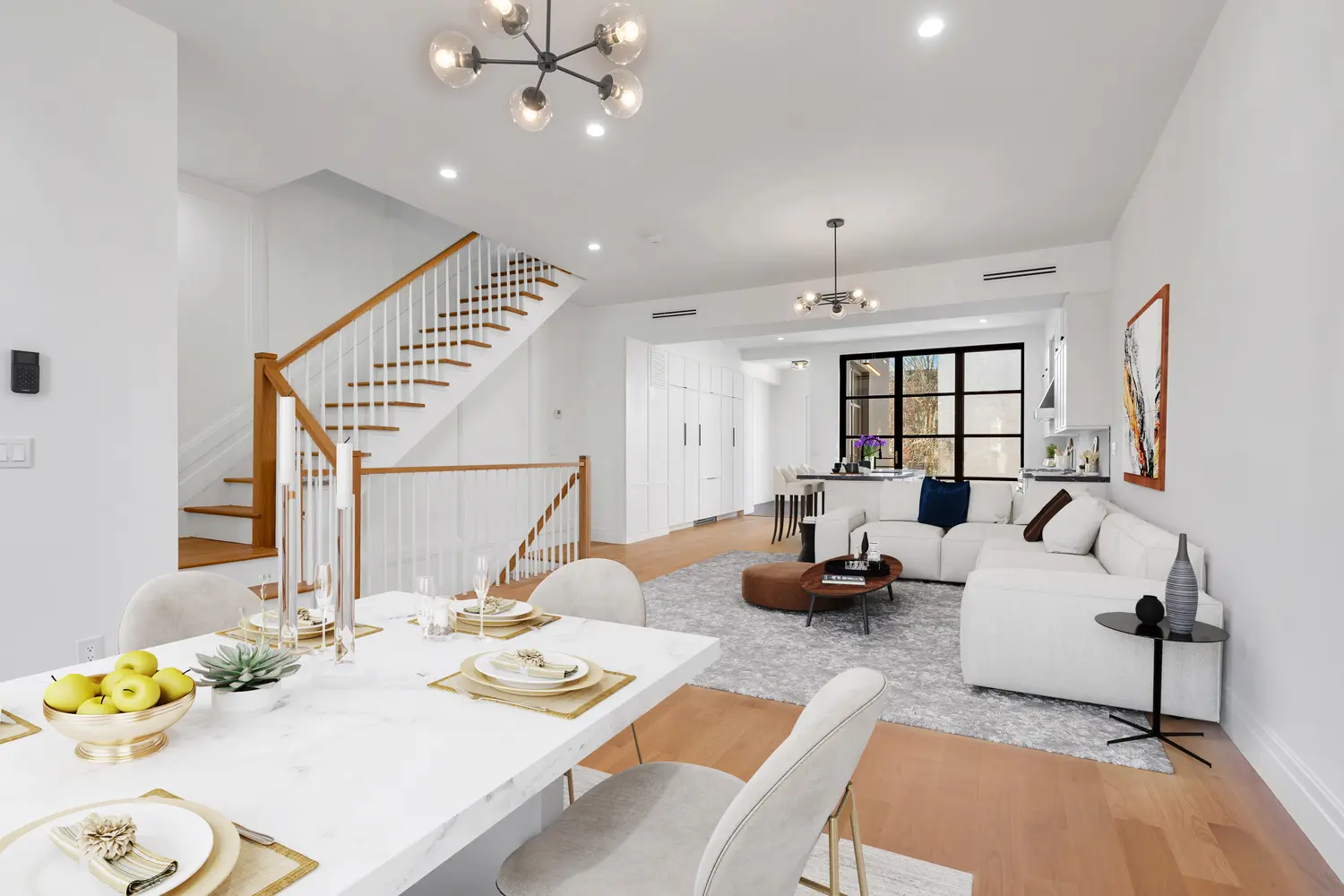
There is no universal renovation price because every property has a different starting point.
Home size
A larger house requires more materials, labor, flooring, drywall, paint, wiring, and fixtures.
However, square footage alone should never determine your budget.
A smaller older home with major structural problems can cost more to renovate than a larger property that is already in good condition.
Age of the house
Older properties often have hidden problems.
For example, an old house may have outdated electrical wiring, galvanized plumbing, poor insulation, damaged subfloors, or previous water damage.
Once the walls are opened, these issues become much easier to see.
Location
Labor and construction prices vary considerably between cities and regions.
Permit fees, contractor availability, transportation costs, and local building requirements can also influence the final price.
Quality of materials
A homeowner can choose basic, mid-range, or premium materials.
Kitchen cabinets, countertops, flooring, bathroom fixtures, windows, and appliances can all produce large differences in the final budget.
The Hidden Costs Homeowners Often Miss
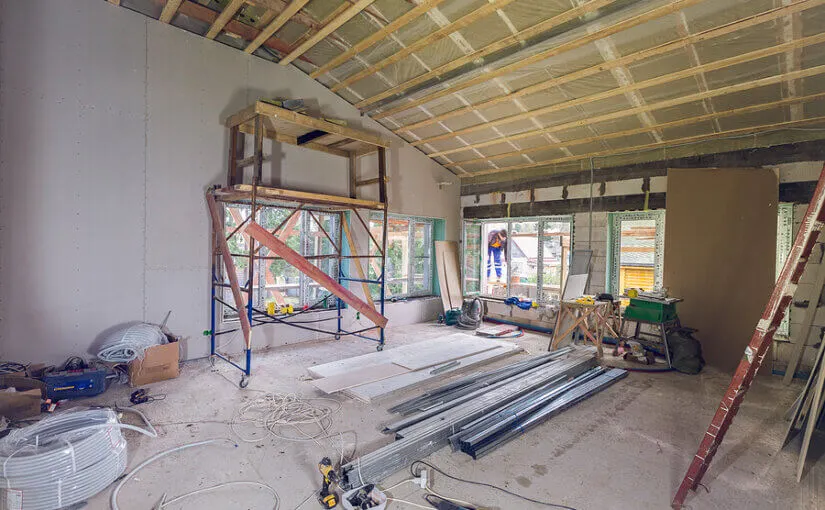
The most dangerous part of a gut renovation is not always the visible work.
It is the unexpected work discovered after demolition.
Structural damage
Opening walls or removing flooring may reveal:
- Rot
- Termite damage
- Cracked framing
- Damaged joists
- Moisture problems
- Foundation concerns
These repairs should not be ignored simply because they were not part of the original design.
Old electrical systems
An older house may not have enough electrical capacity for modern appliances and technology.
A gut renovation can provide an opportunity to upgrade wiring, outlets, lighting circuits, and the electrical panel.
However, electrical work should be assessed and completed according to local codes and by qualified professionals where required.
Plumbing problems
Old pipes can leak, corrode, or become unreliable.
The cost can increase further when a homeowner decides to move a kitchen or bathroom.
Keeping plumbing locations close to their existing positions can often reduce both labor and material requirements.
Water damage
Water is one of the biggest warning signs during renovation.
Damage can occur around roofs, windows, bathrooms, kitchens, foundations, or exterior walls.
A small visible stain may represent a much larger problem behind the surface.
Therefore, investigate the source before replacing the damaged finish.
Demolition Is a Real Expense
Some homeowners assume demolition is simply the first step and therefore inexpensive.
That can be misleading.
Demolition may include labor, protective equipment, debris containers, transportation, disposal fees, and preparation.
Older homes can also contain materials that require specialized handling.
For that reason, demolition should appear as a separate item in your renovation estimate.
Permits and Professional Services
Another easily forgotten expense is the cost of preparing the project properly.
Depending on your location and the scope of the renovation, you may need:
- Building permits
- Electrical permits
- Plumbing permits
- Architectural plans
- Engineering services
- Structural inspections
- Building inspections
Professional design services can also improve the project.
For example, an architect or experienced designer may identify a layout problem before construction begins rather than after expensive work has already started.
How Gut Renovation Compares With Other Renovation Projects
Not every renovation requires a complete gut.
For example, homeowners researching entertainment spaces may search for home theater renovation cost. Someone creating a workspace may be more interested in home office renovation cost.
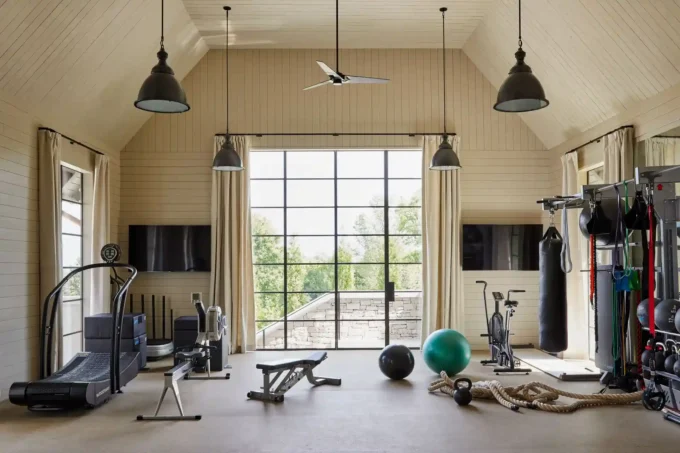
Likewise, fitness enthusiasts may research home gym renovation cost.
These projects usually affect one room or a limited section of the house.
A gut renovation, however, can involve several major systems at the same time.
That difference is important when comparing estimates.
Average Home Renovation Cost vs. Gut Renovation
Searches for average home renovation cost can provide a useful starting point, but they can also create unrealistic expectations.
A typical renovation may focus on cosmetic improvements.
A gut project may involve demolition, structural repairs, electrical replacement, plumbing, insulation, HVAC, permits, and new finishes.
Consequently, homeowners should avoid using a simple national average as their final budget.
Instead, ask contractors for a detailed scope of work.
The estimate should clearly explain what is included and, just as importantly, what is not included.
Temporary Housing Can Become a Major Expense
One cost homeowners often forget is accommodation.
If the kitchen, bathrooms, electrical system, or HVAC are being rebuilt, living in the house may not be practical.
You could need:
- A hotel
- A short-term rental
- Storage
- Moving services
- Temporary furniture storage
- Additional transportation
Example
Imagine a family needs temporary accommodation costing $2,000 per month.
If construction takes six months, housing alone could add around $12,000 to the renovation budget.
Therefore, your financial plan should cover both construction expenses and living expenses.
Full Home Renovation Cost vs. Full Gut Renovation
A homeowner researching full home renovation cost may be considering a major remodel of several rooms.
However, that does not necessarily mean every wall, system, and finish will be removed.
A gut renovation is much deeper.
The distinction can be explained simply:
| Project | Typical scope |
| Cosmetic renovation | Paint, fixtures, décor |
| Room renovation | Kitchen or bathroom |
| Full renovation | Several rooms and systems |
| Gut renovation | Major interior removal and rebuilding |
This distinction matters when comparing contractor estimates.
How to Control Full Gut Home Renovation Cost
A large project does not mean you need to spend without limits.
Smart planning can prevent unnecessary expenses.
1. Keep the existing layout when possible
Moving bathrooms and kitchens can require major plumbing and electrical changes.
If the current layout works, keeping it may save money.
2. Choose materials carefully
The most expensive material is not always the best choice.
Mid-range flooring, cabinets, fixtures, and countertops can often provide a strong balance between appearance, durability, and price.
3. Compare detailed contractor estimates
Do not compare only the final number.
Check whether each quote includes:
- Labor
- Materials
- Permits
- Cleanup
- Demolition
- Waste disposal
- Fixtures
- Project management
A cheaper estimate may simply leave out important work.
4. Protect your contingency fund
Unexpected discoveries are normal during major renovation.
Your reserve should be treated as emergency renovation money, not as part of your shopping budget.
Should You Renovate Everything at Once?
Not necessarily.
A phased renovation can sometimes make financial planning easier.
For example:
Phase 1: Structural and water problems
Phase 2: Electrical, plumbing, and HVAC
Phase 3: Kitchen and bathrooms
Phase 4: Flooring, painting, and lighting
Phase 5: Final design and exterior improvements
This approach can be especially useful when homeowners want to avoid taking on excessive debt.
However, phasing only works when the construction sequence is planned properly.
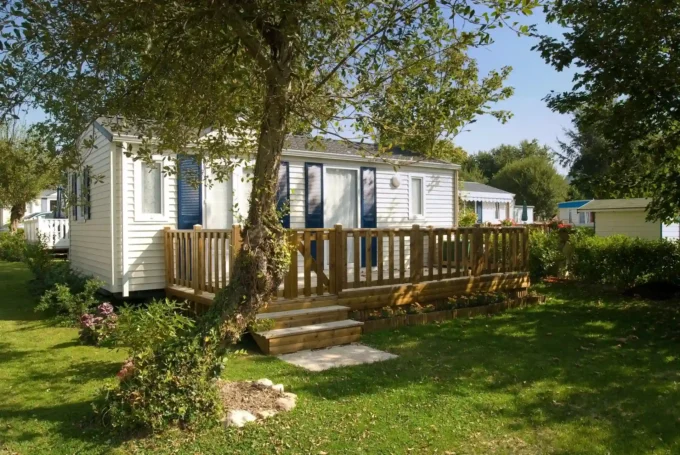
What About Mobile Homes?
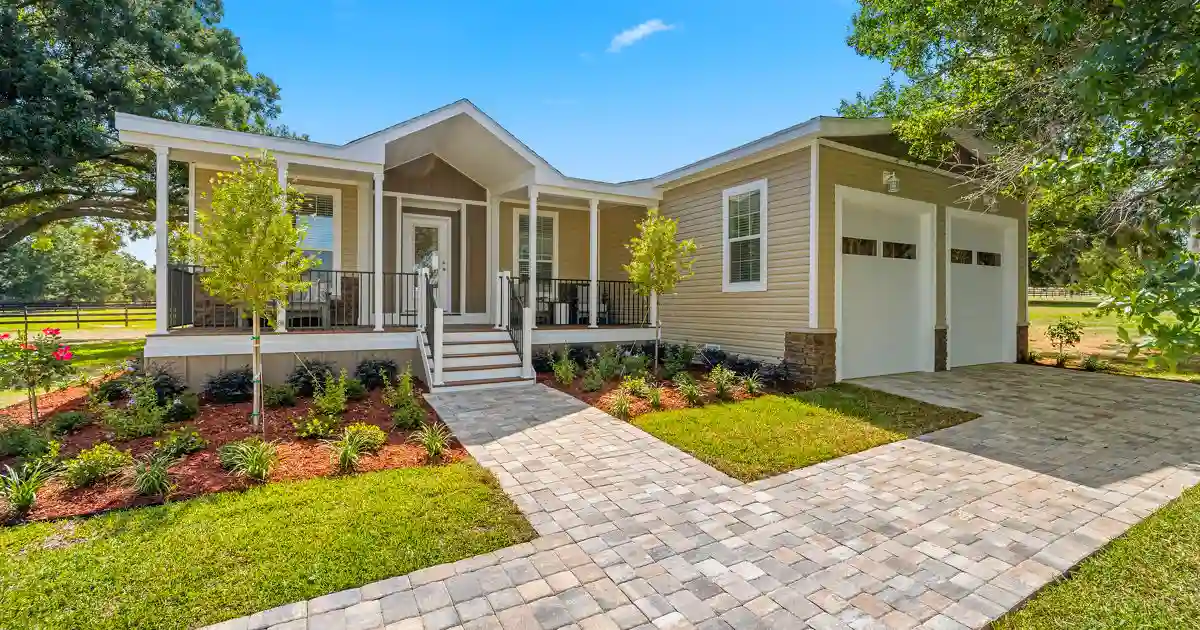
Manufactured homes have different construction methods and renovation requirements.
The mobile home renovation cost depends on the property’s age, size, condition, materials, and planned upgrades.
A cosmetic renovation may be relatively simple, while major structural or system work can become much more complex.
Therefore, manufactured homes should be evaluated separately rather than using a traditional house renovation estimate.
A Real-World Budget Example
Consider a 2,000-square-foot older house.
At first, the homeowner expects to replace the kitchen, bathrooms, flooring, and paint.
During inspection, however, the contractor identifies old wiring, damaged insulation, plumbing concerns, and moisture damage.
The project is now much larger than originally planned.
Instead of ignoring these problems, the homeowner adjusts the budget and completes the critical repairs first.
This may increase the initial cost, but it can prevent the homeowner from spending thousands on attractive finishes while serious problems remain hidden.
That is one of the most important lessons in renovation planning: fix the house before decorating the house.
When Is a Gut Renovation Worth It?
A gut renovation can make financial sense when the property has:
- A desirable location
- A solid structure
- A workable floor plan
- Strong long-term potential
- Repairable major systems
It may be less attractive when nearly everything requires replacement.
Before starting, compare the total project budget with the property’s current value and expected value after renovation.
Also consider how long you plan to stay.
A homeowner planning to live in the property for 15 years may value comfort and efficiency differently from someone planning to sell within two years.
Personal Insight: Where Should Your Money Go First?
From a practical renovation-planning perspective, homeowners often focus on what visitors will notice first.
That usually means kitchens, bathrooms, flooring, and paint.
However, the smartest order is different.
Start with the parts of the house that protect everything else.
That means addressing water intrusion, structural problems, electrical systems, plumbing, insulation, and HVAC before spending heavily on decoration.
Once those systems are sound, cosmetic upgrades become much safer investments.
Conclusion
The full gut home renovation cost can be difficult to predict because the most expensive problems are often hidden behind walls, floors, and ceilings.
Structural damage, old wiring, plumbing, water problems, permits, demolition, and temporary housing can all push the budget higher.
However, good planning can reduce surprises.
Get a detailed inspection. Define the scope clearly. Compare contractor estimates. Keep a contingency reserve. Most importantly, prioritize safety and essential systems before cosmetic improvements.
A successful gut renovation is not simply about creating a beautiful house.
It is about building a better, safer, more comfortable home while making sure the money is spent where it matters most.
FAQs
What is included in a full gut renovation?
A full gut renovation can include demolition, structural repairs, electrical and plumbing replacement, insulation, HVAC work, kitchens, bathrooms, flooring, walls, lighting, and finishing.
Why is a gut renovation so expensive?
The project may involve several construction systems at once. Hidden structural damage, old wiring, plumbing problems, permits, labor, and temporary housing can also increase the final cost.
How much should I keep for unexpected renovation costs?
A dedicated contingency fund is strongly recommended for major renovations. The appropriate amount depends on the home’s age, condition, and how much of the property will be opened or demolished.
Can I live in a house during a gut renovation?
Sometimes, but extensive demolition and system replacement can make a property unsafe or uncomfortable. Temporary accommodation should be included in the financial plan when necessary.
Is a gut renovation better than a normal remodel?
It depends on the property’s condition. A gut renovation makes more sense when multiple systems are outdated or the existing layout needs major changes, while a standard remodel may be better for a home that is structurally sound.








Leave a comment