



Have you ever walked into an older house and thought, “A little remodeling could make this place amazing”?
That may be true, but older homes require a different approach to budgeting. The home renovation cost per square foot can be much harder to predict when a property has aging plumbing, electrical systems, damaged flooring, poor insulation, or decades of previous repairs.
A newer home may need mostly cosmetic improvements. An older property, however, can require both visible upgrades and hidden repairs.
That does not mean an older home is a bad investment. In many cases, updating an older property can improve comfort, safety, energy efficiency, and long-term value.
The key is knowing where the money is likely to go.
What Is the Home Renovation Cost Per Square Foot for Older Houses?
There is no universal renovation price because every older home has a different history.
As a broad planning range, homeowners may encounter renovation costs from approximately $20 to $150+ per square foot, depending on the condition of the property and the level of renovation.
A cosmetic renovation may fall near the lower end. A full renovation involving structural work, plumbing, electrical systems, insulation, kitchens, bathrooms, and high-quality finishes can move toward the upper end.
For example, renovating a 1,500-square-foot house at $60 per square foot would create a preliminary budget of:
1,500 × $60 = $90,000
However, this should not be treated as a contractor quote.
The condition of the house matters more than the simple square-foot calculation.
Why Older Homes Can Cost More to Renovate
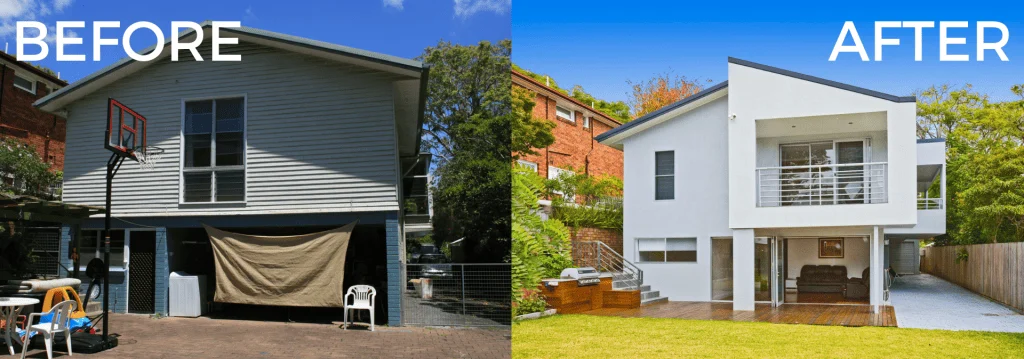
Older properties often have components that no longer meet modern standards or simply have reached the end of their useful life.
Common issues include:
- Outdated electrical wiring
- Old plumbing pipes
- Damaged subfloors
- Poor insulation
- Roof problems
- Drafty windows
- Water damage
- Aging HVAC systems
- Foundation concerns
- Cracked plaster or drywall
- Lead-based paint in some older properties
- Outdated kitchens and bathrooms
Moreover, these problems are not always visible during a normal walk-through.
A floor may look perfectly fine until old flooring is removed. A wall may appear solid until a contractor discovers moisture damage behind it.
This is why an inspection before major renovation is so valuable.
Home Renovation Cost Per Square Foot: Cosmetic vs. Full Renovation
Not every older home needs to be completely rebuilt.
Understanding the difference between cosmetic and full renovation can make budgeting easier.
Cosmetic Renovation
A cosmetic renovation focuses on appearance.
It may include:
- Interior painting
- New flooring
- Light fixtures
- Cabinet hardware
- Trim
- Doors
- Modern faucets
- Window treatments
These projects are generally easier to estimate because they do not involve major changes to the home’s systems.
Partial Renovation
A partial renovation goes further.
It may include:
- Kitchen remodeling
- Bathroom remodeling
- New flooring throughout
- Electrical upgrades
- Plumbing repairs
- HVAC improvements
- Window replacement
- Insulation
This type of project can provide a major improvement without completely rebuilding the property.
Full Home Renovation
A full renovation may involve almost every part of the house.
Typical work can include:
- Demolition
- Structural repairs
- Electrical replacement
- Plumbing upgrades
- HVAC work
- Insulation
- New flooring
- Kitchen renovation
- Bathroom renovation
- Interior and exterior finishing
At this level, the home renovation cost per square foot can increase quickly because multiple trades are involved.
Which Parts of an Older Home Usually Cost the Most?
Some renovation categories consistently require more planning and labor.
Kitchen
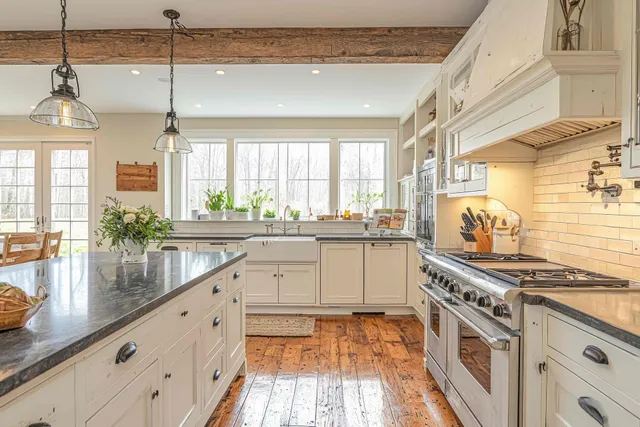
Kitchens can be one of the largest expenses because they combine cabinets, countertops, appliances, plumbing, lighting, flooring, and electrical work.
Homeowners researching the average kitchen renovation cost per square foot should also consider the age of the existing kitchen.
For example, an older kitchen may need new electrical circuits before modern appliances can be installed.
Bathroom
Bathrooms can also become expensive because of plumbing, waterproofing, tile, fixtures, ventilation, and electrical work.
A small bathroom does not necessarily mean a small renovation bill.
The room may be only 50 square feet, but it still requires a toilet, sink, shower or tub, lighting, ventilation, and waterproofing.
Electrical System
Electrical upgrades deserve special attention in older houses.
Some properties may have outdated wiring or insufficient electrical capacity for modern appliances and technology.
Adding outlets may be simple. Replacing major portions of the electrical system is a completely different project.
Plumbing
Old pipes can create leaks, low water pressure, corrosion, and other problems.
If the plumbing system needs extensive replacement, walls and floors may have to be opened.
That creates additional demolition and repair costs.
Hidden Costs Can Change Your Renovation Budget
One of the biggest lessons when renovating an older home is to expect surprises.
For example, imagine that you plan to replace the bathroom floor.
After removing the old flooring, the contractor discovers that part of the subfloor has water damage.
Now the project involves:
- Removing damaged material
- Replacing the subfloor
- Treating the affected area
- Installing new flooring
- Potentially repairing the source of the leak
The original flooring estimate may therefore no longer represent the real cost.
Create a Contingency Fund
For older properties, keeping an additional 10% to 20% or more of the renovation budget available for unexpected work can be a sensible planning strategy.
The exact amount depends on the property’s age and condition.
A professional inspection can help reduce uncertainty, but it cannot guarantee that every hidden issue will be discovered before demolition.
How Location Affects Home Renovation Cost Per Square Foot
The same renovation can cost very different amounts in different parts of the country.
Labor rates, contractor availability, permits, transportation, local building rules, and material prices all influence the final price.
For example, a renovation in a major metropolitan area may have significantly higher labor costs than a similar project in a lower-cost market.
Therefore, online national averages should be treated as reference points rather than exact local prices.
The broader residential renovation cost per square foot also changes depending on the region and type of property.
Older Home vs. Mobile Home Renovation Costs
It is also important to avoid mixing different property types when researching renovation prices.
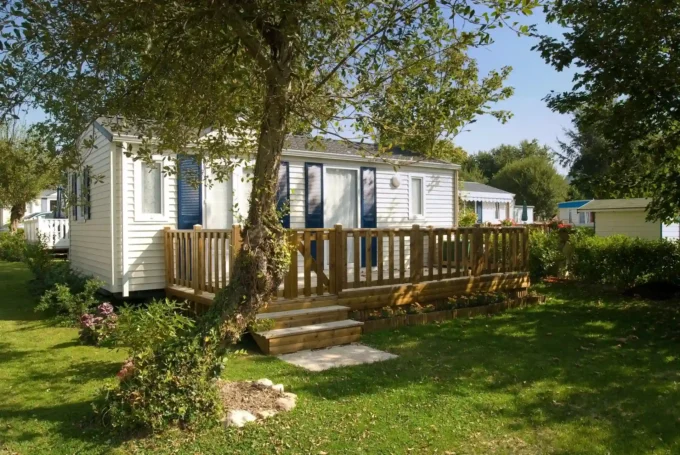
The mobile home renovation cost per square foot can follow a different pattern because manufactured homes have different construction methods, dimensions, materials, and systems.
An older site-built house may have masonry, traditional framing, plaster, or older foundation systems.
Meanwhile, a manufactured home may require specialized components.
In short, always compare your project with similar properties.
Average Renovation Cost Per Square Foot: Why Online Numbers Differ
Search for renovation costs online and you will quickly find very different estimates.
One source may suggest a modest price, while another shows a much higher number.
That does not necessarily mean one source is wrong.
The average renovation cost per square foot may be calculated using different project types.
For example:
- Cosmetic remodeling
- Mid-range renovation
- Luxury renovation
- Historic restoration
- Full gut renovation
- Structural renovation
These projects are not directly comparable.
A homeowner replacing flooring and paint should not use the same budget assumptions as someone gutting a 100-year-old property.
How to Lower the Cost Without Cutting Quality

Renovating an older house does not mean you have to replace everything.
Smart planning can protect your budget.
1. Keep the Existing Layout
Moving kitchens and bathrooms often requires new plumbing and electrical work.
Keeping the existing layout can significantly reduce labor.
2. Repair Before Replacing
Not every old component needs to be removed.
Solid hardwood floors, doors, cabinets, and trim may be worth restoring rather than replacing.
3. Choose Materials Carefully
You can combine premium and affordable products.
For example, invest more in a durable kitchen countertop while choosing a mid-range backsplash.
4. Renovate in Phases
A phased renovation can make a large project easier to manage financially.
You might complete:
Phase 1: Safety and structural repairs
Phase 2: Kitchen and bathroom
Phase 3: Bedrooms and living areas
Phase 4: Exterior improvements
This approach also allows you to learn more about the property before committing to later phases.
A Practical Example of an Older Home Renovation
Consider a 1,800-square-foot house built several decades ago.
The structure is generally sound, but the property needs:
- New flooring
- Kitchen renovation
- Bathroom renovation
- Electrical improvements
- Plumbing repairs
- Interior painting
- Insulation upgrades
Suppose the initial planning estimate is $75 per square foot.
The basic calculation would be:
1,800 × $75 = $135,000
However, the homeowner should not immediately assume that $135,000 is the final cost.
If demolition reveals major water damage or structural problems, the budget may increase.
On the other hand, keeping the existing kitchen layout, restoring original doors, and choosing mid-range finishes could reduce the final cost.
This example shows why scope and condition are more important than a single average price.
Conclusion: Budget for the House You Actually Have
The home renovation cost per square foot is a useful starting point, but older homes require a more detailed approach.
The biggest financial surprises often come from problems that are hidden behind walls, beneath floors, or inside outdated systems.
Therefore, inspect the property carefully before setting a final budget.
Prioritize safety, structure, plumbing, electrical systems, and water damage before spending heavily on finishes.
Most importantly, do not let a single online renovation average decide whether your project is affordable.
A realistic scope, professional inspection, detailed contractor estimates, and a contingency fund can turn an unpredictable old-house renovation into a manageable project.
FAQs
What is the average home renovation cost per square foot for an older home?
A broad planning range can be around $20 to $150+ per square foot, depending on the property’s condition, location, materials, labor, and renovation scope.
Why are older homes more expensive to renovate?
Older homes may have outdated plumbing, wiring, insulation, HVAC systems, roofs, or damaged structural components that require additional work.
Should I renovate an older home room by room?
Often, yes. A phased approach can make budgeting easier and allows homeowners to prioritize safety and essential repairs before cosmetic improvements.
How much should I keep for unexpected renovation costs?
For an older property, keeping around 10%–20% or more as a contingency can provide useful protection against unexpected repairs.
Is renovating an older home worth the cost?
It can be, particularly when the property’s structure and location are strong. However, homeowners should compare the renovation budget with the property’s expected value and long-term goals.





Leave a comment